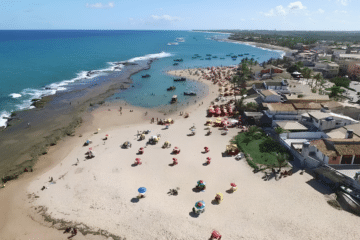
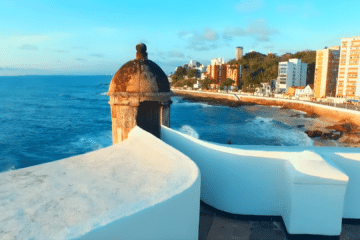
Bahia is one of Brazil’s most diverse states in terms of tourism, with its 13 tourist regions offering visitors a wide variety of experiences.
Tourist regions of Bahia
- Salvador – The state capital, famous for its colonial architecture, Afro-Brazilian culture, carnival and beaches.
- Baía de Todos os Santos – The largest navigable bay in Brazil, with islands, historical sites and the capital, Salvador.
- Caminhos do Jiquiriçá – Known for its waterfalls, trails and rural tourism.
- Southwest Trails – Includes towns of historical importance and agricultural economy, with cultural attractions.
- Caminhos do Sertão – A region of arid landscapes and rural culture, represented by traditional events and festivals.
- Costa dos Coqueiros – A destination famous for its beaches and luxury resorts, including Praia do Forte and Linha Verde.
- Cocoa Coast – Rich in the history of the cocoa cycle, with famous beaches such as Ilhéus and Itacaré.
- Costa do Dendê – The region is famous for its archipelago of 26 islands, of which Tinharé is the largest and most famous.
- Discovery Coast – A World Heritage Site, it includes Porto Seguro, the birthplace of Brazilian colonisation.
- Caminhos do Oeste – A region of significant agricultural development, with landscapes of savannah and rivers.
- Whale Coast – Famous for humpback whale watching and quiet beaches in the extreme south of Bahia.
- Chapada Diamantina – Mountainous region with waterfalls, caves and trails, ideal for ecotourism.
- Lagos and Canyons of the São Francisco River – Focused on the São Francisco River, with boat trips and impressive canyons.
These regions highlight the geographical and cultural diversity of the state and offer attractions for all types of travellers.

Bahia is divided into 13 tourist regions, and of the 417 municipalities in the state, 154 have attractions for travellers.
For those who think that Bahia is only sun, beaches, olive oil and carnival, we also offer business tourism, adventure sports, cultural tourism… In Lençóis, for example, in addition to the landscape, we have the Winter Festival.
Bahia has beautiful caves in Barreiras. We have waterfalls and more than two thousand river springs in Iguaí, in the south-west of the state. You can even take a catamaran ride in Feira de Santana.
Its beaches along the vast coastline, colonial historic sites, natural beauty and rich culture are a constant attraction for visitors from all over the world.
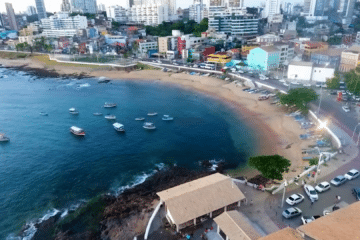
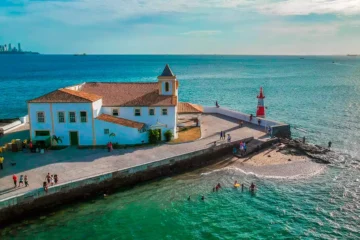
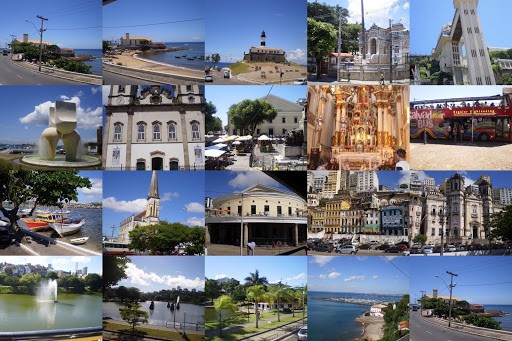
The state capital, Salvador, is famous for its carnival, which attracts some 2.7 million revelers over six days of festivities. Tourist attractions include the Bay of All Saints, the Barra Lighthouse on Barra Beach, the Lacerda Elevator and Pelourinho.
On the coast of Bahia is Costa do Sauípe, Brazil’s largest tourist complex, designed from the outset for tourism and almost entirely filled with hotels and resorts.
The Abrolhos Archipelago is a tourist area in Bahia and is known for its excellent scuba and freediving, as well as attractions such as the humpback whale season, which begins in July.
There are many other coastal locations that are popular with tourists: Praia do Forte, Guarajuba, Itacimirim, Prado, Itacaré, Santa Cruz Cabrália, Camamu, Ituberá, Alcobaça, Morro de São Paulo, Ilha de Itaparica, among others.
Also noteworthy is Camamu Bay, the third largest bay in Brazil. The Bahian coast also has other popular tourist destinations, such as Arraial d’Ajuda, in Porto Seguro, where Brazil was discovered, Morro de São Paulo, Praia do Forte and Maraú.
Bahia has been divided into tourist zones, each with a name that reflects its main physical and thematic identity.
Description of Bahia’s Tourist Regions
Regiões Turísticas da Bahia
1. Salvador, Bahia
A vibrant city full of history, culture and natural beauty, Salvador is the perfect destination for those who want to explore the heart of Afro-Brazilian culture, colonial traditions and idyllic beaches.
With its famous carnival, rich cuisine and iconic attractions such as Pelourinho, Salvador offers a unique experience that blends past and present in an unforgettable setting.
Founded as São Salvador da Bahia de Todos os Santos, Salvador is a Brazilian city, the capital of the state of Bahia and the first capital of Brazil.
The inhabitants of Salvador are called soteropolitanos, a demonym derived from the translation of the city’s name into Greek: Soterópolis, which means “city of the saviour”. The word is composed of Σωτήρ (“saviour”) and πόλις (“city”).
With a welcoming and vibrant atmosphere, Salvador is the ideal destination for an unforgettable holiday.
2. All Saints Bay
The Bay of All Saints, one of the largest navigable bays in Brazil, is surrounded by several cities and islands offering a wide range of tourist attractions and cultural experiences. Here are some of the main towns and islands around the bay:
1. Salvador
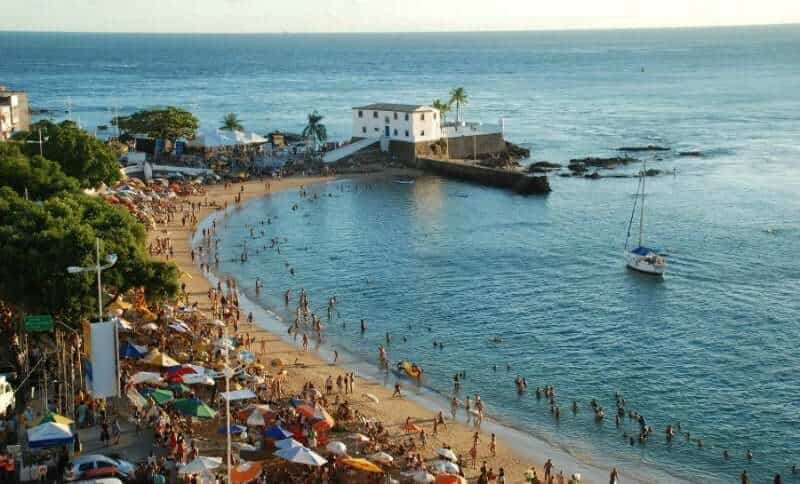
- Main Attractions: Pelourinho, Lacerda Elevator, Mercado Modelo, baroque churches and beaches such as Porto da Barra and Praia do Forte.
- Highlights: Salvador is the capital of Bahia and the cultural epicentre of the state, famous for its vibrant carnival, rich colonial history and Afro-Brazilian heritage. The city combines culture, gastronomy and beautiful beaches. It has a passenger seaport and ferry terminals between Salvador and Itaparica. It also has regular air, road and sea services.
2. Itaparica Island.
- Main attractions: Quiet beaches such as Ponta de Areia and Praia do Forte and the charm of small villages.
- Highlights: The island offers a relaxing environment with quiet beaches and a rural atmosphere. It is ideal for those seeking tranquillity and close contact with nature.
3. Brothers Island
- Main Attractions: Secluded beaches, nature trails and the historic charm of the villages.
- Highlights: Known for its unspoilt countryside and peaceful atmosphere, the island is perfect for those who want to escape the hustle and bustle of big cities and explore nature.
4. Candles
- Main Attractions: Beaches such as Praia de Candeias and local leisure facilities.
- Highlights: Candeias is a coastal town with beautiful beaches and good infrastructure for tourism, including leisure and dining options.
5. Madre de Dios
- Main Attractions: Beaches such as Ponta de Areia beach and Madre de Deus harbour.
- Highlights: Famous for its port and as a gateway to the surrounding islands, Madre de Deus is an interesting place for those who want to explore the maritime area and its islands.
6. Waterfall.
- Main attractions: Colonial heritage, churches and traditional festivals.
- Highlights: Known for its rich historical and cultural heritage, Cachoeira is famous for its traditional festivals and colonial architecture.
7. Santo Amaro
- Main Attractions: Traditional festivals and historic sites.
- Highlights: Santo Amaro is famous for its cultural and historical festivals, as well as its colonial architecture.
The diversity of the capital of Bahia, the Recôncavo and the surrounding region attracts visitors from all over the world and is reflected in its religious syncretism, musicality, folklore and history. The strength of the indigenous peoples and the Portuguese colonisers harmonises with the African heritage of the city, which has the largest population of African descent outside Africa.
See the map of Todos os Santos Bay
3. Paths of Jiquiriçá
The Caminhos do Jiquiriçá (Jiquiriçá Ways) is a region rich in natural and cultural beauty, offering a variety of options for tourists. Among the main towns are Amargosa, Cruz das Almas and Milagres.
The region is known for its waterfalls, rivers, hills and lush flora and fauna, attracting both nature lovers and extreme sports enthusiasts. The stunning landscapes and natural environment are perfect for outdoor activities such as hiking, abseiling and water sports.
In addition, the Caminhos do Jiquiriçá offer intimate contact with local culture, traditional festivals and a rich cultural heritage. Visitors can discover the authenticity of the towns and the hospitality of the inhabitants, enjoying a complete experience that combines nature and culture.
4. South West Trails
The Southwest Bahia region, including cities such as Iguaí and Vitória da Conquista, is located in a semi-arid strip and has shown great potential for business and cultural tourism.
1. Iguaí.
- Natural Landscapes: Iguaí is known for its stunning landscapes, which include Trails, Waterfalls and Hundreds of river springs. These natural resources create a mosaic of rare beauty, ideal for ecotourism and outdoor activities.
- Coffee Plantations: The city is famous for its coffee plantations, which add to its rural charm and offer opportunities for agrotourism.
- Buracão Waterfall: One of the main natural attractions, with a beautiful waterfall and swimming areas.
2. Victory of the Conquest
- Glauber Rocha Cultural Centre: An important cultural centre offering art exhibitions, cinema and cultural events.
- Tancredo Neves Square: A central meeting point and venue for events, with historic architecture and leisure areas.
- Exhibition Park: Famous for hosting the Vitória da Conquista Agricultural Exhibition, an important event for the agricultural and livestock sectors.
3. Other attractions in the region
- Business Tourism: The region has developed into a centre for business and events, with modern infrastructure and facilities for conferences and trade fairs.
- Cultural Tourism: The region’s rich cultural heritage is evident in traditional festivals, museums and cultural events that attract visitors interested in local culture.
The Southwest Trails combine natural beauty with a growing infrastructure for business and cultural tourism, making it a diverse destination for those wishing to explore both nature and culture in Bahia.
5. Paths of the hinterland
The region of the Caminhos do Sertão (Back Country Trails), which includes cities such as Canudos, Cipó, Ribeira do Pombal and Uauá, is characterised by a unique climate and vegetation, which make it a unique destination for historical, cultural and religious tourism.
1. Straws.
- Canudos State Park: The site of important battles during the War of Canudos, this park offers a rich opportunity to explore local history and memories of the conflict. The park offers trails and guided tours that allow visitors to understand the historical context of the battles and enjoy the natural landscapes of the region.
- Canudos Museum: Displays artefacts and documents related to the War of Canudos, allowing visitors to immerse themselves in local history and culture.
2. Cipó
- Cachoeira do Cipó: A natural attraction famous for its beauty, ideal for swimming and hiking amidst lush nature.
- Chapada Diamantina National Park: Near Cipó, it offers a wide range of ecotourism activities, including trails, caves and waterfalls.
3. Ribeira do Pombal
- Church of São José: An important historical and religious site, reflecting the city’s rich cultural heritage.
- Natural Beauty: The region has areas of natural beauty, including rivers and landscapes that are ideal for eco-tourism and adventure tourism.
4. Uauá
- Uauá Regional Museum: Focuses on local history and culture, with exhibitions depicting the life and traditions of the Sertanejo region.
- Festivals and Events: The city hosts various festivals and celebrations that reflect the culture and traditions of the Sertão.
The Caminhos do Sertão offer a rich tapestry of historical and cultural experiences, set in a unique landscape that attracts visitors interested in the history, culture and natural beauty of the Bahian hinterland.
6. Coconut Coast
North of Salvador lies the Costa dos Coqueiros, a stunning stretch of coastline with 193 kilometres of beaches surrounded by rivers and dunes. Known for its unique environmental wealth, the region is crossed by the Estrada do Coco (Coconut Road) and the Linha Verde (Green Line), Brazil’s first ecological highway.
Parishes of the Coconut Coast
Main destinations
- Praia do Forte: Famous for its crystal clear waters and the Tamar Project, dedicated to the conservation of sea turtles. The beach is ideal for relaxation and water activities.
- Costa do Sauípe: The largest resort complex in South America, offering a wide range of services and entertainment in a luxurious setting.
- Imbassaí: Known for its quiet beaches and where the river meets the sea, offering a relaxing experience and scenic landscapes.
- Mangue Seco: A picturesque destination with dunes, mangroves and a peaceful atmosphere, perfect for those seeking closer contact with nature and local culture.
The Costa dos Coqueiros is one of the most popular tourist areas in the State, offering a perfect combination of natural beauty, quality infrastructure and an environment conducive to relaxation and leisure.
See the map of Costa dos Coqueiros
7. Cocoa Coast
Canavieiras, Ilhéus, Itabuna, Itacaré, Pau Brasil, Santa Luzia…
The 180-kilometre road from Itacaré to Canavieiras, passing through Ilhéus and Una, offers magnificent scenery, with forests overlooking white sandy beaches, lagoons, mangroves and nature reserves.
There are six protected areas, including the Una Biological Reserve, a sanctuary for the endangered golden-headed tamarin.
Comprising the municipalities of Canavieiras, Ilhéus, Itacaré, Santa Luzia and Uruçuca, this region became world famous through the tales of love and adventure told in the novels of Jorge Amado. Una and Uruçuca, this region became world famous through the stories of love and adventure told by Jorge Amado.
See the map of the Cocoa Coast
8. Dendê Coast
The Dendê Coast is a stunning coastal region in Bahia that stretches for 115 kilometres along the coast, offering a rich combination of warm water beaches, rivers, forests, waterfalls and trails that are still untouched by civilisation. The region is famous for its archipelago of 26 islands, the largest and most famous of which is Tinharé Island.
1. Main towns and destinations
- Cairu: Home to Tinharé Island, which is home to the famous Morro de São Paulo, one of Bahia’s most popular destinations, known for its idyllic beaches and vibrant nightlife.
- Camamu: Known for the Camamu Bay, an area rich in biodiversity, ideal for boat trips and nature observation.
- Ituberá: Known for its natural beauty and ecotourism opportunities, such as trails and waterfalls.
- Maraú: Offers quiet beaches and stunning natural scenery, including the Tinharé National Park.
- Valença: An important commercial and cultural centre in the region, acting as a gateway to other tourist areas.
2. Natural attractions
- Tinharé Archipelago: Includes several islands, the most famous of which is Tinharé Island, where Morro de São Paulo is located. The archipelago offers spectacular scenery and outdoor activities.
- Camamu Bay: One of the largest bays in Brazil, rich in marine life and with a unique landscape, ideal for boat trips and nature observation.
- Boipeba Island: Known for its quiet beaches and rich biodiversity.
3. Culture and gastronomy
The Dendê Coast is the main production area for Dendê Oil, an essential ingredient in Bahian Cuisine. The region offers a rich local culture and a variety of traditional dishes using palm oil, reflecting the culinary tradition of Bahia.
4. Una River-Maritime Archipelago
In this archipelago you will find a combination of freshwater and saltwater ecosystems, providing a diverse environment for observing flora and fauna.
The Dendê Coast is a highly attractive tourist destination, known for its natural beauty, diverse landscapes and rich cultural and gastronomic heritage, offering visitors a unique experience.
See the map of the Dendê Coast
9. Discovery Coast
The Discovery Coast is a coastal region rich in history and natural beauty that stretches for 150 kilometres along the coastline. Situated at the foot of Mount Pascoal, this area is renowned for its beaches, cliffs, coral reefs, mangroves, forests and rivers. It has been declared a World Heritage Site by UNESCO because of its ecological and historical importance.
1. Main towns and destinations
- Eunápolis: Serves as an important gateway to the region and is known for its cultural and historical attractions.
- Itabela: Offers beautiful natural landscapes and is a gateway to explore the surrounding areas.
- Porto Seguro: One of the most famous destinations in Bahia, it is considered the cradle of Brazilian history and civilisation. Porto Seguro is known for its beaches, nightlife and cultural attractions.
- Belmonte: Known for its quiet beaches and rich local culture.
- Santa Cruz Cabrália: Important in Brazilian history, with attractions dating back to the arrival of the Portuguese in the country.
2. Natural and historical attractions
- Monte Pascoal: An important historical and natural landmark in the region, believed to be the site where the first Portuguese settlers landed in Brazil in 1500.
- Beaches and Cliffs: The region offers a number of stunning beaches and imposing cliffs, attracting tourists in search of natural beauty and tranquillity.
- Coral Reefs and Mangroves: Rich in biodiversity, ideal for diving and marine life observation.
- Nature parks and rivers: Protected areas offering opportunities for ecotourism and direct contact with nature.
3. Cultural and Historical Importance
The Discovery Coast is considered the cradle of Brazilian history and civilisation, offering an unparalleled array of historical and natural attractions. The region is marked by significant historical events, including the arrival of the first European explorers, and maintains a cultural heritage that is evident in local festivals and traditions.
The Discovery Coast offers an enriching experience that combines natural beauty with a deep historical heritage, making it an unmissable destination for those wishing to explore Bahia’s rich history and ecological diversity.
10. Paths of the West
Located on the left bank of the São Francisco River, the Caminhos do Oeste region is made up of the municipalities of Barreiras, Bom Jesus da Lapa, Correntina and Correntina. Bom Jesus da Lapa, Correntina, Santana, Santa Rita de Cássia, Santa Maria da Vitória, São Félix do Coribe and São Desidério.
Natural and economic features
- Terrain and vegetation: The terrain in the region is flat and the vegetation is typical of the cerrado, providing a characteristic landscape that defines the area.
- Agriculture: Western Bahia is an important agro-industrial centre, being the main grain producer in the north and north-east of Brazil. The success of agribusiness has generated significant economic growth in the region.
Natural beauty and activities
- Canyons, caves and valleys: The affinity with the São Francisco River creates canyons, caves and valleys that offer spectacular scenery and opportunities for ecotourism and water sports.
- Exotic landscapes: The region has preserved much of its natural beauty virtually untouched, providing a unique environment for visitors wishing to enjoy nature and explore the area’s geological formations.
Economic growth and tourism
The Caminhos do Oeste (Western Trails) is characterised by its significant economic growth, driven by advances in the agro-industrial sector, particularly in cereal production. Its exotic landscapes and combination of natural beauty and economic development make the region an attractive destination for adventure tourism and for those interested in learning more about Bahia’s agro-industrial sector.
See the map of the Western Routes
11. Whale Coast
The Whale Coast is a fascinating coastal region in the extreme south of Bahia, comprising the municipalities of Alcobaça, Caravelas, Mucuri, Nova Viçosa and Prado.
The Abrolhos Archipelago is made up of five islands and is famous for its biodiversity and its shallow, crystal clear waters, reefs and underwater caves. It is known as one of the best places to see humpback whales during their annual migration, when these magnificent creatures visit the shallow, crystal clear waters of the region.
The Whale Coast is a privileged destination for ecotourism and for those who want to experience the beauty and biodiversity of the Bahian coast first hand. With its lush landscapes and the opportunity to witness one of the greatest natural spectacles on the planet, the region attracts visitors in search of adventure and unique experiences.
12. Chapada Diamantina
The Chapada Diamantina is one of the most extensive and impressive tourist areas in Bahia, located in the central region of the state. It includes the municipalities of Andaraí, Ibicoara, Mucugê and Palmeiras. Mucugê and Palmeiras, among others, the region is known for its stunning natural landscapes and rich biodiversity.
Natural and Historical Features
- Chapada Diamantina National Park: Home to a partially unknown biodiversity, with a rich and varied ecosystem. The park is known for its waterfalls, crystal-clear pools and trails opened by prospectors who discovered the region of springs of the Paraguaçu Basin.
- Trails and Adventures: The trails provide access to various tourist attractions, including impressive waterfalls and unique geological formations.
Tourist Circuits
The Chapada Diamantina is divided into four main circuits:
- Chapada Norte: Includes areas of great natural beauty and points of historical and cultural interest.
- Gold Circuit: Relates to the history of mining and gold exploration in the region, with historical and natural attractions.
- Diamond Circuit: Famous for its mining history and stunning scenery.
- Chapada Velha: Includes areas of great historical and cultural importance, with trails and tourist attractions.
Historical importance
The municipalities of Chapada Diamantina have a history deeply linked to gold mining in the 17th, 18th and 19th centuries. The diamond and gold cycle has left a significant cultural and historical legacy in the region, which can be explored through its various tourist circuits.
Main attractions
- Waterfalls and Fountains: These are must-see attractions for nature lovers and eco-tourists.
- Geological Formations: These include canyons, caves and rock formations that offer unique scenery and opportunities for outdoor activities.
The Chapada Diamantina offers a rich and varied experience, combining natural beauty with a deep historical heritage. It is an ideal destination for those seeking adventure in the midst of nature and for those interested in exploring the history and culture of Bahia.
See the map of Chapada Diamantina
13. Valleys, Gorges and Lakes of São Francisco
The Valleys, Ravines and Lakes of São Francisco region is one of the most fascinating tourist areas in Bahia and includes the municipalities of Abaré, Casa Nova, Curaçá, Glória, Juazeiro, Paulo Afonso, Remanso, Rodelas, Santa Brígida and Sobradinho. Santa Brígida and Sobradinho..
Natural features and activities
- Influence of the São Francisco River: The region is strongly marked by the presence of the São Francisco River, which influences the climate and local activities, offering beautiful canyons, valleys and lakes.
- Water Sports: Watersports and Fishing are popular activities, taking advantage of the area’s extensive network of waterways and reservoirs.
Wine Tourism
- Wine Production: The region is considered the second largest wine-producing area in Brazil. The fine wines produced here add a special flavour to the local cuisine.
- Wine Tourism Routes: These include tours of the vineyards, where visitors can learn about the grape harvest and visit the wine cellars with their wooden barrels. One of the most popular routes is the Vapor do Vinho, which links Juazeiro, Sobradinho and Casa Nova, and includes a visit to the São Francisco River Lock, which facilitates navigation between the river sections by overcoming the difference in level created by the dam.
Main attractions
- São Francisco River Lock: Allows the traditional navigation of the river to continue, adding an interesting aspect to the tour of the vineyards and exploration of the region.
- Vineyards and Wineries: Wine tourism offers an immersion in the local wine culture, with opportunities to learn about the winemaking process and taste wines from the region.
The São Francisco Valley, Gorge and Lakes Region combines the natural wealth of the São Francisco River with the growing importance of wine tourism, offering visitors a diverse experience that includes natural beauty, water activities and immersion in wine culture.
See the map of São Francisco Lakes
Main tourism regions in Bahia
Bahia.ws is the largest tourism and travel guide for Bahia and Salvador.

Publicações Relacionadas
Trekking - Popular trails in Chapada Diamantina
Ponta de Corumbau — an unspoilt paradise on the southern coast of Bahia
Wine Tourism in the São Francisco Valley Guide
Relief, Fauna and Flora of Chapada Diamantina
São Desidório: Explore Caves and Biodiversity
Juazeiro: Discover the Land of the Carrancas
Salinas da Margarida (BA) — Beaches, Attractions and a Complete Guide
Chapada Diamantina: A Complete Guide to Attractions and Itineraries
Campo Formoso: Explore Caves and Emerald Trade
39 Museums in Salvador: Discover the history and culture of Bahia
Todos-os-Santos Bay (Bahia) — History, geography and conservation
Tourist attractions and architectural heritage of Salvador (BA)
Mining in the Chapada Diamantina History Explained
Discover the São Francisco River Valley Region - Tourist Guide
Lagoa Encantada in Ilhéus: A Preserved Natural Paradise
Rafting in Taboquinhas: The Ultimate Adventure Guide
Kitesurfing in Trancoso: A Guide for Adventurers
History of the Convent and Church of Nossa Senhora da Piedade in Ilhéus
Humpback whales in Brazil — characteristics, migration and sanctuaries (Abrolhos)
Blue Fountain in Chapada Diamantina: a complete guide
Morro de São Paulo: Beach Guide and How to Get There
10 Interesting Facts About Rio de Contas That You Didn’t Know
Ponta de Humaitá — Lighthouse, church and the best sunset in Salvador
Itaparica Island — Complete Guide: History, Beaches and Tips
Discover the Magnificence Fort of Nossa Senhora de Monte Serrat
Jandaíra: Discover the charm of Mangue Seco
Porto Seguro (BA) — History, Beaches, Tours and Practical Tips
The History of Lençóis in the Chapada Diamantina — Origins, the Diamond Cycle and Heritage
Tinharé Archipelago: Discover Hidden Island Gems
Camamu Bay — A Hidden Paradise in Bahia
Todos os Santos Bay — Nature, History and Water-based Tourism
Church of the Third Order of St Francis — History, Art and Baroque Architecture
Sempre-Viva: Symbol of Preservation in the Chapada Diamantina
Garcez Beach: Discover Paradise in Jaguaripe
Cathedral Basilica of Salvador — History, Sacred Art and Collection
Origin and History of Capoeira in Brazil Explained
This post is also on:
 Português
  English
  Deutsch
  Español
  Français