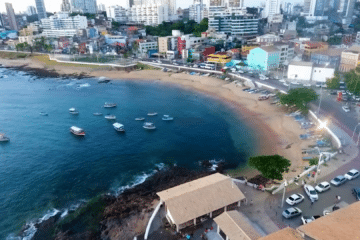
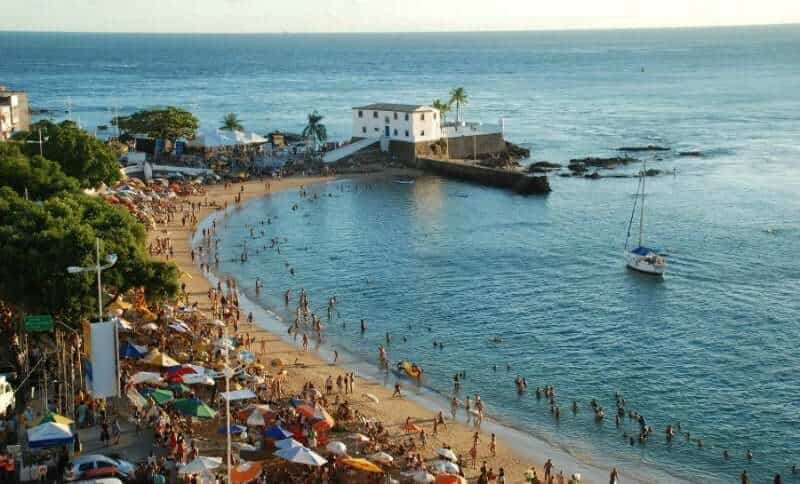
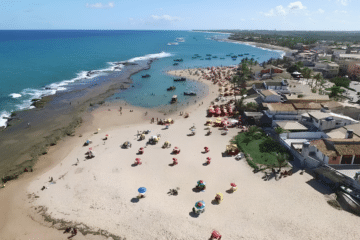
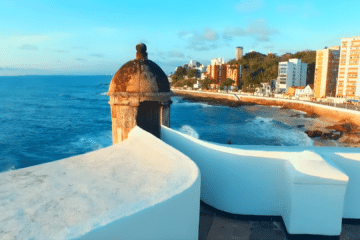
In the far south of Bahia, Mucuri and the region known as the Costa Dourada boast almost unspoilt beaches, colourful cliffs, mangroves, sandbanks and remaining stretches of Atlantic Forest — an ideal destination for ecotourism and nature watching.


Summary
Mucuri, situated in the far south of the state of Bahia, borders the states of Espírito Santo and Minas Gerais. The municipality’s coastline comprises around 18 beaches stretching for approximately 45 km, many of which are unspoilt and have few facilities, making them perfect for those seeking direct contact with nature.
Videos about Mucuri and the Costa Dourada
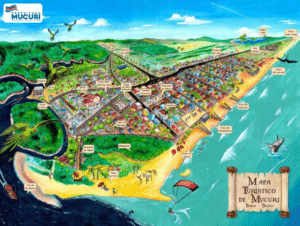
Guia de Turismo de Mucuri (BA)06:00
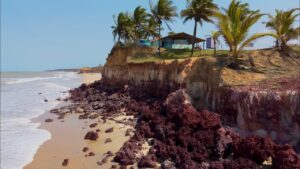
Costa Dourada - Mucuri na Bahia

Mucuri - Costa Dourada02:09

Mucuri - Costa Dourada - Guia Turístico

Praia de Mucuri na Bahia03:56
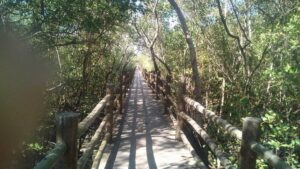
Passarela Ecológica do Gigica em Mucuri02:39
Protected area: Costa Dourada Marine Protected Area
Part of the region is protected by the Costa Dourada Municipal Environmental Protection Area (APA), established by municipal law to preserve cliffs, sandbanks, mangroves and beaches, with guidelines for environmental management and control of land use.

Mucuri’s beaches (main ones)
The Mucuri coastline offers a variety of beaches: urban stretches, tranquil coves, beaches with strong waves and deserted beaches. Below is a list of the beaches mentioned in the original post, with descriptions to help guide your visit.
- Mucuri Beach — An urban beach flanked by a river; a great option for alternating between swimming in the sea and in fresh water.
- Barra Beach — The wildest and most deserted stretch, with strong waves; ideal for those seeking seclusion.
- Praia dos Coqueiros — At the mouth of the Rio das Ostras; calm seas and simple restaurants.
- Costa Dourada Beach — Reddish-gold cliffs, natural pools formed by reefs at low tide; a scenic highlight of the region.
- Malvinas Beach — Calm sea; a sea turtle nesting area at certain times of the year.
- Praia do Pôr‑do‑Sol — A great spot for watching the sunset; calm waters.
- Praia do Sossego — A deserted beach, frequented by fishermen; ideal for those seeking peace and quiet.
- Lençóis da Velha Beach — Known for its cliffs and coconut groves; great for walking and photography.
- Riacho Doce Beach — Situated next to the stream of the same name; the starting point for nature trails.


Attractions and activities
Gigica Eco-Walkway
A boardwalk over the mangrove swamp that has become the main local ecotourism attraction: it allows visitors to observe crabs and provides access to a trail that includes an open-sea beach, the mouth of the sandbar and a river beach.

Mucurizinho River Ecological Park
An area of Atlantic Forest near the border with Espírito Santo, featuring walking trails and opportunities to observe the local flora and fauna.
Turtle monitoring
Some of the region’s beaches are nesting sites; training and monitoring initiatives have already been carried out in partnership with the Tamar Project and municipal teams and volunteers.
Economy and infrastructure
The local economy is based on fishing (including shrimp fishing), agriculture and livestock farming, and the cultivation of tropical fruits (papaya, coconut). Mucuri welcomes holidaymakers from neighbouring states and offers simple accommodation, bars and restaurants — ideal for community-based tourism and family-run guesthouses.
Responsible tourism — practical tips
- Check the tide table before visiting natural pools and cliffs.
- Please respect turtle nesting areas: do not shine a light on nests, do not disturb the markings, and keep your distance.
- Hire local guides for hiking and boating trips; they know all about safety in strong currents and tricky spots.
- Please don’t leave rubbish on the beach; bring bags to collect it and help keep the area clean.
- If you’re planning to walk along beaches with strong currents (at the mouth of the sandbar), ask locals or a guide about the conditions on the day.
How to get there
Access is by road from Eunápolis (BA) or Conceição da Barra (ES); check routes, distances and road conditions before travelling, and consider arranging a transfer from neighbouring towns if the route involves unpaved roads.
FAQ — Frequently Asked Questions
1. When is the best time to visit Mucuri?
The dry season (between September and March) usually brings sunny days and calm seas; for turtle watching, check the local nesting season (this varies by species and year).
2. Are there hotels and restaurants on the Costa Dourada?
Yes, there are guesthouses, simple hotels and local restaurants — though facilities are limited in the wilder areas; for a more comfortable stay, it is advisable to book in advance.
3. Are the beaches safe for swimming?
Some beaches have calm waters (e.g. Praia dos Coqueiros, Malvinas), whilst others have waves and strong currents (e.g. Boca da Barra). Check with guides or locals about safety before going into the sea.
4. Can I take photographs in nature reserves and protected areas?
Yes, provided that your actions do not disturb the wildlife, vegetation or conservation activities; and that you follow the signs and instructions issued by the management board or guides.
5. How can I help with local conservation efforts?
Avoid littering, respect turtle nests, choose local services and take part (where possible) in volunteering and environmental education initiatives organised by the community or partner organisations.

Publicações Relacionadas
Island of Fear: Mysteries and Hauntings
Kitesurfing in Trancoso: A Guide for Adventurers
Places to visit on the south coast of Bahia
Prostitution, sex, massage parlours and nightclubs in Salvador
History of the settlement of Chapada Diamantina
Church of the Third Order of St Francis — History, Art and Baroque Architecture
Palmeiras: A Gateway to Chapada Diamantina
Tourist attractions and architectural heritage of Salvador (BA)
Churches of Salvador: Architectural and Historical Treasures
Prado (BA) — Beaches, Cliffs and Whale Watching | Whale Coast
Monte Pascoal National Park: Pataxó culture and Brazilian history
History and Historical Attractions of Itacaré Reveale
Alameda do Sol — Vila da Praia do Forte (BA) | Things to do
Discover the Magnificence Fort of Nossa Senhora de Monte Serrat
The Municipality of Conde, Bahia: Beaches and a Comprehensive History
Lacerda Elevator — history, construction and visits
Parks and Squares in Salvador for Leisure Activities
Things to do in Lençóis in the Chapada Diamantina — 15 attractions
Discover the Abrolhos Archipelago: a haven for humpback whales and a biodiversity hotspot
Church of Nossa Senhora dos Mares (Salvador) — History and Architecture
Maraú Peninsula: Explore Its Stunning Beaches
Best Beaches in Bahia: Your Guide to Paradise
São Jorge Parish Church in Ilhéus — history, architecture and religious art
The best beaches near Salvador (distance, facilities and tips)
10 Interesting Facts About Rio de Contas That You Didn’t Know
The Tamar Project and turtle conservation
Ibicoara: An Unmissable Tourist Destination
Iraquara is also known as the "city of caves"
Marimbus Pantanal: Adventure in Chapada Diamantina
Tourist Areas in Bahia - Tourist Guide
Ponta de Corumbau — an unspoilt paradise on the southern coast of Bahia
Salinas da Margarida (BA) — Beaches, Attractions and a Complete Guide
São Desidório: Explore Caves and Biodiversity
Municipality of Entre Rios has first official naturist beach
Porto Seguro (BA) — History, Beaches, Tours and Practical Tips
Basílica Santuário Nossa Senhora da Conceição da Praia — history and architecture
This post is also on:
 Português
  English
  Deutsch
  Español
  Français