Teresina: Capital of Piauí and cultural centre of the Brazilian Mid-North
Teresina, the capital of the state of Piauí, is the only capital in the northeastern region of Brazil without a coastline.
However, this geographical limitation is more than compensated for by its cultural diversity, rich history and natural beauty.
Founded in 1852 and planned from the outset, Teresina stands out as a wooded and welcoming urban centre, affectionately nicknamed the “Green City” by the writer Coelho Neto due to the abundance of trees and green spaces in its territory.
2. Historical and Architectural Heritage
2.1 Karnak Palace
The Karnak Palace is the official seat of the state government of Piauí. Its neoclassical architecture and gardens, designed by Burle Marx, give the building an important symbolic and aesthetic character. The palace is open to the public and houses cultural and historical exhibitions related to the political history of the state.
2.2 Odilon Nunes Museum of Piauí
Located in the former Government Palace in the city centre, the Museum of Piauí has a collection of historical objects, documents, works of art and archaeological artefacts. Its mission is to preserve and promote the material and immaterial memory of the people of Piauí.
2.3 Theatro 4 de Setembro
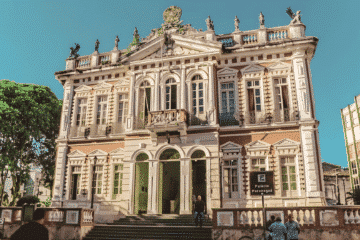
Opened in 1894, the 4 de Setembro Theatre is one of the most important cultural institutions in the capital. Its name refers to the date of the city’s foundation, and it hosts concerts, plays, film screenings and other artistic events.
3. Tourist Attractions and Green Spaces
3.1 Encontro dos Rios Natural Park
Located in the Poty Velho district, the park is an emblematic tourist site, being the confluence of the Parnaíba and Poti rivers. In addition to the stunning natural scenery, the site offers viewpoints, ecological trails, recreational areas and boat services.
3.2 Teresina Zoo and Botanical Garden
This park combines the functions of a zoo and a botanical garden, offering a rich regional biodiversity. It also serves as an environmental education and recreational space for families and students.
3.3 Potycabana Park
Located on the banks of the Poti River, Potycabana Park is an urban space for physical activity, sports, events and leisure. Its structure includes walking and cycling paths, sports fields and areas for concerts and community events.
4. Popular culture and handicrafts
4.1 Mestre Dezinho Handicraft Centre
The Craft Centre, located in Praça Pedro II, is a space dedicated to the promotion and appreciation of Piauí’s handicrafts. Highlights include wood, ceramics, weaving, embroidery and decorative items that express the regional culture.
4.2 Poty Velho Ceramic Centre
The Poty Velho Ceramic Centre is home to a number of artisanal ceramic studios and workshops. Pottery is a local tradition passed down from generation to generation, and the centre is an important cultural and tourist attraction in Teresina.
5. Regional Gastronomy
Teresina’s cuisine is characterised by indigenous ingredients and typical dishes from the northeastern hinterland. Some of the main dishes are
- Carne de sol with cass ava (cassava)
- Baked fish with baião de dois (two legged stew)
- Maria Isabel (rice with shredded sun-dried meat)
- Panelada (typical offal dish)
- Cajuína – traditional cashew-based drink, a cultural symbol of the city
- Tiquira – artisanal brandy made from cassava.
These gastronomic elements reflect the local food identity and are highly appreciated by visitors and researchers of Brazilian cuisine.
6. Urban infrastructure and accessibility
6.1 Climate and best time to visit
Teresina has a semi-humid tropical climate, with high temperatures throughout the year. The dry season is between May and August, which is the best time for sightseeing.
6.2 Transportation
The city is served by Senador Petrônio Portella Airport, with regular flights to the country’s main capitals. Urban transport consists of bus routes, as well as taxis and mobility apps.