Why visit
Rio Vermelho combines tradition and modernity: it’s the best place to sample authentic acarajé, enjoy serestas and live music, and make the most of the waterfront along its many stretches of beach and coves.

Beaches along the Rio Vermelho coastline
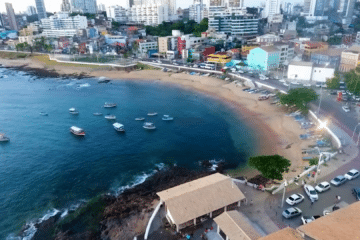
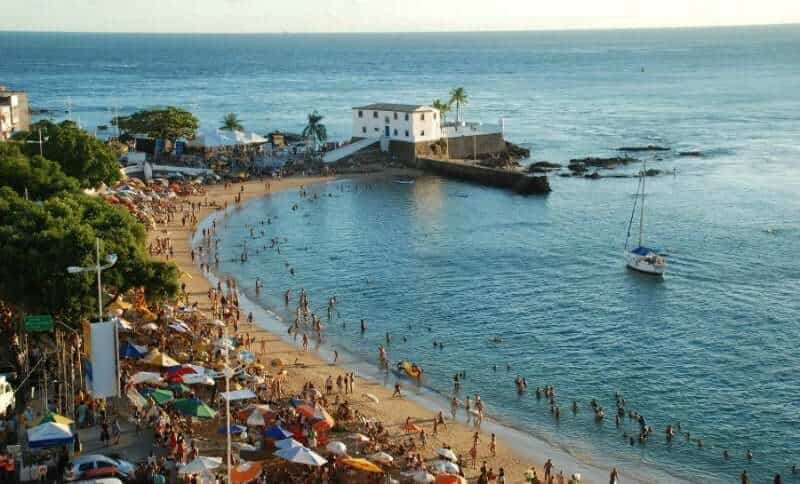
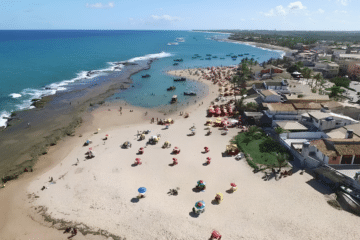
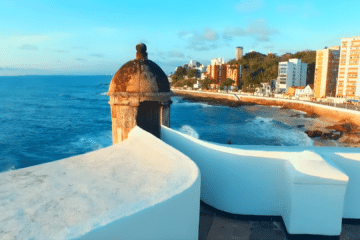
The Rio Vermelho coastline consists of small beaches and coves nestled amongst rocks and beach huts. Check the tide times before you go, as some attractions (natural pools) are only accessible at low tide.
- Rio Vermelho Beach — a continuous stretch of urban coastline, with kiosks and access via Rua Alagoinhas and Avenida Oceânica.
- Buracão Beach — a small cove known for forming natural pools at low tide; accessed via side streets leading to Largo de Santana and sections of Avenida Oceânica.
- Paciência Beach — a quiet cove mostly frequented by locals; accessed via streets near the Rio Vermelho Market.


Tourist Attractions in the Rio Vermelho Neighbourhood
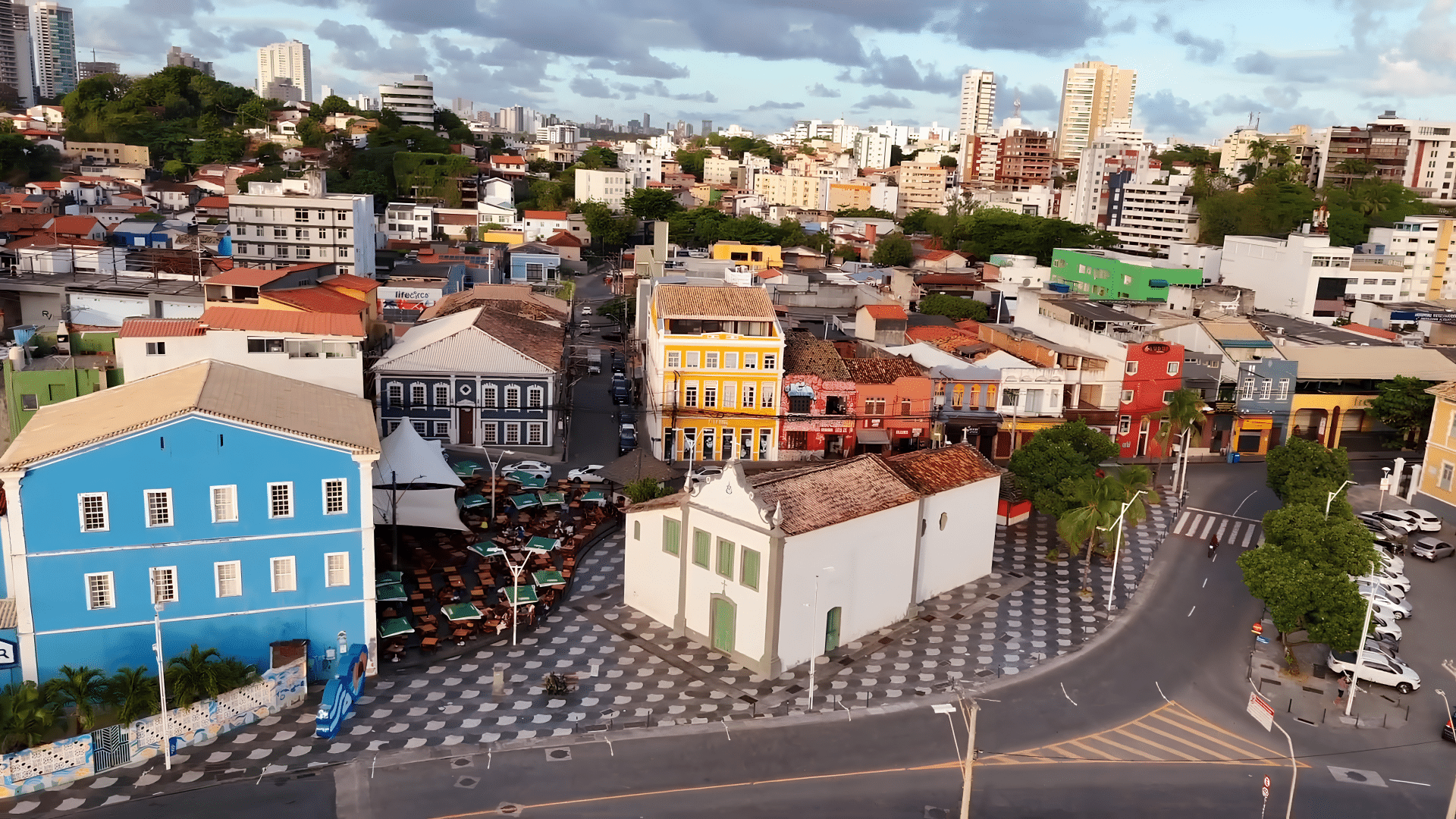
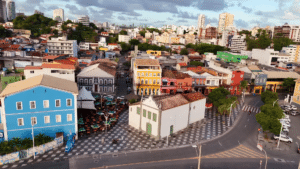
Bairro do Rio Vermelho em Salvador - Drone02:09
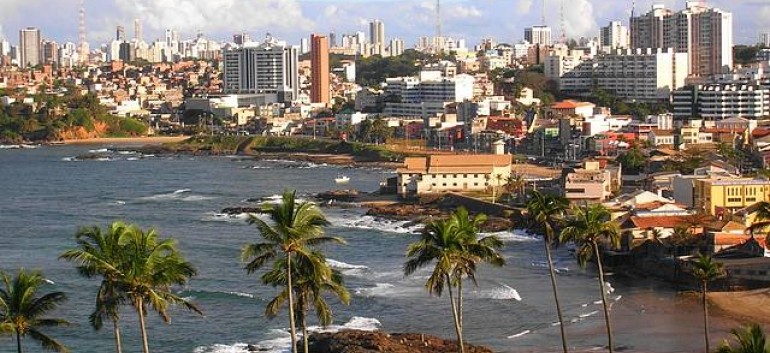
Bairro do Rio Vermelho em Salvador10:26
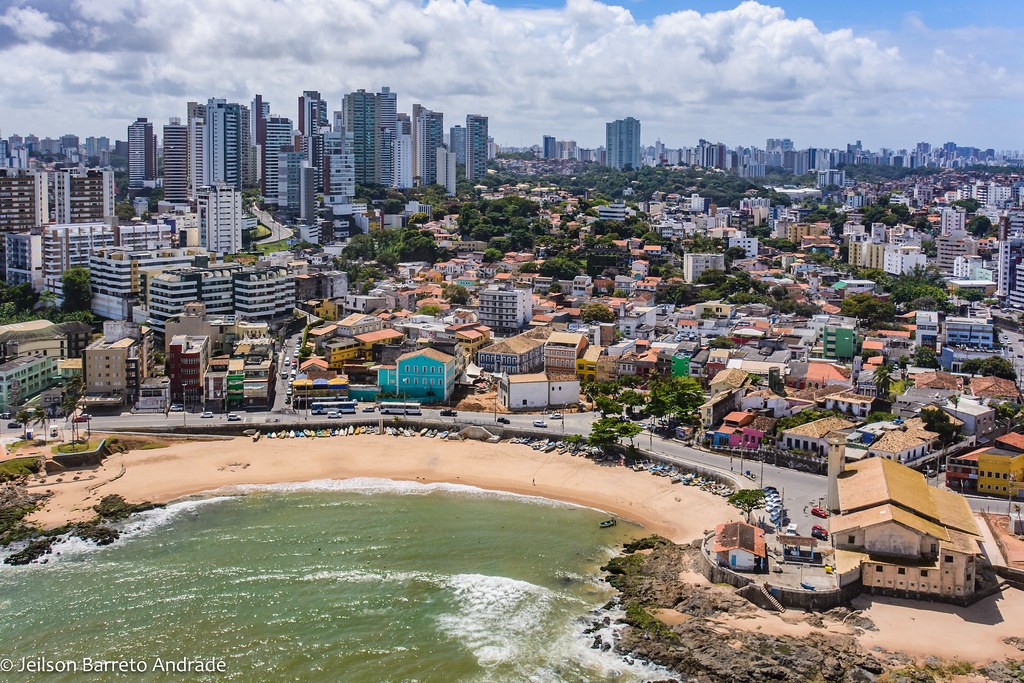
Praia do Buracão em Salvador04:14

Bairro Rio Vermelho em Salvador04:55
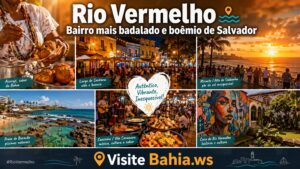
Atrações Turísticas no Bairro do Rio Vermelho12:57
Largo de Santana
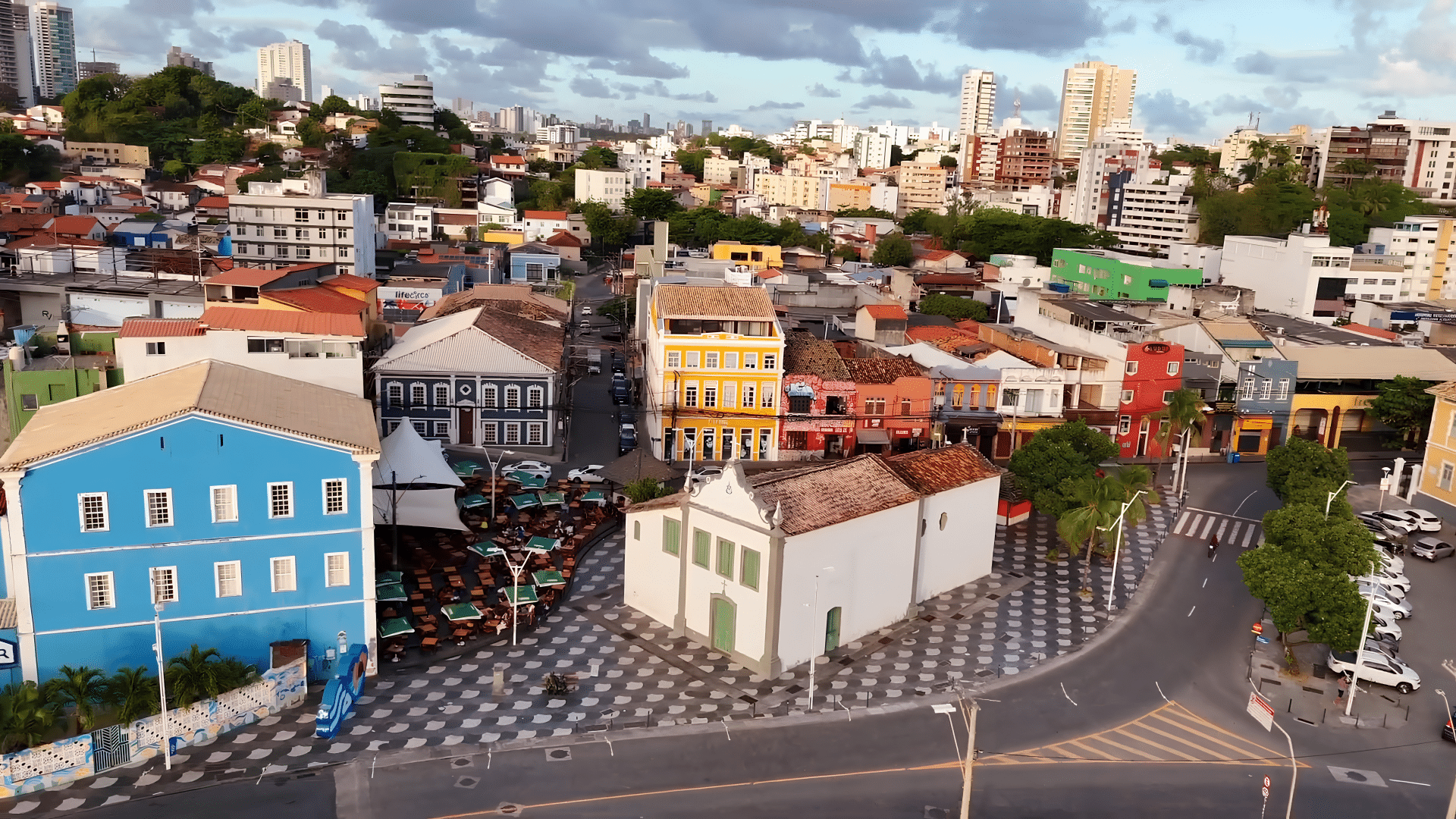
The hub of the neighbourhood’s nightlife, with traditional acarajé stalls (on the streets and promenades around the square) and bars that attract locals and visitors until the early hours.
Ceasinha — Rio Vermelho Market
A market featuring fishmongers, greengrocers, craft stalls and a gourmet square; it is situated near Rua da Paciência and is a popular spot for snacks and live music at weekends.

Vila Caramuru (formerly the Fish Market)
A seaside food complex with various restaurants and food stalls, perfect for dinner with a view.

Casa do Rio Vermelho
A memorial that was once the home of Jorge Amado and Zélia Gattai, situated in a residential area of the neighbourhood; a recommended visit for those seeking to explore the area’s cultural and literary context.

Viewpoints and Alto do Saldanha
High points in the neighbourhood offering panoramic views of the waterfront — ideal for photographs at dusk.
Santana Church and Casa de Iemanjá
Santana Church, in Largo de Santana, is a local historical landmark. The Casa de Iemanjá is situated on the waterfront and is the centre for offerings and celebrations on 2 February.


Theatre and cultural scene
The neighbourhood has cultural venues and a regular programme of musical events. Note: the Teatro Vila Velha is a highlight of Salvador’s cultural scene, but is located outside Rio Vermelho (central area/Passeio Público).
Acarajés and traditional food stalls
Rio Vermelho is the place to go to try acarajés prepared by Baianas at the stalls in Largo de Santana and the surrounding area — classic culinary stops on the itinerary.
Addresses and transport tips
- Largo de Santana — the heart of the neighbourhood: easily accessible on foot via main streets such as Rua Alagoinhas and its junctions; a starting point for bars and acarajé stalls.
- Rua Alagoinhas / Rua Barro Vermelho — central streets with shops, bars and access to sections of the waterfront.
- Rio Vermelho Market (Ceasinha) — accessed via side streets near the waterfront; ideal for buying fish and having lunch.
- Beaches and coves — generally accessible via footpaths and narrow lanes linking Avenida Oceânica to the interior of the neighbourhood; suitable footwear is recommended due to the rocky terrain.
- Parking and getting there — ride-hailing apps or taxis are usually the most practical option; be prepared for traffic and limited parking spaces at peak times.
Events and festivals
- Iemanjá Festival — 2 February: offerings and large crowds along the seafront.
- São Jorge Festival — religious and cultural celebrations take place in April.
- Music programme — bars and the market host samba, forró, MPB and serestas throughout the year.
Practical tips
Check opening times and programmes before you go; check the tide table if you want to enjoy the natural pools (Buracão and other spots); opt for app-based transport or taxis at night; avoid displaying valuables; wear suitable footwear for dunes and rocky terrain; and check the opening days and times of museums and events to avoid any last-minute changes.

Publicações Relacionadas
Ponta de Humaitá — Lighthouse, church and the best sunset in Salvador
Pelourinho: what to do in Salvador’s Historic Centre
Discover the 23 beaches of Salvador — A complete guide and tips
7-day itinerary in Salvador and the surrounding area: Pelourinho, the islands and Praia do Forte
Bahia Maritime Museum: History of Navigation at the Barra Lighthouse

4 Must-See Museums in Salvador: Art, History and Culture
History of the Cathedral Basilica of Salvador
Cathedral Basilica of Salvador — History, Sacred Art and Collection
Where to Stay in Salvador for Your Best Experience

Church and Convent of Nossa Senhora da Palma in Salvador, Bahia

The most visited churches in Salvador — itinerary and tips

Discover the Magnificence Fort of Nossa Senhora de Monte Serrat

Solar do Unhão & MAM-BA — History, Architecture and a Visit

Tourist attractions in the Gamboa neighbourhood in Salvador BA

History and sights of Avenida Contorno in Salvador BA

Palaces in Salvador to visit and learn about Brazil's history

Basílica Santuário Nossa Senhora da Conceição da Praia — history and architecture

Church and Convent of Santa Clara do Desterro and its History in Salvador

Convent and Church of Santa Teresa and the UFBA Museum of Sacred Art in Salvador

Bahia Art Museum (MAB): Learn about its history and collection

The best beaches near Salvador (distance, facilities and tips)
Lacerda Elevator — history, construction and visits

Fort of Nossa Senhora de Monte Serrat History

Santo Antônio da Barra Fort — history, Barra Lighthouse and the Nautical Museu

History of São Marcelo Fort — Salvador, Bahia

Church of Nossa Senhora dos Mares (Salvador) — History and Architecture

Church of the Third Order of St Francis — History, Art and Baroque Architecture

Discover the reasons for a holiday in Salvador, Bahia

Churches of Salvador: Architectural and Historical Treasures
Churches in Salvador (BA) — a guide: history, architecture and itinerary

39 Museums in Salvador: Discover the history and culture of Bahia

Parks and Squares in Salvador for Leisure Activities

A History of the Forts and Lighthouses of Salvador (Bahia)

Places of interest in Salvador — A comprehensive guide

Tourist attractions for children in Salvador: Fun and learning

Find out how to celebrate Carnival in Salvador, Bahia
This post is also on:
 Português
  English
  Deutsch
  Español
  Français