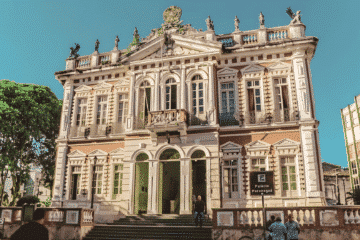
The Church of São Pedro dos Clérigos, located in the historic centre of Salvador, is a masterpiece of Brazilian Colonial Baroque architecture, built between 1709 and 1733. Built by the Brotherhood of São Pedro dos Clérigos, made up of members of the secular clergy, the church was designed to meet the spiritual needs of this religious community.
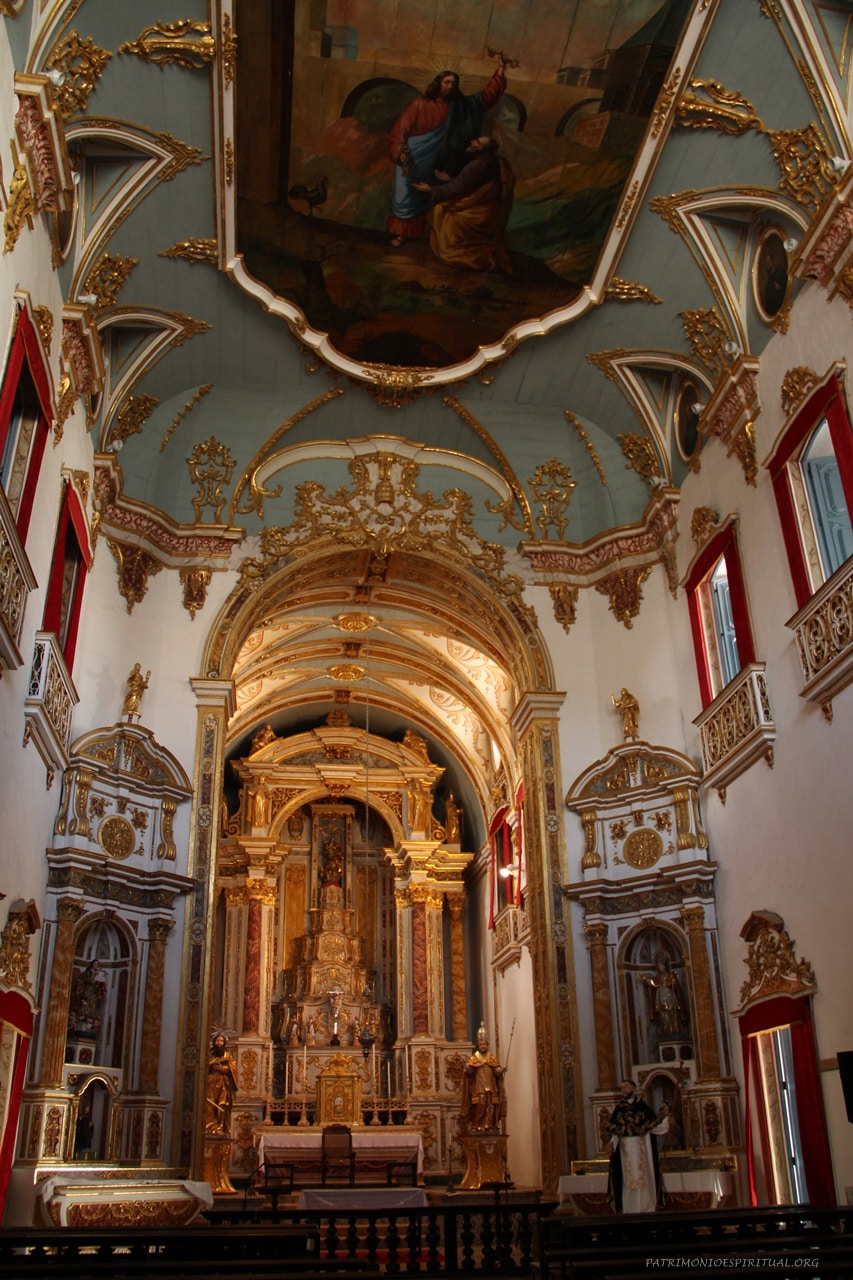
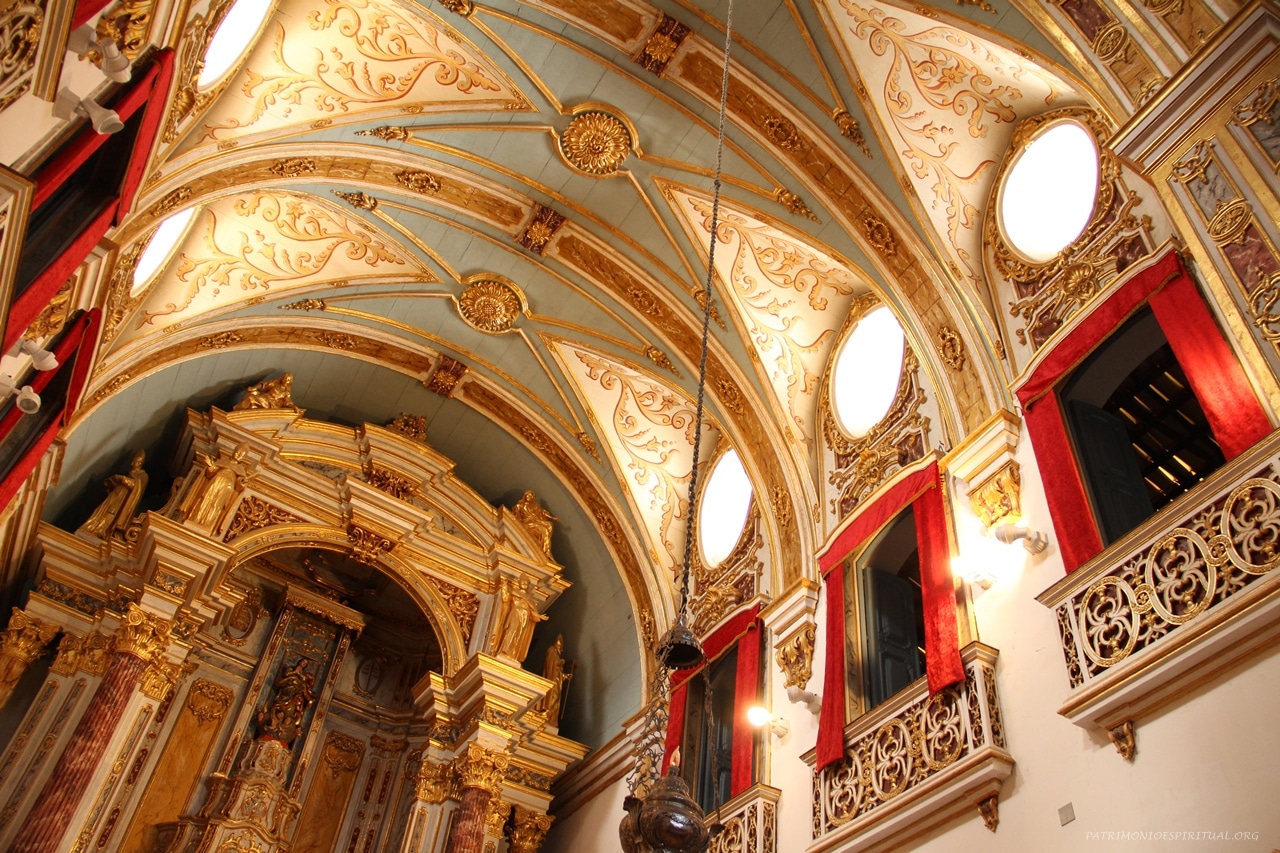
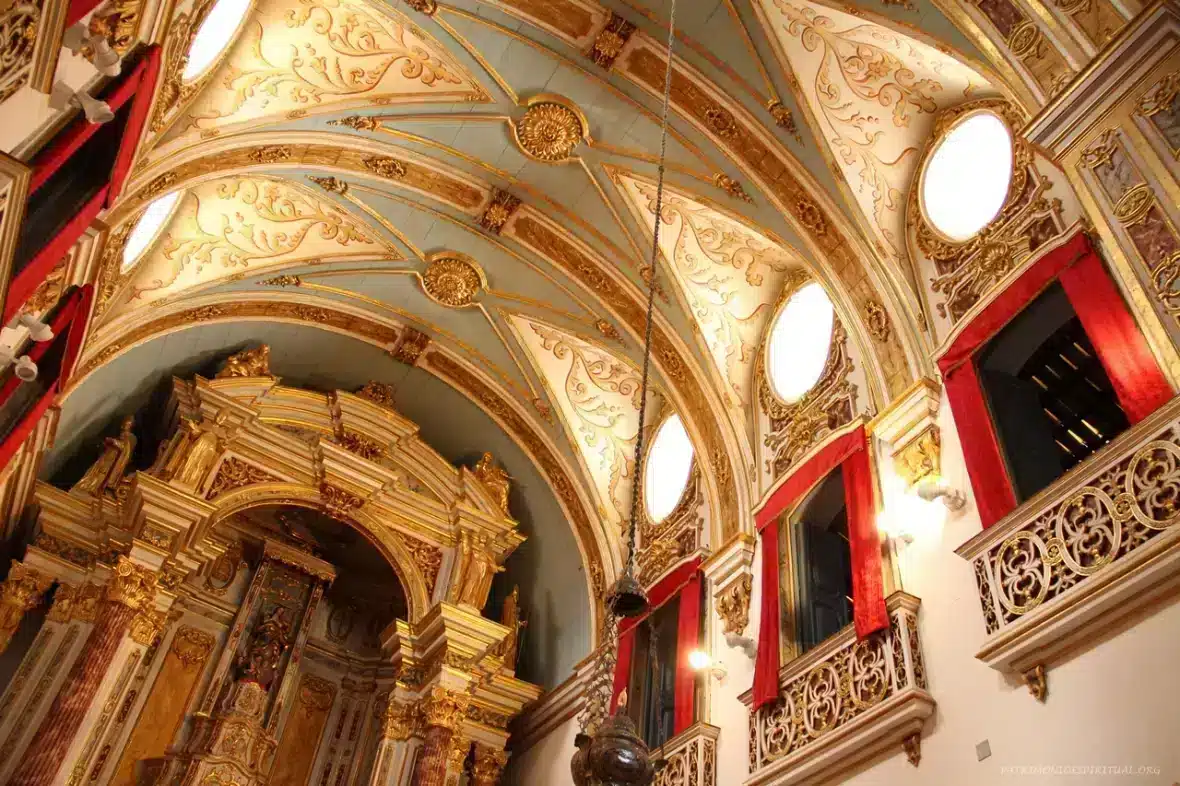
With its ornate façade and rich interior decoration, including gilded woodcarvings and rococo influences, the temple is a remarkable example of 18th-century religious architecture. In addition to its architectural value, the church houses important works of sacred art, reflecting the cultural and spiritual importance it has played in the history of Salvador.
History of the Church of São Pedro dos Clérigos
The Church of São Pedro dos Clérigos in Salvador was founded in the 16th century – the date is set around 1580, based on the record of a plenary indulgence granted to the Brotherhood by Pope Clement VIII. – The Brotherhood of São Pedro dos Clérigos de Salvador was first established in an altar that the brothers built in the cathedral. Its first foundation took place during the episcopate of D. Antônio Barreiros, the third diocesan bishop.
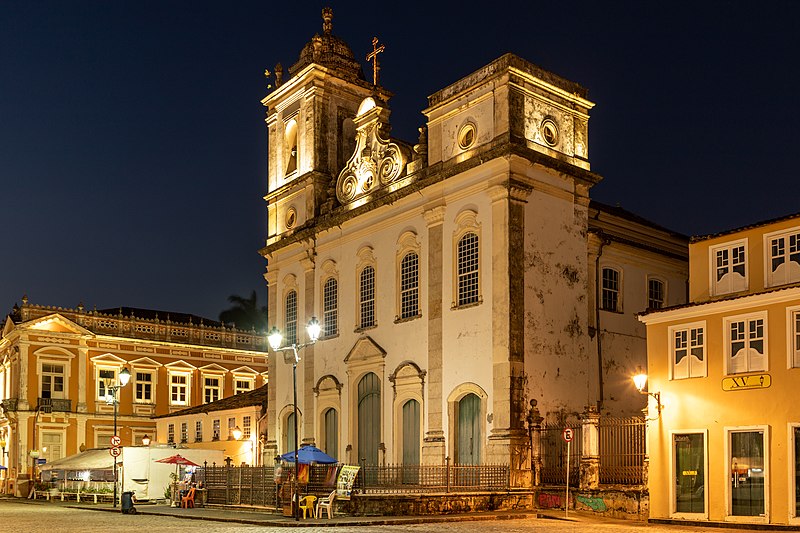
D. Barreiros’ administration was marked by the establishment and implementation of spiritual life at the headquarters of América Portuguesa, with the arrival in the city of several religious orders, such as the Benedictines, Carmelites and Franciscans. The Brotherhood of Saint Peter was formed as a response by the diocesan clergy to the first orders.

In the 18th century, the brothers of the Brotherhood built their chapel near the Archbishop’s Palace. The patronage of Dom Sebastião Monteiro da Vide was crucial to the reorganisation of the Brotherhood.
In addition to the redefinition of the roles of bishops and clergy proposed by the Diocesan Synod, the Fraternity took on new functions, promoting the community of brothers, complementing their education and providing mutual assistance and support.


In 1709, the friars purchased land from the Jesuits to build their headquarters. They built a small chapel on the site, which was destroyed in 1797 by a landslide that hit buildings in the upper town of Salvador, causing several deaths. Nothing remains of the original chapel.
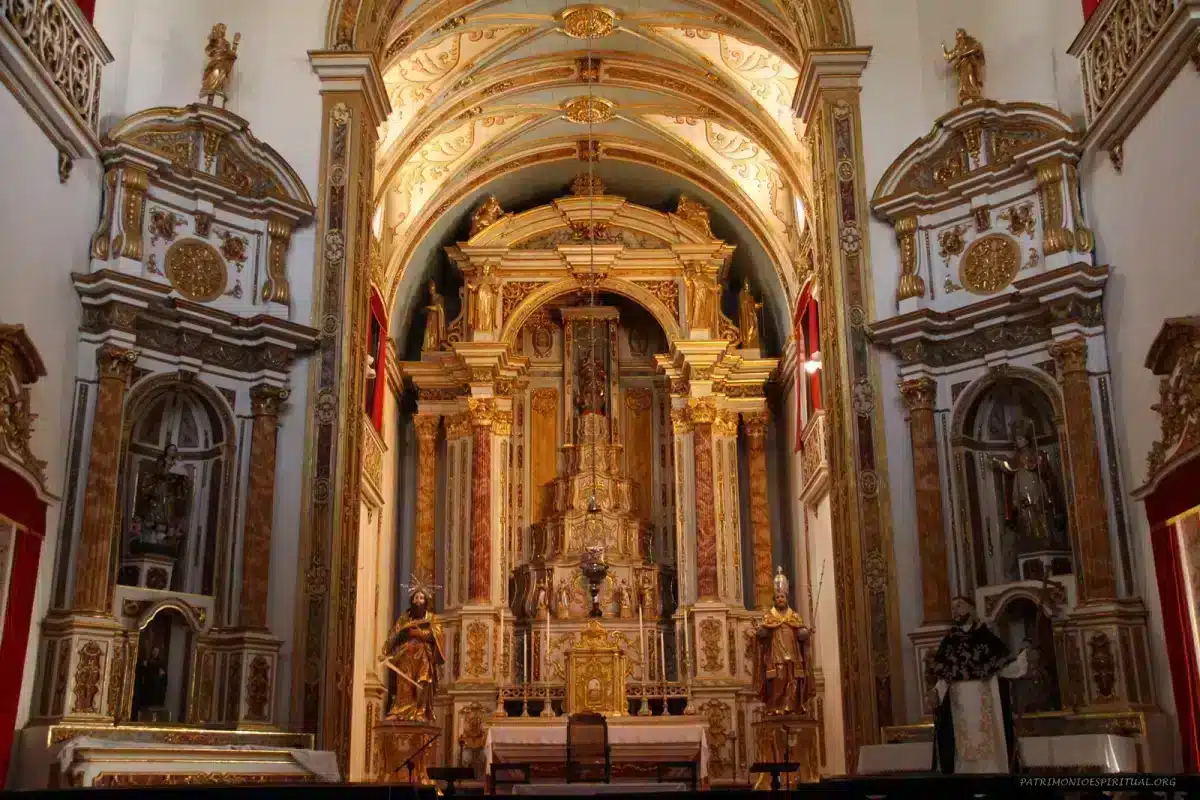
The temple that remains today is the result of work carried out at the end of the 18th and beginning of the 19th centuries. The decorative ensemble of the Confraternity stands out for its carvings, which reflect the new tastes that were being adopted in Salvador. The altarpiece is a literal reproduction of a model by Andrea Pozzo, with a monumentality that surprises with its clear structure, ornate capitals and full-length gilded figures that act as pinnacles in the structure of the altarpiece.
The images on the main altar include an impressive St. Peter in life-size papal robes, St. Paul and Our Lady of the Conception, to whom the chapel is dedicated. On the side altars are images of Saint Lucy, Saint Amaro, Saint Eloi and Our Lady of the Gates of Heaven. Most of these works were executed in the second half of the 18th century and are of great visual impact and high artistic quality.
Photos – Sacred Art Architecture of the Church of São Pedro dos Clérigos

Bahia.ws is the largest tourist guide for Bahia and Salvador.
Publicações Relacionadas
Churches in Salvador (BA) — a guide: history, architecture and itinerary
Places of interest in Salvador — A comprehensive guide
Palaces in Salvador to visit and learn about Brazil's history
A History of the Forts and Lighthouses of Salvador (Bahia)
Discover the Magnificence Fort of Nossa Senhora de Monte Serrat
Santo Antônio da Barra Fort — history, Barra Lighthouse and the Nautical Museu
History of the Senhor do Bonfim Ribbons — Origin, Meaning and Traditions
Cathedral Basilica of Salvador — History, Sacred Art and Collection
Lacerda Elevator — history, construction and visits
History of the Cathedral Basilica of Salvador
Attractions in the Historic Centre of Salvador, Bahia
Find out how to celebrate Carnival in Salvador, Bahia
Pelourinho (Salvador) — Historical Guide, Architecture, and UNESCO World Heritage Site
History of the Church and Convent of São Francisco in Salvador
Church of Nossa Senhora dos Mares (Salvador) — History and Architecture
Secret History of Salvador, Bahia - History of Brazil
The most visited churches in Salvador — itinerary and tips
Tourist attractions in the Gamboa neighbourhood in Salvador BA
History and sights of Avenida Contorno in Salvador BA
Ponta de Humaitá — Lighthouse, church and the best sunset in Salvador
Pelourinho: what to do in Salvador’s Historic Centre
Church of the Third Order of St Francis — History, Art and Baroque Architecture
Convent and Church of Santa Teresa and the UFBA Museum of Sacred Art in Salvador
Solar do Unhão & MAM-BA — History, Architecture and a Visit
History of the Founding of Salvador, Bahia - History of Brazil
Bahia Maritime Museum: History of Navigation at the Barra Lighthouse
7-day itinerary in Salvador and the surrounding area: Pelourinho, the islands and Praia do Forte
History of the Church of Nosso Senhor do Bonfim in Salvador
Basílica Santuário Nossa Senhora da Conceição da Praia — history and architecture
Discover the reasons for a holiday in Salvador, Bahia
Fort of Nossa Senhora de Monte Serrat History
Bahia Art Museum (MAB): Learn about its history and collection
39 Museums in Salvador: Discover the history and culture of Bahia
Prostitution, sex, massage parlours and nightclubs in Salvador
Tourist attractions for children in Salvador: fun and learning
Where to Stay in Salvador for Your Best Experience
This post is also on:
 Português
  English
  Deutsch
  Español
  Français