Published on · Updated on
The forts of Salvador were born together with the city, founded in 1549 to secure Portuguese control over the Bay of All Saints. For this reason, Brazil’s first capital received walls, batteries and forts at strategic points, as well as the Barra Lighthouse. In this guide, therefore, you will find the history of Salvador’s fortresses and defences, the list of the main forts and lighthouses, where they are and which ones to visit today.
- Origin: a defence system begun in 1549 under Tomé de Sousa and expanded until the 18th century.
- Most famous: the Fort of Santo Antônio da Barra, with the Barra Lighthouse and the Maritime Museum.
- Open as cultural spaces: Santa Maria (Espaço Pierre Verger) and São Diogo (Espaço Carybé de Artes).
- Closed: the São Marcelo Fort, in the sea opposite the Historic Centre, is awaiting reopening.
- Invasions: the Dutch took the city in 1624, were expelled in 1625 and repelled in 1638.
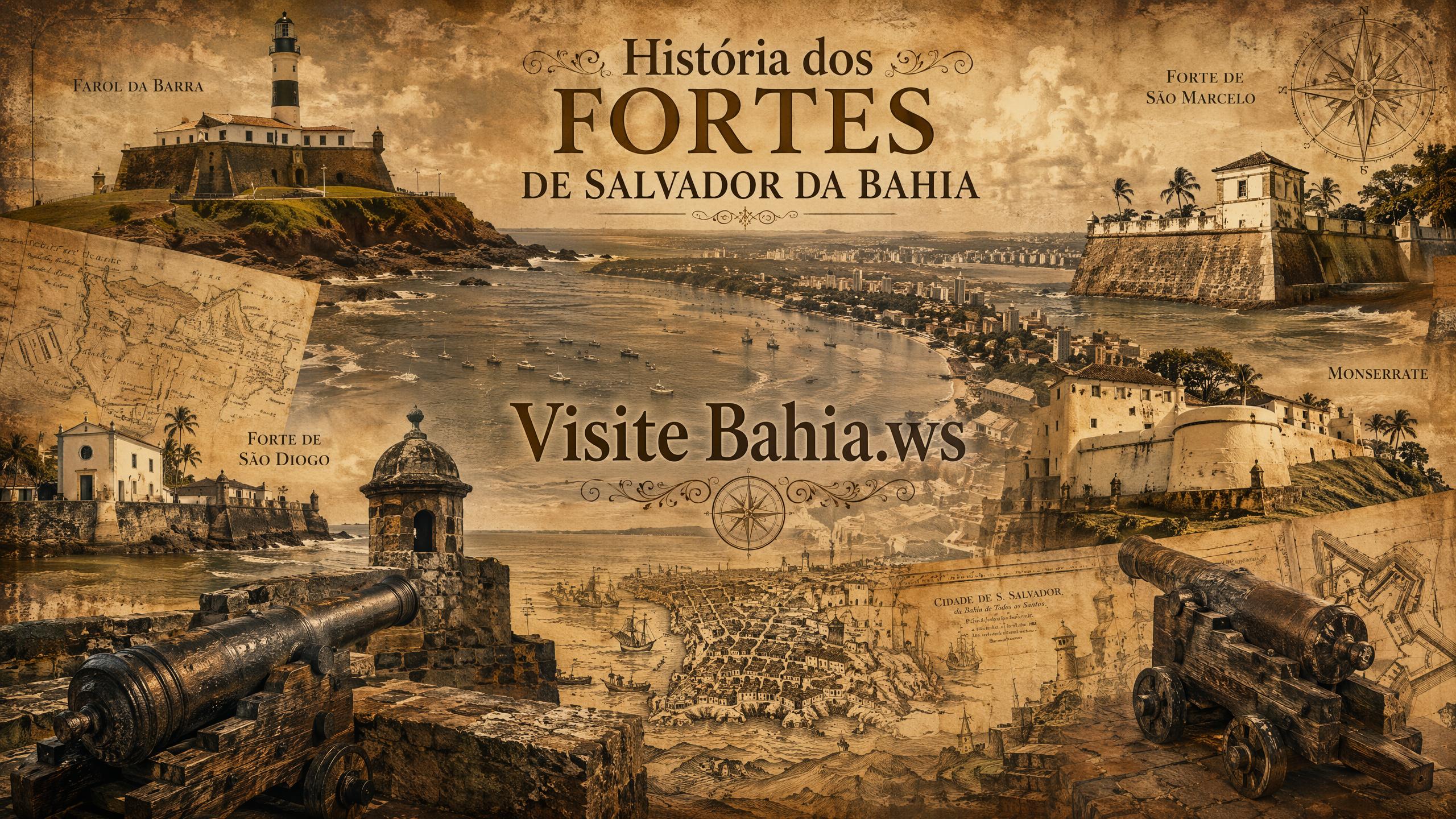
History of the fortresses and defences of Salvador
In 1549, the first governor-general, Tomé de Sousa, arrived at the old Vila do Porto da Barra. On the orders of King João III, he set up a fortress city on top of the escarpment, overlooking the bay. In addition, he brought master builder Luís Dias, in charge of the fortification works, who followed designs (“traças”) sent from Portugal.
First of all, rammed-earth walls were built, which were enough against Indigenous attacks. According to historian Edison Carneiro, they stood 16 to 18 palmos (about 3.5 to 4 metres) high. However, rains brought down part of the wall in 1551, and by 1587 the chronicler Gabriel Soares de Sousa said there was no memory of where it had stood. That is why Luís Dias also created redoubts by the sea, in the Ribeira area, to hinder landings in the port.
From rammed-earth towers to stone-and-lime forts
In the 16th century, defence still followed the medieval tower model, such as the tower of Vila Velha built by the donee Francisco Pereira Coutinho. Later, governor Francisco de Sousa (1591–1602) had “three or four fortresses of stone and lime” built, according to Friar Vicente do Salvador. In general, historians list Santo Antônio da Barra, Itapagipe (Monte Serrat), Água de Meninos and Santo Alberto.
Even so, the city remained vulnerable. In 1609, for example, sergeant-major Diogo de Campos Moreno reported the weakness of the defences. In addition, the “Livro que dá razão do Estado do Brasil” (1612), attributed to him, called Salvador “an open village, exposed to every danger”.
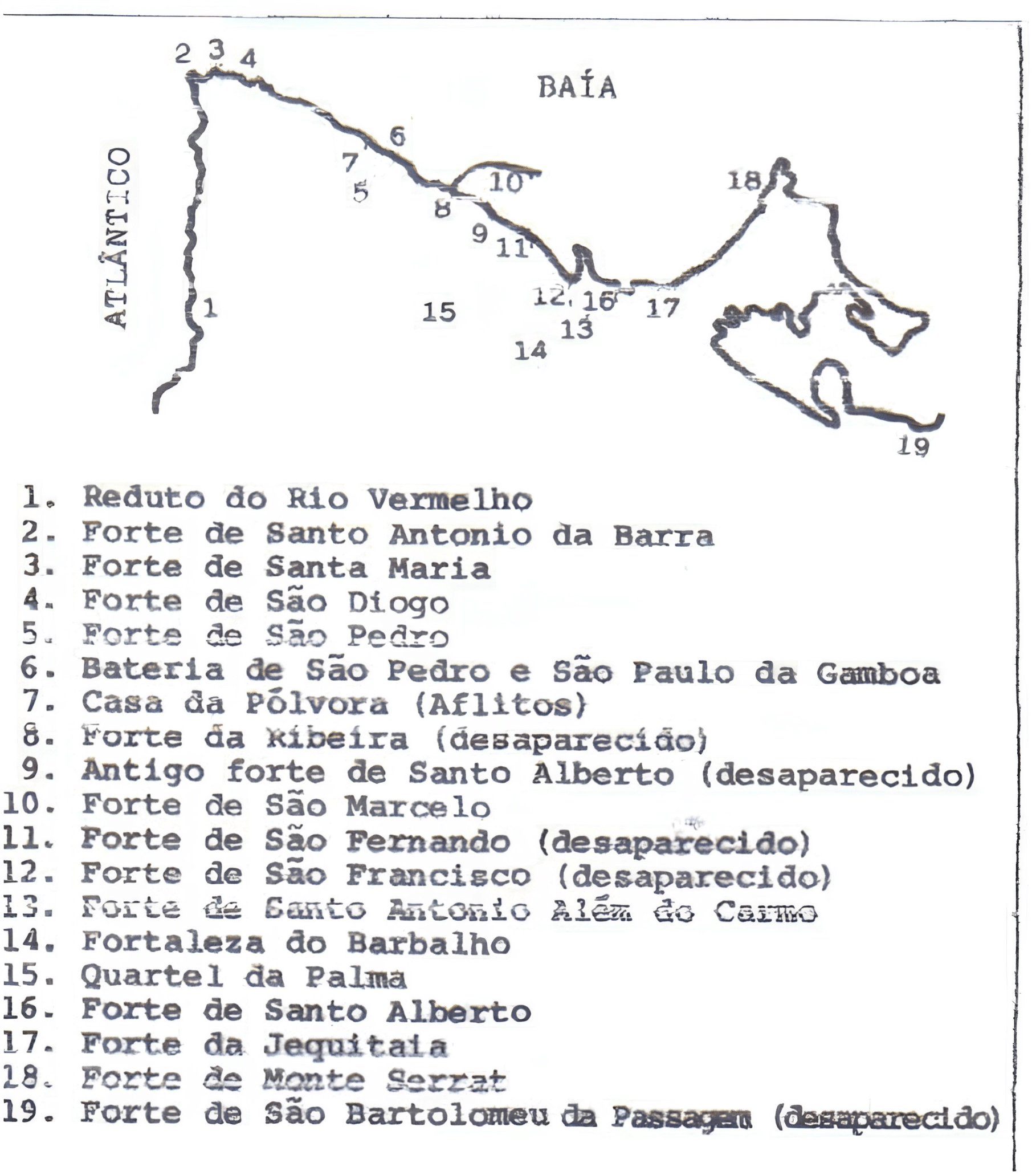
The Dutch invasion of 1624 and the recapture
In May 1624, the fleet of the Dutch West India Company, commanded by Jacob Willekens and Piet Heyn, took Salvador easily. Soon afterwards, the Dutch cleared the fields of fire and dug trenches near São Pedro, Barbalho and Santo Antônio Além do Carmo. Moreover, they dammed the Tripas River, creating the dyke that tradition calls the “Dutch Dyke”. Learn more about the Dutch invasion of Salvador.
In 1625, however, a Portuguese-Spanish armada led by Fadrique de Toledo retook the city. After that, governor Diogo Luís de Oliveira (1627–1635) restored and expanded the defences. As a result, in 1638 Salvador withstood the attack of Maurice of Nassau. See also the Iberian Union and the Dutch invasion.


New trenches and the Sea Fort
Next, the Marquis of Montalvão (1640–1641) and governor Antônio Teles da Silva (1642–1647) began a larger perimeter of trenches. However, the Crown invested little, and the works depended on taxes and contributions from residents. Around the middle of the 17th century, moreover, construction of the São Marcelo Fort began, inspired by the Bugio Fort at the mouth of the Tagus.

18th century: plans that stayed on paper
In 1685, engineer João Coutinho found the city unprotected and proposed a broad plan, which was barely carried out. In 1710, engineer Miguel Pereira da Costa wrote that the stronghold was “open and exposed to any invasion”. Later, the Crown sent brigadier João Massé to design new defences, but, as usual, little was built.
In addition, disorderly growth harmed the defence: houses advanced over the sea and over the trenches, especially in the Lower City. Finally, when the capital moved to Rio de Janeiro in 1763, Salvador lost priority. Thus, in a letter of 1776, the Marquis of Pombal himself acknowledged the weakness of Bahia’s defences.


Timeline of the forts of Salvador
From the late 16th century to the Dutch invasion
- Tower of São Tiago de Água de Meninos, later the Fort of Santo Alberto.
- Next, the Fort of Santo Antônio da Barra.
- Monte Serrat Fort (Nossa Senhora de Monserrate).
- Finally, the gun posts and platforms of the Lower City.
After 1625
- Defences of Porto da Barra: the forts of Santa Maria and São Diogo.
- In addition, the Sea Fort (Nossa Senhora do Pópulo e São Marcelo).
18th century
- São Pedro Fort.
- São Paulo da Gamboa Battery.
- Fort of Santo Antônio Além do Carmo.
- Barbalho Fort (Nossa Senhora do Monte do Carmo).
- Finally, the Jiquitaia Fort.
- In addition, several other structures were lost over time.
Video about the forts and lighthouses of Salvador

Forte São Diogo e Forte Santa Maria00:48

Forte Nossa Senhora de Mont Serrat- Ponta do Humaitá03:40
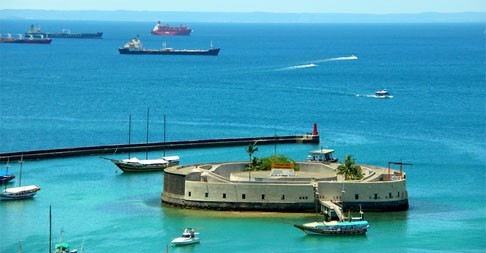
História dos Fortes de Salvador da Bahia
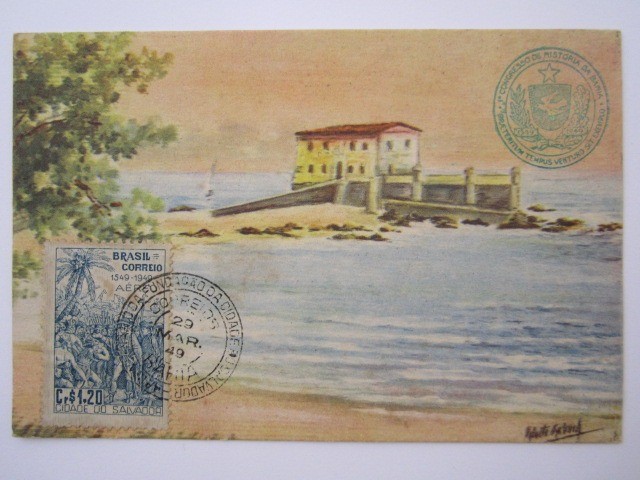
Por que o Farol da Barra foi construído?08:50

Farol de Itapuã - Drone
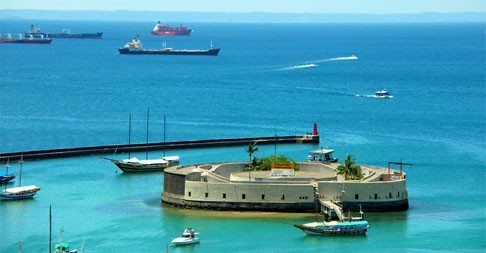
Ponta de Humaitá e Forte São Marcelo - Drone03:57
Architecture of the forts of Salvador
The forts of Salvador follow the bastioned model, designed to withstand artillery. That is why they have almost no ornaments: usually just a Tuscan-style portal, mouldings along the walls and frames on the sentry boxes. Even so, their pure forms and integration with the terrain give these buildings great aesthetic value.
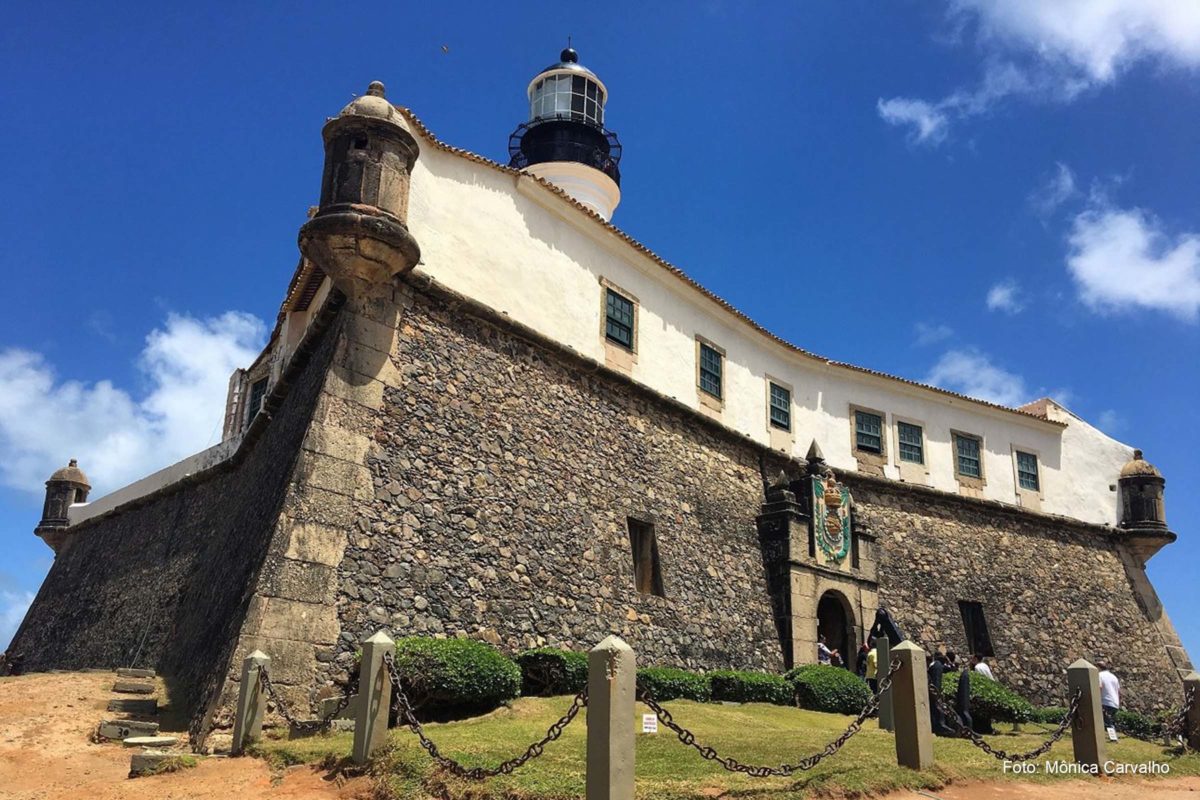
História do Forte de Santo Antônio da Barra25:49
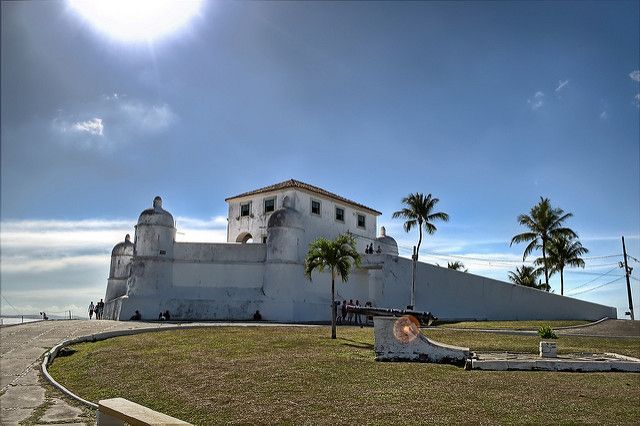
História do Forte de Nossa Senhora de Monte Serrat26:56
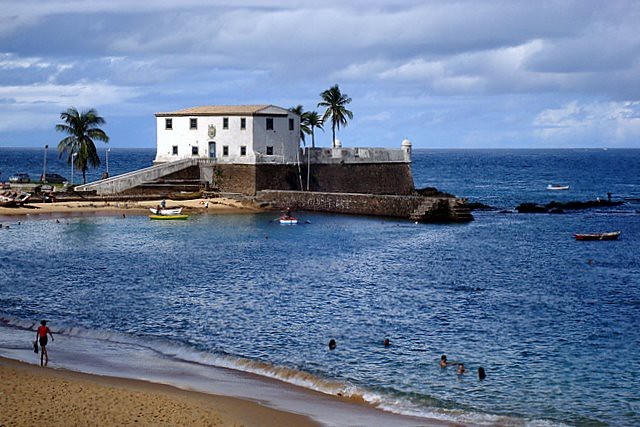
História do Forte de Santa Maria em Salvador - BA28:03
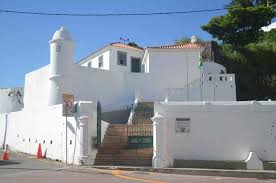
História do Forte de São Diogo em Salvador BA27:41
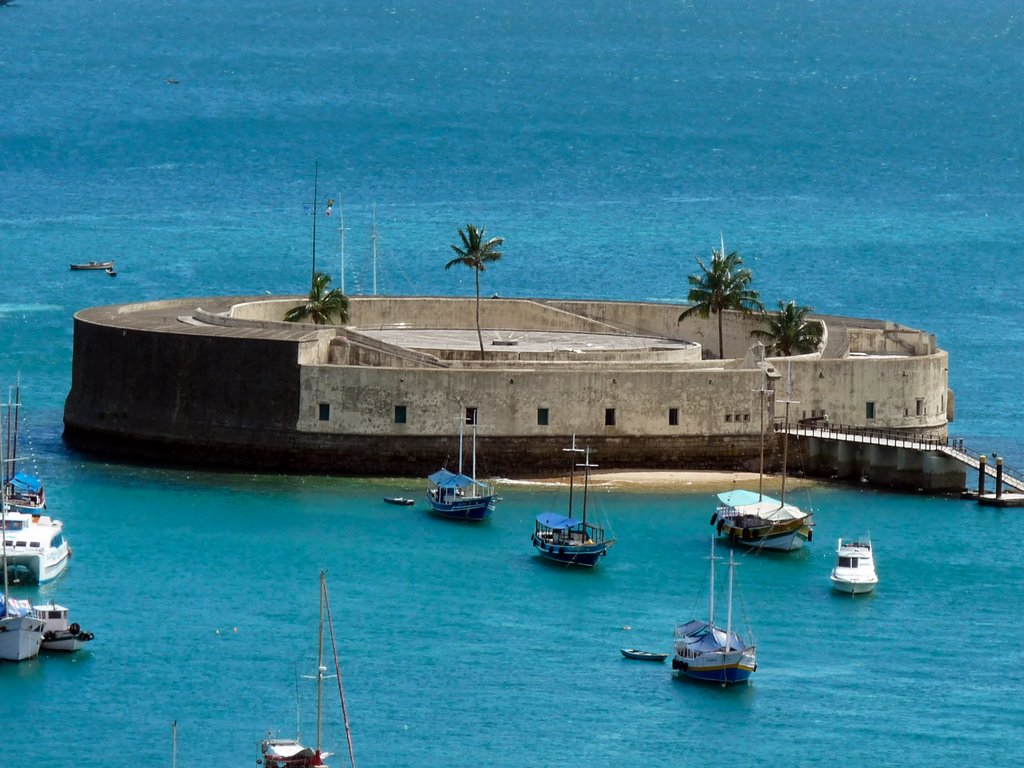
História do Forte de São Marcelo ou Forte do Mar
Strengths and weaknesses of the defence
From a military point of view, the plateau above the bay was convenient. After all, it made it hard for the enemy to climb and allowed batteries to cross their fire. However, artillery on the heights could not reach the beach well, and the mouth of the bay was too wide to be closed by cannon.
At Ponta de Humaitá, for example, ships coming from the south, near Itaparica Island, could escape the range of some batteries. See also the history of the Bay of All Saints.
According to Colonel Anésio Ferreira Leite, president of the Brazilian Association of Friends of Military Fortifications and Historic Sites (ABRAF), Salvador once had more than 30 fortifications, and today only 11 remain.
Main forts and lighthouses of Salvador
| Fort or lighthouse | Neighbourhood | Origin | Use today |
|---|---|---|---|
| Santo Antônio da Barra (Barra Lighthouse) | Barra | 16th century | Maritime Museum |
| Itapuã Lighthouse | Itapuã | 1873 | Lighthouse and landmark |
| Monte Serrat | Ponta de Humaitá | Late 16th century | Monument and viewpoint |
| Santa Maria | Porto da Barra | Around 1614 | Espaço Pierre Verger |
| São Diogo | Porto da Barra | Around 1609–1613 | Espaço Carybé de Artes |
| São Marcelo (Sea Fort) | In the sea, opposite the Centre | 17th century | Closed, reopening planned |
| Santo Alberto (Lagartixa) | São Joaquim | 17th century | Restricted access |
1. Barra Lighthouse and Fort of Santo Antônio da Barra
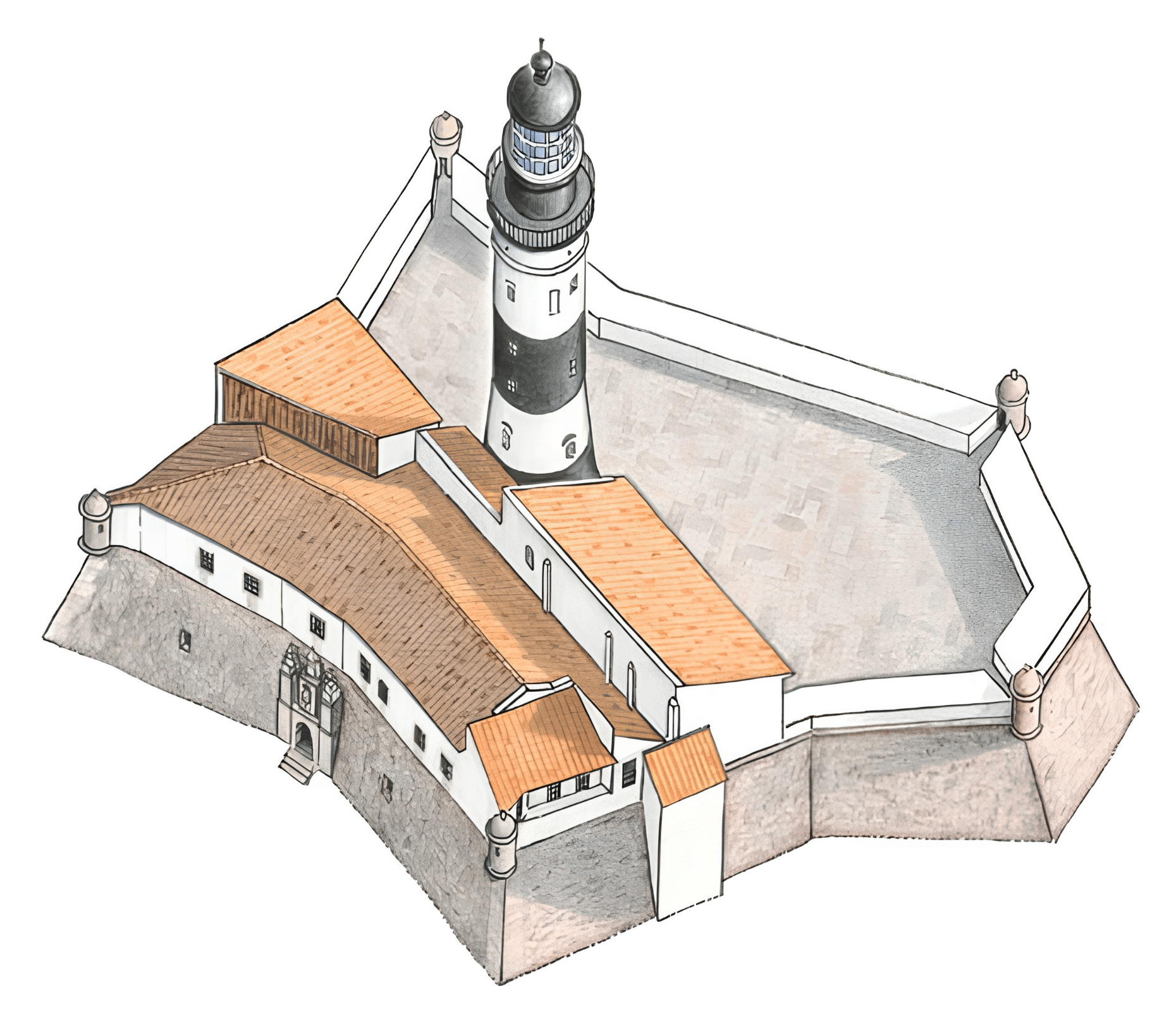
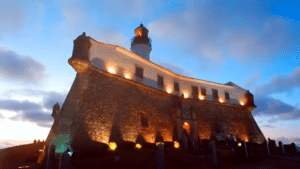
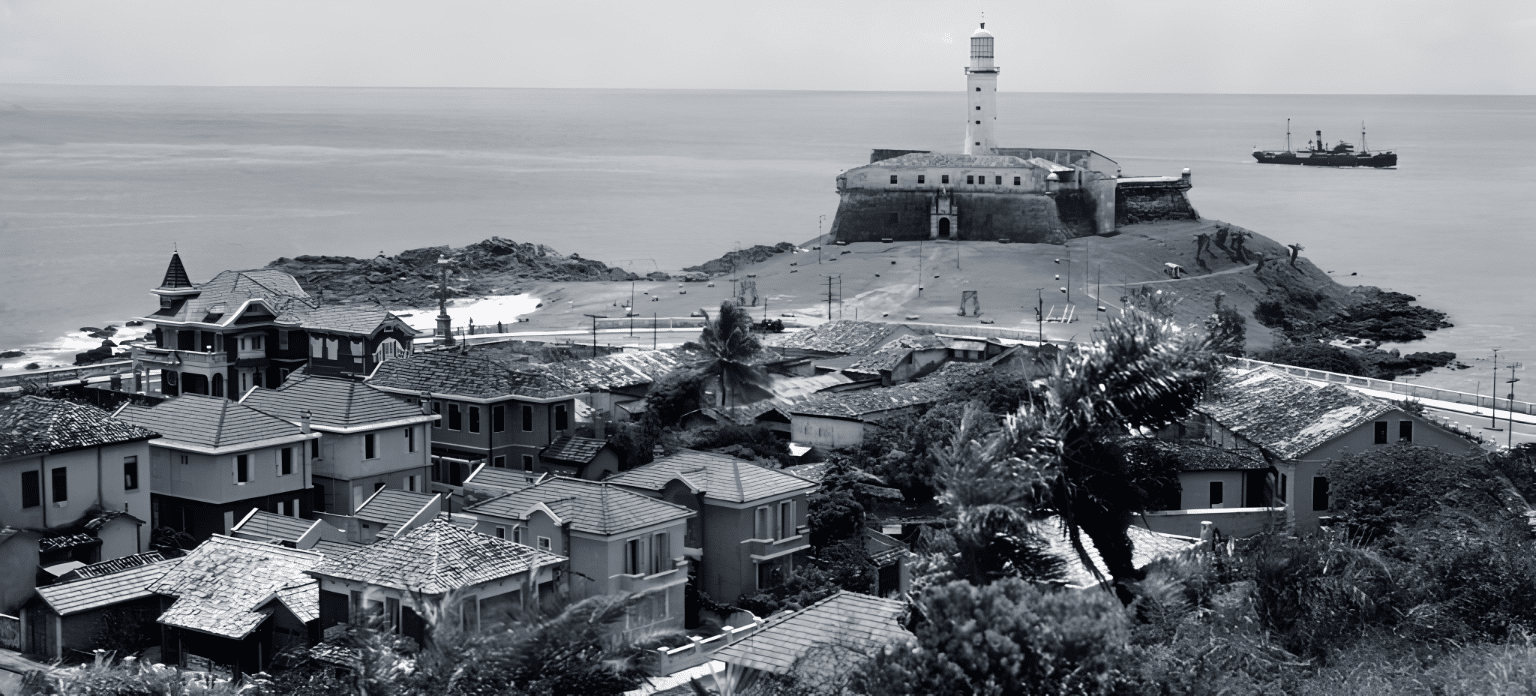
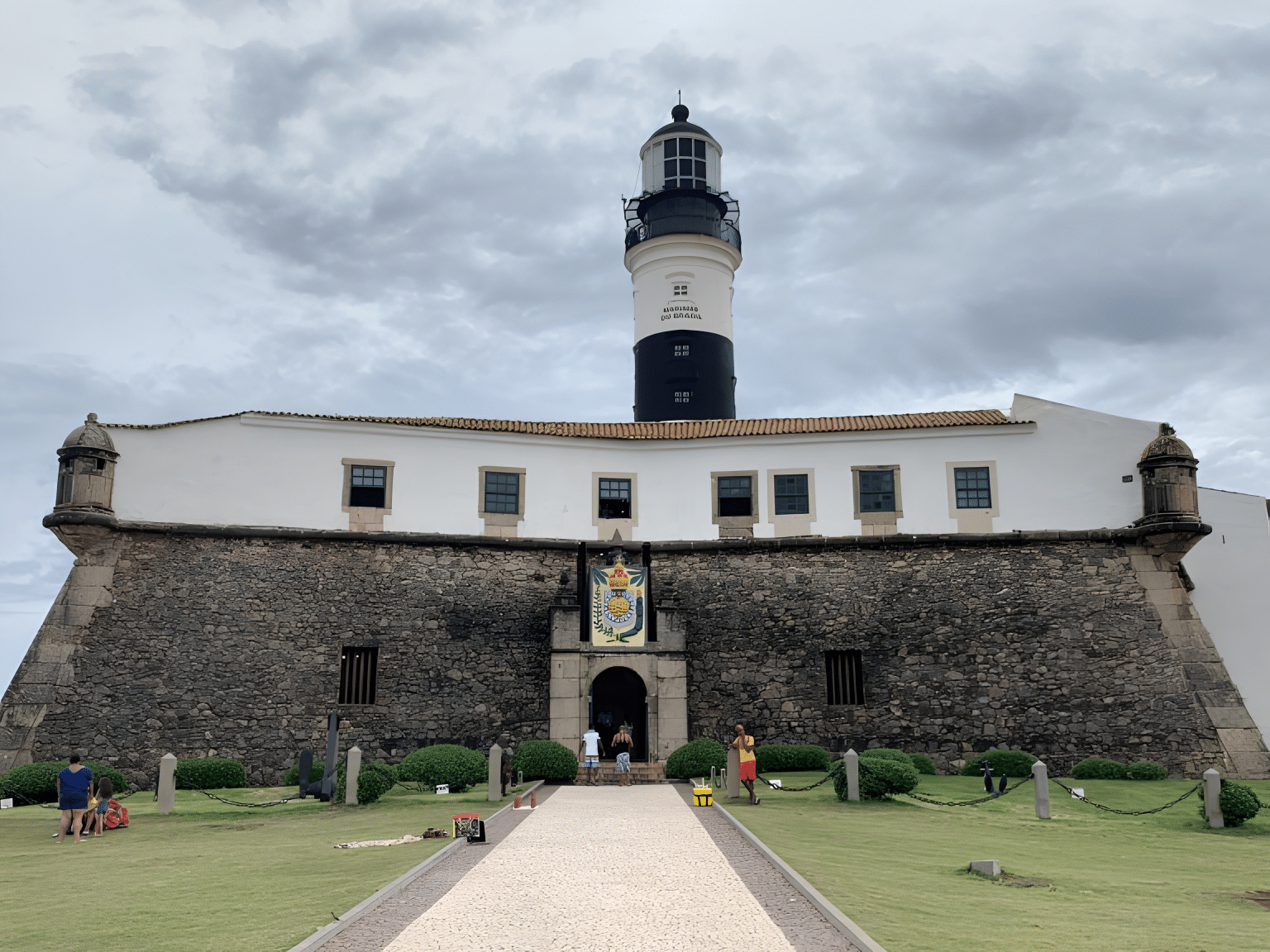
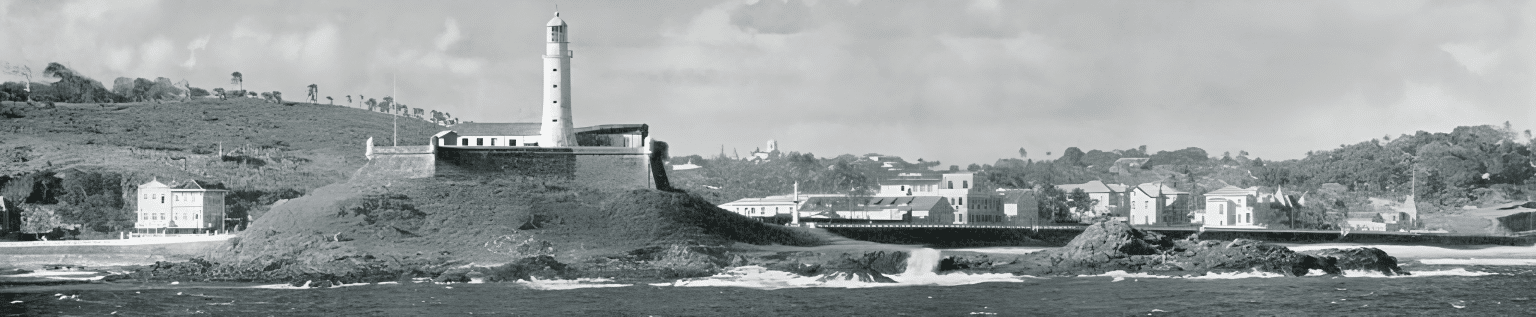
The Fort of Santo Antônio da Barra occupies the old Ponta do Padrão, between the open sea and the Bay of All Saints. There are references to buildings on the site since the 1530s. Later, between the 17th and 18th centuries, the fort gained a star-shaped, bastioned layout.

História do Forte de Santo Antônio da Barra em Salvador25:49
Forte de Santo Antônio da Barra — história, Farol da Barra e Museu Náutico15:09
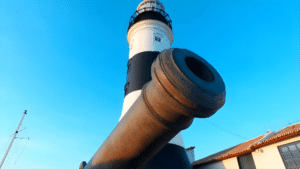
The lighthouse, in turn, was first lit around 1698. In addition, its lighting evolved from whale oil to electricity in the 20th century. Today, the fort houses the Bahia Maritime Museum, and climbing the tower lets you see the lighthouse’s old machinery.
Wreck of the galleon Santíssimo Sacramento
On 5 May 1668, the galleon Santíssimo Sacramento sank at the entrance to the bay. According to some sources, there were about 70 survivors. Centuries later, moreover, the remains of the hull were found 25 to 30 metres deep.
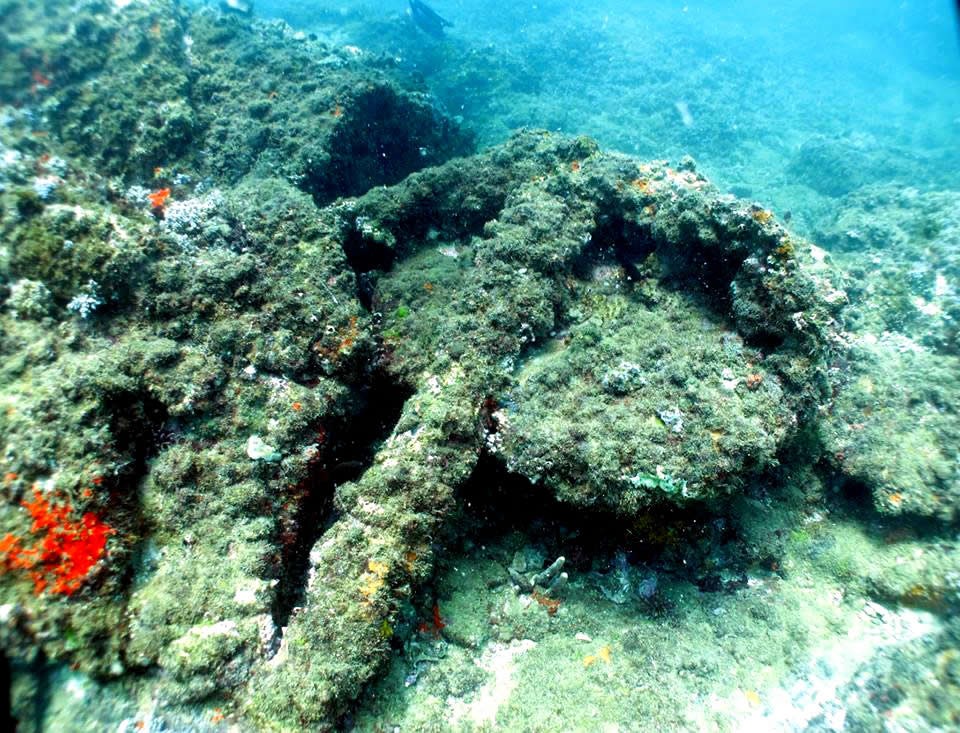
Naufrágio do galeão Santíssimo Sacramento em 1668
2. Itapuã Lighthouse
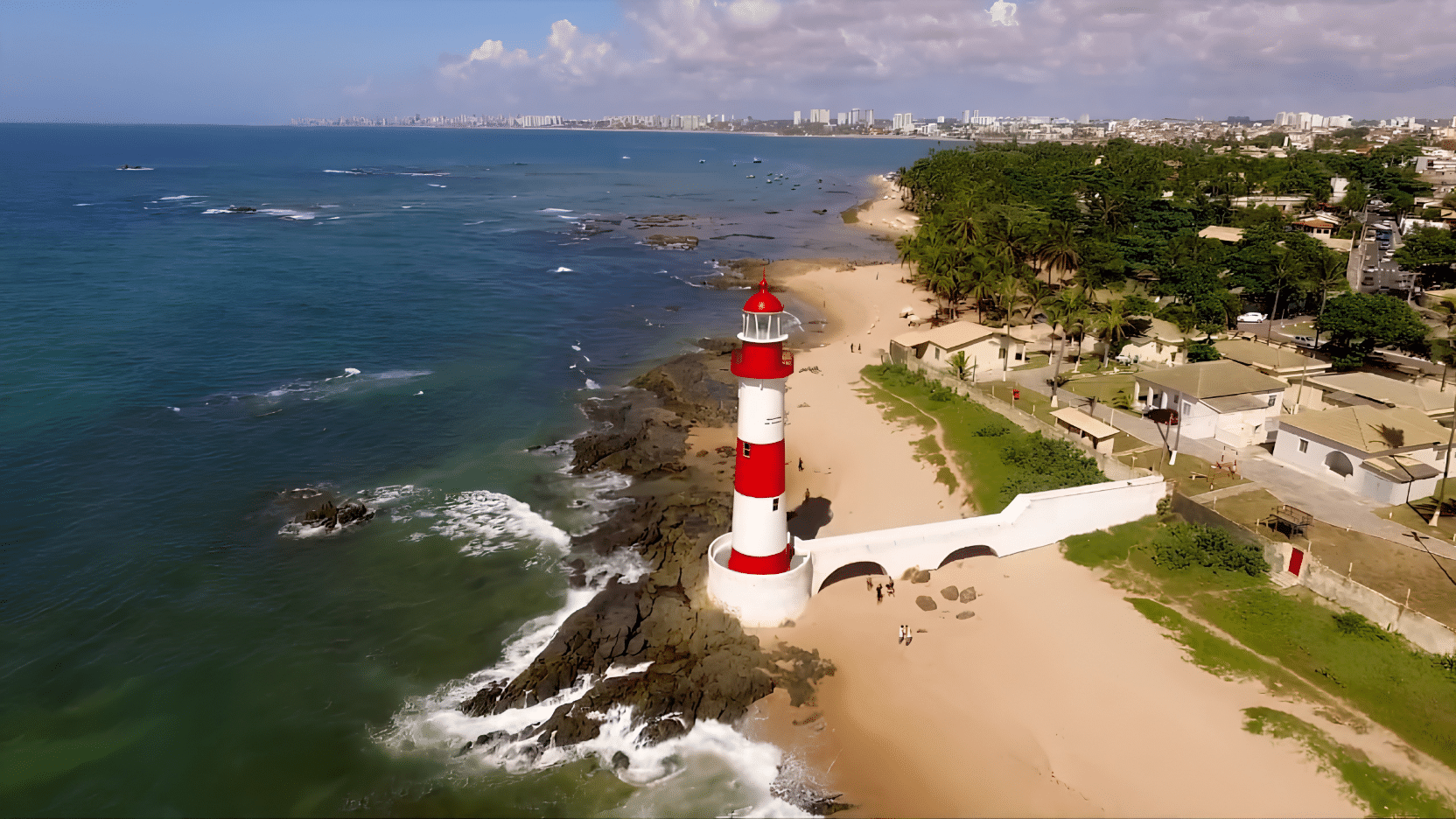
The Itapuã Lighthouse, by contrast, was built in 1873 to mark the sandbanks and guide navigation. In general, its cast-iron tower is said to be about 21 metres tall. Since the mid-20th century, moreover, it has had horizontal red and white stripes.
3. Monte Serrat Fort
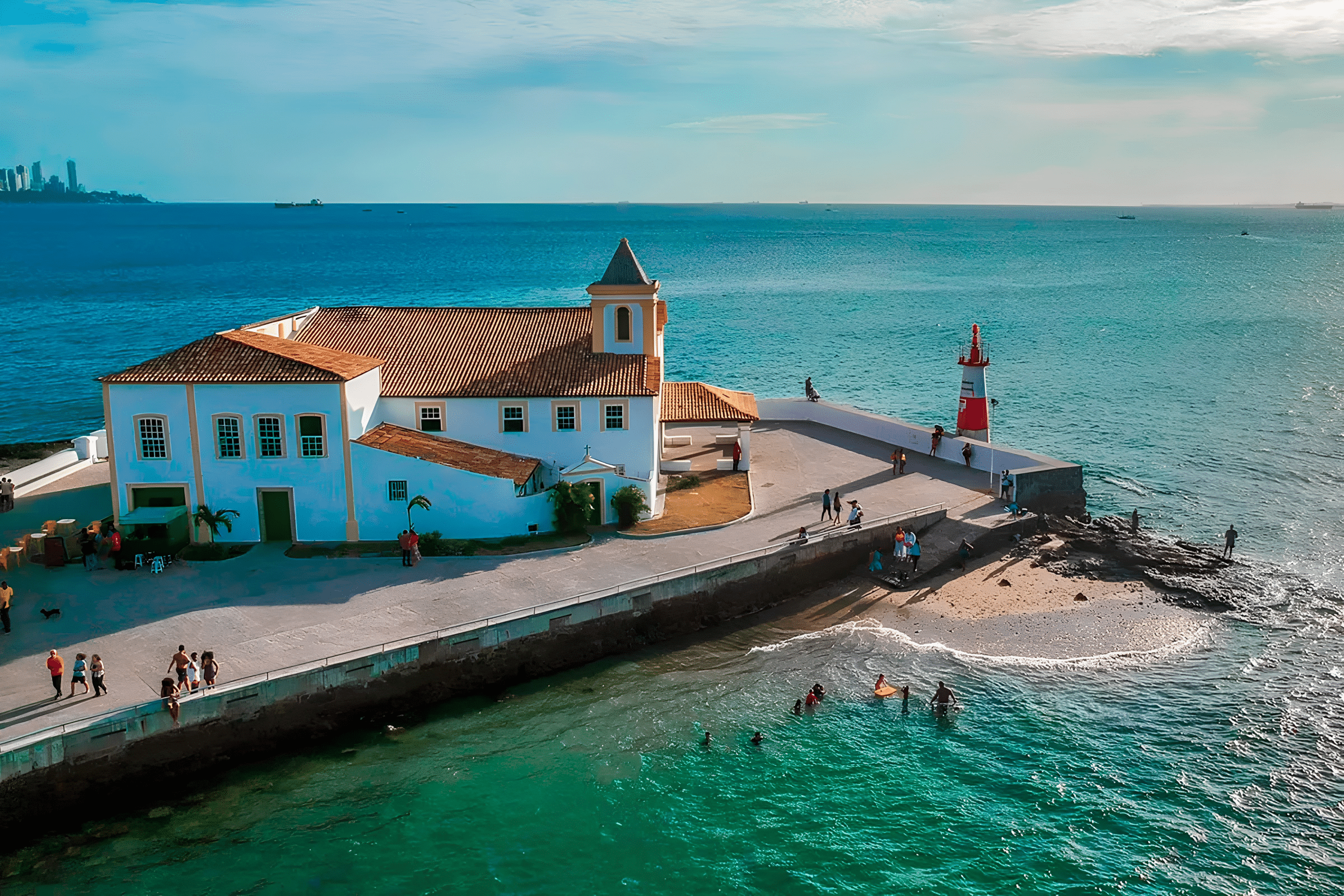
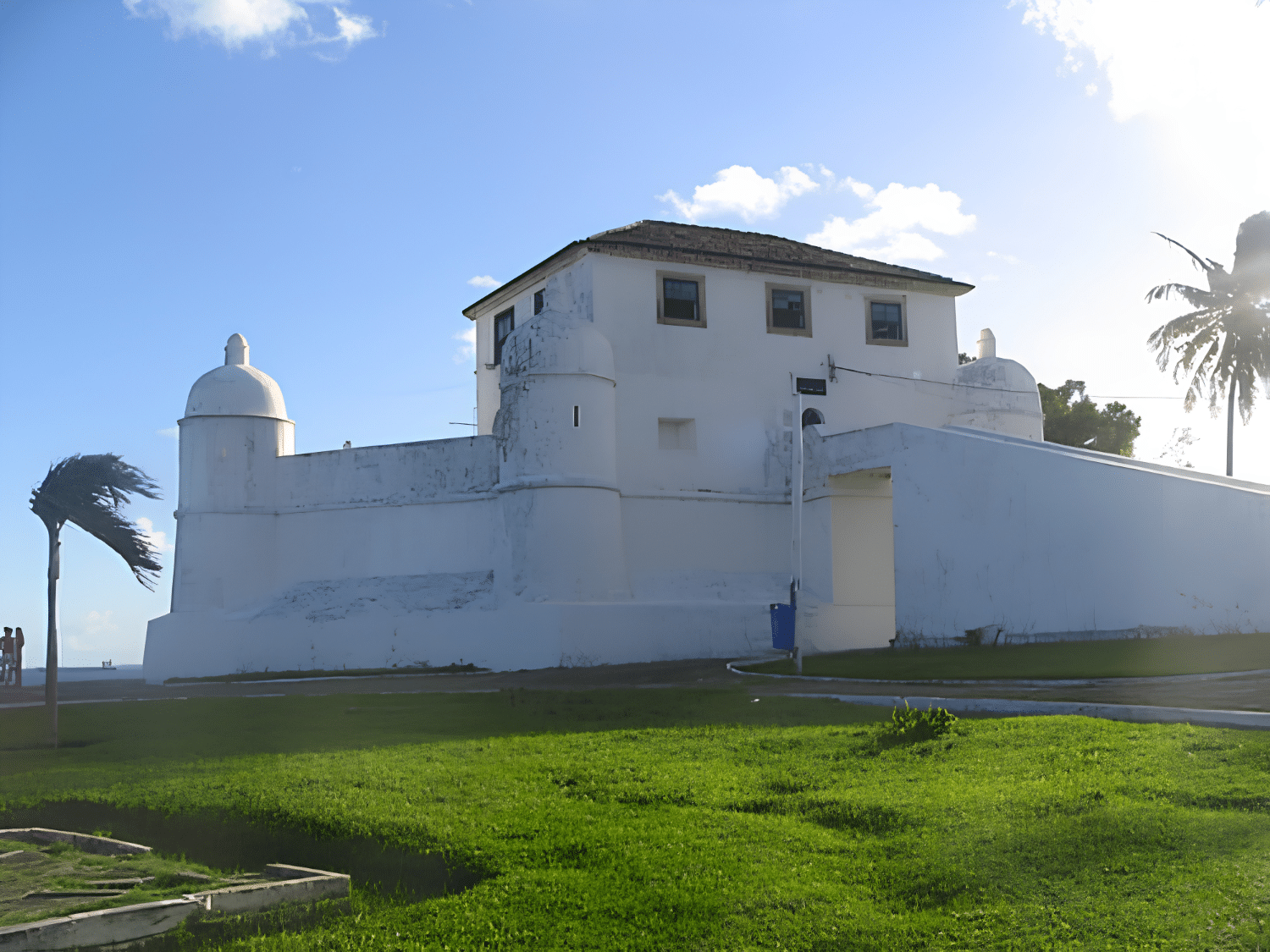
The Monte Serrat Fort stands on Ponta de Humaitá, the old Itapagipe point. Built from 1583–1587, it was expanded until the 18th century and listed by Iphan in 1938. Therefore, it is a fine example of bastioned military architecture, with views of the bay and Itaparica Island. It also pairs well with the Bonfim Church.
História do Forte de Nossa Senhora de Monte Serrat
4. Santa Maria Fort
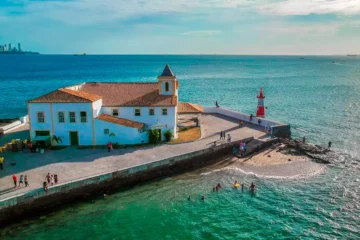
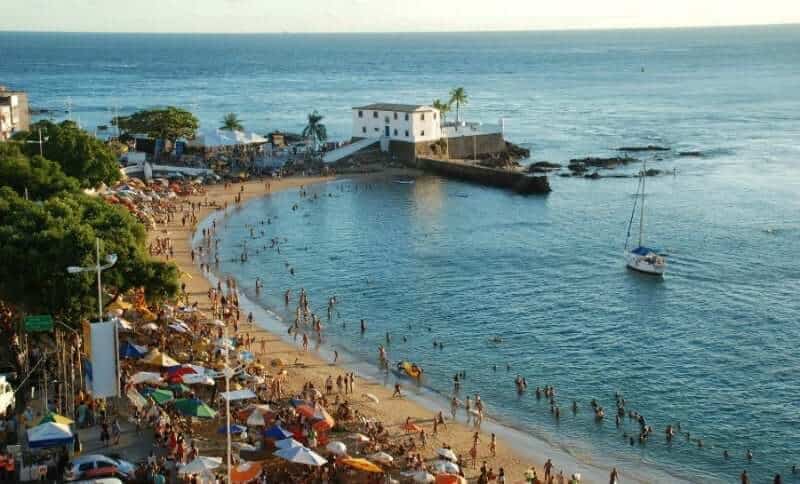
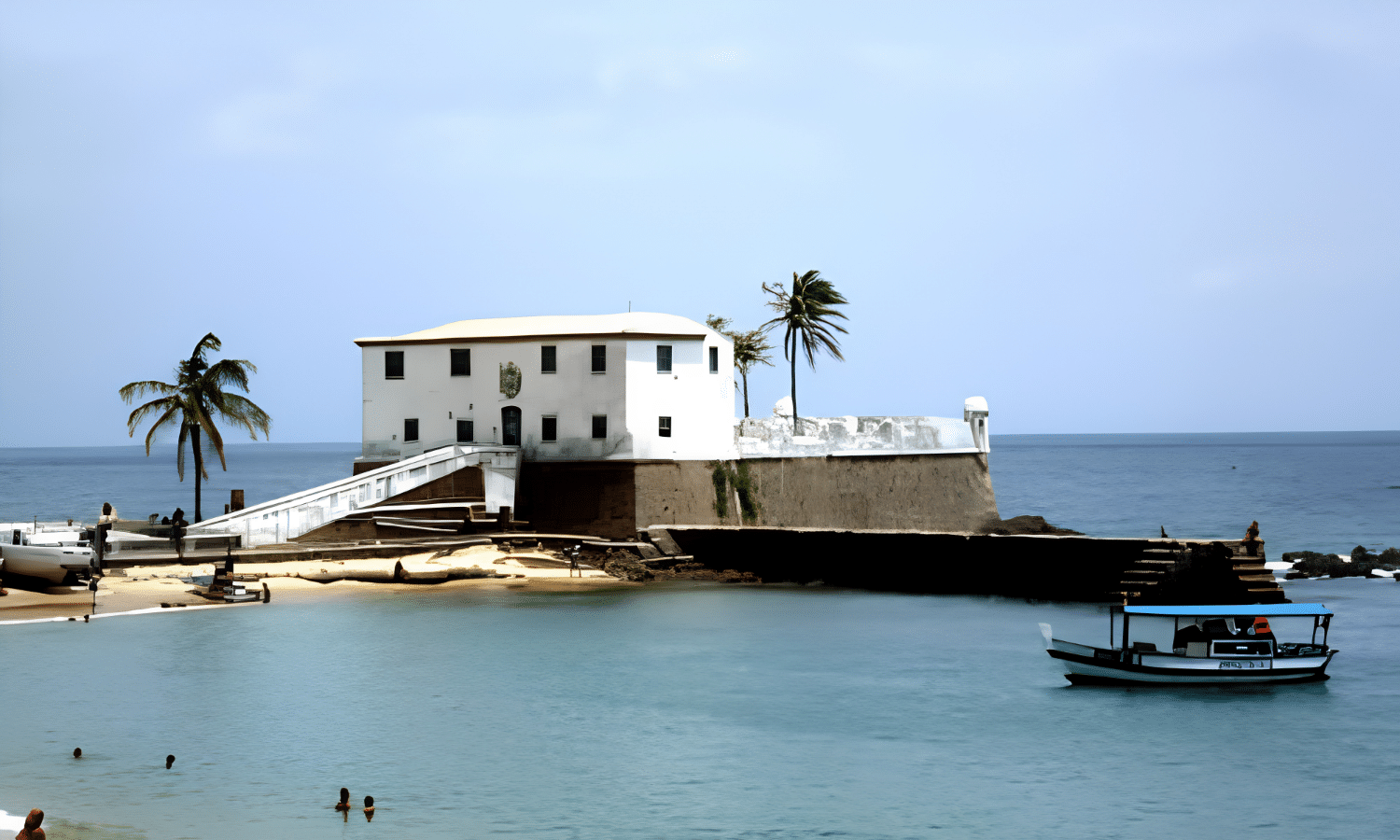
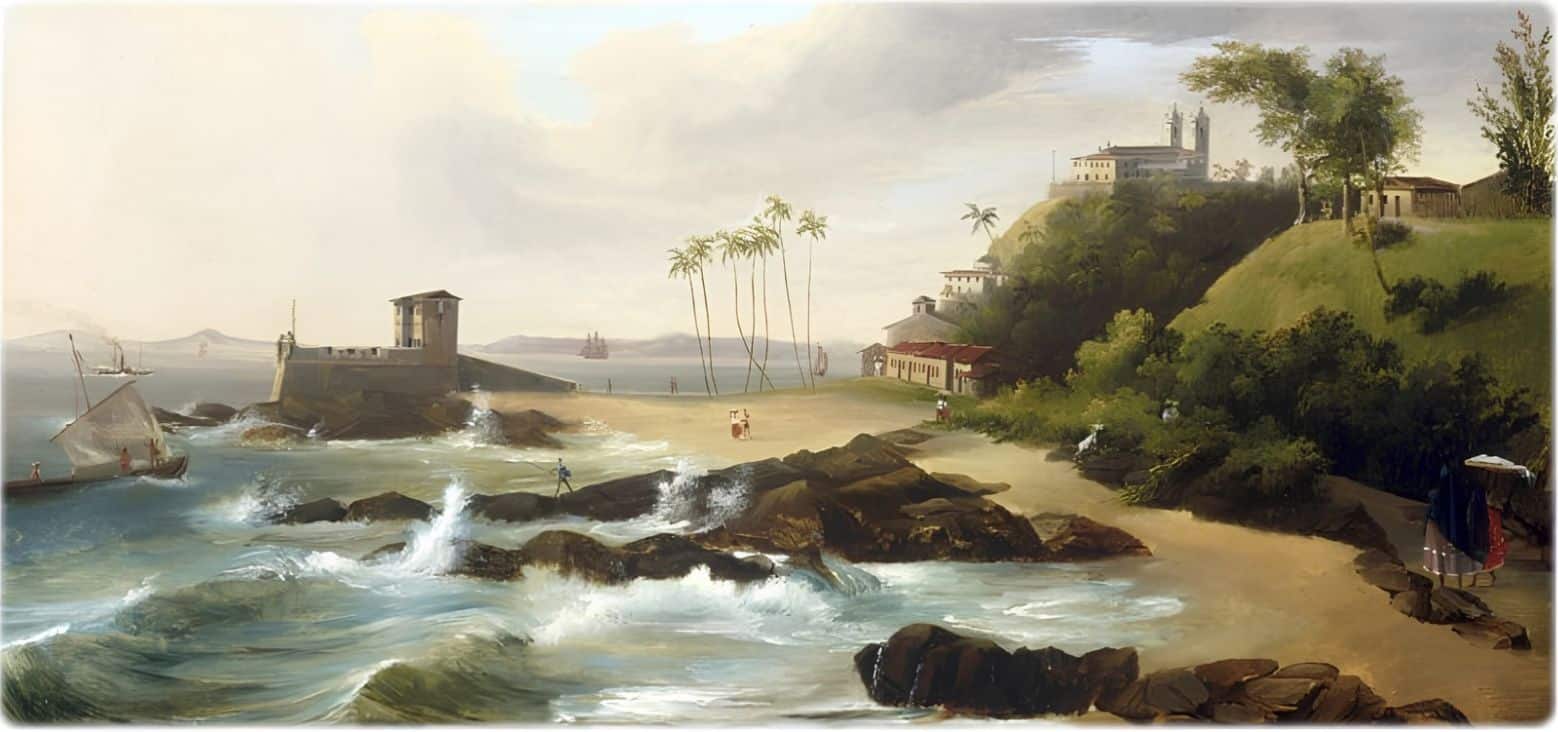
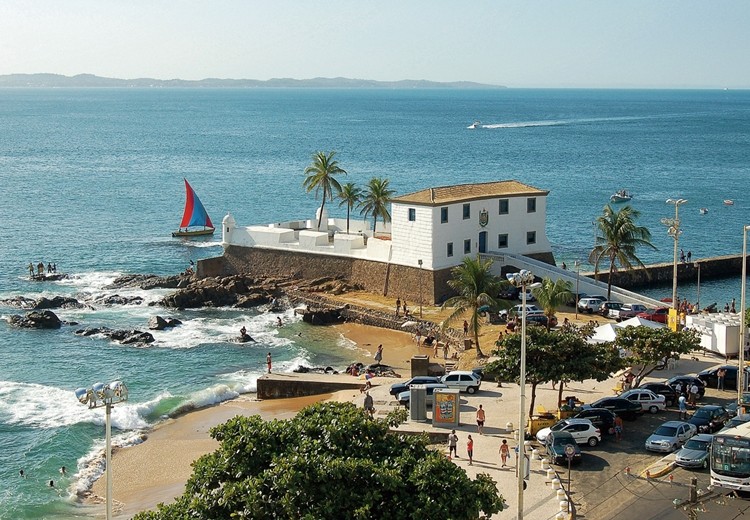
The Santa Maria Fort, at Porto da Barra, was begun around 1614 and rebuilt in masonry in 1696. Later, in 1938, it was listed by Iphan. Since 2016, moreover, it has housed the Espaço Pierre Verger da Fotografia Baiana. See the defences of Porto da Barra.
Forte de Santa Maria expulsou os Holandeses do Brasil04:09
História do Forte de Santa Maria em Salvador - BA28:03
5. São Diogo Fort
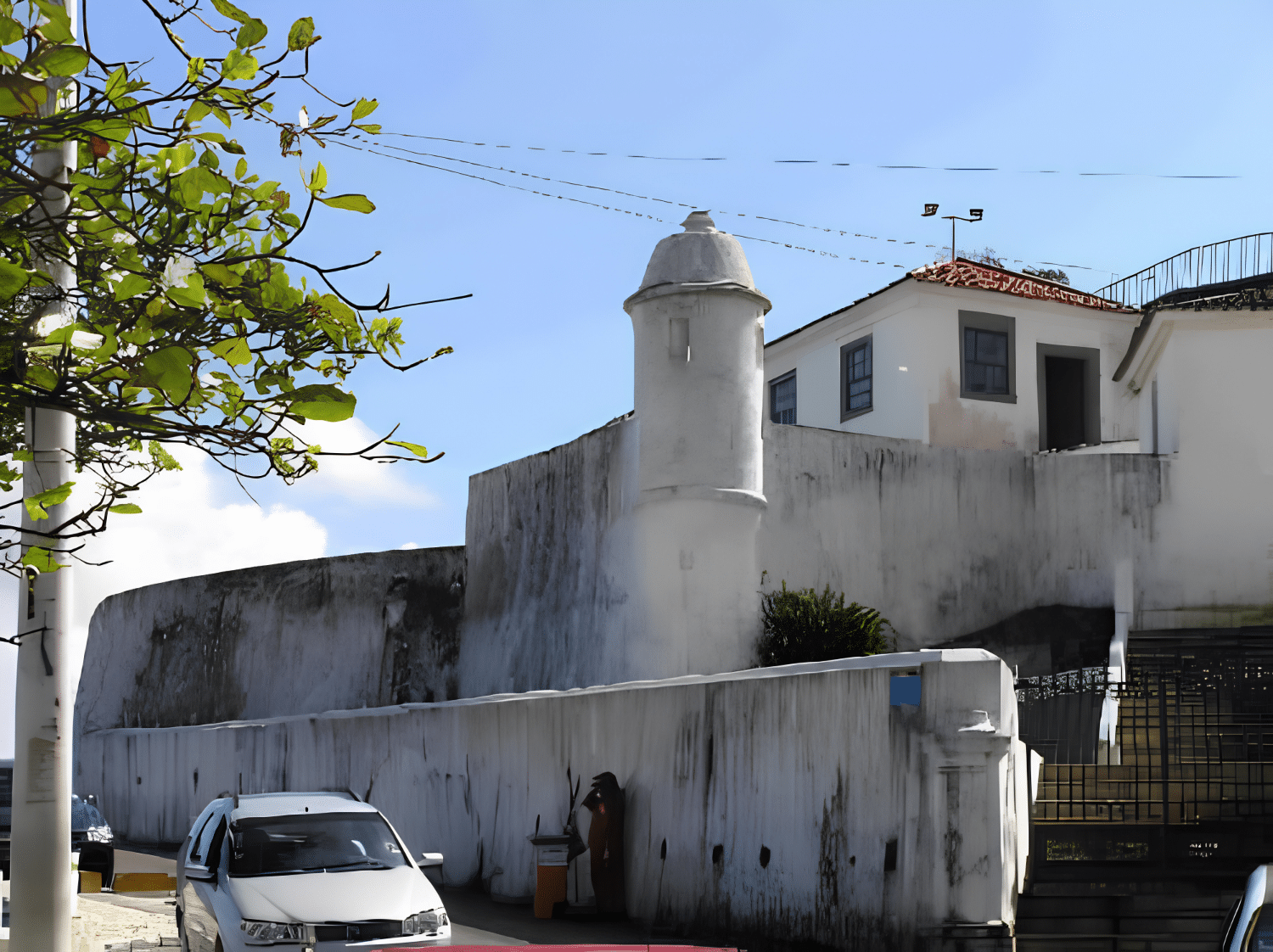
Next door, the first São Diogo Fort dates from around 1609 to 1613. After the invasions, it had works between 1626 and 1635 and renovations in the 18th and 19th centuries. Since 2016, in turn, it has housed the Espaço Carybé de Artes.
História do Forte de São Diogo em Salvador BA
6. São Marcelo Fort (Sea Fort)
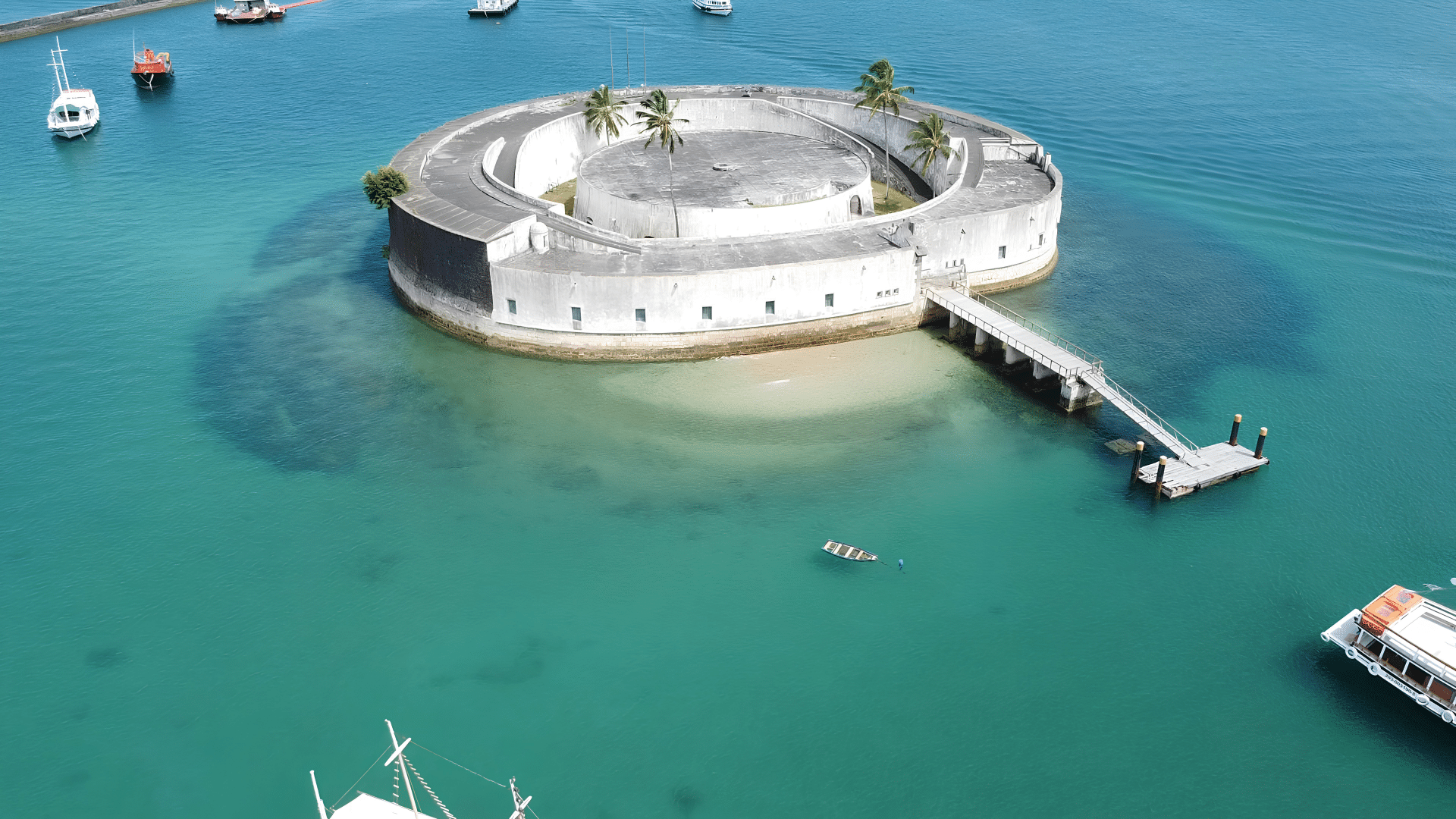
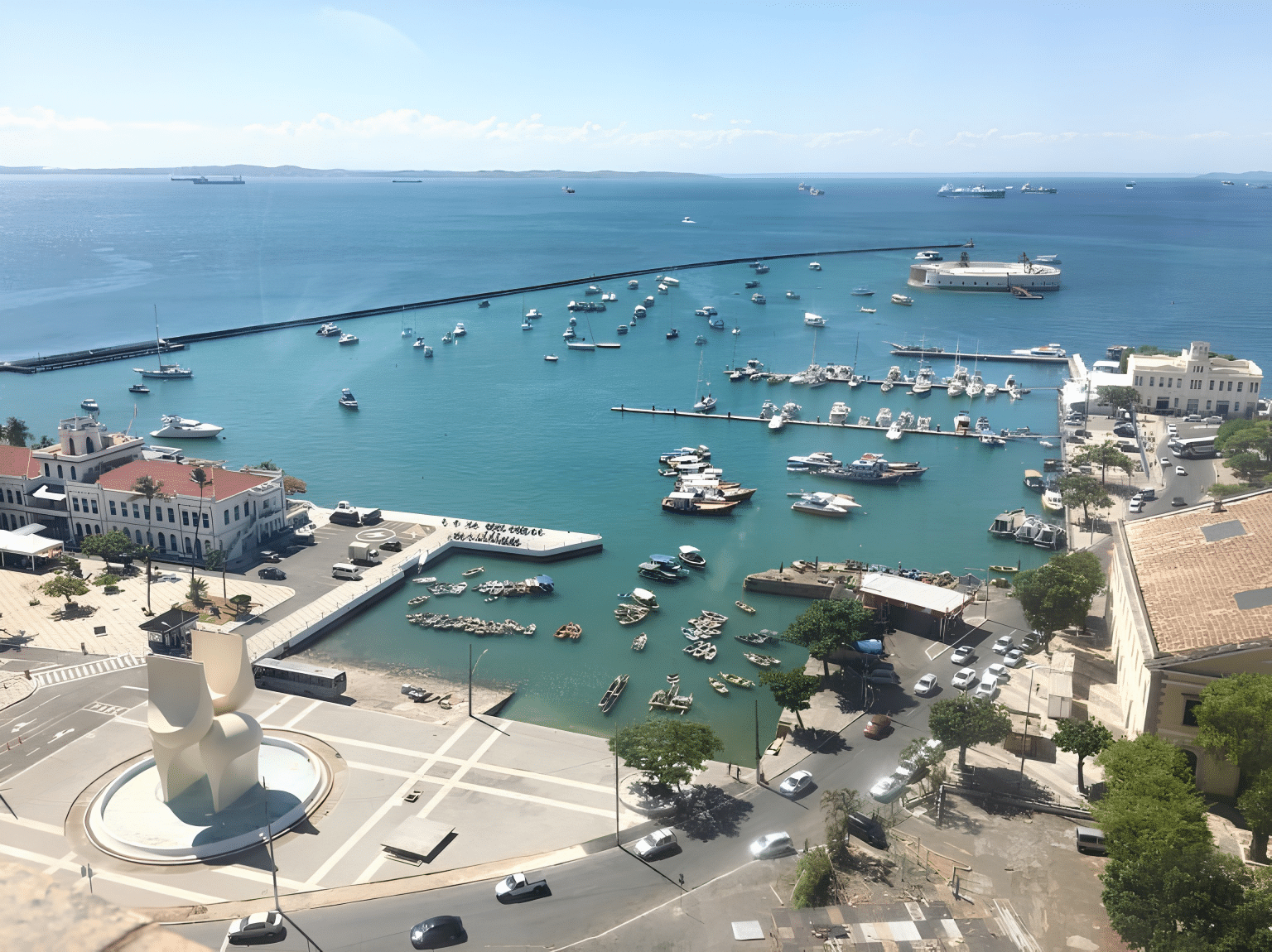
The São Marcelo Fort has a circular plan and stands on a sandbank about 300 metres off the coast, opposite the Historic Centre. In addition, it once served as a prison and took part in the bombardment of Salvador in 1912. However, it is closed to visitors; in 2026, the Bahia State Government took over its management and plans to reopen it to tourism.
7. Fort of Santo Alberto (Fortim da Lagartixa)
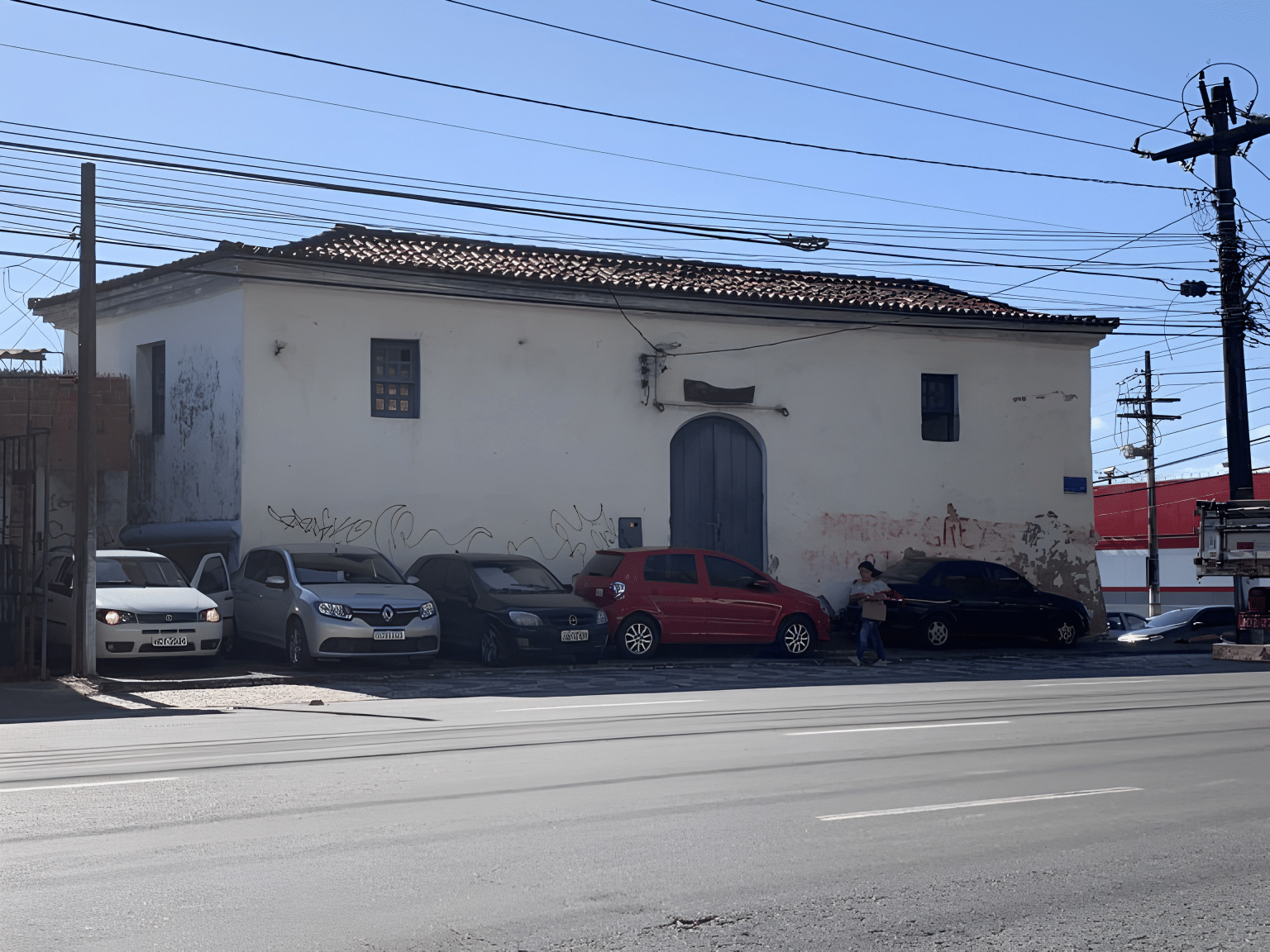
The Fort of Santo Alberto originated in the old Tower of São Tiago de Água de Meninos, and the current building dates from the late 17th century. Today, it stands at the entrance to the São Joaquim Ferry Terminal. However, with the expansion of the port, it ended up farther from the sea and, in general, has restricted access.
Other forts of Salvador
In Campo Grande stands the São Pedro Fort and, further down, the São Paulo Fort in Gamboa. In the Santo Antônio neighbourhood, meanwhile, is the Fort of Santo Antônio Além do Carmo; “Além do Carmo” meant beyond the city’s northern gate. Finally, the Barbalho Fort is considered one of the largest fortifications in Salvador.
Which forts of Salvador to visit
First of all, visit the Barra Lighthouse, with the Maritime Museum and the sunset. Then walk to Porto da Barra to see the forts of Santa Maria and São Diogo. In addition, the Monte Serrat Fort pairs well with Ponta de Humaitá and Bonfim. See also the tourist attractions of Salvador, the Historic Centre and the history of Salvador.
Frequently asked questions about the forts of Salvador
How many forts are there in Salvador?
Salvador once had more than 30 fortifications; today about 11 remain, according to ABRAF.
The most visited, however, are in Barra.
What is the most famous fort in Salvador?
The Fort of Santo Antônio da Barra, home to the Barra Lighthouse.
In addition, it houses the Bahia Maritime Museum.
When was the Barra Lighthouse first lit?
Around 1698, on the tower of the Fort of Santo Antônio da Barra.
Later, its lighting moved from whale oil to electricity.
Can you visit the São Marcelo Fort?
Not at the moment: the fort is closed to visitors.
However, the Bahia State Government, which took over its management in 2026, plans to reopen it.
Why does Salvador have so many forts?
Because it was Brazil’s first capital and needed to protect the port and the bay.
Thus, for example, it withstood the Dutch attack of 1638.

Publicações Relacionadas
Rio Vermelho, Salvador: Largo de Santana, acarajé, nightlife
Ponta do Humaitá, Salvador: lighthouse, church, sunset
Beaches of Salvador: all 23 beaches by area and tips
7-Day Salvador Itinerary: What to Do Day by Day
Cathedral Basilica of Salvador: history, art and visits
Where to Stay in Salvador for Your Best Experience

Palma Church in Salvador: history, art and visiting

Solar do Unhão and MAM-BA: History, Sunset and Visit

Gamboa in Salvador: Gamboa de Baixo, beaches and sunset

Avenida Contorno in Salvador: history, arches, sights

Palaces of Salvador: History and Which to Visit

Conceição da Praia Basilica: History and Festival

Desterro Convent: Brazil’s First Convent for Women

UFBA Museum of Sacred Art: Convent of Santa Teresa

Bahia Museum of Art (MAB): History, Collection, Visit

Beaches near Salvador, Brazil: 8 picks with distances
Lacerda Elevator: History, Height and How to Visit

Fort of Monte Serrat, Salvador: history and visits

Barra Lighthouse: Fort, Maritime Museum and Sunset

São Marcelo Fort (Forte do Mar): history and visits

Igreja dos Mares in Salvador: the neo-Gothic church

Third Order of St Francis Church: Plateresque Facade

Churches of Salvador: the most beautiful and which to visit

Museums in Salvador: guide to the best by area

Parks and squares of Salvador: 16 places to visit

Things to do in Salvador with kids: 16 ideas

Salvador Carnival 2027: Dates, Circuits and Tips

Prostitution, sex, massage parlours and nightclubs in Salvador
Convent of São Francisco: Salvador’s Golden Church
Pelourinho and Salvador’s Historic Centre: what to do
History of Salvador: founding in 1549 and timeline
Church of São Pedro dos Clérigos, Salvador
Things to do in Salvador: 17 top attractions by area
Bonfim Ribbon: Meaning and How to Tie It