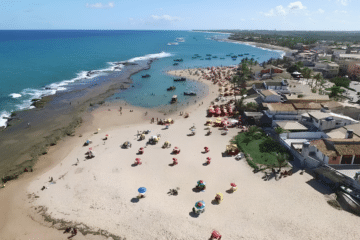
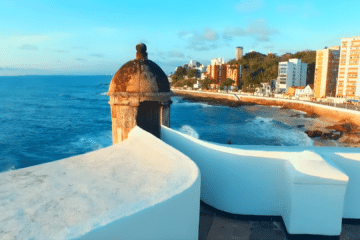
The Pelourinho is a traditional neighbourhood in Salvador, the capital of Bahia, located in the heart of the Historic Centre of Salvador.
Renowned worldwide for its colonial architecture in the Portuguese Baroque style, Pelourinho is a UNESCO World Heritage Site and one of the finest examples of colonial architecture in Bahia.
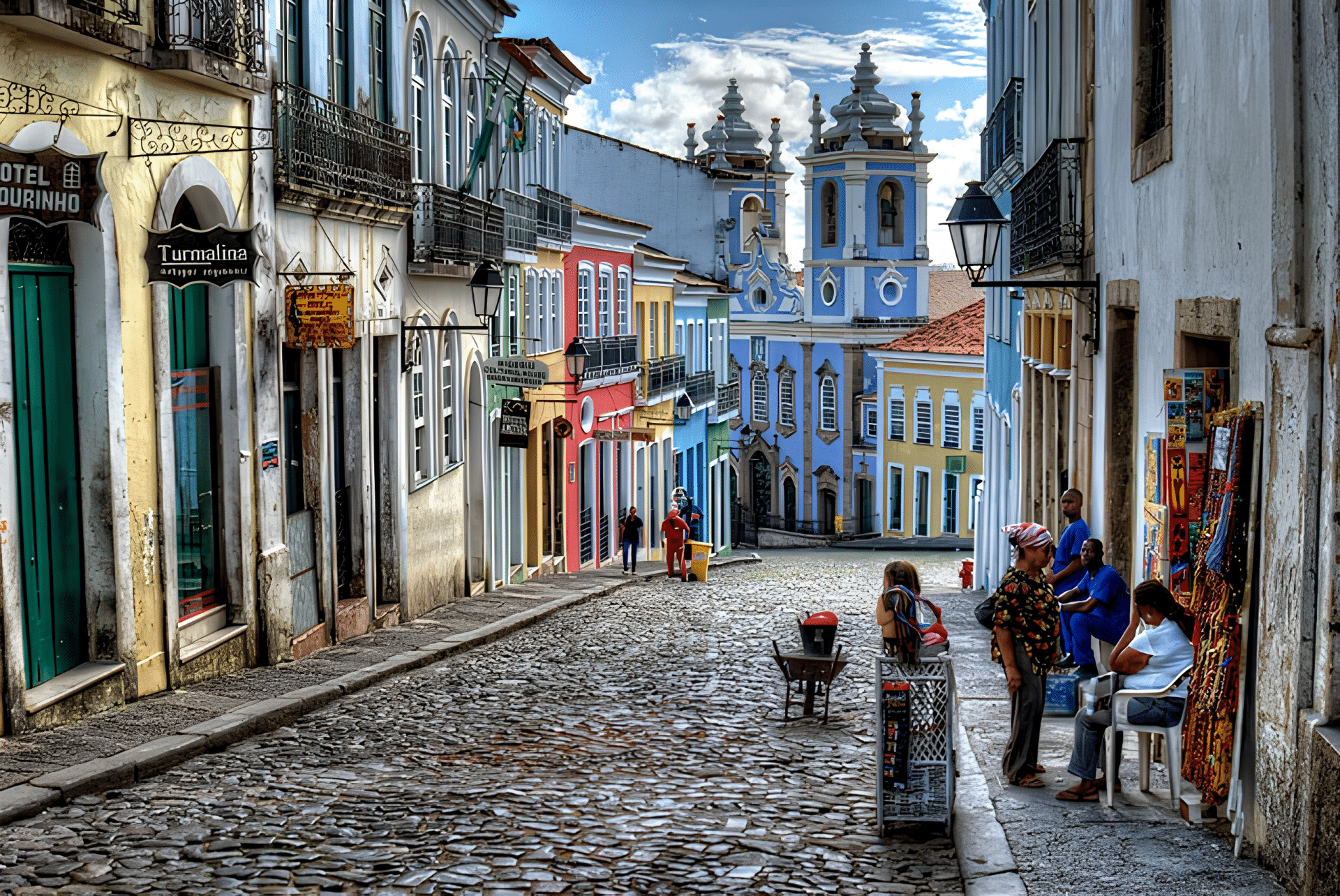
Architectural complex
The architectural, landscape and urban ensemble of the polygonal layout of the Historic Centre of Salvador is one of the finest examples of Portuguese overseas urban planning. Set on an acropolis, the layout comprises two distinct levels: the upper part, with administrative and residential functions, and the lower part, facing the harbour and shops along the seafront.
Landscape and architecture
Combined with a unique topography, the landscape of Pelourinho is characterised by buildings dating from the 16th to the 19th centuries. Of particular note are the monumental complexes of religious, civil and military architecture, which provide an insight into the urban model of the cities founded by the Portuguese overseas.
Urban distinctions
The original city was laid out in an orthogonal grid. As the city expanded, streets lined with uniform housing emerged, interspersed with complexes of monumental architecture. The clear distinction between the Upper Town (the administrative and religious centre) and the Lower Town (the port and commercial area) preserves the landscape inherited from the colonial period.
A monumental period in Bahian architecture
From the mid-17th century onwards, the wealth generated by sugar farming fuelled a period of monumental development in Bahian architecture. This period saw the transition from the Renaissance style to the Baroque style, evident in the Baroque churches of Pelourinho and other monuments in the Historic Centre of Salvador.
See the Map of Salvador
Main colonial buildings
Among the buildings that define the history and architecture of Pelourinho, the following stand out:
- Jesuit Church — now the Cathedral Basilica of Salvador.
- Church and Convent of São Francisco — a landmark of the Luso-Brazilian Baroque style.
- Carmo Church.
- The Church and Convent of Santa Teresa — now one of the country’s leading museums of religious art.
- Church and Monastery of St Benedict.
- Church of the Third Order of St Francis.
- Governor’s Palace.
Key public spaces
- Town Square
- Terreiro de Jesus
- The Way of St Francis
- Pelourinho Square
- Santo Antônio Square
- Boqueirão Square
These squares and plazas form the backbone of the Historic Centre of Salvador and are key to understanding the Portuguese colonial urban planning applied to Pelourinho, Salvador.
Architecture and conservation
The traditional two-storey houses and the construction techniques used on uneven terrain highlight the influence of Portuguese culture on colonial architecture in Bahia. Between 1938 and 1945, several monuments in the Historic Centre were listed as national heritage sites to protect Largo do Pelourinho and its surroundings.
Despite being listed, the area began to fall into disrepair from the 1960s onwards, when the city centre lost its importance to new areas of urban expansion — an ongoing challenge for the preservation of the UNESCO World Heritage Site of Pelourinho.
Pelourinho vs the Historic Centre
It is important to distinguish between the following terms:
- Salvador’s Historic Centre: a large area encompassing several neighbourhoods and groups of historic buildings (Terreiro de Jesus, Praça da Sé, Largo do Cruzeiro de São Francisco, amongst others).
- Pelourinho: a specific neighbourhood within the Historic Centre, known for its well-preserved colonial architecture, narrow streets and vibrant cultural life — including numerous Baroque churches, museums and Afro-Brazilian cultural events.
In short, the Pelourinho is the centrepiece of the Historic Centre of Salvador, but the Historic Centre encompasses areas and heritage sites beyond the neighbourhood itself.
Videos – Tourist Attractions in Pelourinho and the Historic Centre

Barra e Pelourinho02:33

Largo do Cruzeiro de São Francisco02:11

Pelourinho02:19
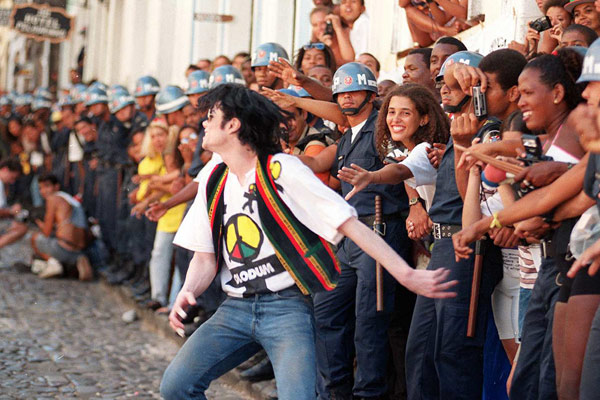
Olodum no Pelourinho - Michael Jackson04:41

Igreja de São Pedro dos Clérigos02:13
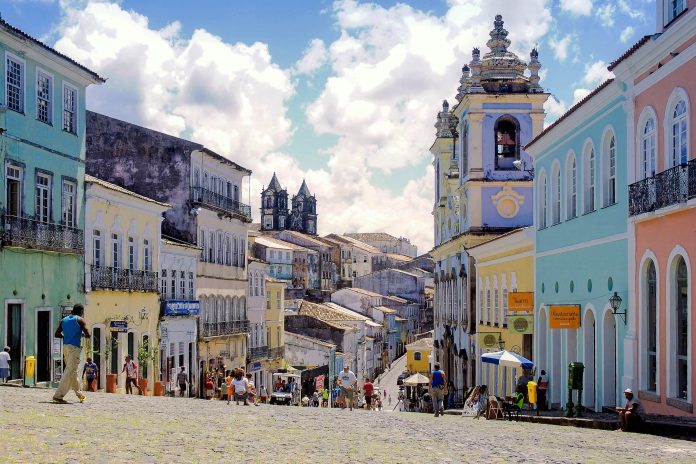
O melhor do Pelourinho em Salvador10:24
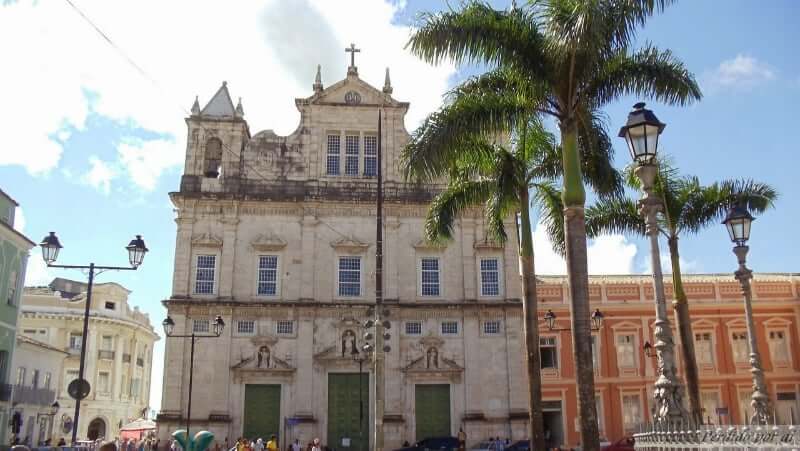
Catedral Basílica de Salvador BA01:47
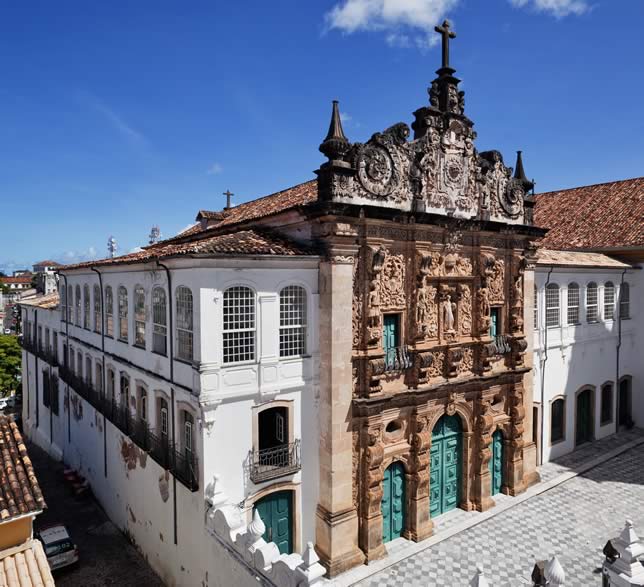
Museu da Ordem Terceira de São Francisco em Salvador09:56
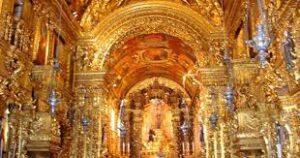
Igreja de São Francisco - Caverna de Ouro08:59
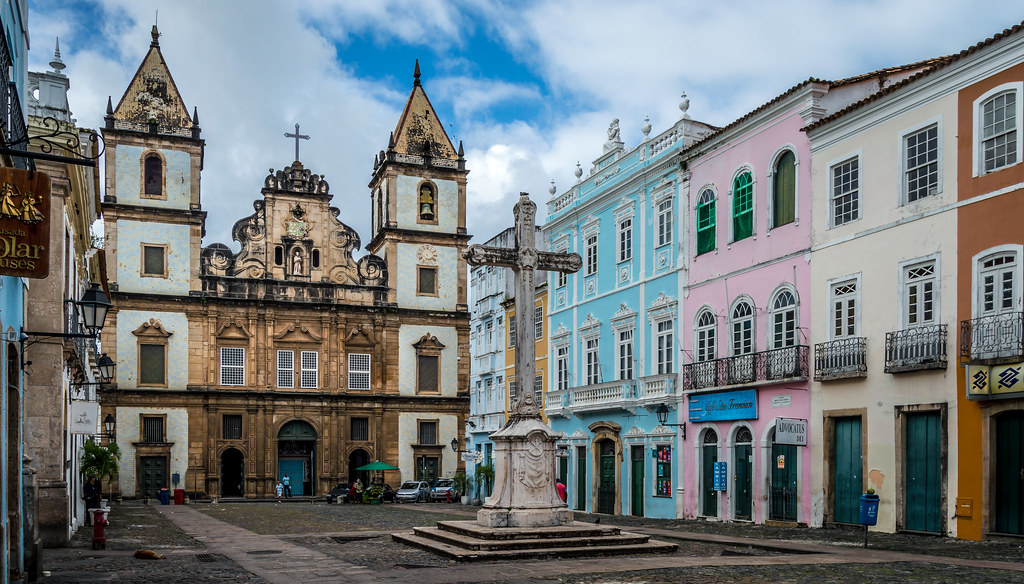
Igreja e Convento de São Francisco em Salvador09:07
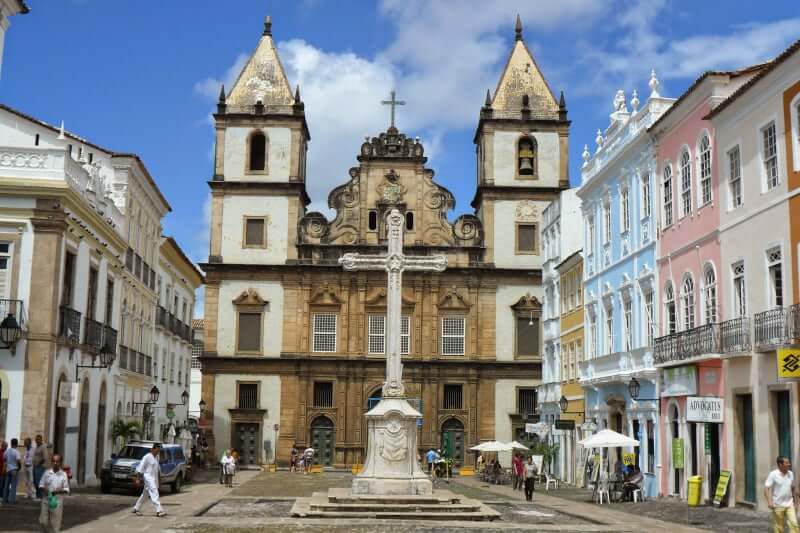
Igreja e Convento de São Francisco - Igreja de Ouro09:10
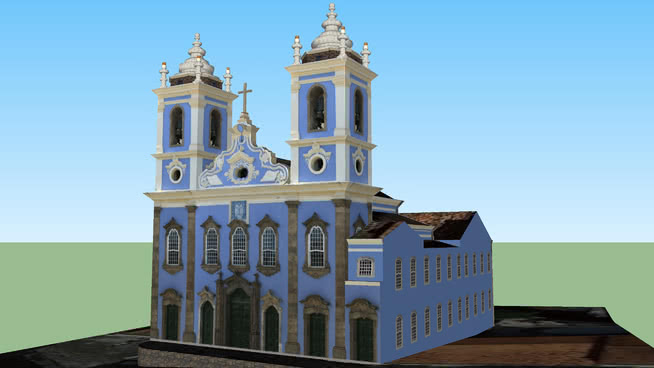
Igreja de Nossa Senhora do Rosário dos Pretos em Salvador
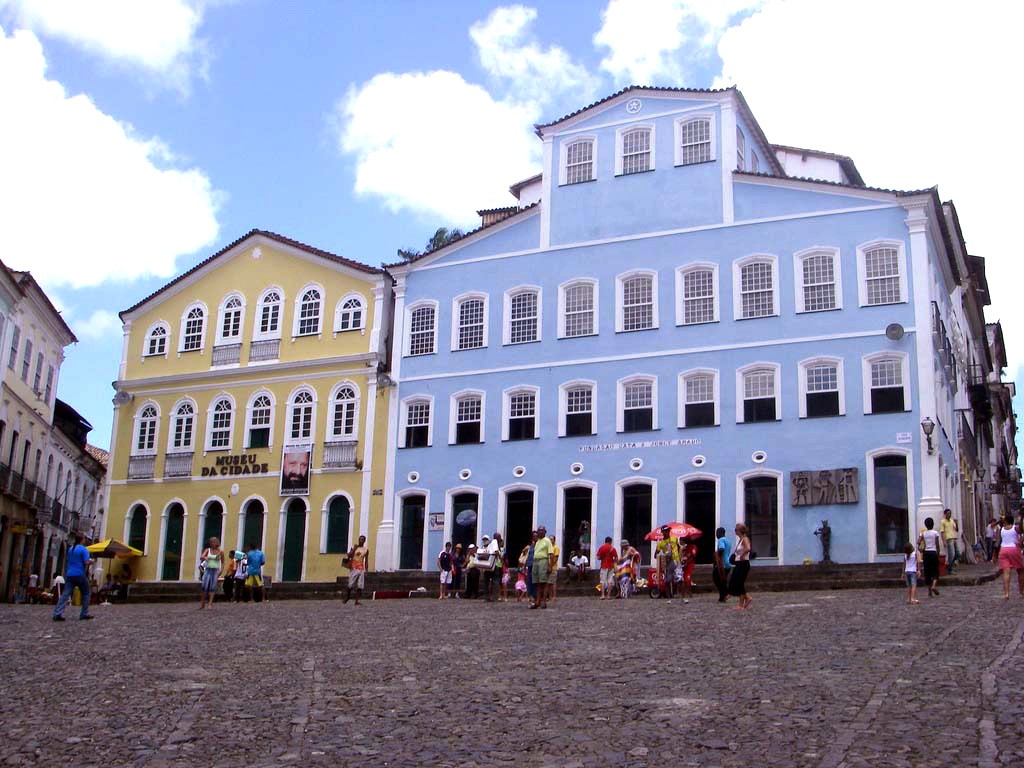
Fundação Casa de Jorge Amado em Salvador BA12:46
Solar Ferrão em Salvador BA01:14
Tourist Attractions in Pelourinho and the Historic Centre
- Terreiro de Jesus in Pelourinho
- Cathedral Basilica
- Church of São Pedro dos Clérigos
- Church of the Third Order of St Dominic
- Church and Convent of St Francis
- Church of Our Lady of the Rosary of the Black People
- Church of the Blessed Sacrament on Rua do Passo
- Jorge Amado House Foundation
- City Museum
- Tempostal Museum in Pelourinho
- Benin House Museum
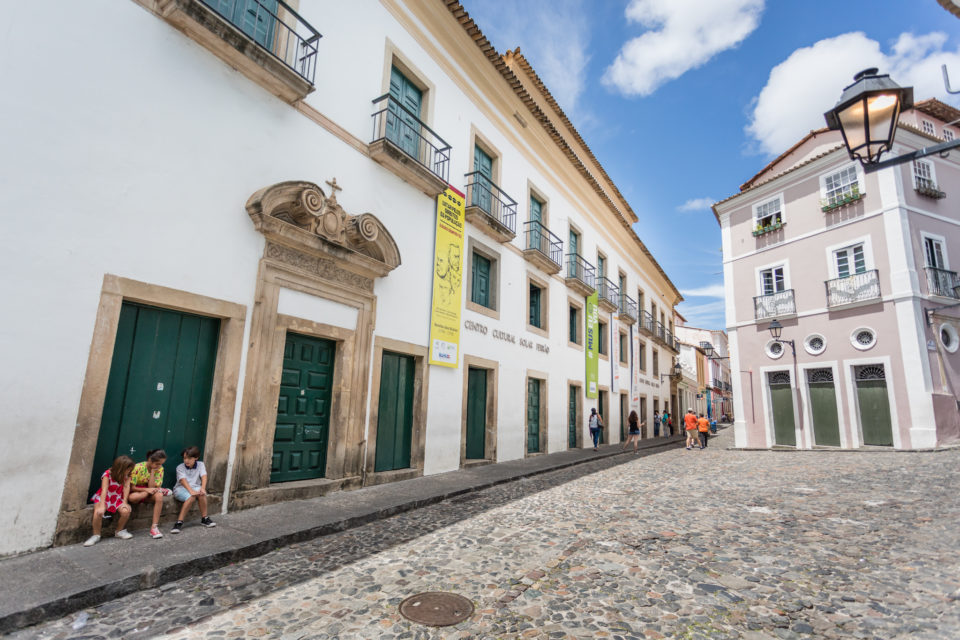
- Ferrão Estate
- Abelardo Rodrigues Museum
- Former School of Medicine
- Museum of Bahian Gastronomy
- Cruzeiro de São Francisco Square
See also the History of the Founding of Salvador, Bahia
1. Terreiro de Jesus (Pelourinho)
In the 1550s, during the founding of Salvador by Governor-General Tomé de Sousa, the Jesuits were granted a plot of land to the north of the new city. Led by Manuel da Nóbrega, they built a small mud-brick chapel there and the first building of the Jesuit College, giving rise to the name of the square: Terreiro de Jesus.
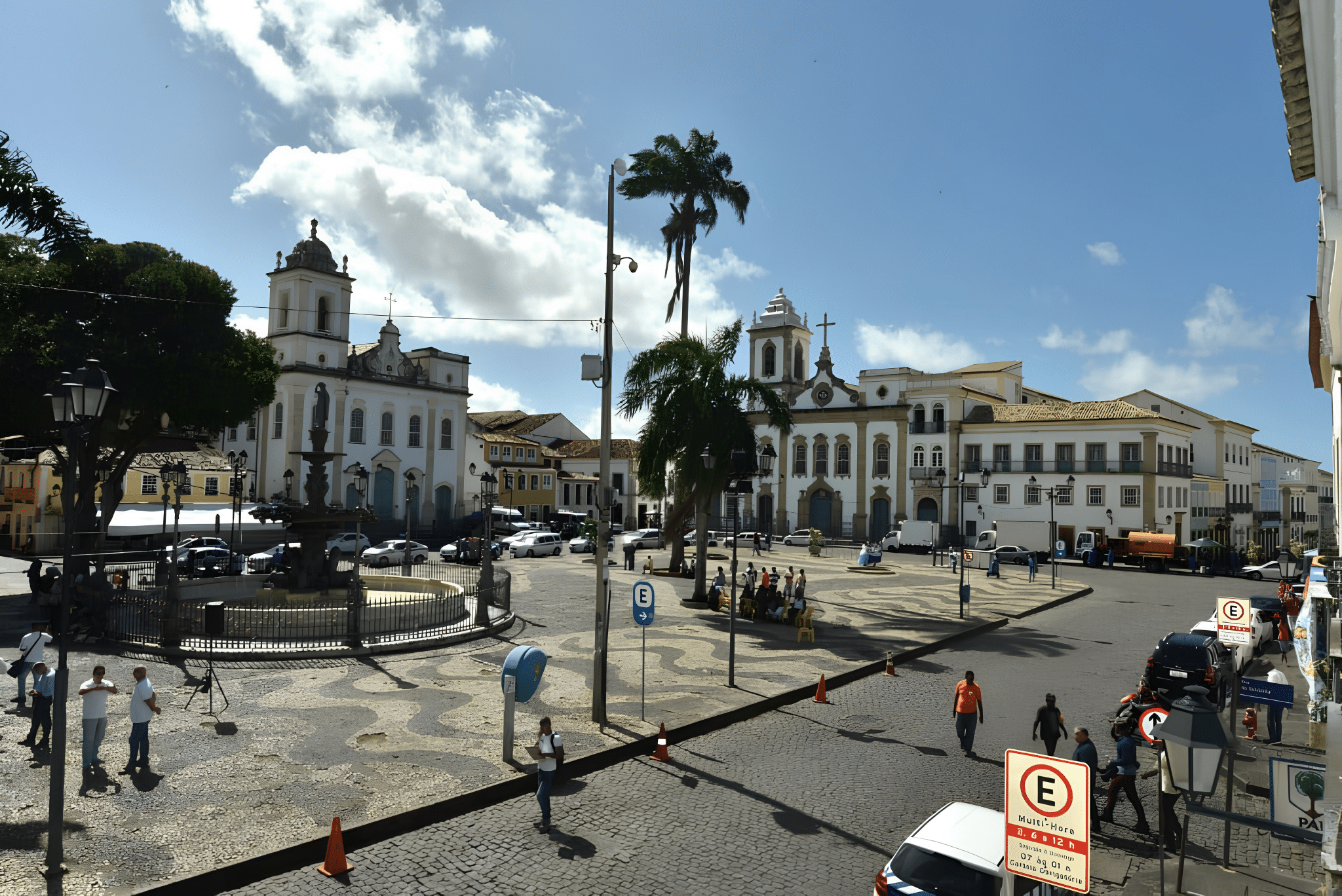
The college was completed in 1590. In Notícia do Brasil (1584), Gabriel Soares de Sousa had already described the site as “a sumptuous college of the priests of the Society of Jesus, with a beautiful and cheerful church”. The first 16th-century church was small and fragile; between 1652 and 1672 the Jesuits built a new church, considered one of the most imposing of the 17th century in Brazil.
The Mannerist façade, built from blocks of Lioz stone brought from Portugal, still dominates the square. The interior features gilded woodcarving (Mannerist and Baroque), a carved wooden ceiling and a sacristy of great artistic value. In 1933, following the demolition of the old cathedral, the church was elevated to the status of Salvador Cathedral.
The Terreiro de Jesus is home to other notable temples:
- Convent and Church of St Francis
- Church of the Third Order of St Francis
- Church of the Third Order of St Dominic
- Church of São Pedro dos Clérigos
The first two are leading figures in Brazilian colonial art.
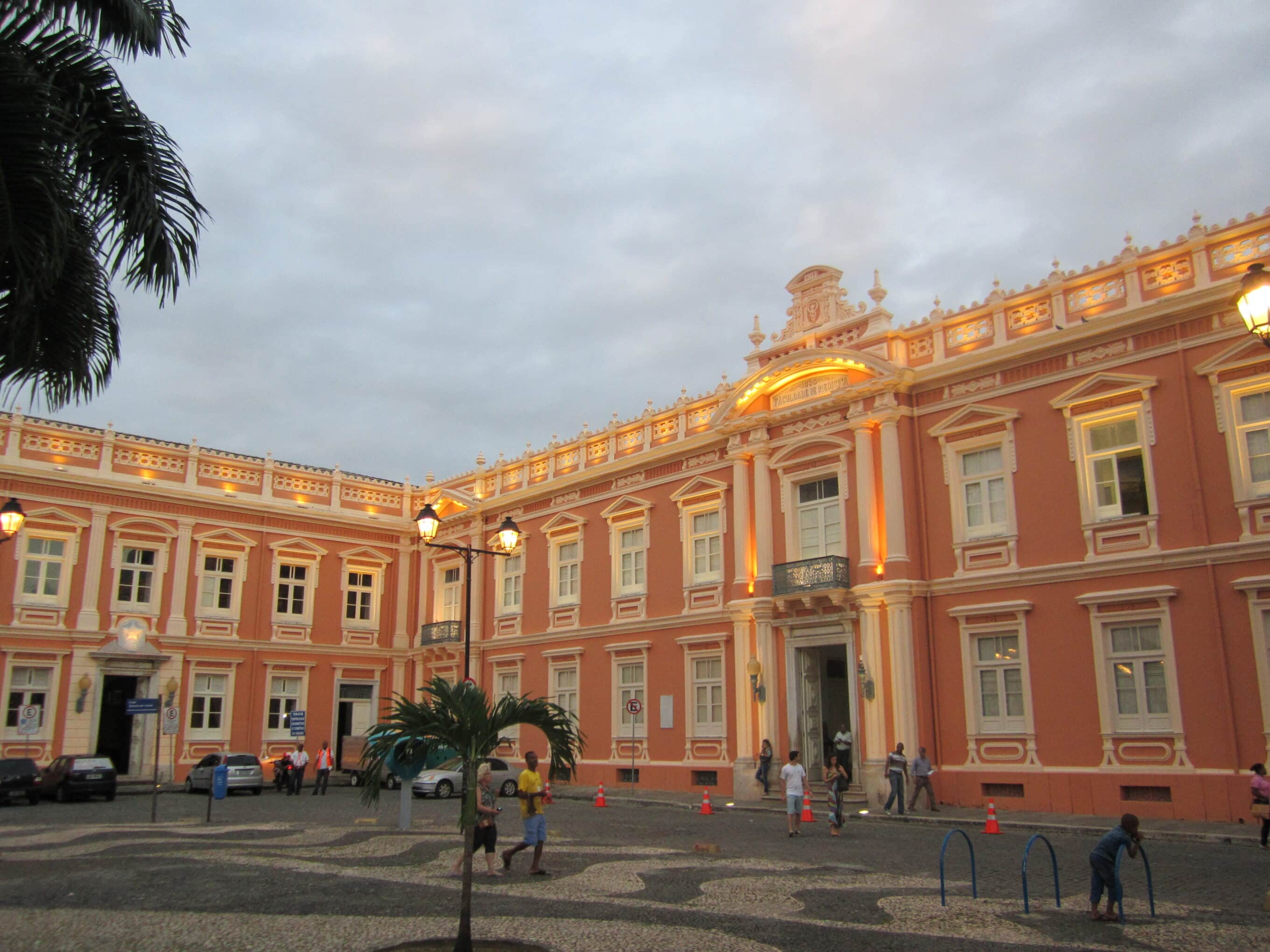
In the early 19th century, the former school building served as a hospital and, in 1833, housed Brazil’s first medical school. The original colonial building was destroyed by a fire in 1905 and replaced by a building in an eclectic style.
2. Salvador Cathedral Basilica
The current Cathedral Basilica of Salvador was built in the early 18th century as the fourth church associated with the Jesuit College — the first chapel on the site dates from 1604.
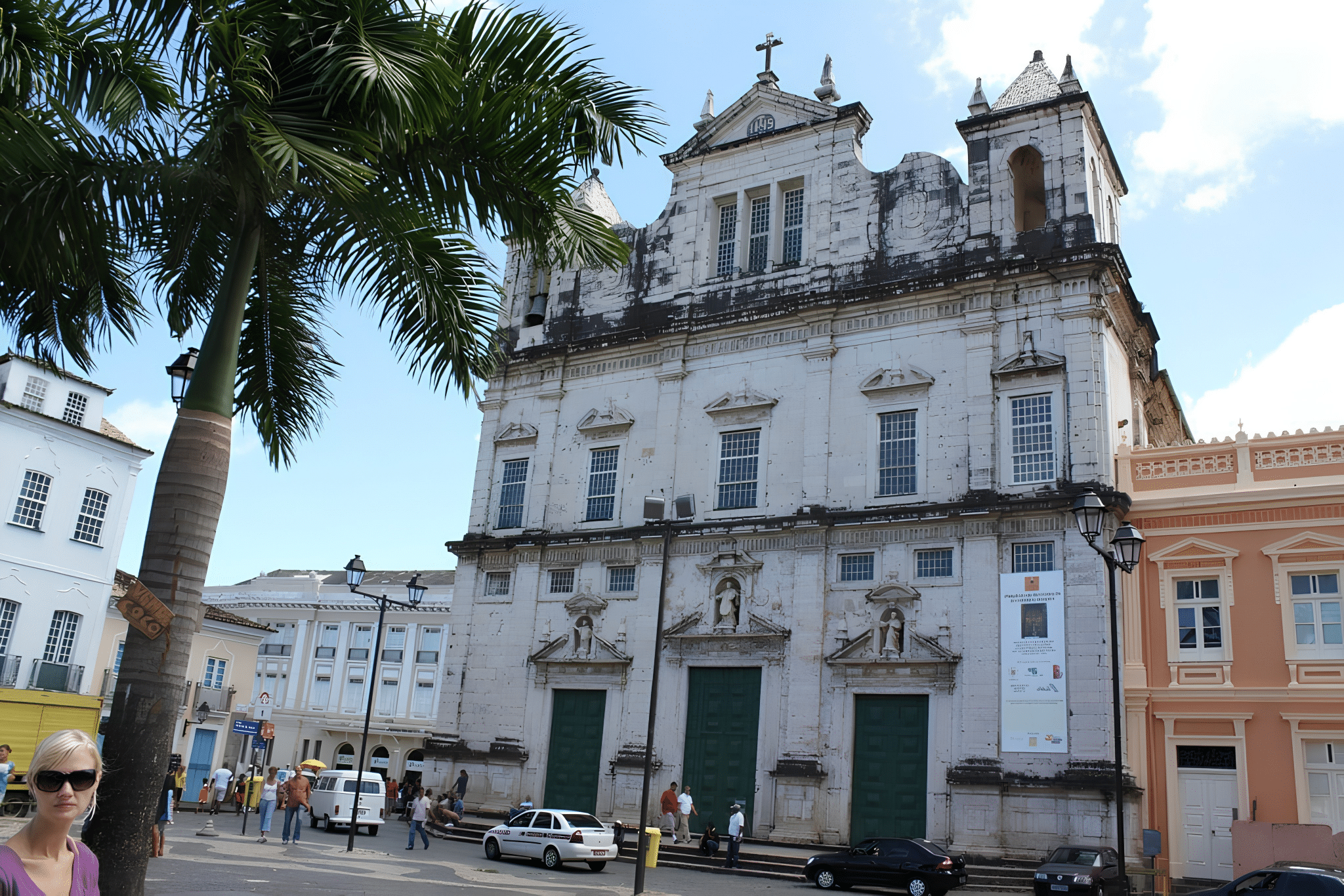
Recognised as one of the finest examples of the Portuguese-Brazilian Baroque style, the cathedral is clad both inside and out in Lioz stone. The building features two towers and wooden vaults that highlight its structural and decorative quality.
On the façade, niches above the doors display images of three important Jesuit saints:
- Saint Ignatius of Loyola
- Saint Francis Xavier (patron saint of Salvador)
- Saint Francis Borgia
The interior is striking for the richness of the carvings on the altars, which illustrate the evolution of architectural styles in Bahia over the centuries. Father Antônio Vieira, a historical figure remembered for his sermons and his confrontation with the Inquisition, died in one of the cathedral’s cells on 18 July 1697.
Among the tombstones in the church, the one belonging to the third Governor-General of Brazil, Mem de Sá, stands out.
The building also houses the Cathedral Museum, which boasts a valuable collection of artefacts dating from the 16th to the 20th centuries, including examples of gold and silverwork and sacred silverware.
3. Church of São Pedro dos Clérigos
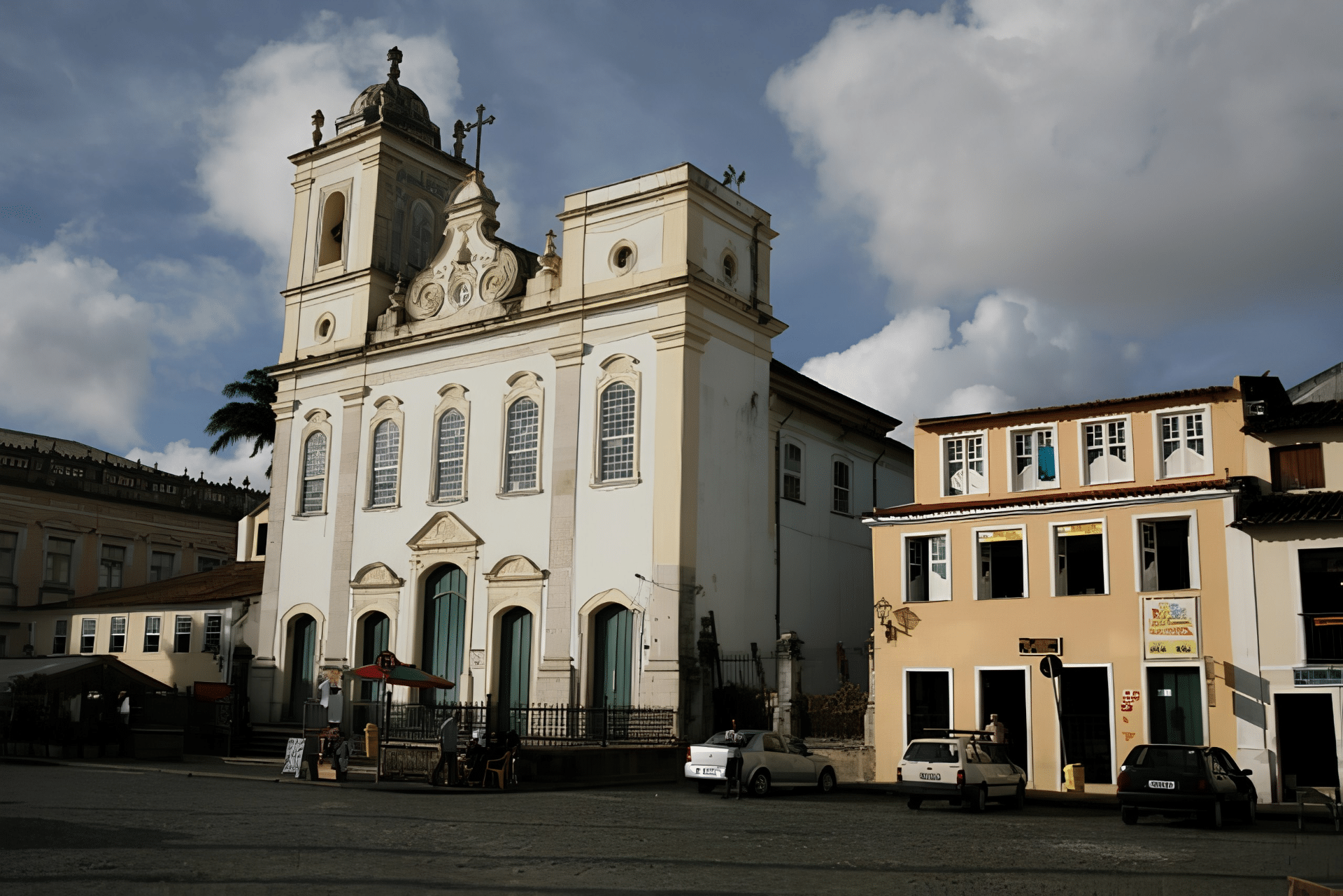
The Church of São Pedro dos Clérigos is situated in Terreiro de Jesus, in the Historic Centre of Salvador, amongst low-rise buildings. It forms part of the site listed by IPHAN, which covers parts of the Sé and Passo sub-districts.
Architecture and interior design
It is a relatively modest building, yet of great environmental and urban value. The interior features a style that bridges the gap between Rococo and Neoclassical, with a large ceiling panel being a particular highlight. In addition to the high altar, there are two altars situated at the corners of the transept.
The layout follows the pattern of early 18th-century churches in Bahia: side aisles flanked by galleries. As in many churches of the period, there is still no transverse sacristy, which would be a later development of the ‘T’-shaped layout (see the Church of Nossa Senhora da Palma).
Frontispiece and decoration
The current Rococo frontispiece is a later addition (19th century). Inside, the crossing arch and the ceiling display Rococo features, whilst the altars are Neoclassical in style — evidence of the stylistic transition between the 18th and 19th centuries.
Architectural history
- 17th century: the Brotherhood of São Pedro dos Clérigos maintained a chapel next to the old cathedral; in 1708, the Archbishop’s Palace was built.
- 1709: Archbishop Sebastião Monteiro da Vide authorised the construction of a new church for the Brotherhood on the Jesuits’ site; the building was eventually erected on a separate plot following the purchase of two houses.
- 1741: A Royal Decree allocated funds to repair the towers and the façade, which were then in ruins.
- 1784: references to land acquisitions.
- 1802: authorisation to resume works suspended by the Senate.
- 1887: addition of a sacristy; the current façade dates from the 19th century.
4. Church of the Third Order of St Dominic
The church is situated in Terreiro de Jesus, in the Historic Centre of Salvador, amongst low-rise buildings, forming part of the site listed by IPHAN, which covers areas of the Sé and Passo sub-districts.
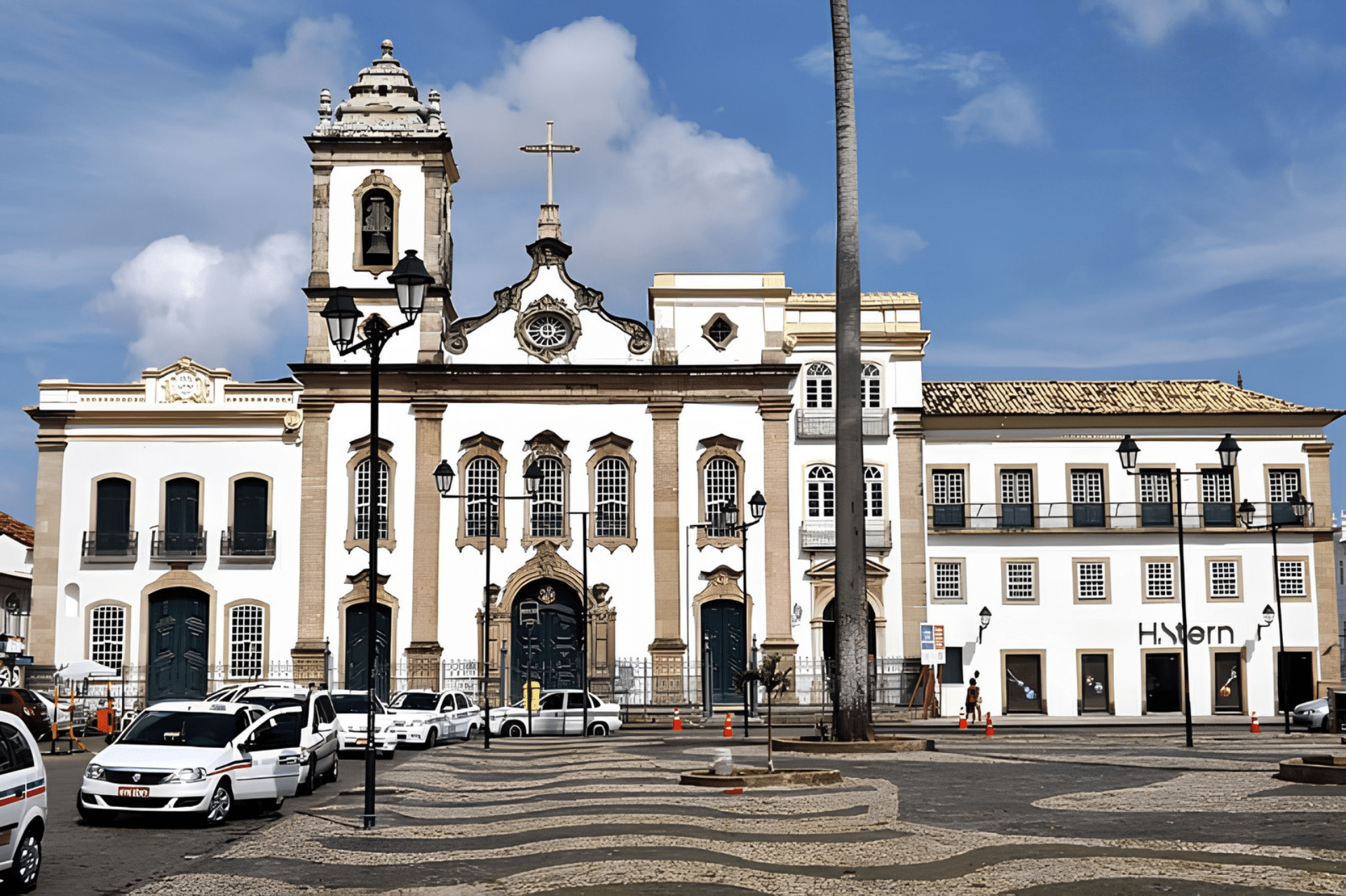
Although it is a minor architectural work, its value lies primarily in its environmental context. The interior features a decorative style that bridges the Rococo and Neoclassical periods, with a large ceiling panel being a particular highlight. The church has a high altar and two altars situated at the corners of the transept arch.
The church’s floor plan follows a layout typical of Bahian churches from the early 18th century, with side aisles surmounted by galleries. However, as in other Bahian churches of the period, the plan does not yet include a transverse sacristy. It is the result of a natural development of the ‘T’-shaped layout, common in the 17th century, as seen in examples such as the Church of Nossa Senhora da Palma.
The Rococo façade, dating from the 19th century, is a later addition. The interior, with its mixture of styles, features a cross vault and ceiling in the Rococo style, whilst the altars are in the Neoclassical style.
Architectural history
- In the 17th century, the Brotherhood of São Pedro dos Clérigos owned a chapel next to the old Cathedral, where, in 1708, the Archbishop’s Palace was built.
- In 1709, Archbishop Sebastião Monteiro da Vide authorised the construction of a new church for the clergy of São Pedro on the Jesuits’ site, which was intended for the seminary. However, the church was built on a different site after the Brotherhood acquired two houses.
- In 1741, a Royal Order authorised grants to repair the towers and the façade of the church, which was in ruins.
- In 1784, there is mention of the purchase of land, and in 1802, the Brotherhood was granted a licence to continue the works that had been suspended by the Senate of the Chamber.
- In 1887, the church was extended with the addition of a sacristy. The current façade also dates from the 19th century.
5. Church and Convent of St Francis
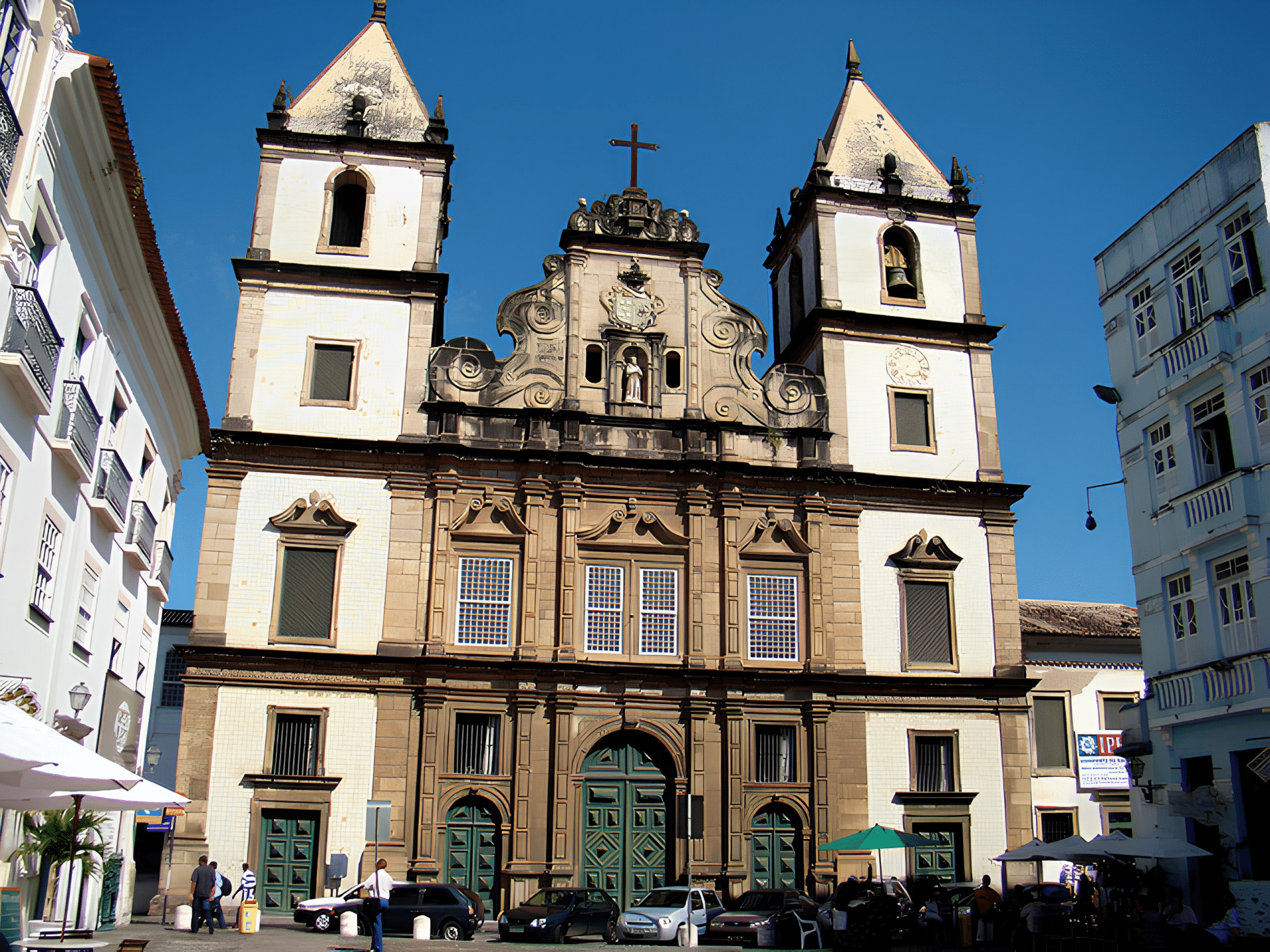
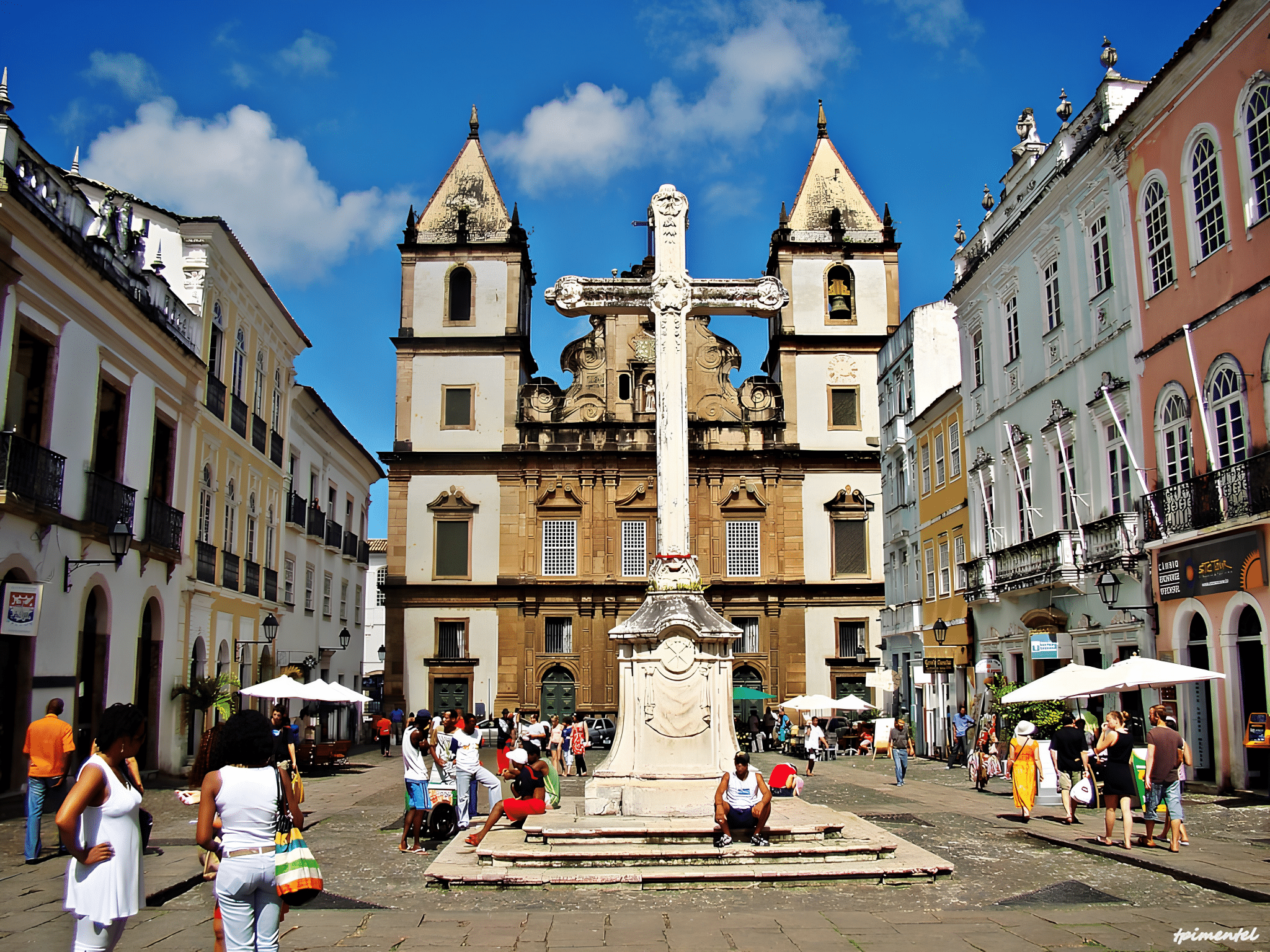
The Church and Convent of São Francisco is located in Pelourinho, forming part of the site listed by IPHAN. The main façade opens onto an elongated square where the Cruzeiro de São Francisco stands, a characteristic feature of Franciscan settlements that gives the place its name.
The Largo do Cruzeiro connects with the Terreiro de Jesus, forming one of the most significant urban and architectural complexes in Salvador. The convent was built around a square cloister and, together with the chapel of the Third Order, constitutes one of the city’s most important monumental complexes. Due to its historical importance, the convent’s former estate was declared a non aedificandi area (Municipal Decree No. 4,524, dated 1 November 1973).
Architecture and interior design
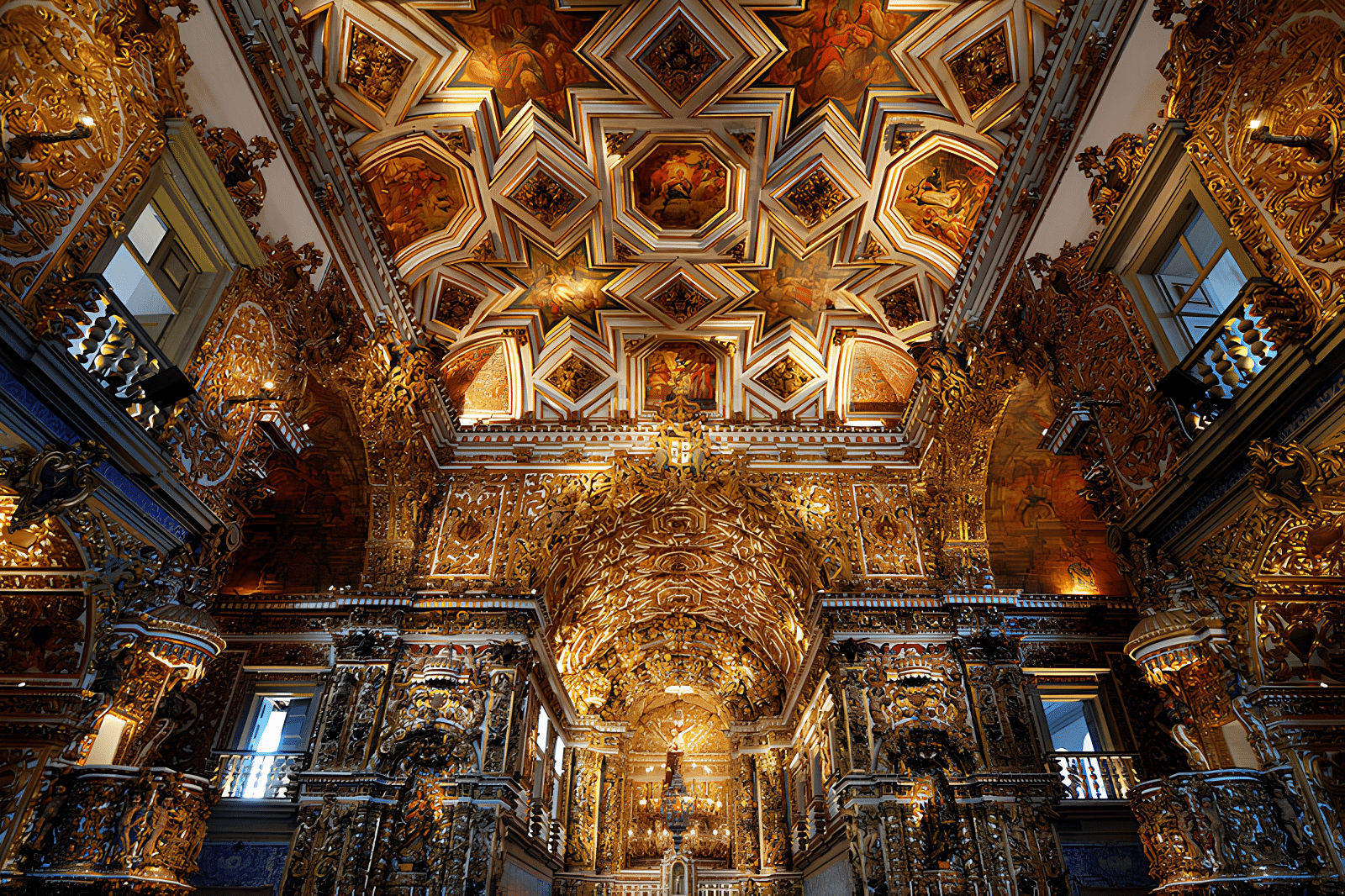
The church has three naves; the lower side aisles are separated by arcades and by massive structures resembling chapels. The decoration is an example of Baroque from the first half of the 18th century, reflecting the ideal of the ‘golden church’ found in Lisbon and Goa.
In addition to the sumptuous interior, the convent’s library is particularly noteworthy. The building comprises a basement and two storeys above street level.
Tiling
- Chancel: tile panels from 1737, made in Lisbon by Bartolomeu Antunes de Jesus.
- Cloister: tiles dating from ~1746–1748.
- Anteroom and sacristy: tiles from 1749–1752.
- Towers and part of the façade: tiles dating from around 1805–1808.
Sculpture and influences
Among the sculptures, the figure of Saint Peter of Alcântara stands out. The layout of the church distinguishes it from those of the Franciscans in the north-east (which usually have a single nave with side aisles): here one can see the influence of the Church of São Francisco do Porto and the Luso-Brazilian Jesuit tradition.
Facade, roof and architectural influences
The sumptuous façade adapts local styles, such as that of the Matriz de Maragogipe, incorporating elements from the former Sé of Salvador (a central door flanked by two smaller doors). The division of the main body into five sections and the superimposed orders of pilasters reveal links to the Colégio de Jesus. Volutes and details recall the style developed in Cairu and models from Portugal.
The ceiling of the nave features a coffered ceiling with octagonal panels alternating with square panels. The ceiling of the convent’s entrance hall features an illusionist perspective attributed to José Joaquim da Rocha (c.1774).
Key timeline
- 1587 — foundation of the Franciscan convent in Bahia.
- 1686 — Friar Vicente das Chagas embarks on a new building project.
- 1705–1707 — cladding work and the altar in the infirmary.
- 1707–1710 — cloister walls and pillars.
- 1708 — laying of the foundation stone of the church (under the direction of Manoel Quaresma).
- 1710–1714 — continuation of the work by Friar Hilário da Visitação.
- 1713 — partial consecration of the church.
- 1723 — completion of the church and the sandstone façade.
- 1729–1732 — laying of the stones for the cloister columns.
- 1733–1737 — painting and decoration of the ceiling by Friar Jerônimo da Graça.
- 1737 — laying of the tiles in the chancel.
- 1738–1740 — gilding of the chancel and installation of large altarpieces.
- 1749–1752 — completion of the cloister and the addition of further tiles.
- 1751 — completion of the library’s panelling.
- 1752–1755 — completion of the porch and the altar (tiles installed in 1782).
This architectural development has established the Church and Convent of São Francisco as a landmark of Portuguese-Brazilian Baroque, notable for its architectural grandeur and decorative opulence.
6. Church of Our Lady of the Rosary of the Black People
The Church of Nossa Senhora do Rosário dos Pretos is situated on the former Rua das Portas do Carmo, in a triangular square in the Pelourinho district of Salvador. Part of the site listed by IPHAN, it is considered a building of outstanding architectural merit.
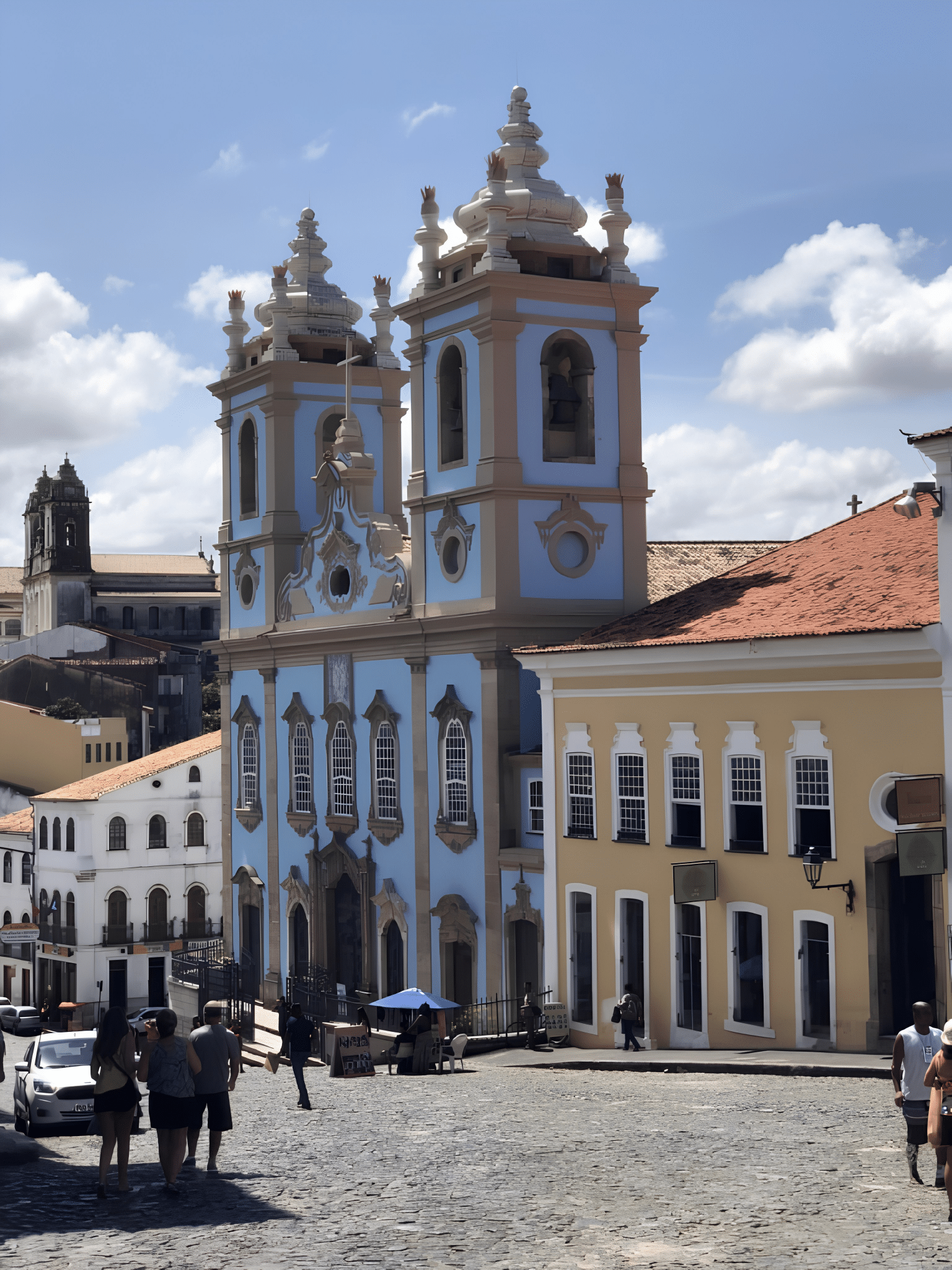
The church was built by the Brotherhood of Our Lady of the Rosary of Black Men, one of the first brotherhoods of black people in Brazil. Construction took almost a century and was carried out, for the most part, in the spare time of the Brotherhood’s members.
Key architectural features
- Façade and towers: of particular note are the towers topped with bulbous domes clad in tiles; the classical pediment has been replaced by a Rococo element. The towers were completed in 1780/81.
- Interior: tile panels depicting scenes from the Lisbon Rosary (c. 1790); high altarpiece carved by João Simões F. de Souza (1870/71) and ceiling painting by José Pinto Lima. Notable images: Our Lady of the Rosary (17th century), Saint Benedict, Saint Anthony of Catigerona and an ivory Crucifix.
- Plan: originally without side aisles, with narrow passageways leading to the transverse sacristy; in 1780 side aisles were added.
- Influences: a blend of influences from the Franciscan churches of the Northeast and the Church of São Paulo de Braga (Portugal); the façade bears a resemblance to the Matriz de Maragogipe.
Development of construction
- 1685 — approval of the Brotherhood by the Cathedral of Bahia.
- 1704 — permission granted by Archbishop Sebastião Monteiro da Vide for the construction.
- 1710 — the first religious services were held in the church.
- 1780/81 — completion of the new façade, side aisles and towers.
- 1815–1826 — renovations and extensions.
- 1870–1871 — renovation involving the construction of the altars and the high altarpiece.
- 1895 — final gilding carried out by Vitoriano Eduardo de Oliveira.
The Church of Nossa Senhora do Rosário dos Pretos is notable both for its architectural splendour and for its historical and symbolic role in the devotion and resistance of the Afro-descendant community in Salvador.
7. Church of the Blessed Sacrament (Rua do Passo)
The Church of the Blessed Sacrament on Rua do Passo is situated in Pelourinho, Salvador, atop a hill with a view stretching out to the sea. It is accessed via a long flight of steps—a scenic and symbolic landmark evoking a penitential journey—enclosed by railings and set apart from the surrounding houses.
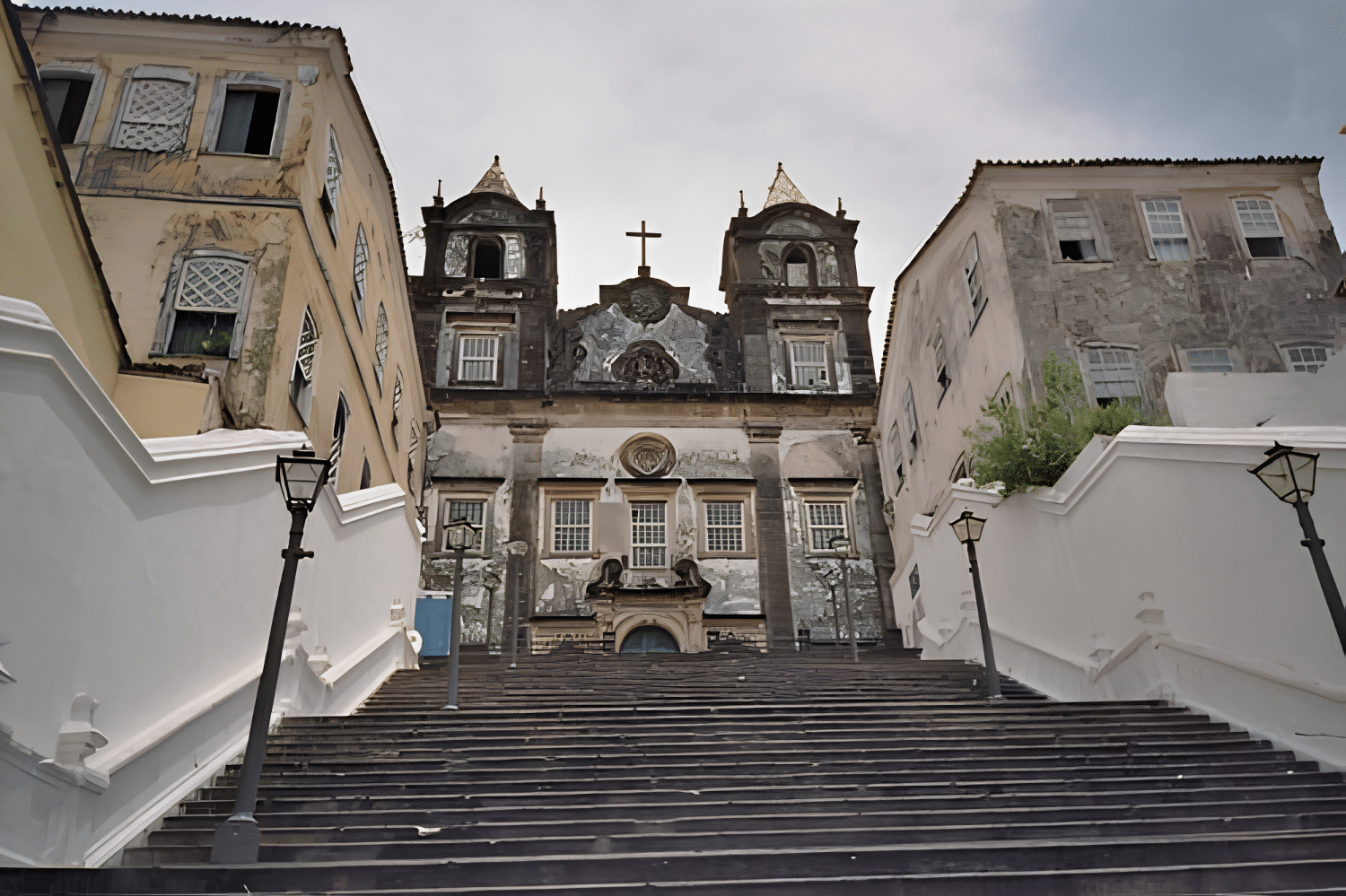
History
- 1718 — the parish was established during the administration of D. Sebastião Monteiro da Vide.
- 1736 — establishment of the new parish church.
- 1737 — grant of a royal subsidy for the construction of the chancel.
- 1938 — listed by IPHAN, ensuring the preservation of the complex.
Architecture
The floor plan follows the layout typical of early 18th-century churches, with side aisles surmounted by galleries and a transverse sacristy. The steep slope of the site inspired vertical solutions: the ossuary, sacristy and consistory are arranged along the same vertical axis.
Facade
The façade comprises three sections:
- Side towers — with pyramidal finials and curved cornices.
- Central portals — three portals joined together in a single stone-carved ensemble; above, volutes, oculus windows and a medallion crowned by a cross form the vertical axis of the composition.
The ensemble draws the eye upwards and reinforces the façade’s sense of spiritual elevation.
Interior
- Altarpieces — dating from the 19th century, created by leading craftsmen.
- Tiles — the chancel is clad in Lisbon tiles (c. 1750); the nave features 19th-century factory-made tiles.
- Nave ceiling — attributed to António Pinto and António Dias, featuring panels depicting rich religious iconography.
The Church of the Blessed Sacrament is a remarkable example of Baroque religious architecture in Brazil: the combination of its decoration, monumental staircase and elevated position creates an atmosphere of reverence and great historical significance.
8. Jorge Amado House Foundation
The Jorge Amado House Foundation was inaugurated on 7 March 1987 and occupies two mansions in Pelourinho, in the heart of Salvador’s Historic Centre. The centre was established to preserve, study and showcase the legacy of the Bahian novelist Jorge Amado.
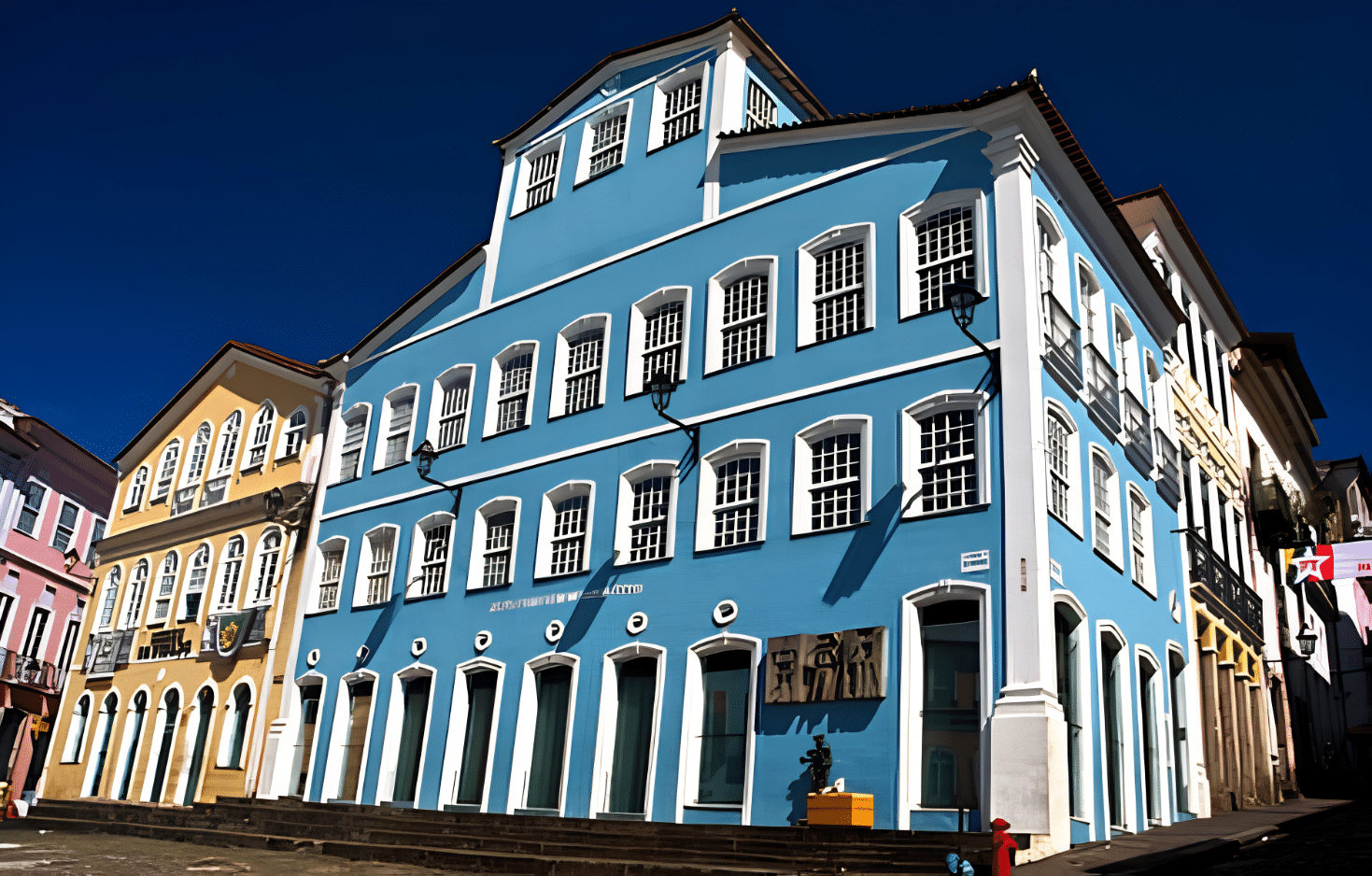
Collection
The foundation houses an extensive archive spread over four floors, including:
- Jorge Amado’s works have been published in around 60 countries;
- Films, videos, documentaries and photographs about his career;
- Posters, documents and personal items relating to his life and work.
The exhibition also highlights the work of Zélia Gattai, Jorge Amado’s wife and a renowned writer — who was elected a member of the Brazilian Academy of Letters (ABL) in 2001. The collection offers visitors an insight into the life and work of the couple, who were instrumental to the culture of Bahia and Brazil.
The Jorge Amado House Foundation organises exhibitions, literary events and educational activities, playing a central role in preserving the cultural heritage of Salvador and promoting the author’s work internationally.
9. City Museum
The City Museum, housed in one of the most beautiful mansions in Pelourinho, was opened on 5 July 1973 and is affiliated with the Gregório de Mattos Foundation.
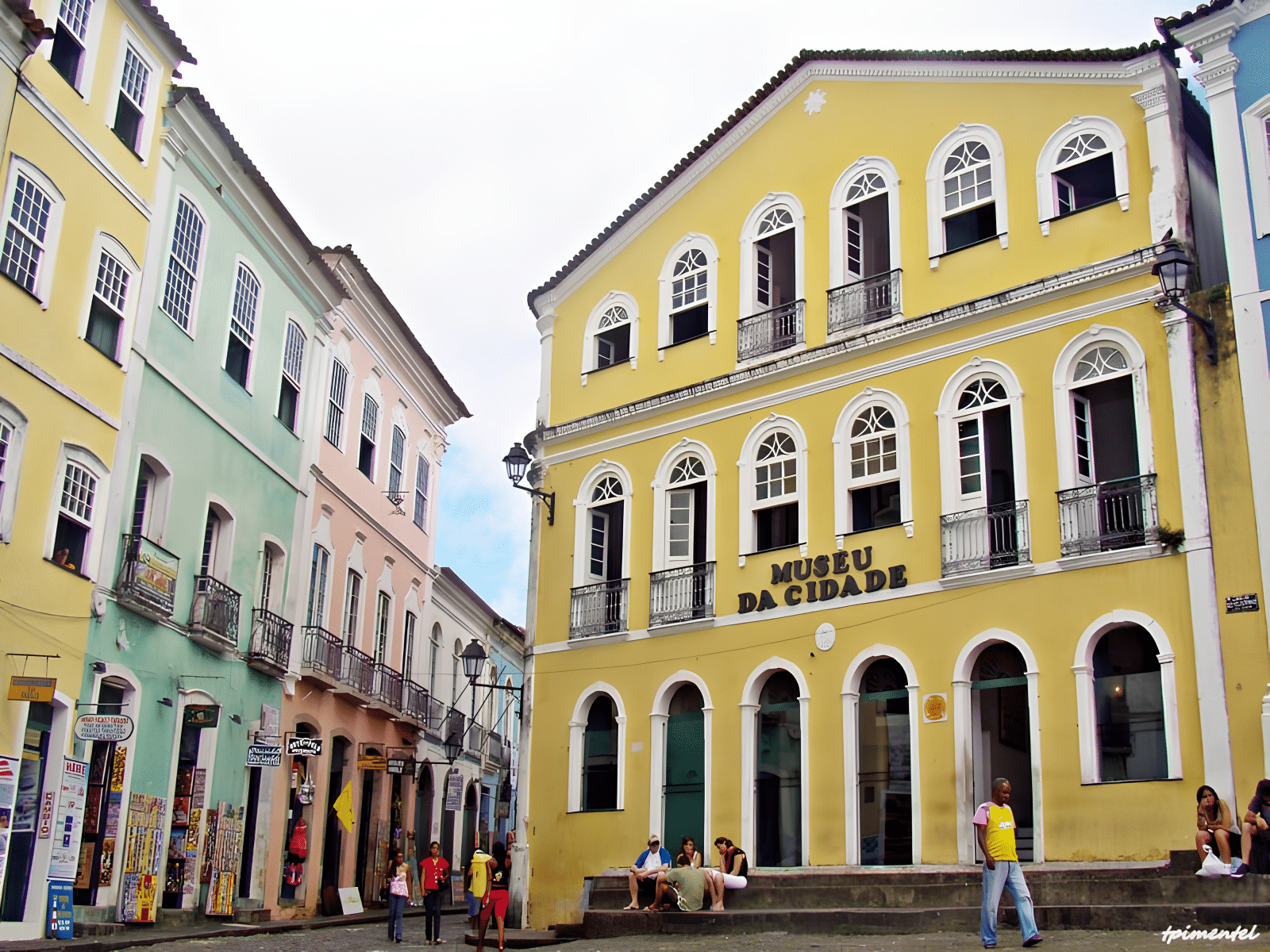
The museum is an important cultural and historical centre, housing a diverse collection that includes:
- Traditional dolls from Bahia: Handcrafted figures that reflect the region’s popular culture.
- Sculptures and tapestries: Works that illustrate the local artistic tradition.
- Ceramics and pano-de-costa: Items that form an integral part of Afro-Brazilian cultural heritage.
- Ex-votos and rosaries: Religious objects that reflect local spirituality and devotional practices.
- Collections of life-size images of orixás: Depictions of the deities of Candomblé, essential for understanding Afro-Brazilian heritage.
- Personal belongings of the poet Castro Alves: Items that belonged to the renowned Bahian poet, offering an insight into his life and work.
The City Museum offers a comprehensive overview of Bahia’s rich culture and history, preserving and celebrating the region’s diversity and traditions.
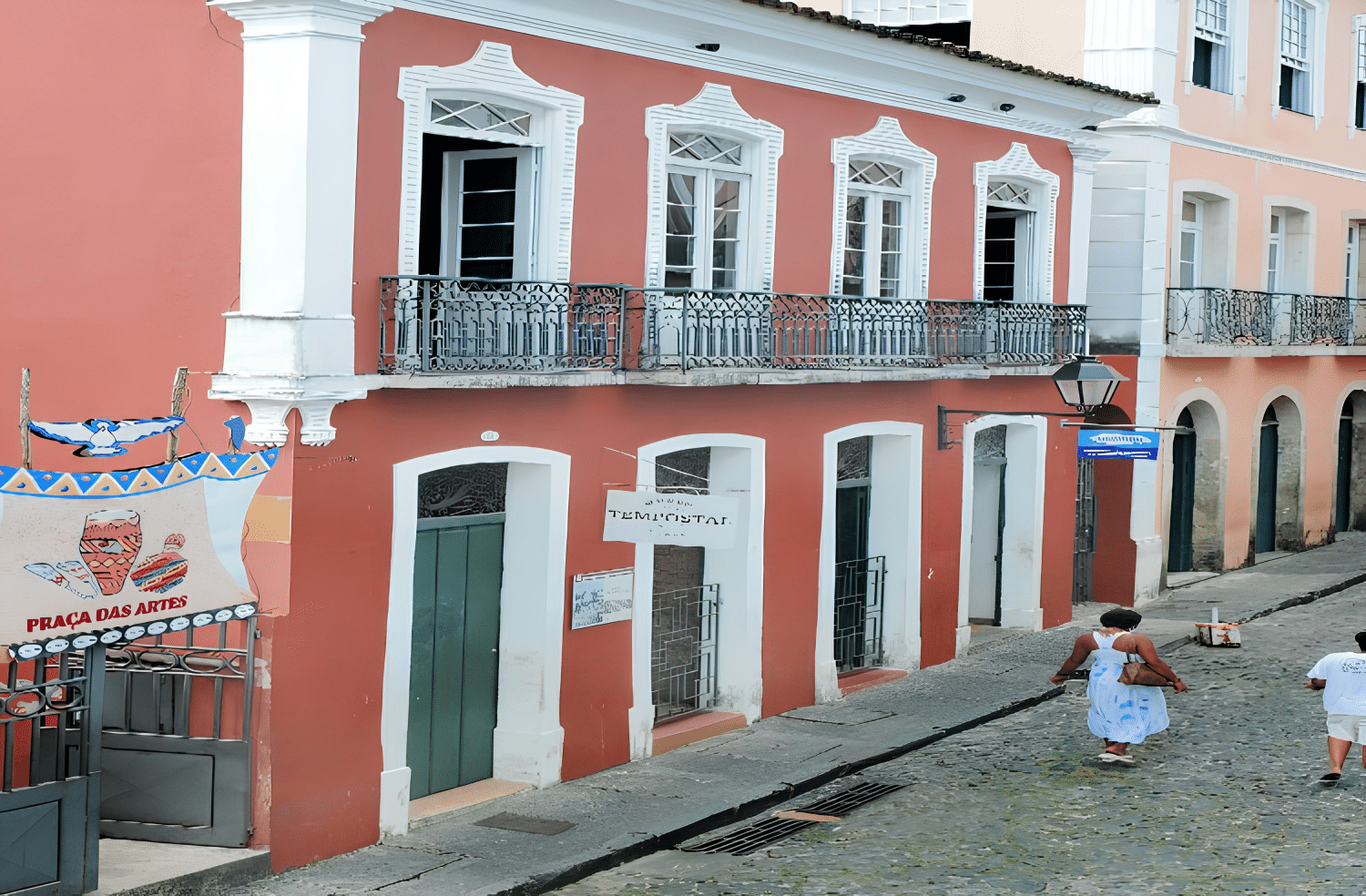
10. Tempostal Museum (Pelourinho)
A museum dedicated exclusively to postcards? Yes — it is the Museu Tempostal in Pelourinho, which houses around 45,000 items. Founded in 1997, it brings together the collection of Antônio Marcelino do Nascimento (1929–2006), who named the institution Tempostal.
Collection
The collection consists mainly of postcards and includes items of great historical and documentary value:
- Belle Époque Collection;
- Vintage landscape postcards;
- Postcards of towns in Bahia and other Brazilian states;
- Postcards and images from other countries;
- Postcards from the late 19th century and the Eucalol prints, the earliest items in the collection.
The collection of documents reveals stories, customs, architecture, daily life and beliefs from Bahia and various regions of the world, offering a valuable visual and anthropological overview for researchers and visitors.
11. Casa do Benin Museum
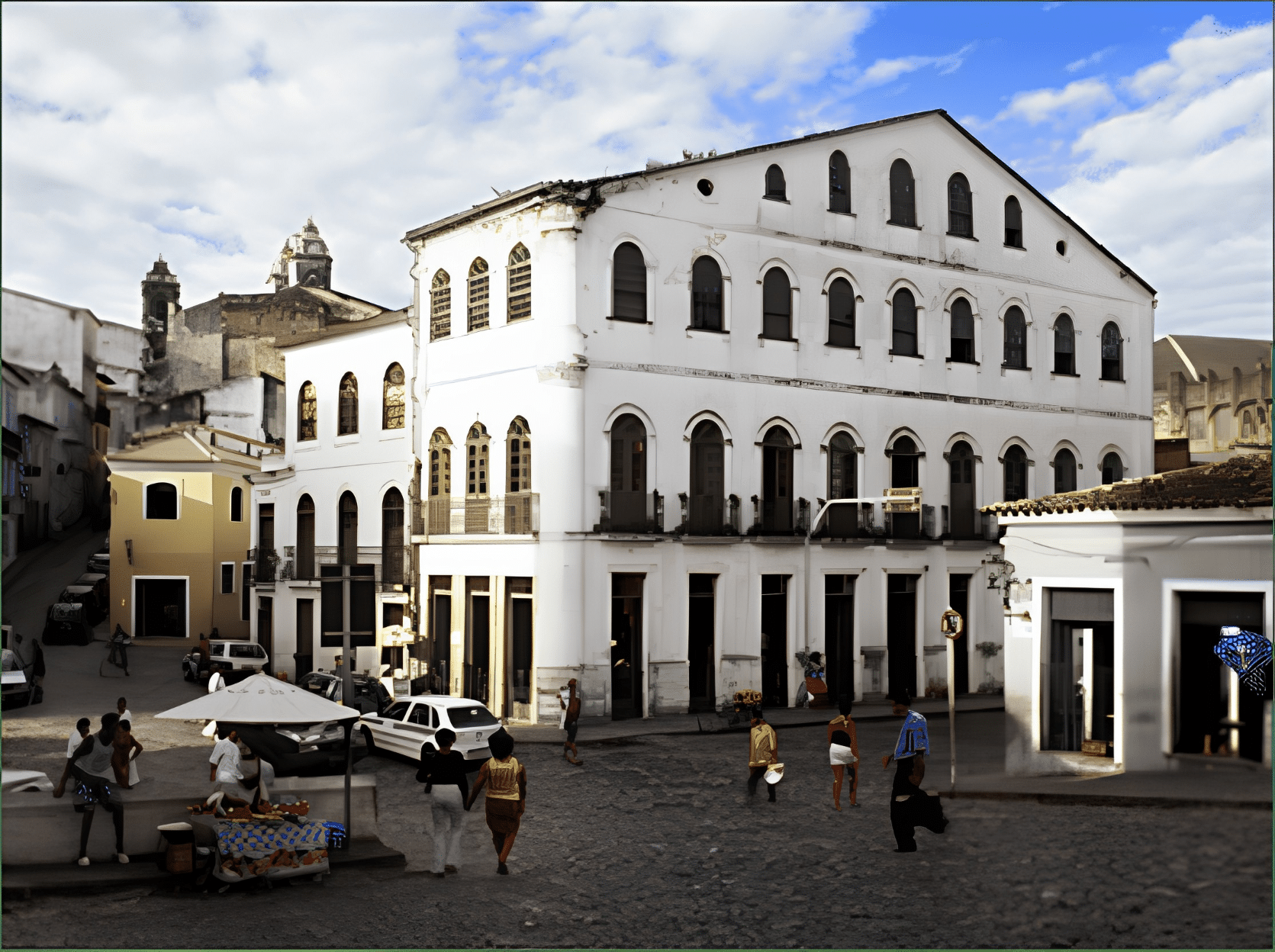
The Casa do Benin Museum was opened on 6 May 1988 and is the result of cultural exchanges between Bahia and Benin (the city of Cotonou). Linked to the Gregório de Mattos Foundation, the building retains its colonial façade and an interior designed by the architect Lina Bo Bardi.
Collection
- Folk art pieces from Cotonou and Benin.
- Temporary exhibitions featuring works by local artists and exploring themes related to the Africa–Bahia dialogue.
The Casa do Benin Museum offers an immersive experience of Beninese art and cultural traditions, whilst also serving as a space for exchange and connection between the African diaspora and Bahian culture.
12. Solar do Ferrão
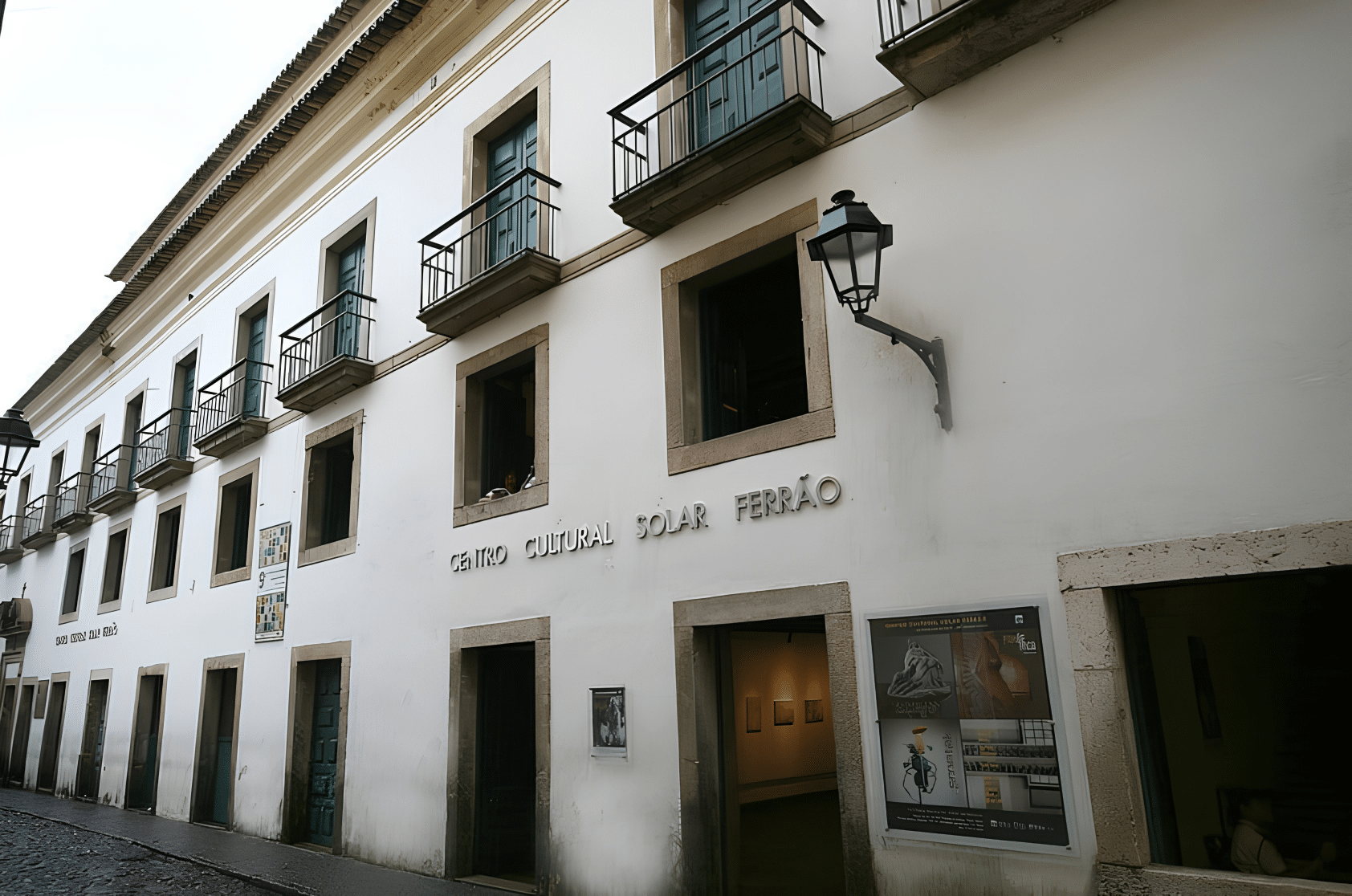
The Solar do Ferrão (a building dating from 1701) houses the Abelardo Rodrigues Museum on its main floor, which opened on 5 June 1981. Located in Pelourinho, the manor house is a fine example of colonial architecture and a venue for the preservation of Brazilian religious art.
Collection
- Considered the most valuable private collection of sacred art in Brazil.
- 808 works of both scholarly and popular nature, dating from the 16th to the 19th centuries.
- It includes images, paintings, oratories, altars, crucifixes and fragments of woodcarvings.
- The exhibition covers an area of approximately 536 m².
History
- The items belonged to the Pernambuco-based collector Abelardo Rodrigues and were acquired by the state government to establish the museum.
The Abelardo Rodrigues Museum at Solar do Ferrão is a major centre for research and exhibitions, renowned for the quality and breadth of its collection of religious art from Bahia and Brazil.
13. Abelardo Rodrigues Museum
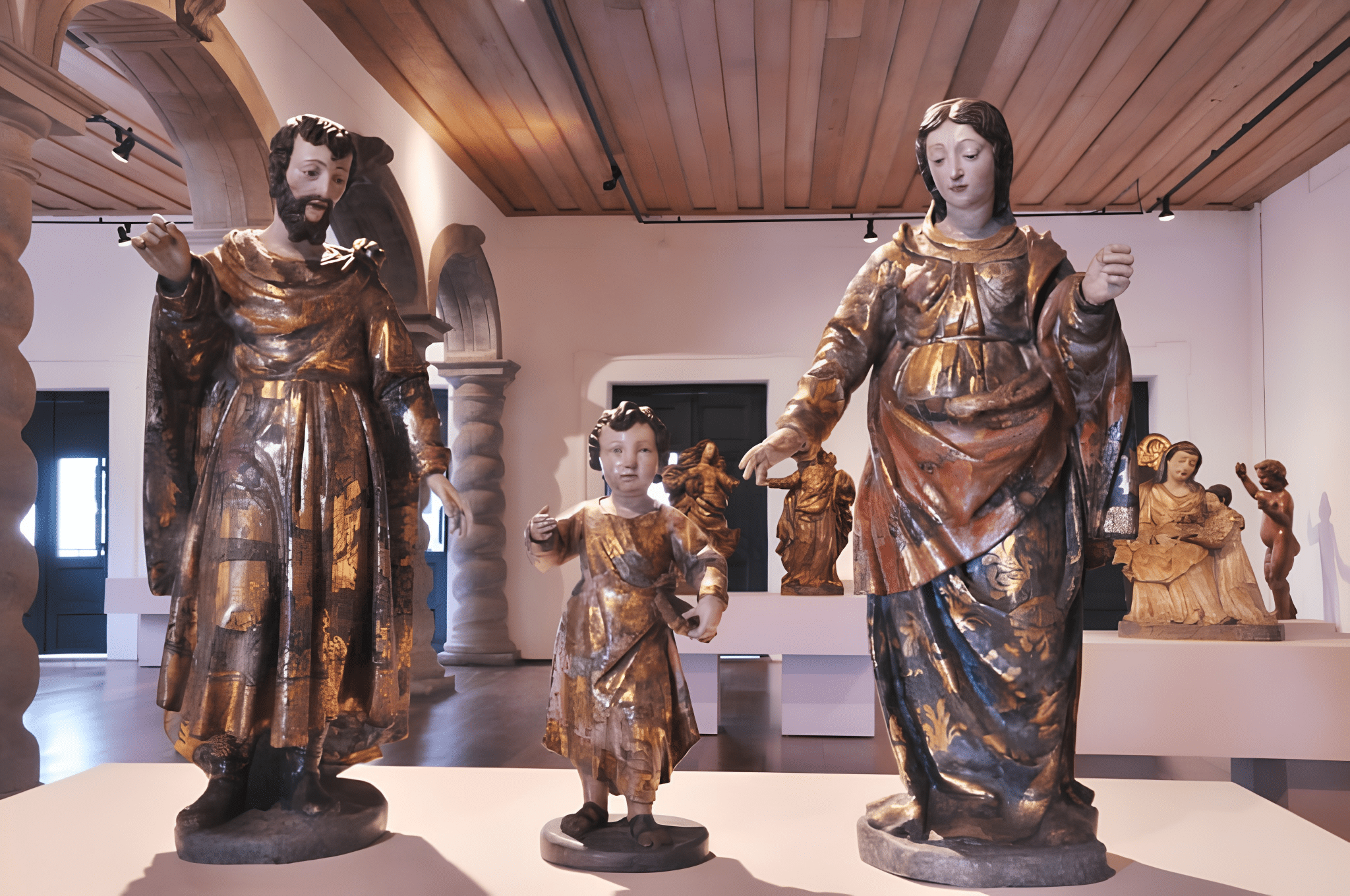
Opened on 5 June 1981, the Abelardo Rodrigues Museum occupies the main floor of the Solar do Ferrão (built in 1701) in Pelourinho. The museum houses one of the country’s most important private collections of religious art.
Collection
- 808 works of religious art, dating from the 16th to the 19th centuries.
- Items: images, paintings, oratories, altars, crucifixes and fragments of woodcarvings.
- The exhibition covers an area of approximately 536 m².
History
The collection belonged to the Pernambuco collector Abelardo Rodrigues and was acquired by the state government to form part of the museum.
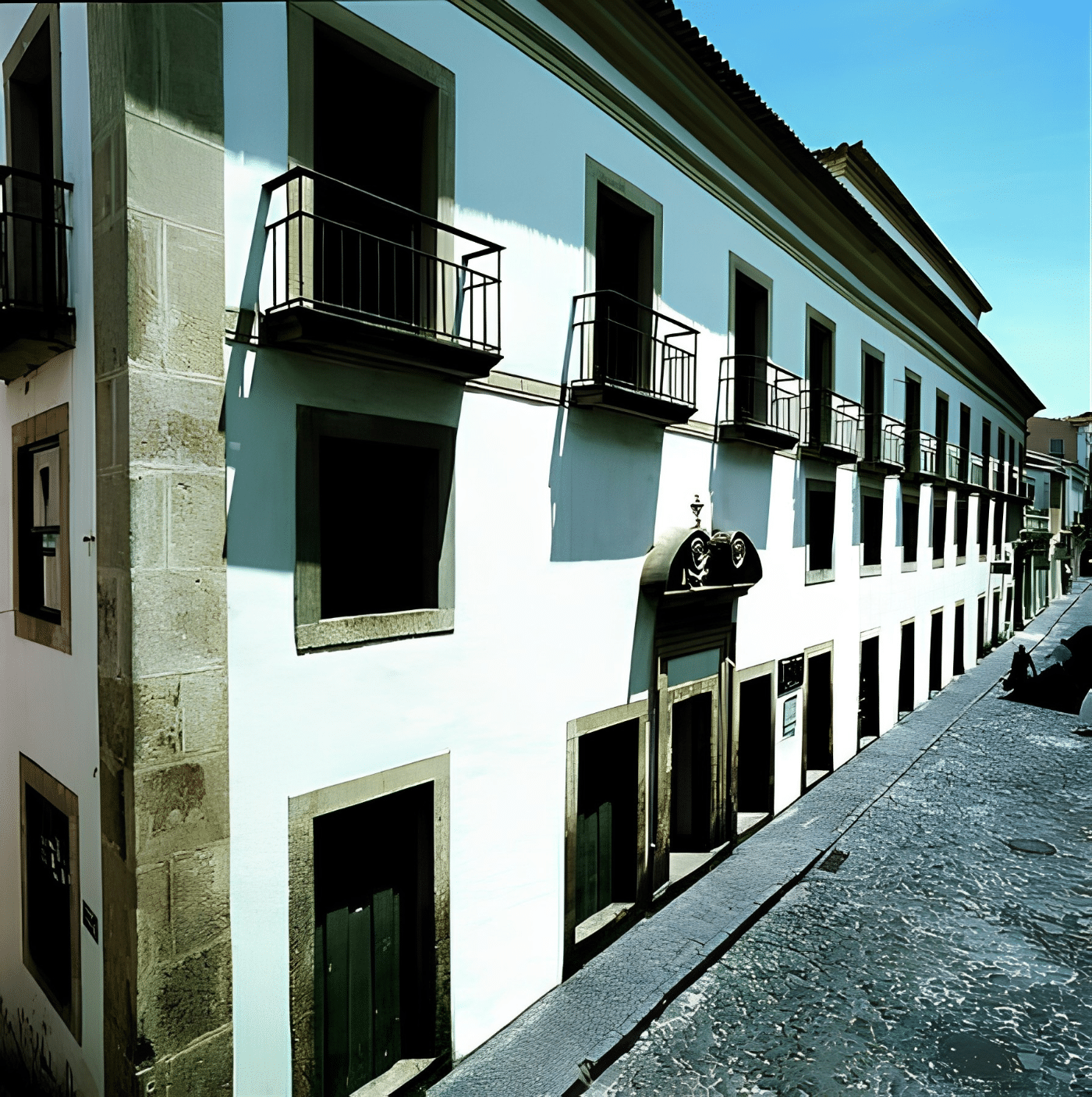
The Abelardo Rodrigues Museum is a leading institution in the preservation and study of Brazilian religious art, offering expert insights into religious art from the colonial and nineteenth-century periods.
14. Former School of Medicine
A historic building in Terreiro de Jesus (Pelourinho) which was home to Brazil’s first medical school and now houses museum facilities and restoration projects.
The Old Faculty of Medicine is housed in a historic building in Terreiro de Jesus, in Pelourinho. Originating from the Bahia School of Surgery (early 19th century), the building plays a central role in Brazilian medical education and is mentioned in literary works such as Tenda dos Milagres by Jorge Amado.
Museums and centres within the complex
Today, the complex is home to three prominent museum centres, affiliated with UFBA and dedicated to the preservation of cultural heritage:
Afro-Brazilian Museum (MAFRO)
- He is dedicated to Afro-Bahian and Afro-Brazilian culture.
- Highlights: panels and iconographic works relating to the orixás (including works and panels by Carybé).
- A collection of photographs and documents, including material from researchers such as Pierre Verger.
Museum of Archaeology and Ethnology (MAE)
- It houses archaeological and ethnographic collections from Bahia and the surrounding region.
- It includes paintings, artefacts, photographs, and indigenous ceramic and funerary objects.
Memorial to Medicine
- A collection of documents on the history of medical education and practice in Brazil.
- It houses books, theses, instruments and historical documents.
Cultural and academic significance
The complex preserves academic heritage, promotes research and hosts exhibitions and educational activities. The integration of museums and academic activities reinforces the building’s role as a cultural hub in the Historic Centre.

Publicações Relacionadas
Rio Vermelho is Salvador’s trendiest and most bohemian neighbourhood
Ponta de Humaitá — Lighthouse, church and the best sunset in Salvador
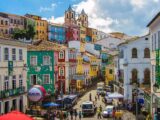
Pelourinho: what to do in Salvador’s Historic Centre
Discover the 23 beaches of Salvador — A complete guide and tips
7-day itinerary in Salvador and the surrounding area: Pelourinho, the islands and Praia do Forte
Bahia Maritime Museum: History of Navigation at the Barra Lighthouse
4 Must-See Museums in Salvador: Art, History and Culture
History of the Cathedral Basilica of Salvador
Cathedral Basilica of Salvador — History, Sacred Art and Collection
Where to Stay in Salvador for Your Best Experience

Church and Convent of Nossa Senhora da Palma in Salvador, Bahia

The most visited churches in Salvador — itinerary and tips

Discover the Magnificence Fort of Nossa Senhora de Monte Serrat

Solar do Unhão & MAM-BA — History, Architecture and a Visit

Tourist attractions in the Gamboa neighbourhood in Salvador BA

History and sights of Avenida Contorno in Salvador BA

Palaces in Salvador to visit and learn about Brazil's history

Basílica Santuário Nossa Senhora da Conceição da Praia — history and architecture

Church and Convent of Santa Clara do Desterro and its History in Salvador

Convent and Church of Santa Teresa and the UFBA Museum of Sacred Art in Salvador

Bahia Art Museum (MAB): Learn about its history and collection

The best beaches near Salvador (distance, facilities and tips)
Lacerda Elevator — history, construction and visits

Fort of Nossa Senhora de Monte Serrat History

Santo Antônio da Barra Fort — history, Barra Lighthouse and the Nautical Museu

History of São Marcelo Fort — Salvador, Bahia

Church of Nossa Senhora dos Mares (Salvador) — History and Architecture

Church of the Third Order of St Francis — History, Art and Baroque Architecture

Discover the reasons for a holiday in Salvador, Bahia

Churches of Salvador: Architectural and Historical Treasures
Churches in Salvador (BA) — a guide: history, architecture and itinerary

39 Museums in Salvador: Discover the history and culture of Bahia

Parks and Squares in Salvador for Leisure Activities

A History of the Forts and Lighthouses of Salvador (Bahia)

Places of interest in Salvador — A comprehensive guide

Tourist attractions for children in Salvador: Fun and learning
This post is also on:
 Português
  English
  Deutsch
  Español
  Français