Interesting places to visit in Salvador

Discover interesting places in Salvador: A complete guide to the capital of Bahia

History and culture

Salvador, the capital of Bahia, is a city rich in history, culture and natural beauty, making it a tourist destination full of interesting places to visit.

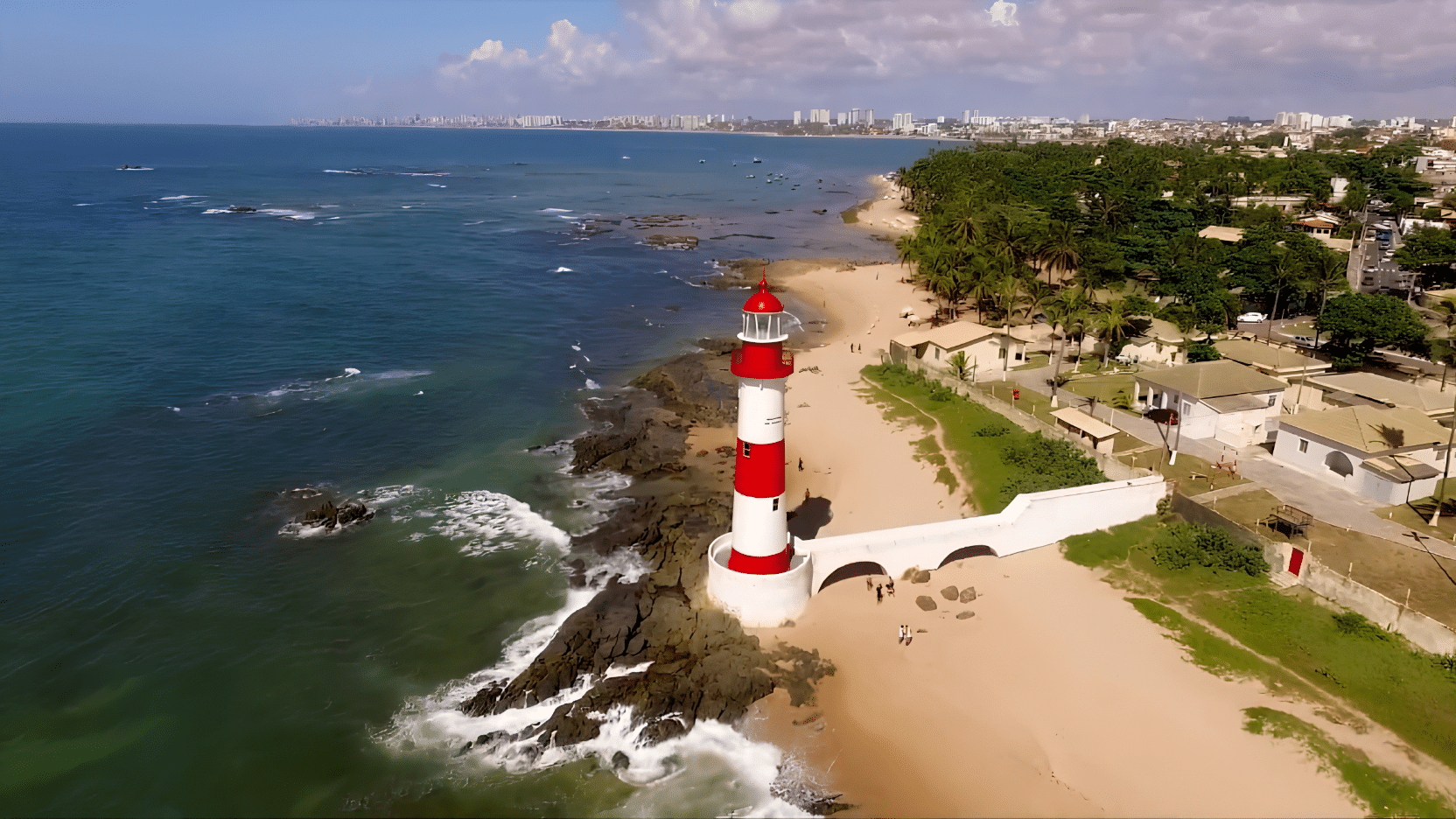
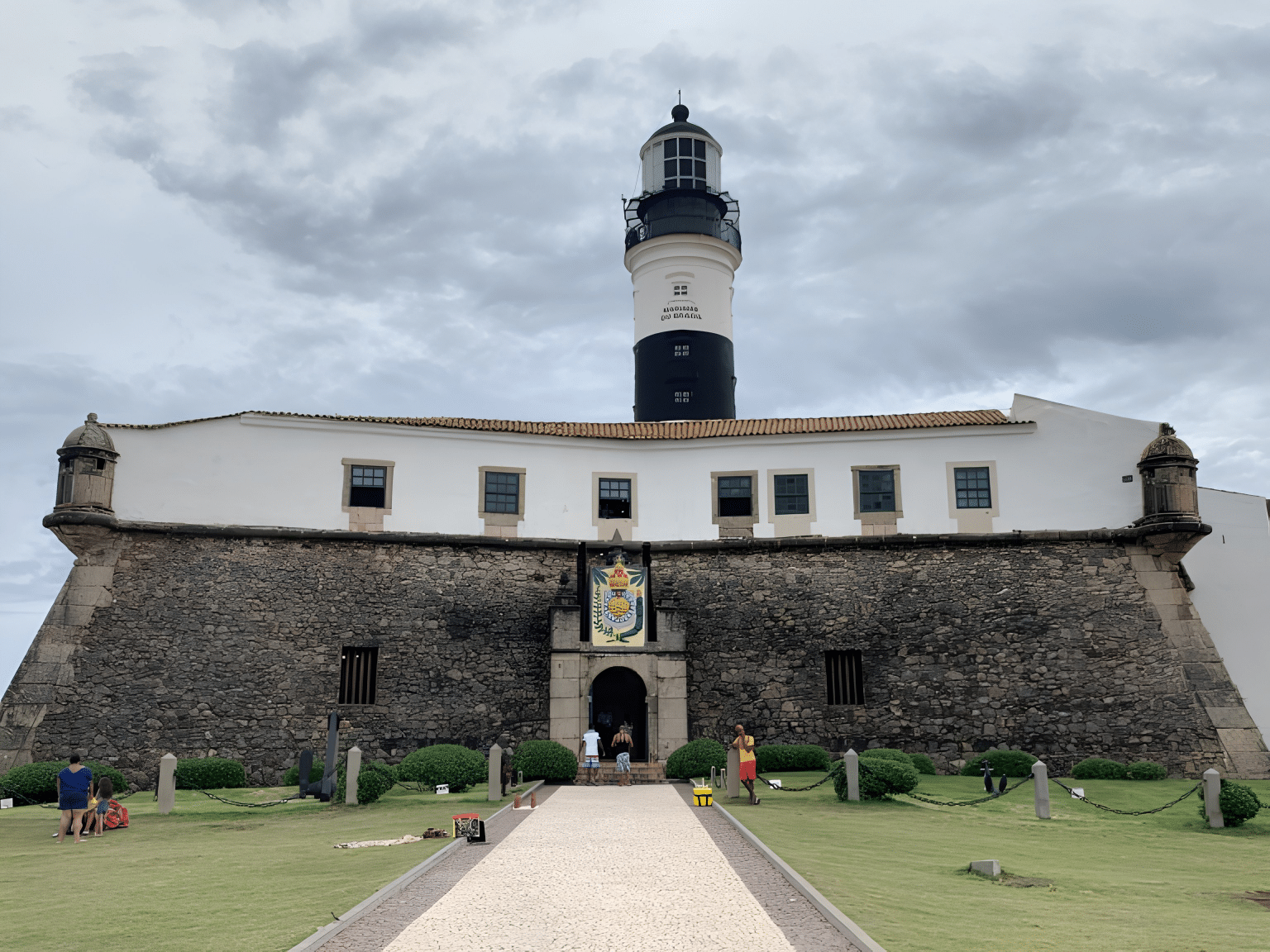
Farol da Barra em Salvador BA
Barra lighthouse in Salvador, Bahia

Stunning beaches

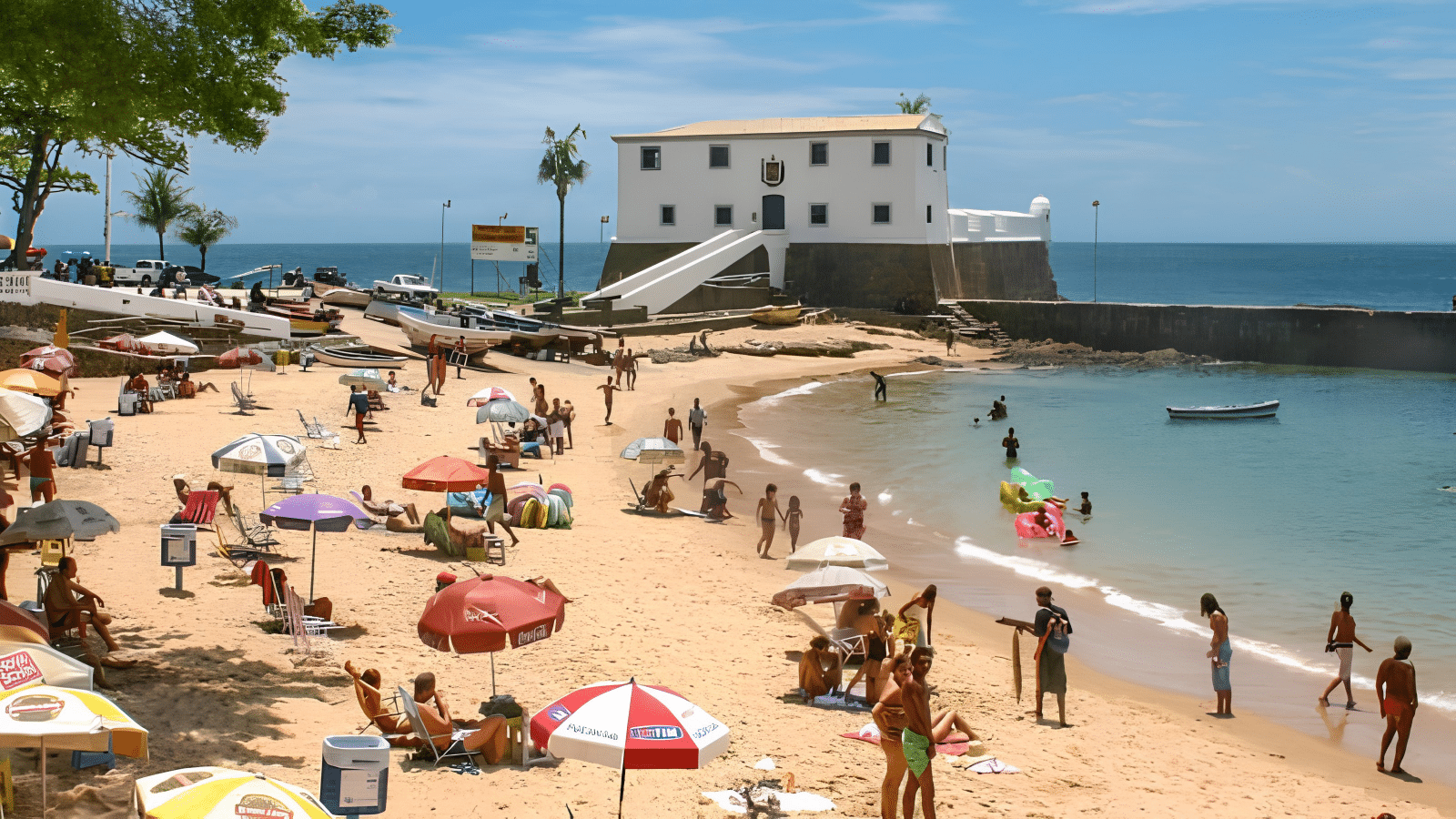
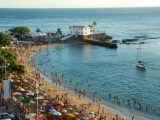
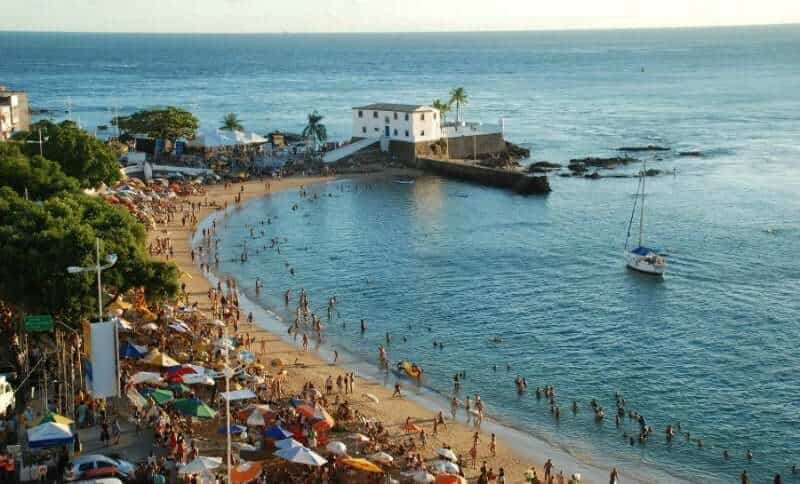
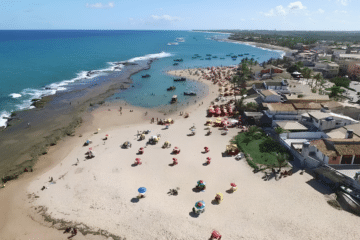
Beautiful beaches? Of course Salvador has beautiful beaches, such as Porto da Barra and Itapuã. But other cities also have beautiful beaches, so what makes Salvador special?

Colonial architectural ensemble

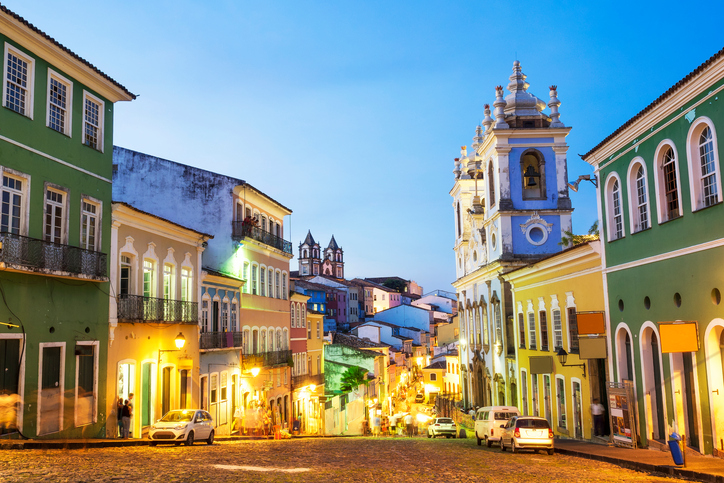
Colonial architecture and historical monuments? Pelourinho, with its rich colonial architecture and history as Brazil’s first capital, is a major attraction. Other historic Brazilian cities such as Paraty and Ouro Preto also have a colonial architectural heritage.

Unique local culture

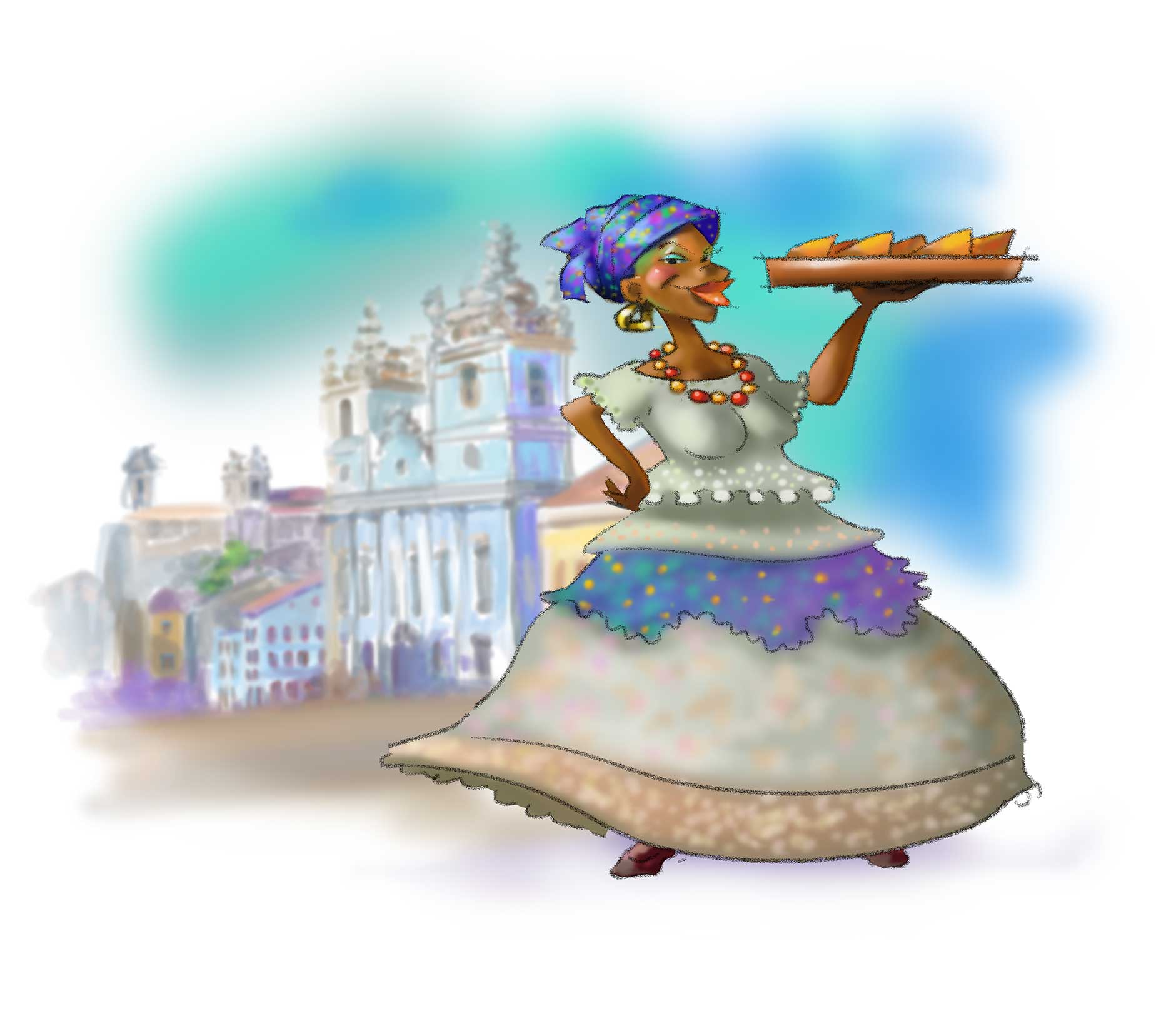
Unique local culture? Salvador shines with its deeply rooted Afro-Brazilian culture, where music, cuisine, religion and art create a vibrant atmosphere. The city is the birthplace of samba reggae, capoeira and candomblé. But cities like São Paulo and Rio de Janeiro are also rich cultural centres.

The perfect fusion

What sets Salvador apart is the perfect fusion of all these elements. It is hard to find another place that so harmoniously combines natural landscapes, historical heritage, authentic cuisine and a vibrant cultural life, all in one destination.

Diversified itinerary

Tourists visiting Salvador can enjoy a varied itinerary: start the day on the beach, stroll through the historic centre, taste typical dishes such as acarajé and moqueca, and end the night at one of the countless parties and rehearsals of the Carnival blocks, such as Olodum or Ilê Aiyê. These are just some of the interesting places to visit in Salvador!

Places of interest in Salvador

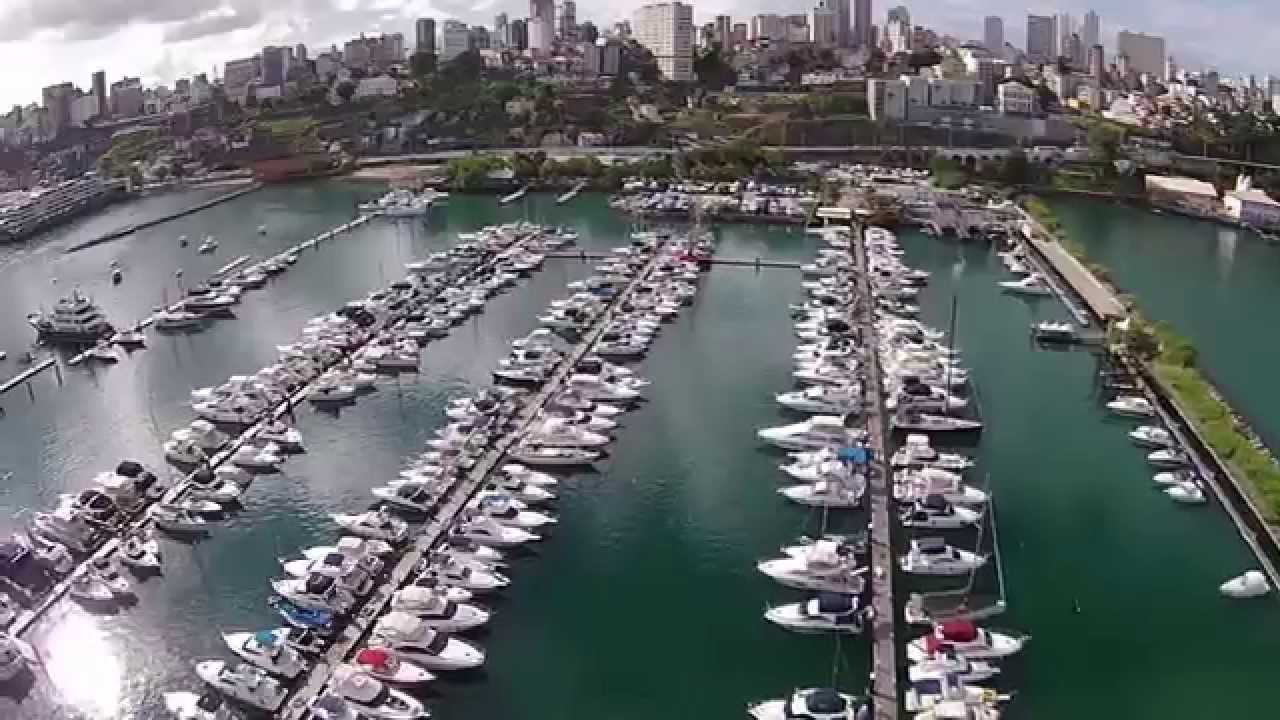
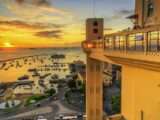
  • Bahia Marina: Located in the Bay of All Saints, Bahia Marina is an elegant part of the city, ideal for leisurely strolls, with great restaurants, bars and spectacular sunset views. It is also an important venue for cultural events and water sports.
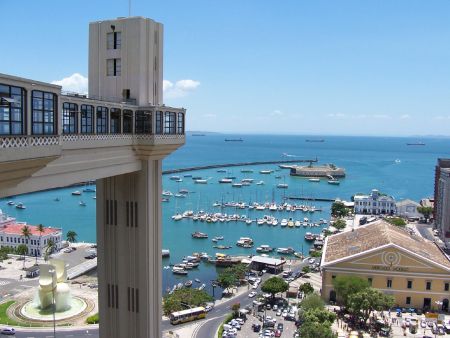
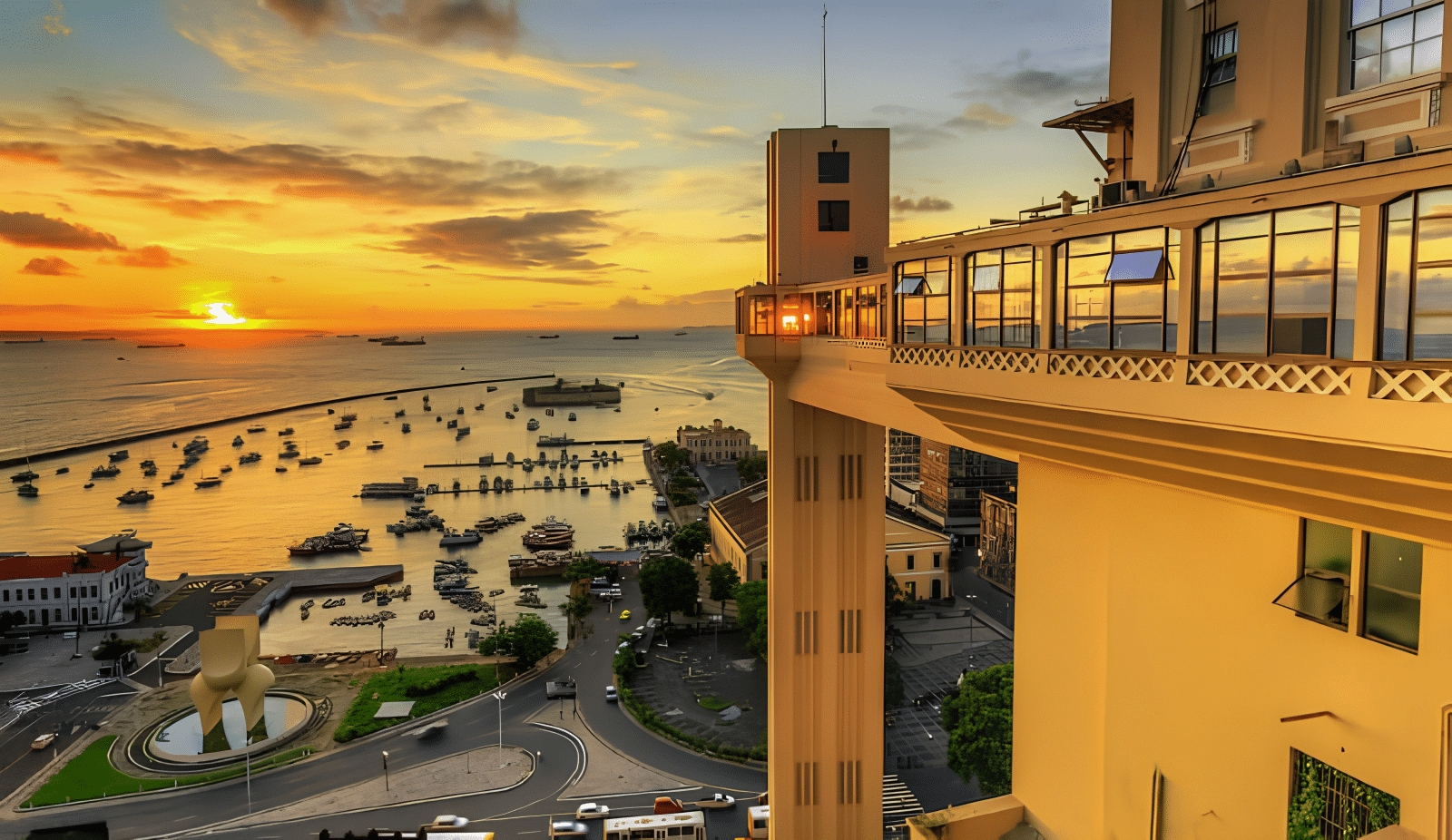
  • Lacerda Elevator: One of Salvador’s most iconic landmarks, the Lacerda Elevator connects the upper and lower parts of the city. With beautiful views of the Bay of All Saints and the Model Market, it is a must-see for anyone wanting to take in the scenery and the bustle of the port.
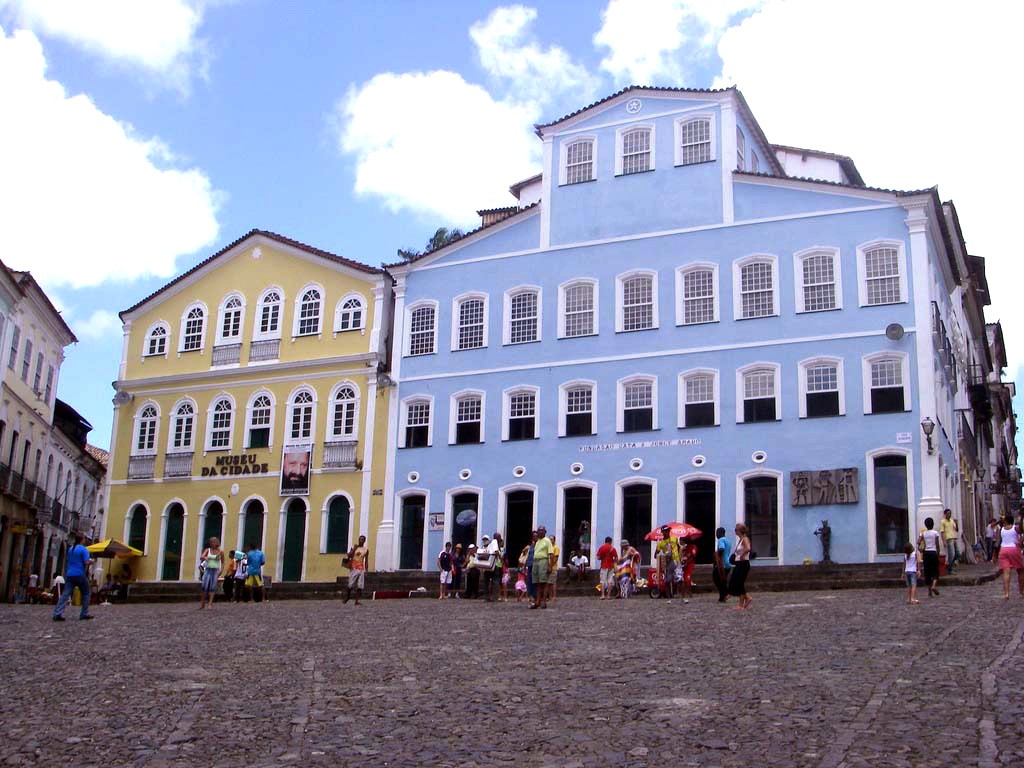
  • Jorge Amado House Foundation: Located in Pelourinho, this foundation preserves the memory and work of the famous Bahian writer Jorge Amado. It houses exhibitions and documents about his life, works and characters, such as the famous Quincas Berro d’Água and Dona Flor.
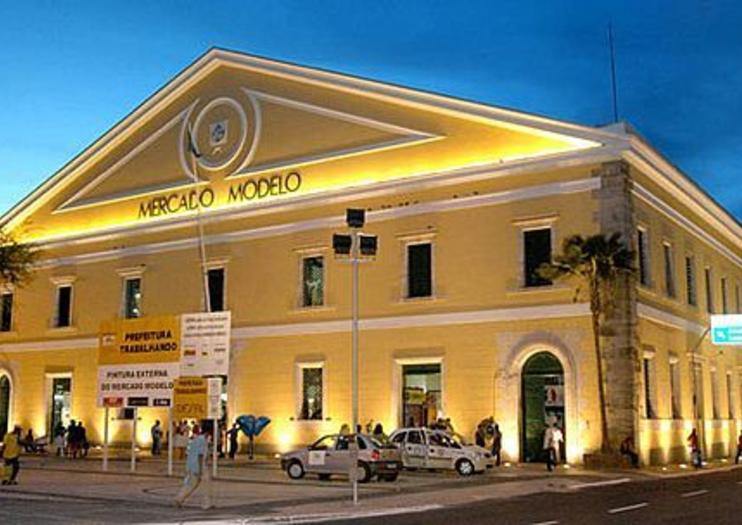
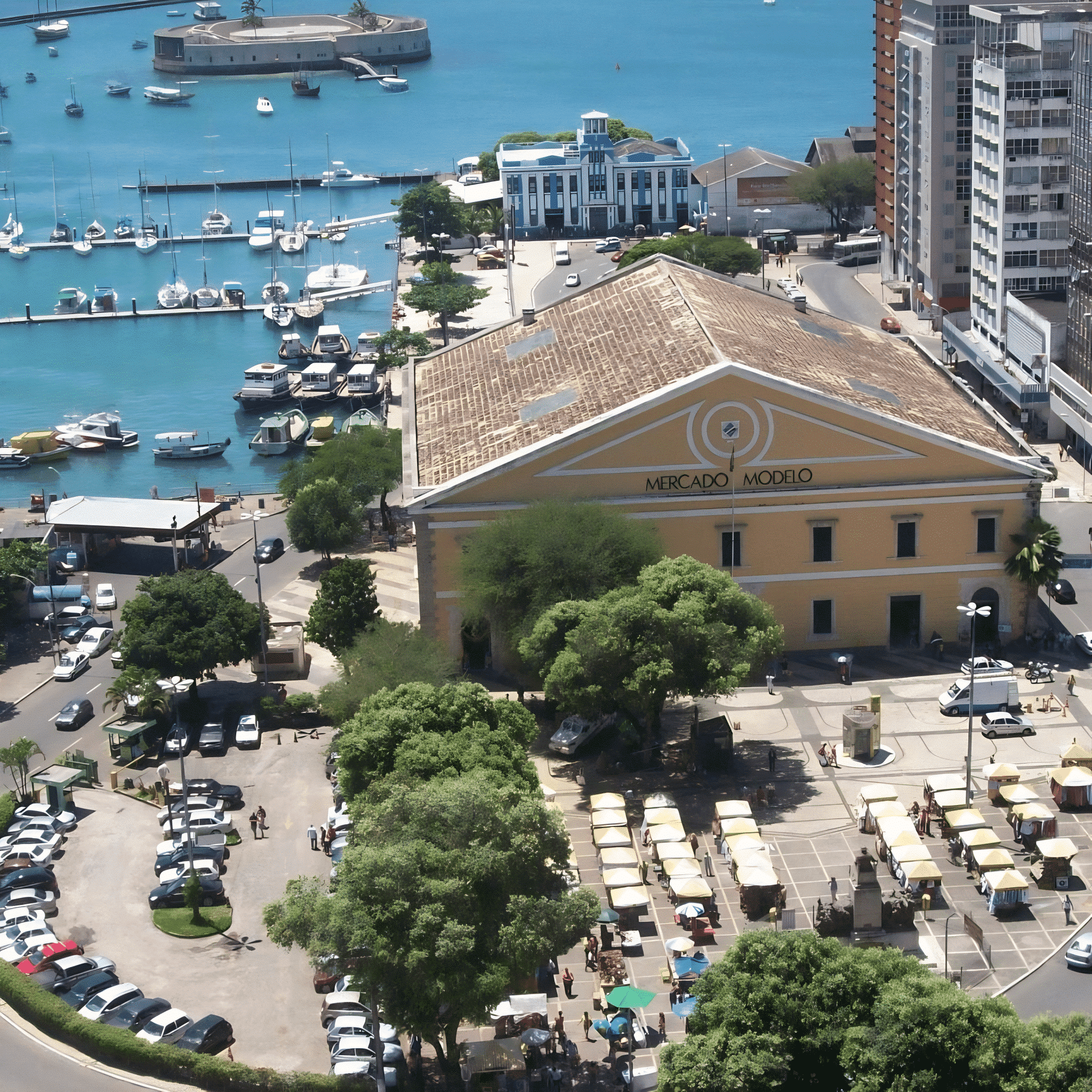
  • Mercado Modelo: One of the largest craft centres in Bahia, the Mercado Modelo is a must for anyone wishing to buy typical souvenirs or sample the local cuisine in one of the restaurants overlooking the Bay of All Saints.
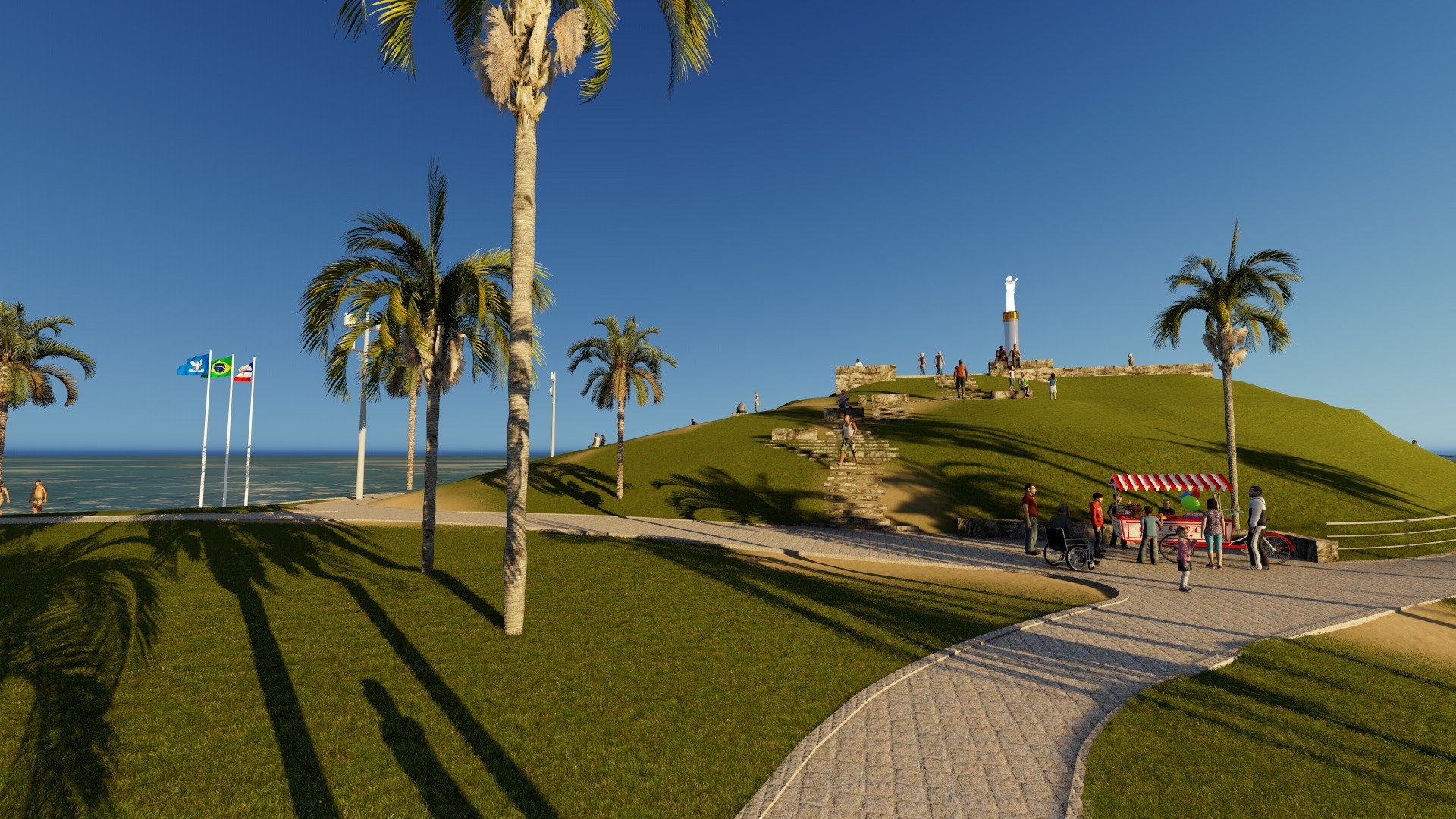
  • Morro do Cristo: Morro do Cristo is one of Salvador’s most iconic tourist attractions, offering spectacular views of the Bay of All Saints and Barra Lighthouse, as well as the city of Salvador.
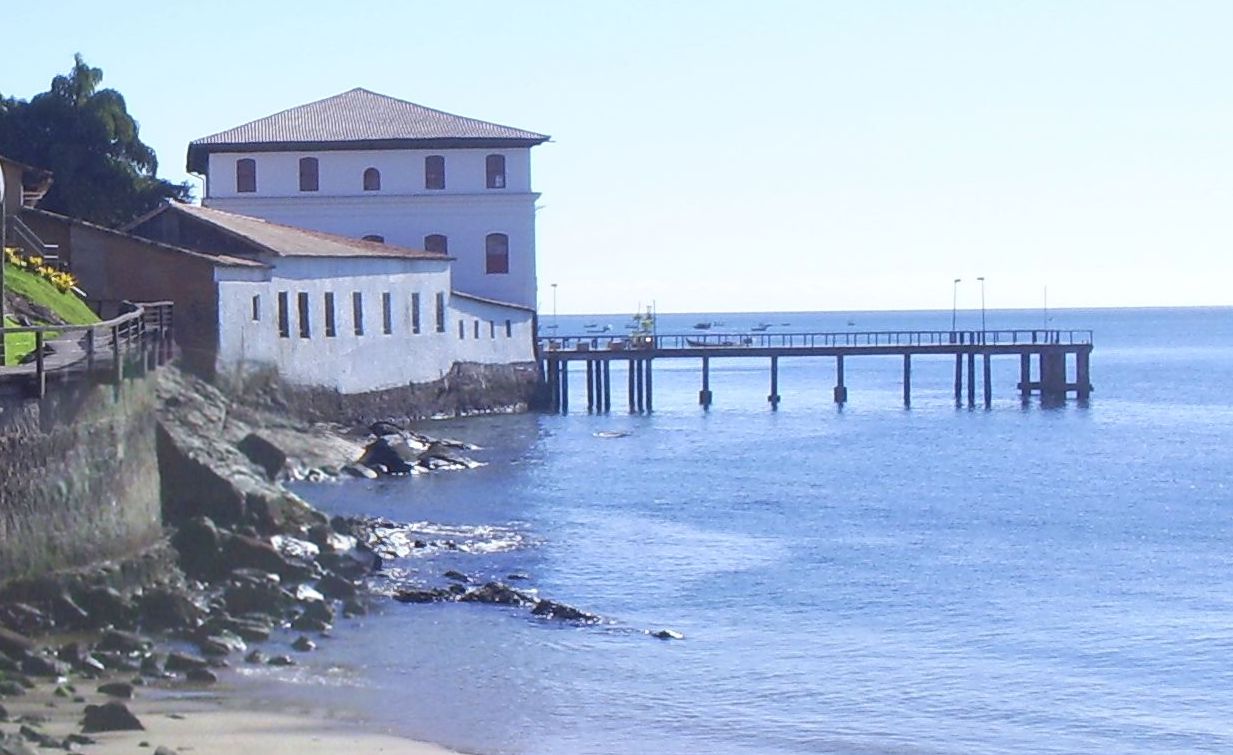
  • Solar do Unhão: On the shores of Todos os Santos Bay, this 17th-century colonial architectural complex is now home to the Bahia Museum of Modern Art (MAM). As well as modern art exhibitions, the Solar offers beautiful sunsets and hosts cultural events, such as traditional jazz on Saturdays.
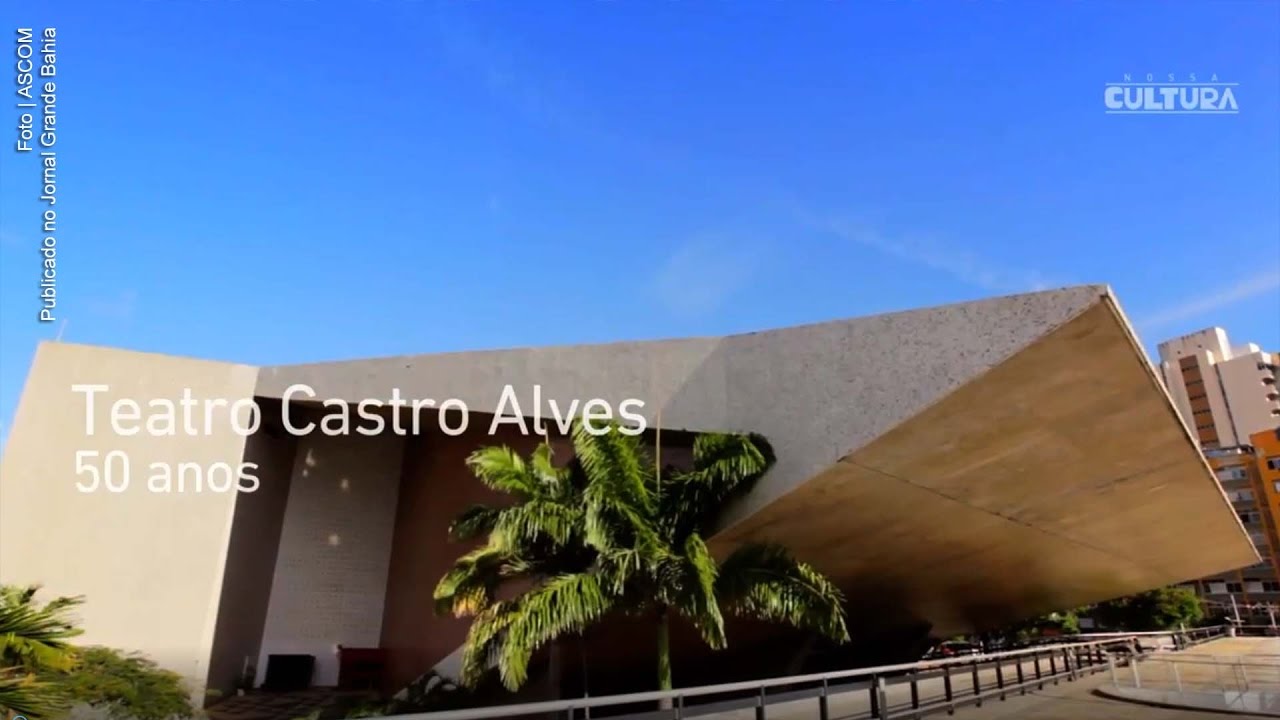
  • Castro Alves Theatre: One of the most important cultural and artistic centres in Bahia, the Castro Alves Theatre hosts important music, dance and theatre performances. Its modern architecture contrasts with its historic surroundings, and the theatre also hosts important events such as the Summer Festival and Carnival.
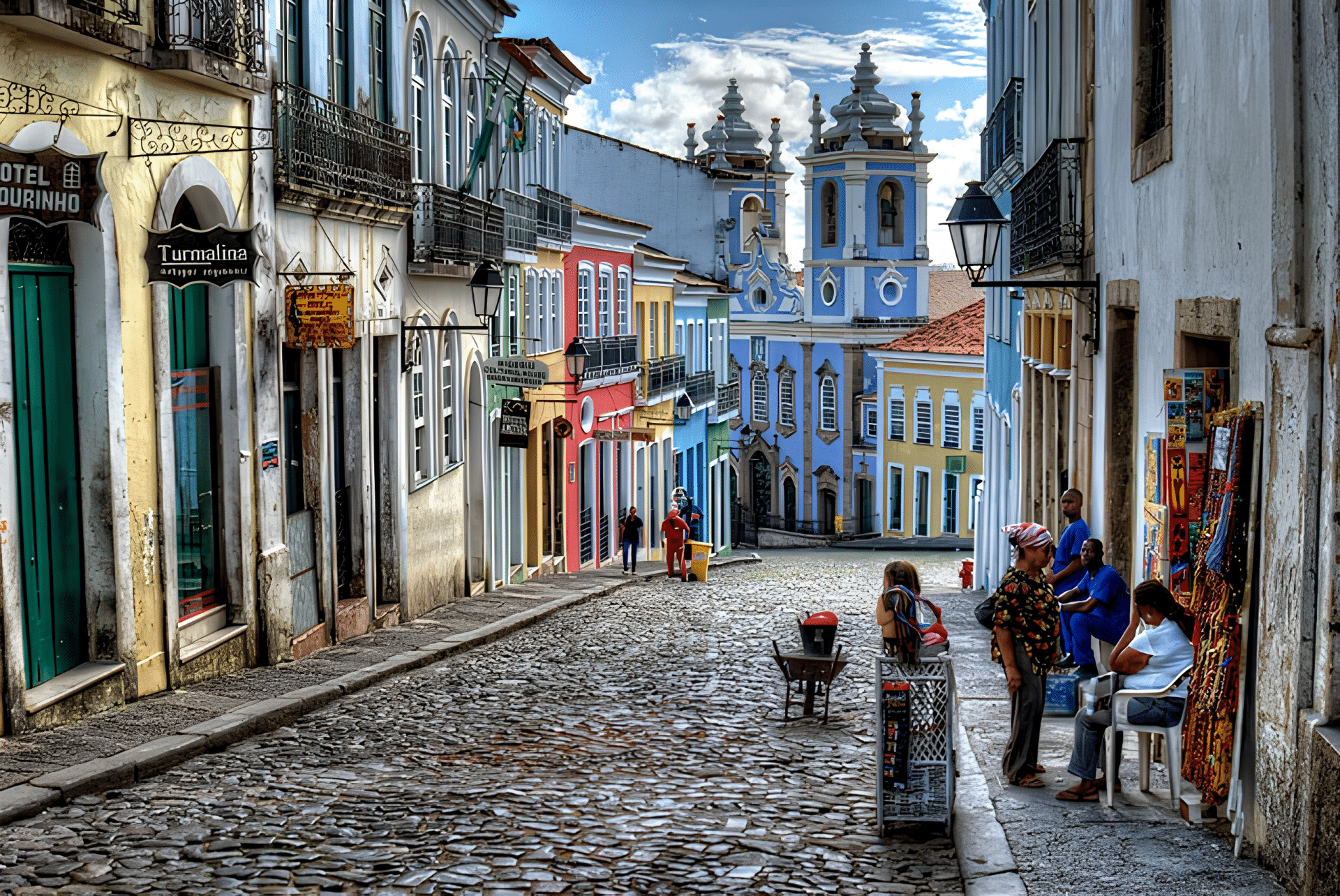
  • Pelourinho: The historical and cultural heart of Salvador, with its cobbled streets, centuries-old churches and colourful mansions. Pelourinho is a UNESCO World Heritage Site and a symbol of Afro-Brazilian heritage, with countless artistic and cultural events.
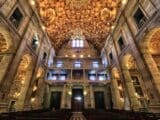
  • Church of São Francisco: With stunning baroque interiors.
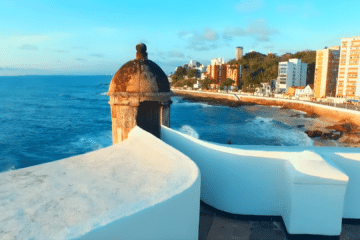
  • Farol da Barra: One of the postcards of the city, where the sunset is unmissable.
  • Tororó dam: A green space with floating statues of Orixás, perfect for a peaceful stroll.

Salvador offers a wide range of cultural and natural attractions, many of which are free, guaranteeing unique and unforgettable experiences for all types of travellers.

So, as the people of Salvador say: “Smile, you’re in Bahia!”

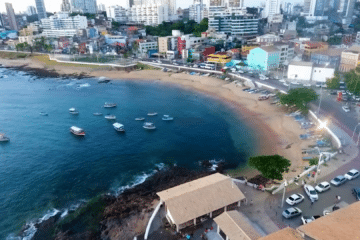
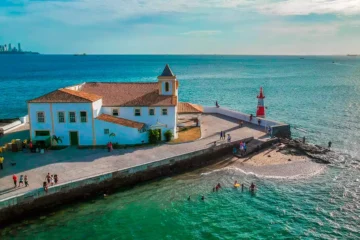
Ponta do Humaitá in Salvador is one of the most beautiful places in Salvador.

See the map of Salvador

Videos – Points of interest in Salvador, Bahia

Pontos Interessantes em Salvador BA
play-rounded-fill

See also Tourist attractions in Salvador and Palaces in Salvador to visit and enjoy history.

Details of Tourist attractions in Salvador, Bahia

  1. Bahia Marina
  2. Lacerda Elevator
  3. Jorge Amado House Foundation
  4. Model Market
  5. Christ’s Hill
  6. Unhão Mansion
  7. Castro Alves Theatre
  8. Pillory
  9. Church of Saint Francis
  10. Barra Lighthouse
  11. Tororó Dam

1. Bahia Marina

Bahia Marina em Salvador BA
Bahia Marina in Salvador, Bahia

Bahia Marina is an important nautical and tourist complex in Salvador that welcomes boats from all over the world.

Situated in a privileged location, it offers breathtaking views of the Bay of All Saints, one of the city’s most famous landmarks.

In addition to nautical activities, the marina offers a complete experience with fine restaurants and an atmosphere that combines the charm of coastal life with the cultural excitement of Salvador, making it a meeting point for both locals and international tourists.

2. Lacerda Elevator

Elevador Lacerda em Salvador da Bahia
Lacerda Elevator, Salvador, Bahia

Opened in 1873 and built by engineer Antônio de Lacerda, the Lacerda Elevator carries around 28,000 passengers a day between the upper and lower parts of Salvador. Among them are hundreds of tourists who never tire of photographing the marvellous view of the Bay of All Saints.

The Lacerda Elevator was built to solve a problem that had existed since the city was founded: its steep hillsides. Since then, it has not only helped local residents, but has become one of Salvador’s most important landmarks.

History of the Lacerda Elevator

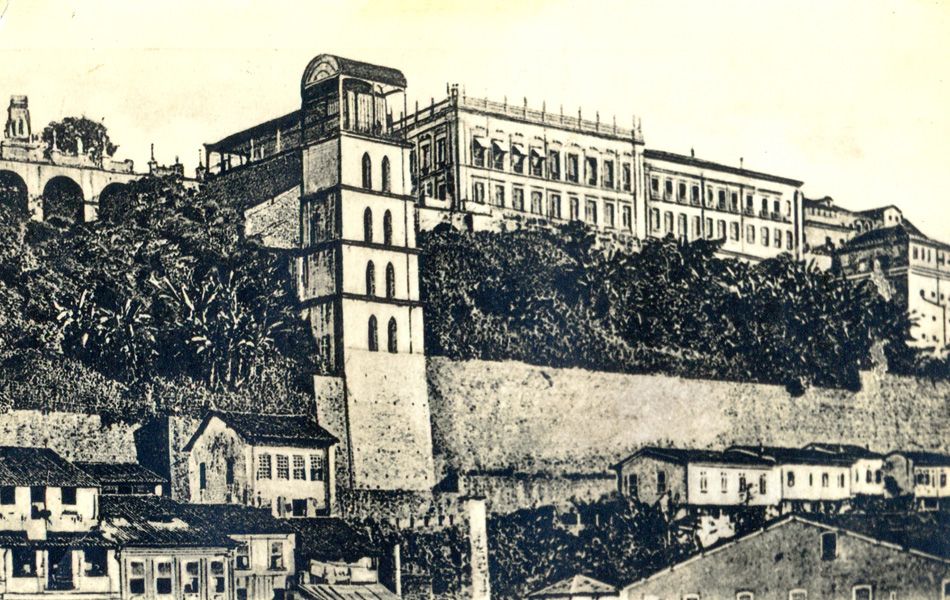
The Lacerda Elevator was inaugurated on 8 December 1873. Its history begins with the plan of the transport entrepreneur Antônio de Lacerda (1834-1885).

Before discussing the birth of the Lacerda Elevator, it is important to remember the reason for its creation. The uneven terrain of the Bahian capital, known as the escarpa, was a major challenge during the construction of the city, hampering transport, which became increasingly problematic over time.

At the beginning of the 17th century, goods were transported by cranes and people had to negotiate long staircases and steep slopes, which made daily life difficult.

It was only at the beginning of the 19th century that the project for the Lacerda Elevator began to take shape. With the help of his father, a partner in the public transport company, and his brother, an engineer, Antônio de Lacerda conceived the project. Construction began in October 1869.

Elevador Lacerda em 1878
Lacerda Elevator in 1878

The lift was originally called Elevador Hidráulico da Conceição da Praia, popularly known as “Parafuso” (screw). The name was changed in 1869 to honour its creator, Antônio de Lacerda.

The Lacerda Elevator soon became the main means of transport between the Upper City, where the historic centre is located, and the Lower City, Salvador’s commercial and financial district.

Architecture of the Lacerda Lift

The construction of the Lacerda was a great challenge at the time. Two tunnels had to be bored into the hillside: a vertical tunnel to house the tower and a horizontal tunnel to provide access to the road.

The nickname “Parafuso” (screw) came from a large spiral piece that drove the two lift cars. Despite its innovation, the design received some criticism, especially from foreigners, who pointed out the insufficient use of iron, a symbol of engineering development at the time.

When it was inaugurated, the Elevador Lacerda was 63 metres high and had only one tower with two cabins, powered by a steam engine.

Elevador Lacerda reforma em 1930
Renovation of the Lacerda lift in 1930

In 1930 the lift underwent a major renovation, designed by the architects Fleming Thiesen and Adalberto Szilard, with the collaboration of the American Otis Company. During this period, the Elevador Lacerda received a second tower and two more cabins, as well as a steel and concrete walkway connecting all the structures.

Elevador Lacerda em 1934
Lacerda lift in 1934

The renovation also incorporated elements of the Art Deco style, such as the pilasters and narrow openings in the towers. After the alterations, the lift was now 72 metres high with a 71-metre span at the walkway. Its capacity increased from 32 to 128 passengers per trip.

The interior of the Lacerda Elevator has also been modernised, with granite floors and walls and the addition of electronic turnstiles, making it a true icon of Salvador, both for its historical value and its architecture.

See the before and after of the Lacerda lift

Veja o antes e depois do Elevador Lacerda
See the before and after of the Lacerda lift

3. Jorge Amado House Foundation

Fundação Casa de Jorge Amado
The Jorge Amado House Foundation in Salvador, Bahia

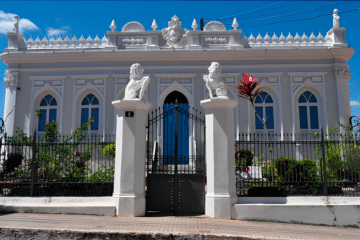
The Government of Bahia has transformed a Baroque mansion into one of the most important cultural centres in the state. In addition to preserving the collection that illustrates Jorge Amado’s literary career, the space maintains a constant programme of activities aimed at encouraging new writers.

The Jorge Amado House Foundation is located in a large mansion opposite Largo do Pelourinho in Salvador. It is a vibrant cultural institution with a wide range of activities and a research centre that houses documentation on Jorge Amado, Zélia Gattai and Bahian literature.

Open to the public, the Foundation promotes courses, seminars, workshops, conference cycles, lectures, book and album launches, and exhibitions, always with a focus on the literary, artistic and humanities fields.

Largo do Pelourinho
Opening hours: Monday to Friday, from 10.00 to 18.00.

4. Model Market

Mercado Modelo em Salvador
Model Market in Salvador

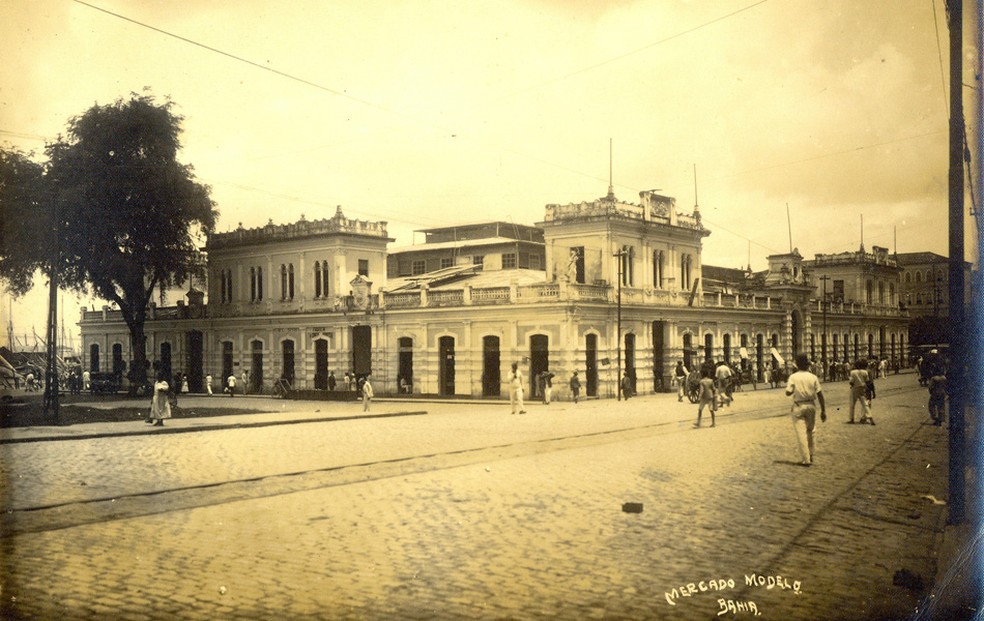
The Mercado Modelo, one of Salvador’s most traditional tourist attractions, is located in the former customs building, built in 1861. Today it houses more than 250 handicraft shops, as well as restaurants and bars, where visitors can admire the Lacerda Elevator and beautiful views of the sea.

History of the Model Market

Founded in 1912, the Mercado Modelo emerged as the centre of the Lower City, strategically located on the edge of the Bay of All Saints.

In 1969, the most destructive of the five fires that ravaged the market led to the demolition of the original building. On 2 February 1971, the market was moved to its current location, the former neoclassical customs house, listed by the National Institute of Historical and Artistic Heritage (Iphan).

A sculpture by Mário Cravo Junior was erected on the site of the former Mercado Modelo.

Other fires occurred in 1917, 1922, 1943 and 1984. After the last fire, the building was extensively renovated and reopened in the same year.

Opening hours: Monday to Saturday from 9 am to 7 pm; Sunday from 9 am to 2 pm.

5. Morro do Cristo

Morro do Cristo is one of Salvador’s most iconic tourist attractions, offering spectacular views of the Bay of All Saints and Barra Lighthouse, as well as the city of Salvador.

Morro do Cristo em Salvador BA
Morro do Cristo, Salvador, Bahia

Morro do Cristo is located in the Barra district, a busy and famous area of Salvador.

The main attraction of Morro do Cristo is the statue of Christ the Redeemer, similar to the famous statue in Rio de Janeiro, but on a smaller scale. Inaugurated in 1974, the statue is a place of faith and contemplation for locals and visitors alike. The image of Christ is an important religious and cultural symbol for the city.

The statue of Christ was sculpted in Carrara marble by the Italian artist Pasquale de Chirico and brought to Brazil in 1920.

6. Unhão Manor House

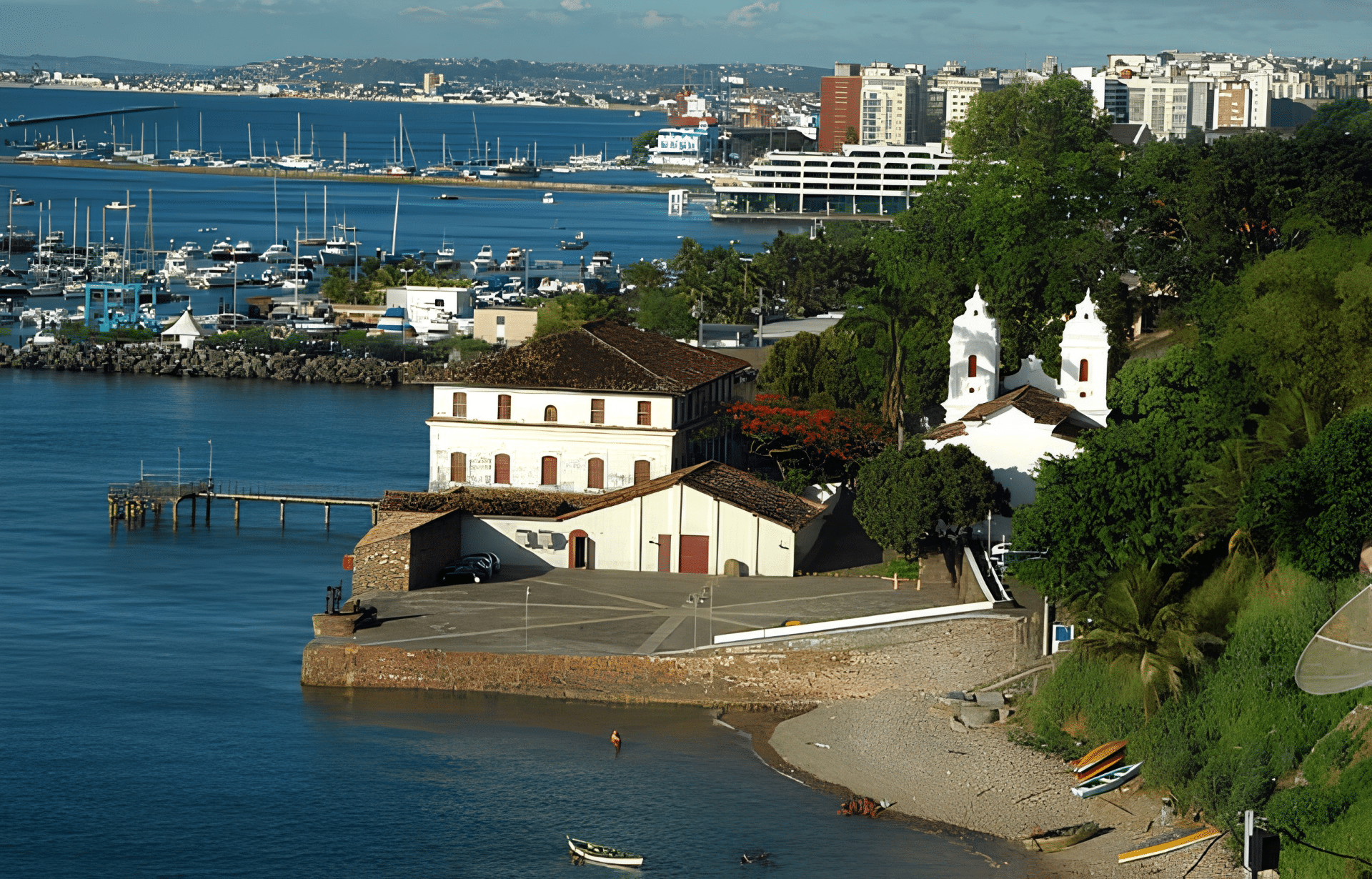
Solar do Unhão em Salvador BA
Solar do Unhão in Salvador, Bahia

Solar do Unhão is an important historical and cultural landmark in Salvador, with a rich history dating back to the 17th century.

History of Solar do Unhão

  • Construction and structure: The plantation owner, Pedro de Unhão Castelo Branco, built the estate on an embankment in the 17th century. The manor house, built in stone with brick arcades on the ground floor, has three floors, the last of which was built in the 19th century.
  • Architectural Features: The building follows the functional layout of the period, with the ground floor used for services and the upper floor for residential purposes. Access to the manor house is via a four-arched bridge with Portuguese tiles and Baroque ornamentation. The Chapel of Nossa Senhora da Conceição is typical of parish churches of the period, with a nave and chancel of equal width and height. Its late-Rococo façade, probably dating from the 1800s, includes a fountain, an aqueduct and a sandstone well with a caruncle and superimposed shells.
  • Changes and functions: After serving important people, the manor house was used as a snuff factory (1816-1926) and a warehouse (1928). In 1962, it was adapted to house the Museum of Popular Art of Bahia, designed by Lina Bo Bardi. It is currently occupied by the Museum of Modern Art of Bahia. In the basement of the main building, now converted into a museum, there is a charming restaurant that replaces the former slave quarters.

Location: Avenida do Contorno, s/n, Graça.

7. Castro Alves Theatre

Teatro Castro Alves em Salvador BA
Castro Alves Theatre, Salvador, Bahia

Built in 1958, the Castro Alves Theatre faced a major challenge when a fire destroyed it the day before its inauguration. After nine years of closure, the theatre was finally reopened to the public on 4 March 1967.

Key moments

Farewell Show: One of the most memorable moments in the theatre’s history was the farewell show given by Caetano Veloso and Gilberto Gil in 1970, before both went into exile in England during the military dictatorship in Brazil.

Location: Ladeira da Fonte, s/n, Campo Grande.

8. Pillory

Pelourinho em Salvador
Pillory in Salvador

The architectural, landscape and urban ensemble of Pelourinho, located in the historic centre of Salvador, is one of the most important examples of Portuguese overseas urbanism. Built on an acropolis, it has two levels:

  • Administrative and Residential: Located at the top of the hill.
  • Port and Trade: Situated on the coast.

With a unique topography, the landscape of this area is mainly made up of buildings from the 16th to 19th centuries, with monumental religious, civil and military architecture standing out.

9. Church of Saint Francis

Largo de São Francisco, Pelourinho, Salvador.

The Church of São Francisco is one of Salvador’s main tourist attractions and a remarkable example of Brazilian Baroque. Located in the historic centre of the city, in Pelourinho, the church is famous for its exuberant architecture and richly decorated interior.

Igreja de São Francisco em Salvador BA
São Francisco Church in Salvador, Bahia

Main attractions

  • Baroque architecture: Built in the early 18th century, the church is known for its impressive façade and interior richly decorated with gold. The gold carving is considered one of the finest examples of Baroque art in Brazil.
  • Ornamental interior: The interior of the church is full of intricate details, including a high altar, altarpieces and Portuguese tiles, which add a unique beauty to the space.
  • Chapel of Miracles: Attached to the church, the Chapel of Miracles is a smaller but equally decorated space that houses sacred images and has a peaceful atmosphere.
  • Museum of Sacred Art: The church also houses the Museum of Sacred Art of Bahia, which has a collection of sacred art and religious objects that provide a deeper insight into the history and religious culture of the region.
  • Events and Masses: The Church of São Francisco remains an active place of worship, hosting masses and religious events that allow visitors to experience the local religious life.

A visit to São Francisco Church is a rich cultural and historical experience, offering a fascinating insight into Brazilian Baroque and the religious tradition of Salvador.

10. Barra Lighthouse

Barra lighthouse square, Salvador, BA.

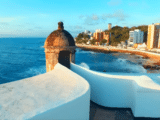
The Farol da Barra, officially known as Farol da Barra or Farol de Santo Antônio da Barra, is one of the most emblematic tourist attractions in Salvador, Bahia. Located in the Santo Antônio da Barra Fort, the lighthouse offers not only a rich history, but also breathtaking views of the Bay of All Saints.

Farol da Barra em Salvador BA
Barra lighthouse, Salvador, Bahia

Main attractions

  • History and architecture: Built in 1698, the lighthouse is one of the oldest in Brazil and has a striking architecture. The original structure, in the form of a cylindrical tower, has been extended and restored over the years. The fort that houses the lighthouse also has a rich military history.
  • Bahia Nautical Museum: The lighthouse houses the Bahia Nautical Museum, which has a large collection of nautical artefacts, antique maps, uniforms and other items related to navigation and the maritime history of the region. The museum provides a detailed overview of the development of navigation and maritime exploration in Brazil.
  • Panoramic View: The Lighthouse Viewpoint offers one of the best views of the city. From here, visitors can see the Baía de Todos os Santos (Bay of All Saints), the Historic Centre of Salvador and the Horizonte (Horizon) in the background. It is a popular spot for photographs, especially at sunset.
  • Barra Beach: The lighthouse is located on Barra Beach, one of the most famous and popular beaches in Salvador. The beach is ideal for a relaxing stroll or enjoying activities by the sea.

11. Tororó Dam

Magalhães Lima Avenue, Salvador, BA.

The Tororó Dam is one of the most iconic and pleasant places in Salvador, offering a mix of natural and cultural beauty. Located in the central region of the city, the dam is an artificial reservoir that combines leisure areas with a rich cultural tradition.

Dique do Tororó em Salvador BA
Tororó Dam in Salvador, Bahia

Main attractions

  • Recreational Area: The Tororó reservoir is a popular spot for outdoor activities. With extensive green areas surrounding the lake, it is ideal for walking, picnics and outdoor activities. There are also cycle paths and areas for sports.
  • Statues of the Orixás: One of the most striking attractions of the Tororó dam are the Statues of the Orixás, which represent figures from African mythology and the Candomblé religion. The sculptures were created by the artist Tales Lessa and are a tribute to the cultural traditions of Bahia. They are located on islands in the lake, creating an impressive and photogenic setting.
  • Lake: The lake at Dique do Tororó is a focal point of the site and boat trips are a popular way to explore the area and enjoy the views of the statues and surrounding vegetation.
  • Leisure: The site has several leisure areas, such as kiosks, squares and children’s playgrounds, making it an excellent destination for families and visitors of all ages.
  • Culture and events: The Tororó Dam frequently hosts cultural events and festivals celebrating music, dance and local cuisine. These events are a great way to experience the vibrant cultural life of Salvador.

See Tourist Attractions in Pelourinho

Bahia.ws is the largest tourist guide for Bahia and Salvador.

Publicações Relacionadas
Secret History of Salvador, Bahia - History of Brazil

Church and Convent of Nossa Senhora da Palma in Salvador, Bahia

Prostitution, sex, massage parlours and nightclubs in Salvador

Cathedral Basilica of Salvador — History, Sacred Art and Collection

Basílica de Nossa Senhora da Conceição da Praia: História

History of the Cathedral Basilica of Salvador
Tourist Attractions in Pelourinho and the Historic Centre of Salvador

Churches of Salvador: Architectural and Historical Treasures

History of the Founding of Salvador, Bahia - History of Brazil

Nossa Senhora dos Mares Church: Gothic Architecture

Most Visited Churches in Salvador de Bahia Revealed

History of the forts and lighthouses of Salvador, Bahia

Ponta de Humaitá: A Gem in Salvador Bahia

Tourist Attractions and Architectural Heritage of Salvador, Bahia

Learn about the history of the construction of the Lacerda Lift

Rio Vermelho Neighbourhood in Salvador's Nightlife

7 Day Itinerary in Salvador and Surroundings Guide

History of the Senhor do Bonfim Ribbons — Origin, Meaning and Traditions

Discover the reasons for a holiday in Salvador, Bahia

Bahia Art Museum (MAB): Learn about its history and collection

Where to Stay in Salvador for Your Best Experience

Tourist attractions in the Gamboa neighbourhood in Salvador BA

History of the Church of São Pedro dos Clérigos in Salvador

Palaces in Salvador to visit and learn about Brazil's history

Tourist attractions for children in Salvador: fun and learning

Attractions in the Historic Centre of Salvador, Bahia

Fort of Nossa Senhora de Monte Serrat History

Fort of Santo Antônio da Barra and Its Rich History

Solar do Unhão and the Museum of Modern Art in Salvador BA

39 Museums in Salvador: Discover the history and culture of Bahia

Parks and Squares in Salvador for Leisure Activities

Discover the 23 beautiful beaches of Salvador, Bahia

Find out how to celebrate Carnival in Salvador, Bahia

Features and History of the Church and Convent of São Francisco

Discover the Magnificence of Nossa Senhora de Monte Serrat Fort

Convent and Church of Santa Teresa and its History

This post is also on: Português English Deutsch Español Français

Hide picture