The Cathedral Basilica of Salvador is located in the heart of Pelourinho and is one of the most important sacred buildings in colonial Brazil.
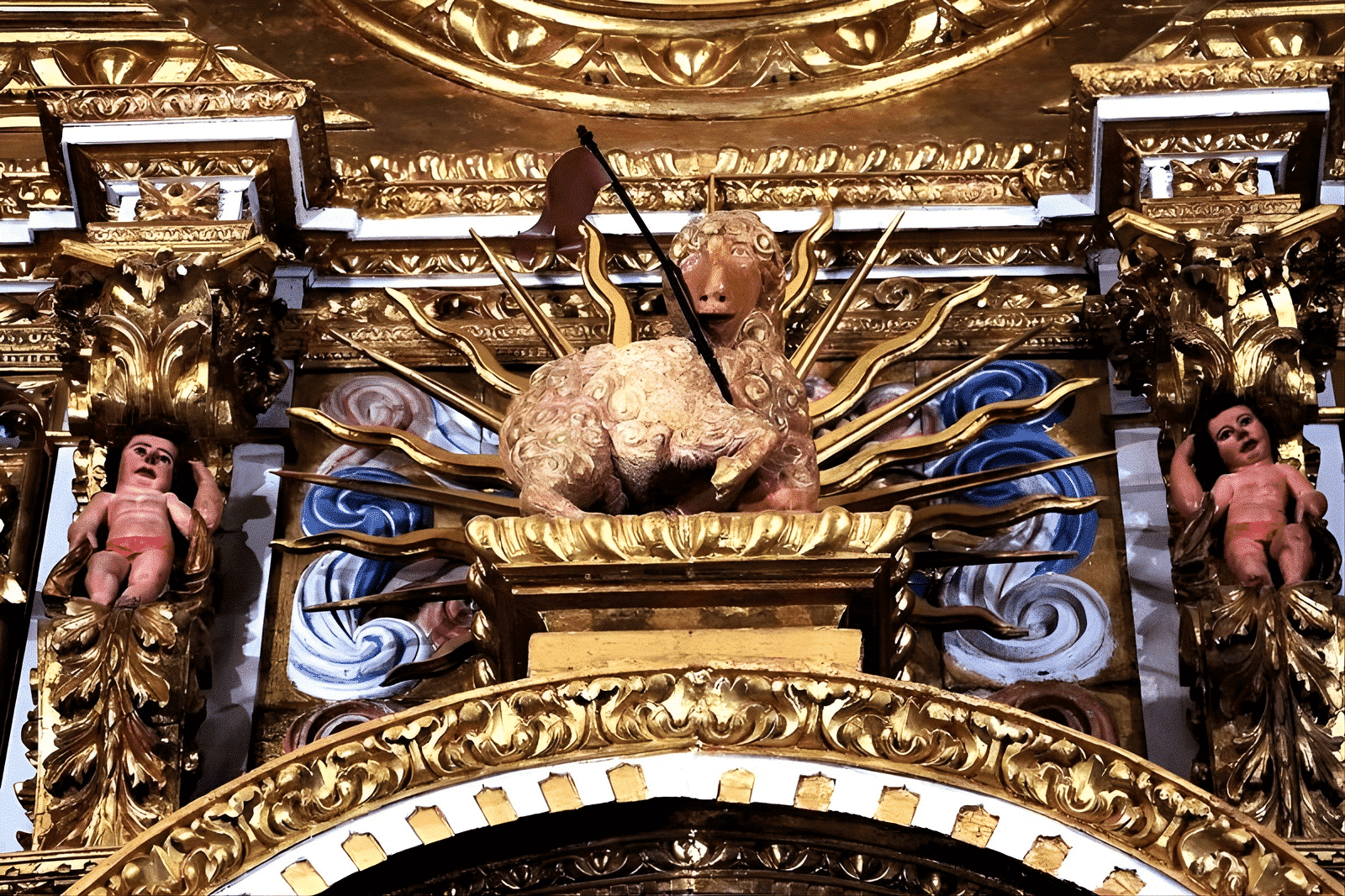
As well as bearing witness to the country’s history and Catholicism, the temple houses 17^(th)-century paintings, rosewood furniture and sacred gold and silver objects.
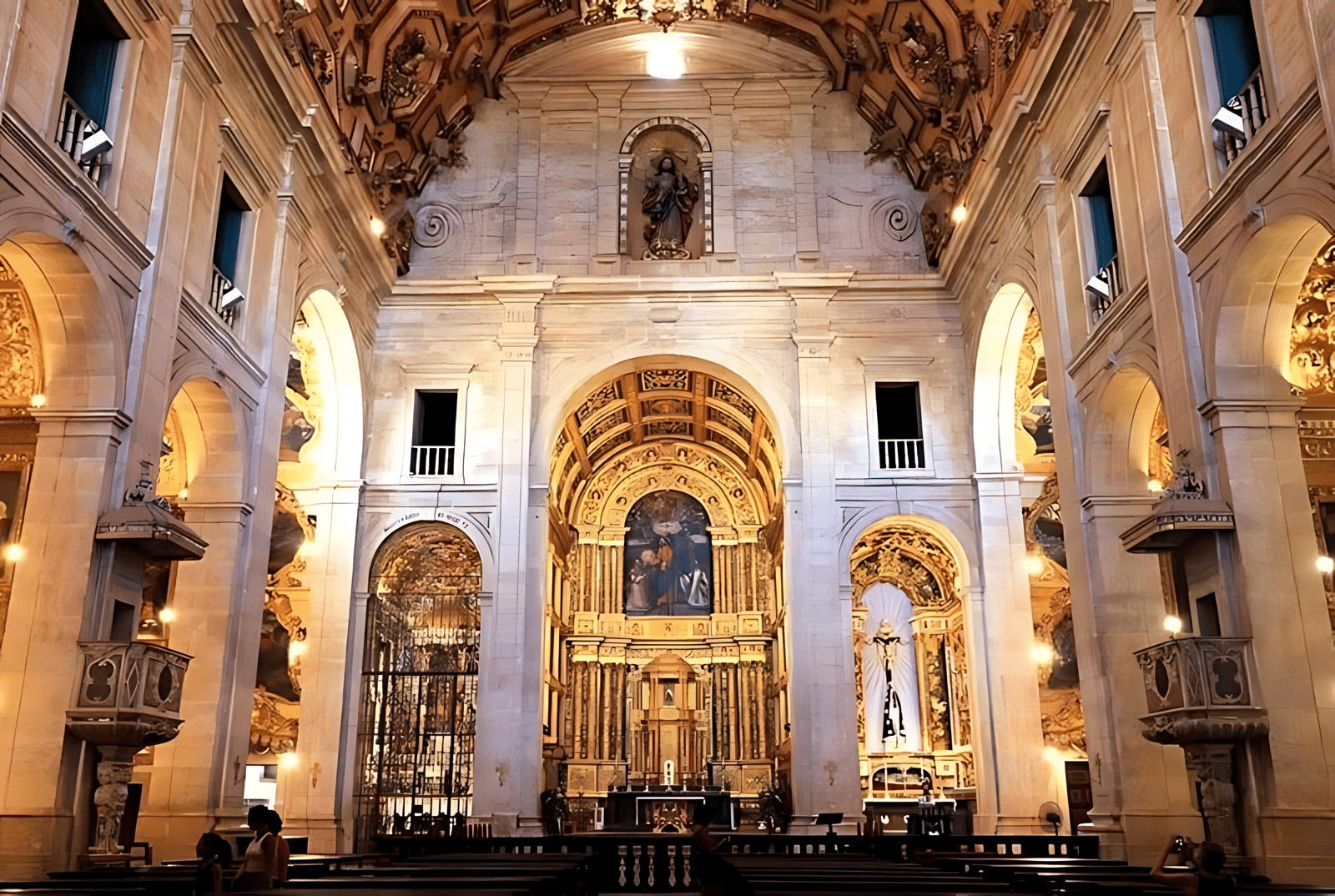
history and architecture
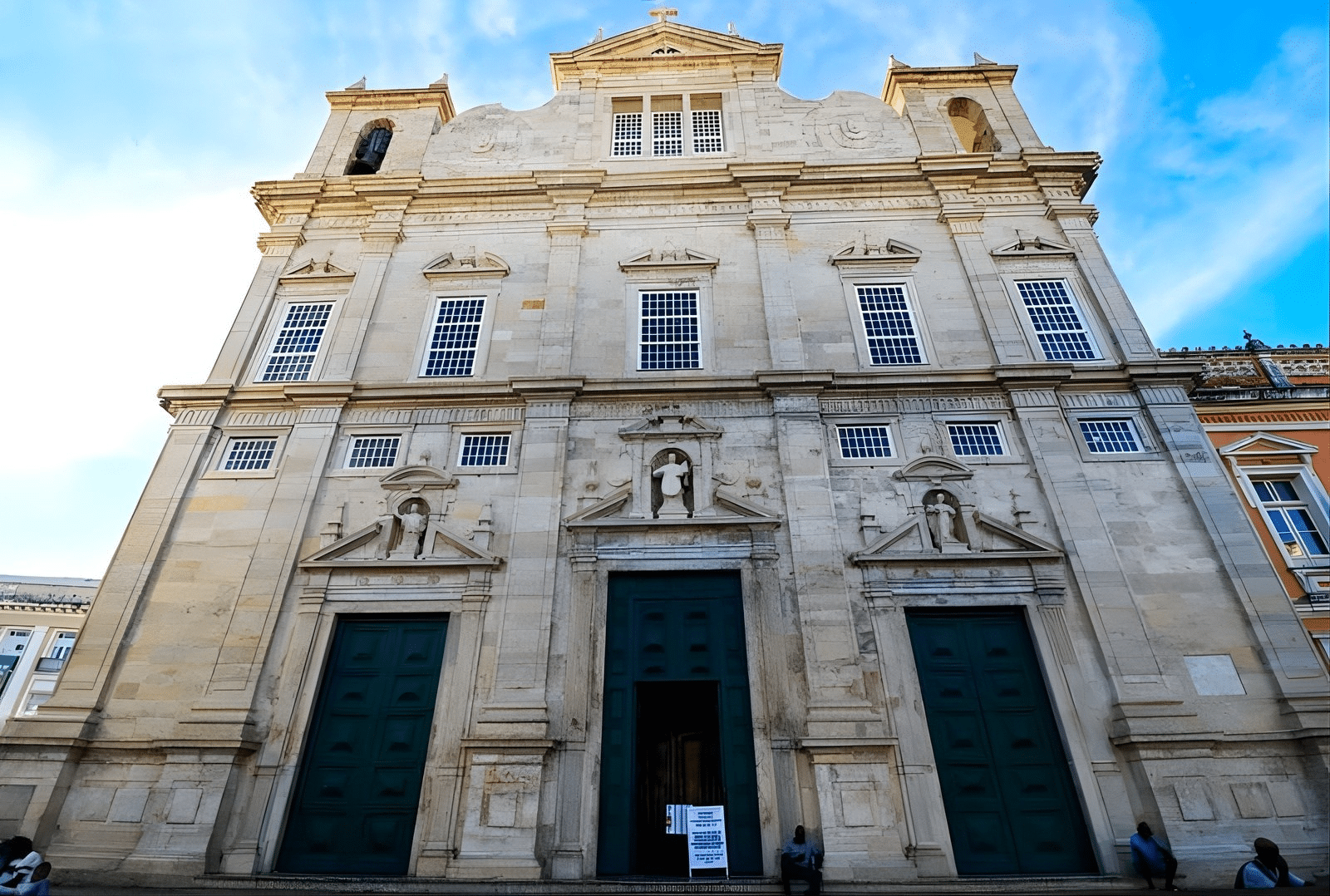
The current church, built by the Jesuits between 1652 and 1672, was the fourth temple of the order in the capital of Bahia and is the last remaining part of the Colégio de Jesus complex. Attributed to Brother Francisco Dias, the work follows the norms of the Council of Trent and features Renaissance and Baroque elements.
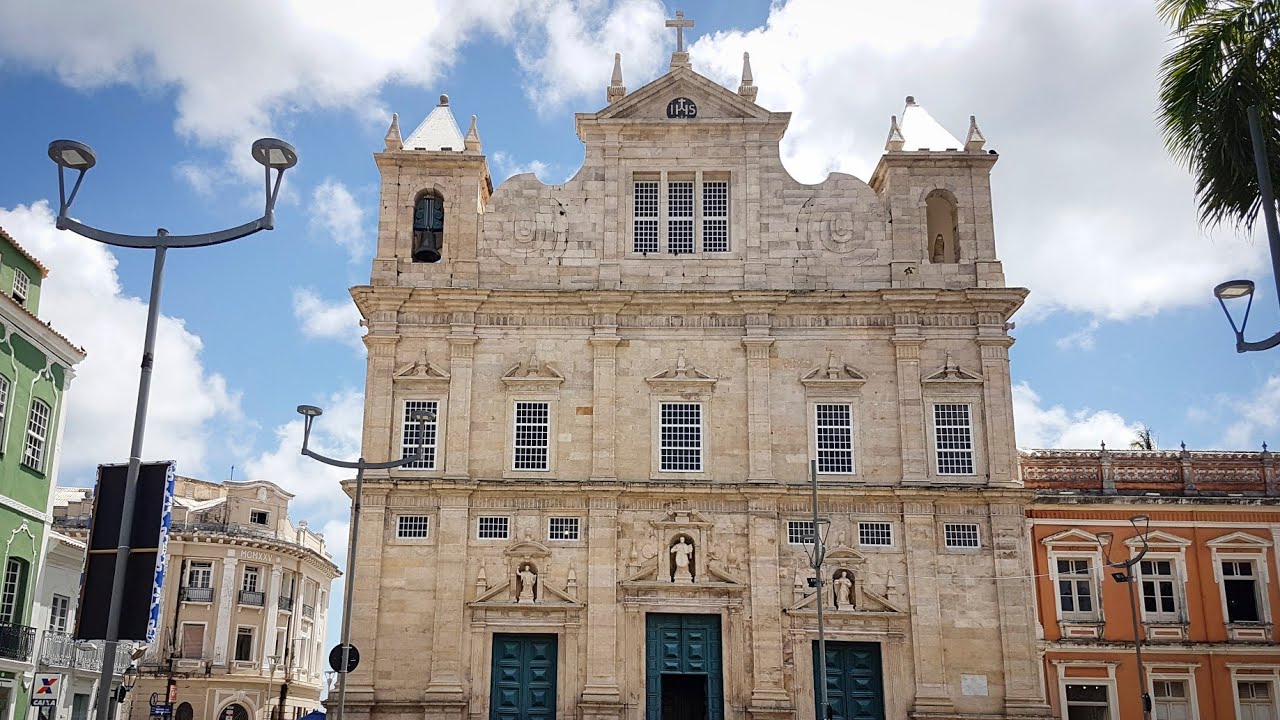
- Main construction period: 1657–1672. The frontispiece and towers were completed in 1694.
- The façade is made of Lioz stone, which was imported from Portugal. It features niches dedicated to Jesuit saints.
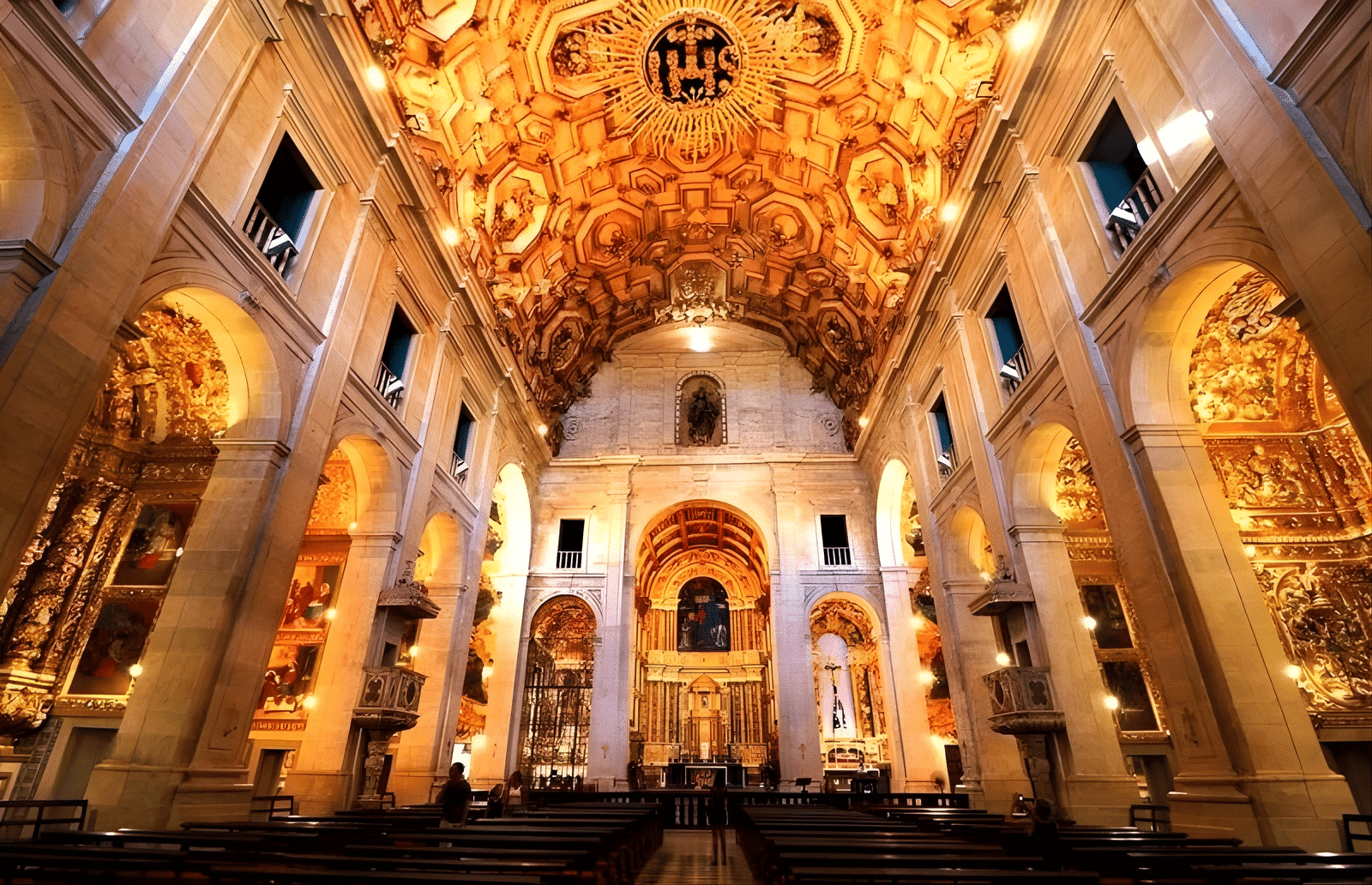
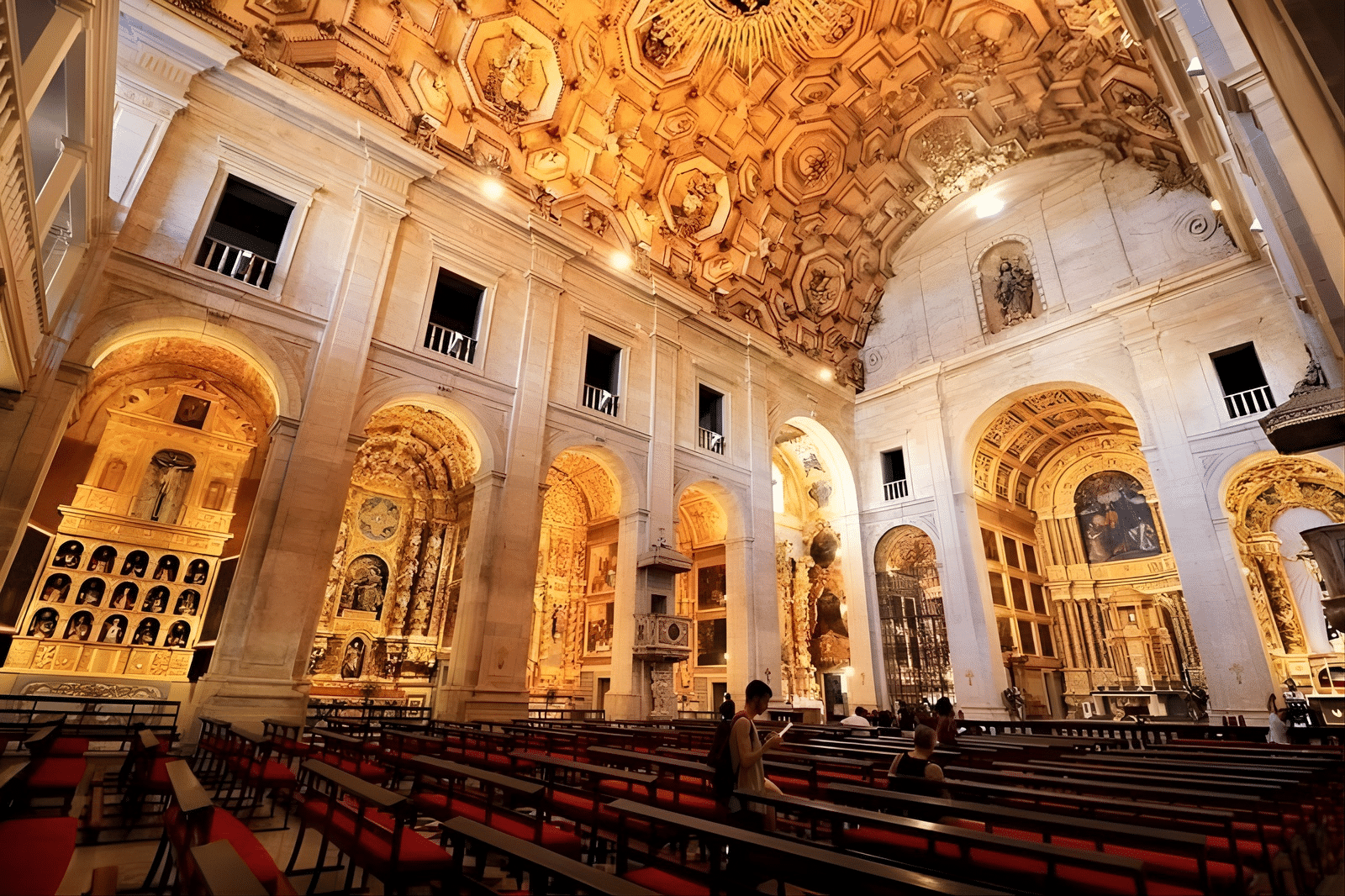
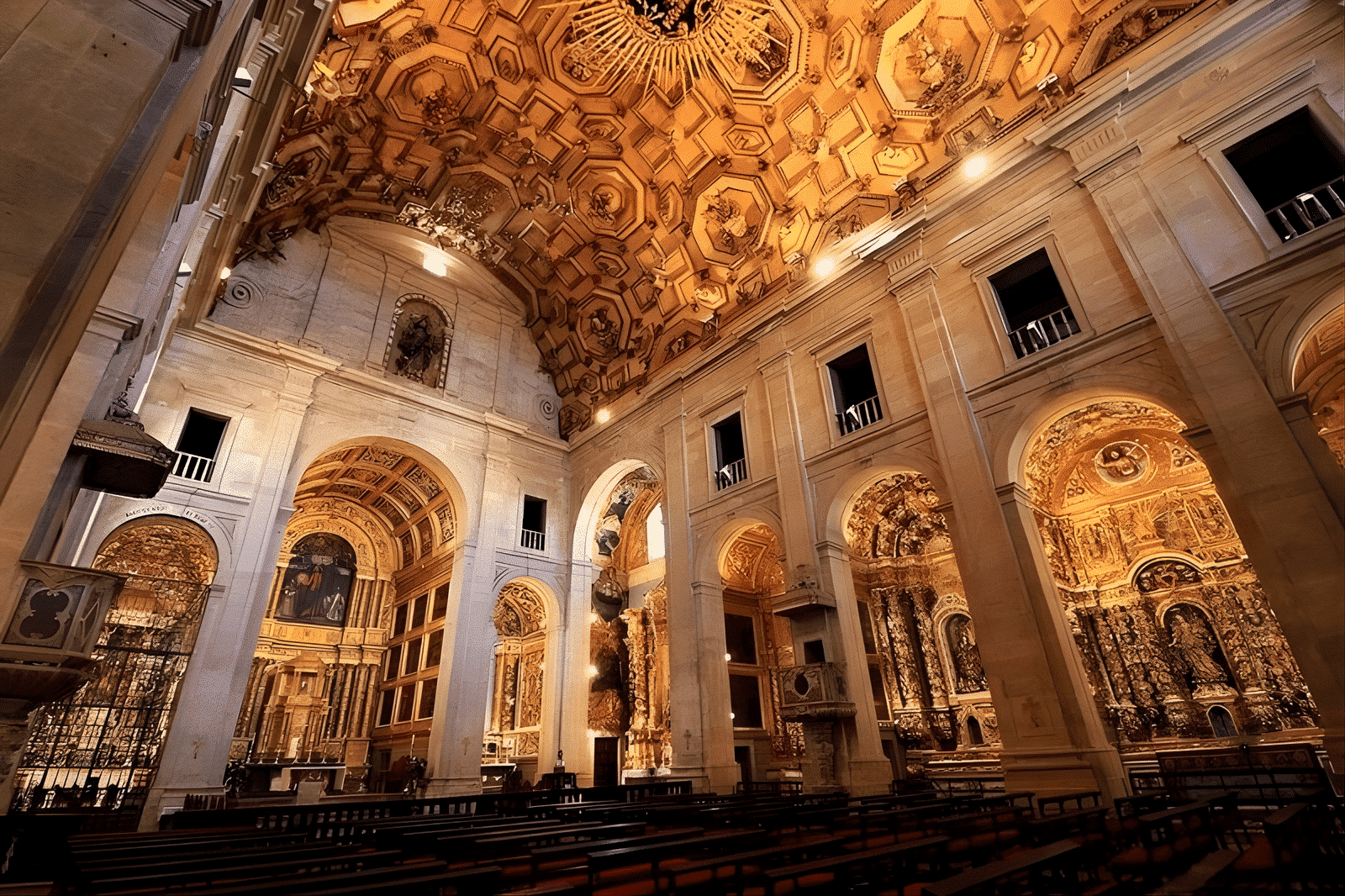
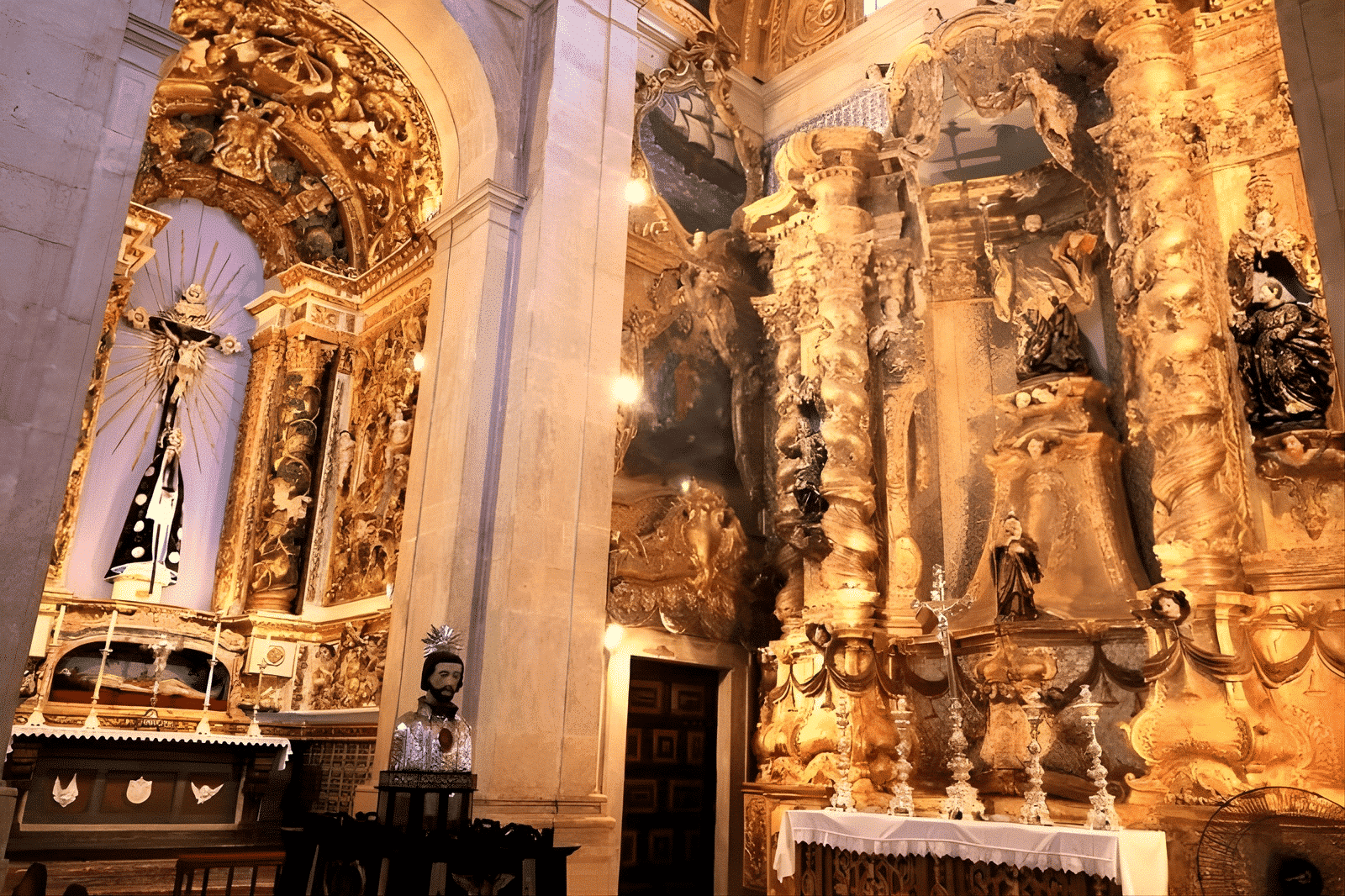
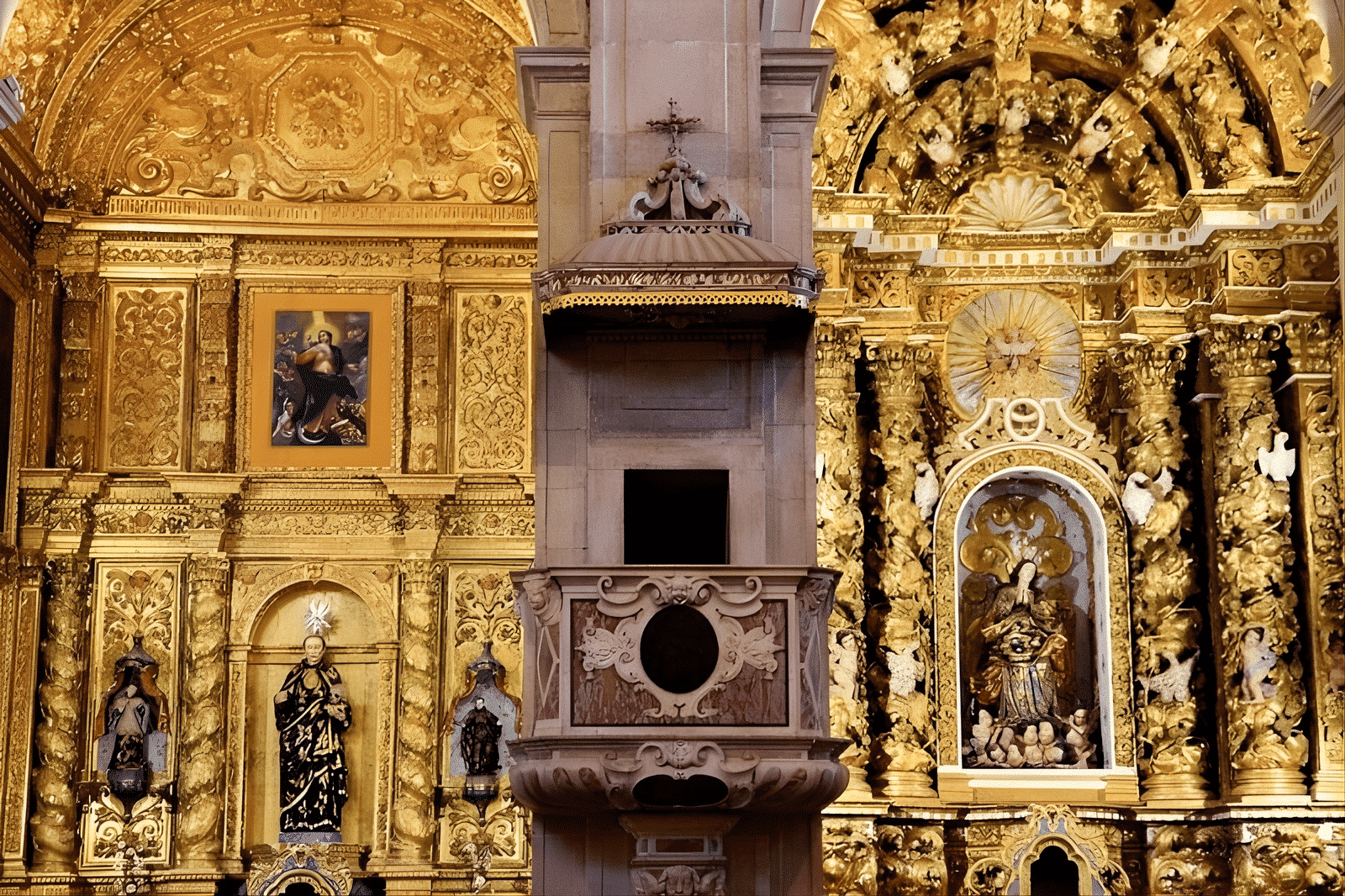
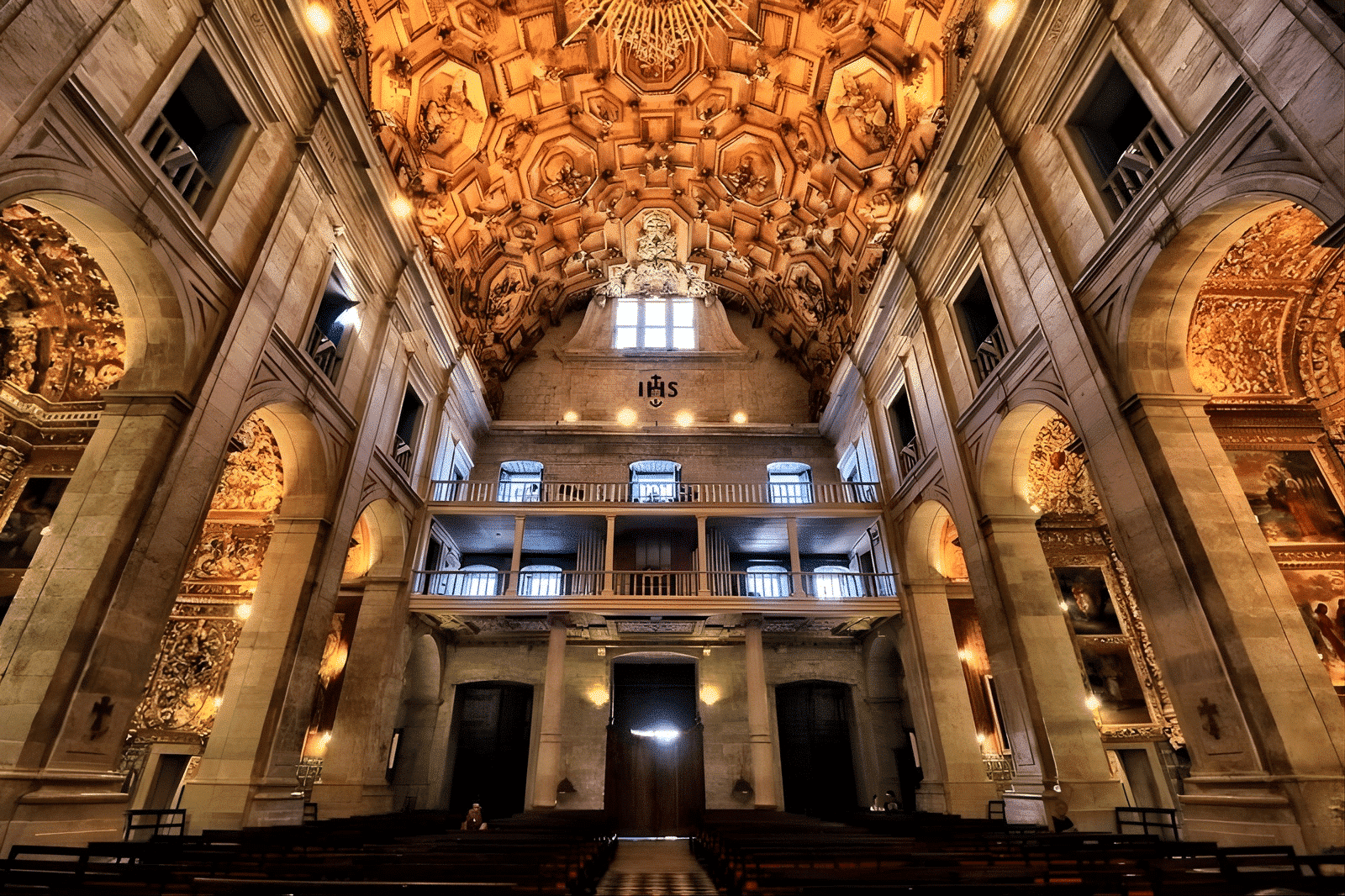
- It has a single-nave layout with side chapels, various altars and gilded wood carvings, as well as lioz marble cladding.
Transformation and protection
Following the expulsion of the Jesuits in 1759, the building was converted into a military hospital and became home to Brazil’s first School of Medicine in 1833. In 1938, the church was listed by IPHAN and its collection was also protected.
Video: The history and colonial architecture of the Cathedral Basilica of Salvador.
Historia de la Catedral Basílica de Salvador
Also see all the churches in Salvador, Bahia.
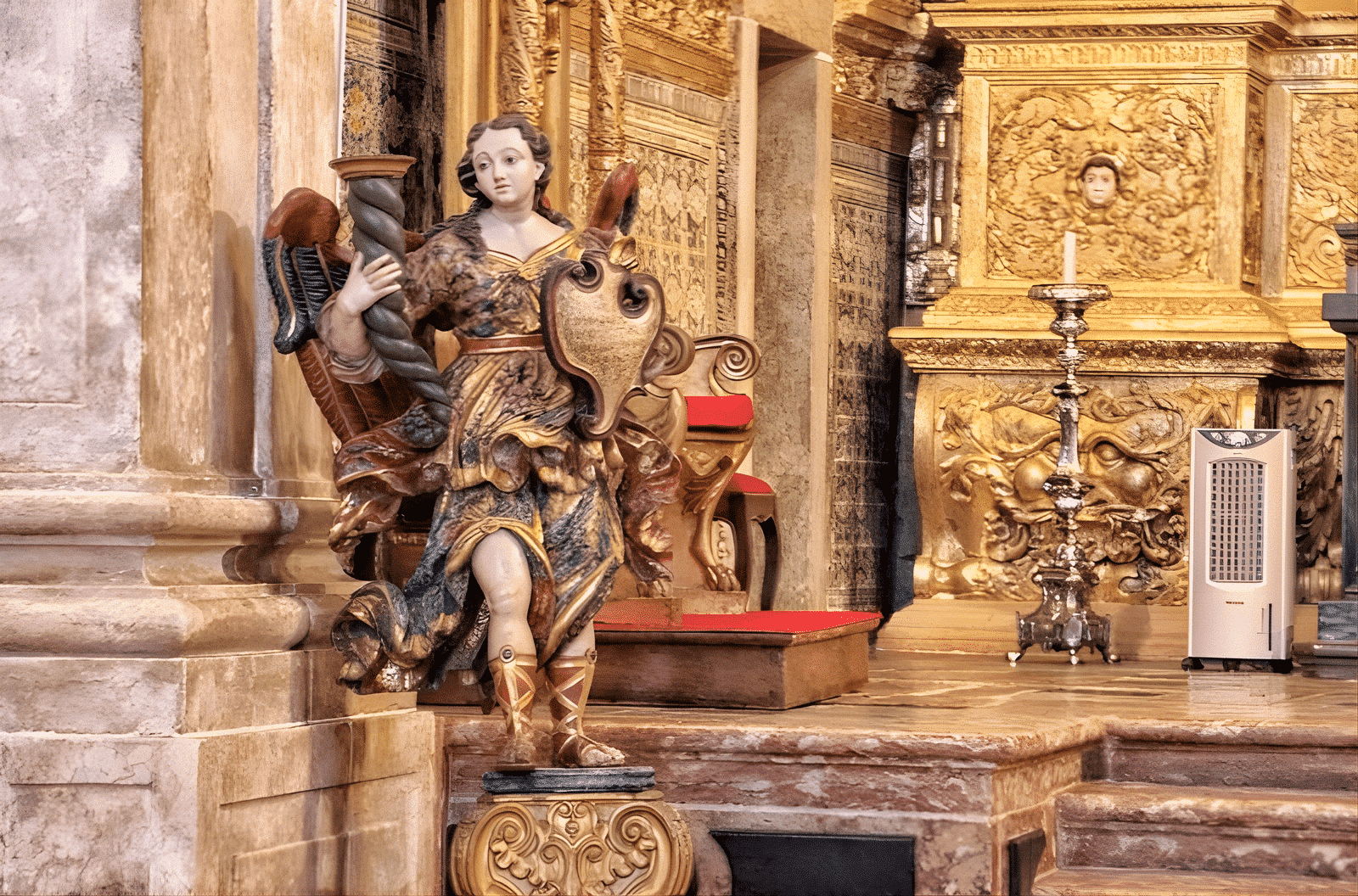
The main elements and collection of the Cathedral Basilica of Salvador.
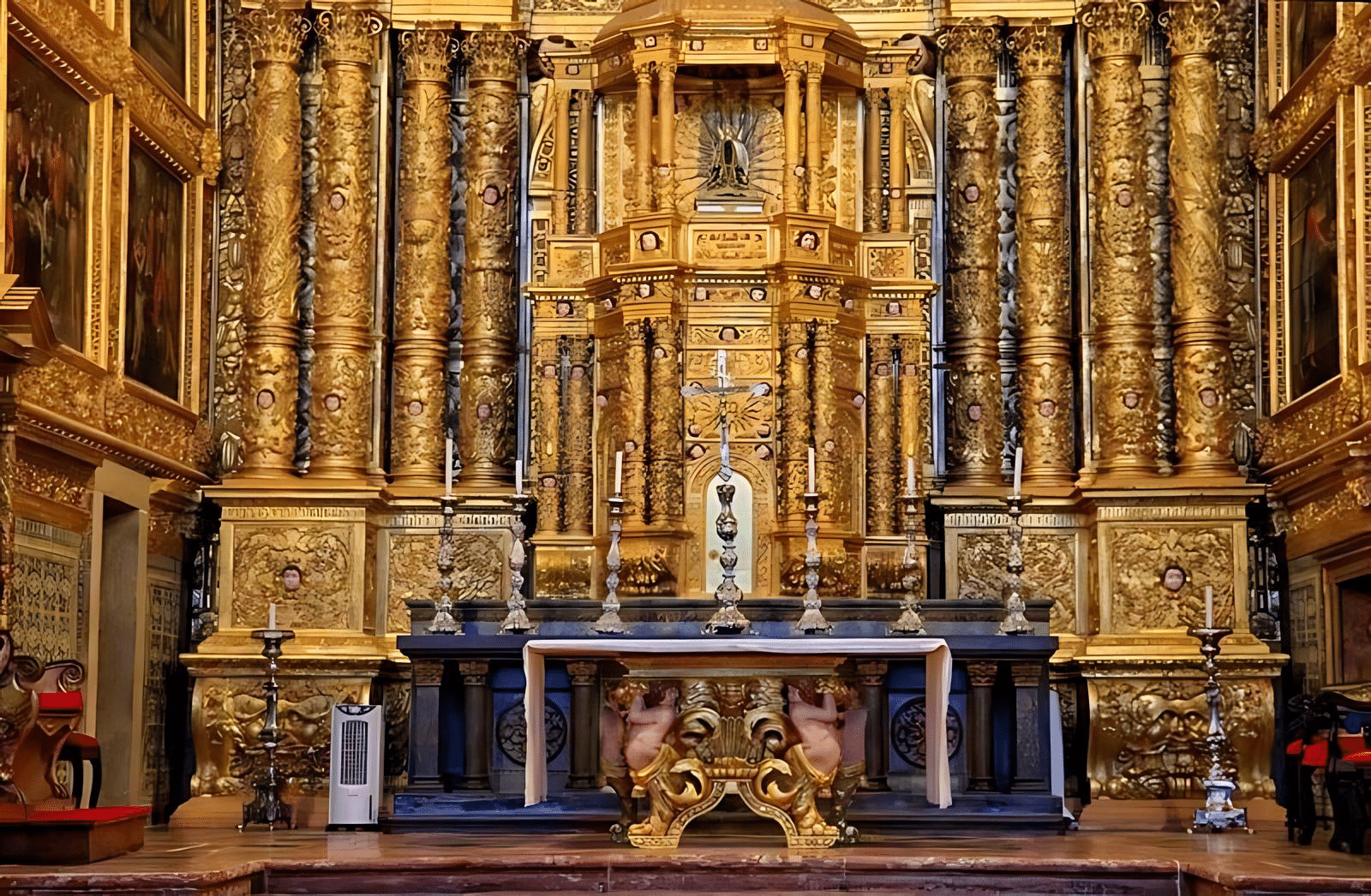
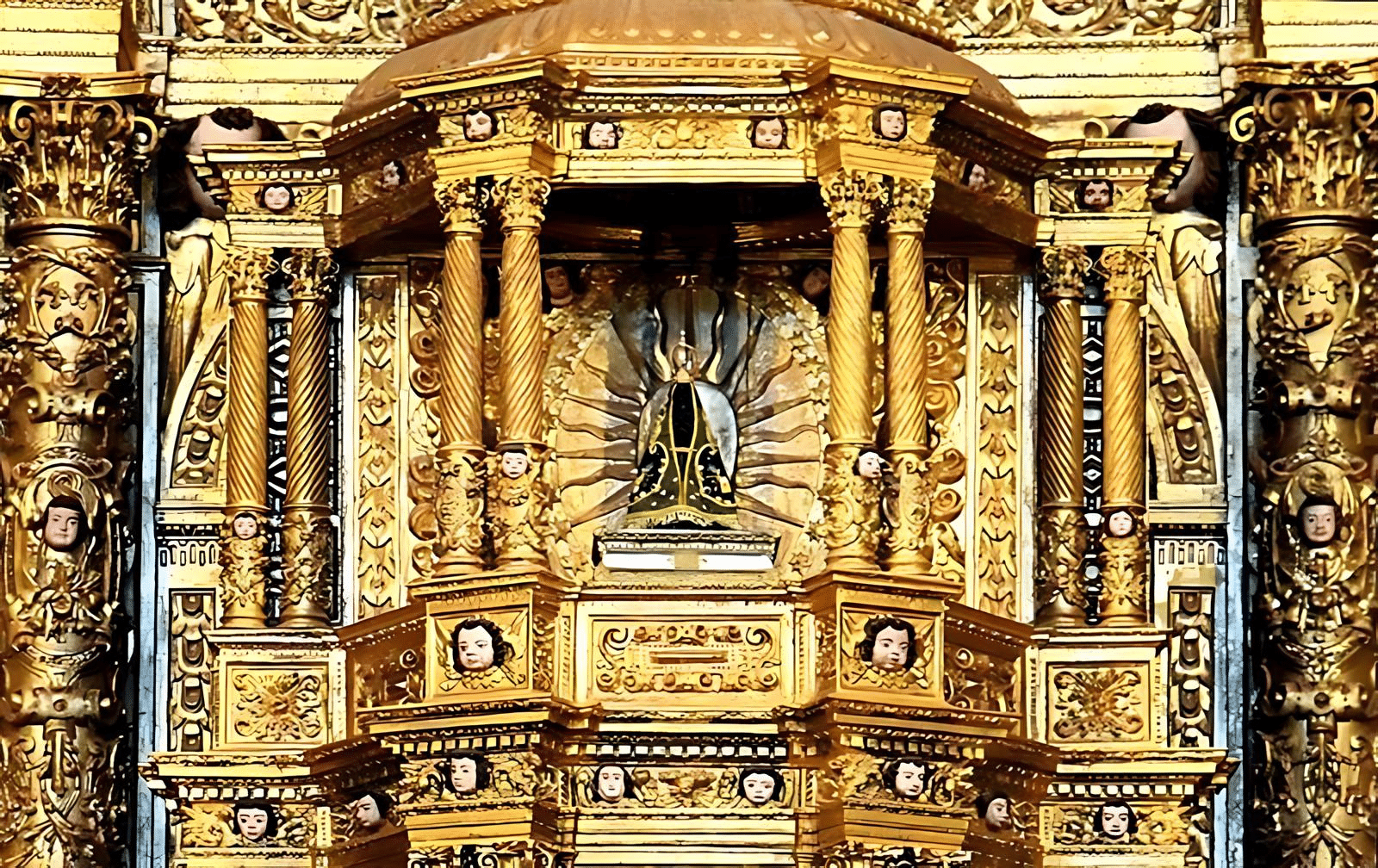
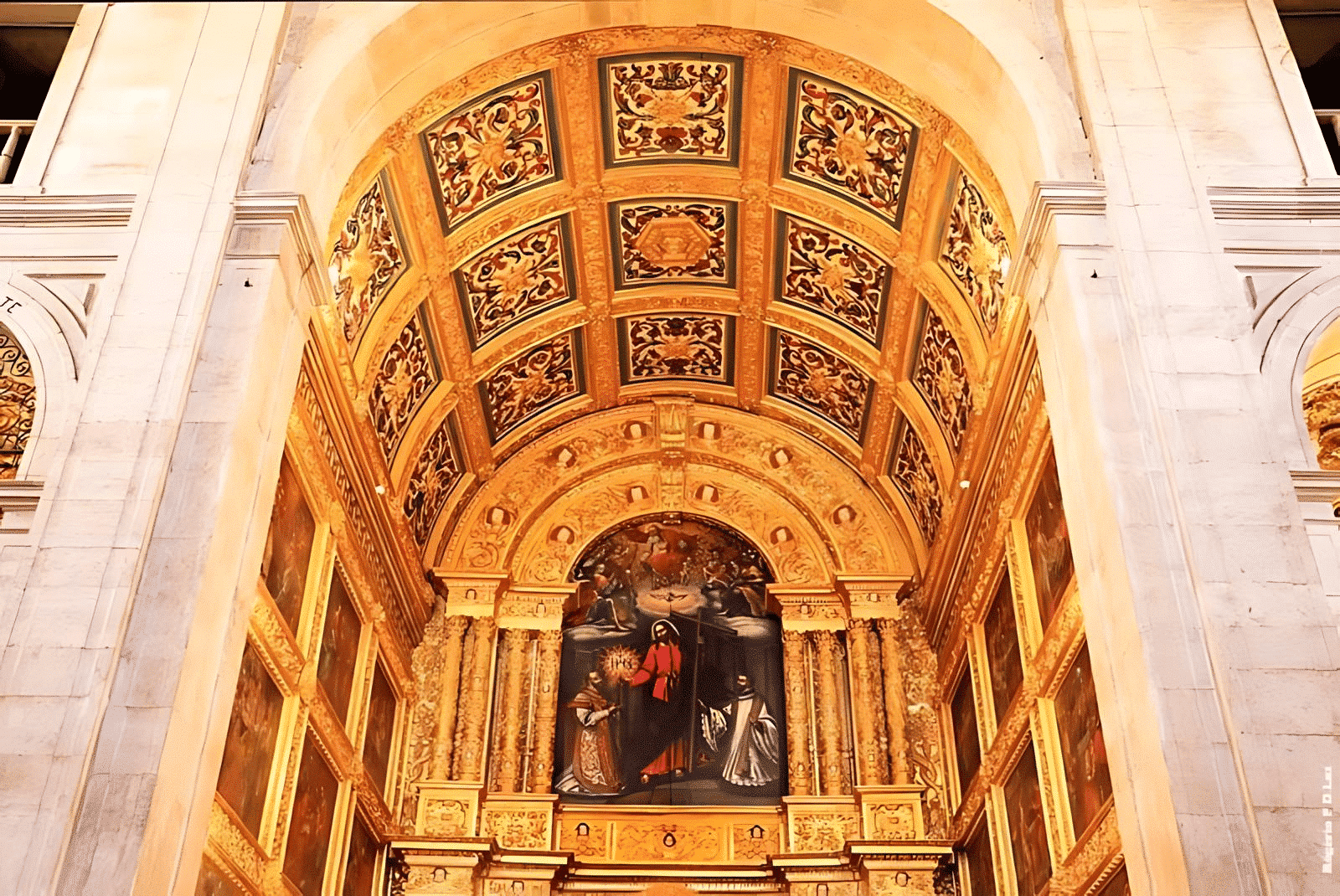
1. Altar Mother
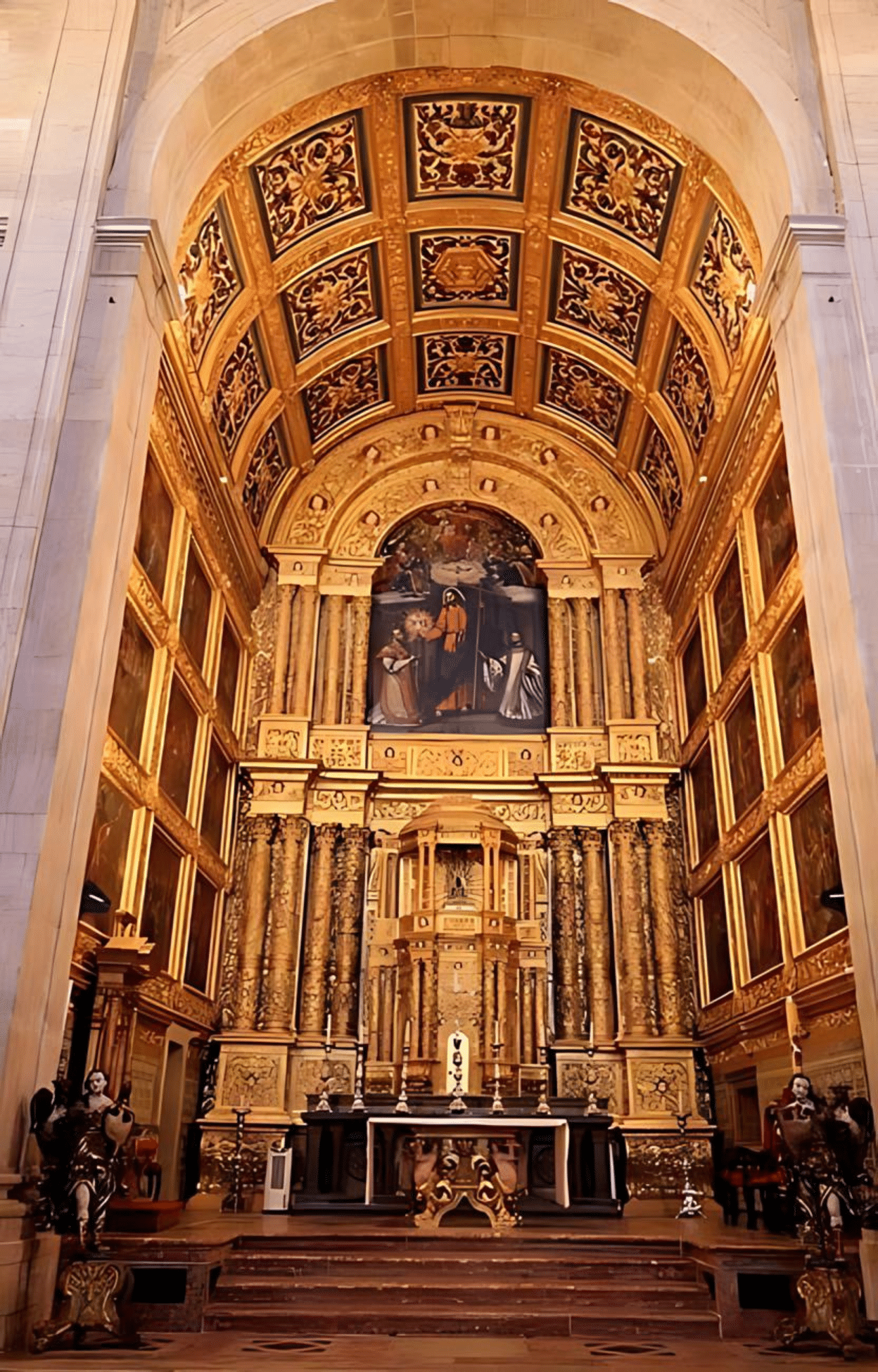
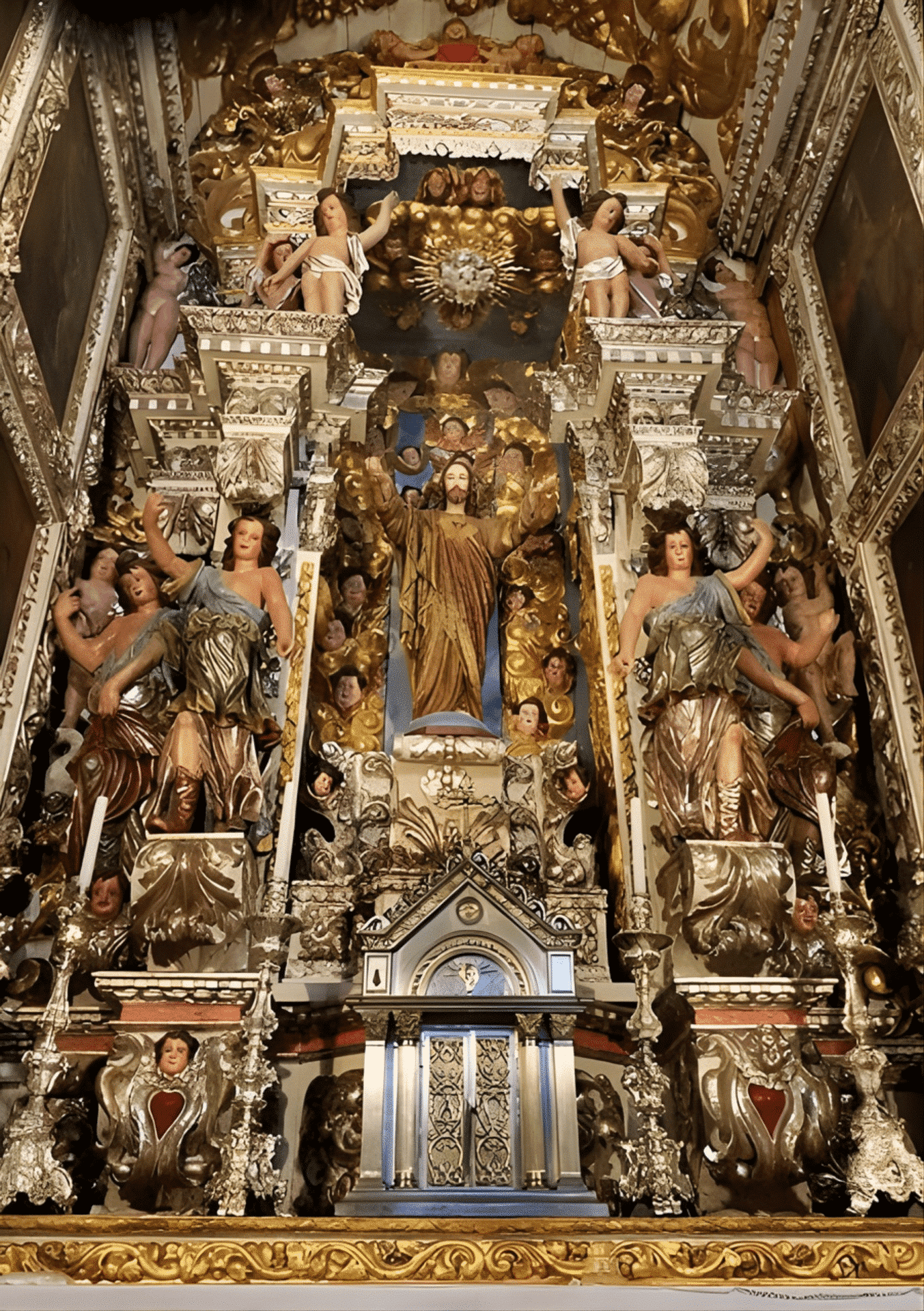
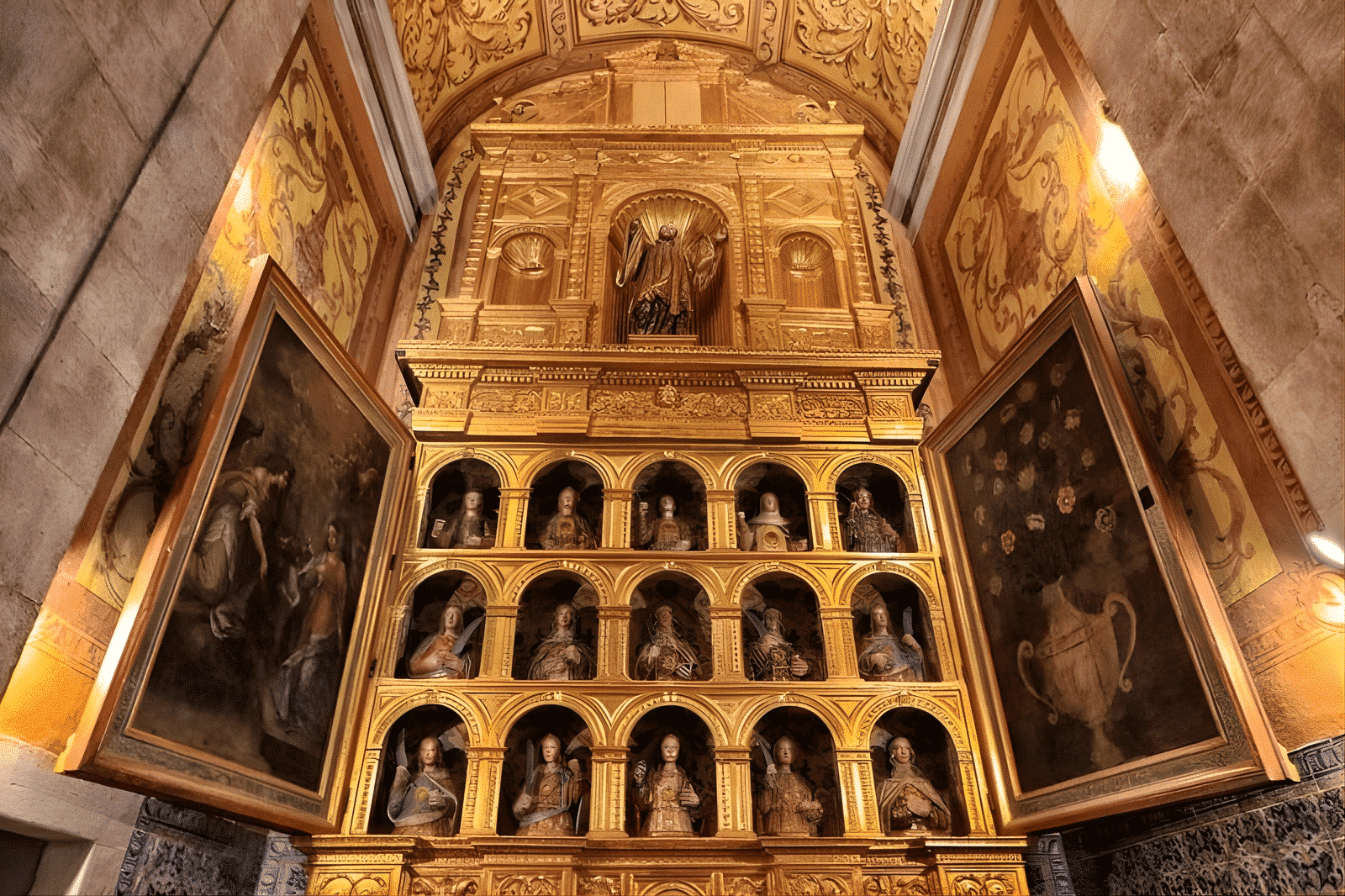
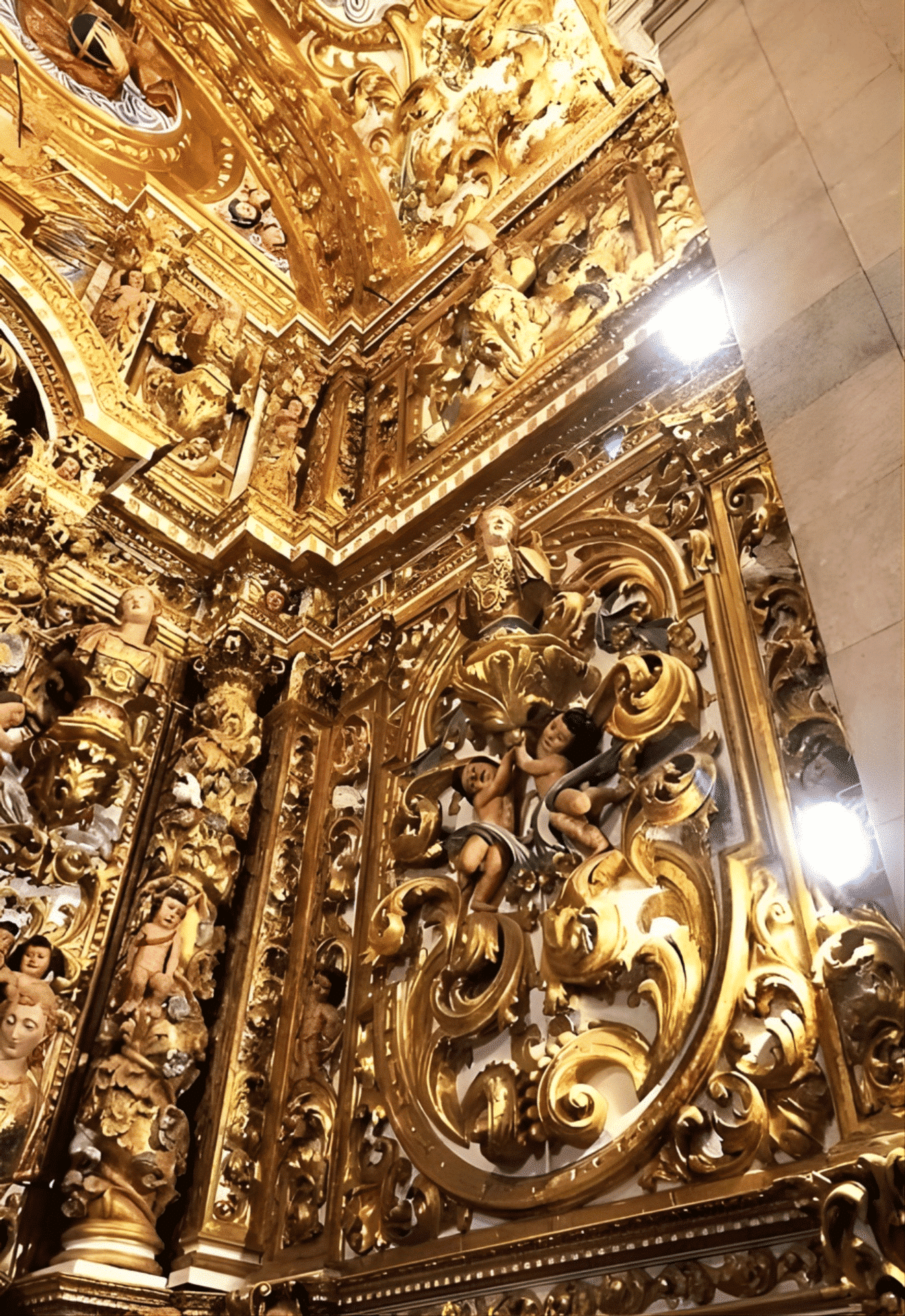
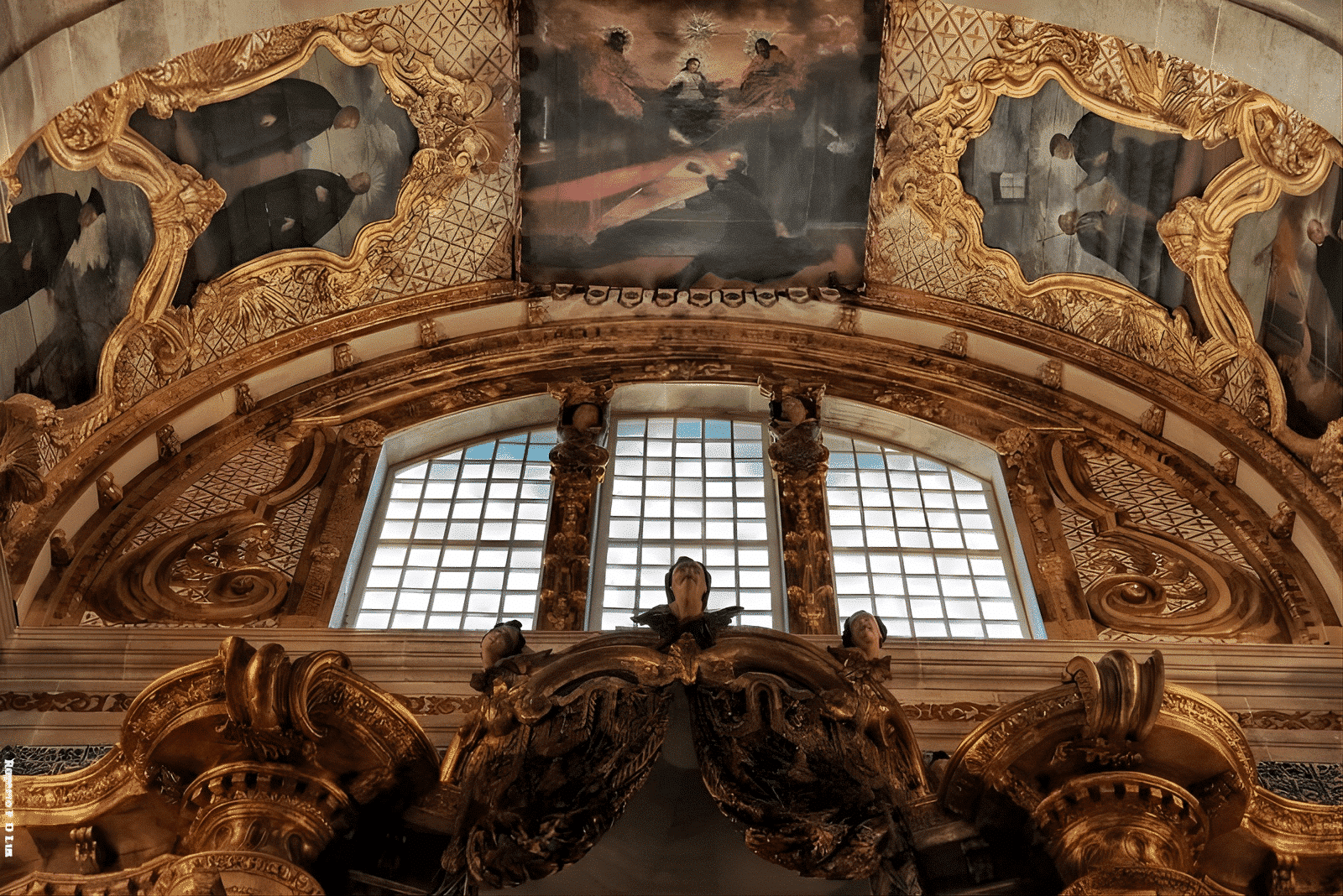
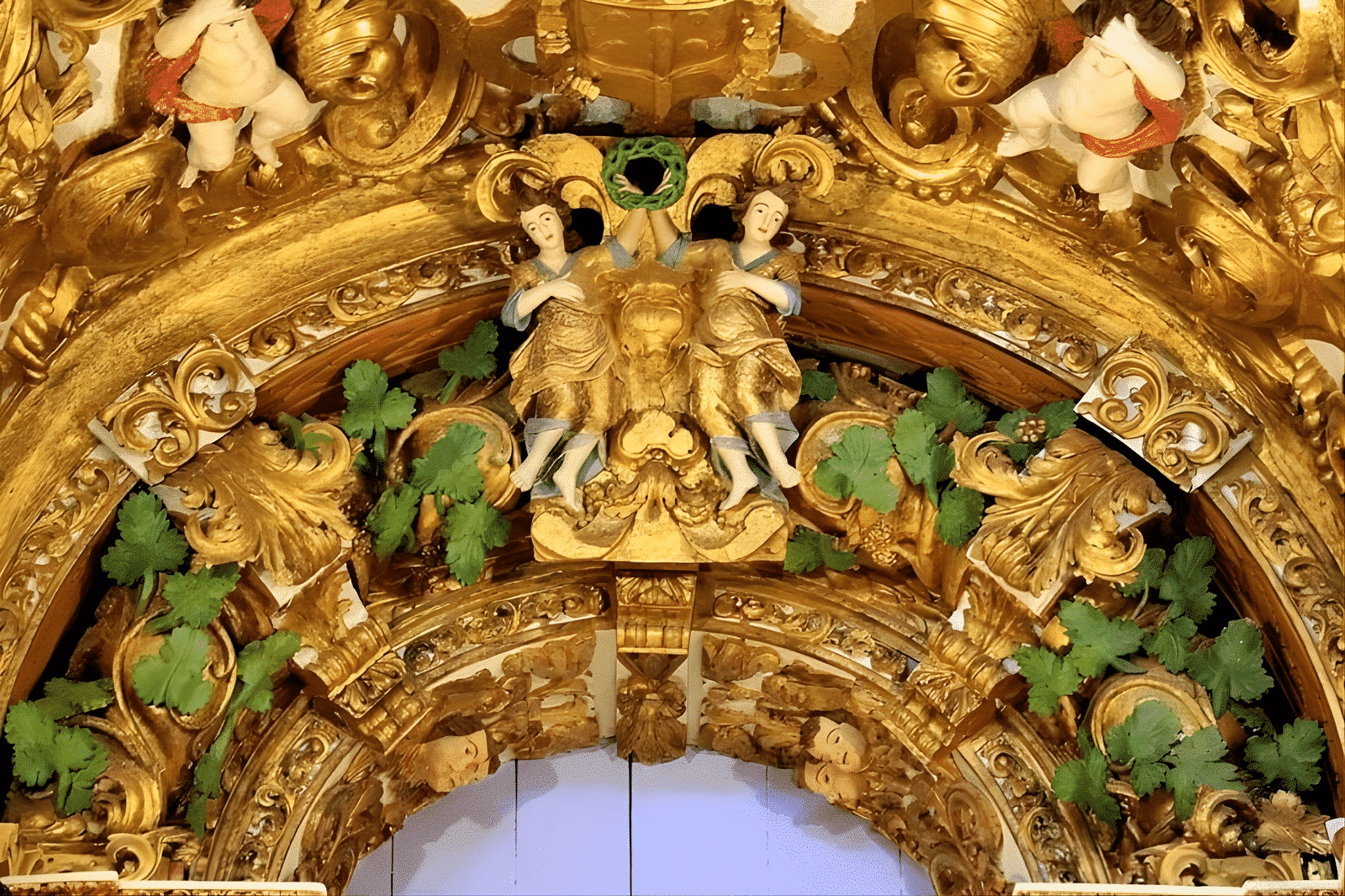
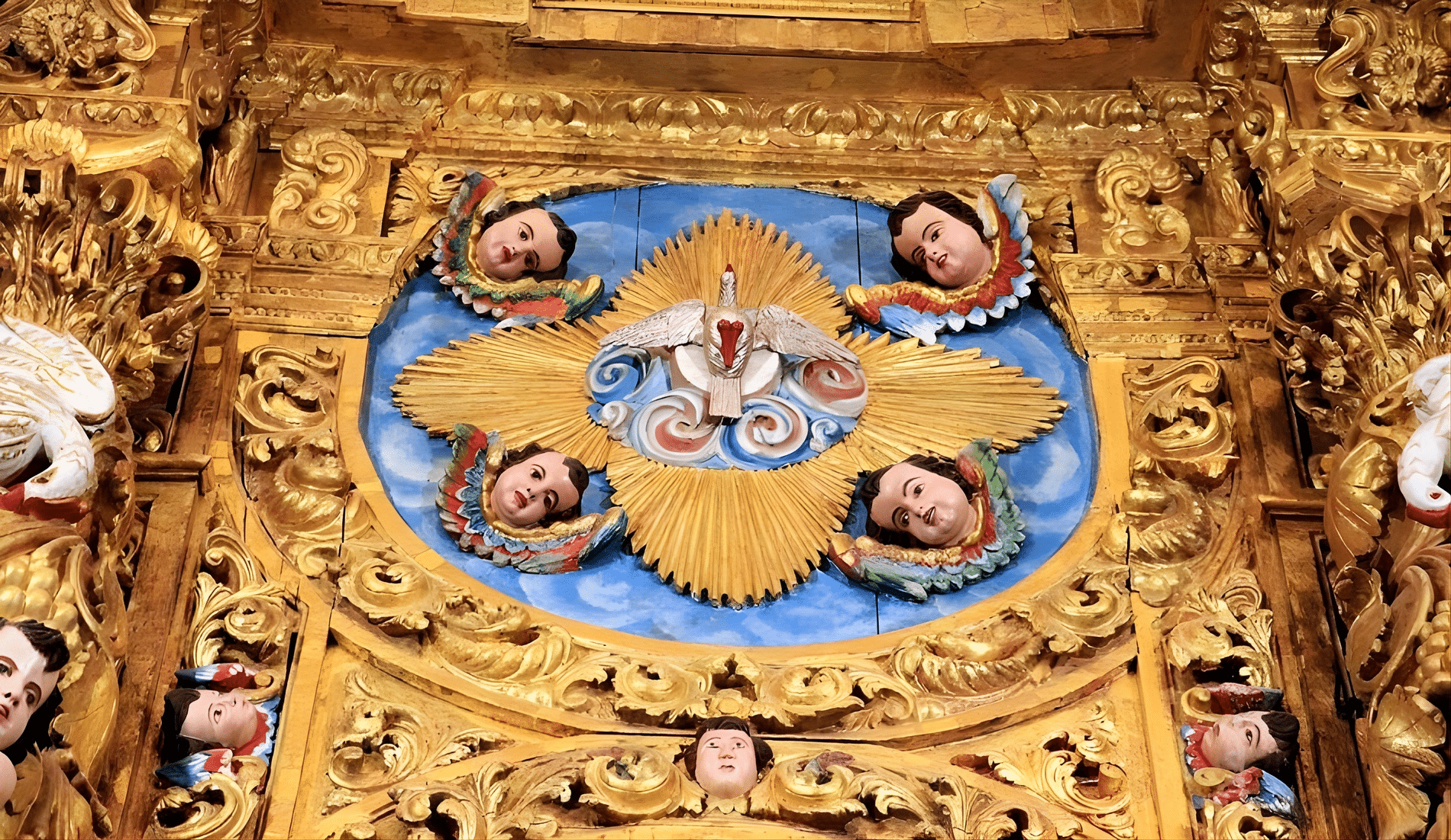
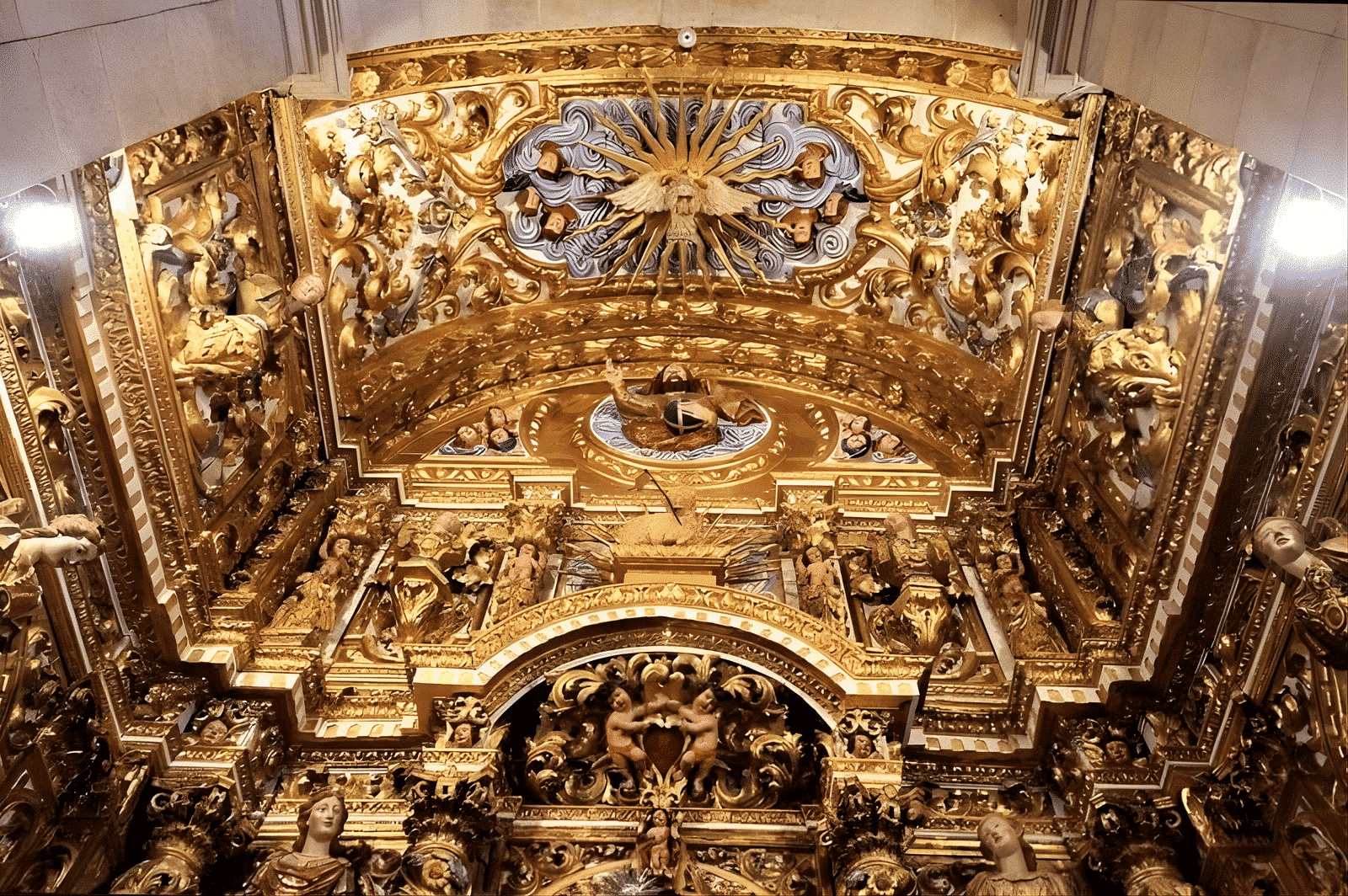
Dating from 1665–1670 and created by Brother João Correia and his assistants, it is one of the few Mannerist carvings in Brazil and is richly gilded. In 1670, an upper dressing room was opened featuring panels depicting Saint Ignatius and Saint Francis Xavier, painted by Domingos Rodrigues.
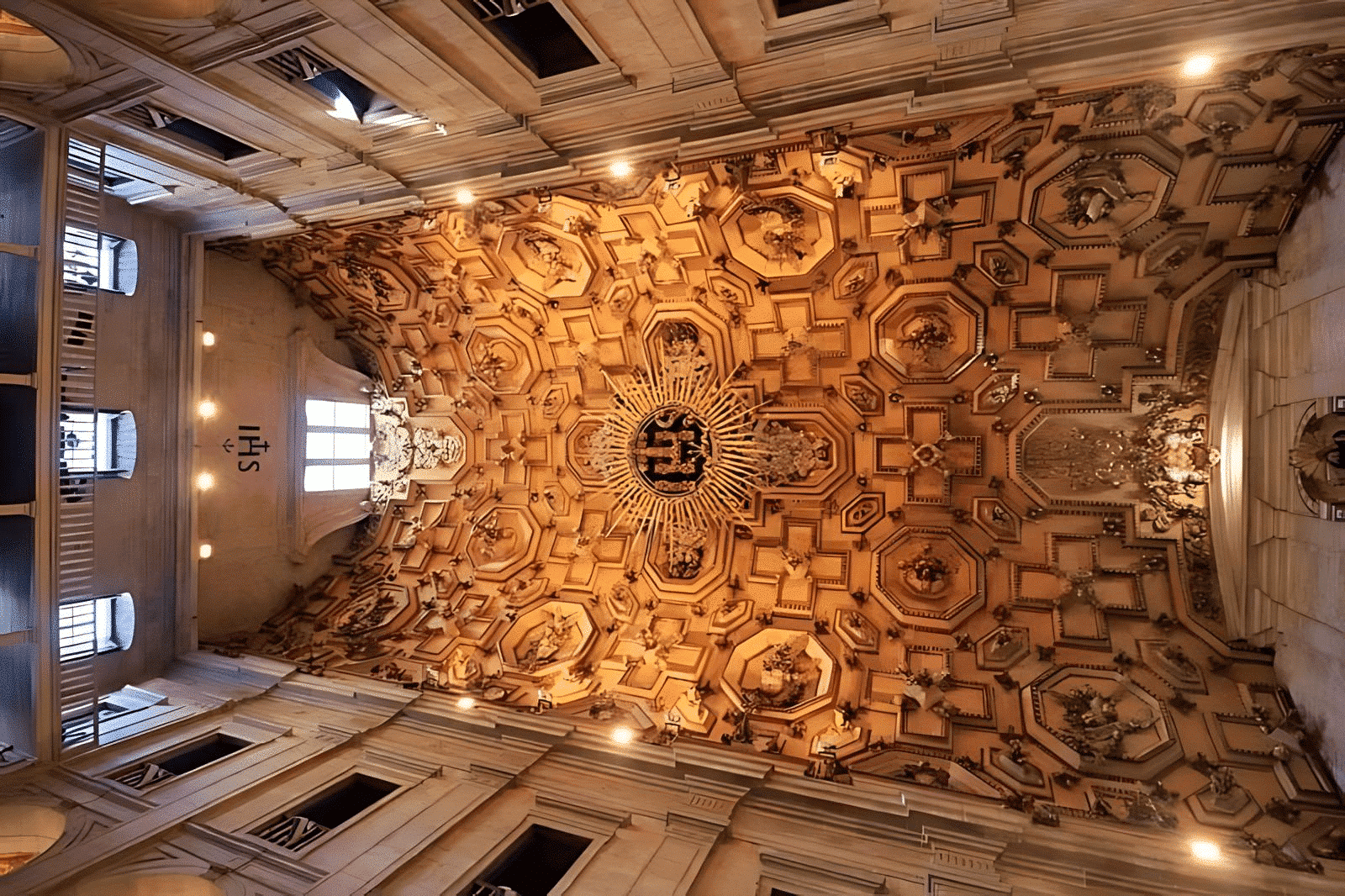
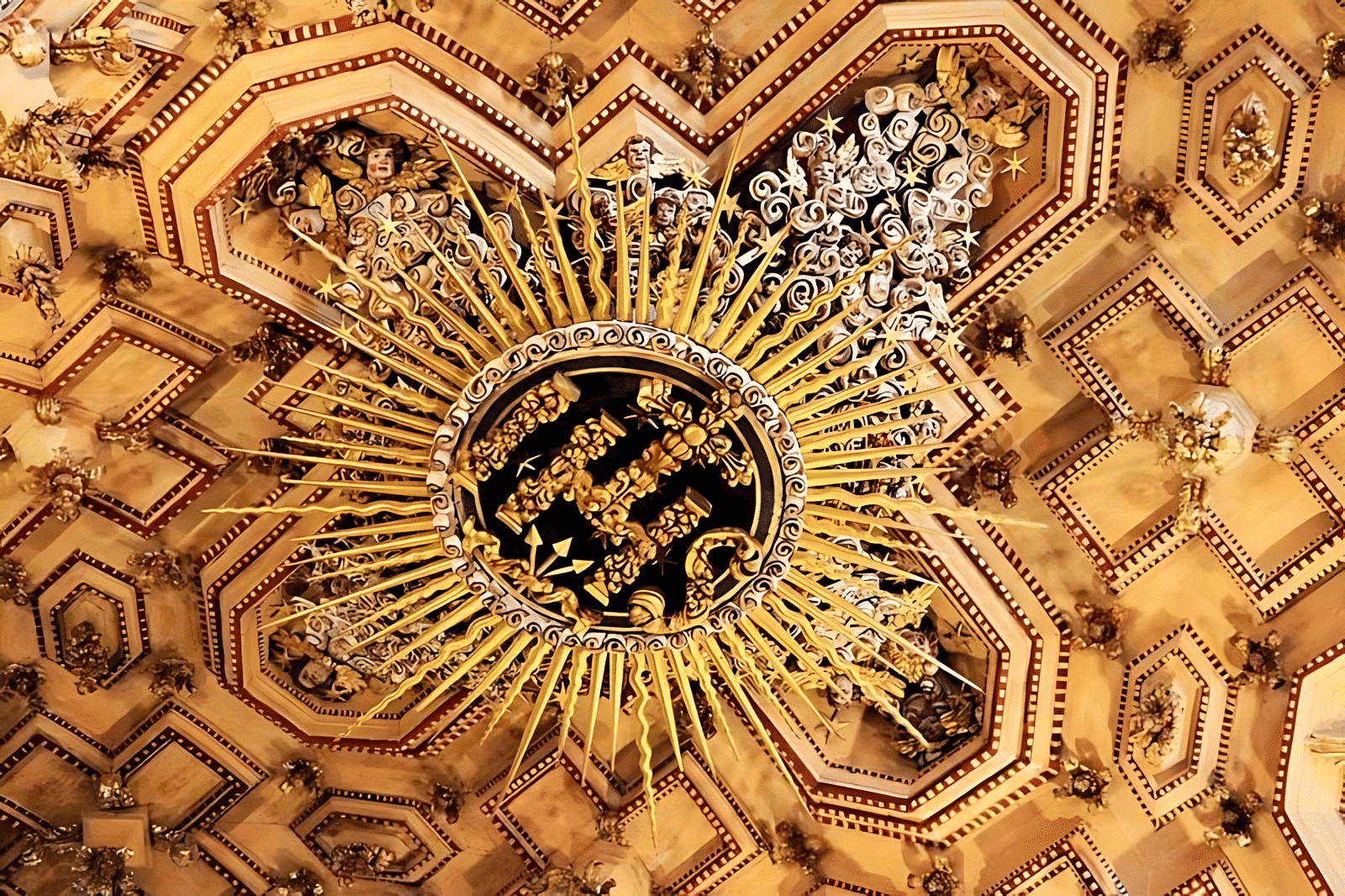
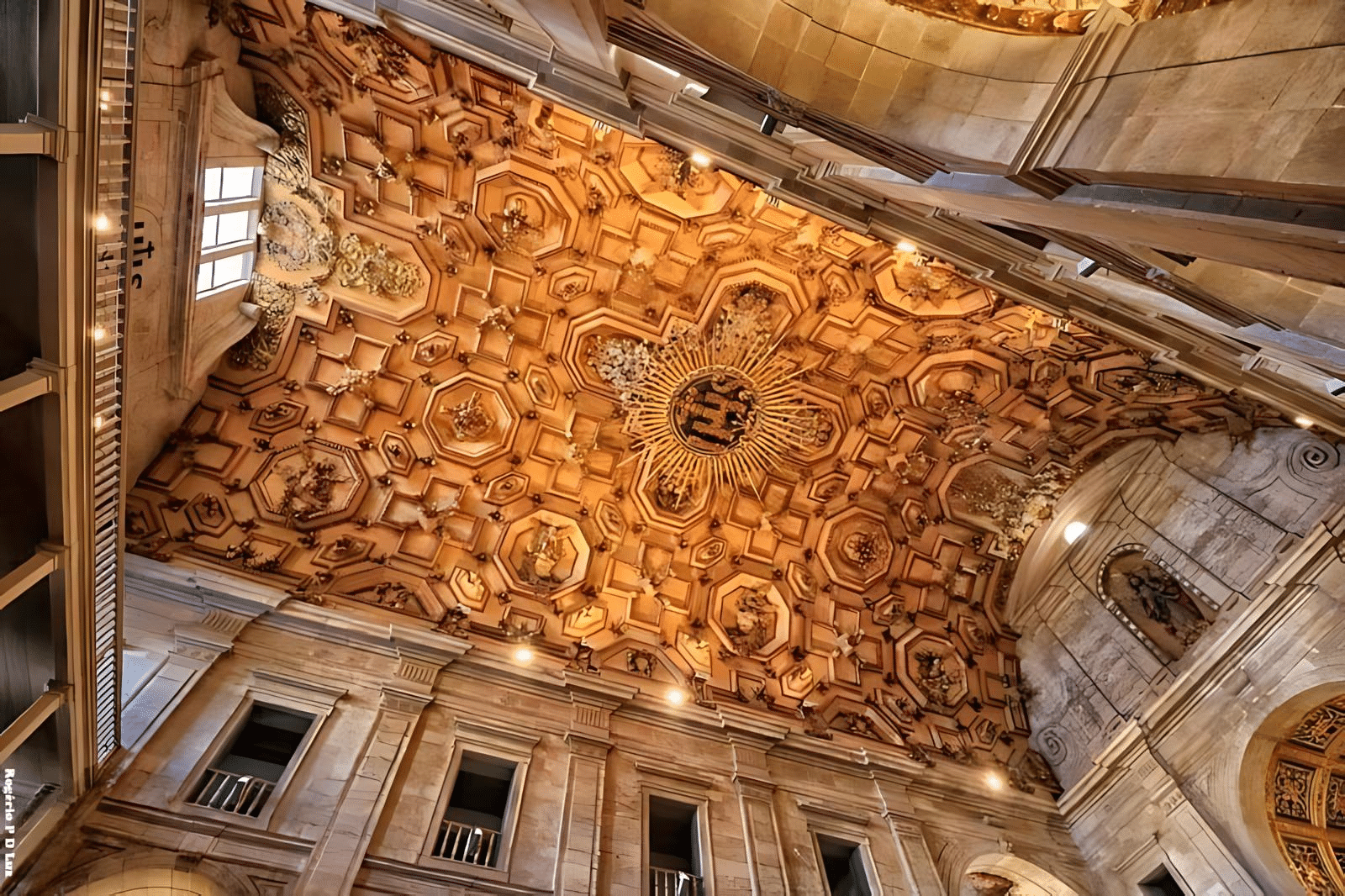
2. Teto da nave
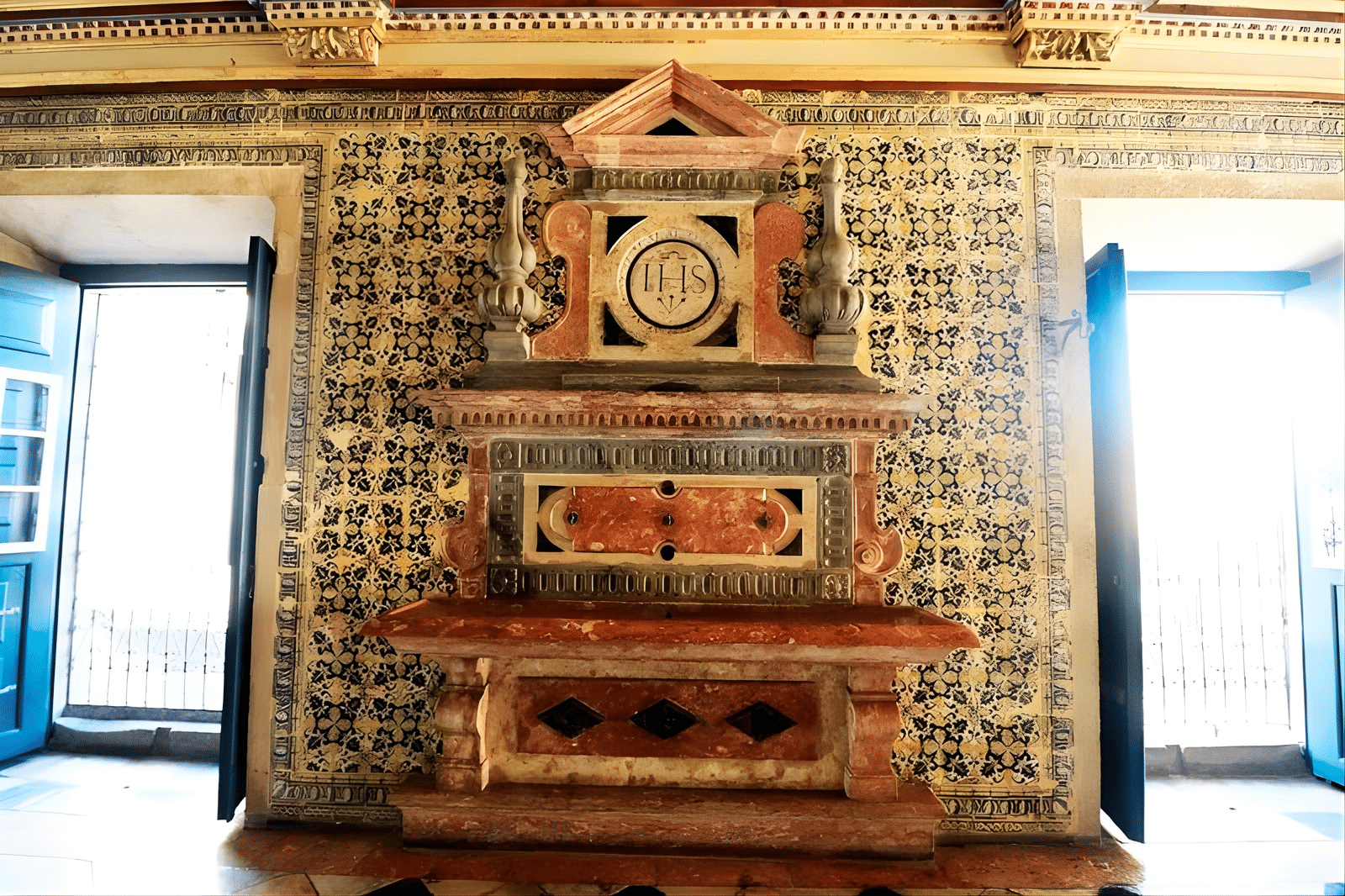
It is decorated with carved Jesuit symbols. In the centre is a large, radiant medallion bearing the monogram IHS (Iesus Hominum Salvator).
3. Side altars
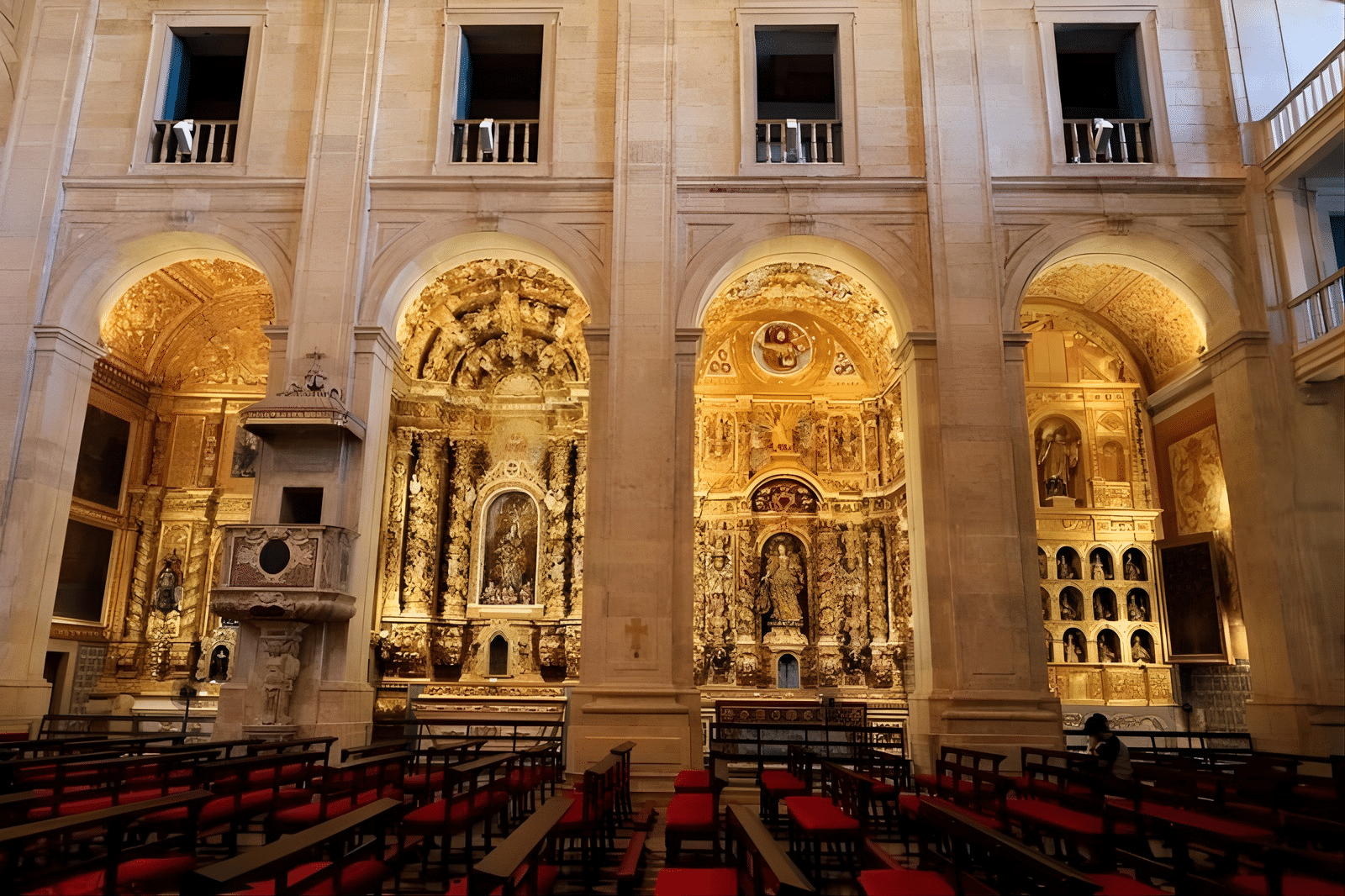
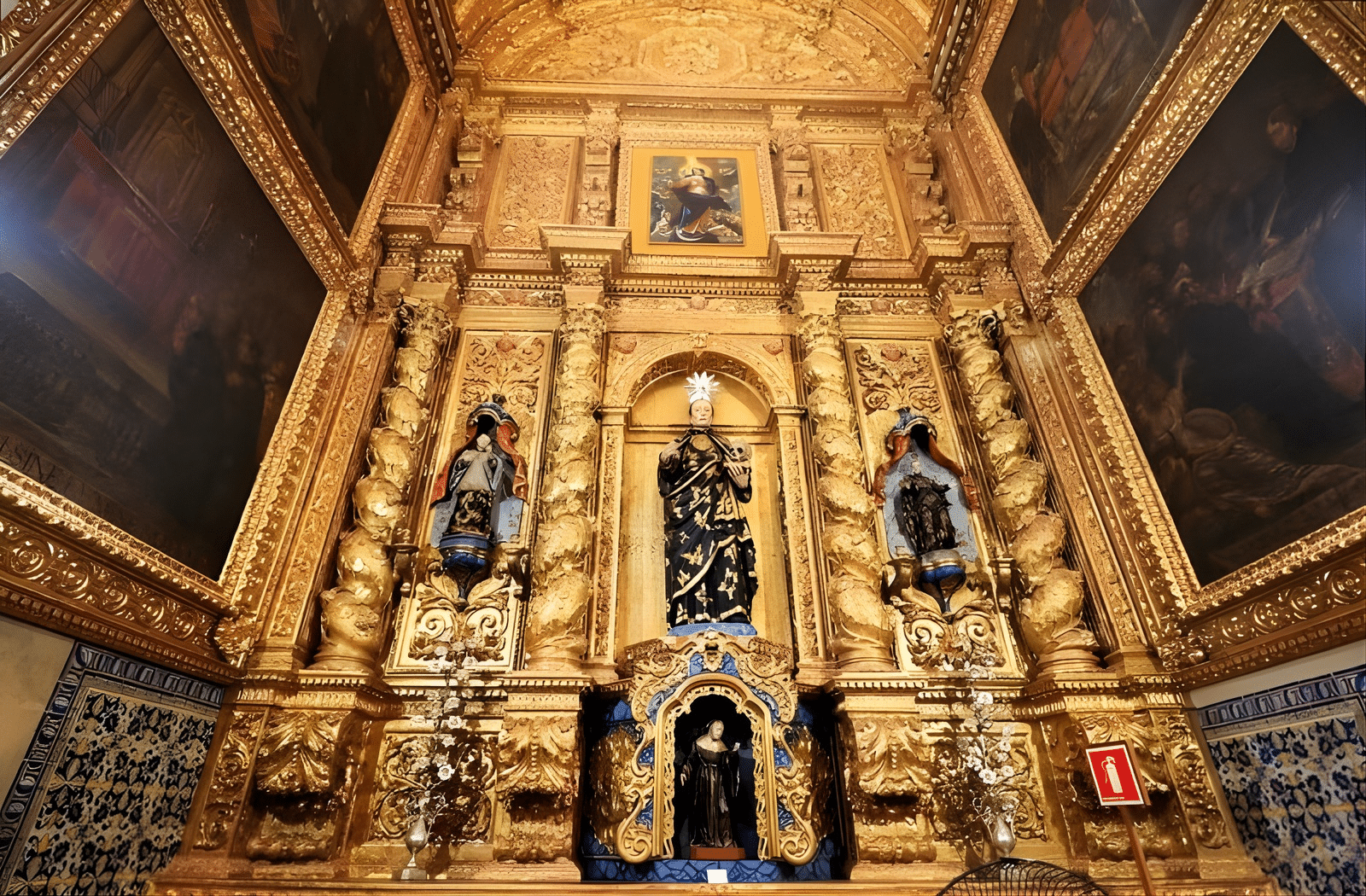
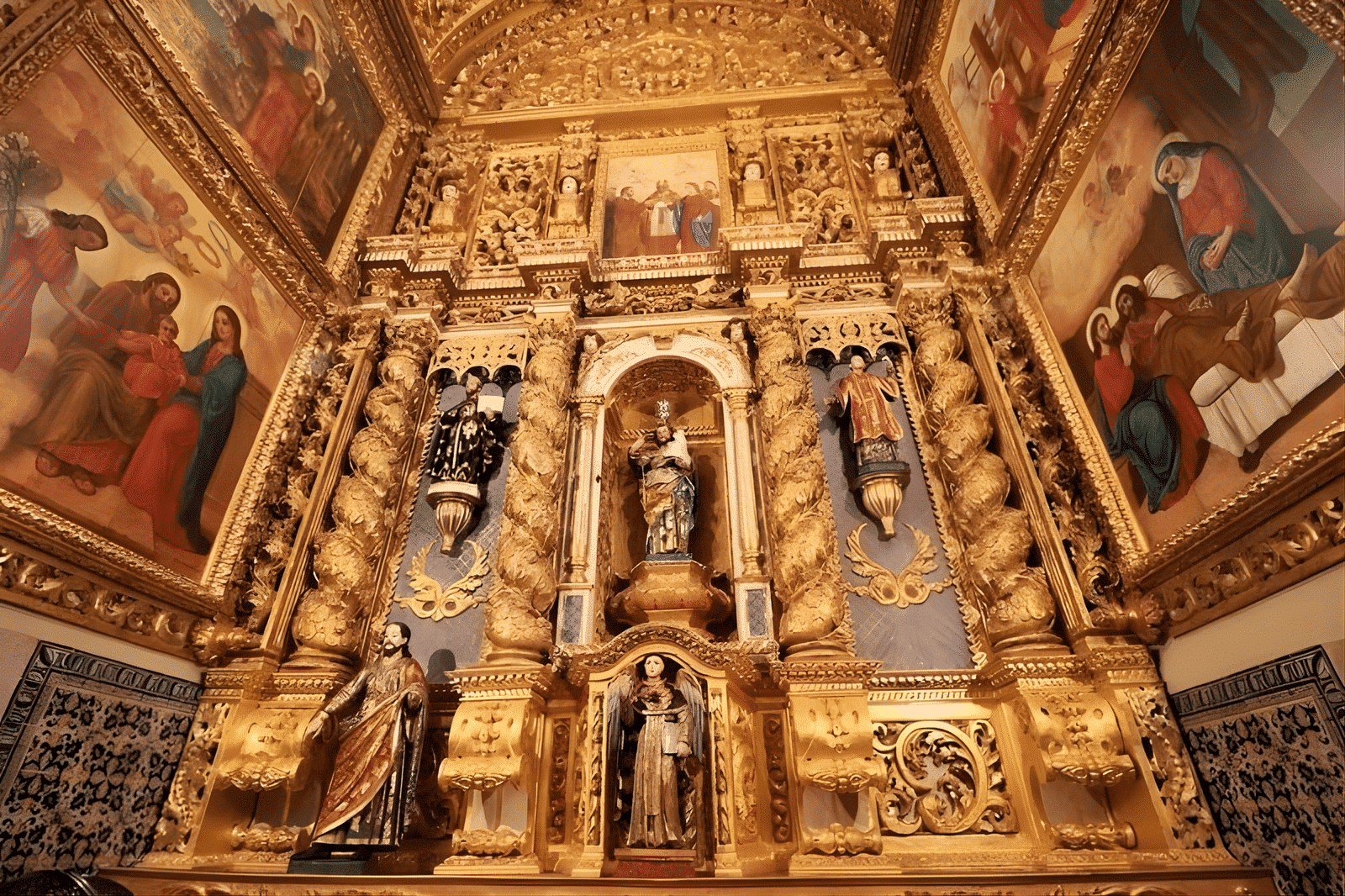
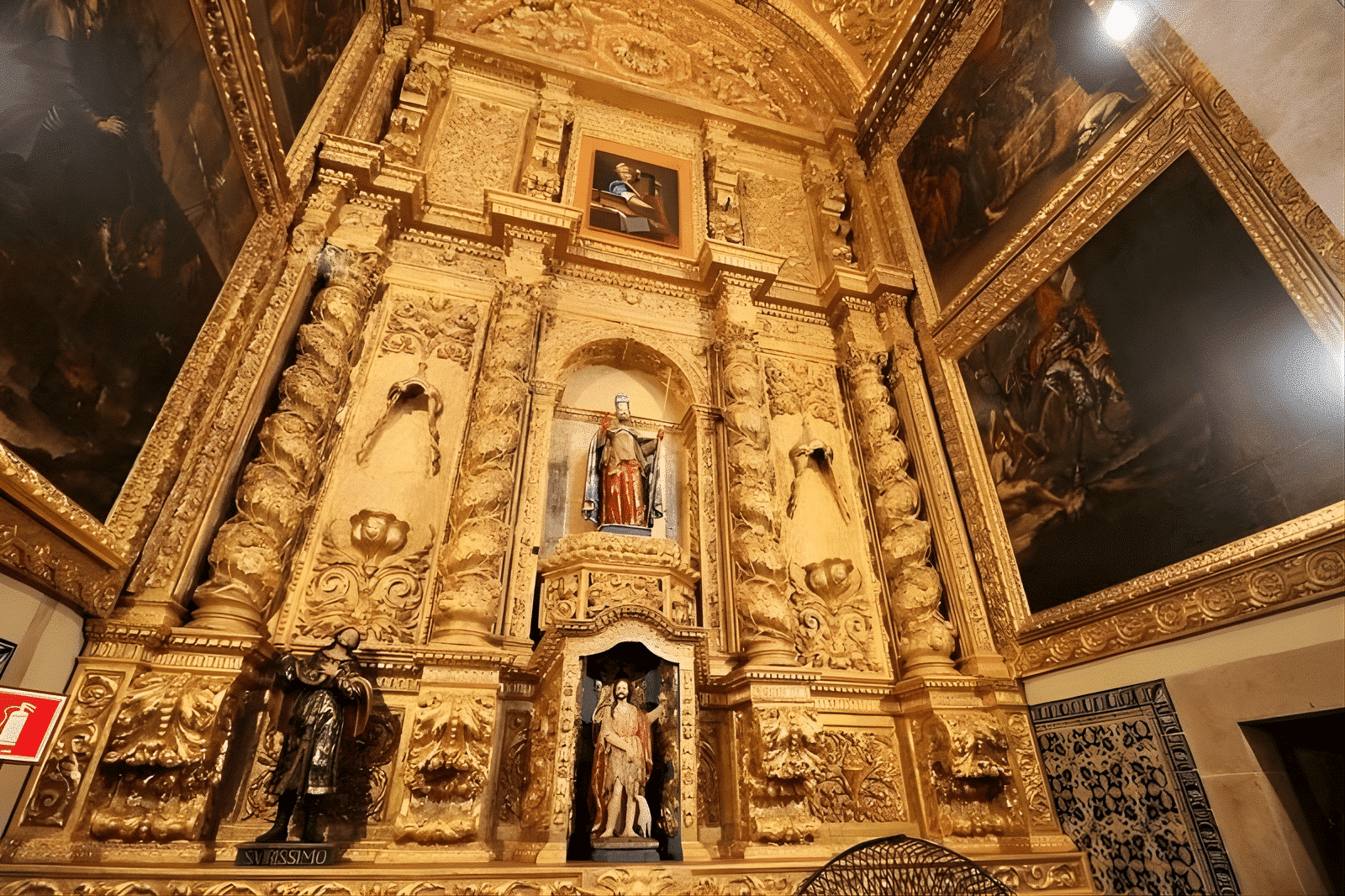
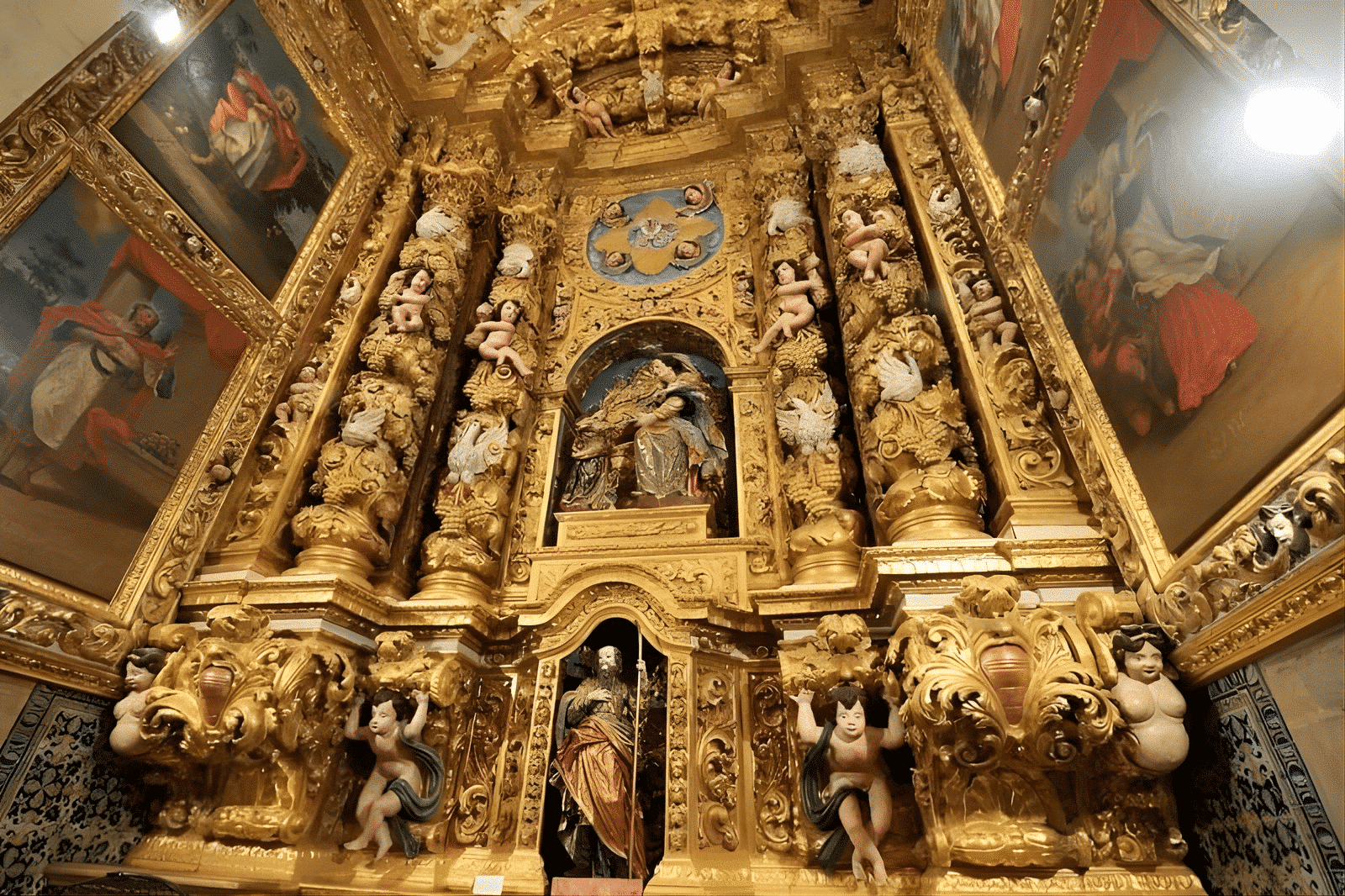
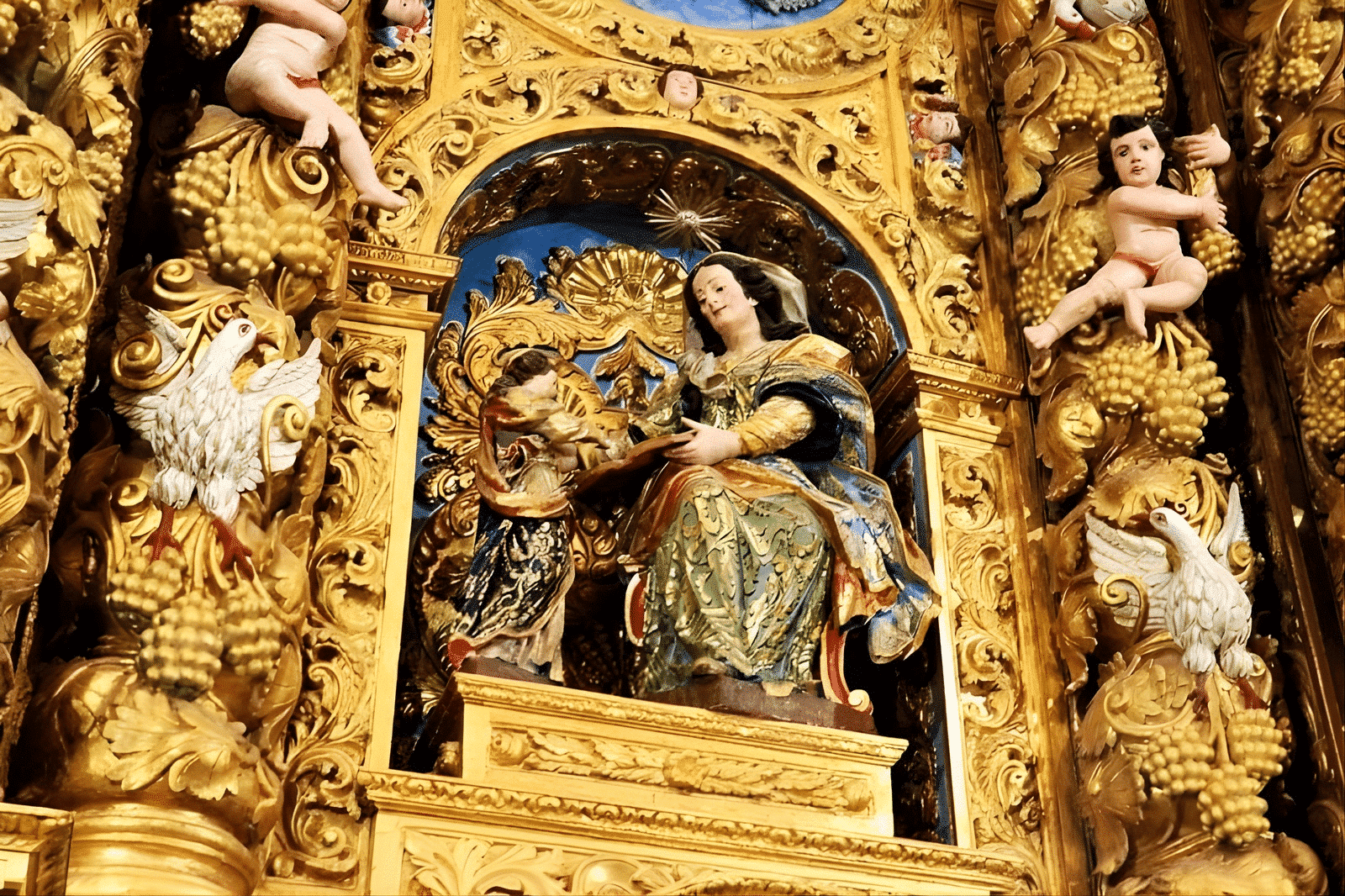
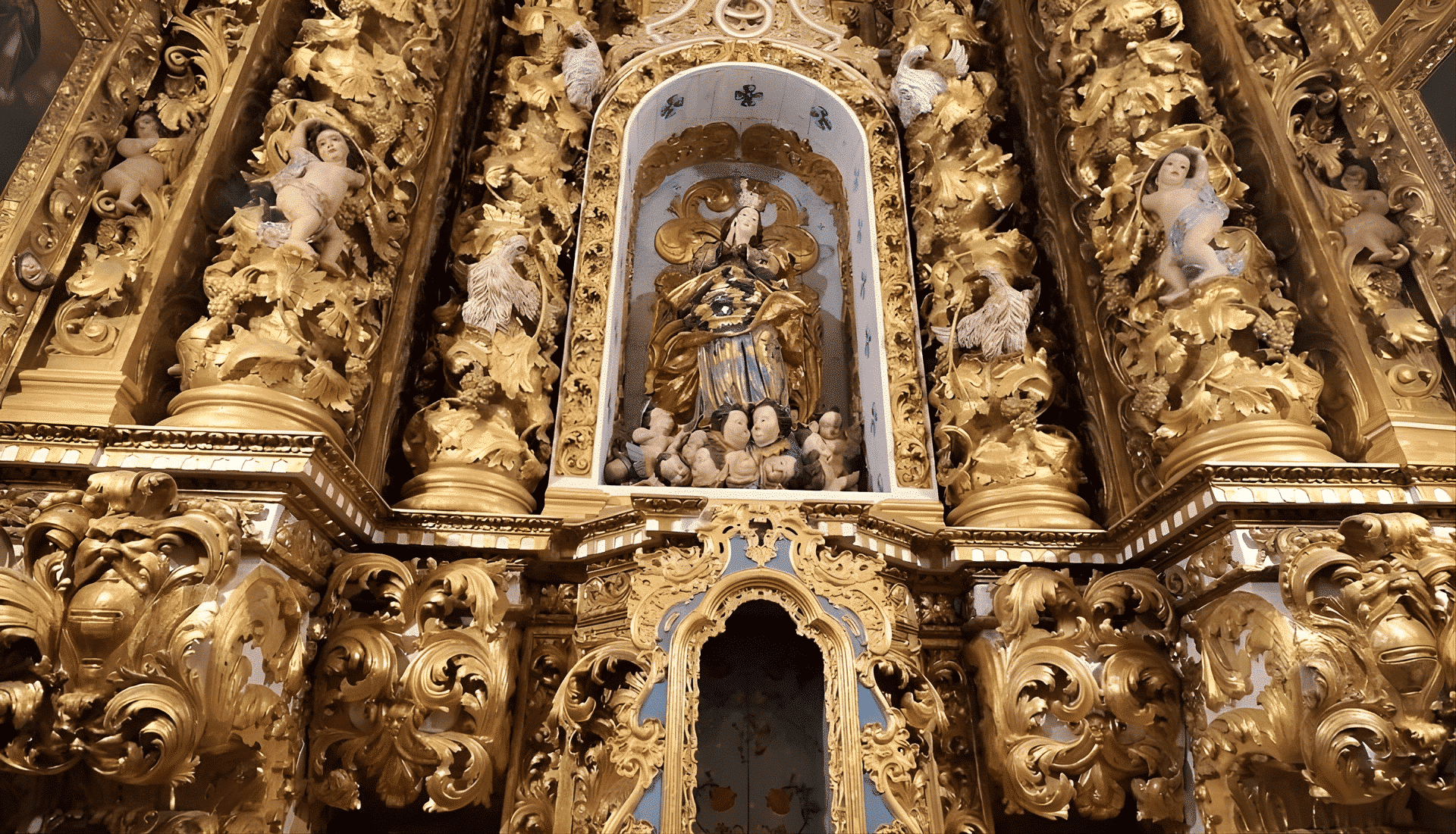
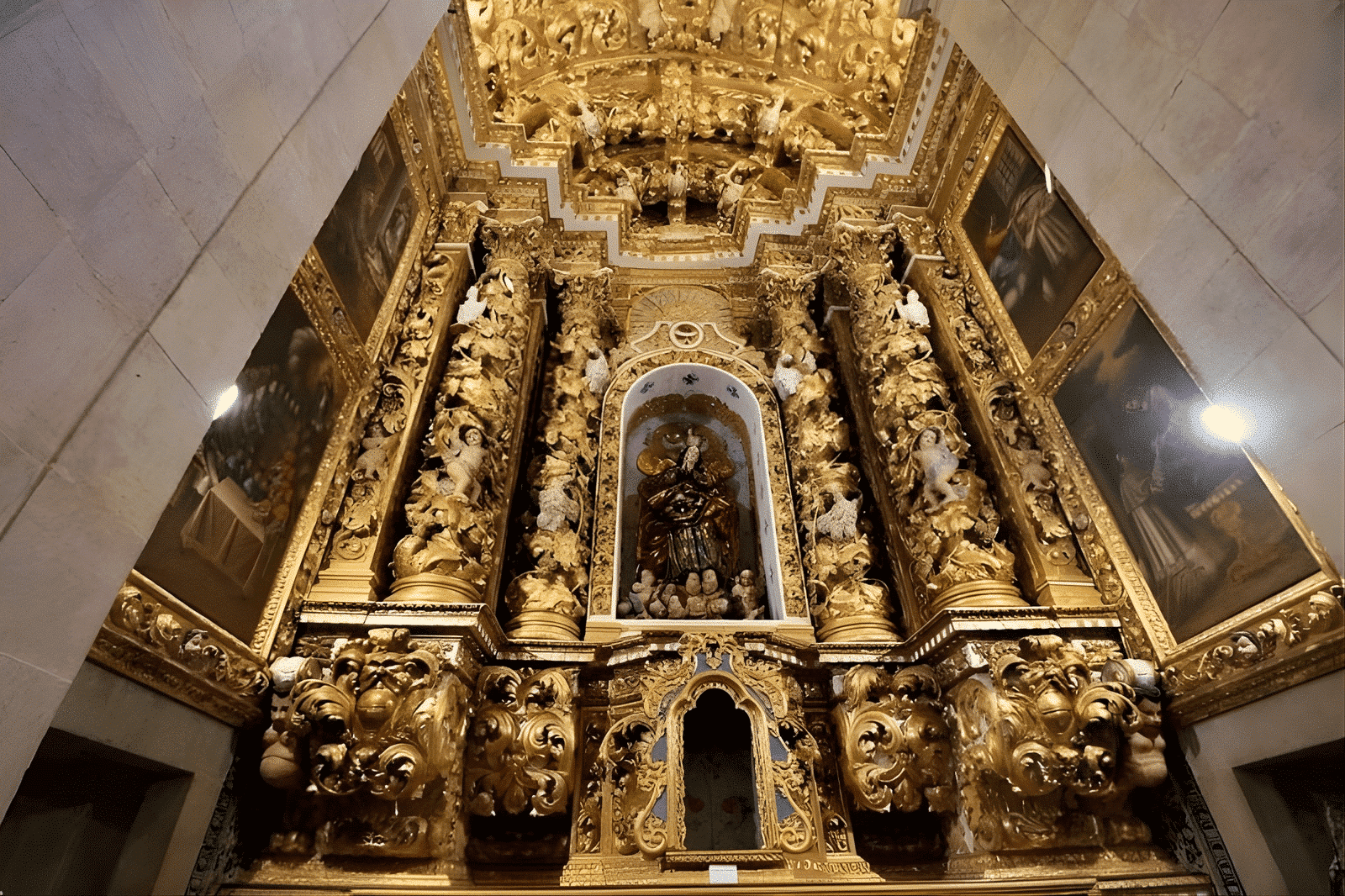
Even though the background has been altered, the chapel to the right of the high altar (now Nossa Senhora das Dores) still has its carvings and statues.
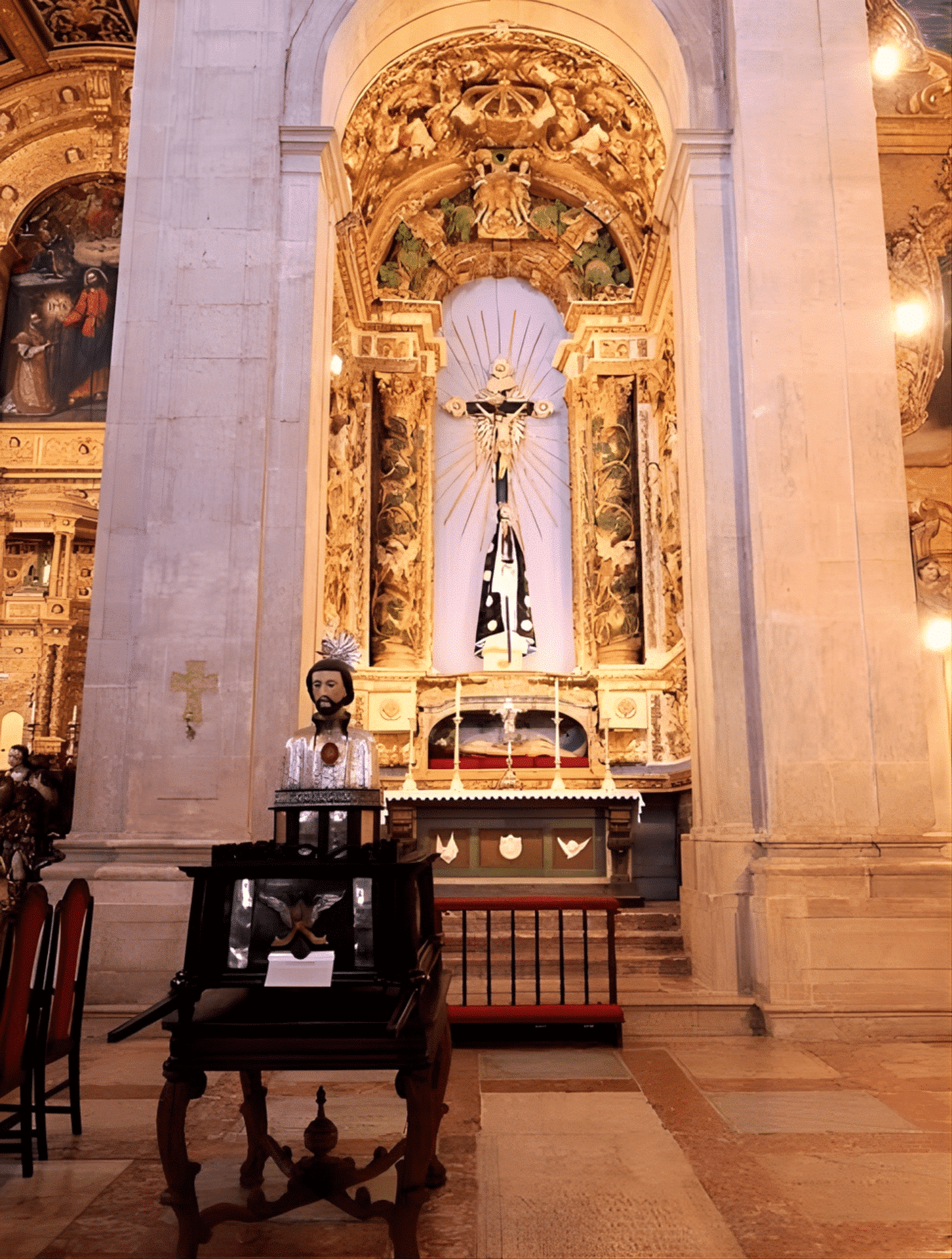
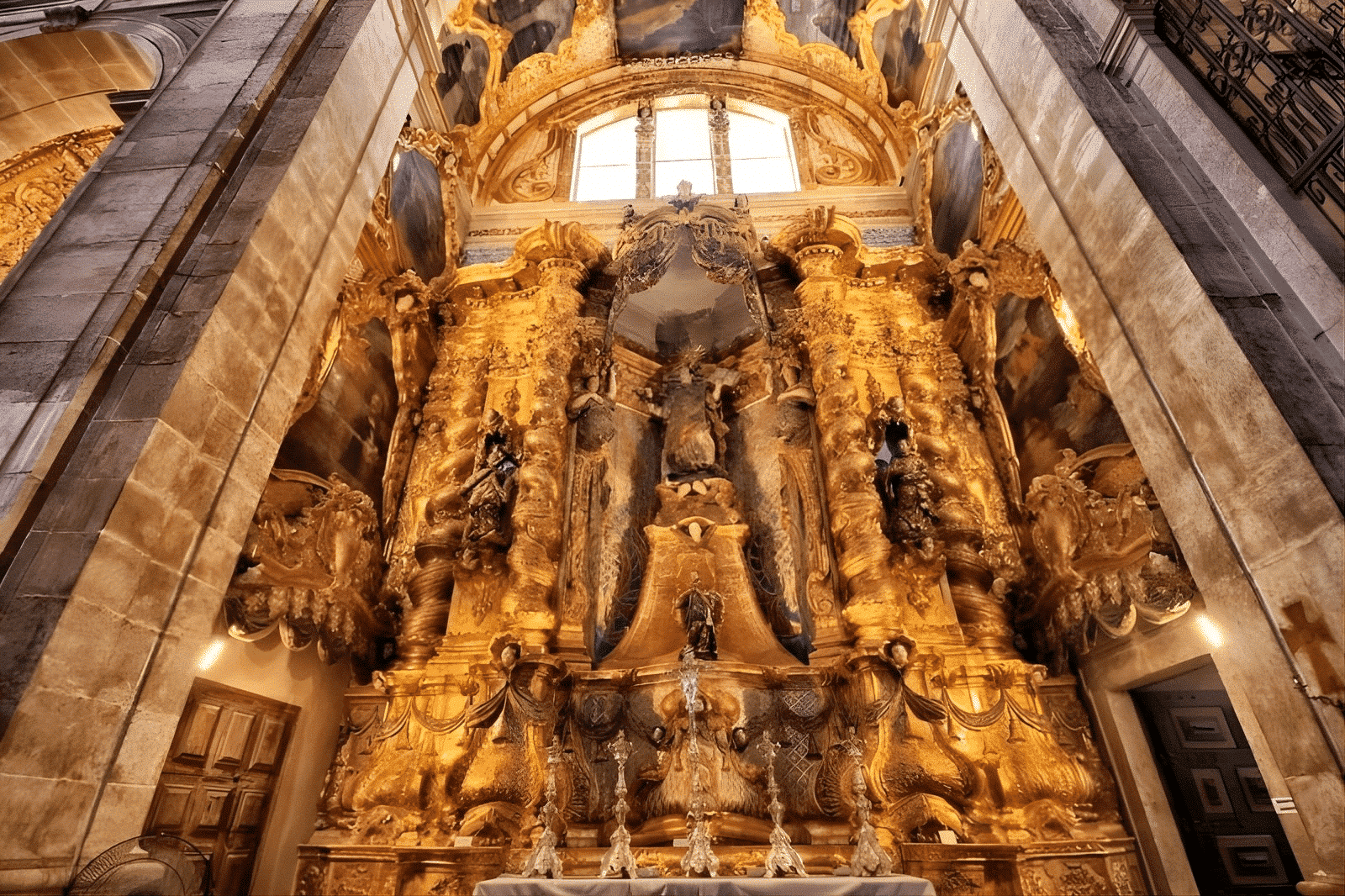
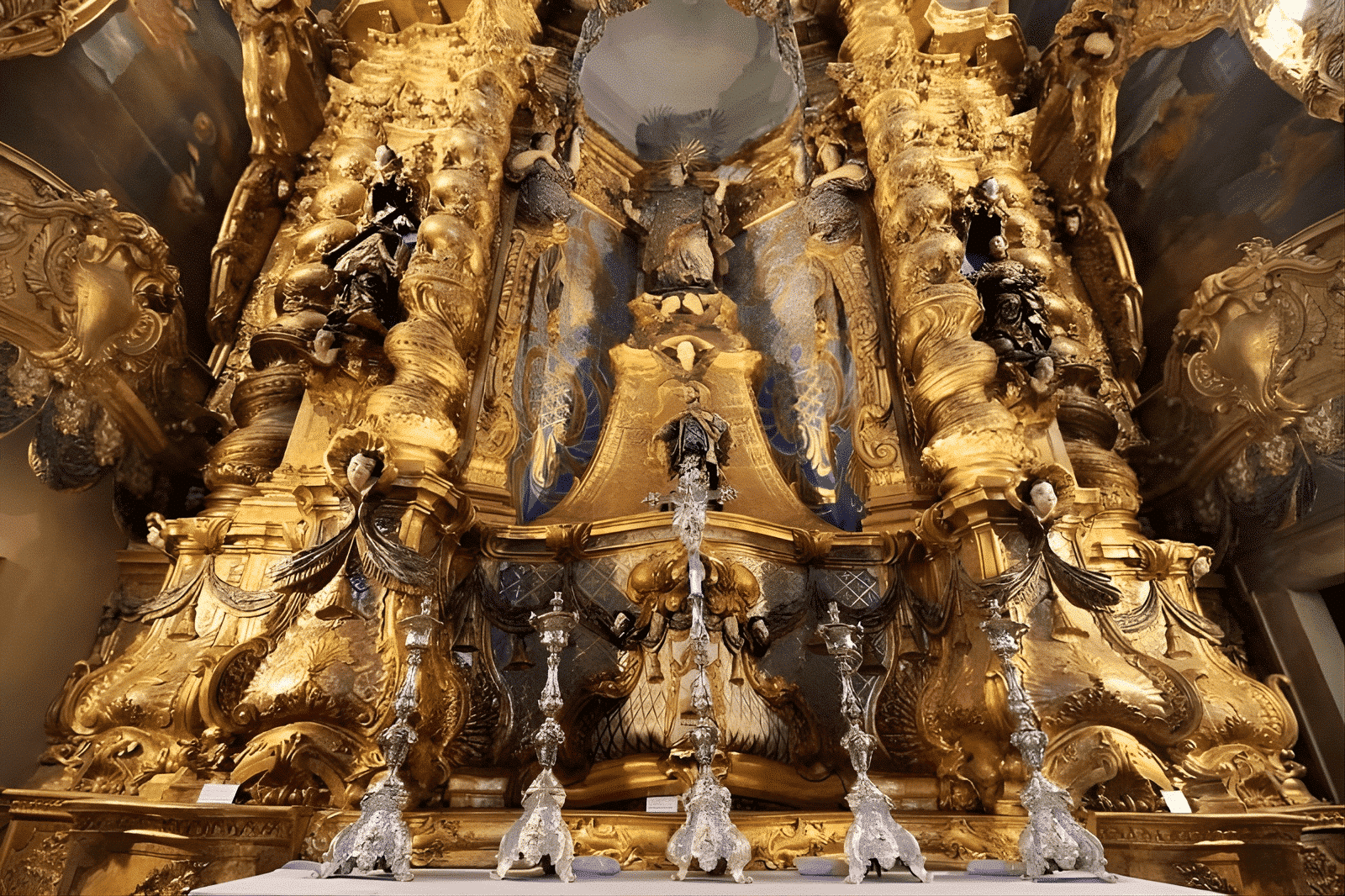
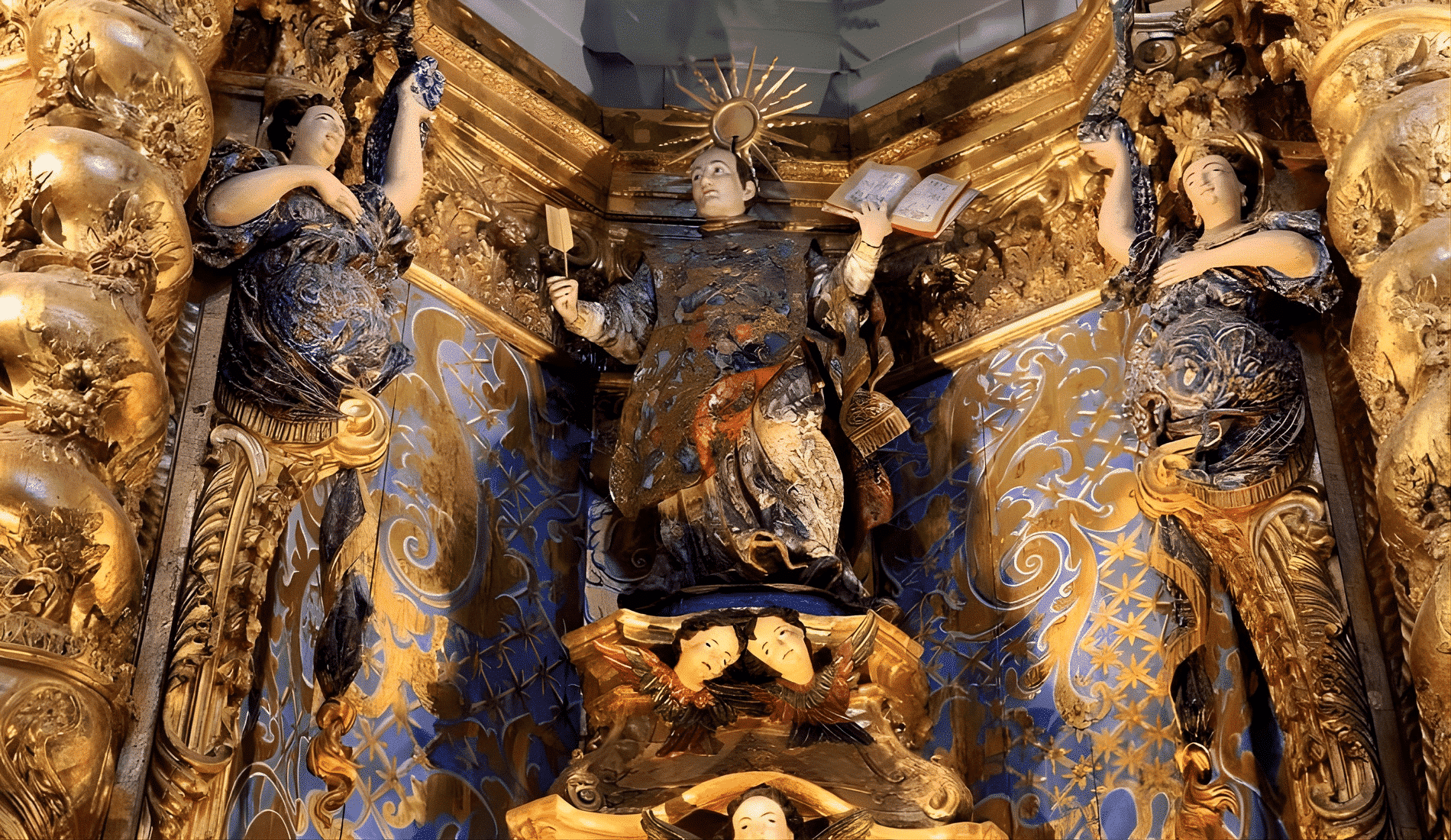
To the left is the Chapel of the Blessed Sacrament, which contains artefacts from the old cathedral, including a diamond-encrusted reliquary, credence tables, and silver palms. The chapels in the transept contain monumental Baroque altars (1754) dedicated to St Francis Xavier and St Ignatius.
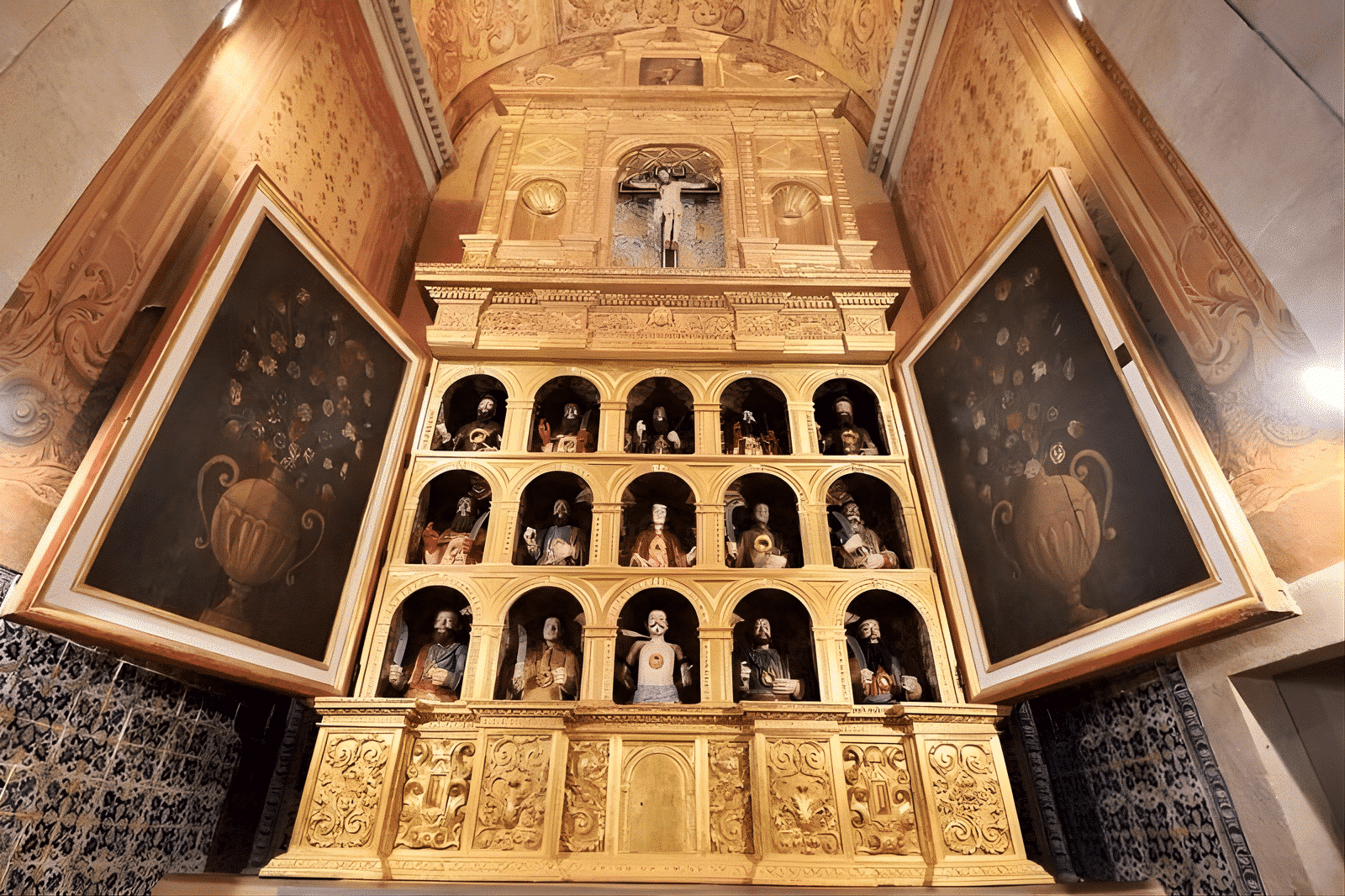
4. Reliquary Busts
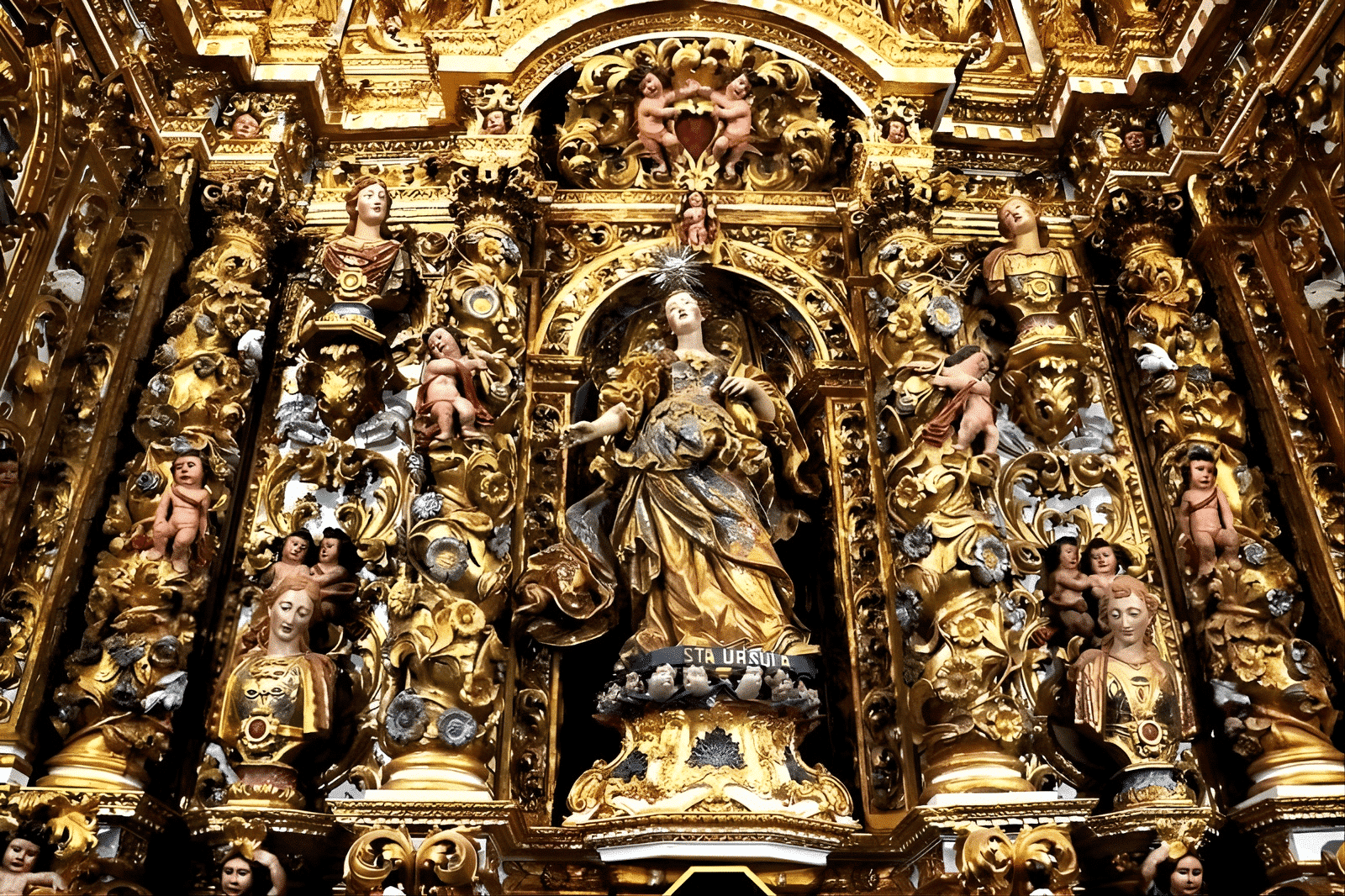
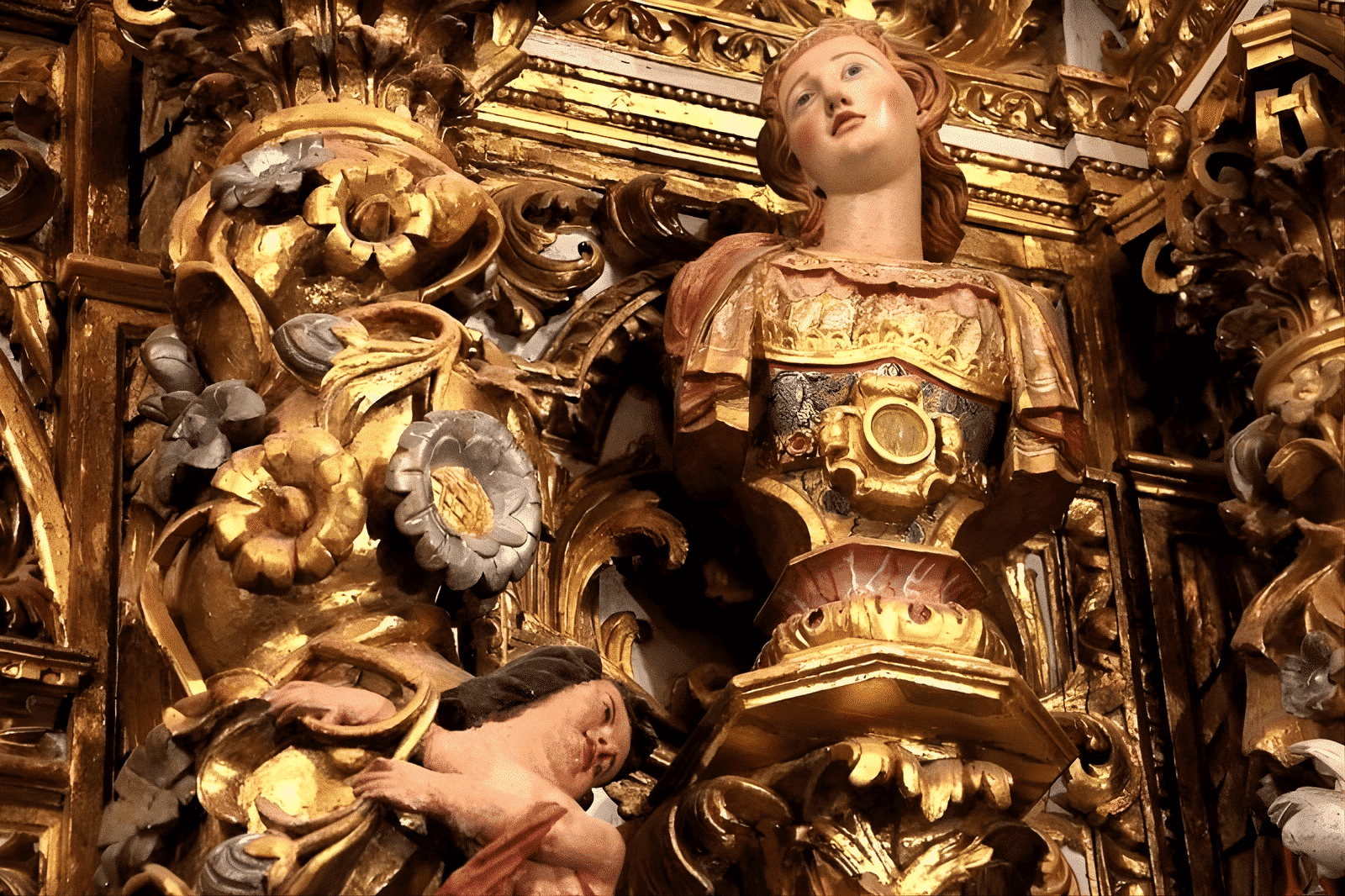
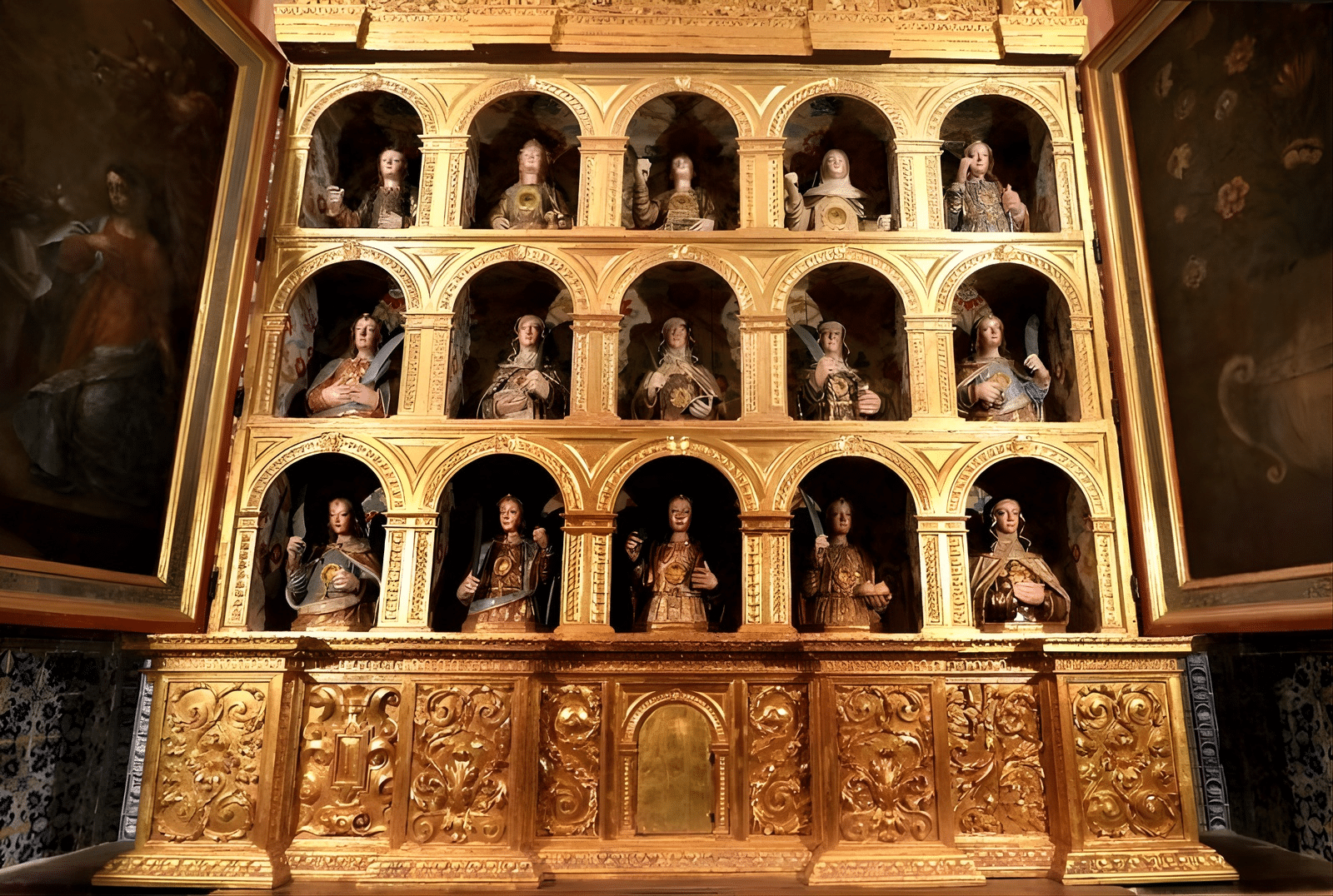
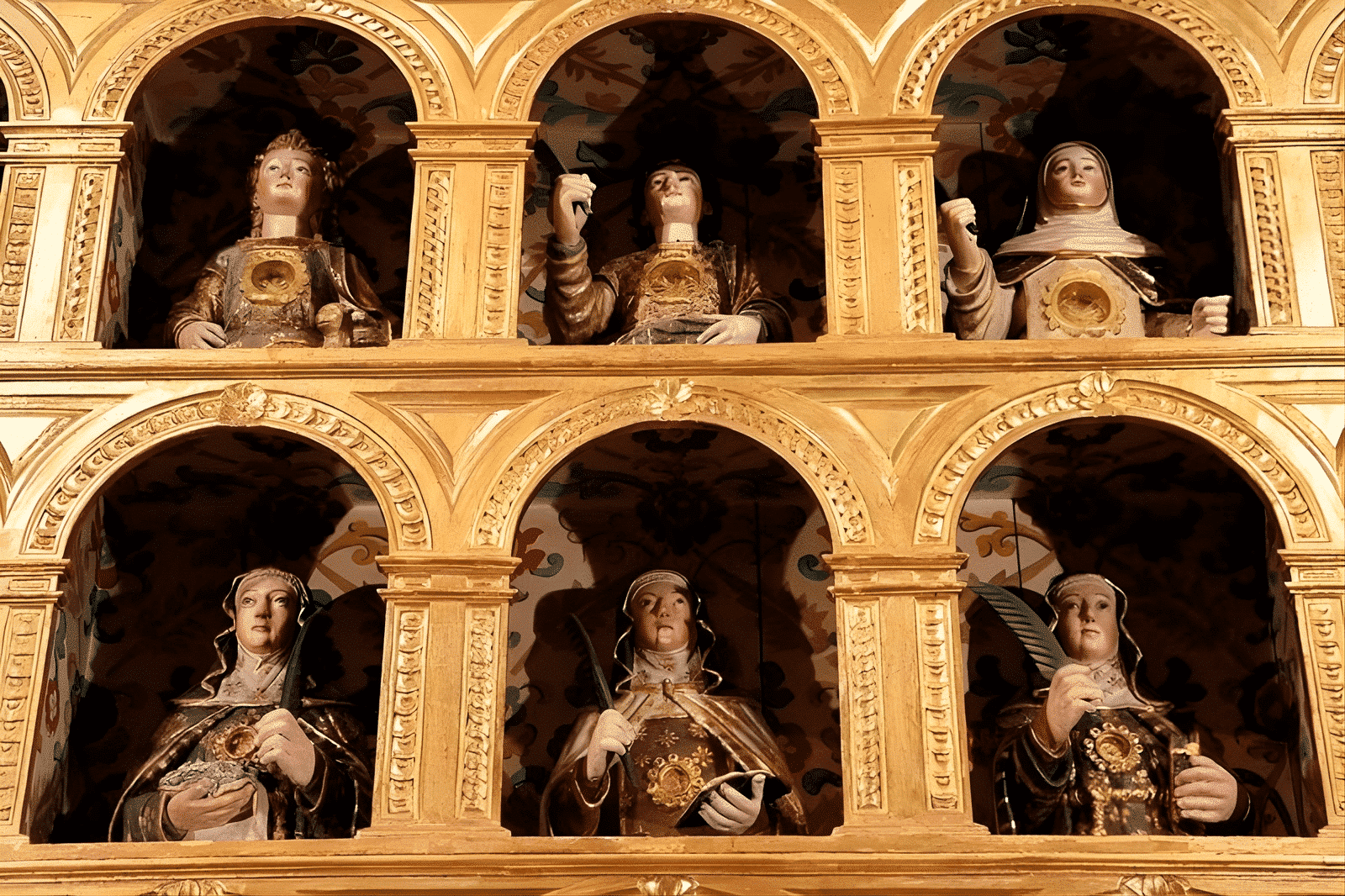
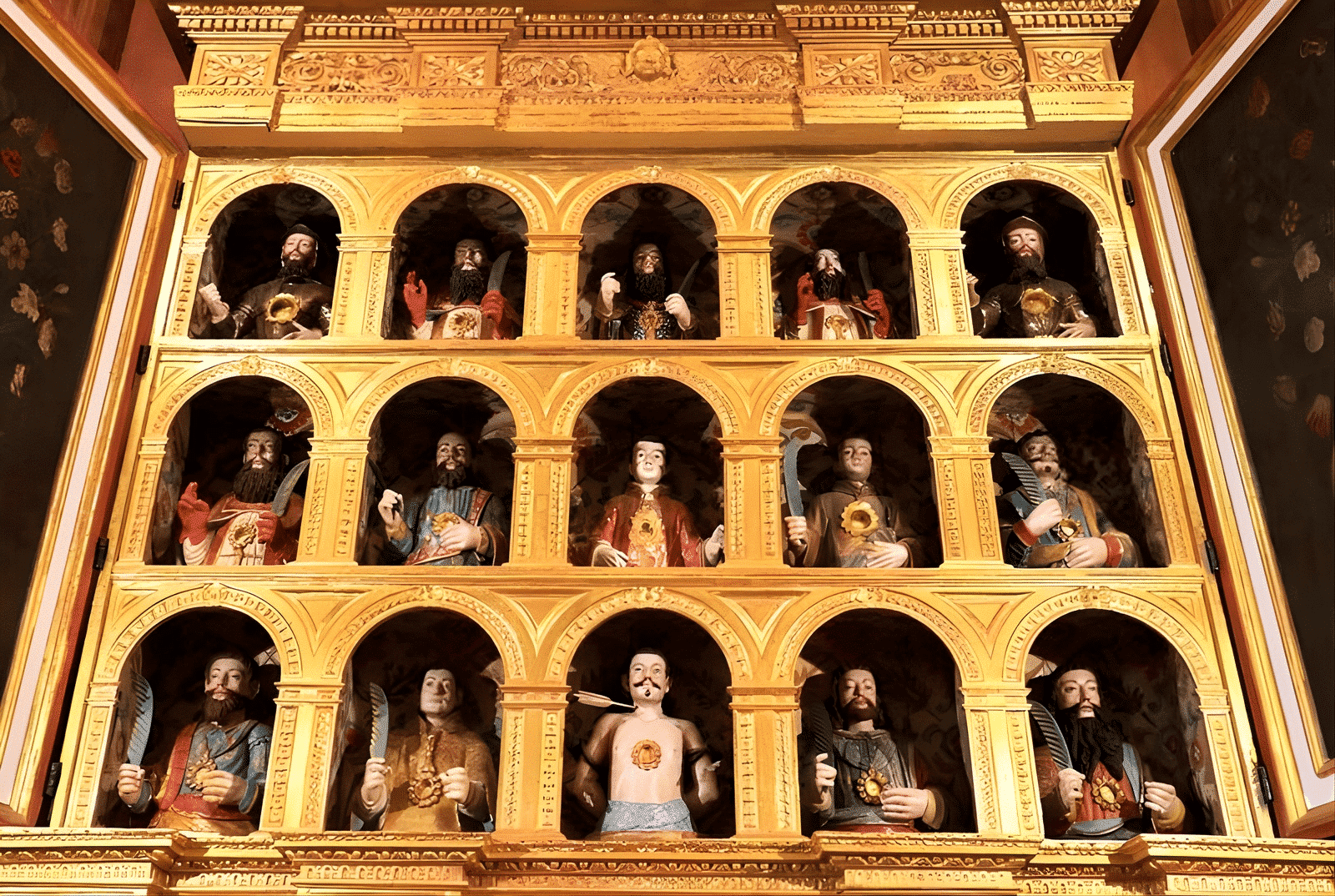
Each of the two altars displays fifteen niches containing reliquary busts — 17^(th)-century terracotta pieces representing martyrs — which have been returned to the temple after a period in the Museum of Sacred Art of Bahia.
5. Sacristy and baptistery.
The baptistery contains a basin that has been carved from a single block of Lioz stone.
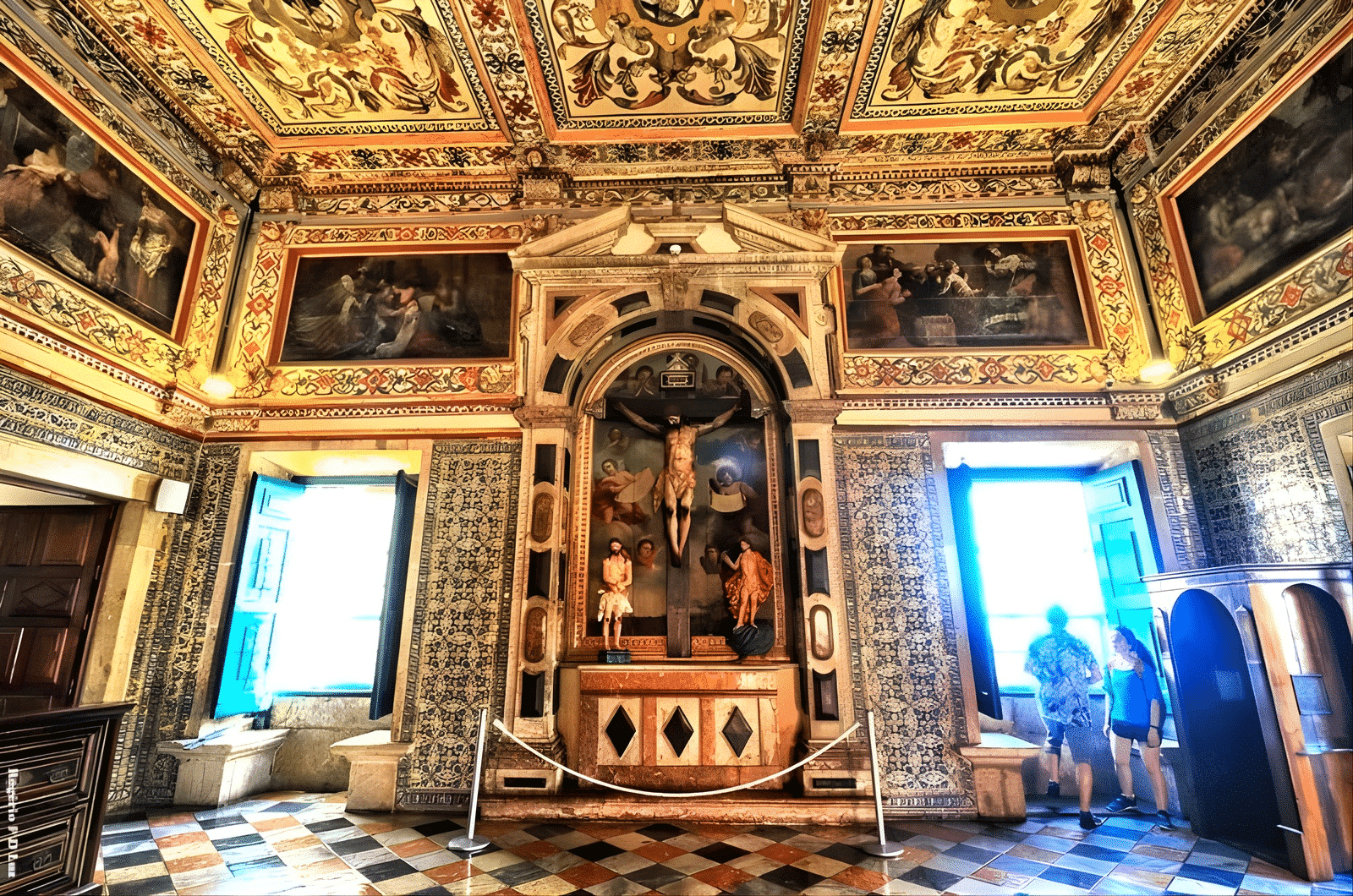
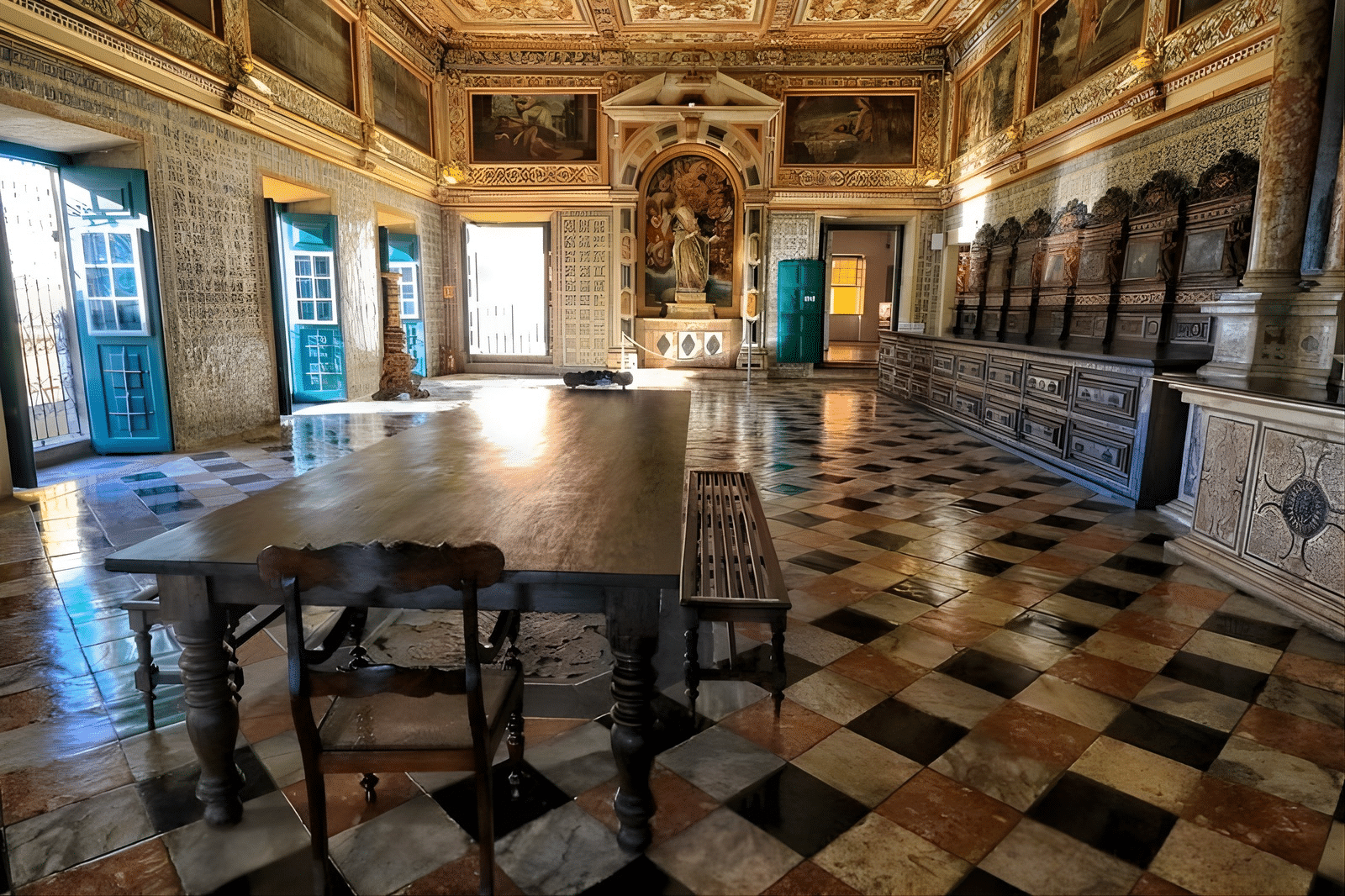
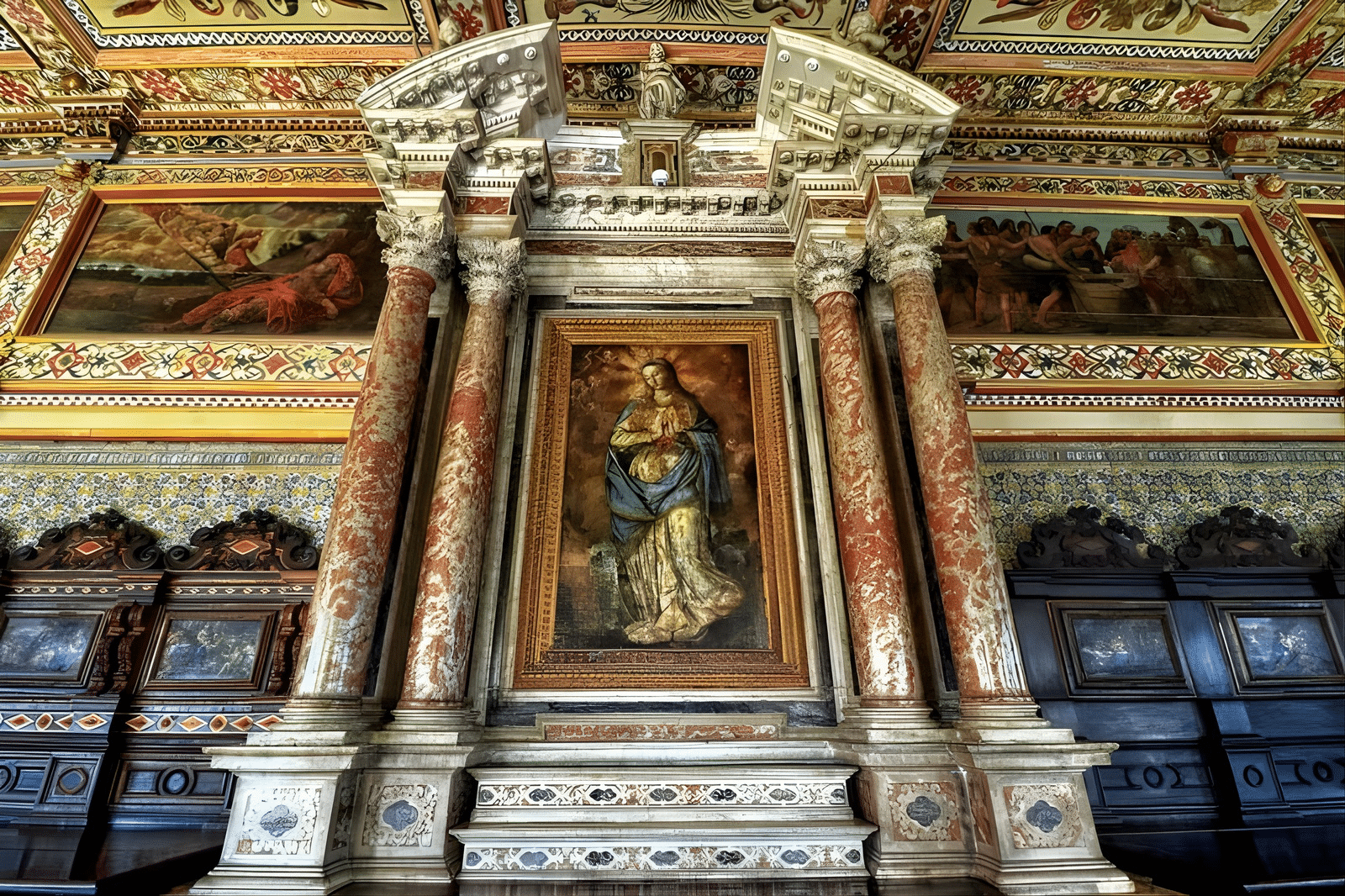
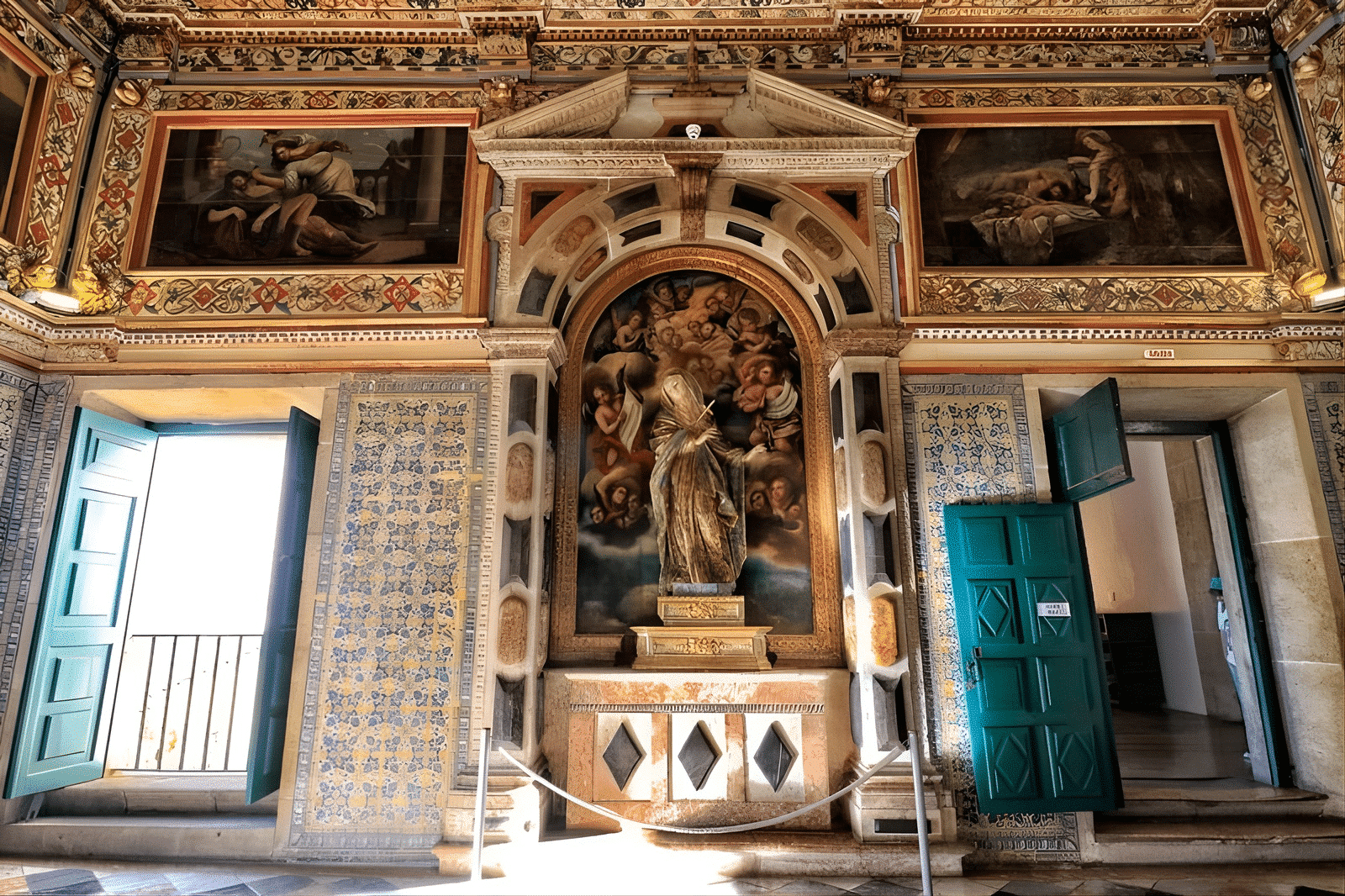
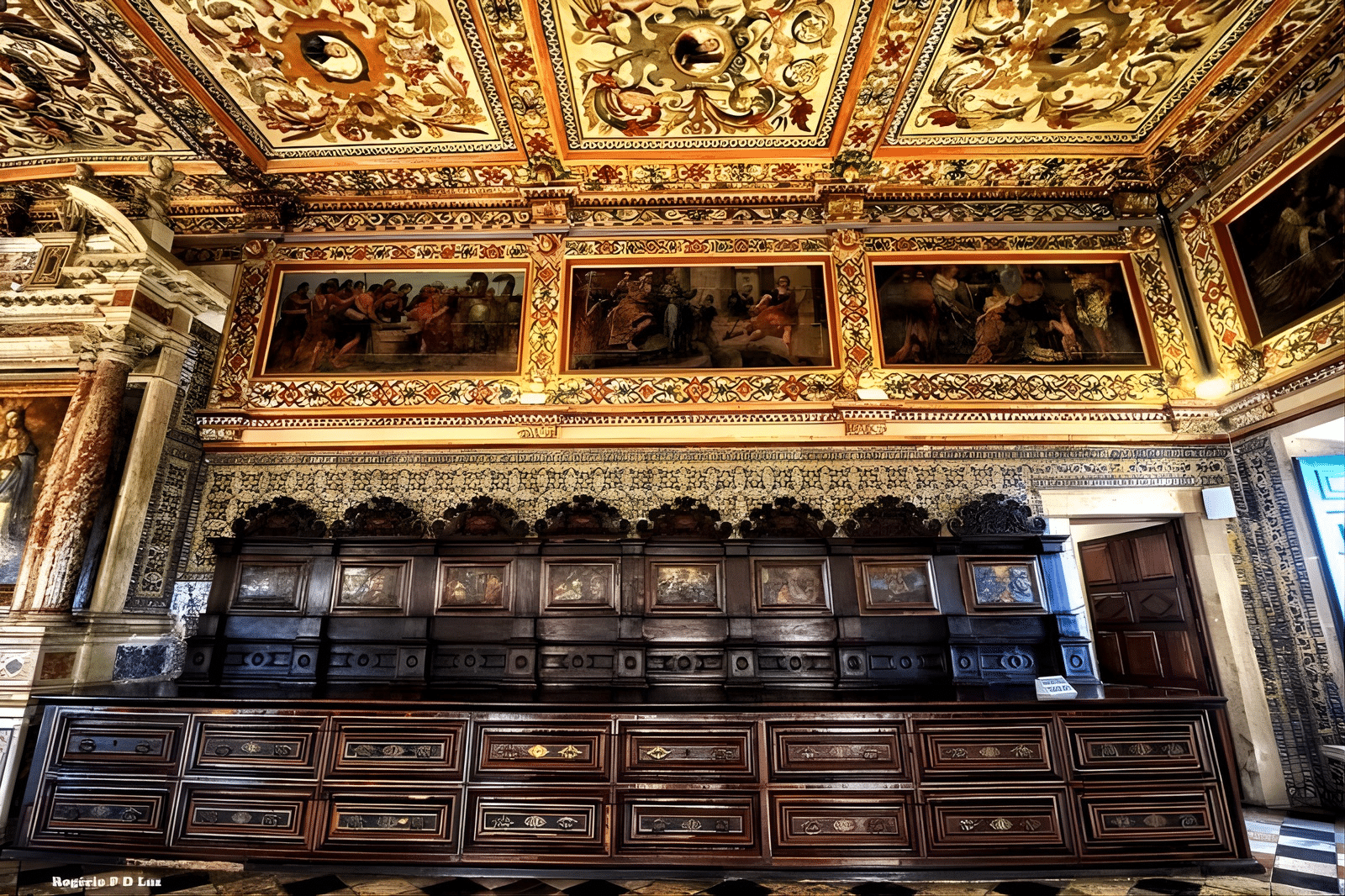
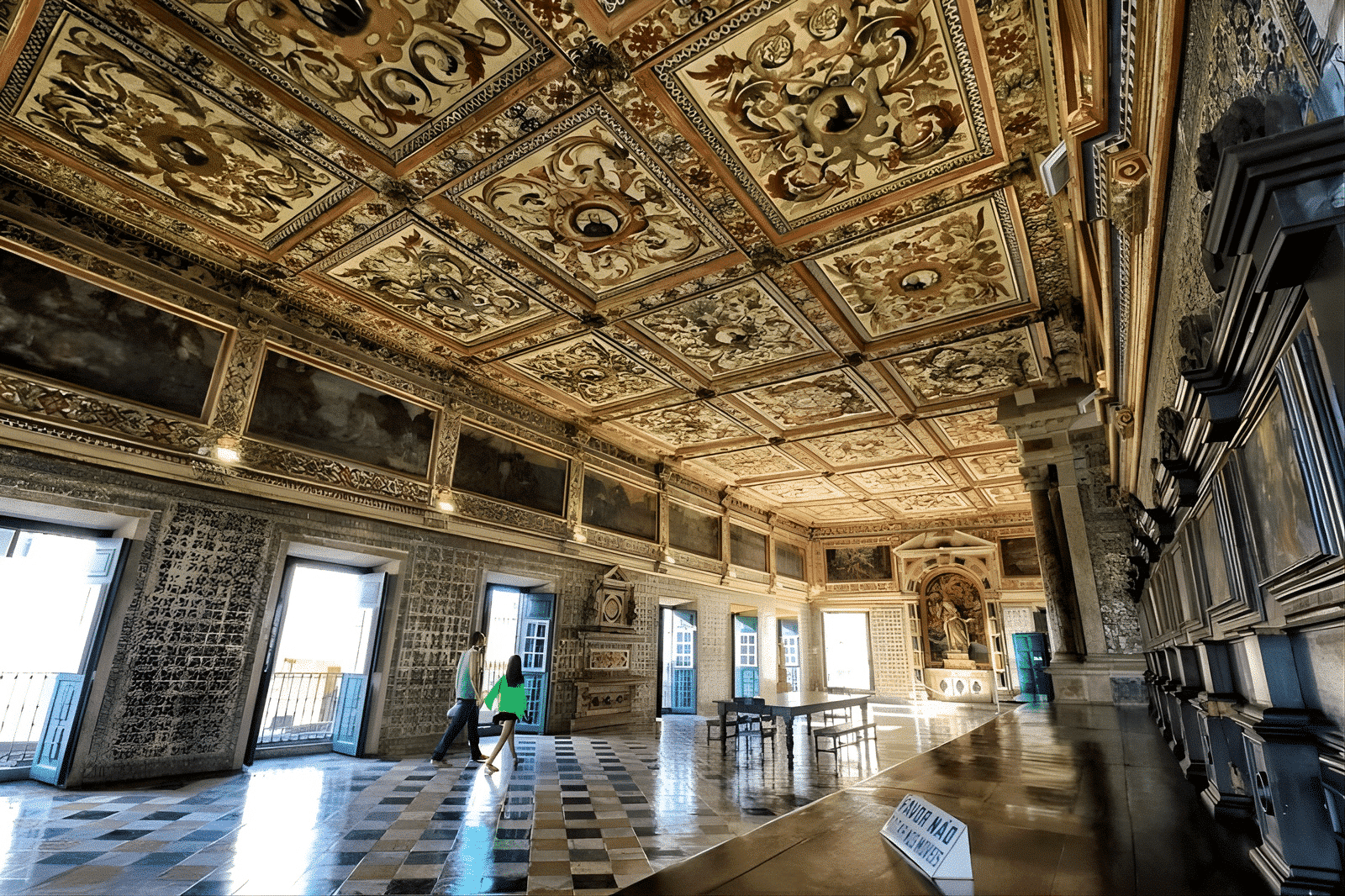
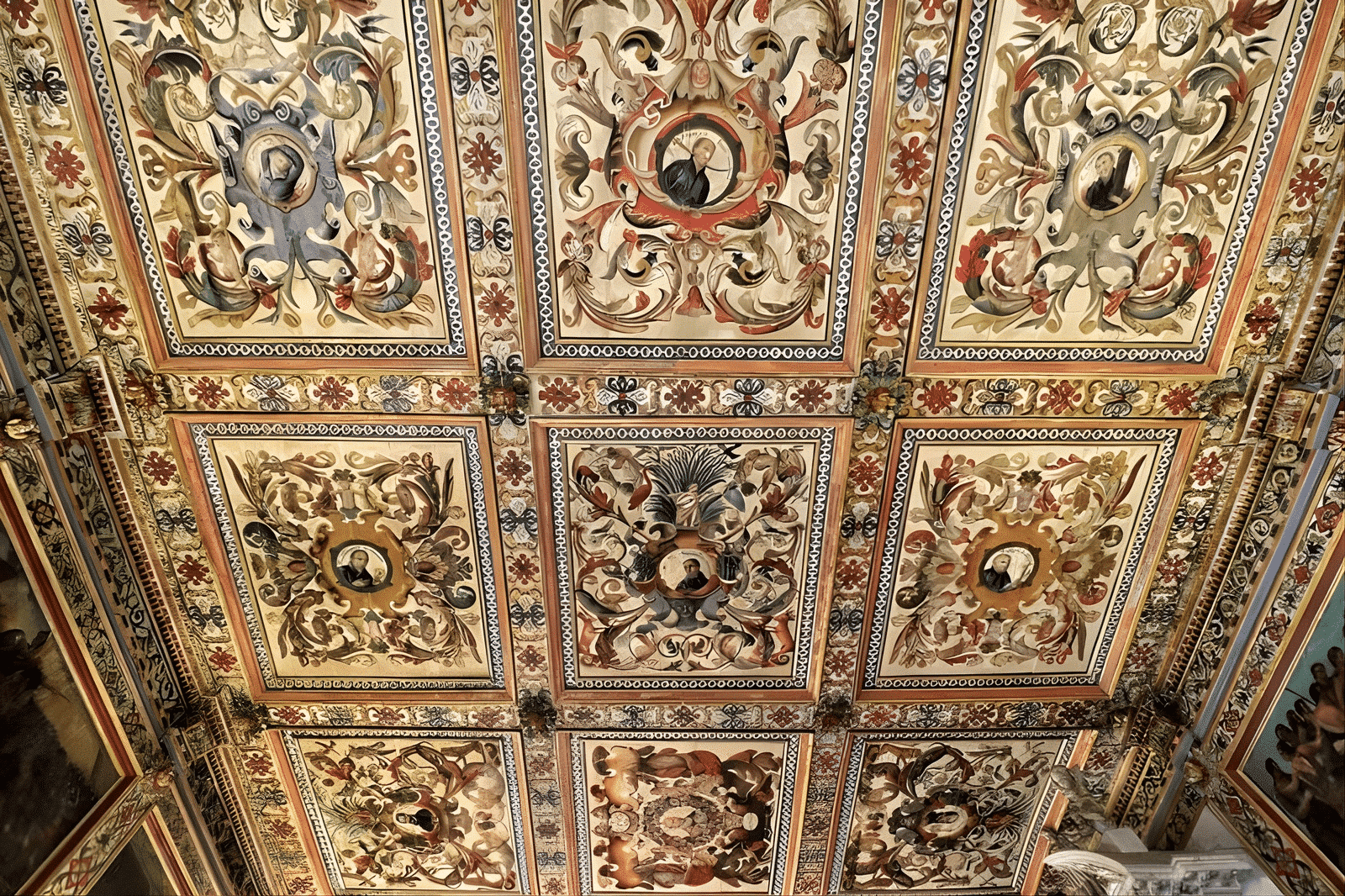
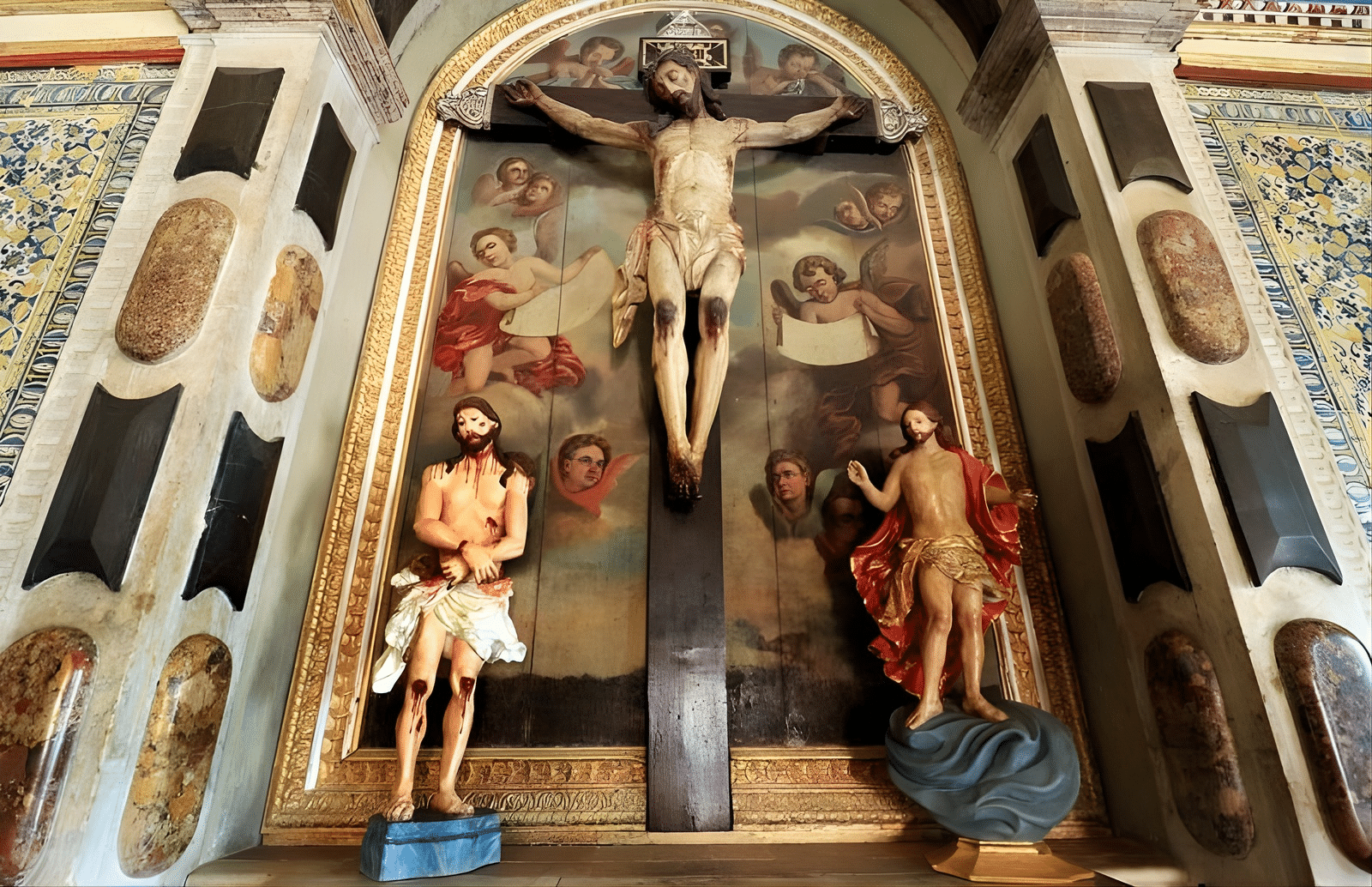
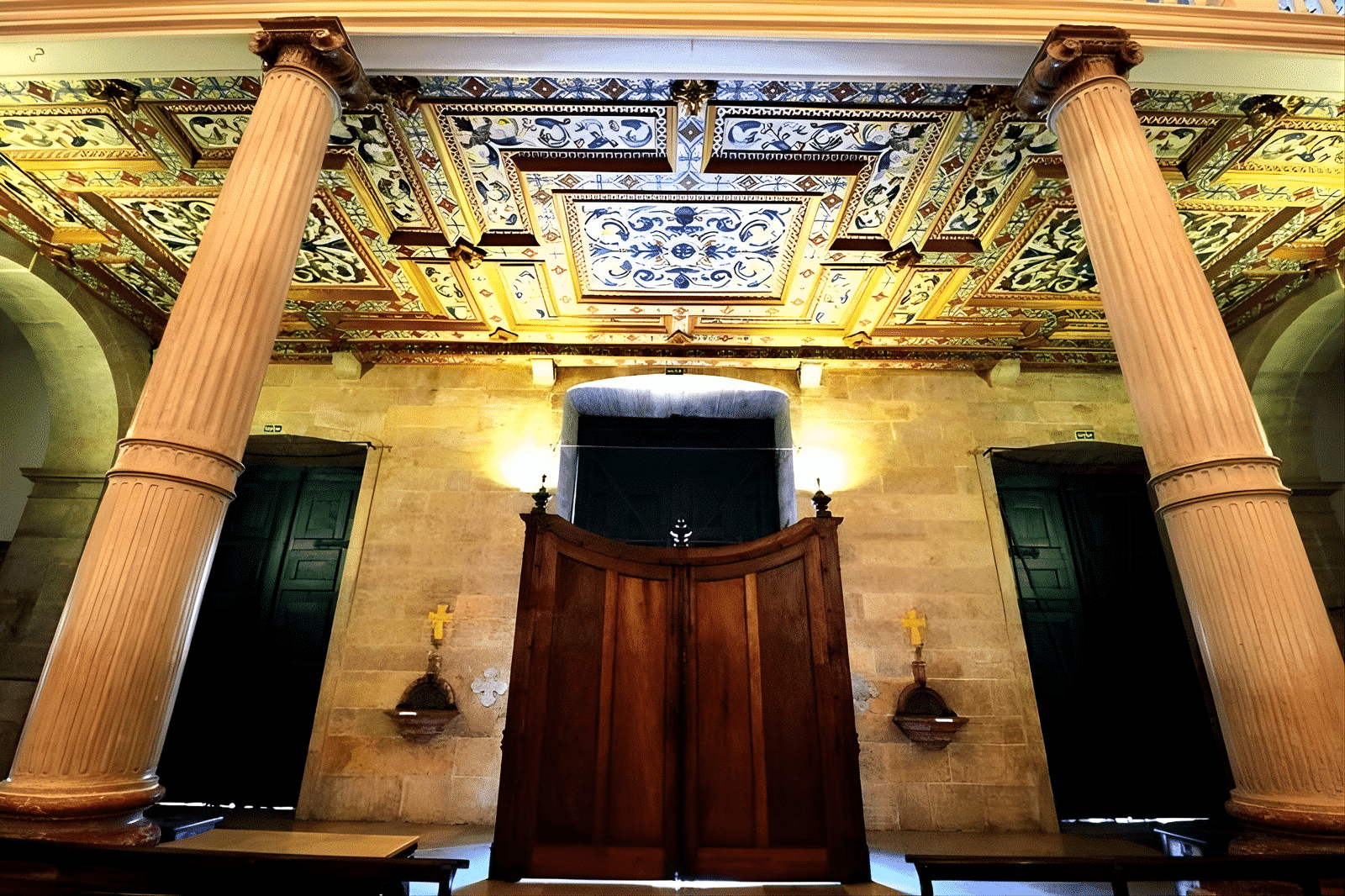
The spacious sacristy contains three Baroque altars made from multicoloured Italian marble, as well as statues, large paintings and a rosewood chest with ivory and tortoiseshell inlays. This chest was carved by Luís Manuel de Matosinhos and Cristóvão de Aguiar.
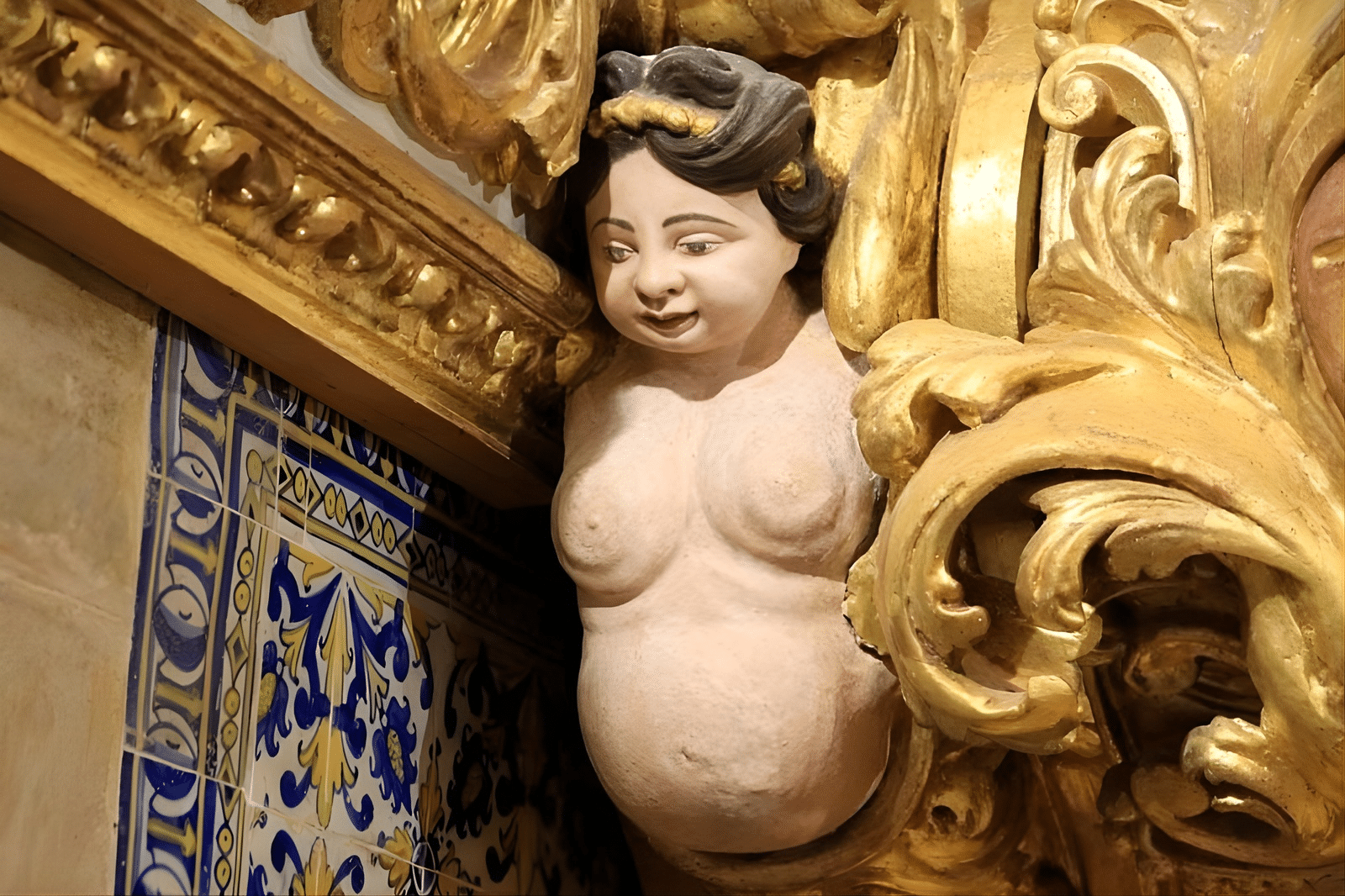
The furniture is adorned with paintings by Gherardo delle Notti, and the coffered ceiling features Jesuit martyrs and apostles. Portuguese tiles cover the walls halfway up.
6. Interior details
The cathedral houses paintings attributed to Jesuits, such as Domingos Rodrigues, as well as Baroque sculptures and relics. These include a silver-coated reliquary bust of Saint Ignatius, a silver image of Our Lady of Marvels and busts of Saint Ursula and other saints.
Over time, various items have been transferred to the Museum of Sacred Art.

Publicações Relacionadas
Rio Vermelho is Salvador’s trendiest and most bohemian neighbourhood
Ponta de Humaitá — Lighthouse, church and the best sunset in Salvador
Pelourinho: what to do in Salvador’s Historic Centre
Discover the 23 beaches of Salvador — A complete guide and tips
7-day itinerary in Salvador and the surrounding area: Pelourinho, the islands and Praia do Forte
Bahia Maritime Museum: History of Navigation at the Barra Lighthouse
4 Must-See Museums in Salvador: Art, History and Culture
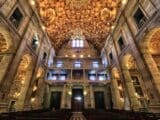
History of the Cathedral Basilica of Salvador
Where to Stay in Salvador for Your Best Experience

Church and Convent of Nossa Senhora da Palma in Salvador, Bahia

The most visited churches in Salvador — itinerary and tips

Discover the Magnificence Fort of Nossa Senhora de Monte Serrat

Solar do Unhão & MAM-BA — History, Architecture and a Visit

Tourist attractions in the Gamboa neighbourhood in Salvador BA

History and sights of Avenida Contorno in Salvador BA

Palaces in Salvador to visit and learn about Brazil's history

Basílica Santuário Nossa Senhora da Conceição da Praia — history and architecture

Church and Convent of Santa Clara do Desterro and its History in Salvador

Convent and Church of Santa Teresa and the UFBA Museum of Sacred Art in Salvador

Bahia Art Museum (MAB): Learn about its history and collection

The best beaches near Salvador (distance, facilities and tips)
Lacerda Elevator — history, construction and visits

Fort of Nossa Senhora de Monte Serrat History

Santo Antônio da Barra Fort — history, Barra Lighthouse and the Nautical Museu

History of São Marcelo Fort — Salvador, Bahia

Church of Nossa Senhora dos Mares (Salvador) — History and Architecture

Church of the Third Order of St Francis — History, Art and Baroque Architecture

Discover the reasons for a holiday in Salvador, Bahia

Churches of Salvador: Architectural and Historical Treasures
Churches in Salvador (BA) — a guide: history, architecture and itinerary

39 Museums in Salvador: Discover the history and culture of Bahia

Parks and Squares in Salvador for Leisure Activities

A History of the Forts and Lighthouses of Salvador (Bahia)

Places of interest in Salvador — A comprehensive guide

Tourist attractions for children in Salvador: Fun and learning

Find out how to celebrate Carnival in Salvador, Bahia
This post is also on:
 Português
  English
  Deutsch
  Español
  Français