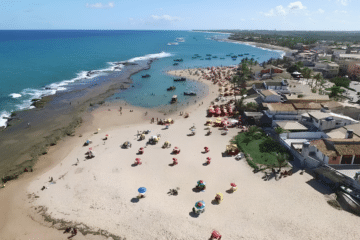
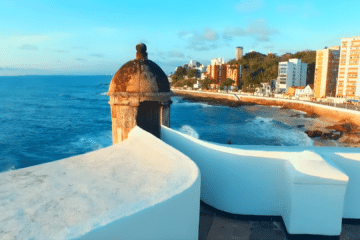
Salvador’s museums offer a rich variety of cultural and educational experiences, reflecting the diversity and history of Bahia.

Main Highlights of Salvador’s Museums
- Historical Collections: Exhibitions detailing the history of the city, from colonial times to the present day, including artefacts, documents and historical objects.
- Art and Culture: Collections of paintings, sculpture, photography and crafts that represent the vibrant local and national art scene. Many museums have works by renowned and popular artists from the region.
- Traditions and Popular Culture: Exhibitions celebrating Bahian traditions such as candomblé, samba de roda and axé, with items such as masks, costumes and musical instruments.
- Archaeology and Ethnology: Collections that include ceramics, utensils and fishing equipment, as well as indigenous and African artefacts, reflecting the cultural and historical diversity of the region.
- Interactive and Educational Museums: Interactive and educational experiences that teach history, science and art in an engaging way, ideal for all ages.
- Temporary Exhibitions: Events and temporary exhibitions that offer new perspectives and varied themes, allowing visitors to explore different aspects of culture and the arts.
- Architecture and heritage: Many museums are located in historic buildings, providing an opportunity to appreciate the architecture and preservation of local heritage.
- Programmes and Events: Cultural activities, workshops, lectures and special events that enrich the visitor’s experience and promote interaction with the community.
Salvador’s museums are therefore a space to explore the rich cultural heritage of the city and state, offering a complete panorama of Bahia’s traditions, art and history.
Videos of the museums of Salvador da Bahia
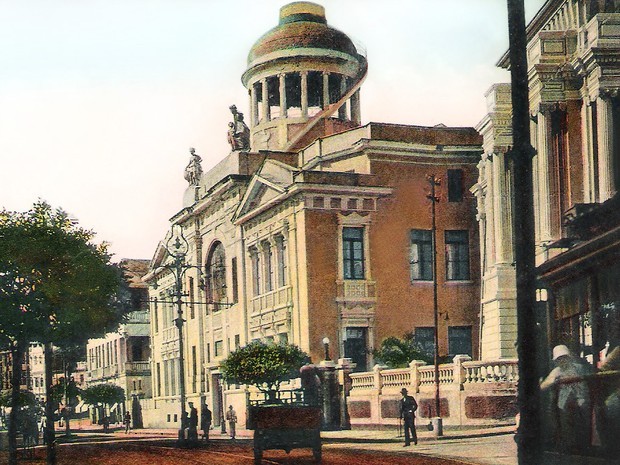
Instituto Geográfico e Histórico da Bahia06:36
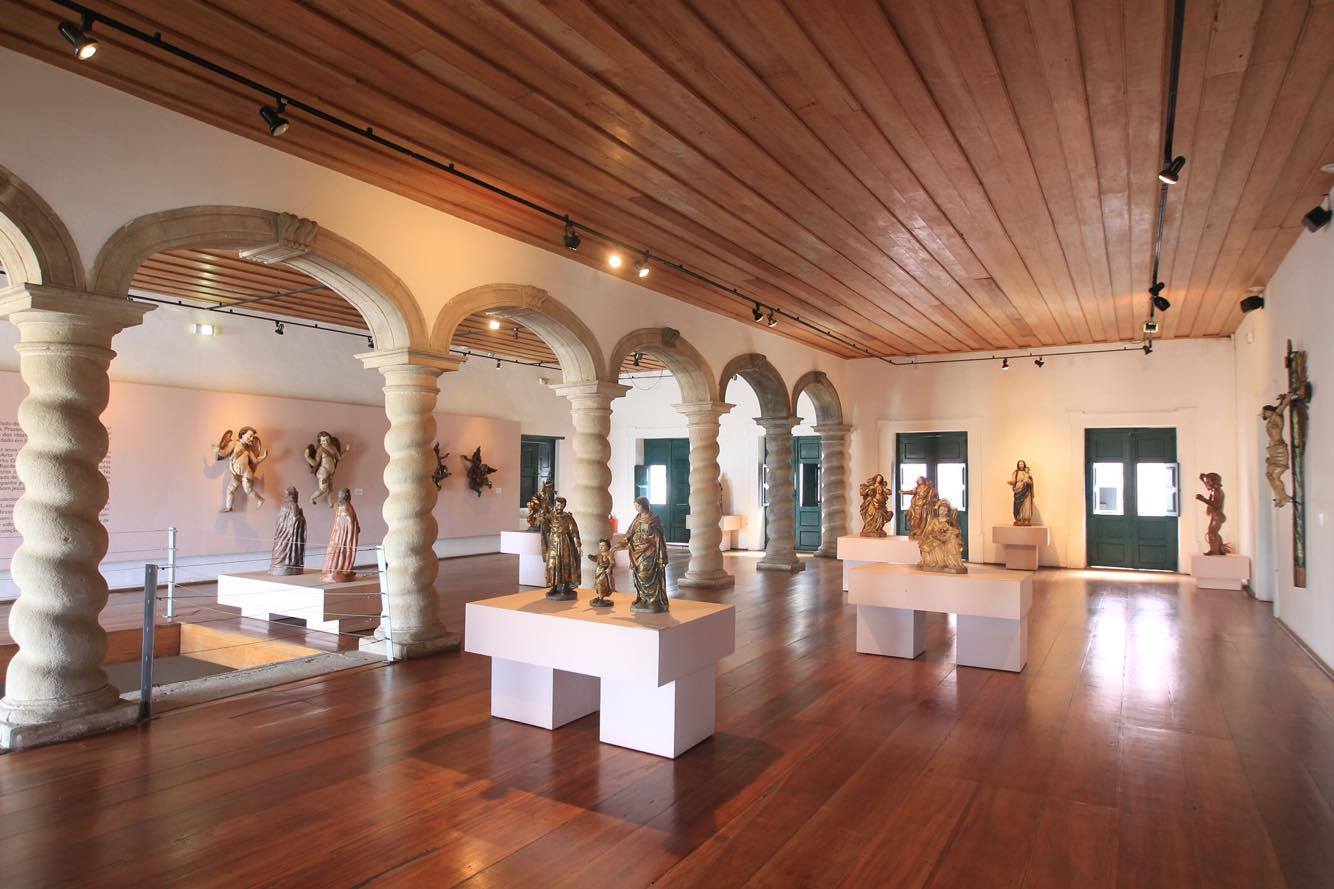
Museu de Arte Moderna da Bahia02:55
Museu da Arte Sacra em Salvador BA04:34
MUSEU DE ARTE SACRA DA UFBA26:01
Museu de Arte Sacra da ufba14:12
Museu Carlos Costa Pinto em Salvador BA01:32
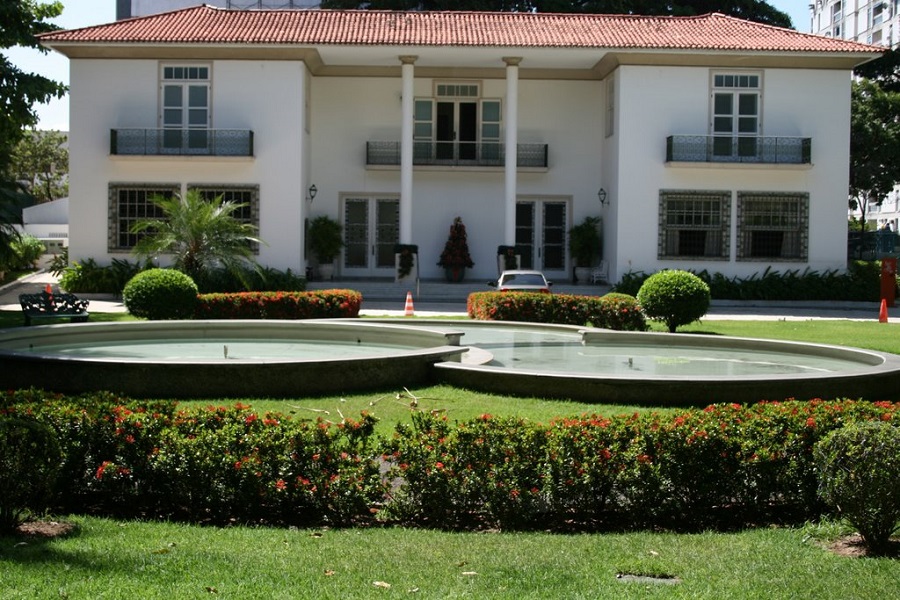
Museu Carlos Costa Pinto26:02
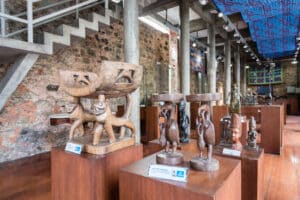
Museu da Casa do Benin02:46
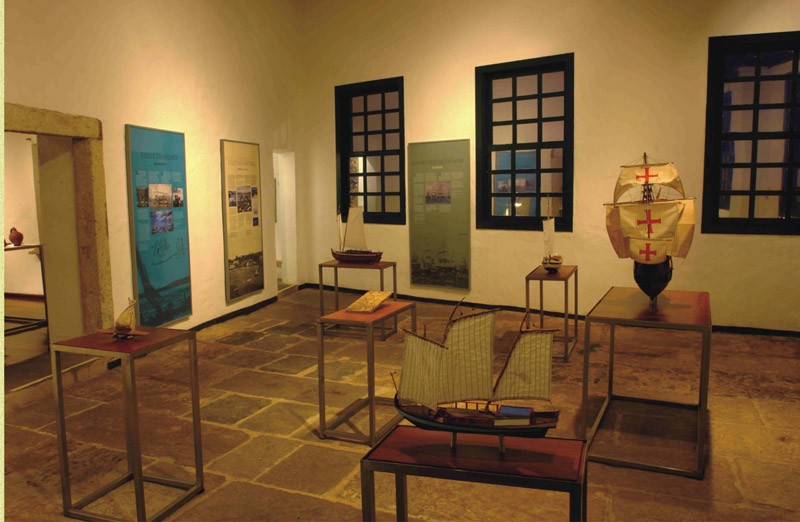
Museu Nautico em Salvador da Bahia
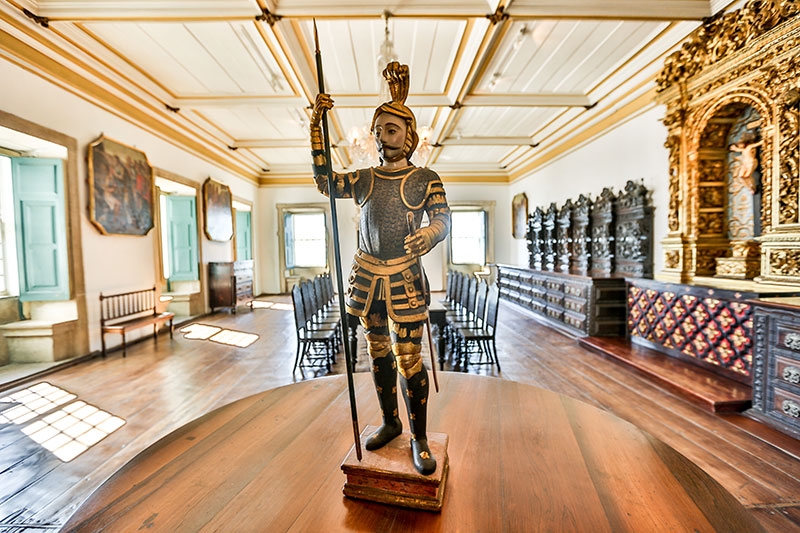
Museu da Misericórdia em Salvador BA
Segredos do Museu da Santa Casa de Misericórdia
Museu do Palácio da Aclamação em Salvador BA
Catedral Basílica de Salvador BA01:47
Museu Geológico da Bahia25:49
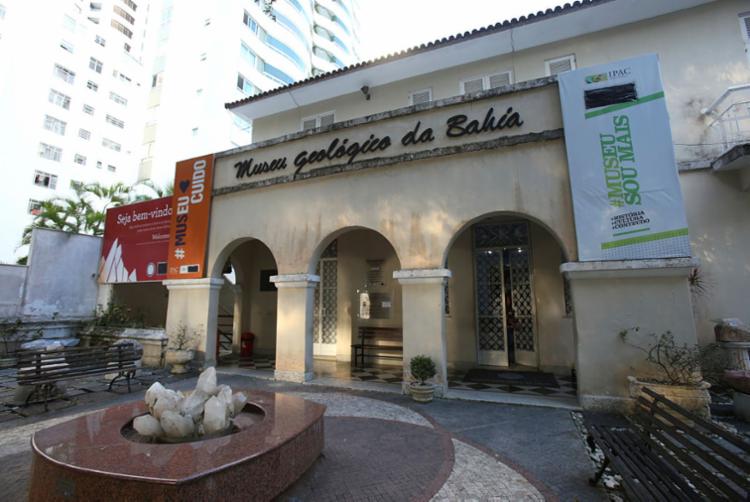
Museu Geológico da Bahia01:47
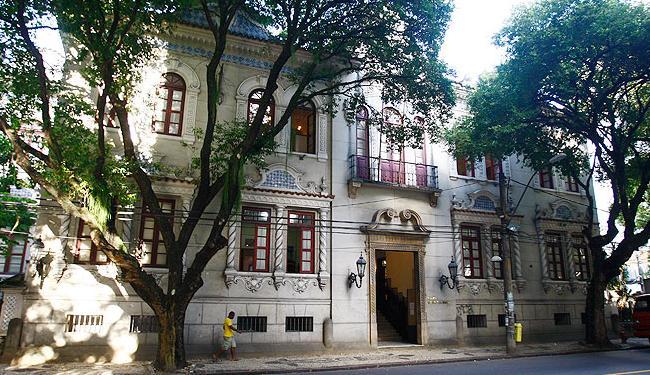
Museu de Arte da Bahia26:01
Forte de Nossa Senhora de Monte Serrat26:56
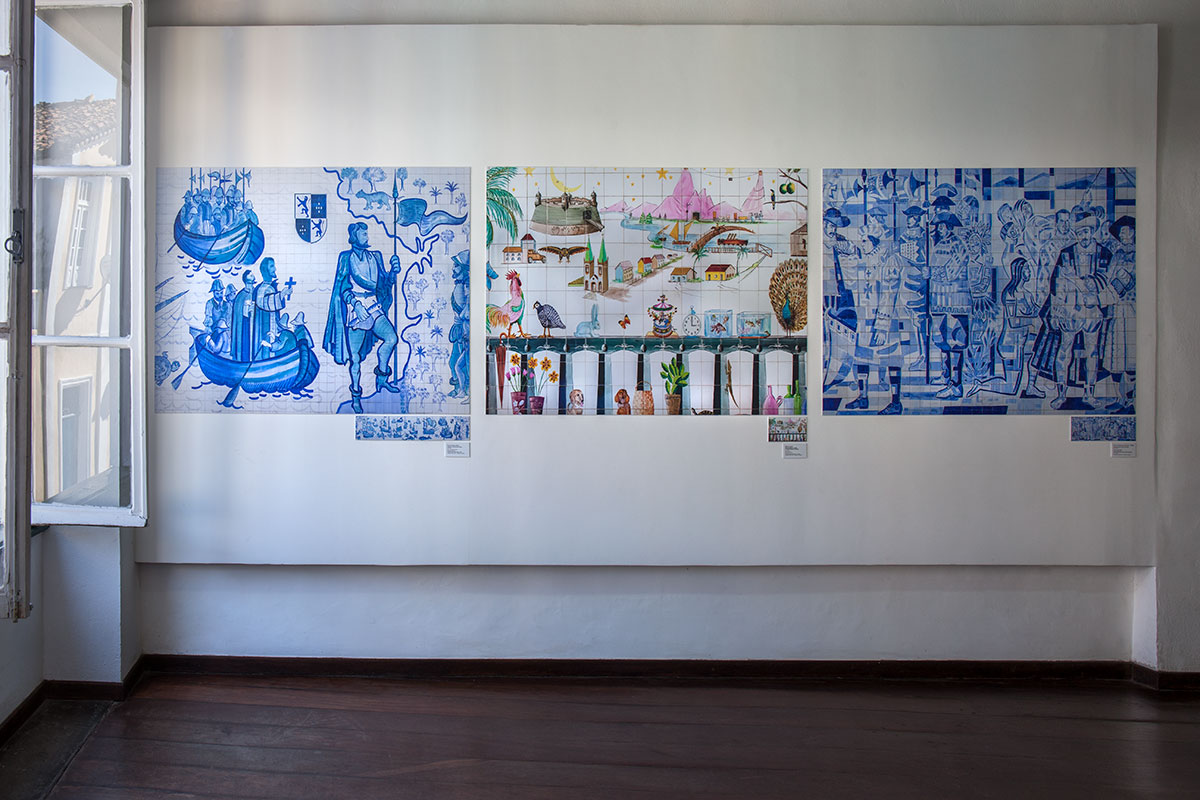
Museu Udo Knoff de Azulejaria e Cerâmica06:40
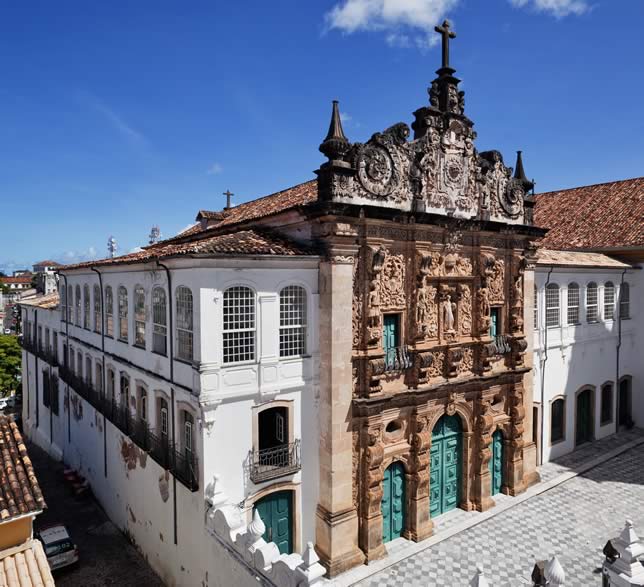
Museu da Ordem Terceira de São Francisco em Salvador09:56
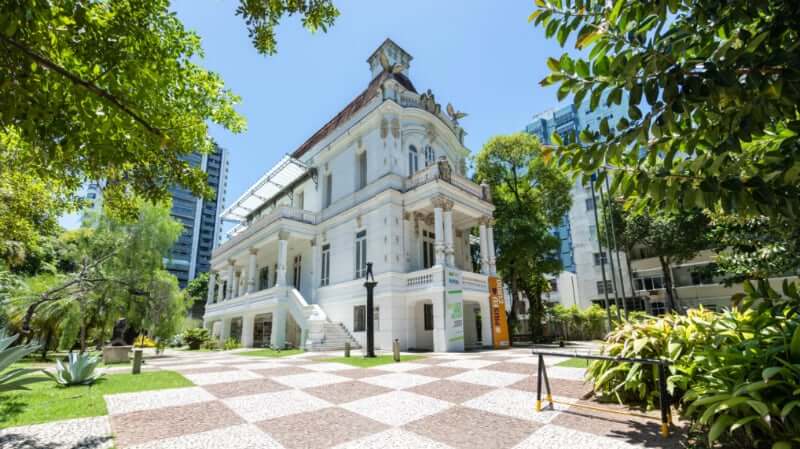
Palacete das Artes em Salvador
PALACETE DAS ARTES - um pouco de historia12:57
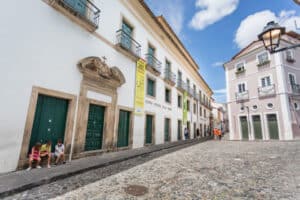
Solar Ferrão em Salvador BA01:14

Cidade da Música da Bahia03:55
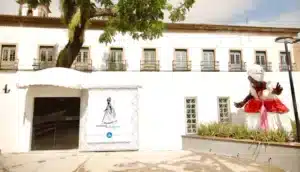
Memorial das Baianas de Acarajé01:00
See also Tourist attractions for families with children in Salvador and Palaces in Salvador to visit and appreciate history.
Discover Salvador’s 39 museums in detail
- Geographical and Historical Institute of Bahia
- Salvador City Hall Memorial
- Governors Memorial
- Sister Dulce Memorial
- Afro-Brazilian Museum Terreiro de Jesus
- Museum of Modern Art of Bahia
- Museum of Religious Art
- Carlos Costa Pinto Museum
- Benin House Museum
- City Museum
- Science and Technology Museum
- São Bento Convent Museum
- Nautical Museum
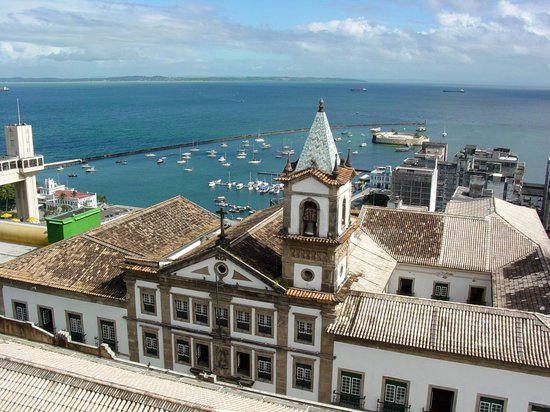
- Santa Casa de Misericórdia Museum or Misericórdia Museum
- Abelardo Rodrigues Museum
- Museum of the Palace of Acclamation
- Basilica Cathedral Museum
- Henriqueta Catharino Museum of Ancient and Popular Art
- Ilê Ohun Lailai Museum (Ilê Axé Opô Afonjá)
- Eugênio Teixeira de Leal Museum or Banco Econômico Memorial
- Geological Museum of Bahia
- São Bento Museum
- Tempostal Museum
- Carmo Gate Museum
- Bahia Art Museum
- Monte Serrat Fort Armoury Museum
- Estácio de Lima Anthropological Museum
- Santa Casa de Misericórdia Museum
- Udo Knoff Tile and Ceramics Museum
- Museum of the Ex-Votos of Senhor do Bonfim
- Museum of the Third Order of St. Francis
- Museum of the Nativity Scene
- Ufba Museum of Archaeology and Ethnology
- Erotic Museum
- Palace of Arts
- Public Promenade
- Solar do Ferrão
- Bahia City of Music
- Baianas de Acarajé Memorial
1. Geographical and Historical Institute of Bahia
Avenida Sete de Setembro, 94A, Piedade
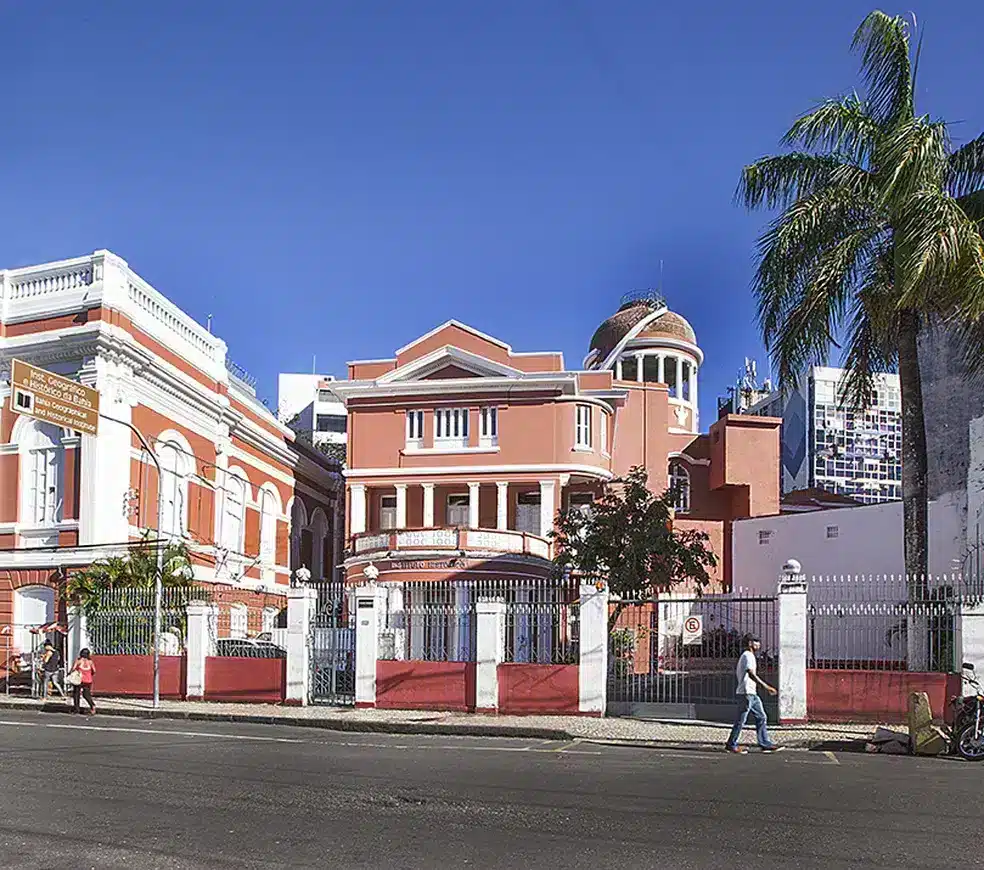
The Geographical and Historical Institute of Bahia (IGHB) is a space that preserves the treasures of Bahia’s history and is a fundamental cultural and historical reference in the state. Founded on 13 May 1894, the IGHB is the oldest cultural institution in Bahia, also known as the House of Bahia. It is one of the 15 institutions supported by the Continued Actions for Cultural Institutions programme, an initiative of the Bahia State Department of Culture (SecultBA), through the Bahia Culture Fund (FCBA).
Outstanding collections
The Institute houses the largest collection of newspapers in the state, with copies dating from the 19th century to the present. The IGHB also has the largest cartographic collection in Bahia, which offers the public the opportunity to learn about the origin and development of Bahia’s 417 municipalities.
Ruy Barbosa Library
The Ruy Barbosa Library, with around 30,000 titles, is a treasure trove for researchers and the interested public, containing rare works of great historical value. The collection is available for online consultation through the institution’s website, facilitating access to this vast content.
Theodoro Sampaio Archive
Another highlight is the Theodoro Sampaio Archive, which houses the private collections of illustrious figures such as Theodoro Fernandes Sampaio, Brás do Amaral and Hildegardes Viana. Among its treasures are the Manuscripts of the Poetry of Antônio de Castro Alves and the Letters of Antônio Conselheiro, important pieces of Brazilian history.
IGHB Museum
Located in the Institute’s premises, the museum displays an important collection of portraits, bronze sculptures, period furniture and religious objects related to African culture in Bahia. This collection highlights cultural diversity and the impact of different influences on the formation of Bahia’s identity.
2 de Julho Pavilion
The IGHB is also responsible for guarding the 2 de Julho Pavilion, located in Largo da Lapinha, which houses the symbols of Brazil’s largest civic festival: the Caboclo and Cabocla, figures that represent popular participation in the struggles for Bahia’s independence.
The Geographical and Historical Institute of Bahia is therefore an essential place for anyone wishing to explore the history and culture of the state, offering a valuable collection for the preservation of memory and promotion of knowledge.
2. Salvador City Hall Memorial
Tomé de Souza Square, Centre
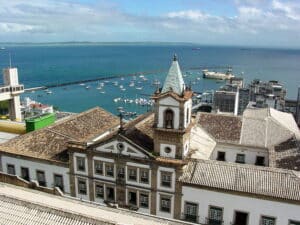
The Paço Municipal, located in Praça Tomé de Souza, is a building of remarkable architectural value, built around a small courtyard. Its main façade is formed by arcades supported by Tuscan columns, surmounted by pulpit windows and a small vertical tower topped by a hemispherical dome.
Above the doorway is an oval tombstone, a characteristic detail of the building. This building, with its characteristic tower, served as a model for other town halls, such as those of Santo Amaro and Maragogipe in the 18th century.

Chronology – Historical context
- 1550: Luís Dias built a rammed earth house thatched with straw.
- 1660: Governor Francisco Barreto de Menezes rebuilt the building, giving it its present appearance without the tower.
- 1698: Governor João de Lencastro carried out major renovations, including the construction of the tower, courtroom, secret rooms and enxovias (underground prisons).
- 1733: The carpenter José de Miranda Ribeiro worked on a new ceiling for the courtroom.
- 1734: The painter Antônio Simões Ribeiro was paid to paint the coat of arms of the city of Salvador (a pigeon in flight with an olive branch in its beak) on the lining of the Council Chamber, with details in blue and red on a white background.
- 1795: Governor Fernando José de Portugal added a public prison, an internal infirmary and a closed room.
- 1887: The palace was rebuilt in neoclassical style, and the main façade was given Renaissance decoration, with windows decorated with alternating rectilinear and curvilinear pediments. The old tower with its hemispherical dome was replaced by a turret and the bell by a clock.
- 1894: Under the administration of Freire Filho, the vestibule was redecorated with marble, the stairs were fitted with handrails and the courtyard was transformed into a flower garden.
- 1970: The external restoration was completed under the supervision of Mayor Antônio Carlos Magalhães, returning the building to its original colonial style.
- 1997: The Town Hall was restored during the presidency of councilor Gilberto José.
- 2001: Inauguration of the Memorial.
- 2006: Under the administration of councilor Valdenor Cardoso, the Salão Nobre da Presidência was restored, with the original paintings recovered.
Salvador City Council Memorial
The Memorial brings together historical documents, furniture and paintings that help tell the story and importance of Salvador’s City Council. As a non-profit public museum, the Memorial’s mission is to preserve and promote the city’s historical and cultural memory, as well as its documentary, iconographic and furniture collections.
Memorial highlights
On 29 December 2010, the Memorial was reopened with a special project:
- The visualisation of the basement of the building, where the “enxovias” (underground prisons) operated.
- Archaeological material found during the excavations.
- Original paintings on the supporting columns, dating from the early 20th century, made using the escariole technique.
- The architectural beauty of the wooden structure that supports the floor.
- The revitalisation of the existing collection within a modern layout.
The first core of the Memorial is a collection of portraits of Salvador’s historical figures, painted by renowned artists such as Lopes Rodrigues, Presciliano Silva, Alberto Valença, Victor Meireles, Henrique Passos, Carlos Bastos and Floriano Teixeira.
In addition to the portraits, the memorial contains 19th century furniture, a silver urn brought from Portugal, medals and decorations, archaeological finds, photographs and replicas of indigenous ceramics donated by the Association of Bahia Potters.
The Mission
The Memorial da Câmara Municipal de Salvador is a space aimed at different audiences, with the mission of bringing the population closer to the city’s historical heritage and cultural memory. Its actions highlight the importance of Salvador and its municipal government in the context of Brazilian history, making it a point of reference for the preservation and valorisation of local history.
3. Memorial of the Governors
Tomé de Souza Square, Centre
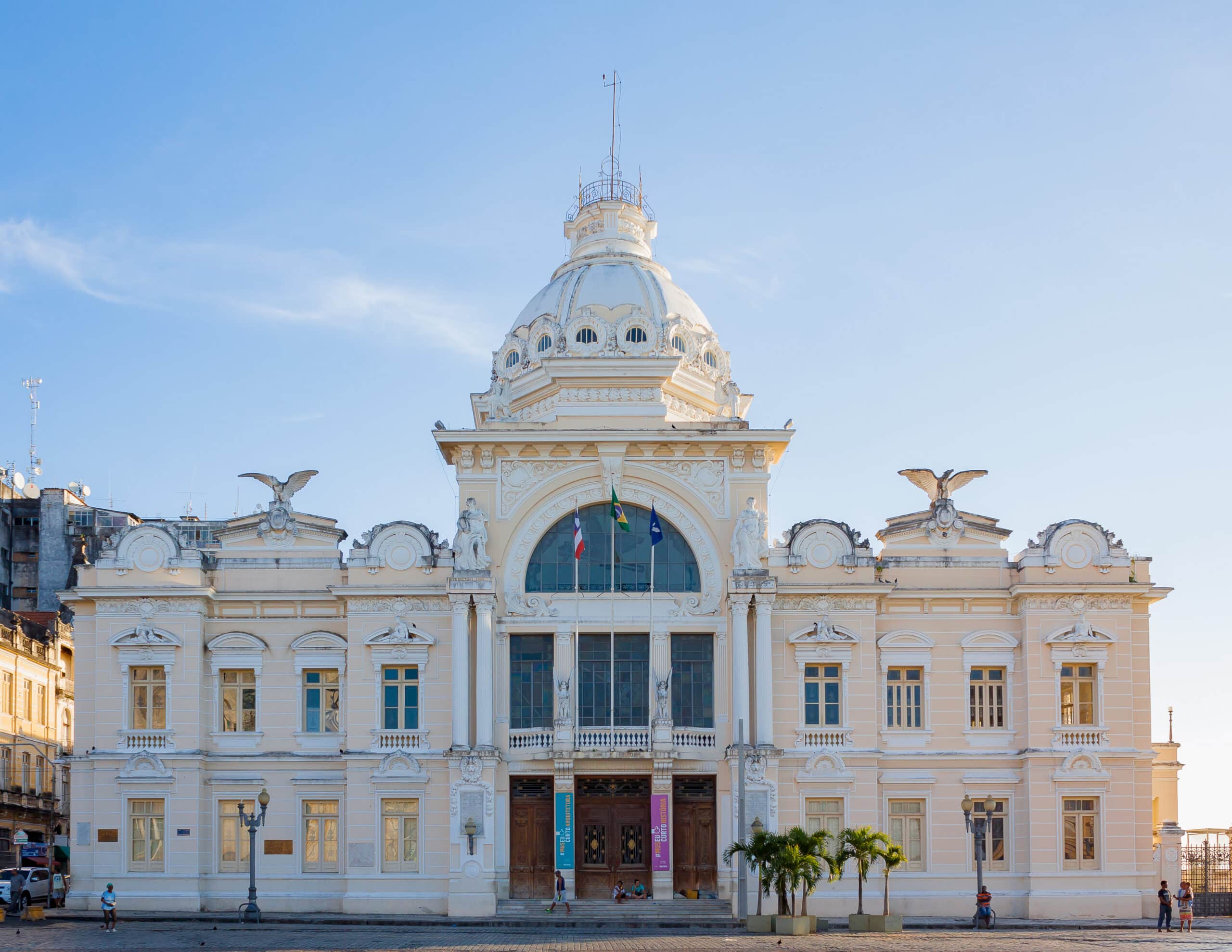
The Memorial of the Republican Governors of Bahia was created in 1986 in the Rio Branco Palace as a tribute to the governors of the state, and offers a rich panorama of the political history of Bahia. The room brings together a vast collection of objects, documents and paintings that allow you to immerse yourself in the republican history of the state.
The Collection
The collection is eclectic and comprises some 2,000 artefacts and documents.
The Memorial holds everything from the personal effects of Governors to insignia, uniforms, newspapers, books, titles, medals and awards. The items are divided into sub-collections according to their function and characteristics, such as
- Personal effects;
- Insignia;
- Communication;
- Interiors;
- Monetary objects;
- Visual Arts.
Exhibitions
The Memorial’s long-term exhibition is divided into two historical periods: the Old Republic and the New Republic, displayed in 17 showcases with a variety of pieces, artefacts and documents. These exhibits provide a detailed analysis of the events that marked the different phases of the Republic in the State of Bahia.
Donations and collections
A large part of the collection is made up of donations of objects and personal documents from the governors, allowing the public to have access to items from the private, daily, professional and governmental lives of these historical figures. The items in the collection reveal thoughts, actions and interests that together make up the complexity of Bahia’s history.
Pinacoteca
The Memorial also contains a pinacoteca of 47 hand-painted portraits of Republican governors, providing an important visual record of the figures who have shaped the state’s political history.
Significance.
The Memorial of the Republican Governors of Bahia offers a unique opportunity to preserve the political memory of the state. It allows visitors, researchers and the curious to explore the backstage of politics, focusing on the economic, social and cultural aspects of Bahia from the governors’ perspective. The collection provides a deeper understanding of history, highlighting the decisions and reflections that have helped shape today’s society.
This room is a real treasure trove for anyone who wants to learn about the formation and challenges faced by the leaders who occupied the governor’s office throughout Bahia’s republican history.
4. Sister Dulce Memorial
Avenida Bonfim, 161, Roma
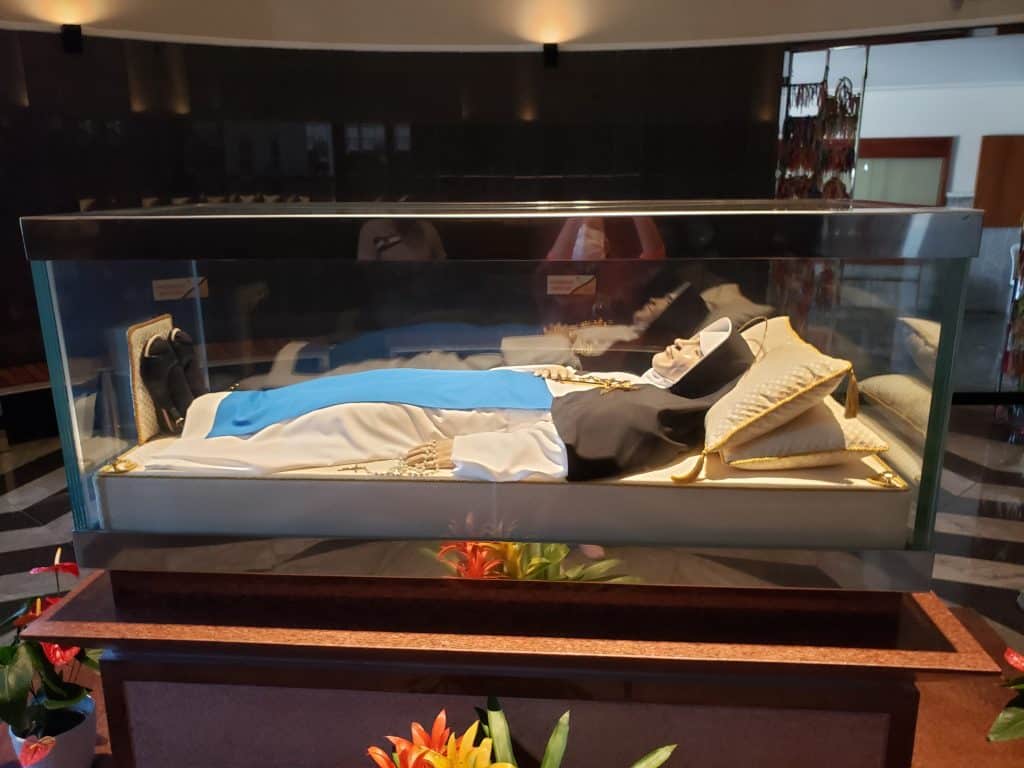
The Sister Dulce Memorial was inaugurated in 1993, a year after the nun’s death, and is dedicated to preserving the memory of Sister Dulce, the “Blessed Dulce of the Poor”. It preserves the room where she lived, and offers visitors an intimate glimpse into her simple and dedicated life.
Collection
Among the objects on display in the memorial are
- Sister Dulce’s habits;
- Photographs that record moments of her life and mission;
- The chair in which she slept for 30 years, the fruit of a personal promise, testifying to her devotion and sacrifice.
This memorial is a place of reflection and inspiration, where visitors can learn more about the path of love and solidarity that marked Sister Dulce’s life.
5. Terreiro de Jesus Afro-Brazilian Museum
Former Faculty of Medicine Building
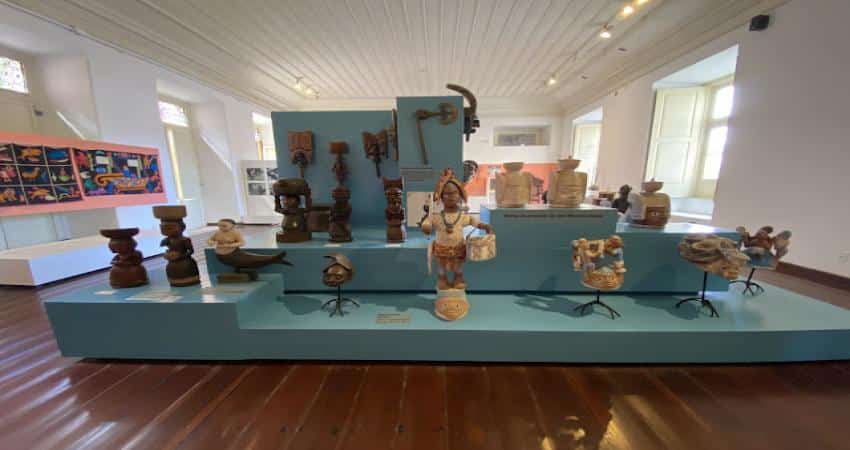
The Afro-Brazilian Museum, inaugurated in 1982 and restructured in 1997, is located in the former Faculty of Medicine building and is dedicated to the culture and history of Africa and its relationship with Brazil. The museum offers a rich collection of works of art and objects that reflect African and Afro-Brazilian traditions, with an emphasis on the influence of African culture on the formation of Brazilian identity.

The Collection
The museum displays a variety of items in several rooms, including
- Furniture;
- Pictures;
- Daily Utensils.
Among the objects on display are African sculptures, masks, textiles, ceramics, ornaments and musical instruments, all brought directly from African countries and associated with the daily life of their peoples. The collection also includes objects of Brazilian origin related to the Afro-Brazilian religion, reinforcing the link between the continents.
Museum highlights
The museum also houses one of the most important collections of contemporary Brazilian art, with the 27 orixás carved in cedar wood by the renowned artist Carybé. These works are a unique artistic representation of the deities of Candomblé, one of the religions of African origin in Brazil.
Importance
The Afro-Brazilian Museum plays a fundamental role in the preservation and promotion of African and Afro-Brazilian culture, providing a valuable reflection on the cultural and religious roots that have shaped Brazilian society. It is a reference point for the study and appreciation of the African heritage in Brazil, essential for understanding the country’s cultural diversity.
6. Bahia Museum of Modern Art
Avenida Contorno, s/n
The Museum of Modern Art of Bahia (MAM-BA), founded in 1960, was installed in 1966 in the Solar do Unhão, a historic mansion with a privileged view of the Bay of All Saints. The museum is an important cultural space that hosts exhibitions of renowned works by national artists, making it one of the most important centres of modern art in Brazil.

The Collection
MAM-BA houses a diverse collection of works by renowned Brazilian artists, including
paintings, prints, photographs, drawings and sculptures by names such as:
- Tarsila do Amaral
- Cândido Portinari
- Flávio de Carvalho
- Di Cavalcanti
- Rubem Valentim
- José Pancetti
- Carybé
- Mário Cravo
- Sante Scaldaferri, among others.
MAM-BA activities
In addition to its exhibitions, MAM-BA is known for its workshops, courses and events that promote and enhance modern Brazilian art. These programmes aim to democratise access to art by providing opportunities for emerging artists and the general public to interact with different forms of artistic expression.
MAM-BA not only preserves and exhibits works of art, but also stands out as a living centre for artistic production and education, consolidating itself as a cultural landmark in Salvador and Brazil.
7. Museum of Religious Art
Rua do Sodré, 276, Centre
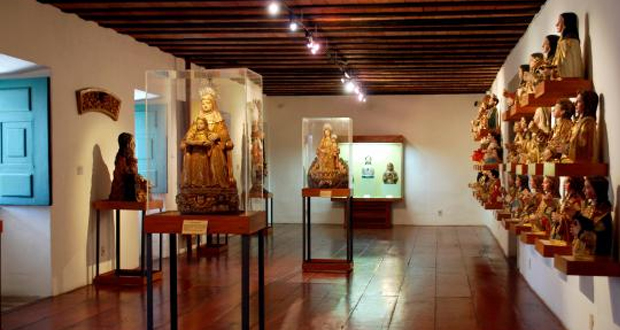
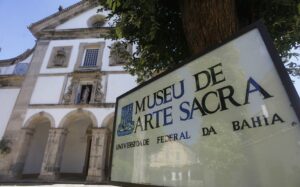
The Museum of Sacred Art of the Federal University of Bahia (UFBA), inaugurated in 1959, is located in the Convent of Santa Teresa de Ávila. The museum is one of the most important places for the preservation of the Brazilian religious and artistic heritage, and stands out for its vast collection of sacred pieces and Baroque art.

The collection
The museum houses a valuable and varied collection of religious objects, including
- Sacred images carved in wood, clay, soapstone and ivory;
- Religious jewellery;
- Tile paintings from the 17th, 18th and 19th centuries;
- sculptures and paintings with religious themes.
The collection also includes important collections by Bahian artists, which contribute to the valorisation and preservation of sacred art in the state.
The UFBA’s Museum of Sacred Art is a fundamental space for understanding the religious and cultural history of Brazil, as well as a reference for scholars and admirers of sacred and baroque art.
See History of the Convent and Church of Santa Teresa or UFBa Museum of Sacred Art in Salvador BA.
8. Carlos Costa Pinto Museum
Avenida Sete de Setembro, 2.490
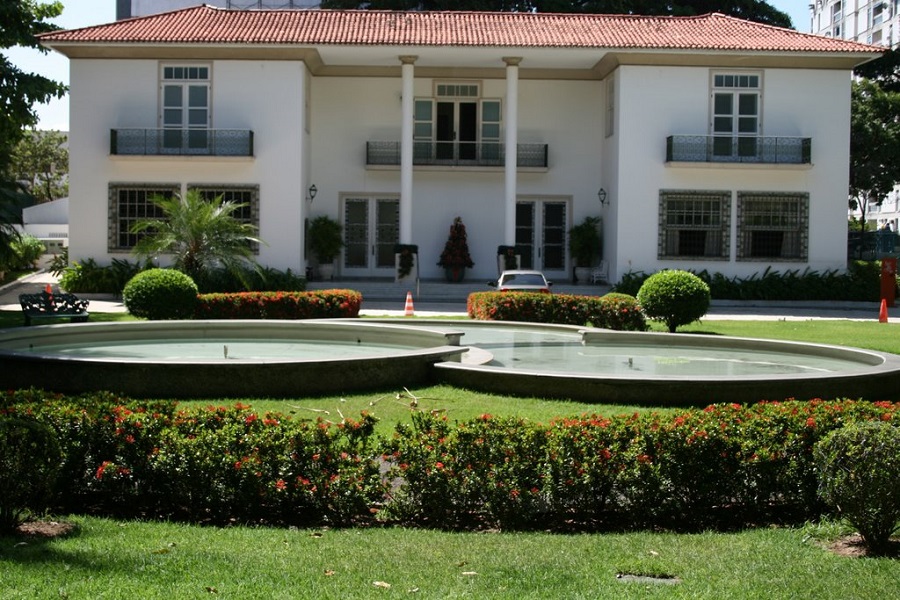
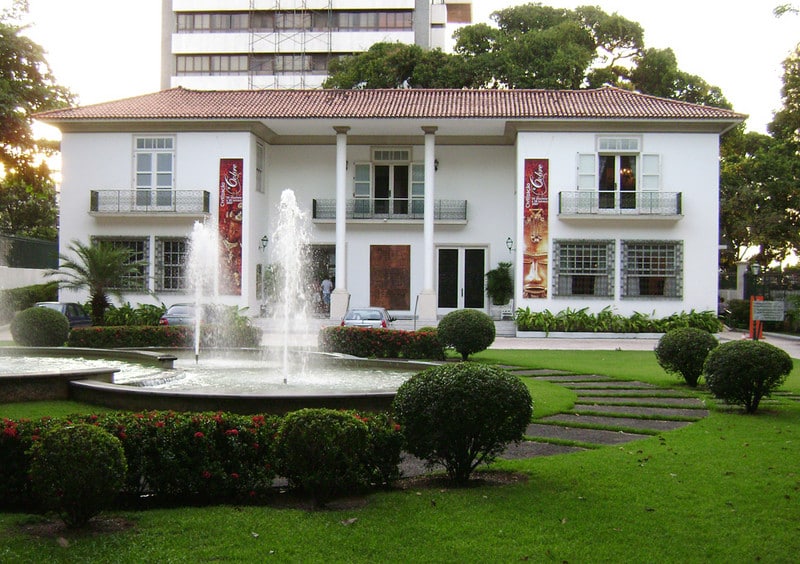
Located in the former residence of Carlos Costa Pinto, the museum was founded in 1969 and is dedicated to the preservation and display of artefacts belonging to the great families of the sugar aristocracy, offering an insight into the life and style of Brazil’s colonial elite.
The collection
The museum has an extensive collection of 3,172 objects from the 17th, 18th and 19th centuries, including
- Silverware;
- Jewellery;
- Furniture;
- Crystals;
- Porcelain;
- Plastics;
- Small decorative objects.
These objects reveal the luxury and refinement of the great families of Bahia during the colonial period.
Activities
As well as exhibiting its permanent collection, the Carlos Costa Pinto Museum promotes an active cultural programme, with lectures, seminars, temporary exhibitions and art workshops. The museum also has a specialised library and a gift shop.
It is a true historical and cultural jewel that not only tells the story of colonial art, but also keeps it alive through its programme and activities aimed at preserving the memory and culture of Bahia.
9. Benin House Museum
Rua Padre Agostinho, 17
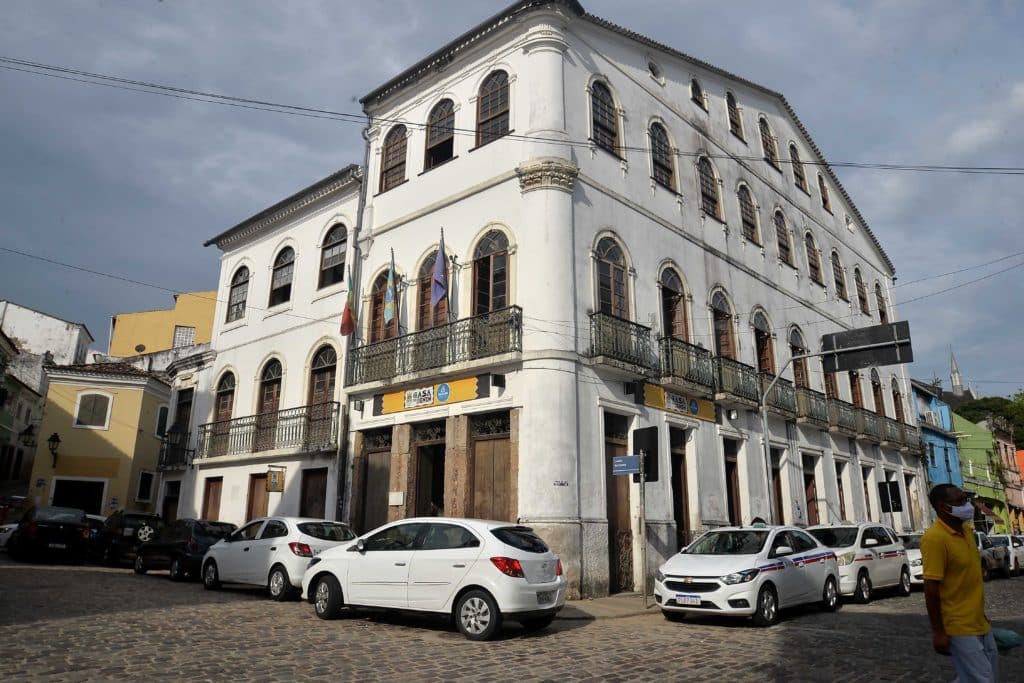
Inaugurated in 1988, the Casa do Benin was born out of the cultural exchange between Bahia and the African country of Benin, especially through the city of Cotonou. The museum was designed to celebrate and preserve the historical and cultural links between Brazil and Africa, particularly the Gulf of Benin region, where many of the blacks who formed the Recôncavo Baiano came from.
The architecture
Renovated by renowned architect Lina Bo Bardi, the structure of the century-old building has been preserved while the interior has been modernised. Lina has succeeded in reconciling past and present, creating an environment that preserves history while providing a modern infrastructure for exhibitions and events.
The Collection
The Casa do Benin Collection is a rich collection of objects and works of art from the Gulf of Benin region. Most of the pieces were collected by the French anthropologist and photographer Pierre Verger during his travels in Africa. The museum highlights the African heritage that has shaped Bahia’s culture and identity:
- Sculptures;
- Masks;
- Ritual and everyday objects;
- Photographs documenting life in Benin and its influence on Bahia.
Activities
In addition to the permanent collection, the space hosts temporary exhibitions and promotes artistic workshops, reinforcing its role as a dynamic cultural centre. The Casa do Benin is a meeting point between Afro-Brazilian culture and its African roots, offering visitors a deeper understanding of the African influences in the formation of Bahian society.
10. Municipal Museum
José de Alencar Square, 3, Pelourinho
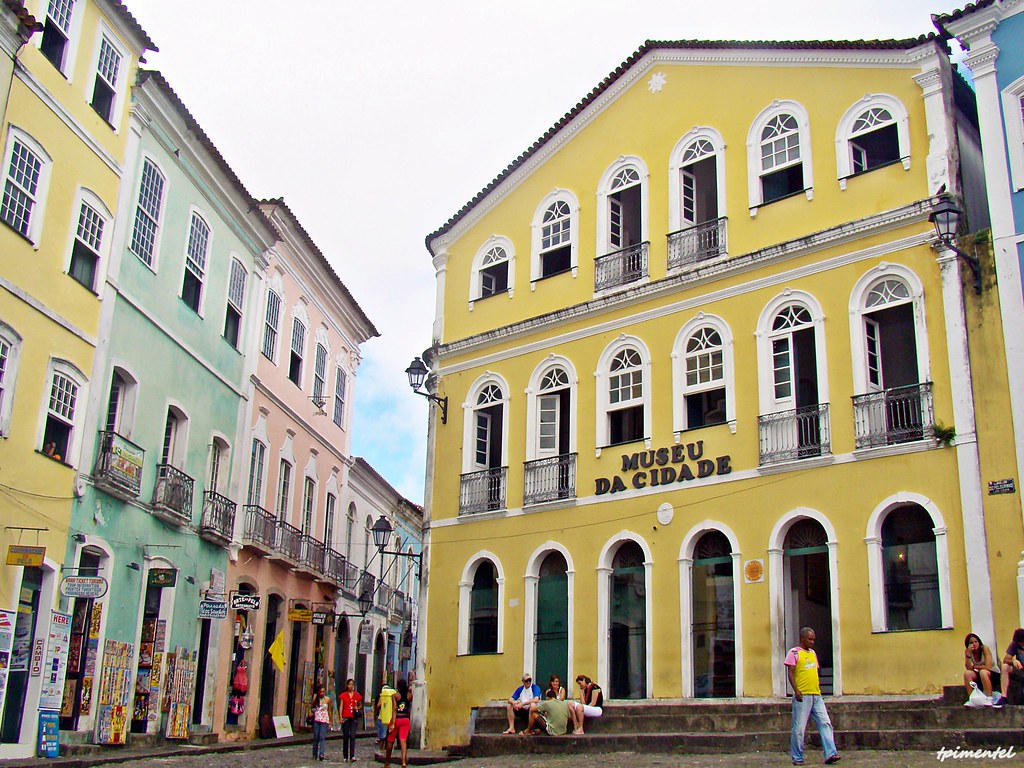
The City Museum, located in Salvador’s historic Largo do Pelourinho, is an important cultural space that explores the city’s rich history and diversity. The museum offers a comprehensive overview of Salvador’s evolution, mixing aspects of the past and present, and presenting both the sacred and the profane.
The Collection
The museum’s collection is diverse and includes
- Candomblé orisha costumes, representing the rich Afro-Brazilian religious tradition;
- Personal belongings of the poet Castro Alves, author of “O Navio Negreiro” and one of the first public figures to oppose slavery in Brazil;
- Traditional rag dolls depicting everyday colonial life;
- paintings and sculptures reflecting the artistic development of the city.
Other important items in the collection include
- Historical photographs;
- Rosaries and sacred images;
- Bahian costumes;
- Tapestries;
- Ceramics;
- Castro Alves’ personal belongings;
- Pinacoteca with works by artists linked to the city’s history.
The exhibitions
The Municipal Museum hosts permanent and temporary exhibitions on a wide range of historical and cultural themes. The exhibitions are designed to offer a comprehensive view of Salvador’s evolution, celebrating its traditions, culture and artistic contributions.
The museum not only preserves and displays the history of Salvador, but also serves as a meeting point for reflection on the city’s cultural identity, offering visitors a rich and educational experience.
11. Museum of Science and Technology
Address: Avenida Jorge Amado, s/n

Description: The Science and Technology Museum offers exhibitions of experiments and machines, many of which are used in everyday life but rarely seen from the inside. It is a must for families with children, providing an educational and entertaining experience.
12. São Bento Convent Museum
Avenida Sete de Setembro, 1, Largo São Bento
With over 400 years of history, the Convent of São Bento is one of the most important centres of sacred art in Brazil. The museum, located in Largo São Bento, is known for its impressive collection of rare pieces from the 16th to the 20th centuries.
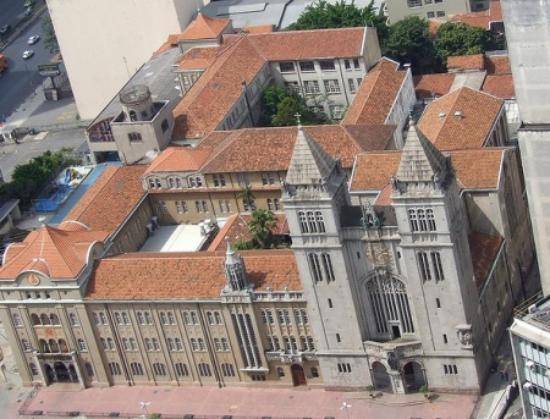
The Collection
The collection of the São Bento Monastery Museum includes
- Sacred Images;
- Religious paintings;
- Liturgical and Religious Objects.
These pieces represent the richness and diversity of sacred art in Brazil, offering visitors a deep insight into the evolution of religious art over the centuries.
Importance
The museum not only preserves these important works of art, but also serves as a testimony to the continuing influence of religious tradition on Brazilian culture and art. A visit to the São Bento Convent Museum offers a unique experience of immersion in the history and spirituality that have shaped the country’s artistic heritage.
13. Nautical Museum
Largo do Farol da Barra, s/n, Forte Santo Antônio da Barra, Barra
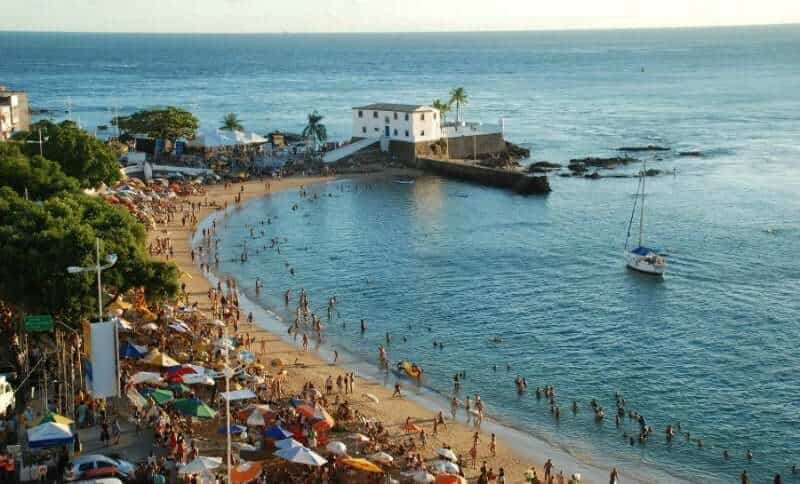
Housed in the Forte Santo Antônio da Barra, popularly known as the Barra Lighthouse, the Bahia Nautical Museum is one of the oldest and most important spaces dedicated to the maritime history of Brazil. The fort, built in 1534, is the oldest military building in the country, predating even the construction of Salvador.
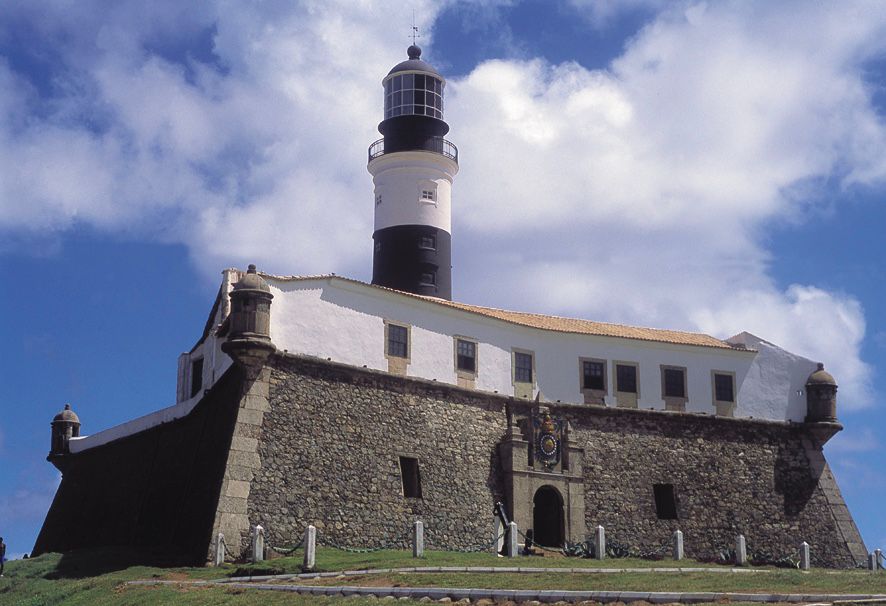
The collection
The museum has a rich collection including
- Underwater archaeological finds
- Navigation and Nautical SignalsInstruments;
- Models of ancient ships, caravels and galleons;
- Old maps and Documentation on historic shipwrecks, including the galleon Sacramento, wrecked in Todos os Santos Bay.

Highlights include
- Items found on a warship sunk in the Rio Vermelho in 1668;
- Miniatures of important vessels in Brazilian history.

Importance
The Museu Náutico da Bahia offers direct contact with Luso-Brazilian maritime history, providing an in-depth view of Salvador’s role in navigation and events related to the discovery of Brazil. The place is known for its excellent organisation and cataloguing, making it an essential visit for all ages.
In addition to its valuable collection, the museum offers an enriching experience for those who want to understand the evolution of navigation and the historical importance of Bahia in the maritime context.
14. Santa Casa de Misericórdia Museum or Misericórdia Museum
79 Joana Angelica Avenue
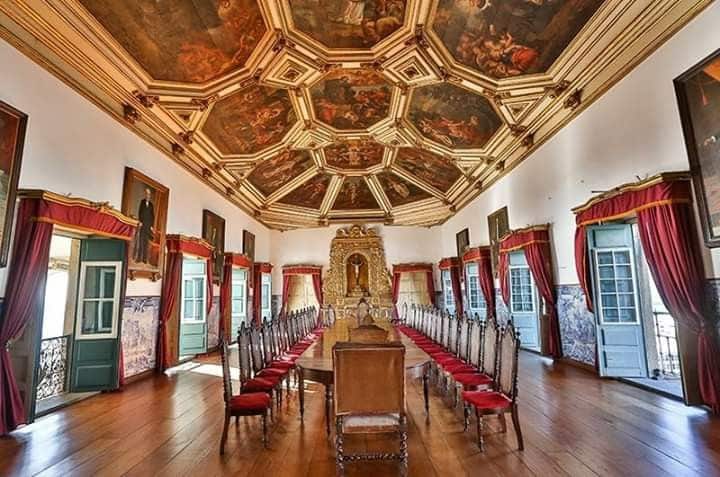
The Museum of Santa Casa de Misericórdia, or simply the Misericórdia Museum, is one of the most important cultural spaces in Salvador, located in an imposing 17th century mansion between the Praça Municipal and the Praça da Cruz Caída. Founded in 2006, the museum preserves and celebrates the history of Santa Casa de Salvador and the state of Bahia, reflecting the evolution of social and educational assistance over almost 500 years.

The collection
The museum has an extensive collection of over 1,800 objects, including
- Historic tiles, such as those from 1712 depicting the Bonfire Procession;
- Silverware and Furniture from various periods;
- Paintings and Documents, illustrating important events in the history of Bahia and Brazil;
- Pharmacy, with a cabinet built in 1867 exclusively for the Charity Hospital;
- A petrol-powered carriage, the first in Bahia and the oldest on display in Brazil.

The room also houses:
- A room with paintings by the Baroque painter José Joaquim da Rocha, depicting the Passion of Christ;
- The Loggia, an architectural space with four types of marble carvings, listed by the National Institute of Historical and Artistic Heritage (IPHAN) in 1938;
- Replica of the Wheel of the Exposed, installed by the Santa Casa in 1734.

Importance and impact
The Misericórdia Museum offers an immersion in the history of health, politics and society in Salvador, with pieces that reflect the thinking and habits of past eras. It is a focal point for academic research, as well as socio-cultural and educational activities for different audiences.

Museologist Osvaldina Cezar points out: “The pieces reflect a way of thinking, habits and customs of a Brazil and Bahia of yesteryear, which allows us to carry out socio-cultural and educational activities aimed at different audiences. Everything in this museum speaks, everything in this museum tells a story”.
TO VISIT
The museum is widely praised by Bahians and tourists for the quality of the guided tours, the state of conservation and the beauty of the pieces. It receives annual certifications, making it one of the most important museums in Salvador and Brazil. A visit to the Misericórdia Museum is an unmissable opportunity to immerse oneself in the rich cultural and social history of Bahia.
15. Abelardo Rodrigues Museum
Rua Gregório de Matos, 45, Pelourinho
The Abelardo Rodrigues Museum is a world reference in Portuguese Baroque Art, with a vast collection that covers the learned and popular sacred art of Brazil from the 17th to the 19th centuries. The collection belongs to the Pernambuco collector Abelardo Rodrigues and is displayed in Solar Ferrão, a valuable colonial building.

The Collection
The museum has
- 800 images of saints;
- Sacred art paintings;
- Oratories, Altars and Crucifixes;
- fragments of carvings.
Importance
The Abelardo Rodrigues Museum is notable for its rich collection of Baroque art and for preserving pieces that represent sacred art from the Brazilian colonial period. Solar Ferrão, where the museum is located, completes the experience with its historic architecture, offering a complete immersion in the aesthetics and history of the Baroque.
A visit to the museum is a unique opportunity to explore the evolution of sacred art in Brazil and to appreciate the beauty and complexity of works from the colonial period.
16. Museum of the Palace of Acclamation
Av. Sete de Setembro, 1.330, Passeio Público, Campo Grande
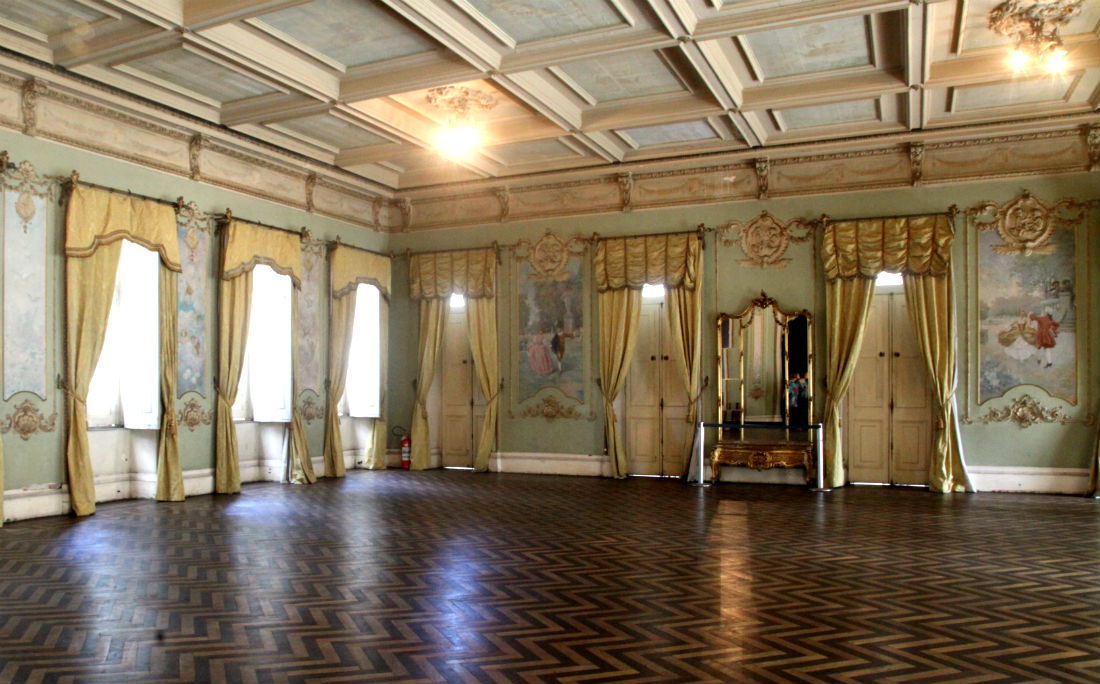
The Museum of the Palace of Acclamation is housed in a former palace that served as the official residence of governors and is an excellent example of late 19th-century architecture.
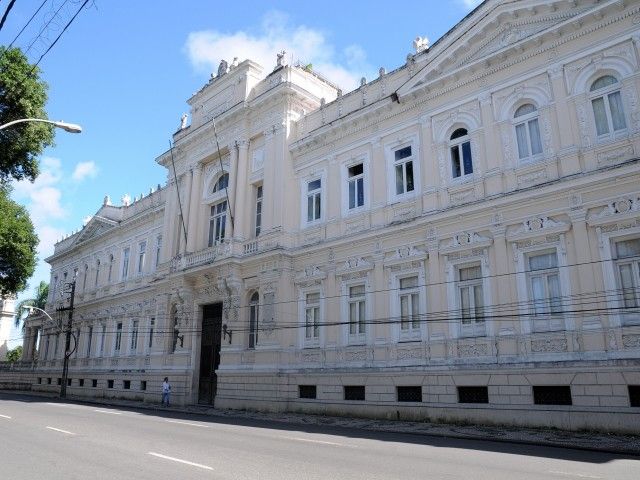
The collection
The museum has an extensive collection which includes
- framed panels, garlands, bows and painted medallions by Presciliano Silva;
- Furniture in the D. José and Louis XV styles;
- Porcelain, Crystal, Bronzes and Persian and French Carpets.
Significance
The room offers a detailed insight into the elegance and style of the imperial period, with a varied collection that reflects the opulence and good taste of the time. Furniture and decorative objects immerse you in the luxury of the past, while the panels and paintings by Presciliano Silva add an important artistic touch.
A visit to the Museum of the Palácio da Aclamação is an opportunity to appreciate the beauty of historic architecture and the cultural and artistic richness of Salvador at the end of the 19th century.
17. Basilica Cathedral Museum
Praça 15 de Novembro, s/nº, Terreiro de Jesus, Historic Centre
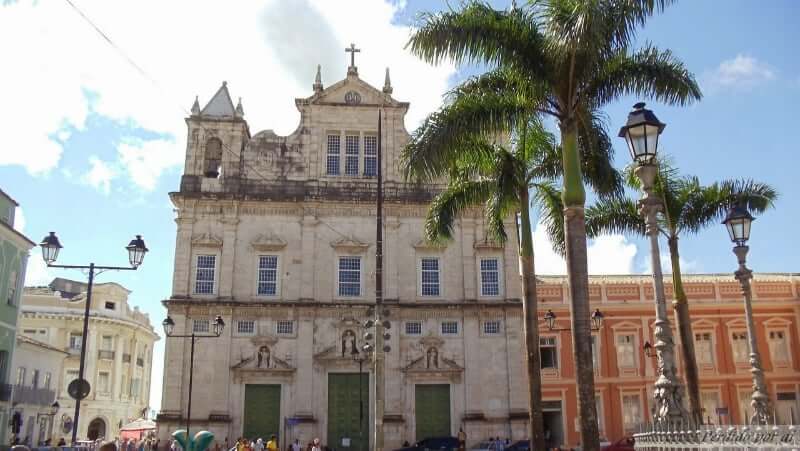
The Catedral Basílica Museum is located inside the Catedral Basílica de Salvador, a historic building that is the fourth church built on the same site since the 17th century, replacing the old church of the Jesuit College.

Architecture and history
The cathedral displays a mixture of architectural styles due to the various renovations that have taken place over the years. The two towers are a combination of Baroque and Neoclassical styles, while the interior is enriched with a variety of materials, including Marble, Gold, Tortoiseshell Ivory and Rosewood.
Museum collection
The museum stands out for its collection, which includes
- An image of Our Lady of Lucas;
- Pieces of gold and silver.
Importance
The museum offers a rich cultural and historical experience, reflecting the opulence and religious importance of the cathedral. As well as being a point of interest for admirers of architecture and sacred art, the space is notable for its connection to the famous priest Antônio Vieira, who died in the cathedral in 1697.
A visit to the Basilica Cathedral Museum provides an in-depth insight into the history and artistic heritage of Salvador, highlighting the cathedral’s influence and importance in the city’s historical context.
18. Henriqueta Catharino Museum of Ancient and Popular Art
Rua Monsenhor Floriano, 2, Instituto Feminino da Bahia, Politeama
The Henriqueta Catharino Museum of Ancient and Popular Art was founded in 1938 and is known for its diverse collection of historical and cultural objects.
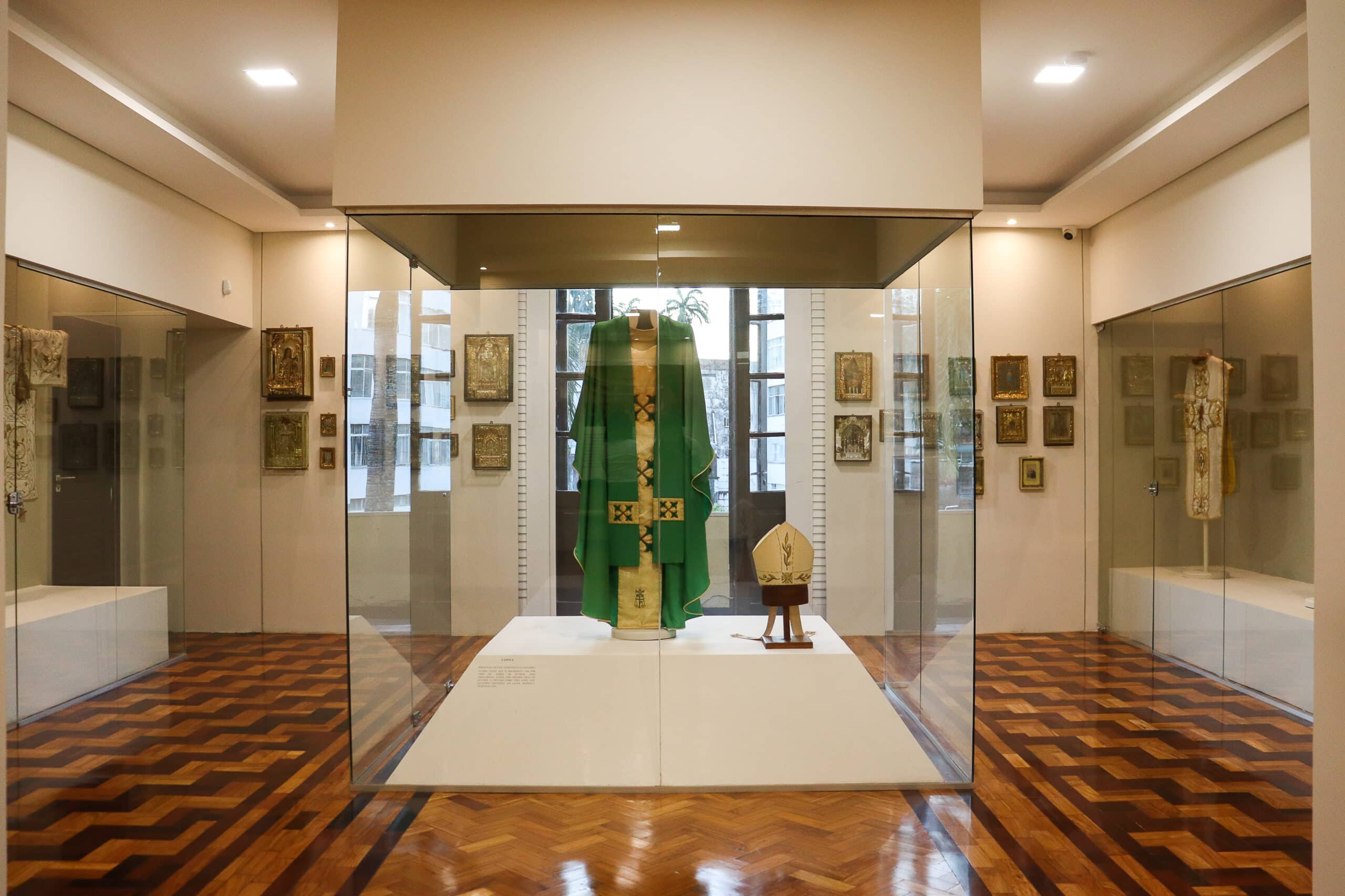
The collection
The museum has a remarkable collection which includes
- Rosewood furniture;
- Garments, such as the dress and skirt worn by Princess Isabel when she signed the Golden Law;
- Pope Pius X’s skullcap;
- Sacred images.
Importance
The Museum is an important institution that preserves and exhibits a rich heritage of art and culture, with a collection that highlights the intersection between sacred art and craftsmanship, both Portuguese and Northeastern. The inclusion of significant historical items, such as the dresses of Princess Isabel and the skullcap of Pope Pius X, gives the museum an additional layer of importance, linking it to events and personalities of historical relevance.
A visit to the Henriqueta Catharino Museum of Ancient and Popular Art is a unique opportunity to discover the city’s rich cultural and artistic heritage, which reflects the diversity and importance of the collections it houses.
19. Ilê Ohun Lailai Museum (Ilê Axé Opô Afonjá)
Rua Direita do Gonçalo, 557, São Gonçalo do Retiro
The Ilê Ohun Lailai Museum is located in the Ilê Axé Opô Afonjá terreiro, one of the oldest Candomblé houses in Bahia, and has been declared a National Heritage Site by IPHAN (National Institute for Historical and Artistic Heritage).
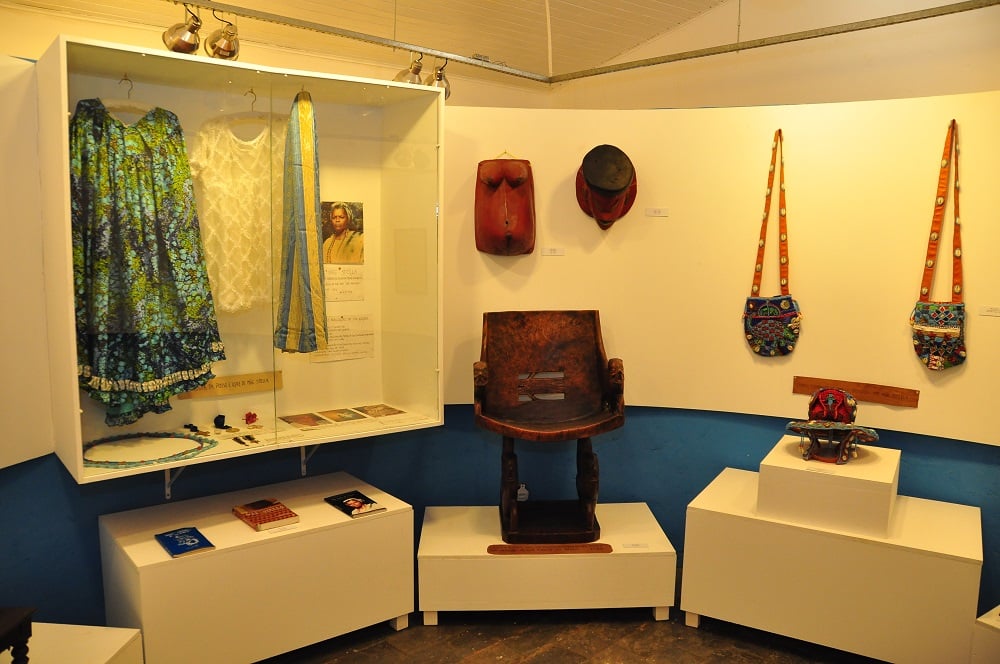
Collection
The museum has a significant collection of more than 750 works that reflect the rich history and tradition of the Ilê Axé Opô Afonjá terreiro. The exhibitions include a variety of items related to Candomblé practices and rituals, offering a detailed insight into Afro-Brazilian culture and religion.
Importance
As one of the oldest candomblé terreiros in Bahia, Ilê Axé Opô Afonjá plays a crucial role in the preservation and promotion of Afro-Brazilian traditions. By collecting and exhibiting historical and cultural artefacts, the museum not only celebrates this heritage, but also educates the public about the importance of candomblé in shaping Bahia’s cultural identity.
A visit to the Ilê Ohun Lailai Museum provides an immersive and educational experience into the spirituality and tradition of candomblé, reinforcing the importance of the terreiro in preserving Afro-Brazilian practices and values.
20. Eugênio Teixeira de Leal Museum (Banco Econômico Memorial)
Rua J. Castro Rabello, 1, Pelourinho
The Eugênio Teixeira de Leal Museum, also known as the Banco Econômico Memorial, is an important cultural institution dedicated to the preservation and exhibition of the history of money and the social, economic, political and cultural development of Bahia.

The Collection
The museum has an extensive collection of some 5,000 objects, including
- coins and medals;
- National and foreign decorations;
- Furniture, Paintings, Plaques and Trophies;
- documents, photographs, tapes and videos.
Significance
The Eugênio Teixeira de Leal Museum offers a rich insight into the evolution of currency and the financial system, as well as a detailed panorama of Bahia’s history and culture. Its extensive and varied collection not only highlights financial and monetary aspects, but also places these elements in the social and historical context of the region.
A visit to the museum is an opportunity to explore Bahia’s economic and cultural history through a wide range of artefacts and documents, providing a deeper understanding of the region’s economic and cultural evolution.
21. Geological Museum of Bahia
Av. Sete de Setembro, 2.195, Corredor da Vitória
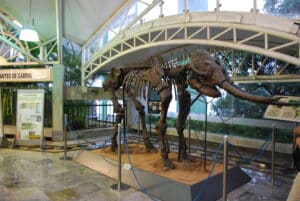
The Geological Museum of Bahia is an important research and exhibition centre dedicated to geology, mining and palaeontology. With a diverse collection, the museum offers a rich educational and cultural experience.
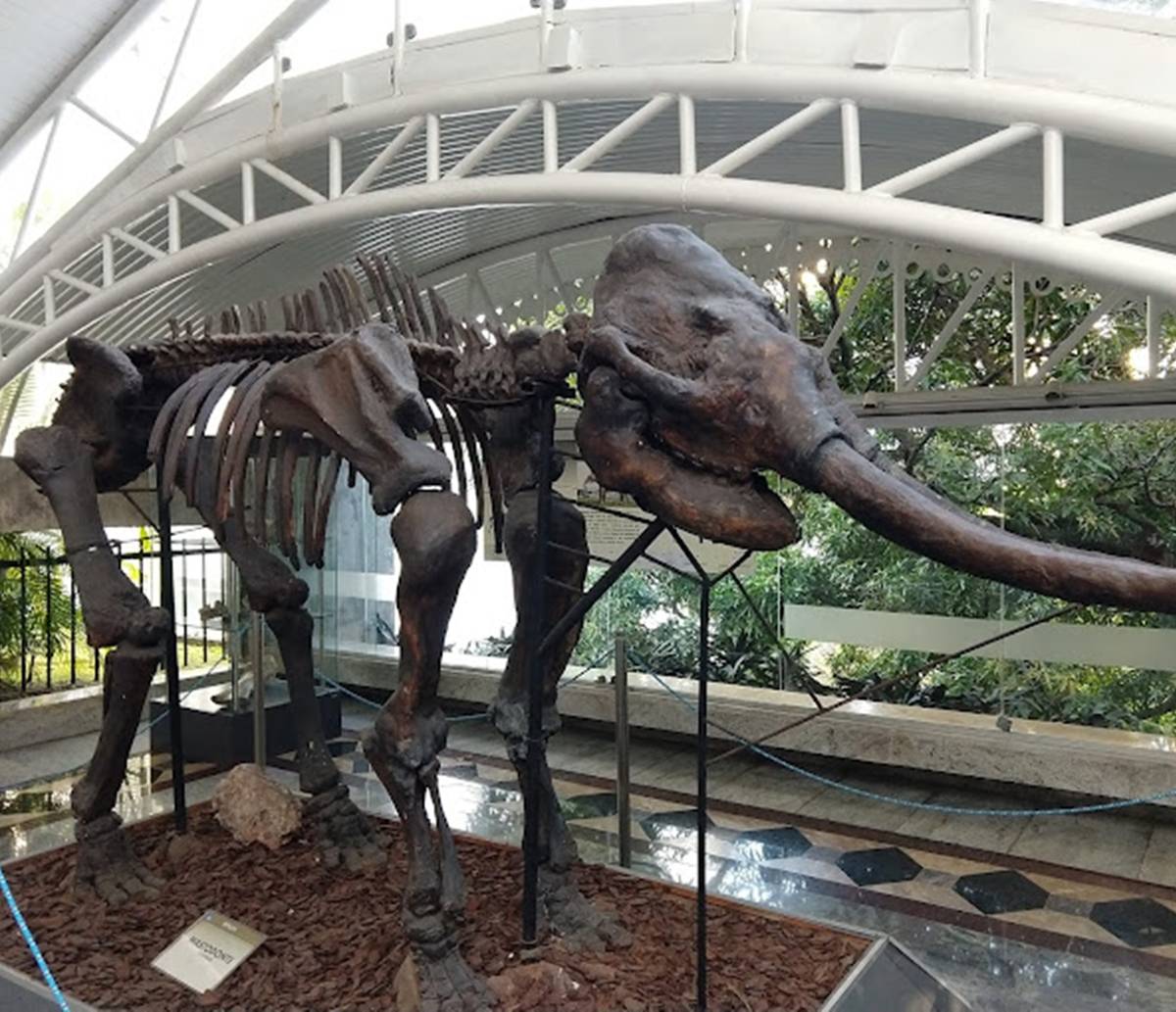
The Collection
The museum has an impressive collection of 2,500 specimens, including
- Quartz and various Minerals, with an emphasis on crystals and granites;
- Rocks, Fossils and Precious Stones;
- Documentation on mining and the history of the oil industry in Brazil.
Highlights include
- Bendegó Meteorite: A remarkable piece that fell in Bahia in 1784 and is one of the largest meteorites found in Brazil.
- Exclusive Room on Oil: Displays photos and panels on the history of the oil industry in Brazil.
Infrastructure
The museum also has a library specialising in geology and a art cinema, providing a culturally enriching and educational environment.
A visit to the Bahia Geological Museum is an excellent opportunity to explore the geology of the region, learn about the history of mining and appreciate the significant impact of natural events such as the fall of the Bendegó meteorite.
22. São Bento Museum
Av. Sete de Setembro 1, Largo de São Bento, Centro
Founded in 1582, the Monastery of São Bento has been an important witness and active participant in the historical and cultural formation of Salvador. For more than 400 years, the Benedictine monks have preserved one of the rarest and oldest artistic and bibliographical collections in Latin America, reflecting the profound cultural, religious and artistic wealth of the region.
The Museum of São Bento, located in the upper galleries of the Basilica of São Sebastião, displays a representative sample of a vast collection of more than two thousand pieces. These works offer visitors a panoramic view of Brazilian art history, from the colonial period to the 20th century. The selection has been made with a didactic approach, making it easier to understand the different periods and artistic styles.
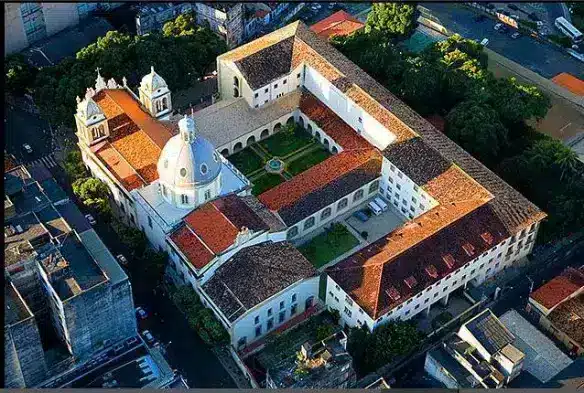
The Collection
- Artworks: The collection includes paintings by famous and anonymous artists, notably José Joaquim da Rocha, founder of the Bahia School of Painting. There are also sculptures by Benedictine artists such as Friar Agostinho da Piedade, Friar Ricardo do Pilar and Friar Agostinho de Jesus.
- Sacred Images: Consisting of 223 pieces, this section reflects the religious devotion of the time and the skill of the artists in portraying sacred figures.
- Porcelain and Crystal: The collection of decorative objects includes fine porcelain and crystal pieces that testify to the cultural exchange between Brazil and Europe.
- Jewellery and Furniture: Jewellery and liturgical objects in gold, silver and other precious metals, as well as antique furniture, which help to recreate the historic atmosphere of the monastery.
The museum presents the pieces in chronological order, tracing the evolution of art in Brazil from the 16th century through the 17th century, 18th century, 19th century and 20th century. This structure allows visitors to understand the changes and artistic influences of each period.
Temporary exhibitions and viewpoints
In addition to its permanent collection, the São Bento Museum has a room dedicated to temporary exhibitions, which often feature works by contemporary artists, creating a dialogue between the past and present of art.
Another highlight is the Belvedere, located in the Santa Escolástica tower, from where you can enjoy a spectacular view of the Todos os Santos Bay, with the Itaparica Island on the horizon.
The São Bento Museum offers a rich cultural and spiritual experience, immersing you in the history of art, religion and architecture that has shaped Brazil.
23. Tempostal Museum
33 Rua Gregório de Matos, Pelourinho
The Tempostal Museum offers a rich journey through time through photographs, postcards and stamps that illustrate the history of Salvador, other places in Bahia and Brazil. Founded on the basis of the vast collection of Antônio Marcelino do Nascimento, the museum is an important centre for researchers and scholars interested in history and visual communication.

Collections
- Postcards and Stamps: Includes an extensive collection of postcards and stamps from the late 19th to the mid 20th century.
- Historical Photographs: Captures of the Belle Epoque Salvador and other locations, documenting urban and social evolution.
- Decorated cards: These are decorated with stones and feathers, representing a decorative and cultural aspect of the period.
Experience
- Consultation and exhibition: Part of the collection is on display on the walls and in the rooms of the museum, while another part is available for consultation, allowing a deep immersion in the history of the period.
- Highlights: Urban prints of Salvador and elaborately decorated cards that offer a glimpse into the aesthetic and social practices of the past.
Special features
The Tempostal Museum is an essential destination for those who want to understand the visual and historical evolution of Salvador and Brazil, with a collection that testifies to the evolution of visual communication over time.
24. Carmo Gate Museum
Praça José de Alencar, 13/19, Historic Centre, Senac Restaurant Building
The Museu das Portas do Carmo is dedicated to preserving and exhibiting important vestiges of Salvador’s colonial history. Housed in part of the original city wall, discovered during restoration work in 1973, the museum offers a unique insight into the founding and defence of Salvador.
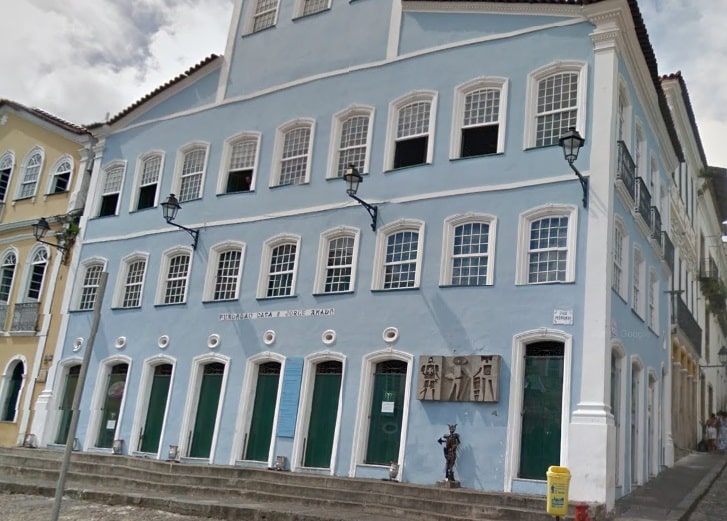
Collection
- Historic Wall: Displays part of the wall that originally protected the city of Salvador.
- Weapons and Cannons: Contains war artefacts used during the colonial period, providing an insight into the defence strategies of the time.
- Flags and Documents: Displays flags and historical documents that help contextualise the military and political history of colonial Brazil.
Experience
- Installation: The museum structure is integrated into the old wall, offering an immersive experience in historical context.
- Exhibitions: Focuses on the history of Salvador’s defence and colonial period, with a collection that complements the city’s historical narrative.
Special features
The Portas do Carmo Museum not only preserves physical pieces of Salvador’s past, but also serves as an educational resource, revealing important details about the origins and defence of Brazil’s first capital.
25. Bahia Art Museum (MAB)
Av. 7 de Setembro, 2.340, Vitória
The Bahia Art Museum is the oldest museum in the state, founded in 1918 and moved to its current location in 1982. It plays a fundamental role in the preservation and exhibition of the art and culture of Salvador and Bahia.
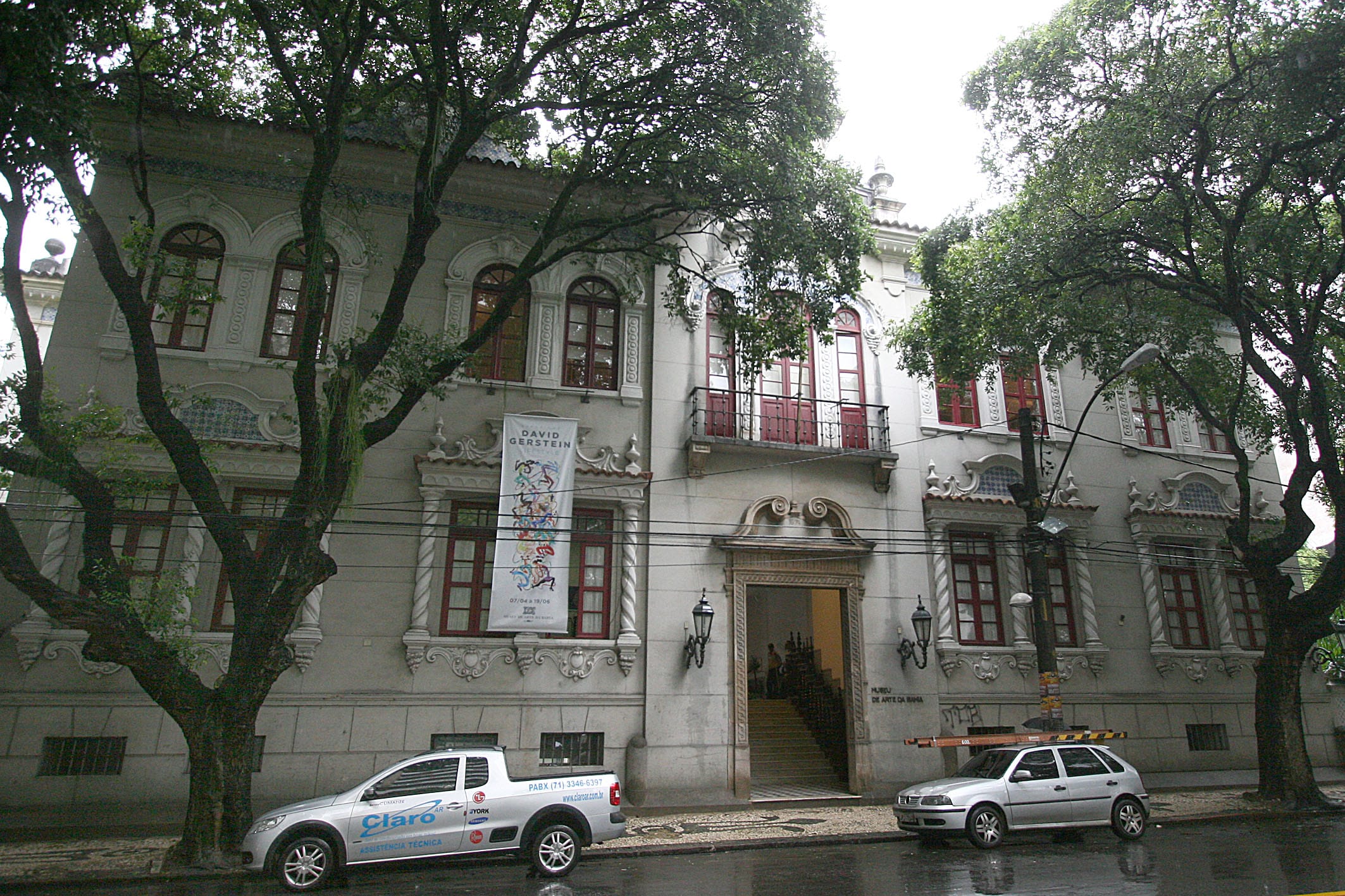
Collection
- Paintings: The museum has an important collection of 17th and 18th century paintings, including works from the Italian, French, Flemish and Dutch schools. A highlight is ‘David with the Head of Goliath’ by Caravaggio.
- Decorative Arts: The collection includes important decorative arts such as oriental porcelain and furniture from the 18th and 19th centuries.
- Bahian Painters: Representations of local artists such as Presciliano Silva, Alberto Valença and Mendonça Filho.
- Other items: Crystals, tapestries, jewellery, glass objects and sacred items.
To experience
- Exhibitions: The MAB offers a rich visual experience with a wide range of paintings, furniture and decorative objects from different periods and artistic styles.
- Education and culture: The museum also plays an important role in education and the promotion of local culture, offering temporary exhibitions, events and educational programmes.
Features.
The Bahia Art Museum is an important cultural and historical centre that offers a comprehensive view of art and culture through the ages, both of Salvador and of the external influences that have shaped the region’s artistic heritage.
See also Bahia Art Museum is the oldest museum in Salvador.
26. Monte Serrat Fort Armoury Museum
Largo da Boa Viagem, s/n, Boa Viagem
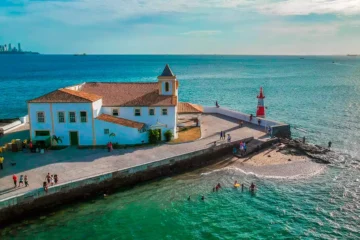
The Armoury Museum is located in the Fort Monte Serrat, one of the most imposing and well-preserved colonial fortifications in Brazil. Built in 1583 and completed in 1742, the fort was crucial to the defence of the city of Salvador, offering a strategic view of the Bay of All Saints.

The collection
- Weapons: The museum has an extensive collection of civil and military weapons dating from the 16th century to the present day.
- Military History: In addition to the weapons, the museum tells the military history of the colonial period and the use of the fort in the defence of Salvador, including important events such as the resistance against the Dutch.
Features.
- Architecture: The Monte Serrat Fort is an outstanding example of colonial military architecture, with round bastions and panoramic views over the bay and Itaparica Island.
- Location: The fort’s strategic location offers a privileged view, making a visit to the museum both a cultural and visual experience.
Experience
- Visits: The museum is a popular destination not only for those interested in military history, but also for those who want to enjoy the panoramic views and explore the colonial architecture of the fort.
- Attraction: The fort’s location offers breathtaking views of Todos os Santos Bay and Itaparica Island, adding a unique historical and visual context to the visit.
27. Estácio de Lima Anthropological Museum (Nina Rodrigues Museum)
Centenário Avenue, Nina Rodrigues Forensic Institute Building, Vale dos Barris
The Estácio de Lima Anthropological Museum, also known as the Nina Rodrigues Museum, is located in the building of the Nina Rodrigues Forensic Institute. The museum is an important reference point for anthropological, cultural and historical studies.
The collection
- Black Culture: Objects used in liturgical rituals and other artefacts related to Afro-Brazilian culture.
- Indigenous Culture: Items representing the traditions and practices of indigenous peoples.
- Cangaço: Items related to cangaço, including weapons and personal objects of notorious figures such as Lampião and Antônio Conselheiro.
- Forensic Medicine: Exhibits on the practices and techniques of forensic medicine, as well as objects related to criminalistics.
- Technical Police: Objects and equipment used by the police and technical forces.
Special features
- Anthropological Studies: The museum is dedicated to the study and preservation of Afro-Brazilian, indigenous and cangaço cultures, offering an in-depth look at these aspects of Brazilian history and society.
- Education and Research: It serves as a resource for researchers and students interested in anthropology, history and culture.
Experience
- Tours: The museum offers a comprehensive overview of various aspects of Brazilian culture and history, with a special focus on historical practices and objects related to cangaço and forensic medicine.
- Exhibitions: In addition to the permanent exhibitions, the museum can offer temporary exhibitions and educational events on topics relevant to its areas of specialisation.
28. Museum of the Holy House of Mercy
Rua da Misericórdia, 6, Sé
The Museum Santa Casa de Misericórdia is one of Salvador’s newest museums, created to preserve and present the rich historical and artistic heritage of the Santa Casa da Misericórdia, Brazil’s oldest health institution.

The Collection
- Paintings and Sculptures: Works from the 17th to the 20th centuries, depicting aspects of Bahia’s history and culture.
- Furniture: 19th century pieces that reflect the sophistication and style of the period.
- Religious and ceremonial items that highlight the tradition and spirituality of the institution.
- Portuguese Tiles: Panels from the 18th century, highlighting the Portuguese influence on decoration and architecture.
Special features
- History and Urban Development: As well as displaying important pieces, the museum traces the urban and social development of Salvador over the centuries.
- New Wing (2008): This latest section of the museum focuses on Santa Casa’s relationship with Bahian society, exploring the institution’s interaction with and influence on the local community.
To experience
- Visits: The museum offers a rich cultural and historical experience, with exhibitions detailing the impact of Santa Casa de Misericórdia on the city and society.
- Events: May include temporary exhibitions and events that highlight specific aspects of the institution’s collection and history.
The Museum of Santa Casa de Misericórdia is an important place for anyone wishing to better understand the history of Salvador and the lasting influence of the Santa Casa on the life of the city.
29. Udo Knoff Tile and Ceramic Museum
Rua Frei Vicente, Pelourinho
The Udo Knoff Tile and Ceramic Museum ics is dedicated to the art of ceramics and tiles, bringing together an important collection of historical and contemporary pieces.
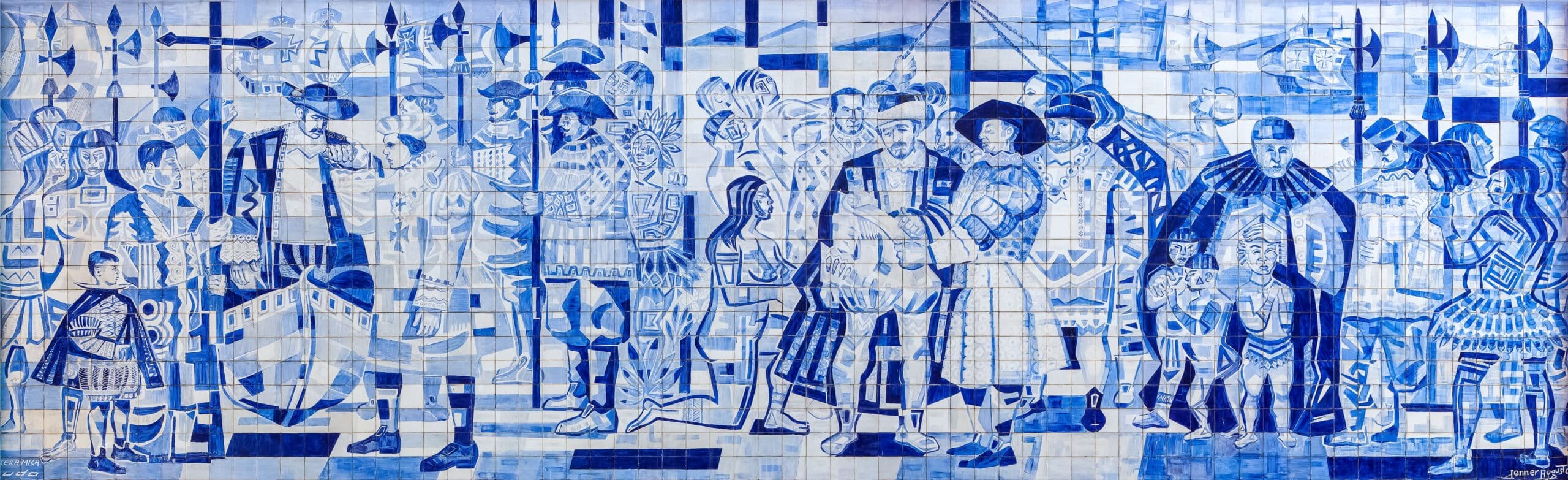
Collection
- Total pieces: Approximately 1,200 pieces.
- Udo Knoff Items: Includes works by German ceramist Udo Knoff and items collected by him.
- Tiles: Pieces from the 17th to the 20th century, from Portugal, France, Holland, England, Mexico and Belgium.
- Domestic and Foreign Ceramics: Tiles and ceramics from Salvador and other countries.
- Tools and Machinery: Equipment used in the production of tiles and ceramics.
The exhibitions
- Ground Floor: “Azulejaria na Bahia” exhibition, focusing on ceramic art and tiles from Bahia.
- First Floor: “Art and Tiles” exhibition, with photographs of buildings with tiles from Udo Knoff’s workshop.
Features.
- Private collection: The museum is the result of the personal collection of Udo Knoff, who lived in Salvador and dedicated his life to the preservation and promotion of tiles and ceramics.
- Pieces collected: Many pieces have been salvaged from houses being demolished in Bahia.
- Lectures and Guided Tours: The museum promotes educational activities to enrich the visitor’s experience.
The Udo Knoff Museum of Tiles and Ceramics offers a rich insight into the art of ceramics and tiles, highlighting the historical and cultural importance of these elements in architecture and decoration.
See also History of the introduction of Portuguese tiles in Brazil.
30. Rubens Freire de Carvalho de Tourinho Museum
Largo do Bonfim, s/nº, Igreja do Senhor do Bonfim, Bonfim
The Rubens Freire de Carvalho de Tourinho Museum, better known as the Bonfim Church Ex-Votos Museum, is located inside Salvador’s famous religious temple, the Basilica Santuário do Senhor do Bonfim. The museum houses a fascinating collection of objects donated by the faithful over three centuries, representing graces received, promises fulfilled and devotion to Senhor do Bonfim.
An important part of Bahia’s religious and cultural history, the museum was reopened to the public in February 2018 after a process of re-qualification led by museologist Genivalda Cândido da Silva and sacred art specialist Cássio Bêribá. In this process, the collection has been carefully sorted to make the visit more didactic and understandable for the public.
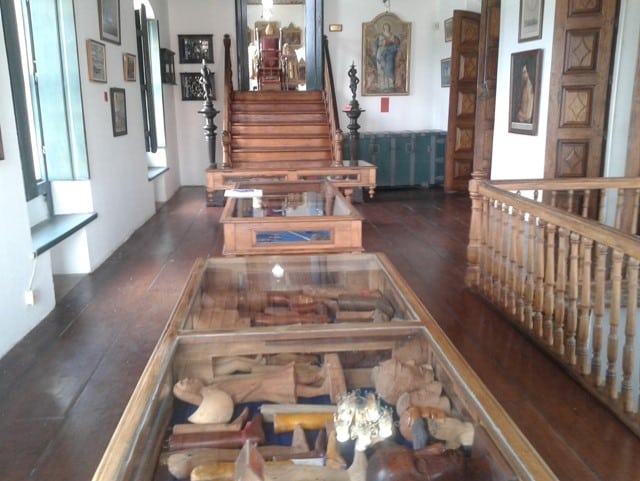
The collection
The museum’s collection is divided into three main rooms:
- Hall of Miracles: Displays objects donated by the faithful who have had their prayers answered, such as milagritos made of various materials (gold, silver, bronze) representing parts of the human body that have been healed, as well as weapons, military insignia and other personal items that symbolise the graces received.
- Hall of Sacred Art: This contains an impressive collection of sacred images, sculptures and paintings from the 19th century, including works from the First Bahian School of Painting. Special mention should be made of the donations made by José Teófilo de Jesus.
- Alfaias Room: Focusing on liturgical vestments, this room displays clothing and objects used in religious celebrations over the centuries, keeping the Catholic liturgical tradition alive.
Visitor experience
The museum offers visitors the unique opportunity not only to explore the rich collection of sacred art, but also to climb the Church Tower, an unprecedented access in Brazil, and enjoy a panoramic view of the Bay of All Saints and the historic neighbourhoods of Salvador.
With the aim of preserving and disseminating the history of faith and devotion, the museum has become a reference point both for religious tourism and for the study of the art and culture of Bahia.
31. Museum of the Third Order of Saint Francis
Rua Inácio Aciolli, s/nº, Pelourinho
The Museum of the Third Order of St. Francis is located in a historic building, remarkable for its Baroque architecture and refined decoration.
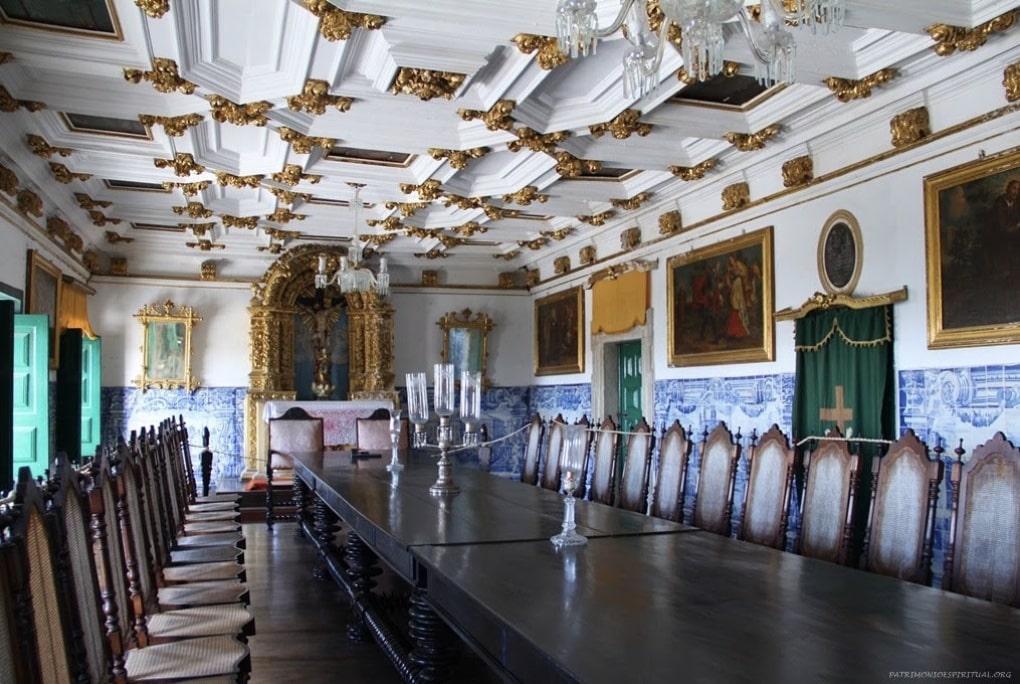
Features and collection
- Construction: Founded in 1703, the building is known for its carved ashlar façade, a unique feature in Brazil that is reminiscent of the Spanish Baroque.
- Nave ceiling: The nave ceiling, designed by Franco Velasco, was made in 1831, more than a hundred years after the church was founded.
- Congregation Hall: The hall is lined with 16th-century Portuguese tiles and is an important example of Portuguese ceramics.
Museum of Religious Art
- Collection: The museum displays a collection of sacred art, including religious pieces that illustrate the historical and cultural importance of the Third Order of St Francis and its contribution to sacred art in Brazil.
The Museum of the Third Order of St Francis offers a rich cultural and historical experience, reflecting the opulence of Baroque architecture and the importance of sacred art in Bahia.
32. Museum of the Nativity Scene
Rua Itabuna, 286, Parque Cruz Aguiar, Rio Vermelho
The Nativity Scene Museum is a space dedicated to sacred art, with a focus on representations of the Nativity.
Characteristics and collection
- The museum was founded in 1993 to preserve and promote the art of the Nativity scene.
- Collection: The museum has around 50 pieces, including nativity scenes, cribs, oratories and engravings. These pieces offer a detailed and historical view of the birth of Jesus, reflecting different artistic styles and traditions.
The Nativity Scene Museum is a cultural destination for those who wish to explore the representation of the birth of Christ and the sacred art associated with it.
33. UFBA Museum of Archaeology and Ethnology
Location: Praça 15 de Novembro, Terreiro de Jesus, s/nº, former Faculty of Medicine.
The UFBA Museum of Archaeology and Ethnology is housed in the architectural remains of the former Royal College of the Jesuits, an imposing colonial-era educational complex.
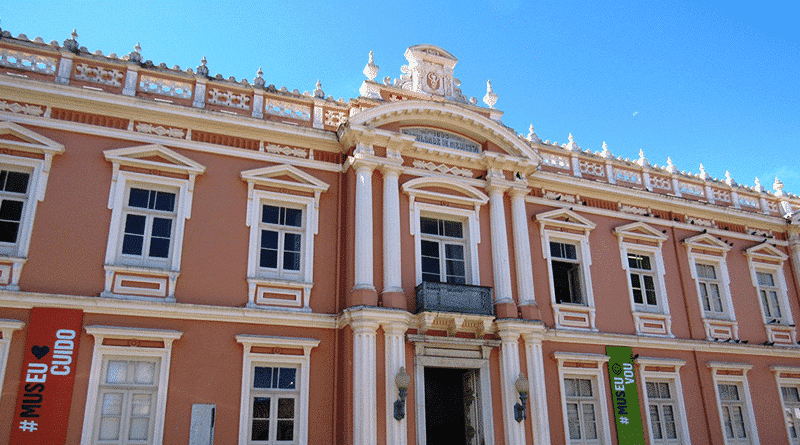
The museum’s collection is divided into two main categories:
- Archaeological: Includes ceramics, polished stone, chipped stone and fossils.
- Ethnological: Includes ritual ornaments, utensils, fishing and cooking utensils and documents that reflect the rich cultural diversity of the indigenous, black and European populations, as well as rock art.

In addition to the permanent exhibitions, the museum organises temporary exhibitions that enrich the collection with new perspectives and discoveries.
Collection: Includes indigenous objects, paintings, photographs and much more.
34. Erotic Museum
Location: Rua Frei Vicente, 24, Pelourinho.
The Erotic Museum is housed in the headquarters of the Gay Group of Bahia (GGB) and brings together a unique collection of more than 400 pieces representing the popular erotic imagery of different countries.
The collection belongs to historian Marcelo Cerqueira, who is also president of the GGB, and is notable for its diversity. Highlights include indigenous ceramics from Ceará and the thongs of Wai-wai women from Amazonas.
Collection: The museum presents erotic representations through handicrafts from the Northeast, Amazon and Mexico, pre-Columbian art, French pop art and sex shop items.
35. Palace of Arts
Location: Rua da Graça, 284 – Graça, Salvador
The Palacete das Artes, formerly known as the Palacete do Comendador Bernardo Martins Catharino or “Villa Catharino”, is an important cultural centre in Salvador. It was the first eclectic style building to be listed by IPAC in 1986.
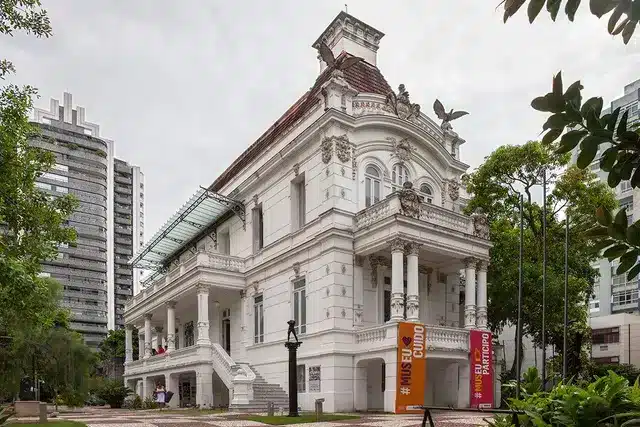
The area around the palace, which includes gardens, a restaurant and a space for children’s activities, is also dedicated to art and culture, providing an ideal setting for exhibitions and cultural events.
The Palace is home to the Mario Cravo Jr. Contemporary Room, a space dedicated to temporary exhibitions by renowned artists from Bahia, Brazil and other countries.
The Palacete das Artes combines its rich history with a vibrant cultural programme, offering visitors a complete experience.
36. Public Promenade
Location: Avenida Sete de Setembro, next to Palácio da Acclamação and near Largo do Campo Grande.
The Passeio Público is an open-air museum and one of the oldest green spaces in Salvador. Inaugurated in 1810 by the Count of Arcos, then governor of Bahia, it underwent extensive restoration and was reopened to visitors in 2015.
The space features restored sculptures, renovated paving and upgraded or rebuilt sidewalks, offering visitors an environment that combines historical beauty with modern infrastructure.
It is an ideal place to stroll and appreciate the city’s artistic and landscape heritage.
37. Solar do Ferrão
Location: Rua Gregório de Matos, Pelourinho, Historic Centre of Salvador.
Solar do Ferrão is an important Space of Art, Culture and Memory located in the Historic Centre of Salvador.
Listed by the National Institute of Historical and Artistic Heritage (IPHAN) in 1938, the mansion was built between the late 17th and early 18th centuries and has six floors.
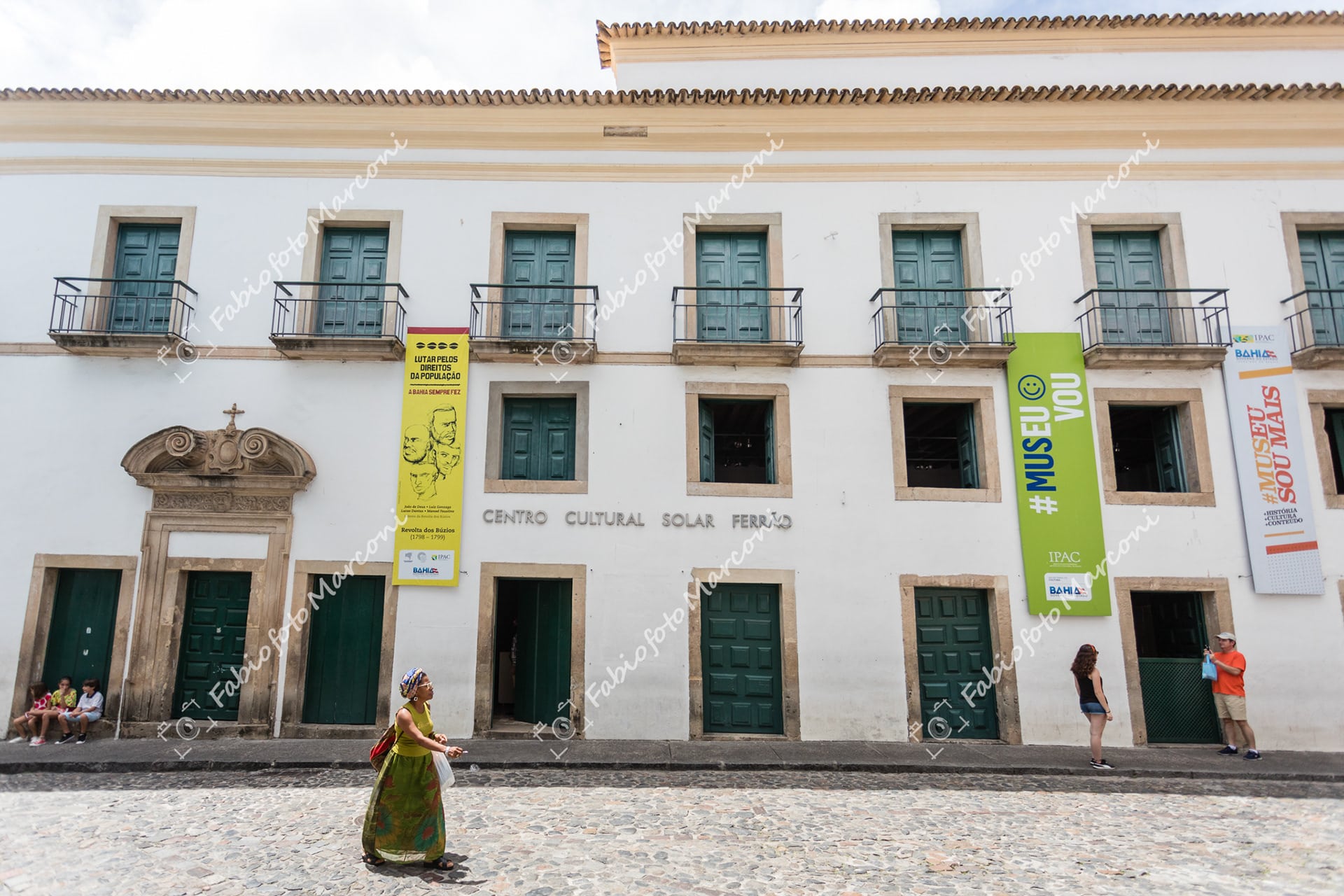
Inside the manor house you’ll find
- Solar Ferrão Gallery
- Abelardo Rodrigues Museum
- Claudio Masella African Art Collection
- Popular Art Collection
- Walter Smetak Plastics Collection
- Emília Biancardi Collection of Traditional Musical Instruments
Each of these collections offers a rich insight into different aspects of art and culture, reflecting the diversity and richness of Bahia’s and Brazil’s cultural heritage.
38. Bahia City of Music
Location: Casarão dos Azulejos Azuis, Comércio district, Salvador, near Lacerda Elevator and Mercado Modelo.
The Cidade da Música da Bahia is housed in the historic Casarão dos Azulejos Azuis, a building dating from the 1850s. Located in the vibrant centre of Salvador, the building has been completely restored and transformed into a cultural centre dedicated to the city’s rich musical heritage.

Rooms and Attractions
Ground Floor
- Reception, ticket office, lounge, café, shop, library, media library, research centre and cultural centre infrastructure area.
First floor
- The city of Salvador and its music: An exhibition that explores the city’s neighbourhoods, its music and its history. It includes a large interactive model, three large projection screens, information points and a studio for recording testimonies.
Second floor
- Musical History of Bahia: Exhibition with nine video booths.
- The Magic of the Orchestra: Focus on classical music.
- The New Music of the City: 80-inch screen showing videos of new groups and emerging singers.
- Who Makes Bahia’s Music: Room with 260 testimonies of the most important and representative personalities of Bahian music.
Third floor
- Educational Entertainment: Studio and mixing booth.
- Karaoke: A space where visitors can record their own clip with a chosen background and share it on social networks. A video station displays all recorded clips.
The Bahia Music City offers a complete and immersive musical experience, celebrating the diversity and innovation of the Bahian music scene through interactive and educational exhibitions.
39. Baianas de Acarajé Memorial
Location: Praça da Sé, next to the Monument of the Fallen Cross, Historic Centre, Salvador.
Inaugurated in 2009, the Baianas de Acarajé Memorial is a space dedicated to the preservation and promotion of the rich cultural tradition of baianas de acarajé. This craft was recognised as a Brazilian Cultural Heritage by the National Institute of Historical and Artistic Heritage (IPHAN) on 14 January 2005.

Places and Attractions
- Kitchen: An area where you can observe the preparation of acarajé, providing a practical insight into traditional cooking.
- Workshop Room: A room for teaching and practising the techniques of making acarajé and other Bahian culinary specialities.
- Exhibition Rooms: To display the history, images and clothing of the Baianas de Acarajé, highlighting their cultural and social role.
- Resource Centre: Provides information and resources on the tradition of acarajé and the Baianas who keep it alive.
The memorial also serves as a meeting point for events and activities aimed at promoting regional gastronomy, especially acarajé, and cultural events that celebrate and promote Bahia’s rich tradition.
The space has been revitalised with the aim of maintaining its function as a permanent exhibition and as a centre for the promotion of local culture, guaranteeing the preservation and appreciation of the legacy of the baianas de acarajé.
Bahia.ws is the largest tourist guide of Bahia and Salvador.
Tourist Guide to the Museums of Salvador de Bahia

Publicações Relacionadas
History, the Festival of Nossa Senhora das Candeias and Tourist Attractions
Campo Formoso: Explore Caves and Emerald Trade
History and Heritage of Itaparica Island — Bay of Todos os Santos
The War of Canudos: Rescuing historical memory
Parks and Squares in Salvador for Leisure Activities
The best places to visit on the Cocoa Coast in Bahia
Beaches and Waterfalls of Itacaré: A Hidden Gem
The Secret History of Salvador, Bahia: Caramuru and the City’s Early Day
Cocoa farms attract tourists to Bahia - Chocolate Road
Origin and History of Capoeira in Brazil Explained
Lagoa Encantada in Ilhéus: A Preserved Natural Paradise
Tinharé Archipelago: Discover Hidden Island Gems
Towns and the Abrolhos Archipelago — The southernmost tip of Bahia
Picos das Almas, Itobira and Barbado Trekking Guide
Waterfalls of Chapada Diamantina: A Guide for Adventurers
Tourist attractions for children in Salvador: Fun and learning
Historic Towns in Bahia: A Journey Through Time
Island of Fear: Mysteries and Hauntings
Tourist Guide to the Pantanal in Bahia — Jaguaripe (BA) | Mangroves, Fishing and Excursions
Cairu Archipelago: A Guide to Its Enchantment
Bom Jesus dos Passos Island: A Complete Guide (Beaches, Church and How to Get There)
Marimbus Pantanal: Adventure in Chapada Diamantina
Subaúma Beach: The Perfect Escape in Bahia
Birds Found in Chapada Diamantina: A Guide
Maraú Peninsula: Explore Its Stunning Beaches
Santa Cruz Cabrália in Bahia — beaches, history and things to do
Trekking in the Pati Valley in Chapada Diamantina
The Coconut Coast and its tourism heritage
Belmonte's Rich History and Cultural Heritage
Ilhéus: A Journey Through Bahia's Rich History
Municipality of Entre Rios has first official naturist beach
Camamu Bay — A Hidden Paradise in Bahia
Barreiras: An Ecological Paradise in Bahia
Discover the São Francisco River Valley Region - Tourist Guide
Cultura dos Índios Pataxós na Costa do Descobrimento
Church of Nossa Senhora dos Mares (Salvador) — History and Architecture
This post is also on:
 Português
  English
  Deutsch
  Español
  Français