Rio Grande do Norte Travel Guide

Tourism in Rio Grande do Norte: Natural, cultural and economic heritage

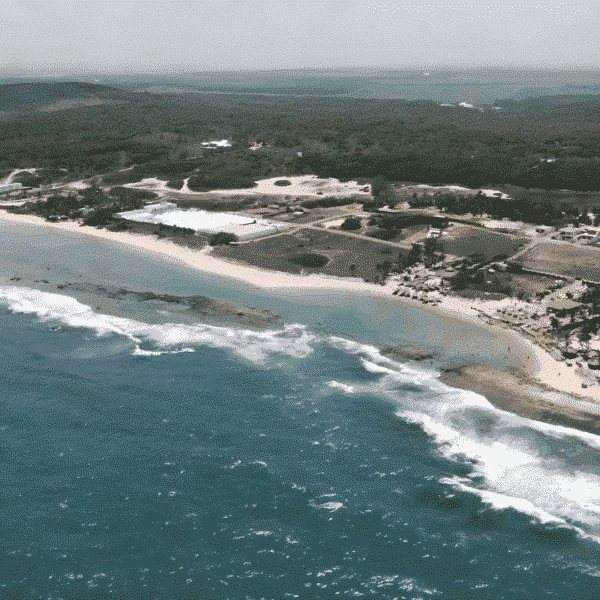
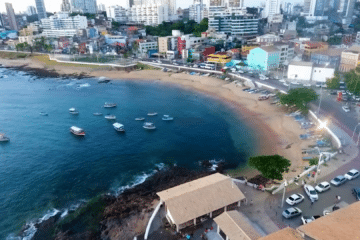
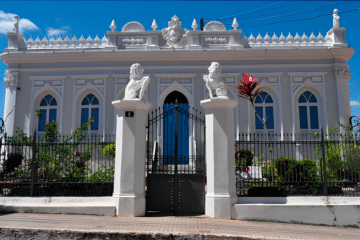
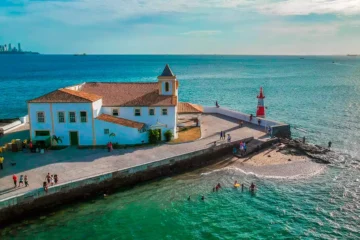
The state of Rio Grande do Norte, located in the northeastern region of Brazil, stands out as an important national tourist centre.

Recognised for its diversity of natural landscapes, such as dunes, beaches, cliffs and hinterland, the state combines ecological, cultural and historical attractions.

Rio Grande do Norte has established itself as a national tourist destination, offering lush natural landscapes, remarkable cultural experiences and excellent infrastructure.
The diversity of attractions guarantees options for different tourist profiles, from the adventurous to those seeking tranquillity and leisure.

1. Tourism Overview

Tourism in Rio Grande do Norte is strongly influenced by natural factors such as the semi-arid tropical climate and the constant winds.
The hospitality of the people of Rio Grande do Norte contributes significantly to the visitor experience.

The capital, Natal, is the main gateway to the state, but tourism is also expanding to destinations such as Pipa,
São Miguel do Gostoso, Maracajaú and Galinhos.

2. Tourist Attractions

2.1 Natal

  • Ponta Negra Beach: Postcard with Morro do Careca.
  • Forte dos Reis Magos: Historic building from the 16th century.
  • Via Costeira: Connecting urban beaches with hotels and resorts.
  • Parque das Dunas: Brazil’s largest urban Atlantic forest reserve.

2.2 Genipabu

  • Mobile dunes with buggy rides.
  • Sports such as esquibunda, aerobunda and dromedary rides.
  • Genipabu lagoon, ideal for relaxation.

2.3 Maracajaú

  • Parrachos de Maracajaú: Ideal reefs for snorkelling.
  • Boat and catamaran excursions with local infrastructure.

2.4 Pipa

  • Cliffs and the iconic Praia do Amor.
  • Dolphin Bay: Whale watching.
  • Active nightlife and viewpoints such as Chapadão.

2.5 São Miguel do Gostoso

  • Beaches like Tourinhos and conditions for kitesurfing.
  • Cosy atmosphere with sandy streets and inns.

2.6 Galinhos

  • Seclusion and tranquillity with access by boat or 4×4.
  • Horse-drawn carriage and canoe rides along the Aratuá River.

3. Culture and events

3.1 Festivals

  • Carnatal (Natal): Brazil’s largest off-season carnival.
  • Caicó Carnival: Third largest in the Northeast.
  • Sant’Ana Festival (Caicó): Religious and cultural festival.
  • Festa do Boi (Parnamirim): Agricultural and cultural festival.

3.2 Natural heritage

  • Largest cashew tree in the world: located in Pirangi do Norte, with more than 8,500 m².

4. Typical gastronomy

  • Prawns: Highlights include bobó and prawns in moranga.
  • Carne de sol with cassava: A typical dish from the Sertão.
  • Paçoca de carne de sol: Regional dish made with manioc flour.
  • Grilled curd cheese: a delicacy served on the beaches.

5. Infrastructure and accessibility

5.1 Access

  • The Natal International Airport: is located in São Gonçalo do Amarante.
  • Roads such as the BR-101 connect the capital with the interior.

5.2 Accommodation

  • A wide range of hotels, resorts and inns.
  • Expansion of the hotel network in Pipa, Maracajaú and São Miguel do Gostoso.