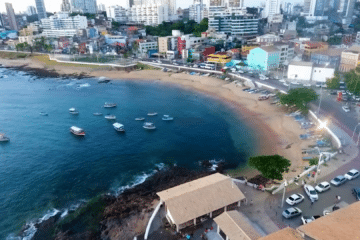
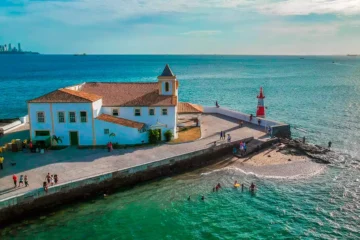
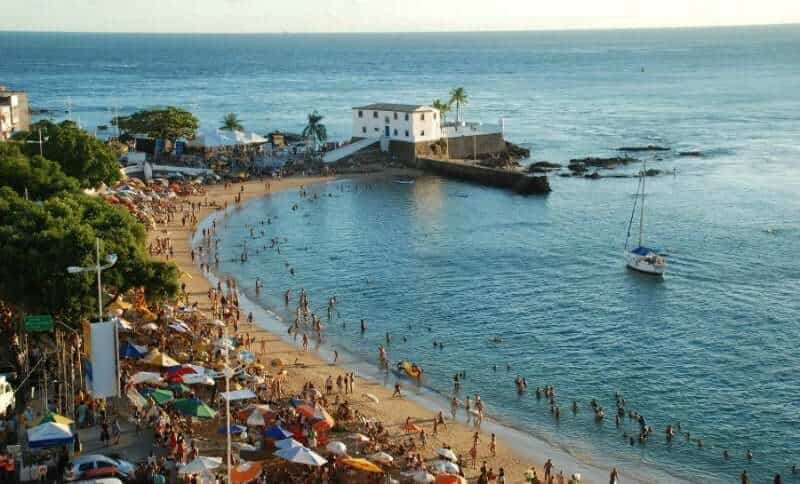
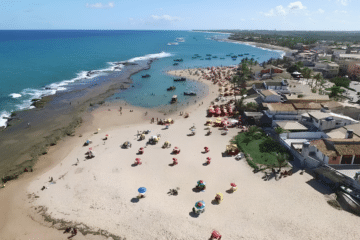
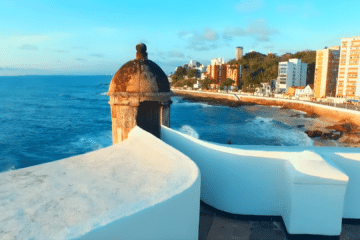
Barra do Cunhaú is a charming fishing village situated in the municipality of Canguaretama, on the southern coast of Rio Grande do Norte. Located approximately 75 km from Natal, the destination offers beaches with warm waters, rivers, mangroves, natural pools and excellent conditions for water sports.
The point where the Cunhaú River — which is also part of the Curimataú River estuary system — meets the Atlantic Ocean is one of the region’s most iconic sights. The scenery combines calm waters, long stretches of sand, native vegetation and a wealth of biodiversity.
With a mild climate for much of the year, Barra do Cunhaú is ideal both for those looking to relax by the sea and for travellers interested in kitesurfing, windsurfing, boat trips, kayaking, fishing and ecotourism.


Where is Barra do Cunhaú?
Barra do Cunhaú is situated in Canguaretama, on the southern coast of Rio Grande do Norte, amongst major tourist destinations such as Tibau do Sul, Pipa and Baía Formosa. Travelling from Natal, the main routes are the BR-101 and the state roads leading to the village.
The destination can be visited on a weekend break or included in an itinerary along the southern coast of Rio Grande do Norte. To explore more remote beaches and other attractions in the region, travelling by car offers greater freedom. It is also possible to book transfers and tours through local agencies.

Video: things to do in Barra do Cunhaú

Barra do Cunhaú RN - Guia Turístico
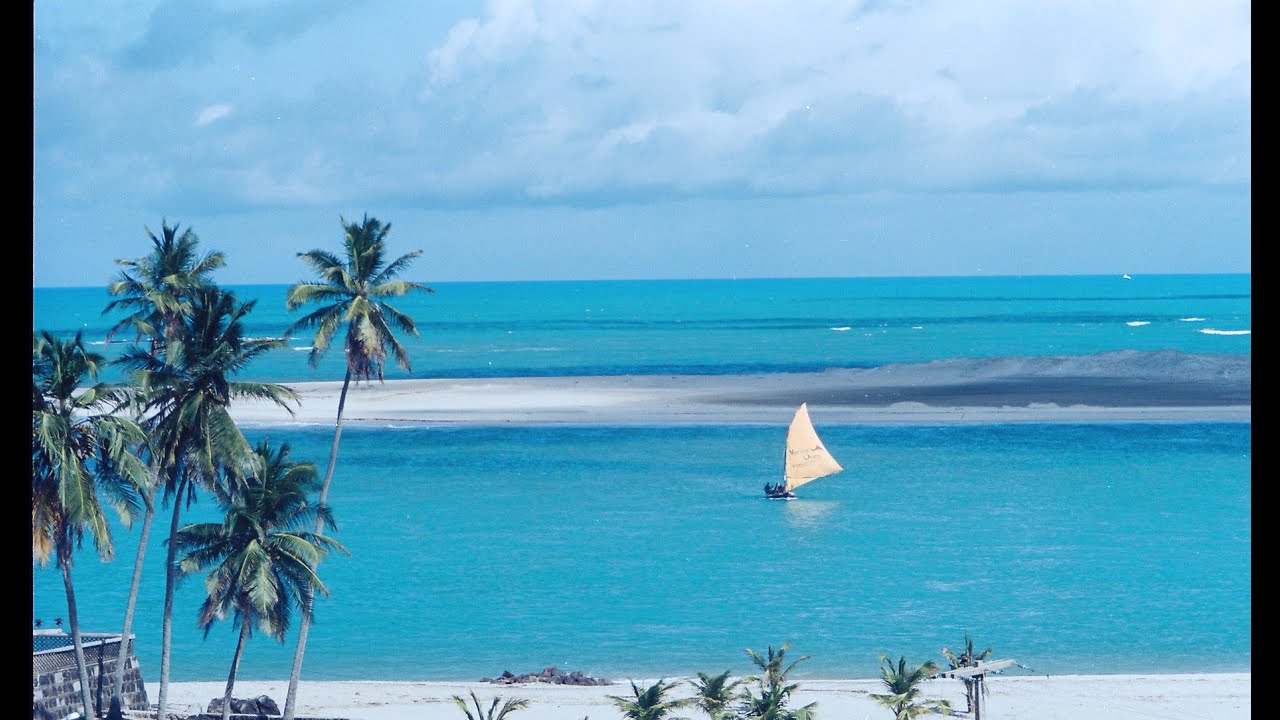
Barra do Cunhaú - Guia de Turismo08:26
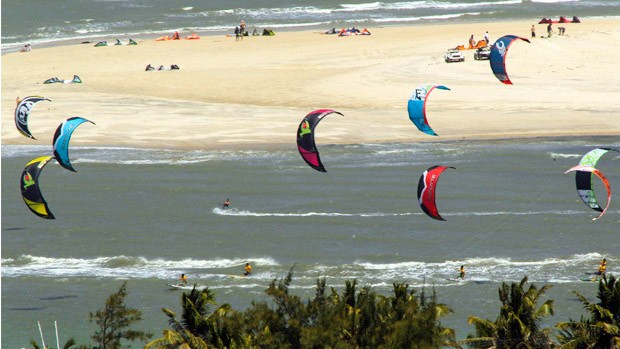
Barra do Cunhaú - Kitesurf04:22
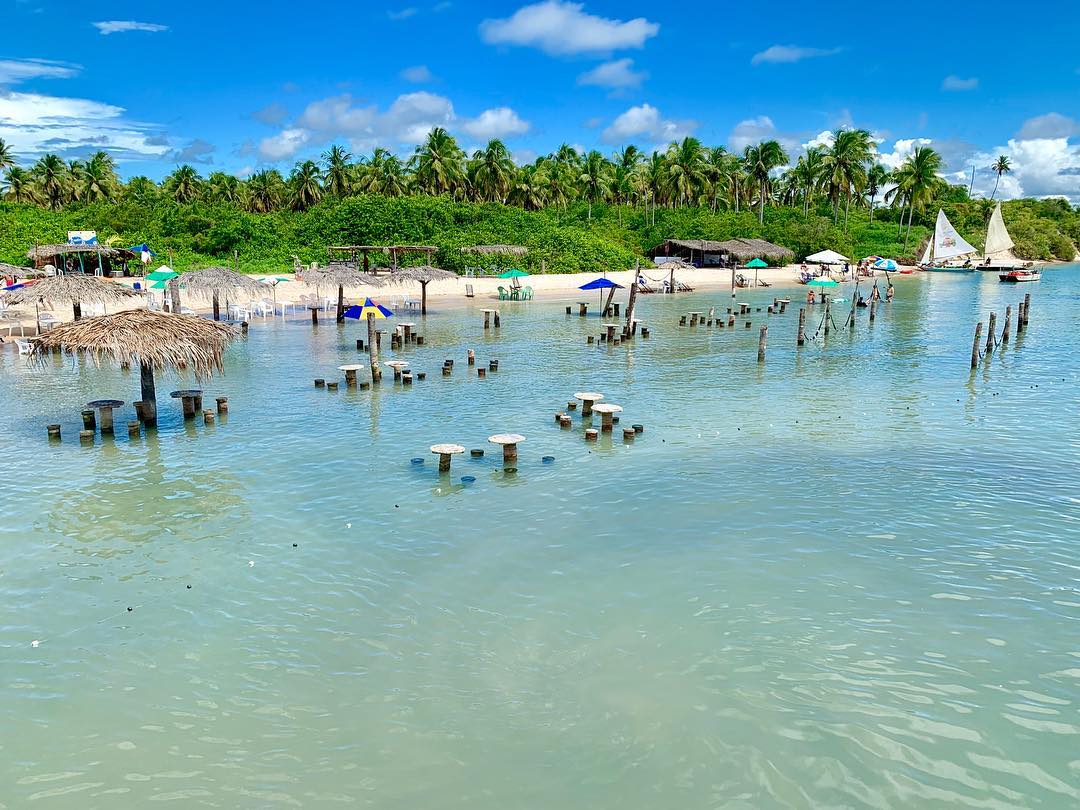
Jacuzzi natural em Barra do Cunhaú03:16
Litoral Sul do RN - Reportagem03:30
What is there to do in Barra do Cunhaú?
One of the attractions of Barra do Cunhaú is the variety of experiences available within a relatively compact area. Visitors can switch between swimming in the river, visiting the beach, taking part in extreme sports and going on nature walks.
- To bathe in the calm waters of the river;
- To see where the River Cunhaú meets the sea;
- Go kitesurfing, windsurfing and stand-up paddleboarding;
- Go on boat, motorboat or catamaran trips;
- Explore mangrove swamps and sandbank areas;
- Relax on the beaches and at the natural pools at low tide;
- Try dishes made with fish, prawns and other seafood;
- Visit other destinations along the south coast, such as Pipa and Baía Formosa.
The beaches of Barra do Cunhaú
Barra do Cunhaú Beach
The village’s main beach has stretches of calm waters, light-coloured sand and pleasant conditions for swimming. In certain places, the reefs help to form natural pools at low tide.
It’s a great choice for families, for those looking to relax, and also for water sports. Along the seafront, there are bars and restaurants serving traditional dishes and seafood.
Boca da Barra Beach
A Boca da Barra is situated where the river meets the ocean. The contrast between the river, the sea, the sandbanks and the mangrove vegetation creates one of the most beautiful landscapes in Barra do Cunhaú.
The area is popular for boat trips, kayaking, fishing, swimming and birdwatching. As conditions can change depending on the tide, it is important to follow the advice of the guides and local residents.
Pontal Beach
Quieter and less crowded, Pontal Beach is ideal for those seeking peace and quiet, walks and a chance to get close to nature. Facilities may be more limited in some areas, so it is advisable to bring water, sun cream and any other essentials.
Restinga Beach
The sandbank area preserves the natural features of the Rio Grande do Norte coastline, with vegetation adapted to the sandy soil and less urban development. It is an ideal setting for walks, contemplation and taking in the scenery.
As this is a sensitive area, please avoid removing plants, walking outside the permitted areas or leaving rubbish on the sand.


Pontal de Cima
Pontal de Cima has a more rustic and unspoilt atmosphere. The sea can have stronger waves at certain times of the year, making it a more suitable spot for contemplation and walks than for swimming without taking the sea conditions into account.
The Cunhaú River and where it meets the sea
The point where the river meets the sea is the main natural attraction in Barra do Cunhaú. The area forms an estuarine environment, where fresh water and salt water mix and contribute to the formation of mangroves.
Mangroves act as a natural nursery for various species of fish, crustaceans and birds. As well as their environmental importance, the area supports traditional activities such as fishing and offers scenic tours of the region.
Boat trips usually include sections along the river, mangrove areas and stops for swimming. Itineraries and timetables vary depending on the tide and the availability of local operators.

Kitesurfing in Barra do Cunhaú


Barra do Cunhaú is recognised as one of the leading destinations for kitesurfing in Rio Grande do Norte. The combination of winds, shallow waters in certain sections and sheltered areas provides ideal conditions for kitesurfers of all levels.
When is the best time of year to go kitesurfing?
Wind conditions are generally best between the second half of the year and the start of the new year, but conditions vary from day to day. Before getting into the water, check with local schools, instructors and surfers about wind strength, the direction of the current and the best spots.
The months of September to November are usually very popular with those travelling in search of wind, although the sport can be practised at other times of the year, depending on the weather forecast.
Where can you go kitesurfing in Barra do Cunhaú?
- Bar area: a region of great natural beauty, where one must be mindful of the current, the movement of vessels and the sea conditions;
- Sections of more sheltered water: may offer greater stability for lessons and training sessions, provided professional supervision is always available;
- Beaches and areas near the estuary: suitable for experienced practitioners, provided that local rules and water safety are observed.
Schools and equipment hire
Beginners should look for a specialist school and take lessons with qualified instructors. Generally speaking, schools provide equipment, safety guidance and supervision in the water.
You can also find options for hiring kites, boards, harnesses and accessories. Availability may vary depending on the time of year; it is therefore worth booking in advance during the busier periods.
Other sports and adventure activities
- Windsurfing: practised in areas with favourable winds and calmer waters;
- Stand-up paddleboarding: a great way to explore the calm stretches of the river and the estuary;
- Kayaking: allows you to paddle through sheltered waters and take in the scenery;
- Boat trips: one of the best ways to explore the Cunhaú River and the mangroves;
- Fishing: a traditional activity of the local community, usually carried out with local operators and fishermen;
- Walks: ideal for exploring beaches, sandbanks and natural areas;
- Buggy tours: you can explore the beaches, dunes and viewpoints along the south coast, depending on the tour you book.
Nature and mangroves of Barra do Cunhaú
The landscape of Barra do Cunhaú consists of beaches, rivers, estuaries, mangroves and sandbank areas. This combination of habitats is home to crabs, fish, crustaceans and various species of birds.
Whilst out on excursions, it is important to respect the local flora and fauna. Do not feed the animals, avoid touching the coral, do not collect shells or plants, and dispose of rubbish properly. In mangrove areas, opt for tours led by guides who are familiar with the ecosystem and local regulations.
Cuisine in Barra do Cunhaú
The local cuisine makes the most of coastal produce. Among the most common dishes are grilled or fried fish, prawns, lobster, octopus, crab and stews prepared with regional spices.
The restaurants and food stalls near the beach and the river offer a pleasant experience, especially in the late afternoon, when the scenery is at its most beautiful. The range of dishes on offer and opening times may vary depending on the season.
Where to stay in Barra do Cunhaú?
The village has guesthouses, hotels and holiday homes, many of which are close to the beach or the river. When choosing your accommodation, consider:
- distance to the beach and Boca da Barra;
- access to restaurants and markets;
- car park;
- air conditioning and a swimming pool;
- cancellation policy;
- recent reviews from other guests.
During public holidays, school holidays and the peak wind season, it is advisable to book in advance.
When is the best time to visit Barra do Cunhaú?
Barra do Cunhaú can be visited all year round. For those who prefer drier weather and outdoor activities, the period between September and February is usually a good choice. Kitesurfers, however, should keep an eye on the wind forecast and check with local schools before finalising their trip.
The tide also affects the experience. Low tide is best for exploring reefs and natural pools, whilst high tide may be more suitable for certain boat trips and activities in the estuary.
Barra do Cunhaú or Pipa?
Barra do Cunhaú and Pipa may be part of the same itinerary along the southern coast of Rio Grande do Norte, but they offer different experiences.& nbsp;Barra do Cunhaú has a more laid-back atmosphere, calm waters, a river, mangroves and is particularly well-suited to water sports. Pipa offers a wider variety of bars, restaurants, shops, sightseeing options and nightlife.
Those looking for relaxation, nature and river activities might prefer Barra do Cunhaú. Meanwhile, those seeking a livelier atmosphere and more entertainment options might want to include Pipa in their itinerary.
Is Barra do Cunhaú a good destination?
Yes. Barra do Cunhaú is an excellent choice for anyone wishing to explore a destination on the Rio Grande do Norte coast that is still peaceful, take part in extreme sports and enjoy being close to nature.
Among the main attractions are the beaches, the point where the river meets the sea, walks through the mangroves, seafood-based cuisine and excellent conditions for kitesurfing and windsurfing. Whether you’re looking for an adventure trip or a few days’ rest, the village offers an authentic experience in Rio Grande do Norte.
Frequently asked questions about Barra do Cunhaú
In which town is Barra do Cunhaú?
Barra do Cunhaú is situated in the municipality of Canguaretama, on the south coast of Rio Grande do Norte.
What is there to do in Barra do Cunhaú?
The main activities include swimming in the sea and rivers, visiting Boca da Barra, going on boat trips, exploring the mangroves, kitesurfing and windsurfing, walking along the beaches and sampling the seafood.
Is Barra do Cunhaú a good place for kitesurfing?
Yes. The destination has areas popular with kitesurfers, particularly during the windy season. Beginners should take lessons and follow the guidance provided by local schools.
Which river flows into the sea at Barra do Cunhaú?
The main gathering takes place at the mouth of the River Cunhaú, in an estuarine area linked to the River Curimataú system. The region combines river, sea, mangroves and sandbanks.
When is the best time to visit Barra do Cunhaú?
The destination can be visited all year round. The period between September and February is usually ideal for outdoor activities, whilst the best time for kitesurfing depends on the forecast and the strength of the winds.

Publicações Relacionadas
São Miguel do Gostoso: A Windsurfing Paradise
7-Day Itinerary in Rio Grande do Norte: Natal, Pipa and Maracaja
Rio Grande do Norte: Your Ultimate Travel Guide
The North Coast of Rio Grande do Norte: A Guide to the Beaches
The Southern Coast of Rio Grande do Norte: Beaches and Lagoons
Nísia Floresta (RN): Beaches and Lagoons of Rio Grande do Norte
Rio do Fogo, RN: Beaches, Parrachos and Paradise-like Lagoons
Rio Grande do Norte Dunes: Buggy Tours and Adventure
Natal, RN: Complete Travel Guide — Beaches, Dunes, and Nightlife
Pipa Beach | Pipa Guide (Tibau do Sul) — Beaches and excursions
Statue of Saint Rita of Cascia in Santa Cruz, RN: faith, religious tourism and devotion in RN
Maracajaú Beach (RN): Parrachos and the Brazilian Caribbean
Spinner Dolphins in Fernando de Noronha: A Guide
Beaches of Fernando de Noronha: A Visitor's Guide
How to get there, when to go and what to do in Fernando de Noronha?
Tibau do Sul and Pipa Beach (RN): A Comprehensive Travel Guide
Fernando de Noronha — A comprehensive guide to beaches, diving and surfing
Diving in the Fernando de Noronha Archipelago
Galinhos, RN: A Complete Tourist Guide — Beaches, Lighthouse and Dunes
The sinking of the corvette Ipiranga off Fernando de Noronha
8-Day Itinerary in Rio Grande do Norte: Beaches and Culture
Sibaúma Beach — a rustic retreat on the southern coast of Rio Grande do Norte
Seridó, Rio Grande do Norte: A Comprehensive Tourist Guide
Surfing in Fernando de Noronha — Guide to Spots, Season and Tip
The North Coast of Rio Grande do Norte: an unmissable 8-day itinerary
The History of Fernando de Noronha: Geography and Heritage
This post is also on:
 Português
  English
  Deutsch
  Español
  Français