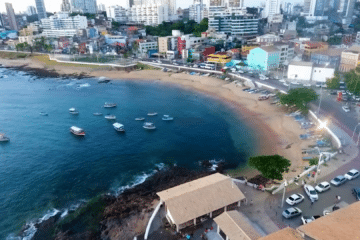
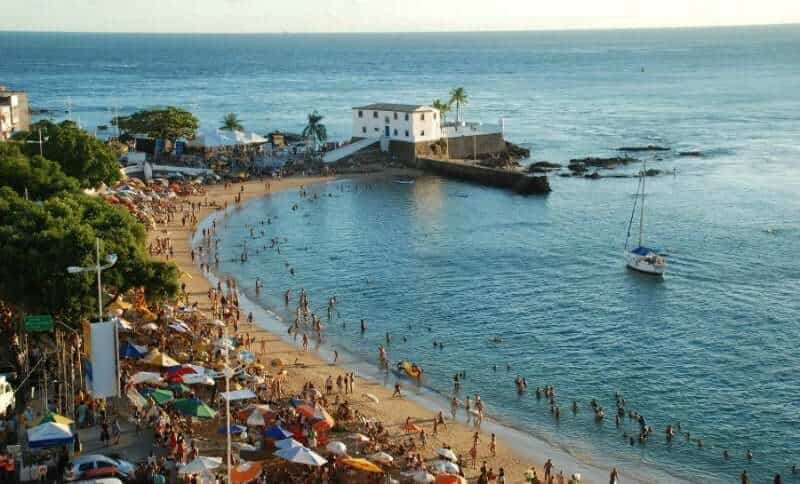
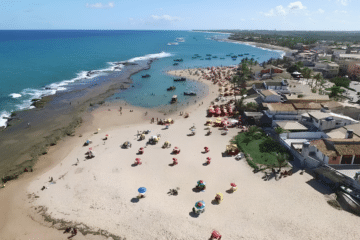
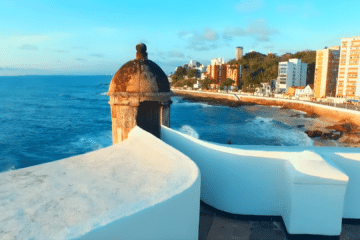
This 7-day itinerary in Rio Grande do Norte is based in Natal and combines urban beaches and nature reserves. Start at Ponta Negra (walks and views from Morro do Careca — access to the summit is closed), then head north to the dunes of Genipabu and the parrachos of Maracajaú for snorkelling and diving.
Then head south to Pipa (cliffs, Baía dos Golfinhos / Curral Beach, Praia do Amor), explore Guaraíras Lagoon and Baía Formosa and, on the last day, choose between São Miguel do Gostoso (windsurfing and kitesurfing) or return to Natal to visit the Forte dos Reis Magos.


The itinerary strikes a balance between adventure, marine wildlife watching and free time. Distances and journey times are approximate and may vary depending on traffic and road conditions.
7-day itinerary for Rio Grande do Norte, day by day

Natal no Rio Grande do Norte - Drone

Genipabu em Natal - Guia Turístico04:22

Maracajau e Maxaranguape - Drone05:59

Pipa no Rio Grande do Norte - O que fazer?
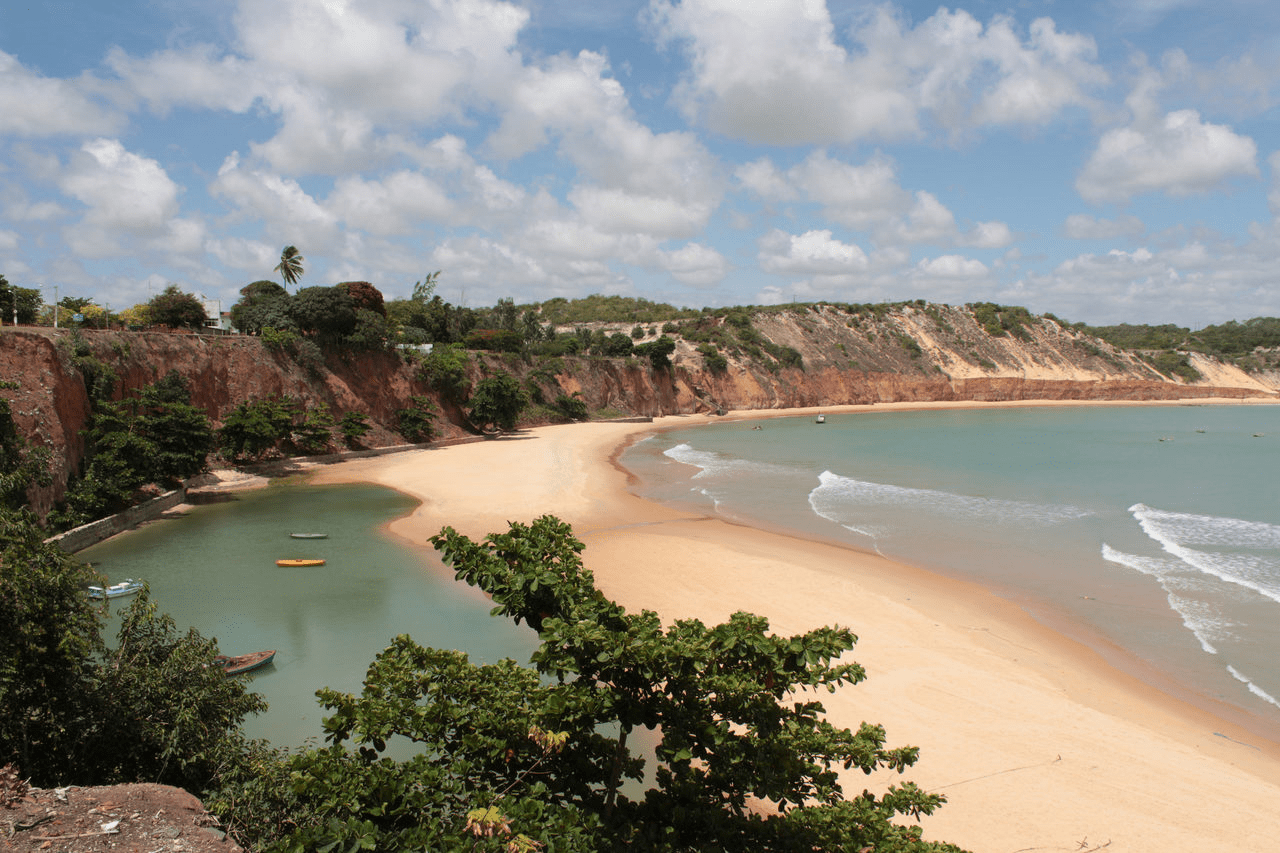
Baía Formosa – RN03:29

São Miguel do Gostoso - Drone
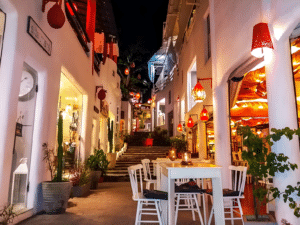
vilarejo de Pipa e as praias ao redor21:50
A compact itinerary based in Natal (with options for Pipa, Maracajaú and São Miguel do Gostoso). Approximate distances and journey times from the centre of Natal.
Day 1 — Arrival in Natal
- Morning: arrival and check-in at Ponta Negra.
- Afternoon: a walk along the seafront; a swim in the sea; view from Morro do Careca (external viewing only).
- Evening: dinner at a seafood restaurant on Via Costeira or in Ponta Negra.

Why stay overnight in Ponta Negra?
- A central location with good access to Genipabu, Maracajaú and the BR-101.
- Infrastructure for hotels, restaurants and services.
- A long beach and promenade — easy access to the airport.
Day 2 — Genipabu and the north coast
- Distance: ~25 km from Natal (30–40 mins).
- Morning: buggy ride on the dunes (choose between an adrenaline-fuelled or a more relaxed option); optional dromedary ride.
- Afternoon: visit to the lagoons; return to Natal.
Tip: choose accredited operators, wear a seatbelt and other safety equipment, and avoid risky manoeuvres.

Day 3 — Maracajaú (parrachos)
- Distance: ~60 km from Natal (50–70 mins).
- Full day: boat trip for snorkelling or diving at the Parrachos.
- Late afternoon: sunset at Praia do Meio or Ponta Negra.

Tips: check the tide table (best at low tide) and book in advance during the high season.
Day 4 — Trip to Pipa (Tibau do Sul)
- Distance: ~85 km from Natal (1h 30m–2h).
- Morning: check-out and transfer to Pipa.
- Afternoon: Praia do Centro and a visit to Baía dos Golfinhos (Praia do Curral) to watch dolphins.
- Evening: dinner and a stroll along Pipa’s high street.


Day 5 — Pipa: cliffs and beaches
- Morning: Praia do Amor and the Chapadão viewpoint.
- Afternoon: a boat trip to spot dolphins or a visit to Madeiro Beach.
- Evening: make the most of the local nightlife.


Day 6 — Baía Formosa or Guaraíras Lagoon
- Distances: Baía Formosa ~100–110 km from Natal (1h45–2h15). Lagoa de Guaraíras ~90 km (1h30–2h) from Natal.
- Option A: Baía Formosa — Mata Estrela Nature Reserve and Ponta do Madeiro Lighthouse.
- Option B: Guaraíras Lagoon — stand-up paddleboarding, kayaking or a relaxing day in Pipa.


Day 7 — São Miguel do Gostoso or return to Natal
- Distance: São Miguel do Gostoso is approximately 110–120 km from Natal (1h40–2h30).
- Option 1: a day of windsurfing and kitesurfing in São Miguel do Gostoso — overnight stay or return journey depending on your flight.
- Option 2: return to Natal — visit to the Forte dos Reis Magos and the craft market; final sunset.


Practical tips
- Hiring a car offers greater flexibility; there are also transfers and local agencies.
- Book trips to the Parrachos and dolphin-watching tours in advance during the high season.
- Take sun cream, insect repellent, water and cash for local services.
- Check the tide table for rock pooling and dolphin spotting.
- Choose accredited operators and guides for buggy tours and diving.
- Distances and journey times are approximate; please check road conditions before travelling.
Frequently Asked Questions (FAQ)
When is the best time to visit Rio Grande do Norte?
Between August and February, the weather is drier and the wind is usually steady — ideal for windsurfing and kitesurfing. For beach activities and diving, the months from September to March offer calmer waters and good visibility.
Is it safe to drive between these destinations (Natal, Pipa, Maracajaú, São Miguel)?
Yes, the main routes are well maintained, but watch out for sections with local traffic and road conditions after rain. Drive carefully at night and stick to the main roads. Hiring a car is the most flexible option.
When is the best time to visit the villages of Maracajaú?
The rock formations are more accessible and visible at low to medium tide. Check the tide table and confirm the times with the tour operator before setting off.
Do I need to book tours in advance?
During the high season and on public holidays, it is advisable to book tours to the parrachos, buggy rides in Genipabu and dolphin-watching trips in advance to secure a place and the best times.
What documents and equipment should I take for diving/snorkelling?
Please bring photo ID and suitable swimwear. For certified divers, please bring your diver’s card or certificate; for first-time divers, the operator will provide the equipment. Please use biodegradable sun cream where possible.
What to pack for the trip (essentials)?
Sun cream, a hat, sunglasses, insect repellent, water, comfortable footwear, light clothing, a cover or protective film to protect electronic devices from sand and water, and cash for small expenses.

Publicações Relacionadas
Sibaúma Beach — a rustic retreat on the southern coast of Rio Grande do Norte
Beaches of Fernando de Noronha: A Visitor's Guide

Pipa Beach | Pipa Guide (Tibau do Sul) — Beaches and excursions

8-Day Itinerary in Rio Grande do Norte: Beaches and Culture

The North Coast of Rio Grande do Norte: an unmissable 8-day itinerary

Rio Grande do Norte Dunes: Buggy Tours and Adventure
Galinhos, RN: A Complete Tourist Guide — Beaches, Lighthouse and Dunes
Maracajaú Beach (RN): Parrachos and the Brazilian Caribbean

Tibau do Sul and Pipa Beach (RN): A Comprehensive Travel Guide
Spinner Dolphins in Fernando de Noronha: A Guide

São Miguel do Gostoso: A Windsurfing Paradise

Statue of Saint Rita of Cascia in Santa Cruz, RN: faith, religious tourism and devotion in RN
Rio do Fogo, RN: Beaches, Parrachos and Paradise-like Lagoons
Barra do Cunhaú: things to do, beaches, kitesurfing and nature in Rio Grande do Norte

Nísia Floresta (RN): Beaches and Lagoons of Rio Grande do Norte
The sinking of the corvette Ipiranga off Fernando de Noronha

Seridó, Brazil: towns, UNESCO Geopark, map and things to do
The North Coast of Rio Grande do Norte: A Guide to the Beaches

The Southern Coast of Rio Grande do Norte: Beaches and Lagoons

Natal, RN: Complete Travel Guide — Beaches, Dunes, and Nightlife

Rio Grande do Norte: Your Ultimate Travel Guide
Fernando de Noronha — A comprehensive guide to beaches, diving and surfing
The History of Fernando de Noronha: Geography and Heritage
Surfing in Fernando de Noronha — Guide to Spots, Season and Tip
Diving in the Fernando de Noronha Archipelago
How to get there, when to go and what to do in Fernando de Noronha?
This post is also on:
 Português
  English
  Deutsch
  Español
  Français