Holidays in Rio Grande do Norte: An unforgettable experience
A holiday in Rio Grande do Norte is an excellent choice for those looking for a combination of paradisiacal beaches, rich culture, delicious cuisine and breathtaking natural landscapes.
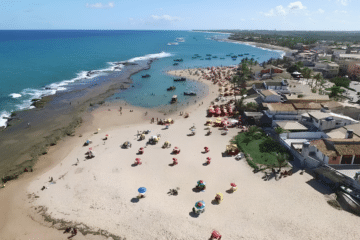
Strong winds, sunshine, dunes, beaches, cliffs and the friendliness of the people of Rio Grande do Norte accompany visitors all along the state’s coastline.

History of Rio Grande do Norte
The history of Rio Grande do Norte begins just one year after the discovery of Brazil.
In 1501, the squadron of Gaspar Lemos touched the coast of Touros (today the friendly town of São Miguel do Gostoso) and planted the symbol of the Portuguese crown’s possession, the so-called Marco de Touros.
However, the actual occupation of the region took almost a century, due to the resistance of the Potiguares Indians – “shrimp-eaters” in Tupi – and French invasions.
With the help of men from Pernambuco and Paraíba, Portugal recaptured the land and in 1598 began building the Forte dos Reis Magos, the embryo of the city of Natal.
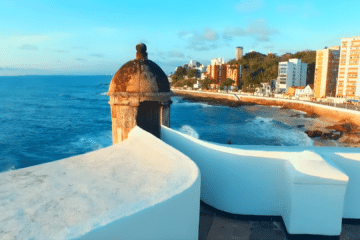
Well preserved to this day, the fortress is a must-see in the capital, both for its historical value and for the breathtaking views of the seductive white sandy coastline.
Natural beauty
Moving or fixed dunes, pink or beige in colour, rough or semi-deserted beaches and the many lagoons complete the charming range of natural beauty along the coast.
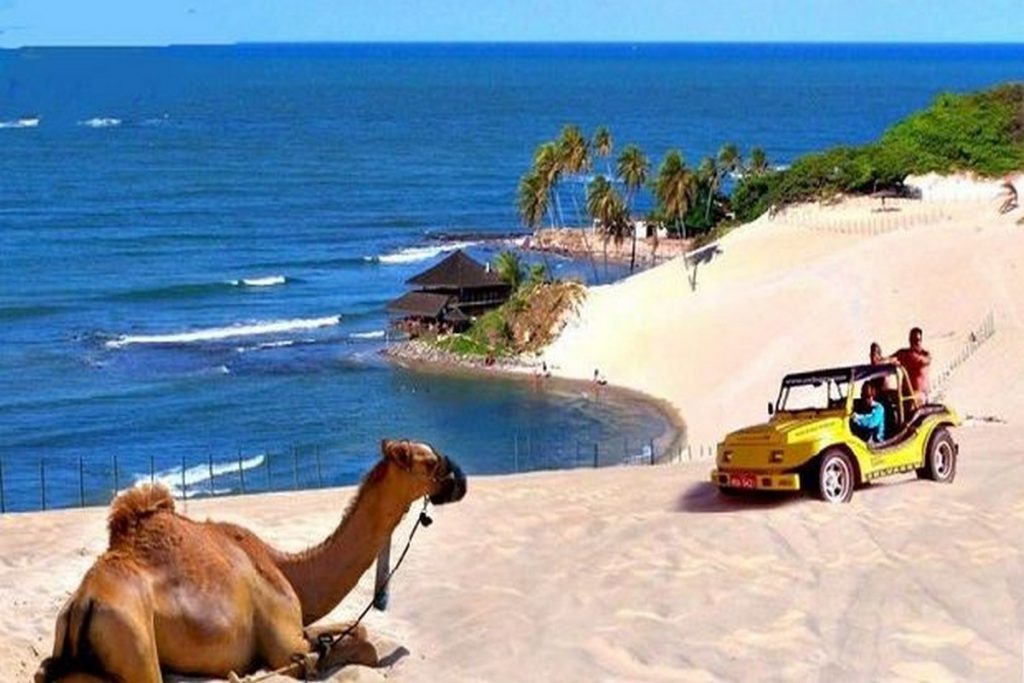
These beauties can be explored on pleasant buggy rides along the sandy beaches.

In the interior of Rio Grande do Norte, the rich culture of the people who explored the arid territory has resisted the changes of time, preserving the Portuguese influence and the indigenous heritage.
In Acari, surrounded by mountains, you can go hiking and see rock carvings.
Handicrafts, especially in Caicó, and the Quadrilhas Festival in Currais Novos during the June festivities are also cultural highlights.

See the tourist map of Rio Grande do Norte

Videos about RN’s Tourist Attractions
Get to know RN’s tourist attractions, such as Apodi, Natal, Touros, São Miguel do Gostoso, Pipa, Timbau do Sul, Ponta Negra, Genipabu, etc…
Polos e Pontos Turísticos do RN06:11
Praias e Lagoas do RN23:07
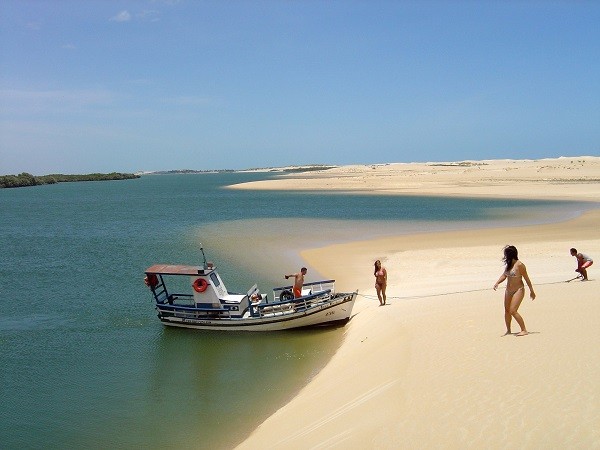
7 Passeios Imperdíveis em NATAL e Região07:36

Principais Pontos de Turismo do RN06:17
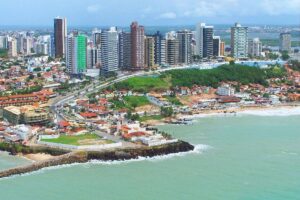
Roteiro de 6 dias em Natal e arredores08:32
Attractions in Rio Grande do Norte
Rio Grande do Norte is a state full of wonders. Here are some of its main attractions:
1. Natal
- Ponta Negra Beach: The most famous, with the iconic Morro do Careca.
- Forte dos Reis Magos: Historic fortress built in 1598.
- Parque das Dunas: Brazil’s largest Atlantic Forest reserve in an urban area, with ecological trails.
- Genipabu: Known for its sand dunes and “exciting” buggy rides.


2. The village of Pipa, in the municipality of Tibau do Sul.
- Pipa Beach: Famous for its cliffs and nightlife.
- Baía dos Golfinhos: Ideal for watching dolphins in their natural habitat.
- Praia do Amor: Popular with surfers.
- Chapadão de Pipa: Viewpoint with spectacular views.


3. São Miguel do Gostoso
- Tourinhos Beach: Known for its rock formations and stunning sunsets.
- Maceió Beach: Great for kitesurfing.
- Xêpa Beach: Central and with good facilities.


4. Maracajaú
- Parrachos de Maracajaú: Coral reefs ideal for snorkelling and scuba diving, known as the Brazilian Caribbean for its stunning beauty and crystal clear waters.
- Maracajaú Beach: Quiet and with clear waters.
- Ma-noa Park: Water park with various attractions.


5. Other attractions
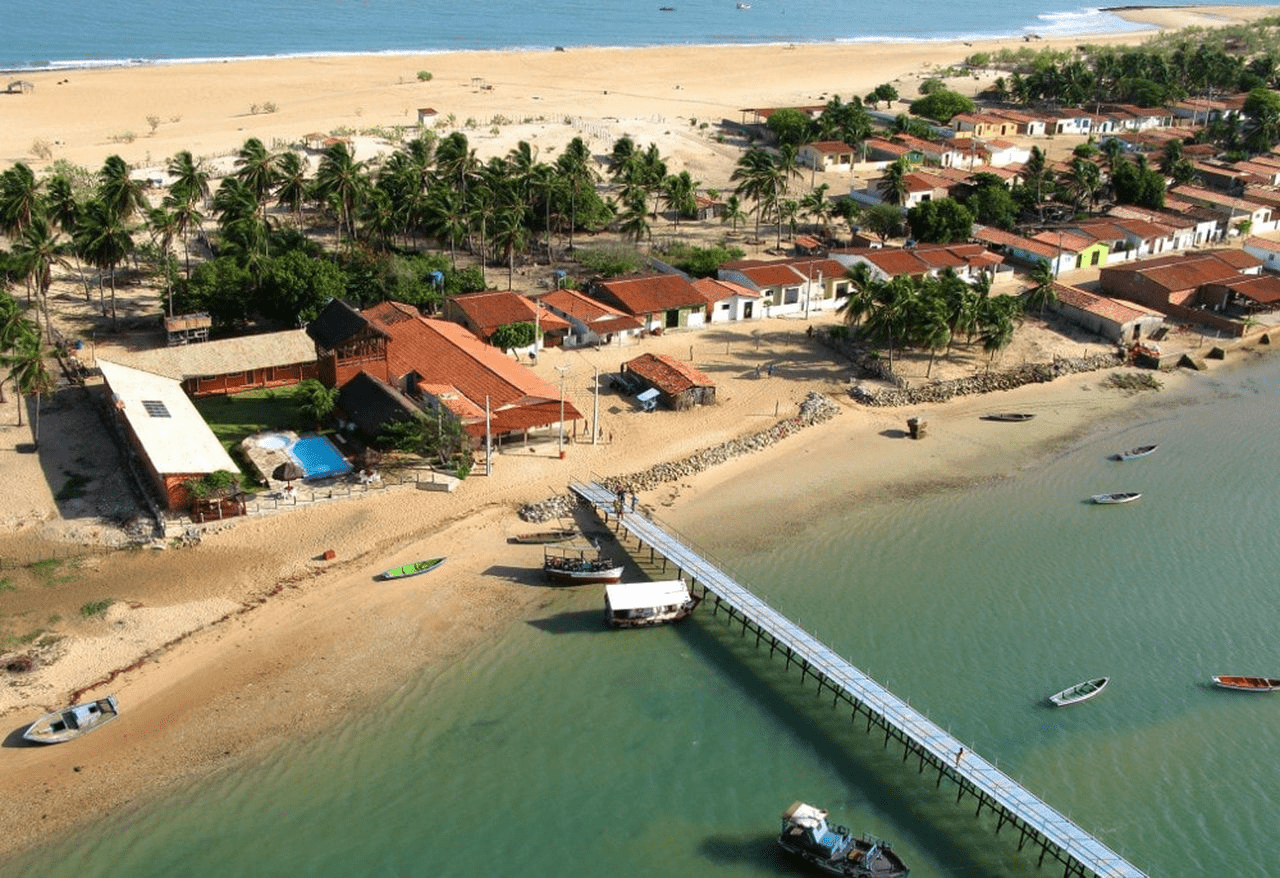
- Galinhos: Beach accessible only by boat or buggy, known for its tranquillity.
- Barra do Cunhaú: Great for kitesurfing, with impressive scenic beauty.
- Serra de São Bento: Ideal for those who love nature and adventure.


Culture and history
Natal’s historic centre has attractions such as the Fortaleza dos Reis Magos and the Ribeira neighbourhood, with its colonial architecture. Carnatal, Brazil’s largest off-season carnival, is a great opportunity to experience the energy of carnival in a different setting.
Local handicrafts are rich, especially lace, embroidery, ceramics and products made from natural fibres. Craft fairs, such as the Mercado de Artesanato de Natal, are great places to buy unique souvenirs.
Nature and ecotourism
The Parque das Dunas in Natal is the largest Atlantic Forest reserve in an urban area, with ecological trails and picnic areas.
The Parrachos de Maracajaú, known as the “Brazilian Caribbean”, are perfect for snorkelling and scuba diving, where you can see a variety of colourful fish and corals.
Barra de Cunhaú is a perfect destination for ecotourism lovers, with rivers, mangroves and trails that offer a deep connection with nature.
Delicious gastronomy
Potiguar’s cuisine is rich in seafood, with typical dishes such as
- Fish stew
- Prawns in garlic and oil
- Fish on the tiles
Another typical dish is carne de sol, usually served with green beans, manioc (cassava) and arroz de leite (milky rice). On the beaches and in the city, it’s easy to find stalls and restaurants serving tapioca and couscous, traditional breakfast foods of the northeast.
Favourable climate
Rio Grande do Norte’s warm, sunny climate, with average temperatures between 25°C and 30°C, makes it ideal for beach holidays all year round.
Tourist Infrastructure and Accessibility
The state offers a quality tourist infrastructure, with accommodation ranging from luxury resorts to cosy inns.
The Natal International Airport (Governador Aluízio Alves) facilitates access to the state, with direct flights from several Brazilian capitals and some international destinations. From Natal, it’s easy to travel to other destinations in the state via well-maintained roads.
A wide range of activities
Whether you’re a nature lover, an adrenaline-pumping adventurer or someone who simply wants to relax on a paradise beach, Rio Grande do Norte offers activities to suit all tastes.
From dune buggying and kite and windsurfing in São Miguel do Gostoso to a peaceful boat trip to see dolphins in Pipa, there’s always something new to discover!
Tourist Reports
- The architectural and cultural attractions of Cidade Alta and Ribeira in Natal..
- A journey through the life and work of the folklorist, historian and ethnographer Luís da Câmara Cascudo, with a memorial and house in Natal.
- The beaches of Ceará, including Touros, São Miguel do Gostoso, Gatinhos and Ponta do Mel, which can be reached by buggy.
- The pleasant, well-developed beaches in the south, such as Pipa, in the district of Tibau do Sul.
- The reservoirs, mountains, festivals, food and archaeological sites of the Backlands of Rio Grande do Norte ..
- The village of Pipa or Pipa Beach is one of the main attractions of RN.
- Discover the best of the Northeast in the warm waters and white sands of Natal.
- Tourist route along the north coast of RN – Genipabu, Gostoso and Touros
- Galinhos is a natural beauty yet to be explored
- Maracajaú: the Brazilian Caribbean with crystal clear waters
- Crystal clear waters and coral reefs
- São Miguel do Gostoso offers beautiful beaches and sports
- Santa Rita de Cascia is the patron saint of the city of Santa Cruz in RN.
- Barra do Cunhaú is a destination for lovers of extreme sports and nature.
- Beaches and lagoons of Nísia Floresta RN
- RN’s Seridó has the unique beauty of a semi-arid landscape and a rich culture.
- Fernando de Noronha has the largest concentration of dolphins in the world
Rio Grande do Norte – History and main attractions

Publicações Relacionadas
Sibaúma Beach — a rustic retreat on the southern coast of Rio Grande do Norte

Beaches of Fernando de Noronha: A Visitor's Guide
7-Day Itinerary in Rio Grande do Norte: Natal, Pipa and Maracaja
Pipa Beach | Pipa Guide (Tibau do Sul) — Beaches and excursions

8-Day Itinerary in Rio Grande do Norte: Beaches and Culture

The North Coast of Rio Grande do Norte: an unmissable 8-day itinerary

Rio Grande do Norte Dunes: Buggy Tours and Adventure
Galinhos, RN: A Complete Tourist Guide — Beaches, Lighthouse and Dunes
Maracajaú Beach (RN): Parrachos and the Brazilian Caribbean

Tibau do Sul and Pipa Beach (RN): A Comprehensive Travel Guide

Spinner Dolphins in Fernando de Noronha: A Guide

São Miguel do Gostoso: A Windsurfing Paradise

Statue of Saint Rita of Cascia in Santa Cruz, RN: faith, religious tourism and devotion in RN
Rio do Fogo, RN: Beaches, Parrachos and Paradise-like Lagoons
Barra do Cunhaú: things to do, beaches, kitesurfing and nature in Rio Grande do Norte

Nísia Floresta (RN): Beaches and Lagoons of Rio Grande do Norte
The sinking of the corvette Ipiranga off Fernando de Noronha

Seridó, Brazil: towns, UNESCO Geopark, map and things to do
The North Coast of Rio Grande do Norte: A Guide to the Beaches

The Southern Coast of Rio Grande do Norte: Beaches and Lagoons

Natal, RN: Complete Travel Guide — Beaches, Dunes, and Nightlife
Fernando de Noronha — A comprehensive guide to beaches, diving and surfing
The History of Fernando de Noronha: Geography and Heritage

Surfing in Fernando de Noronha — Guide to Spots, Season and Tip
Diving in the Fernando de Noronha Archipelago
How to get there, when to go and what to do in Fernando de Noronha?
This post is also on:
 Português
  English
  Deutsch
  Español
  Français