Discover the northern coast of Rio Grande do Norte
The northern coast of Rio Grande do Norte is an invitation to tranquillity. With its unspoilt, rustic beauty, the region is the ideal setting for those seeking to escape mass tourism and explore the true paradise of Rio Grande do Norte. Whether on a day trip or a holiday lasting several days, the journey to the border with Ceará offers dunes, cliffs and almost deserted beaches that can be explored in 4x4s or buggies.

A Natural and Economic Treasure: The Costa Branca
With around 250 kilometres of coastline, the region is made up of fishing villages where life seems to move at a slower pace. The landscape is dotted with dunes, cliffs and calm waters.
One of the region’s distinguishing features is the Costa Branca Cluster. Encompassing towns such as Mossoró, Macau and Areia Branca, the area is at the heart of the country’s sea salt production. Rio Grande do Norte is currently the country’s largest producer of sea salt, accounting for approximately 95 per cent of all sea salt produced in Brazil. The salt flats create a unique and fascinating landscape, which is well worth taking in during the journey.

Videos about the northern coast of Rio Grande do Norte

Touros no RN
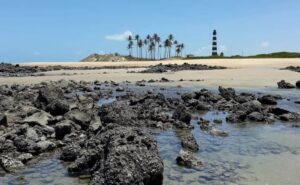
Touros no Rio Grande do Norte
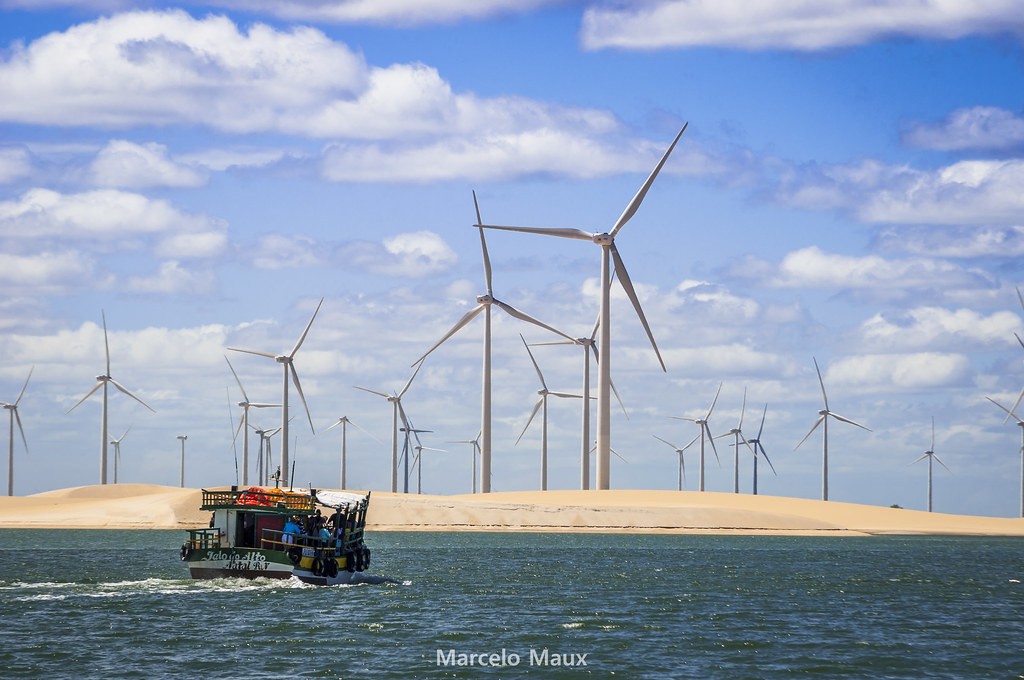
Galinhos RN - Guia de Viagem02:14
Costa do Sal07:44

São Miguel do Gostoso02:36

Galinhos08:21

Praia Ponta do Mel RN08:40
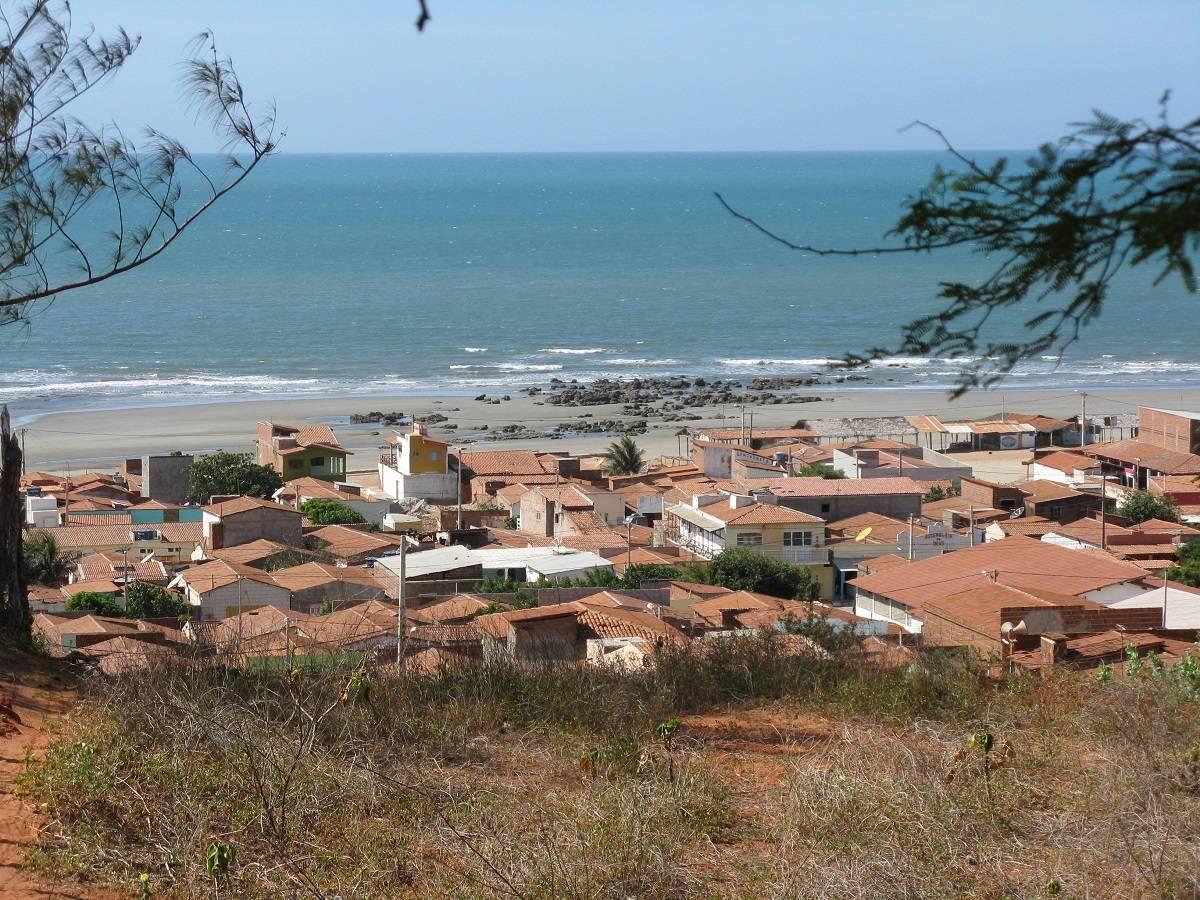
Areia Branca RN - Drone02:28
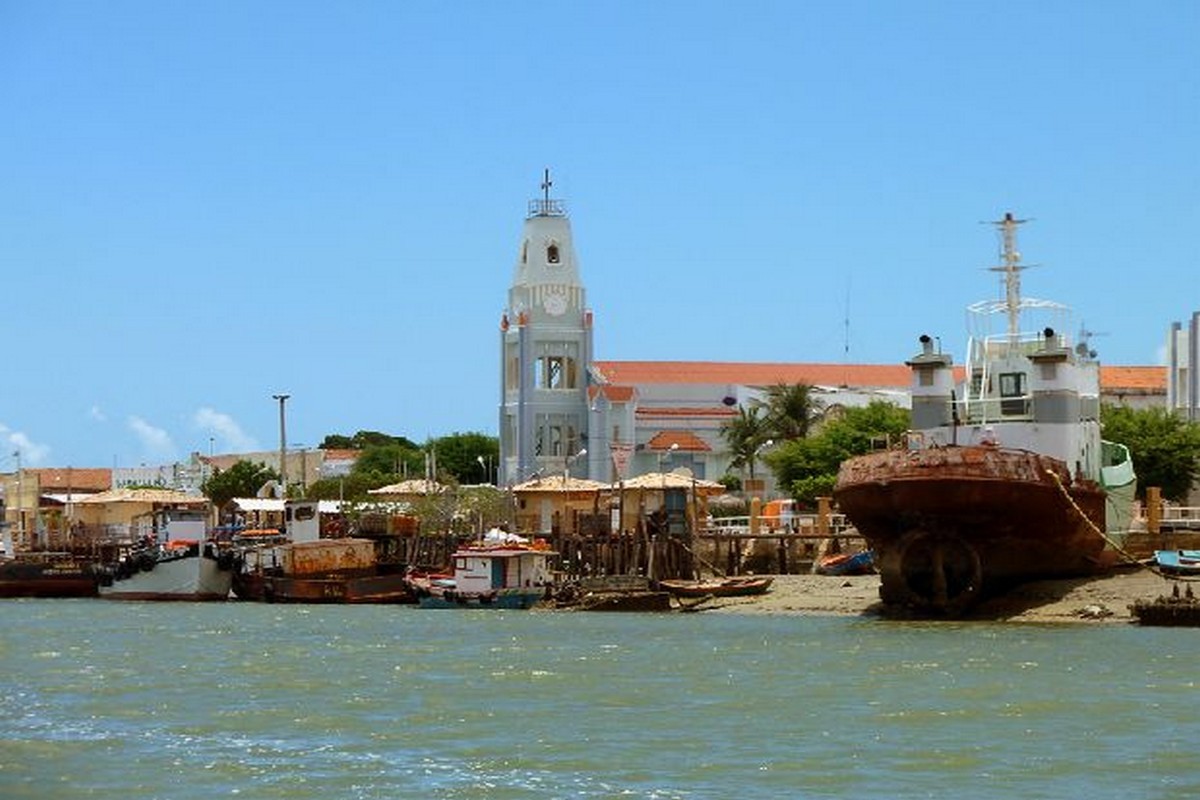
Areia Branca RN - Guia de Turismo03:17
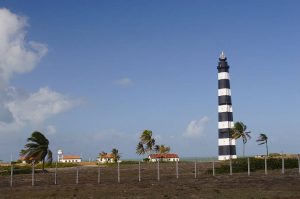
Farol do Calcanhar em Touros RN
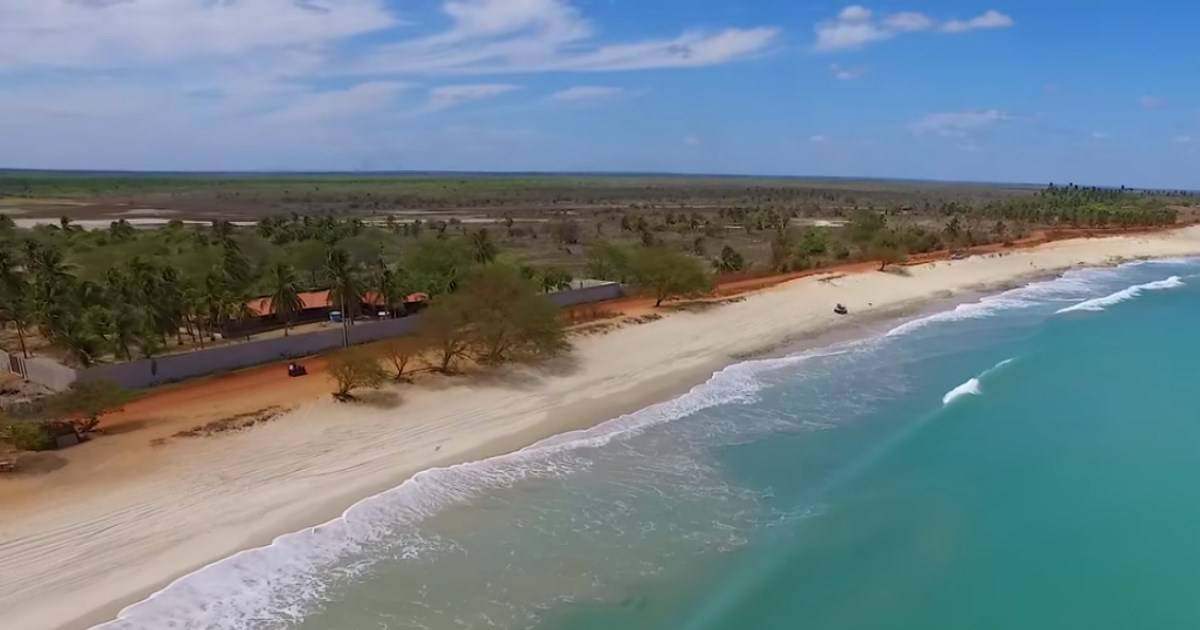
São Miguel do Gostoso – RN01:43
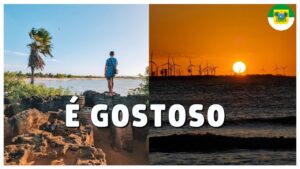
5 coisas para fazer em São Miguel do Gostoso
Top Beaches and Destinations on the Northern Coast of Rio Grande do Norte
- Touros: Known as the ‘Corner of Brazil’, this is the point where the coastline curves. It boasts calm waters and is home to the iconic Calcanhar Lighthouse.
- São Miguel do Gostoso: A haven that strikes a balance between rustic charm and sophistication. With its charming promenade and constant breezes, it is one of the top destinations for windsurfing and kitesurfing in Brazil.
- Tourinhos: Famous for its limestone cliffs (which resemble exotic shapes) and an unforgettable sunset.
- Marco Beach: A long, deserted stretch of sand, known for being one of the protected areas where sea turtles come ashore to lay their eggs.
- Galinhos: A peninsula that can only be reached by boat. It is an oasis of tranquillity, ideal for unwinding.
- Ponta do Mel: The gateway to the Costa Branca, with cliffs that drop straight down to the sea.
- Tibau: On the border with Ceará, it is a popular destination amongst local holidaymakers, with landscapes that combine dunes and coconut groves.
- Perobas: The favourite destination for diving enthusiasts. At low tide, speedboats take tourists to the ‘parrachos’ (natural pools). Tip: The trip depends entirely on the tide table; check the best times in advance.


Calcanhar Lighthouse: History and Magnificence

The Calcanhar Lighthouse, situated in Touros, was opened in 1943. Standing 62 metres tall and with 298 steps, it is currently the tallest lighthouse in Brazil and the second tallest in Latin America (surpassed only by the Mucuripe Lighthouse in Fortaleza). Its strategic importance for navigation at the ‘Corner of the Continent’ is immense. Although access to the top may be restricted at certain times (it is usually open to visitors on Sunday afternoons — check local availability before you go), the view from the base, surrounded by vegetation and beaches, already makes for spectacular photographs.
Practical Tips for Your Itinerary
- How to get to Galinhos: Access for ordinary cars ends at the village of Pratagil. There, you must leave your vehicle in private car parks and make the crossing by boat or ferry (approx. 10 minutes). It’s all part of the experience! See more details in our complete guide to Galinhos.
- Best time of year for turtles: If you’re keen on wildlife watching, check with local guides about the breeding seasons, which generally occur during the warmer months, and always respect the areas marked out by the TAMAR Project or environmental agencies.
- Safety and Access: To explore the more secluded beaches (such as Ponta do Mel), 4×4 vehicles are highly recommended due to the dunes. Always hire accredited guides if you are unfamiliar with the terrain.
- Combined itinerary: those with more time can extend their trip to cover the entire northern coast on an 8-day itinerary, or spend more time in São Miguel do Gostoso.
Leisure Activities
As well as being a place to relax, the North Coast is an open-air amusement park:
- Wind sports: Kitesurfing and windsurfing in São Miguel do Gostoso.
- Diving: Snorkelling around the Perobas reefs (always at low tide).
- Local Culture: The ‘farinhada’ in São Miguel do Gostoso is a truly enriching cultural experience that offers an insight into the crafts and cuisine associated with cassava.
- Buggy tours: explore the dunes between Touros and Galinhos, always with a qualified driver.
Frequently Asked Questions about the North Coast of Rio Grande do Norte
Where is the northern coast of Rio Grande do Norte?
The northern coast of Rio Grande do Norte stretches from Touros, near Natal, to Tibau, on the border with Ceará, covering some 250 km of coastline dotted with fishing villages, dunes and cliffs.
How tall is the Calcanhar Lighthouse?
The Calcanhar Lighthouse, in Touros, is 62 metres high and has 298 steps. It is the tallest lighthouse in Brazil and the second tallest in Latin America, second only to the Mucuripe Lighthouse in Fortaleza.
How do I get to Galinhos?
Access by car ends at the village of Pratagil, where you will need to leave your car in a car park and continue to Galinhos by boat or ferry, a crossing of around 10 minutes.
Which is the best beach for kitesurfing and windsurfing on the north coast of Rio Grande do Norte?
São Miguel do Gostoso is the region’s leading destination for kitesurfing and windsurfing, with consistent winds that attract enthusiasts from all over Brazil, particularly between July and January.
Why is Rio Grande do Norte known for its salt production?
The Costa Branca region, comprising mainly Mossoró, Macau and Areia Branca, offers the ideal combination of sunshine, wind and soil conditions for salt production. Rio Grande do Norte accounts for around 95 per cent of all sea salt produced in Brazil.

Publicações Relacionadas
Rio do Fogo, RN: Beaches, Parrachos and Paradise-like Lagoons
The sinking of the corvette Ipiranga off Fernando de Noronha
Rio Grande do Norte: Your Ultimate Travel Guide
Statue of Saint Rita of Cascia in Santa Cruz, RN: faith, religious tourism and devotion in RN
Nísia Floresta (RN): Beaches and Lagoons of Rio Grande do Norte
Galinhos, RN: A Complete Tourist Guide — Beaches, Lighthouse and Dunes
Spinner Dolphins in Fernando de Noronha: A Guide
The North Coast of Rio Grande do Norte: an unmissable 8-day itinerary
Rio Grande do Norte Dunes: Buggy Tours and Adventure
Diving in the Fernando de Noronha Archipelago
Sibaúma Beach — a rustic retreat on the southern coast of Rio Grande do Norte
The History of Fernando de Noronha: Geography and Heritage
Barra do Cunhaú: things to do, beaches, kitesurfing and nature in Rio Grande do Norte
Surfing in Fernando de Noronha — Guide to Spots, Season and Tip
São Miguel do Gostoso: A Windsurfing Paradise
7-Day Itinerary in Rio Grande do Norte: Natal, Pipa and Maracaja
Natal, RN: Complete Travel Guide — Beaches, Dunes, and Nightlife
Pipa Beach | Pipa Guide (Tibau do Sul) — Beaches and excursions
Tibau do Sul and Pipa Beach (RN): A Comprehensive Travel Guide
Fernando de Noronha — A comprehensive guide to beaches, diving and surfing
The Southern Coast of Rio Grande do Norte: Beaches and Lagoons
Seridó, Rio Grande do Norte: A Comprehensive Tourist Guide
How to get there, when to go and what to do in Fernando de Noronha?
Beaches of Fernando de Noronha: A Visitor's Guide
Maracajaú Beach (RN): Parrachos and the Brazilian Caribbean
8-Day Itinerary in Rio Grande do Norte: Beaches and Culture
This post is also on:
 Português
  English
  Deutsch
  Español
  Français