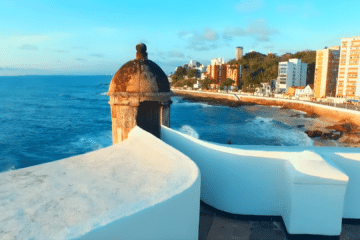
Early explorations of the Brazilian coast

The oft-repeated idea that Portugal neglected the exploration and settlement of the territory now known as Brazil during the first third of the 16th century is no longer accepted by historians. Documents that have been discovered show the opposite to be true.

During that period, several official discovery and coastguard fleets were sent to the Brazilian coast, as well as numerous private expeditions, almost always of a commercial nature, focused mainly on the extraction of brazilwood in the trading posts already established on the coast.

This was the conclusion reached by Capistrano de Abreu in 1883, when he wrote in Descobrimento do Brasil — Seu Desenvolvimento no Século XVI (Discovery of Brazil — Its Development in the 16th Century):

“However powerful the Indian fleets and imposing the ships that composed them, they left less of a mark on history than the humble caravels and small flotillas that soon began to come to Brazil — some clandestine, others sent by contractors for the precious wood.

Thanks to them, communications became frequent and relations with Europe almost regular; relatively important trade developed early on, and the land found by Cabral was never completely forgotten.”