Culture, history and religion of the Brazilian Northeast

Culture, history and religion of the Brazilian Northeast

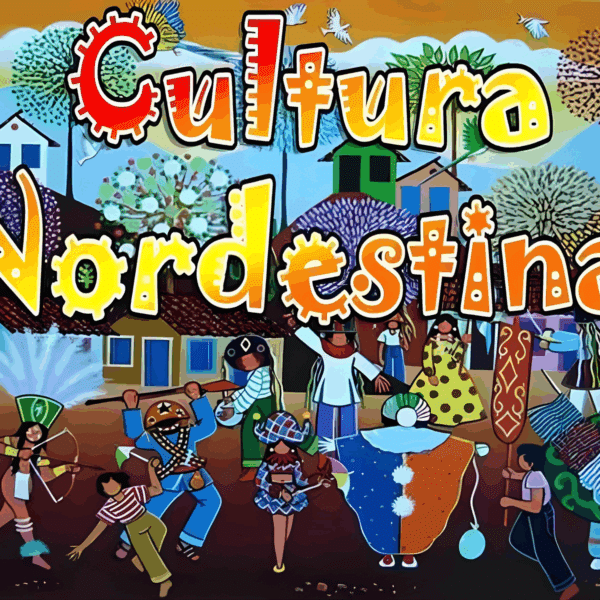
Brazil’s Northeast is one of the country’s most culturally rich regions, the result of a mixture of indigenous, African and European influences. This diversity is reflected in the religion, architecture, cuisine, music, dance and handicrafts of the nine states that make up the region.

Religion and syncretism

Religion is strong and syncretic. In Bahia, Candomblé has a strong presence, while Maranhão stands out for its Tambor de Mina. Religious festivals, pilgrimages and popular Catholicism are common throughout the Northeast, mixing faith and tradition.

History and architecture

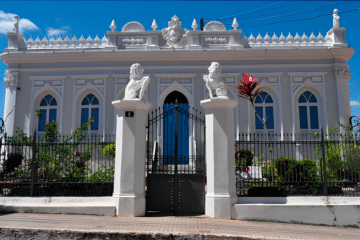
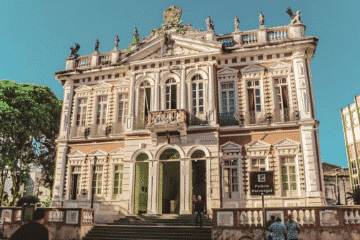
The historical heritage is preserved in centres such as Pelourinho (BA), Olinda (PE) and São Luís (MA), which have been recognised by UNESCO. Baroque churches, adobe houses and colonial buildings tell the story of the region from Brazil’s earliest days.

The cuisine

The cuisine of the Northeast reflects its cultural diversity. Acarajé, vatapá, moqueca, baião de dois, bolo de rolo, arroz de cuxá and buchada de bode are typical dishes that combine local ingredients with Afro-Indian and European traditions.

Music and dance

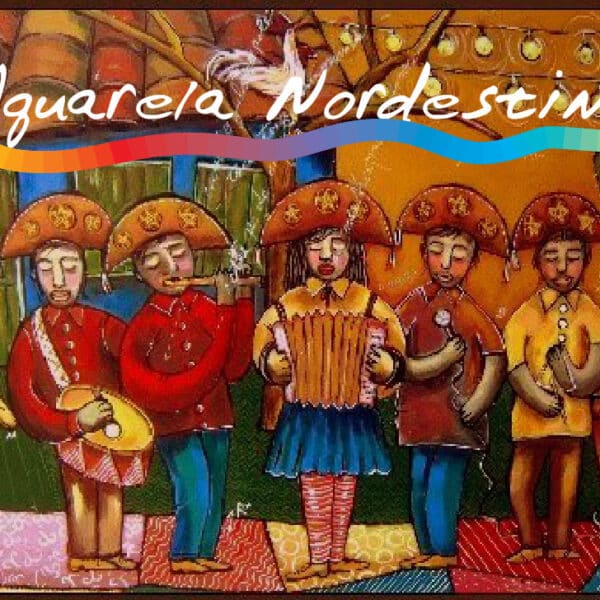
The Northeast is home to rhythms such as forró, frevo, maracatu, axé, samba de roda and bumba-meu-boi. Music and dance are strong expressions of northeastern cultural identity and resistance.

Handicrafts

Each state has its own speciality: lace and embroidery (CE), caruaru clay (PE), buriti (MA), wood and ceramics (BA) and sand bottles (RN). Handicrafts reveal the talents and stories of the people of the Northeast.

A symbol of resistance, faith and creativity, the Northeast is essential to understanding the cultural and historical formation of Brazil.

Northeastern Culture
Culture, history and religion of the Brazilian Northeast, Front Page

The culture of Northeastern Brazil: how it originated, influenced and flourished

The culture of Northeastern Brazil is quite diverse, having been influenced by indigenous peoples, Africans and Europeans. Customs and traditions often vary from state to state. Being the first region actually colonised by the Portuguese in the 16th century, who met the native populations and were accompanied by Africans brought […]

Culture, history and religion of the Brazilian Northeast

Candomblé: A Blend of African and Catholic Traditions

Candomblé: An Afro-Brazilian religion Candomblé is an Afro-Brazilian religion that developed in the 19th century, particularly in Brazil, from a mixture of African religious traditions brought by slaves, mainly from the region of modern-day Benin and Nigeria, with elements of Catholicism and indigenous traditions. Origins and cultural resistance Its origins […]

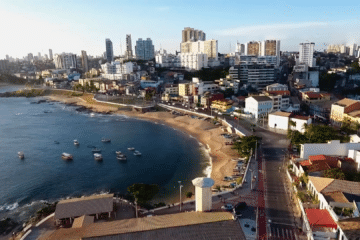
Culture, history and religion of the Brazilian Northeast, Tourist Guide to Bahia and Salvador

The dress of the Baianas is influenced by African culture

The Baiana costume: A cultural expression The costume worn by baianas, often called baiano, reflects the influence of African culture in Brazil, combined with the swaying hips and swaying gait characteristic of samba. Traditional Baiana costume The traditional costume of the baiana is a set of traditional clothes and is […]

Culture, history and religion of the Brazilian Northeast, Tourist Guide to Bahia and Salvador

History of Afro-Brazilian Religions: Candomblé and Umbanda

Afro-Brazilian Religions: A cultural and historical perspective Afro-Brazilian religions were born out of the contact brought about by slavery, when different African peoples met in Brazil. These groups ended up assimilating and exchanging similar elements of their cultures, resulting in a fusion of rites of different origins. In this way, […]