Candomblé: An Afro-Brazilian religion
Candomblé is an Afro-Brazilian religion that developed in the 19th century, particularly in Brazil, from a mixture of African religious traditions brought by slaves, mainly from the region of modern-day Benin and Nigeria, with elements of Catholicism and indigenous traditions.
Origins and cultural resistance
Its origins lie in the cultural resistance of enslaved Africans who sought to preserve their beliefs and practices in the face of oppression and attempts at Christianisation.
The role of the Orixás
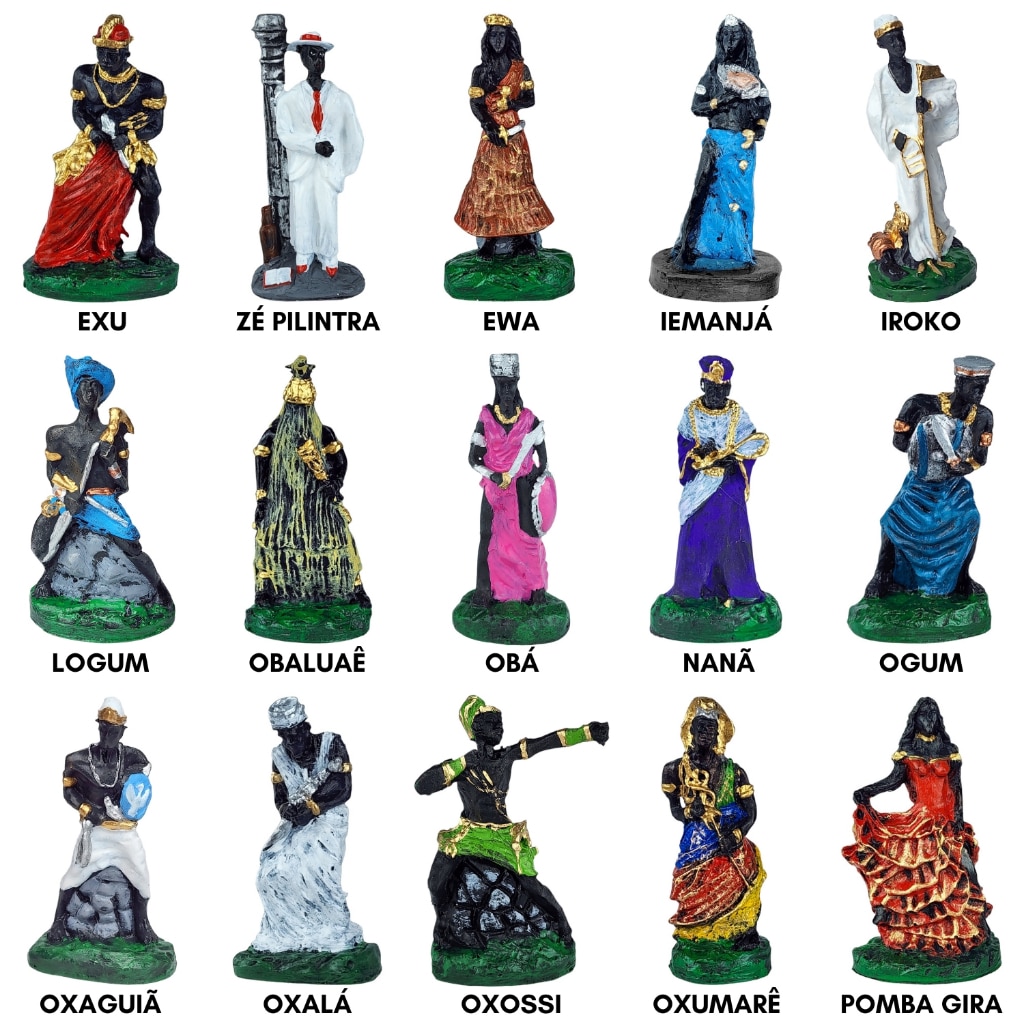
In Candomblé, the orixás, divine beings who represent the forces of nature and aspects of human life, play a central role.
Rituals and ceremonies
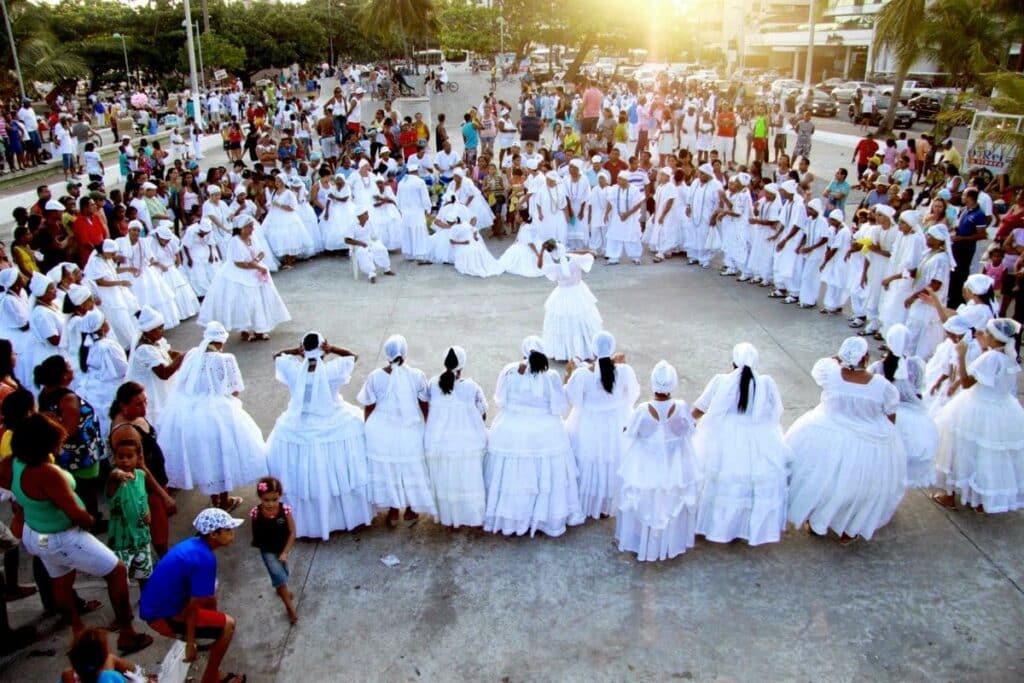
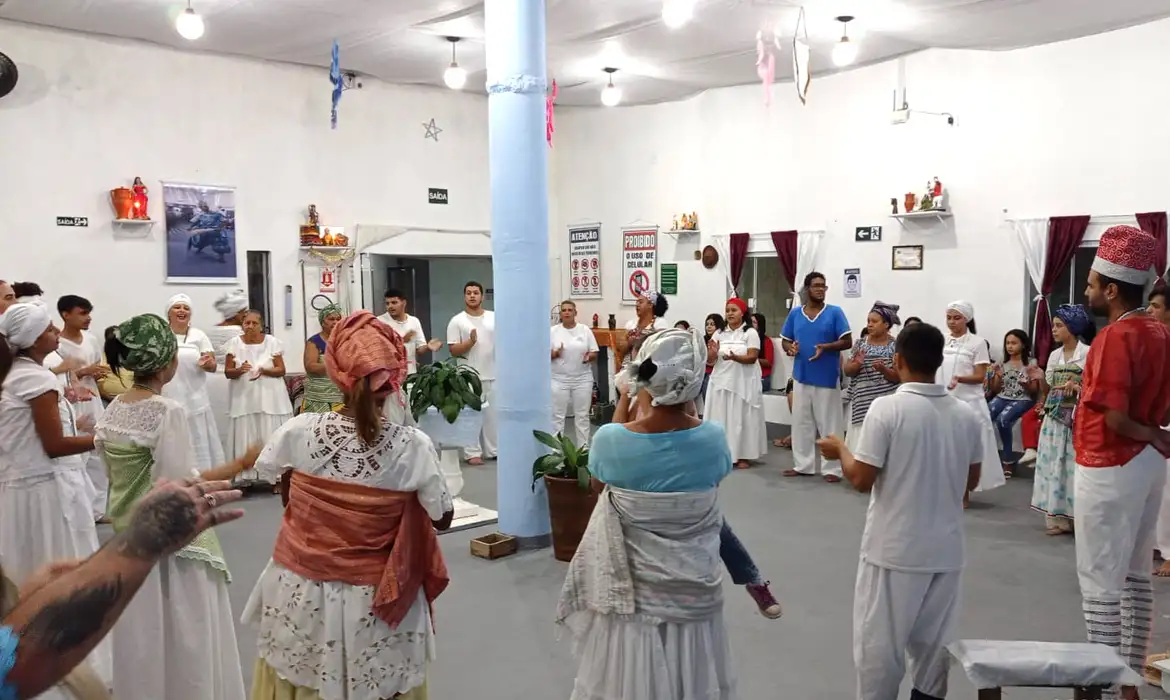
The rituals include dances, singing, offerings and drumming, the aim of which is to establish communication with these spiritual beings. The terreiros, sacred spaces where ceremonies take place, are centres of worship and community life.
Cultural and ethnic identity
Religion also plays an important role in shaping the cultural and ethnic identity of many Brazilians, reflecting the rich diversity of the country’s African heritage.
Challenges and continuity
Candomblé has faced challenges over the years, including religious persecution, but it remains a vibrant and respected practice in contemporary society.
See also History of Afro-Brazilian religions in Bahia.

História mitos e verdades sobre a religião do candomblé

Candomblé na Bahia, origem e religiosidade do baiano08:25
History and origins of Candomblé
Candomblé is a religion derived from African animism, worshipping Orixás, Voduns or Nkisis, depending on the nation. With a totemic and familial origin, it is one of the most widely practised African-based religions, with over three million followers worldwide, especially in Brazil.
Importance and practice
Candomblé has great practical value in everyday life. This ancient slave religion stands in contrast to traditional religious systems such as Christianity and Buddhism. It sanctions identities, as each individual has an Orixá to which they belong, which determines their behaviour and inner desires, without distinguishing between good and evil.
In each of us there may be the maternal side of Oxum, the teasing of Nana or the fighting of Ogum.
Celebrations and festivals
Candomblé festivals take place throughout the year in Bahia. Each house, each nation (Keto or Nagô, Ijexá, Angola, Gêge, Cabinda, Congo, etc.) and each group has its own cycle of celebrations. In the Goodness and Silence of Orun there is a constant harmony with Ayé, confirming the link between the living and the dead.
Structure and ceremonies
Candomblé is a word of black African origin that refers to a gathering of followers of the cult, also known in other parts of Latin America where there was black slavery. These gatherings are held in specially prepared places, usually in rustic huts, and follow certain rules: the chants are usually in the Nagô language, rarely in Portuguese, reflecting the language of the people.
To the sound of chants and dances, atabaques form the basis of percussion music in Candomblé. This is not just an African cult; it is part of a dogma, a cult and a moral code, with a clergy that brings together the constructive elements of a religion.
Syncretism and influences
When African slaves were brought to Brazil to work on plantations, the Portuguese authorities ordered them to be baptised within six months. However, blacks continued to worship their idols and refused to be converted to Christianity. Catholicism became a means of disguising their traditional beliefs, in which saints were not worshipped, but rather the corresponding orixás.
The phenomenon of syncretism allowed black Africans to juxtapose Catholic saints with the gods of their own beliefs, considering them equal, albeit different. Candomblé has its own beliefs, deities, dignitaries, followers, complex rituals, places of worship, altars and sacred objects.
Orixás and deities
The Orixás of Candomblé personify natural phenomena, human activities or emotions. The king of these deities is Olorum, father of the gods and invisible creator. He has two sons, Obatalá (Heaven) and Odudua (Earth), and is surrounded by a court of Orixás.
The arrival of the slaves
It is difficult to establish an exact date for the introduction of black slaves to Brazil, but the large-scale slave trade began less than 50 years after discovery. These involuntary migrants brought with them their worldviews and religions, including the Jejes, Marrins, Iorubas and many others, which were mixed in the slave quarters of Bahia, Pernambuco, Minas Gerais, Rio de Janeiro and São Paulo.
Cultural and religious influence
Slavery was officially abolished with the passage of the Eusébio de Queiroz Act in 1850, but many African cultural and religious traditions continued to influence the formation of the Brazilian people. Although there are several published works on African religiosity, many of them are guides for Candomblé followers without offering a broader folkloric perspective.
The Bahian ethnologist Édison Carneiro is one of the leading authorities on the subject and has written several books on the subject. Religious syncretism in Brazil, especially in the context of contact between enslaved Africans and Catholicism, reflects a rich and complex cultural adaptation.
Ceremonies and festivals
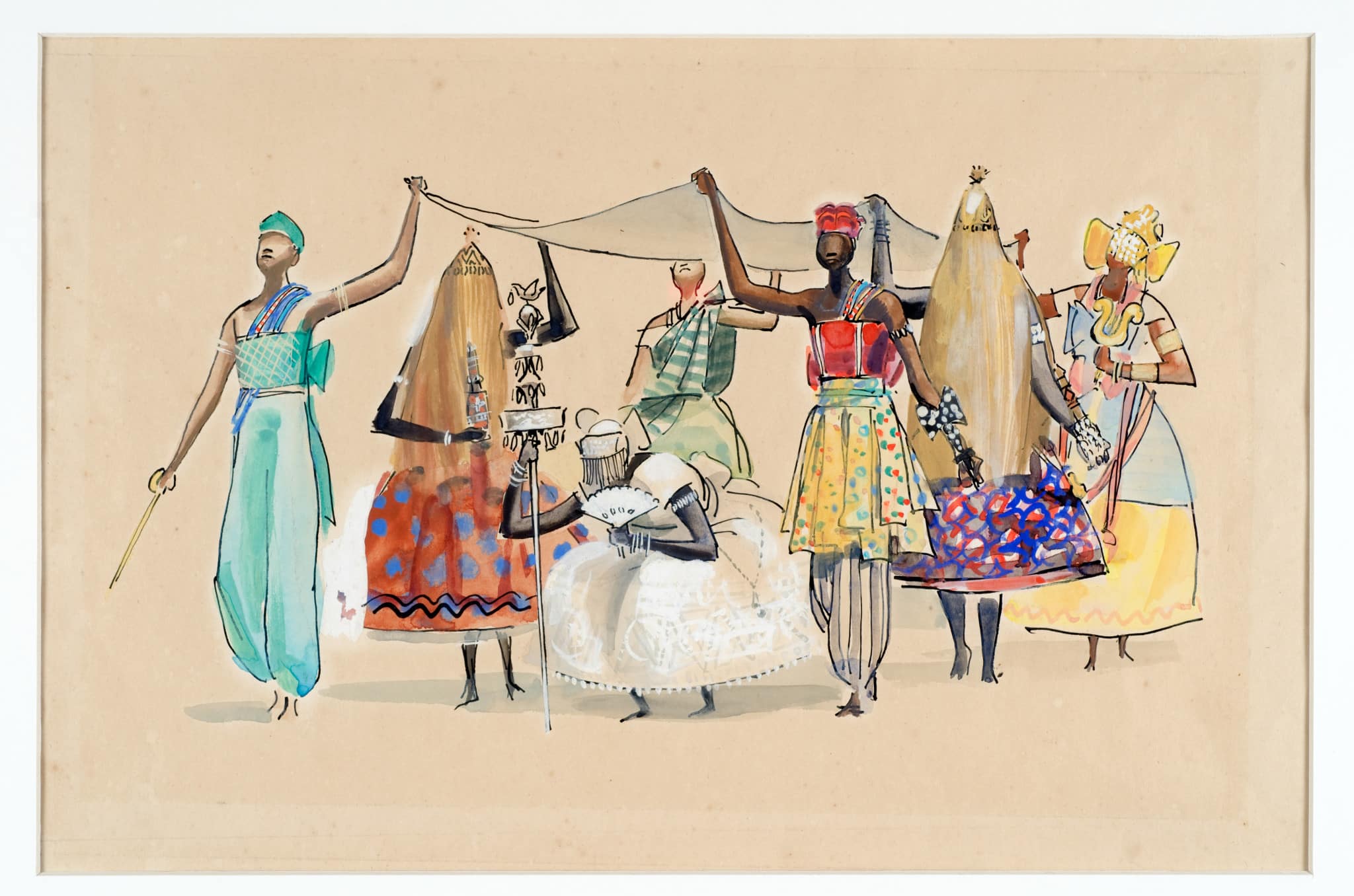
Candomblé ceremonies are accompanied by dances, melopéias (songs) and animal sacrifices. The Iabás, or cooks, are responsible for preparing the meat of the sacrificed animals and carefully organising the offerings. The food is prepared specifically for each Orixá and taken to each settlement.
The shed where the celebration takes place is decorated with coconut leaves and banners, creating a festive atmosphere. In the centre of the courtyard is the Padé de Exu, an offering dedicated to Exu, the messenger of the Orixás. Exu is always the first to be addressed in any obligation, ensuring that the festival is held in peace and harmony.
Conclusion
Bahian Candomblé is a religious expression deeply rooted in Bahian culture, reflecting the complexity of Afro-Brazilian beliefs and their interaction with Catholicism. This syncretic spirituality continues to influence the religiosity of the Bahian people to this day.
Bahia.ws – Tourism and travel guide for Bahia, Salvador and the Northeast

Publicações Relacionadas
História e Evolução do Trio Elétrico no Carnaval
Jorge Amado's Life and Literary Contributions
Rapadura: A Sweet Treat from Northeastern Brazil
King Momo, Pierro, Harlequin and Colombina - Carnival characters
History of Carnival in Brazil: Origins and Traditions
Northeastern architecture with typical colonial features
Jean-Baptiste Debret: biography and works in Brazil
Diógenes Rebouças and His Architectural Legacy
Extreme sports in the Northeast of Brazil: Destinations not to be missed
Popular Art from the Northeast of Brazil
Discover the History of Capoeira in Salvador
Brazil's historic moments illustrated in great works
Lampião and the Cangaço: Between History and Mythology
Música, Ritmos e Danças do Nordeste do Brasil
Plastic Arts of the Northeast: A Cultural Journey
São Jorge dos Erasmos Sugar Mill: A Landmark in Brazil
Bobbin lace and embroidery: predominant handicrafts in Ceará
Cultural Aspects of Northeast Brazil Explained
José Américo de Almeida: A Brazilian Literary Icon
Northeastern Literature: A Rich Cultural Tapestry
Origin and history of Acarajé: Discover the Afro-Brazilian tradition
The influence of Arab architecture on the buildings of Pernambuco
History, biography and paintings of Frans Post in Dutch Brazil
History and Chronology of the Portuguese Tile Industry
The 7 north-eastern rhythms and musical styles that enchant Brazil
History of the introduction of Portuguese tiles in Brazil
The culture of Northeastern Brazil: how it originated, influenced and flourished
Maranhão's handicrafts have more than 400 years of tradition
Geography and Climate Regions of Northeast Brazil
History and Chronology of the Carnival of Salvador de Bahia
Casa Grande & Senzala: The Work of Gilberto Freyre
Brazil’s Northeast: Must-See Tourist Destinations
Iemanjá Festival: Meaning and Celebrations
History of the indigenous peoples of Bahia
Biography of Victor Meirelles and analysis of the work "The First Mass in Brazil"
History of Baroque Architecture in the Northeast and Minas Gerais
This post is also on:
 Português
  English
  Deutsch
  Español
  Français