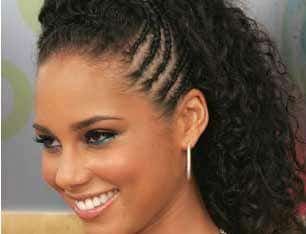
Afro hairstyles in Salvador have deep roots in African culture brought by enslaved peoples during the colonial period.
These hairstyles are an essential part of the identity and resilience of African peoples and Afro-descendants in Bahia and Brazil as a whole.
Video about Afro hair styles in Salvador
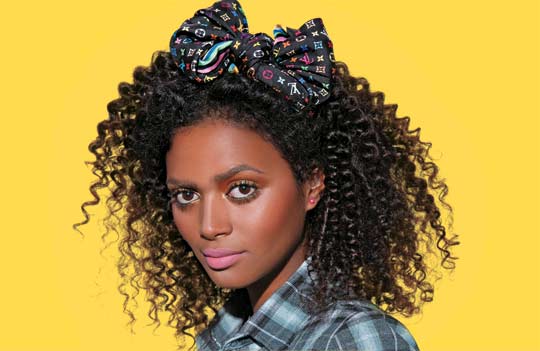
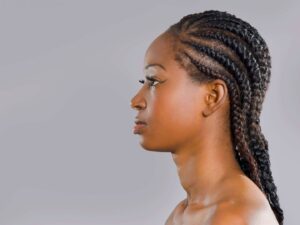
Afro Hairstyles
1. Origin and cultural significance
In Africa, Afro hairstyles varied according to ethnicity, social status, age, religion and circumstances such as ceremonies or mourning.
African groups brought to Brazil, such as the iorubás, bantos and jejes, brought with them a rich diversity of hairstyles that symbolised community belonging and spirituality.
In many cases, braids and other hairstyles served as a form of communication and expression of status, as well as a link to ancestors and the sacred.
2. Hairstyles as resistance
During slavery, enslaved Africans in Salvador used hairstyles as a way of preserving their cultural identity.
Even under oppression, women and men of African descent maintained hair traditions that resisted the imposition of European standards.
The use of braids, twists, and elaborate hairstyles with African symbols served as a way of maintaining ties to their roots despite attempts at dehumanisation.
3. Religiosity and hairstyles
In Salvador, with the development of Candomblé and other African-based religious practices, hairstyles took on religious and spiritual significance. In Candomblé houses, many hairstyles, such as braids and specific ornaments, are used in rituals to mark devotion to the orixás and ancestors.
Each orisha may have an associated hairstyle, which is worn during rituals and festivities and is an integral part of Afro-Brazilian religious aesthetics.
4. Afro hairstyles in contemporary culture
After the abolition of slavery, Salvador maintained a strong African heritage and Afro hairstyles continued to evolve.
In the 20th century, with movements promoting black culture and strengthening Afro-Brazilian pride, Afro hairstyles became symbols of political and cultural resistance. Styles such as Black Power, dreads and nagô braids re-emerged as affirmations of identity and the fight against racism.
Today, Afro hairstyles are widely appreciated and represent not only a cultural heritage but also a celebration of black beauty that can be seen on the streets of Salvador, in festivals such as Carnival and in religious practices, highlighting the continuity of an ancient tradition and the central role of the Afro-descendant community in the construction of the city’s cultural identity.
Due to its porous, fine and wavy structure, Afro hair is naturally dry and therefore more sensitive and requires special care. Some haircuts help with these characteristics and enhance a woman’s best features.
The main trick to a beautiful hairstyle is well cared for hair.
To keep Afro hair looking beautiful and healthy, moisturising is essential as it restores the hair structure and softens the strands, allowing for a variety of styles.
The Black Power hairstyle symbolises awareness and black power. It refers to the struggle of black people for civil rights. As the name suggests, it is an expression of black power.
Afro Hair and Hairstyles – Travel and tourism guide for Bahia and Salvador.
Publicações Relacionadas
Rural Maracatu: A carnival tradition in the interior of Pernambuco
Iemanjá Festival: Meaning and Celebrations
European architecture - chronology, styles and characteristics
The Origins of Umbanda: Brazilian History, Beliefs and Practices
Candomblé: A Blend of African and Catholic Traditions
History and Chronology of the Portuguese Tile Industry
History of the indigenous peoples of Bahia
History of the 8-bass accordion and its influence on forró
Graciliano Ramos: The life and work of the Brazilian writer
Itineraries focused on religious tourism in Salvador, Bahia
Woodcuts and Cordel Literature in Northeastern Brazil
Iemanjá: Discover the Orixá and the Traditional Festival in Salvador
Biography of Victor Meirelles and analysis of the work "The First Mass in Brazil"
History, biography and paintings of Frans Post in Dutch Brazil
Lampião and Cangaço: Between history and mythology
Jean-Baptiste Debret: biography and works in Brazil
Lampião and the Cangaço: Between History and Mythology
The dress of the Baianas is influenced by African culture
Musical styles, rhythms, singers and composers of northeastern Brazil
History and Chronology of the Carnival of Salvador de Bahia
The culture of Northeastern Brazil: how it originated, influenced and flourished
History of Baroque Architecture in the Northeast and Minas Gerais
Monte Pascoal National Park: Pataxó culture and Brazilian history
Discover the History of Capoeira in Salvador
The Rhythm of Candomblé and the Invocation of the Orixás
Colours of houses and buildings in the colonial architecture of the northeast
June festivals: Tradition and Culture in the Northeast of Brazil
Monte Santo in Bahia: History and Religious Tourism
Brazil's historic moments illustrated in great works
Bobbin lace and embroidery: predominant handicrafts in Ceará
History of Afro-Brazilian Religions: Candomblé and Umbanda
Diógenes Rebouças and His Architectural Legacy
Brazil's northeastern subsoil has emeralds and archaeology
Franciscans in Brazil: Urban, architectural and artistic heritage
King Momo, Pierro, Harlequin and Colombina - Carnival characters
Turban is Religion, Fashion and Culture in Brazil and the World
This post is also on:
 Português
  English
  Deutsch
  Español
  Français