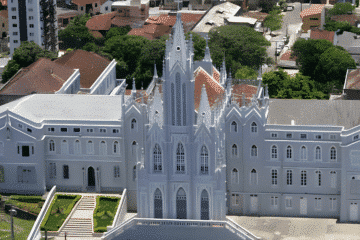
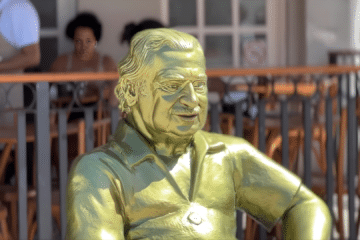
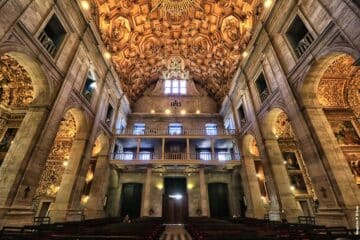
The culture of Northeastern Brazil is quite diverse, having been influenced by indigenous peoples, Africans and Europeans.
Customs and traditions often vary from state to state.
Being the first region actually colonised by the Portuguese in the 16th century, who met the native populations and were accompanied by Africans brought as slaves, the culture of the Northeast is very specific and typical, although extremely varied.

It is based on the Portuguese-Brazilian culture, with strong African influences (especially on the coast from Pernambuco to Bahia and in Maranhão) and Amerindian influences (especially in the semi-arid hinterland).
The cultural richness of the Northeast region is visible beyond its folkloric and popular manifestations.
Northeastern culture has its own distinctive characteristics, which are represented in various ways: handicrafts, cuisine, music, dance, rhythm, literature, theatre, among others.
Videos about The origin, influence and richness of North-Eastern culture

Literatura de Cordel08:45

Centro de Artesanato de Pernambuco12:47

Renda de Bilro em Aquiraz05:33

Garafas de Areia Coloridas de Majorlandia03:42

Artesanado de Maragogipinho02:25
See also The development and history of the fine arts in the Northeast.
THE CULTURE OF THE NORTHEAST BRAZIL CONSISTS OF
- LITERATURE
- MUSIC
- DANCE
- CRAFTS
- CULINARY
1. NORTHEASTERN LITERATURE
Northeastern literature has made an important contribution to the Brazilian literary scene, with names such as João Cabral de Melo Neto, José de Alencar, Jorge Amado, Nelson Rodrigues, Rachel de Queiroz, Gregório de Matos, Clarice Lispector, Graciliano Ramos, Ferreira Gullar and Manuel Bandeira.

Also noteworthy is the cordel literature, of Portuguese and Medieval European origin, as well as popular oral manifestations such as the repente and embolada singers.
In classical music, the composers Alberto Nepomuceno, Paurillo Barroso, Liduíno Pitombeira and the conductor Eleazar de Carvalho stand out.
Northeastern rhythms inspired composers such as Heitor Villa-Lobos (for example, Bachiana Brasileira No. 5, with references to the Cariri hinterland).
2. NORTHEASTERN POPULAR MUSIC
Popular music includes rhythms such as coco, xaxado, martelo agalopado, samba de roda, baião, xote, forró, axé and frevo.

The Armorial Movement, led by Ariano Suassuna in Recife, has valorised this rhythmic heritage. One of its main exponents is the singer Antônio Nóbrega.
3. NORTH-EASTERN DANCE
Among the Northeastern Dances, the most notable are Maracatu, Frevo (characteristic of Pernambuco), Bumba-meu-boi, Xaxado, Tambor-de-crioula (from Maranhão), forró and samba roda, bumba-meu-boi, xaxado, tambor-de-crioula (from Maranhão), forró and samba de roda.
The dances are usually accompanied by folkloric music and typical costumes, such as those of the baianas.
4. NORTH-EASTERN HANDICRAFTS
Northeastern handicrafts are an important form of cultural expression and source of income.

Highlights:
- Woven and embroidered nets
- Pieces of clay, wood (such as carnauba) and leather.
- Ceará lace
- Bottles of coloured sand (sold to tourists)
- Handicrafts made of buriti and babassu fibres, typical of Maranhão.
5. NORTHEASTERN CUISINE
Northeastern cuisine is extremely varied and thoughtful:
- economic conditions
- Regional geography
- Portuguese, Indigenous and African cultural mix
Typical dishes include
- tapioca, vatapá, moqueca, acarajé, baião de dois.
- Caruru, sarapatel, mugunzá, farofa, paçoca, buchada de bode
- Rapadura, queijo coalho, panelada, maria-isabel, galinha à cabidela
Other highlights:
- Bolo de rolo (from Pernambuco, Intangible Heritage)
- Cuxá, arroz de cuxá, torta de camarão, soda Jesus (from Maranhão)
- Tropical fruits: cajá, seriguela, pitomba, buriti, umbu, bacuri, juçara, among others.

In the Hinterland, beef, goat and sheep meat predominate; on the Coast, the emphasis is on fish and seafood.
See more in the menu under “Composers and Biographies” or “Culture, History and Religion in Salvador and Bahia“.
Origin, influence and richness of the Northeastern culture
Tourist Guide to the Brazilian Northeast

Publicações Relacionadas
Iemanjá: Discover the Orixá and the Traditional Festival in Salvador
Lampião and Cangaço: Between history and mythology
The Origins of Umbanda: Brazilian History, Beliefs and Practices
São Jorge dos Erasmos Sugar Mill: A Landmark in Brazil
Geography and Climate Regions of Northeast Brazil
Casa Grande & Senzala: The Work of Gilberto Freyre
Tourist Attractions in Bahia: main attractions, beaches and cities
Plastic Arts of the Northeast: A Cultural Journey
Brazil's historic moments illustrated in great works
Diógenes Rebouças and His Architectural Legacy
Northeast destinations you need to visit
The Rhythm of Candomblé and the Invocation of the Orixás
History of Afro-Brazilian Religions: Candomblé and Umbanda
June festivals: Tradition and Culture in the Northeast of Brazil
The 7 north-eastern rhythms and musical styles that enchant Brazil
História e Evolução do Trio Elétrico no Carnaval
King Momo, Pierro, Harlequin and Colombina - Carnival characters
History of Carnival in Brazil: Origins and Traditions
Colours of houses and buildings in the colonial architecture of the northeast
Popular Art from the Northeast of Brazil
Monte Santo in Bahia: History and Religious Tourism
History of Baroque Architecture in the Northeast and Minas Gerais
History of the introduction of Portuguese tiles in Brazil
Rapadura: A Sweet Treat from Northeastern Brazil
History of the 8-bass accordion and its influence on forró
Jorge Amado's Life and Literary Contributions
Brazil’s Northeast: Must-See Tourist Destinations
Rural Maracatu: A carnival tradition in the interior of Pernambuco
The influence of Arab architecture on the buildings of Pernambuco
Origin and history of Acarajé: Discover the Afro-Brazilian tradition
History of Northeast Brazil - Chronology and Summary
History of the indigenous peoples of Bahia
Historic Towns in the Northeast: Explore the Past
History, biography and paintings of Frans Post in Dutch Brazil
José Américo de Almeida: A Brazilian Literary Icon
Lampião and the Cangaço: Between History and Mythology
This post is also on:
 Português
  English
  Deutsch
  Español
  Français