Tracunhaém: The capital of ceramics in Pernambuco
Tracunhaém is a municipality in the state of Pernambuco, known for its rich clay handicrafts, especially its handmade ceramics.
Located in the Agreste region of the state, the town has a strong tradition of handicraft production that goes back several generations.

Video – Tracunhaém is the “Capital of Ceramics

1. Characteristics of Tracunhaém handicrafts
1.1 Techniques and processes
- Hand modelling: The artisans of Tracunhaém use traditional hand modelling techniques to create their pieces. The clay is shaped by hand without the use of industrial moulds.
- Firing in traditional kilns: The pieces are fired in wood-fired kilns, giving the ceramics a rustic and characteristic finish.
1.2 Types of pieces
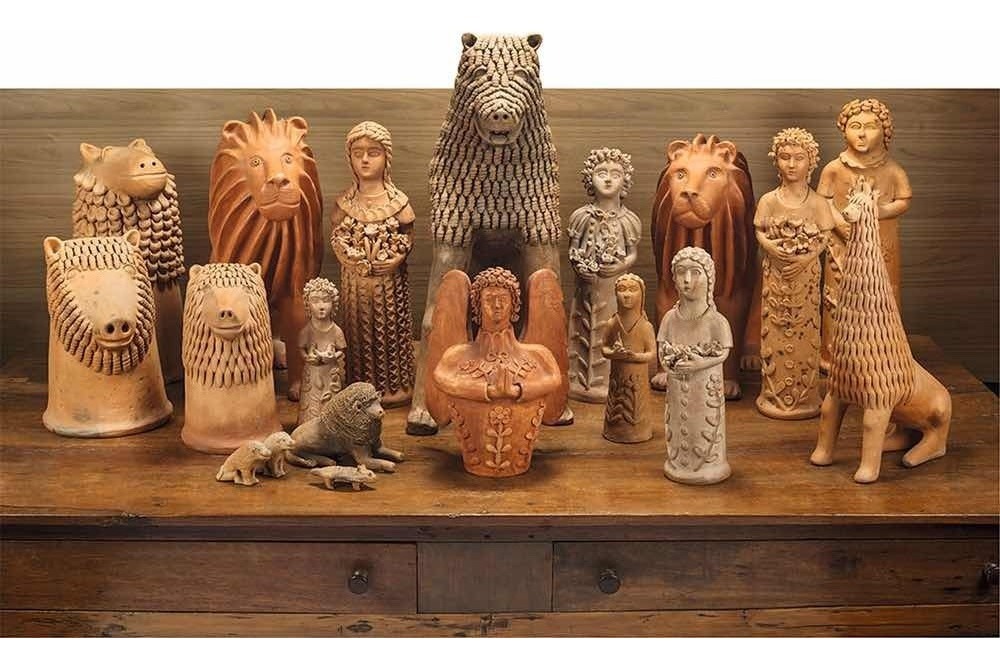
- Figures and Statuettes: Figures of saints, animals and folklore characters are common, as are representations of local culture.
- Utilitarian and decorative: Utility items such as vases, pots and bowls are also produced.
1.3 Decoration and design
- Painting and engraving: Pieces are often decorated with colourful paintings and intricate designs, reflecting the rich cultural and artistic tradition of the region.
- Regional Themes: Many of the designs and shapes incorporate elements of local culture, such as scenes from everyday life and symbols from nature.
1.4 Cultural and economic impact
- Preservation of Tradition: Tracunhaém’s pottery is an important way of preserving and passing on local culture and traditions.
- Tourism and Economy: Ceramic production is an important source of income for many residents and attracts tourists interested in buying authentic pieces and learning about the craft process.
1.5 Visits and markets
- Fairs and Exhibitions: Tracunhaém often holds fairs and events where artisans can exhibit and sell their creations, promoting local handicrafts.
- Shops and studios: There are several shops and studios in the city where visitors can see and buy ceramics directly from the artisans.
2. Tracunhaém: The city of pottery
Nearly 50 percent of the population survives, directly or indirectly, by transforming clay into utilitarian objects or works of art. The anonymous workers work in the city’s potteries or are famous artisans, some even recognised outside Brazil.
The city has been awarded the title of “Capital of Ceramic Crafts” by the Legislative Assembly of Pernambuco, and stands out for its production of saints, animals and utilitarian pieces, using clay as the raw material.
The figurative and decorative art of clay is a trademark of Tracunhaém, creating figures inspired by popular culture and religious beliefs.
In addition, the cultural heritage is passed down from generation to generation, with many artisans learning the craft from childhood.

3. Clay Crafts: A cultural practice
Clay art is an ancient activity, dating back more than 3,000 years before Christ, and is a representative practice of Brazilian popular culture, inherited from the Indians.
The Indians, for example, created toys and household items such as bowls and troughs, using their creativity and inspiration from nature.
Clay artisans, known as anonymous artists, are a vital force in the production of utilitarian and ornamental ceramics throughout Brazil, especially in Pernambuco.
Cities such as Caruaru and Goiana also excel in this practice, with Caruaru being the home of the famous Mestre Vitalino.

4. The art of clay modelling
Clay modelling is a symbolic and playful expression that dates back to the dawn of mankind. Throughout history, ceramics have evolved with the improvement of techniques and the addition of natural pigments, expanding the artistic possibilities.
The artists of Tracunhaém use clay as their main raw material, creating pieces that reflect local life and culture.
Clay is a generic term that includes different mixtures of clays, each with different characteristics.
5. How to model clay
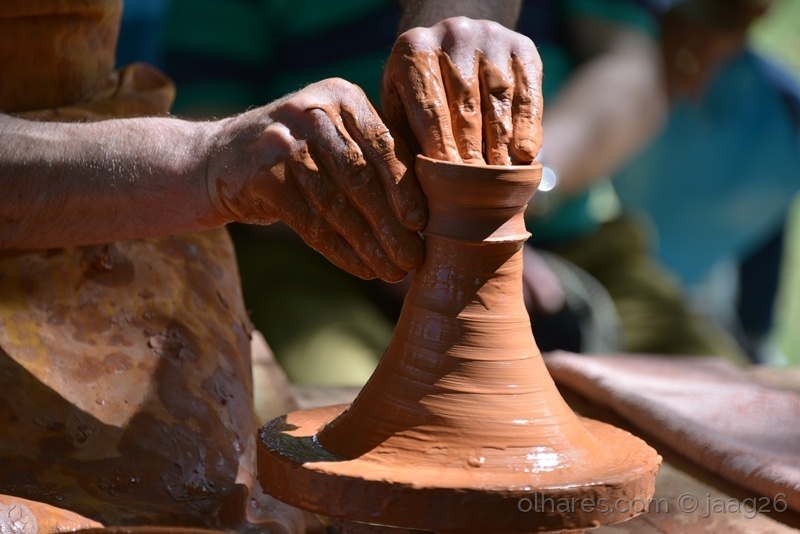
Arte de Modelar o Barro ou Argila em Tracunhaém
Working with clay is an accessible and creative practice. Here are some basic techniques for modelling it:
5.1 Forming clay with your hands
- Prepare the clay: Make sure the clay is soft and free of bubbles.
- Classic method: Form the clay with your fingers to create simple shapes.
- Coil technique: Use small rolls of clay to make objects.
- Cut the clay into flat shapes to make boxes or other objects.
- Use an extruder: Make “threads” or “snakes” with a clay extruder.


5.2 Using the wheel
- Prepare the lathe: Set up the equipment to shape the clay.
- Centre the clay: Place the clay in the centre of the wheel and adjust as necessary.
- Mold the piece: Use your hands to shape the clay into the desired form.


Tracunhaém is the “capital of ceramics”.

Publicações Relacionadas

Ricardo Brennand Institute — Castle Museum, Armory, and Art Gallery
Sights in Recife: 5 must-see attractions
The history of the Golden Chapel and the Third Order of Recife

Boa Viagem Beach (Recife) — A Complete Guide for Visitors

The best beaches in Pernambuco — a 5-day itinerary
Praia dos Carneiros voted one of the most beautiful beaches in the Northeast

7-Day Itinerary in Pernambuco with Historical Highlights

History and architecture of the Palácio do Campo das Princesas in Recife

Giant Puppets and Their Role in Olinda Carnival
Graça Church and Olinda Seminary Historical Significance
Monastery of São Bento de Olinda: A Historic Landmark
Olinda Cathedral: A Historical Landmark in Brazil
Franciscan Monastery of Olinda: A Historic Landmark
Igarassu: Discover the historic city of Pernambuco

Sugar mills on the outskirts of Porto de Galinhas PE

The oldest churches in Pernambuco and the first church in Brazil
Gravatá: Your Guide to the Best Attractions

Goiana: A Historical Treasure in Pernambuco
Main historical landmarks of Pernambuco and Recife

Main Tourist Attractions in Recife You Must Visit

Pernambuco's best beaches and their attractions

Vale do Catimbau National Park: Your Guide to Ecotourism

Santo Aleixo Island: A tourist paradise in Pernambuco
Interior of Pernambuco: Nature, Wine, and Tradition

Basilica of Our Lady of Penha: A Historical Overview

Church of Santa Teresa D'Ávila da Terceira Ordem do Carmo History
Kahal Zur Israel Synagogue — Jewish Museum and Cultural Centre (Recife)

Church of Nossa Senhora da Boa Viagem History
History of the Basilica of Our Lady of Mount Carmel in Recife
History of the Church of Our Lady of the Rosary of the Black Men

Golden Chapel: A Jewel of Brazilian Baroque
Sacred Recife and Religious Tourism in Recife, Pernambuco

Carne de Vaca Beach: A Hidden Gem in Pernambuco
Maria Farinha Beach: Activities and Attractions
Triunfo, Pernambuco: attractions, climate and things to do
Serra Talhada: A Journey Through Pernambuco's Culture
This post is also on:
 Português
  English
  Deutsch
  Español
  Français