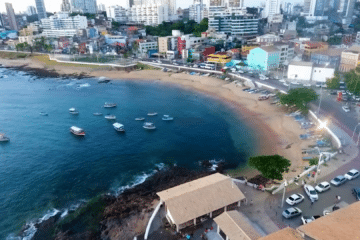
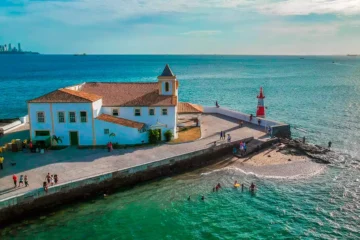
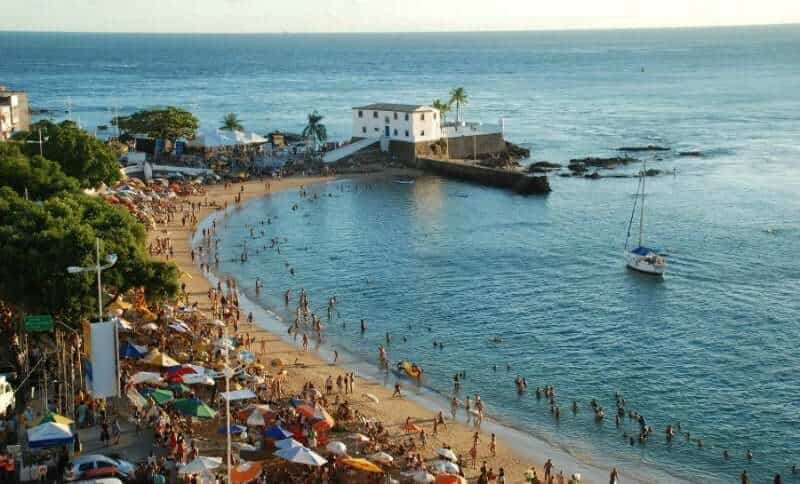
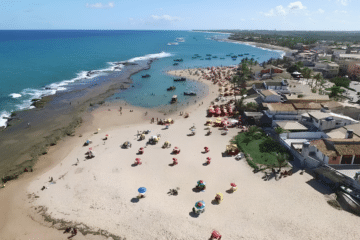
Carne de Vaca Beach is a charming destination located in the municipality of Goiana, on the north coast of Pernambuco, near the border with Paraíba.
Considered the last beach on the north coast of Pernambuco, Carne de Vaca stands out for its tranquillity and conservation, making it the ideal place for those seeking peace and connection with nature.
Its warm, shallow waters, created by a sandbank on the seafront, make it the perfect beach for families who want to spend some pleasant moments by the sea.
Origin of the name “Praia de Carne de Vaca” (Beef Beach)
The origin of the name “Praia de Carne de Vaca” is linked to a local legend dating back to the colonial period.
According to tradition, the name comes from an episode in which a ship carrying beef was shipwrecked near the beach.
Another version suggests that the name may have something to do with the presence of cows grazing in the area, or with the appearance of the sand, which may be reminiscent of the colour of beef.
Either way, the name reflects the rich history and culture of the region, and is a distinctive feature that attracts visitors interested in discovering not only the natural beauty of the beach, but also its history and traditions.

Video of Carne de Vaca Beach in Pernambuco


Features of Carne de Vaca beach
- Natural beauty: Carne de Vaca is known for its rustic and unspoilt landscape. The beach has clear, warm waters and the surrounding vegetation of coconut trees and mangroves adds to the sense of isolation and tranquillity.
- Family atmosphere: Being a lesser known beach and further away from the big urban centres, Carne de Vaca is mainly frequented by locals and families looking for a safe and peaceful environment to relax.
- Natural pools: At low tide, natural pools form in the areas protected by the reefs, providing a perfect setting for peaceful swimming and marine life observation.
- Local Cuisine: Near the beach you will find stalls and small restaurants serving typical local dishes such as fish, shellfish and the traditional carne de sol, accompanied by manioc or green beans.
- Traditional village: Carne de Vaca is also known as a traditional fishing community. Visitors can observe daily artisanal fishing and even buy fresh fish directly from the local fishermen.

Activities and leisure
- Boat Trips: Boat trips are popular and allow you to explore the mouth of the Goiana River, the mangroves and even nearby islands such as Itamaracá Island.
- Walks and Trails: The area around the beach offers good opportunities for ecological walks, where you can appreciate the local flora and fauna.
- Fishing: For fishing enthusiasts, the beach is an excellent place to practice, especially angling.
Tips for visiting

- Access: Carne de Vaca Beach is located about 80 kilometres from Recife. Access is via the BR-101 motorway, followed by the PE-049. The road is asphalted, but the last part of the journey can be narrow and rustic.
- Best time to go: Like other beaches in the northeast, Carne de Vaca can be visited all year round. However, the months between September and March, when the weather is drier and warmer, are ideal for making the most of the beach.
- Accommodation: The tourist infrastructure on the beach is simple, with a few inns and houses for rent, as well as family-run bars and restaurants.
Praia de Carne de Vaca is an ideal destination for those looking for a quiet retreat away from the hustle and bustle of the more touristy beaches, and who want to experience the traditional lifestyle and unspoilt natural environment of the Pernambuco coast.
Carne de Vaca PE Beach Tourist Guide

Publicações Relacionadas
History of the Church of Our Lady of the Rosary of the Black Men
Porto de Galinhas: beaches, natural pools and travel tips
Goiana: A Historical Treasure in Pernambuco
Main Tourist Attractions in Recife You Must Visit
Recife: The Brazilian Venice and its Cultural Heritage
The Stage of the Passion of Christ in New Jerusalem: A Guide
Sertão of Pernambuco: A Cultural Diversity Hub
Itamaracá Island: Best Attractions and Activities
Franciscan Monastery of Olinda: A Historic Landmark
Interior of Pernambuco: Nature, Wine, and Tradition
Pernambuco's best beaches and their attractions
Tamandaré: Explore the Best of Pernambuco
Cabo de Santo Agostinho: A Complete Tourist Guide
Serra Talhada: A Journey Through Pernambuco's Culture
Main tourist towns in Pernambuco's Zona da Mata
Kahal Zur Israel Synagogue — Jewish Museum and Cultural Centre (Recife)
Mata Sul Region of Pernambuco: Waterfalls to Explore
Route of the Sugar Mills and Maracatus in Pernambuco
The history of the Golden Chapel and the Third Order of Recife
Museu do Homem do Nordeste: A Cultural Journey
Giant Puppets and Their Role in Olinda Carnival
Olinda: A Journey Through Colonial Architecture
History of the Basilica of Our Lady of Mount Carmel in Recife
North coast of Pernambuco: beaches, history and attractions
São José da Coroa Grande: A Coastal Paradise
Ricardo Brennand Institute — Castle Museum, Armory, and Art Gallery
Basilica of Our Lady of Penha: A Historical Overview
Church of Santa Teresa D'Ávila da Terceira Ordem do Carmo History
Igarassu: Discover the historic city of Pernambuco
Monastery of São Bento de Olinda: A Historic Landmark
The best beaches in Pernambuco — a 5-day itinerary
Santo Aleixo Island: A tourist paradise in Pernambuco
History and architecture of the Palácio do Campo das Princesas in Recife
Graça Church and Olinda Seminary Historical Significance
Dutch Recife and the Dutch Invasion of Brazil
Tourist Attractions in Agreste de Pernambuco
This post is also on:
 Português
  English
  Deutsch
  Español
  Français