The Olinda Carnival in Pernambuco is an important cultural event in the Brazilian scene, characterised by the rhythm of frevo, popular expressions and the presence of giant puppets.
The giant puppets were introduced in 1932 with the Midnight Man, and these papier-mâché visual elements have become icons of local cultural identity, representing both historical and everyday figures.

Olinda: Historical and Cultural Heritage
The city of Olinda in Pernambuco is known for its rich history, stunning natural beauty and valuable cultural heritage, evidenced by the colonial architecture of its churches and mansions, as well as its vibrant cultural events.
The origin of the giant puppets of the Olinda Carnival
1932 marked the beginning of the use of giant puppets in the Olinda Carnival with the creation of the Homem da Meia-Noite (Midnight Man) by the Clube de Alegoria e Crítica o Homem da Meia-Noite (Midnight Man Allegory and Criticism Club).
Video about the history of Olinda’s giant puppets

Conheça a história dos bonecos gigantes de Olinda
See also Olinda has valuable colonial houses, architecture, history and carnival.
Dissemination and recognition of the giant puppets
During the 1980s and 2000s, the giant puppets became popular at the Olinda Carnival. In 2006, Homem da Meia-Noite was recognised as a Living Heritage of the State of Pernambuco. citeturn0search1
Cultural significance of giant puppets
Giant puppets are considered cultural objects used by carnival organisations to construct narratives and characters that remain in the collective memory, carrying a symbolic charge that engages revelers during the festivities.
History of Carnival in Brazil and the Entrudo
The practice of celebrating Carnival in Brazil began in the 17th century with the Entrudo games, which consisted of games in which people doused each other with water. Over time, these games were re-signified to include elements such as rotten eggs and flour, which displeased the local elite. This led to an attempt by the elites to criminalise entrudo, with the aim of replacing it with a celebration more in line with a civilising project for the country.

How to celebrate Carnival in Recife and Olinda
In cities such as Recife and Olinda, different forms of carnival celebration have developed, including
- Troças Carnavalescas: Popular organisations whose parades were simple, with participants walking on foot, accompanied by an orchestra and a banner.
- Carnival Clubs: These held more organised parades, with participants wearing costumes and using allegories in their processions.
- Blocos de Rua (Lyrical Blocks): Organisations in which musicians used stick and string instruments and sang frevo songs.
These forms of celebration also represented a political and symbolic struggle between the elite and the poorer population.
The formation of national symbols and cultural identity
During the formation of nation states, it was necessary to create symbols capable of uniting people around representations such as language, anthems and flags. The aim was to create a sense of belonging to the country. In this context, the state began to select cultural goods, practices and manifestations that would contribute to the creation of a national identity.
The history of the giant puppets of Olinda
At the beginning of the 20th century, Olinda already had several recognised carnival troupes, such as
- Clube Lenhadores de Olinda (1907)
- Cariri Mixed Carnival Troupe (1921)
- Troça Carnavalesca Prato Misterioso (1925)
However, none of these groups were represented by giant puppets, but rather by banners. The introduction of giant puppets to Olinda’s carnival took place in 1932, with the creation of the Homem da Meia-Noite Carn carnival troupe, a dissident offshoot of the Cariri Mixed Carnival Troupe. citeturn0search1
The Midnight Man: Symbol of the Olinda Carnival
The Midnight Man is Olinda’s oldest giant puppet, about four metres tall. It first appeared on 2 February 1932, the date dedicated to Iemanjá, which establishes a link with Candomblé. The doll, known as the calunga, is a mystical figure that represents the materialisation of the social relations and practices of carnival associations. citeturn0search1
The family of giant puppets
- The Woman of the Day: Created in 1967 to keep company with the Midnight Man, she is one of the great attractions of the Olindense Carnival. citeturn0search4
- Menino da Tarde: Created in 1974 by Silvio Botelho, it represents the couple’s son and is the third oldest giant doll in Olinda. citeturn0search10
Recognition and Cultural Heritage
In 2006, the Homem da Meia-Noite Allegory and Criticism Club was recognised as a Living Heritage of the State of Pernambuco, highlighting the importance of the institution and the calunga to local culture.

Publicações Relacionadas
Ricardo Brennand Institute — Castle Museum, Armory, and Art Gallery
Sights in Recife: 5 must-see attractions
The history of the Golden Chapel and the Third Order of Recife

Boa Viagem Beach (Recife) — A Complete Guide for Visitors

The best beaches in Pernambuco — a 5-day itinerary
Praia dos Carneiros voted one of the most beautiful beaches in the Northeast
7-Day Itinerary in Pernambuco with Historical Highlights

History and architecture of the Palácio do Campo das Princesas in Recife
Graça Church and Olinda Seminary Historical Significance
Monastery of São Bento de Olinda: A Historic Landmark
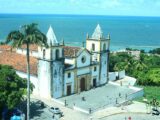
Olinda Cathedral: A Historical Landmark in Brazil
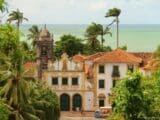
Franciscan Monastery of Olinda: A Historic Landmark
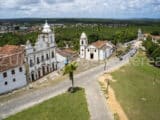
Igarassu: Discover the historic city of Pernambuco

Sugar mills on the outskirts of Porto de Galinhas PE

The oldest churches in Pernambuco and the first church in Brazil
Gravatá: Your Guide to the Best Attractions
Goiana: A Historical Treasure in Pernambuco
Main historical landmarks of Pernambuco and Recife

Main Tourist Attractions in Recife You Must Visit

Pernambuco's best beaches and their attractions

Vale do Catimbau National Park: Your Guide to Ecotourism

Santo Aleixo Island: A tourist paradise in Pernambuco

Interior of Pernambuco: Nature, Wine, and Tradition
Tracunhaém and Its Rich Clay Handicraft Tradition

Basilica of Our Lady of Penha: A Historical Overview
Church of Santa Teresa D'Ávila da Terceira Ordem do Carmo History
Kahal Zur Israel Synagogue — Jewish Museum and Cultural Centre (Recife)
Church of Nossa Senhora da Boa Viagem History
History of the Basilica of Our Lady of Mount Carmel in Recife
History of the Church of Our Lady of the Rosary of the Black Men
Golden Chapel: A Jewel of Brazilian Baroque
Sacred Recife and Religious Tourism in Recife, Pernambuco

Carne de Vaca Beach: A Hidden Gem in Pernambuco

Maria Farinha Beach: Activities and Attractions
Triunfo, Pernambuco: attractions, climate and things to do
Serra Talhada: A Journey Through Pernambuco's Culture
This post is also on:
 Português
  English
  Deutsch
  Español
  Français