The chapters below deal with the controversy surrounding the priority in the discovery of Brazil in the early 16th century.
1. Spanish arrivals in Brazil (1498–1500)
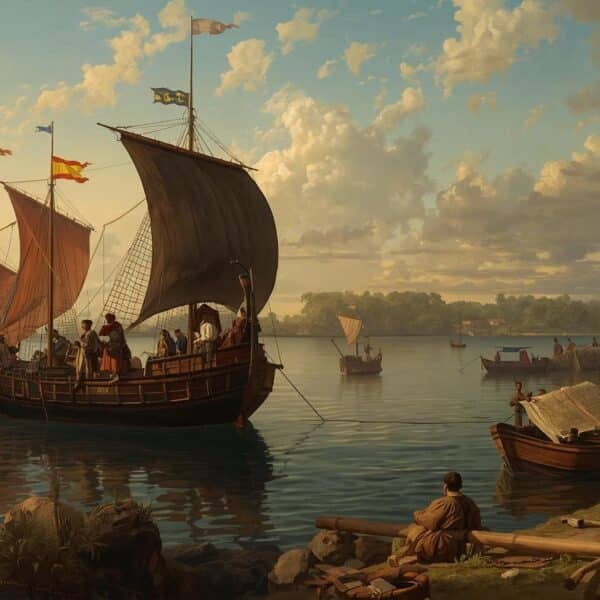
After Columbus (1498), Spanish navigators reached the coast of South America: Alonso de Ojeda (1499), whose arrival in Brazilian territory is uncertain; Vicente Yáñez Pinzón (late 1499 — Jan. 1500), generally considered the first to have sighted a stretch of the Brazilian coast (possibly Cabo de Santo Agostinho, in Pernambuco), then heading north to the mouth of the Amazon and the Oiapoque; and Diogo de Lepe (late 1499), who also sailed through the region before heading to the Antilles.
2. Official discovery by Portugal (1500)
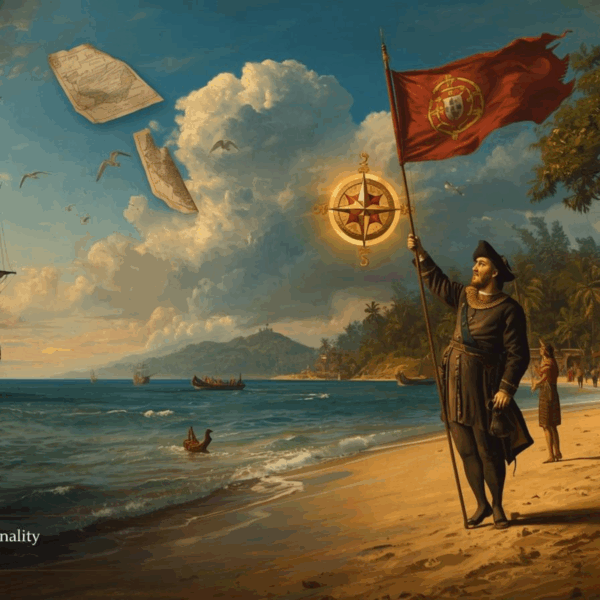
Officially, the discovery is attributed to the Portuguese Pedro Álvares Cabral, sent by King Manuel I with a fleet of thirteen ships to India.
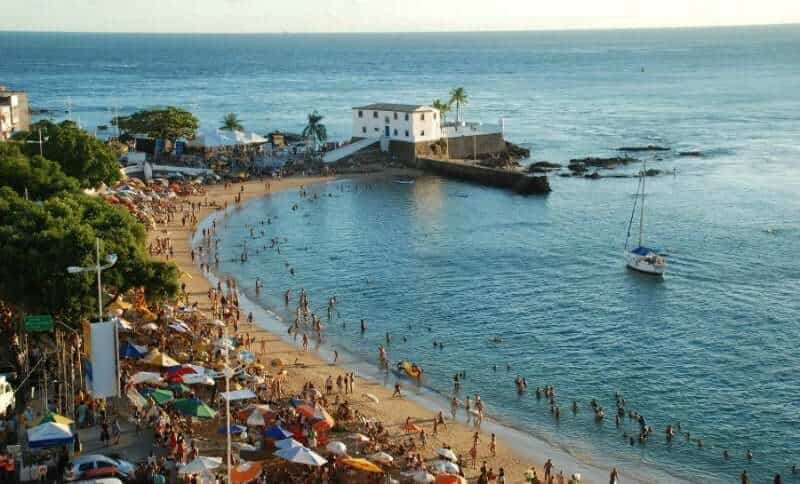
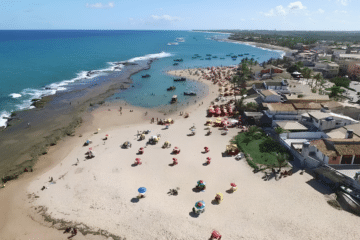
On 22–23 April 1500, they sighted land (Monte Pascoal) and landed in Porto Seguro (Baía Cabrália), where they made contact with indigenous peoples.
On 1 May, they erected a cross and took possession in the name of Portugal.
The letter from Pêro Vaz de Caminha is the main source of information about the discovery, with geographical and ethnographic descriptions and details of the religious ceremony.
3. Debate on priority and intentionality
There is debate as to whether the Portuguese already suspected or knew of the existence of the land (evidence in works such as Esmeraldo and clauses in the Treaty of Tordesillas) and whether Cabral’s arrival was intentional or accidental. There is no conclusive evidence of either a previous Portuguese discovery or full intentionality, although the discovery occurred in the context of planned navigation and Portuguese expansionist policy.