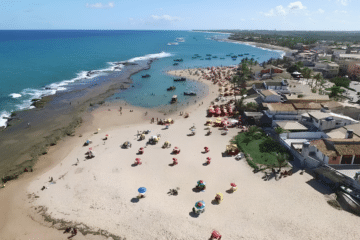
Salvador, the capital of Bahia, is a vibrant city where history, Afro-Brazilian culture, music and beaches come together — the perfect setting for a 7-day itinerary in Salvador and the surrounding area that combines the historic centre, the city’s waterfront, the islands and the northern coast.
With its colourful historic centre, Pelourinho, its Baroque churches, bustling markets and lively waterfront, Salvador offers unique urban and coastal experiences for those wishing to discover the essence of Bahia.

This one-week itinerary includes walks through the Historic Centre, visits to museums and lighthouses, days at the beach and trips to nearby islands, ensuring cultural immersion, contact with nature and time to relax.
This itinerary starts in Centro/Pelourinho and offers flexible options to suit your pace and preferences, whether you’re travelling alone, as a couple, with your family or with a group of friends. Below, you’ll find a complete 7-day itinerary for Salvador and the surrounding area, designed for first-time visitors to the city.
When to visit Salvador
Salvador enjoys a warm climate all year round, with temperatures typically ranging between 24°C and 30°C, making the city an attractive destination at any time of year. That said, certain times of year may be more appealing depending on what you’re looking for.
- Summer (December to March): it’s warmer, the days are longer and the sea is even more inviting. It’s the high season, with higher prices and busier crowds, especially during Carnival.
- Rainy season: Rainfall is usually more frequent between April and August, often in the form of brief showers.
- The shoulder months (May, June, August, September): tend to offer a good balance between weather, visitor numbers and prices, making them ideal for following a 7-day itinerary in Salvador and the surrounding area at a more leisurely pace.
Where to stay in Salvador
Choosing the right neighbourhood to stay in makes all the difference to your travel experience. Here are some of the top choices for those following this itinerary:
- Pelourinho / Historic Centre: ideal for those who want to stay in the heart of the historic district, close to churches, museums and cultural attractions. Excellent for daytime sightseeing, but some areas can be quieter at night.
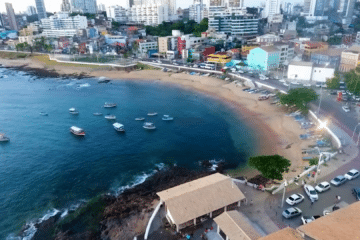
- Barra: a great base for tourists, with beaches, bars, restaurants and easy access to other areas. Ideal for combining beach life with city sightseeing.
- Rio Vermelho: a bohemian neighbourhood with a lively nightlife and good bars and restaurants. Ideal for those who enjoy fine dining and a lively nightlife.
- Itapuã / Stella Maris: neighbourhoods with a more residential feel and nearby beaches, ideal for those who prefer to stay a little away from the tourist centre.
For this 7-day itinerary in Salvador, Barra and Rio Vermelho are usually the most convenient places to stay.
How to get around Salvador and the surrounding area
- Ride-hailing apps (Uber, 99, etc.): widely used in Salvador, they offer a practical and cost-effective way to get to Pelourinho, Barra, Mercado Modelo, Dique do Tororó and other tourist attractions.
- Taxis: easy to find at shopping centres, designated taxi ranks and hotels.
- Hired car: a better option for those wishing to explore the north coast (such as Praia do Forte) or other beaches outside the city centre. For the Historic Centre, a car isn’t always the best option due to traffic and parking.
- Organised tours / transfers: a good option for Ilha dos Frades, Ilha de Itaparica and Praia do Forte, for those who prefer not to worry about the logistics.
- Maritime transport: speedboats, schooners and ferries connect Salvador to the islands of the Bay of All Saints, such as Itaparica and Frades, departing from specific points along the waterfront and in the commercial district.
7-day itinerary in Salvador and the surrounding area

5 Atrações Incríveis do Pelourinho em Salvador03:37
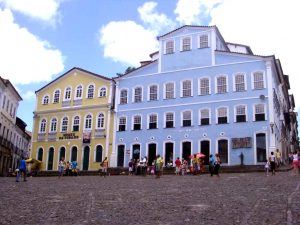
Fundação Jorge Amado em Salvador
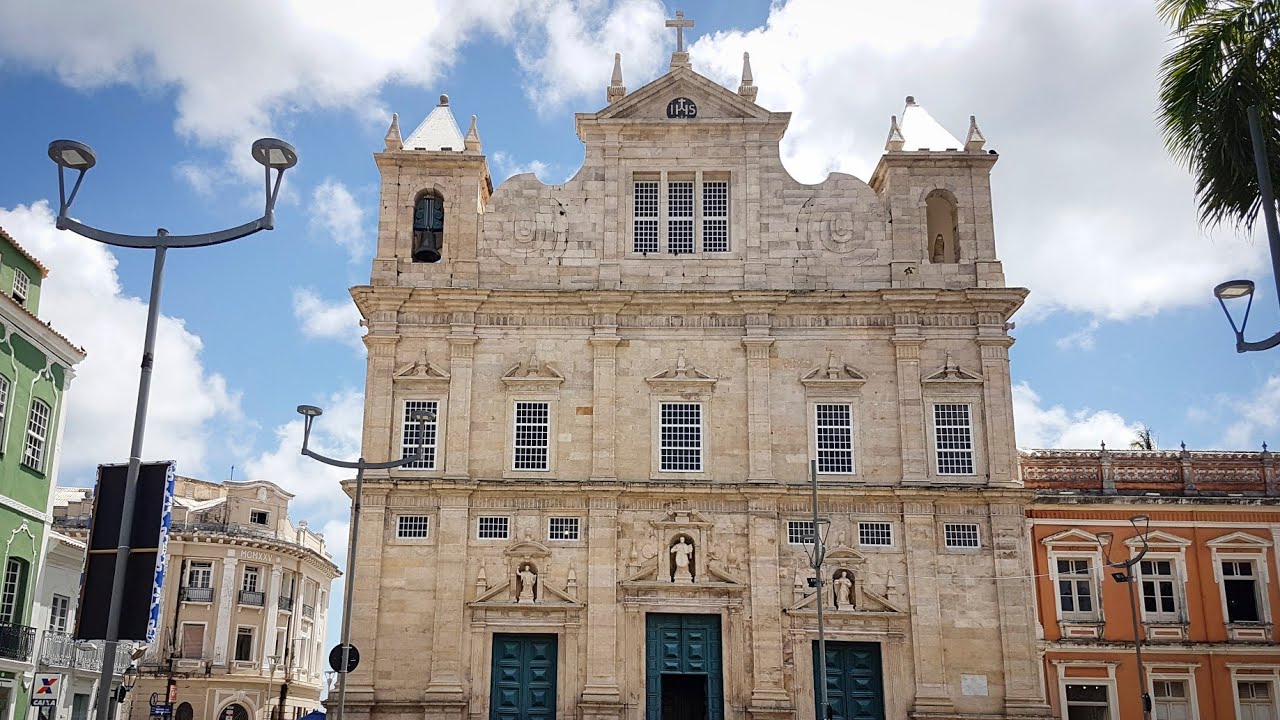
Catedral Basílica de Salvador
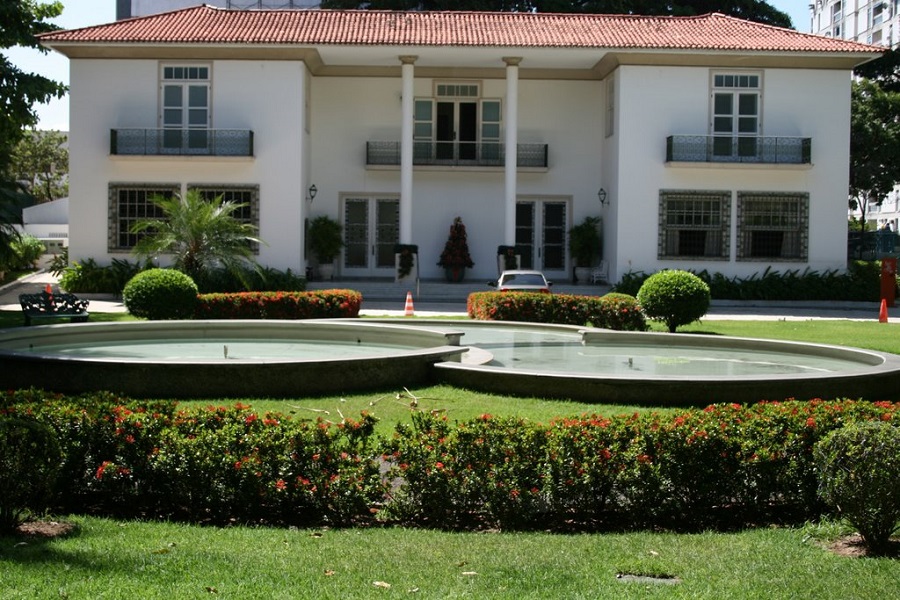
Museu Carlos Costa Pinto em Salvador BA01:32
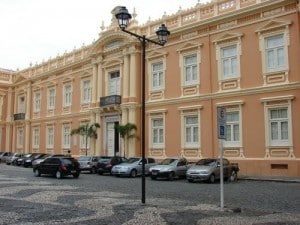
Museu Afro Brasileiro em Salvador
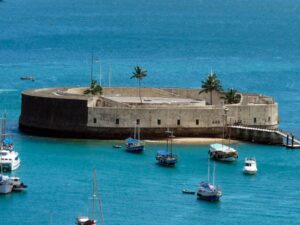
Forte de São Marcelo em Salvador BA
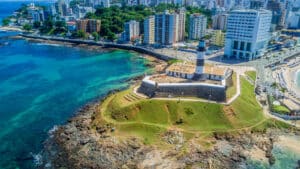
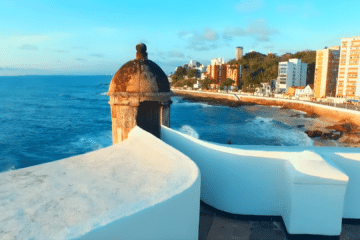
Farol da Barra (Forte de Santo Antônio da Barra)
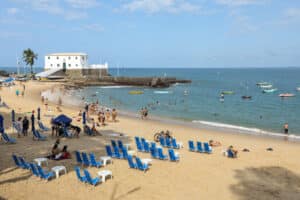
Praia do Porto da Barra em Salvador
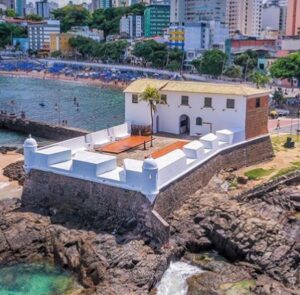
Forte de Santa Maria em Salvador00:39

Vista de cima do Solar Unhão em Salvador01:41
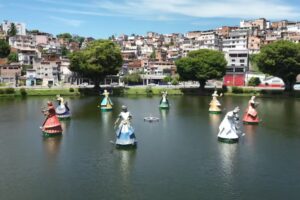
Dique do Tororó em Salvador00:47

Ilha dos Frades - Guia Turístico07:13

Ilha de Itaparica - Drone02:55
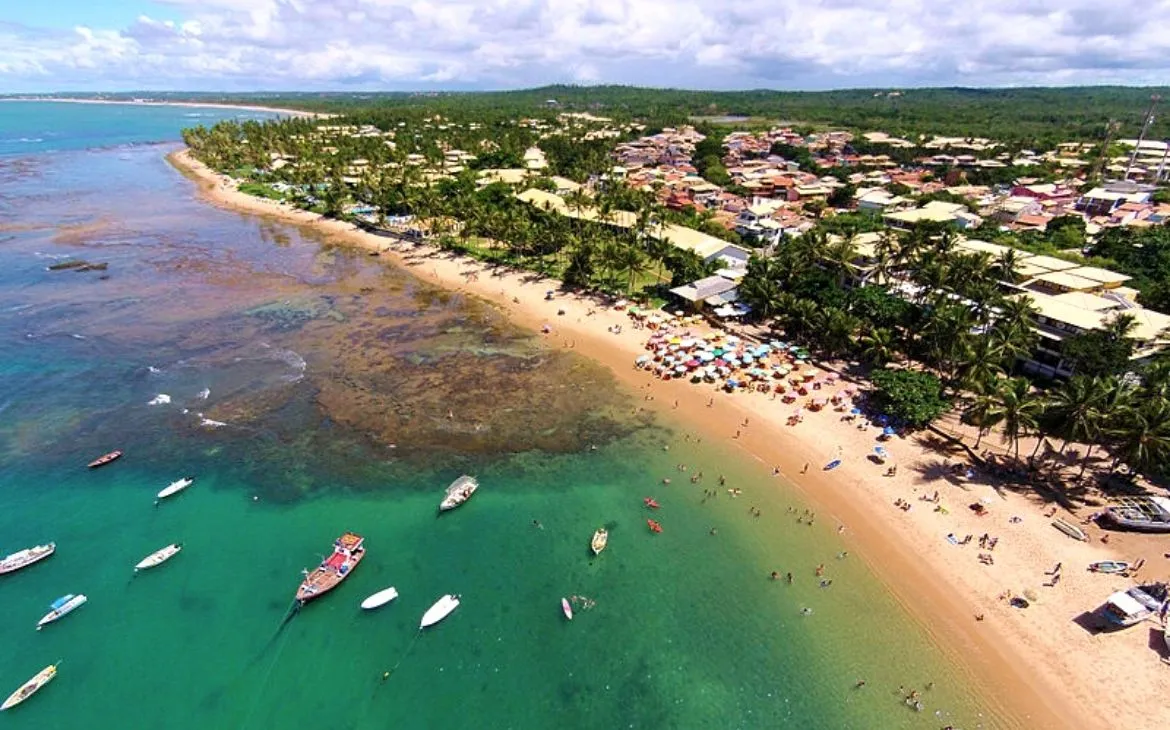
Praia do Forte na Bahia11:18
Day 1 – Main attractions in Pelourinho
Pelourinho is the historic and cultural heart of Salvador, with cobbled streets, colourful façades and restored colonial mansions that now house Baroque churches, art studios, museums, bars and traditional restaurants. Known for its vibrant musical life, artistic performances in the squares and the strong presence of Afro-Brazilian traditions, Pelourinho is a tourist and cultural hub that reflects Bahian identity and is a must-see on any 7-day itinerary in Salvador and the surrounding area.
Suggested visits on the first day:
- Church and Convent of São Francisco: a richly gilded interior with impressive Baroque carvings, considered one of the most beautiful churches in Brazil.
- Casa do Carnaval (Carnival Museum): interactive exhibitions on the history, street bands, floats and costumes of the Bahia Carnival.
- Jorge Amado Foundation: a cultural centre and museum dedicated to the life and work of the writer, featuring exhibitions, a library, a photographic collection and cultural programmes.
- Santa Casa da Misericórdia Museum: historical collection linked to the social and religious work of Santa Casa, featuring documents, religious art and antique hospital artefacts.
- Lacerda Elevator: an urban icon connecting the Upper City to the Lower City, offering a spectacular view of the bay and access to local shops and the Mercado Modelo.


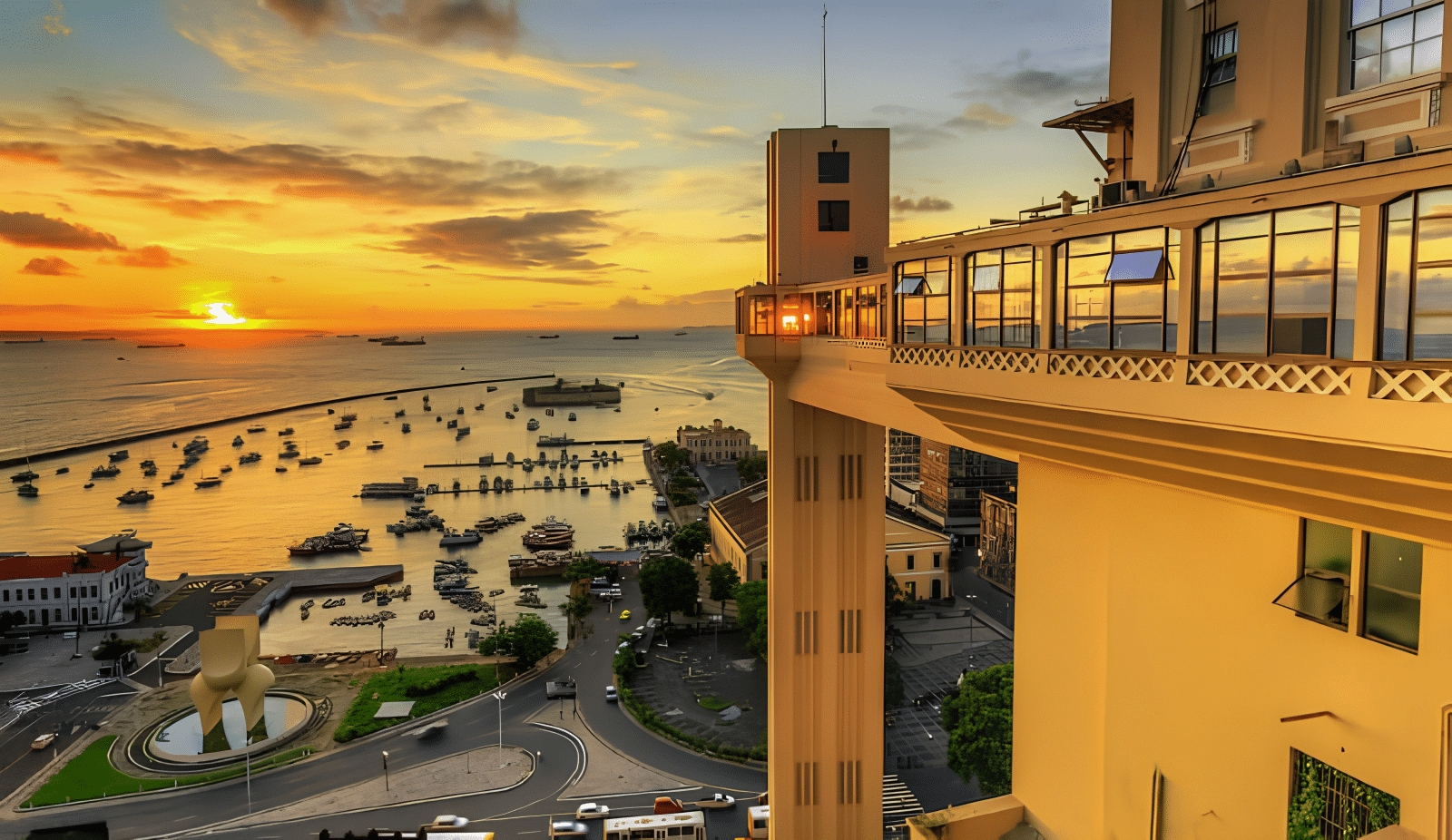
Day 2 – Attractions in the Historic Centre of Salvador
On the second day of your 7-day itinerary in Salvador, the plan is to continue exploring the Historic Centre, focusing on imposing churches, museums and sites of great cultural value.
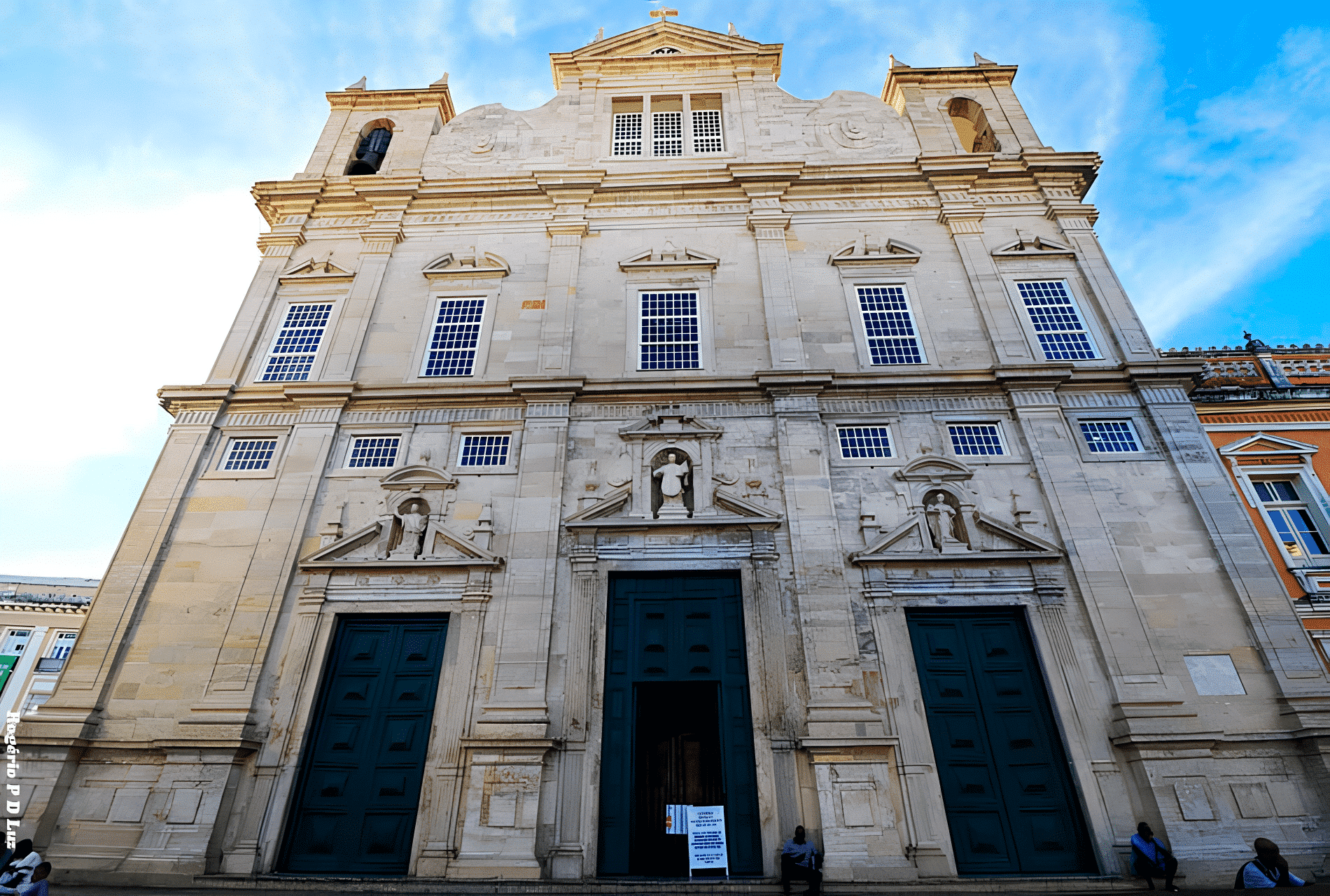
- Cathedral Basilica (Sé) and Terreiro de Jesus Square: the city’s main church, with a neoclassical façade and an interior rich in sacred art. The square in front is a cultural hub, surrounded by cafés, restaurants and open-air events.
- Church of the Third Order of Carmel: a notable example of Bahian Baroque, with rich gilded woodcarvings, Portuguese tiles and an ornate 18th-century façade.
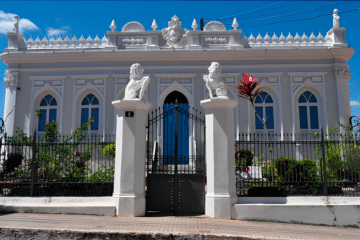
- Carlos Costa Pinto Museum (Solar dos Costa Pinto): a colonial mansion housing furniture, porcelain, jewellery and objects depicting the life of the Bahian elite in the 19th and 20th centuries.
- Afro-Brazilian Museum: a collection dedicated to Afro-Brazilian religions, culture and history, featuring artefacts, sculptures and panels that highlight the strong African influence in Bahia.
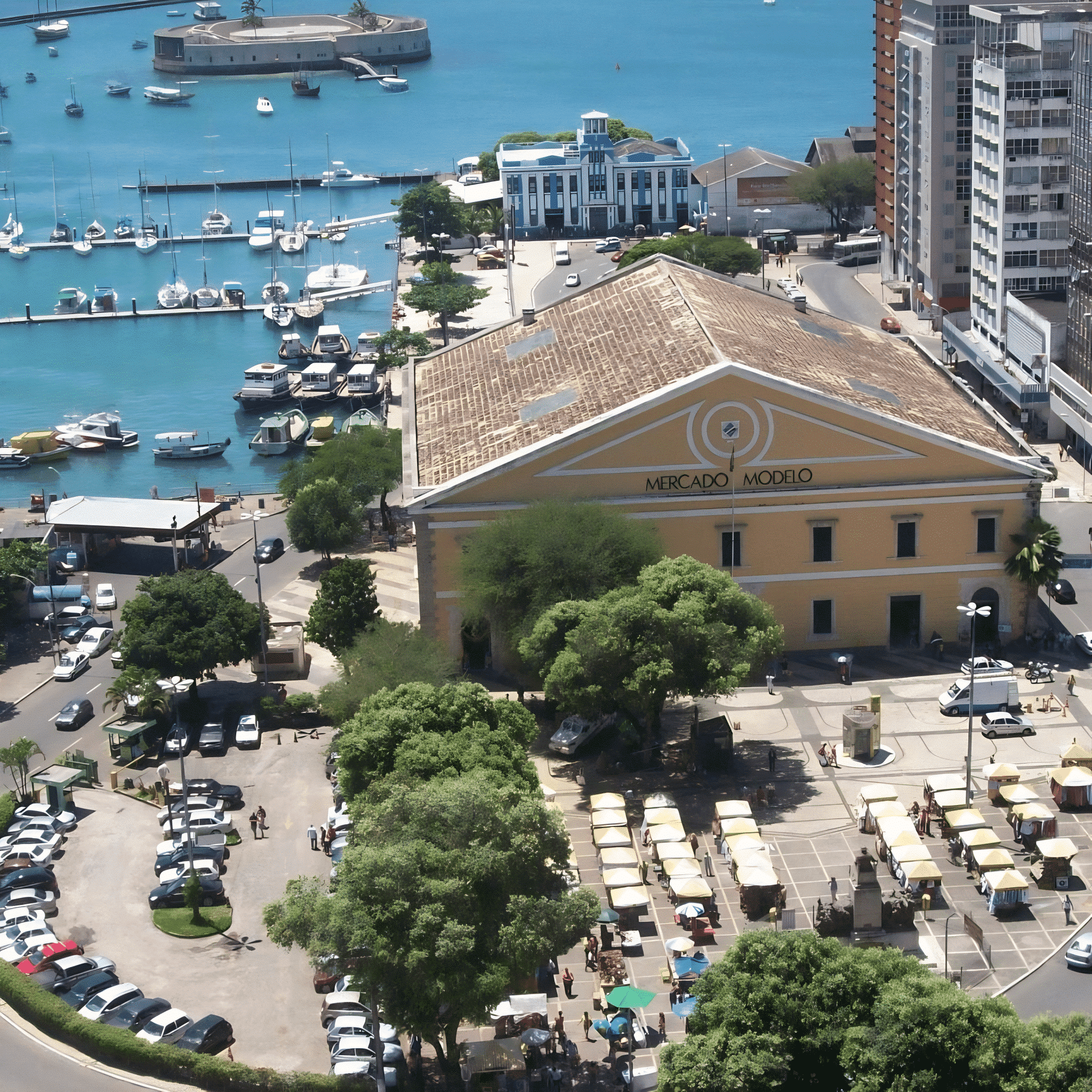
- Mercado Modelo: a traditional hub for crafts and local cuisine, featuring souvenir shops, traditional products and stalls selling Bahian food.
- Forte de São Marcelo: a circular fortification in the bay, of great historical significance, which can be visited via a boat trip when open to the public.



Day 3 – Attractions in the Barra district
On the third day, the focus is on the Barra district, one of the most pleasant areas of Salvador, which boasts a historic lighthouse, urban beaches, a fort, viewpoints and excellent dining options. Discover the main attractions of Barra:
- Barra Lighthouse (Fort of Santo Antônio da Barra) — a historic lighthouse with a maritime museum and a viewpoint offering one of Brazil’s most famous sunsets.
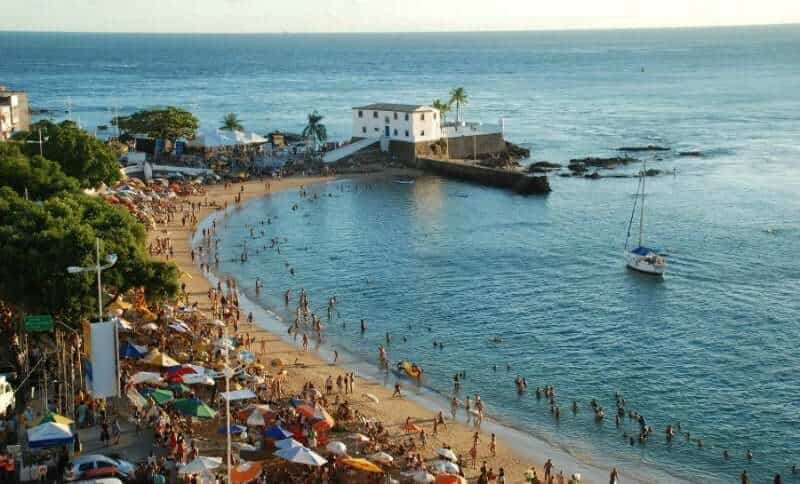
- Porto da Barra Beach — an urban beach with calm, clear waters, excellent for bathing, swimming and water sports.
- Barra–Ondina waterfront and promenade — seaside promenade with cycle path, bars, restaurants and sea views; a section that forms part of the Carnival route.
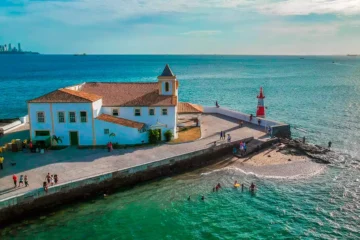
- Fort of Santa Maria — historic fortification near the Barra Lighthouse, important in the defence of the Bay of Todos-os-Santos.
- Sunset viewpoints — various spots along the waterfront between the Lighthouse and Ondina, ideal for photos and contemplation.
- Craft markets — stalls and small shops selling souvenirs and regional items, particularly busy in the late afternoon.


Day 4 – Solar do Unhão and Tororó Dam
On the fourth day, we suggest a more relaxed itinerary, combining art, scenery and one of the city’s most unique landmarks.
- Solar do Unhão (Museum of Modern Art – MAM-BA): a historic architectural complex on the shores of Todos-os-Santos Bay, featuring exhibitions of modern and contemporary art, studios, pleasant outdoor areas and a beautiful panoramic view of the sea. It is a great place to take a leisurely stroll, appreciate the art and watch the sunset.
- Tororó Dam: an artificial lake and leisure area in Salvador, famous for its large bronze sculptures of the orixás standing in the water. Ideal for taking photos, a short stroll in the fresh air, and for admiring yet another symbol of the strong presence of Afro-Brazilian culture in the city.


Day 5 – Ilha dos Frades
On the fifth day of the 7-day itinerary in Salvador and the surrounding area, it’s time to explore the Bay of All Saints and enjoy nature at a more leisurely pace on Ilha dos Frades, known for its crystal-clear waters, tranquil atmosphere and unspoilt scenery.
- Early departure: travel to the pier specified by the tour operator, usually in the early hours of the morning, to make the most of the day on the island.
- Crossing: speedboat or boat, taking approximately 40–60 minutes (always check the journey time and type of vessel with your chosen operator).
- Day: enjoy the beaches with their calm waters, a swim in the sea, a stroll through the village, short walks and viewpoints, as well as lunch at a local restaurant specialising in seafood.
- Return: Return to Salvador in the late afternoon, taking in the view of the bay as you sail.

Day 6 – Itaparica Island or a schooner trip
On the sixth day, you can choose between visiting another major island in the bay or going on a scenic schooner cruise, depending on your travel preferences.
- Itaparica Island: take a ferry or speedboat (~40–60 mins), explore the beaches, villages and viewpoints, and have lunch at a restaurant on the island. It’s a great option for those who want to experience more of the local way of life and the scenery of the Bay of All Saints. The return journey to Salvador usually takes place in the middle or late afternoon.
- Schooner: a group boat trip with stops for snorkelling and swimming, passing by islands and scenic spots in the bay, usually including a simple lunch on board or at a partner restaurant. Ideal for those looking for a more relaxed day out with stunning views.
- Evening: Return to Salvador and dinner at a restaurant in Barra, Rio Vermelho or another neighbourhood of your choice, rounding off the day with some local cuisine.

Day 7 – Praia do Forte and return
To round off the 7-day itinerary in Salvador and the surrounding area, we suggest heading to the north coast to visit the famous Praia do Forte, one of the most popular destinations on the Green Line, which combines a charming village, beaches and conservation projects.
- Early departure: a drive along the Estrada do Coco (~1–1.5 hours), leaving Salvador and heading towards the north coast. Those with a hire car can make their own way; there are also transfer options and day trips available.
- Morning: a visit to the Tamar Project, dedicated to the conservation of sea turtles, and time to enjoy the region’s beaches, especially at low tide, when natural pools form.
- Lunch: in the village of Praia do Forte, which offers a good variety of bars and restaurants, ranging from simple options to more upmarket establishments.
- Afternoon: relax on the beach, stroll through the village or visit Garcia d’Ávila Castle, an ancient fortified building offering sweeping views of the region and serving as an important historical landmark.
- Return: Return to Salvador in the late afternoon or evening, bringing the trip to a close with the feeling of having experienced both the urban and beach sides of Bahia.


Publicações Relacionadas
Caravelas (BA) — Complete Guide: Beaches, History and Abrolhos
Discovery Route in Bahia: History, Culture and Tourism
Todos os Santos Bay — Nature, History and Water-based Tourism
Historic Towns in Bahia: A Journey Through Time
Ilhéus (BA) — Beaches, Cocoa Plantations and Cultural Itinerary
Tinharé Archipelago: Discover Hidden Island Gems
Taipu de Fora: Discovering Natural Pools
Birds Found in Chapada Diamantina: A Guide
Ponta de Humaitá — Lighthouse, church and the best sunset in Salvador
Mata de São João and Praia do Forte: A Complete Guide
City of Camamu: Rich History by the Bay
The History of Lençóis in the Chapada Diamantina — Origins, the Diamond Cycle and Heritage
Tourist attractions for children in Salvador: Fun and learning
Ibicoara: An Unmissable Tourist Destination
Municipality of Entre Rios has first official naturist beach
Pelourinho (Salvador) — Historical Guide, Architecture, and UNESCO World Heritage Site
Iguaí: A Guide to Waterfalls and Relaxation
History of the Convent and Church of Nossa Senhora da Piedade in Ilhéus
Discover the reasons for a holiday in Salvador, Bahia
Tourist Attractions and Documentaries about Chapada Diamantina
History of the Senhor do Bonfim Ribbons — Origin, Meaning and Traditions
Church and Convent of Santa Clara do Desterro and its History in Salvador
Ilhéus: A Journey Through Bahia's Rich History
South Coast of Bahia: Discover Stunning Beaches
Subaúma Beach: The Perfect Escape in Bahia
Belmonte's Rich History and Cultural Heritage
Santa Rita de Cássia: Attractions and Activities
The most visited churches in Salvador — itinerary and tips
Porto Seguro's nightlife: Where to have fun
Where to Stay in Salvador for Your Best Experience
The 15 Most Visited and Well-Known Beaches in Bahia
Costa do Sauípe, Bahia: Resorts and Tourist Guide
39 Museums in Salvador: Discover the history and culture of Bahia
Catabrigas Waterfall — A natural haven in Ibirajá, Itanhém (BA)
Lauro de Freitas — A comprehensive guide to beaches, culture and leisure
The Tamar Project and turtle conservation
This post is also on:
 Português
  English
  Deutsch
  Español
  Français