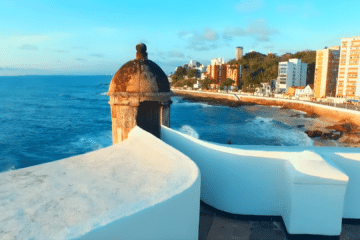
Diogo Álvares Correia, better known as Caramuru, is a central figure in the secret history of Salvador, Bahia. Hidden fragments of history remain in the city’s streets, squares and monuments — stories that we will reveal here.
The first encounters in Todos os Santos Bay
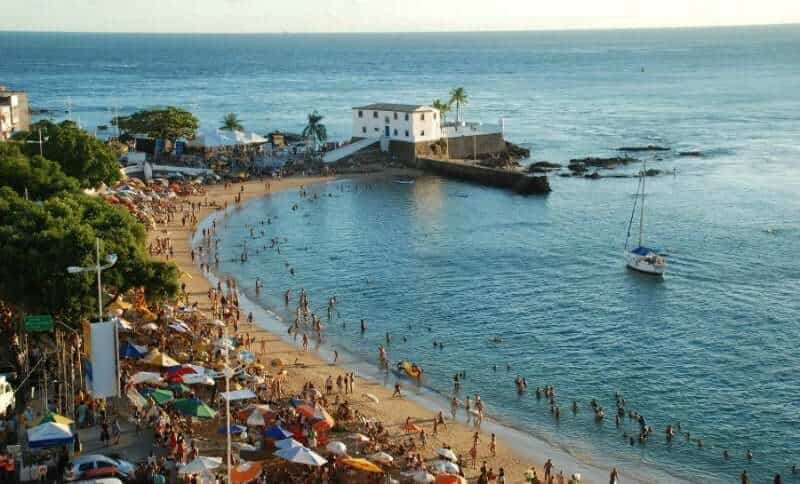
In 1501, Amerigo Vespucci discovered Baía de Todos os Santos, marking the Portuguese claim to the area with a Portuguese crown monument near the present-day Fort and Barra Lighthouse (source summary: Vespucci, 1501 expedition[1]).
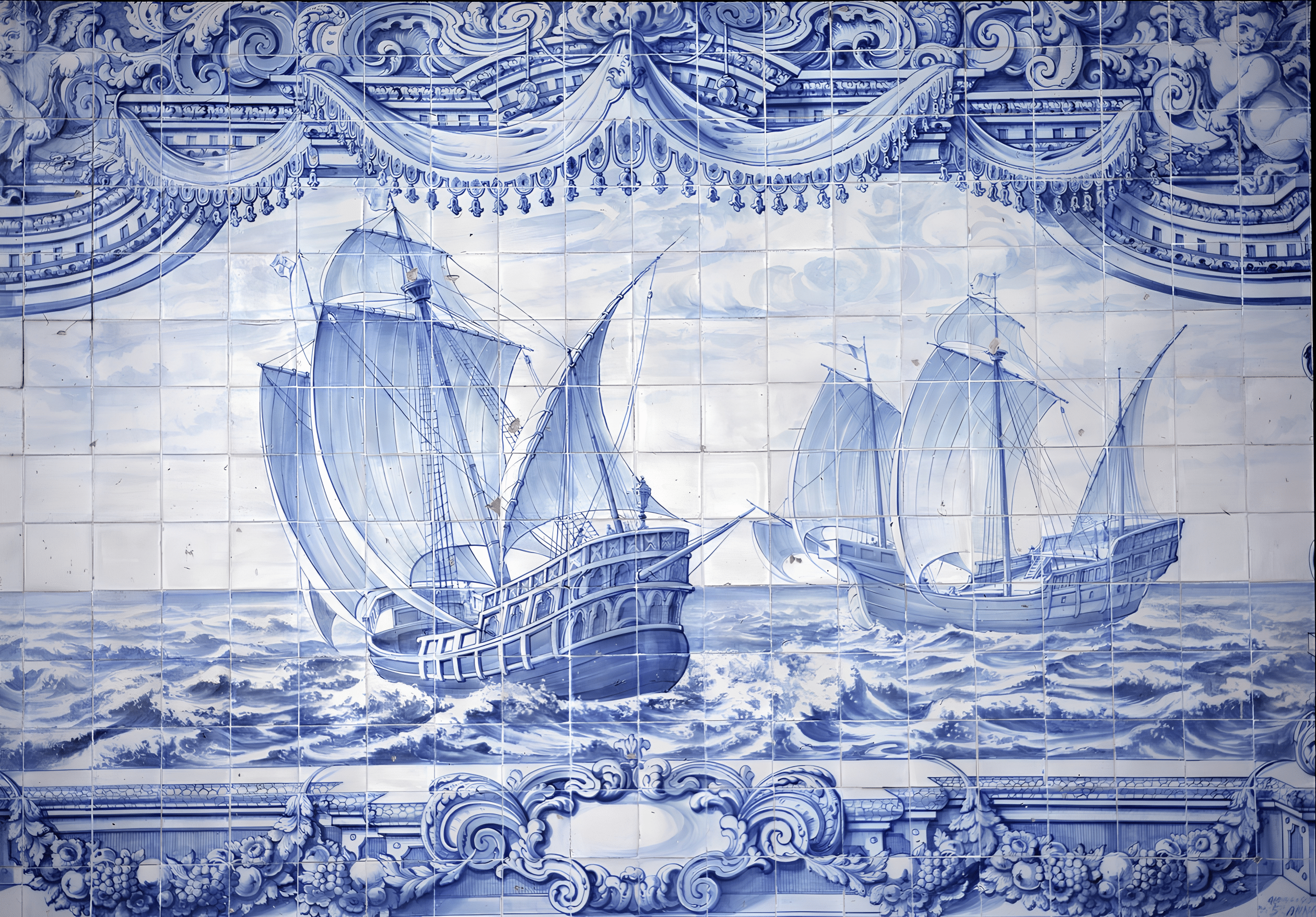
Around c.1509–1511, Diogo Álvares Correia, en route to the Indies, was shipwrecked in the bay. According to chroniclers and local traditions, he was rescued by the Tupinambás and survived because he was tall and thin — the legendary reason for his nickname Caramuru. He gained the tribe’s trust and married the daughter of the chieftain Taparica, Paraguaçu (later christened Catarina in France), giving rise to the first local settlement (traditional/chronicle account[2]).

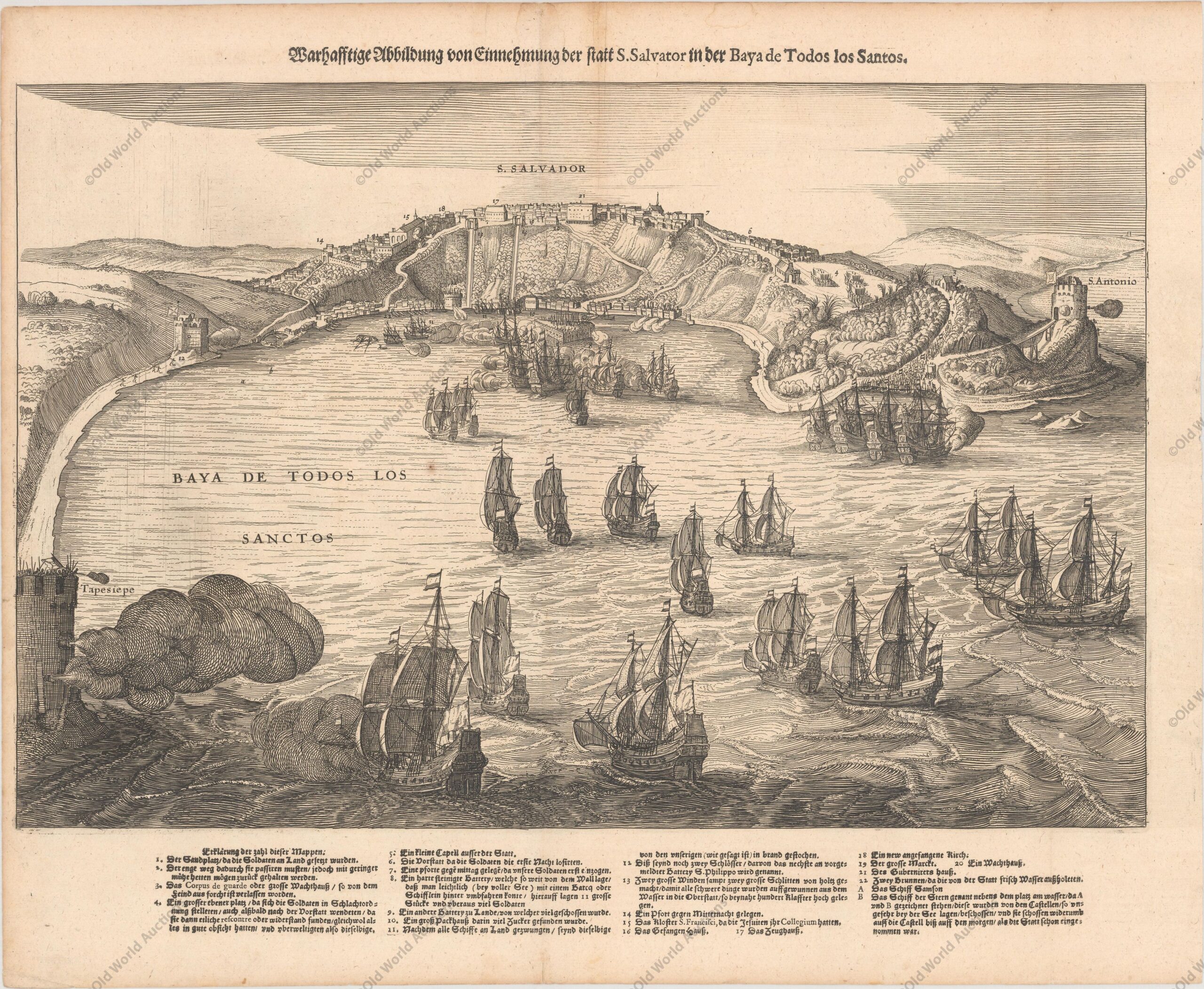
The founding of Salvador and racial mixing
The first settlement, situated between what are now Graça and Vitória, is said to have been named Salvador in reference to the shipwreck. Regarded as a patriarch, Caramuru had numerous descendants — which is why Gregório de Matos nicknamed him “Adam of Massapê” (as recorded in literary and chronicle sources).
Racial mixing, a defining feature of the city, began during this period, whilst Portugal initially showed little interest in effective occupation, given its commercial priorities and the absence of precious metals in the early expeditions (historiographical summary[3]).
Hereditary captaincies and the captaincy of Bahia
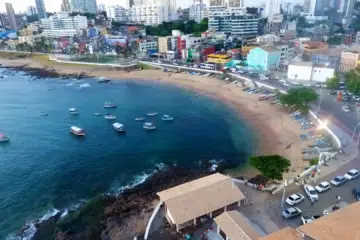
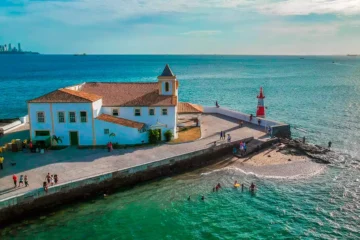
Faced with threats from France, England and the Netherlands, King João III organised Brazil into hereditary captaincies. The captaincy of Bahia was granted to Francisco Pereira Coutinho, who arrived in 1536 and founded the town of Bahia (Vila do Pereira, later known as Vila Velha), on the site of the present-day Fort of São Diogo and the Church of Santo Antônio da Barra (documents and historical summaries[4]).
Pereira planted cotton and sugar cane, but his venture failed; historical accounts state that he died following a conflict with indigenous people (details of his death appear in historical accounts and may contain legendary elements)[2][4]. Caramuru played a part in the merger of several settlements, leading to the formation of Vila Velha.
The centralisation of power and the founding of the city
Concerned about the power wielded by the grantees, King João III established the general government to centralise administration. The Pereira Coutinho family sold the captaincy to the Crown, which planned to build “a fortress and a large, strong settlement”.
The first governor-general, Tomé de Souza, arrived on 29 March 1549 (a date often cited as the city’s official foundation date). Initially based in Vila Velha, Tomé de Souza decided to establish the first town on the site now occupied by Praça Municipal — a fact documented in the chronicles and in historiography[5].
Boundaries and organisation of the early Salvador
The plans and drawings came from the Crown. The original boundaries were set out in the colonial plans and descriptions of the time:
- To the south: Santa Luzia Gate (where Rua Chile meets Praça Castro Alves).
- To the north: Santa Catarina Gate (between Praça Municipal and Rua da Misericórdia).
- To the east: the small sandbar known as Barroquinha.
Salvador was founded, serving as Brazil’s gateway and the capital of the South Atlantic until 1763, marking the effective occupation of the territory by the Portuguese administration (historiographical summary[5]).

Publicações Relacionadas
Birds Found in Chapada Diamantina: A Guide
Santa Rita de Cássia: Attractions and Activities
Churches of Salvador: Architectural and Historical Treasures
Jandaíra: Discover the charm of Mangue Seco
Iguaí: A Guide to Waterfalls and Relaxation
Pelourinho (Salvador) — Historical Guide, Architecture, and UNESCO World Heritage Site
Barra do Cahy: Brazil's first beach - history and nature
Tourist Attractions on the Rio de Contas in Itacaré, Bahia
Wine Tourism in the São Francisco Valley Guide
Maraú Peninsula: A Coastal Paradise in Bahia
Correntina: Discovering the Heart of Bahia
Ponta de Corumbau — an unspoilt paradise on the southern coast of Bahia
Camaçari: Industry, History and Natural Beauty
The History of Lençóis in the Chapada Diamantina — Origins, the Diamond Cycle and Heritage
Lauro de Freitas — A comprehensive guide to beaches, culture and leisure
History of the Church and Convent of São Francisco in Salvador
Santo Amaro da Purificação — History, Culture and Tourism in the Recôncavo Baiano
The Coconut Coast and its tourism heritage
Discover the reasons for a holiday in Salvador, Bahia
Porto Seguro (BA) — History, Beaches, Tours and Practical Tips
Ecological tourism in Morro do Chapéu
Belmonte's Rich History and Cultural Heritage
History of the Church of Nosso Senhor do Bonfim in Salvador
Torrinha Cave: A Speleological Marvel in Brazil
São Sebastião Cathedral (Ilhéus) — History, architecture and tourism
Salvador’s Historic Centre, Pelourinho, Baroque churches and museum
Tourism in São Francisco do Conde (BA) — Tips and Attractions
Caravelas (BA) — Complete Guide: Beaches, History and Abrolhos
Kitesurfing in Trancoso: A Guide for Adventurers
Rafting in Taboquinhas: The Ultimate Adventure Guide
Ecotourism at Timeantube Lagoon, Praia do Forte
Basílica Santuário Nossa Senhora da Conceição da Praia — history and architecture
Cathedral Basilica of Salvador — History, Sacred Art and Collection
The most visited churches in Salvador — itinerary and tips
Imbassaí Beach: Discover the Best of Bahia
A History of the Forts and Lighthouses of Salvador (Bahia)
This post is also on:
 Português
  English
  Deutsch
  Español
  Français