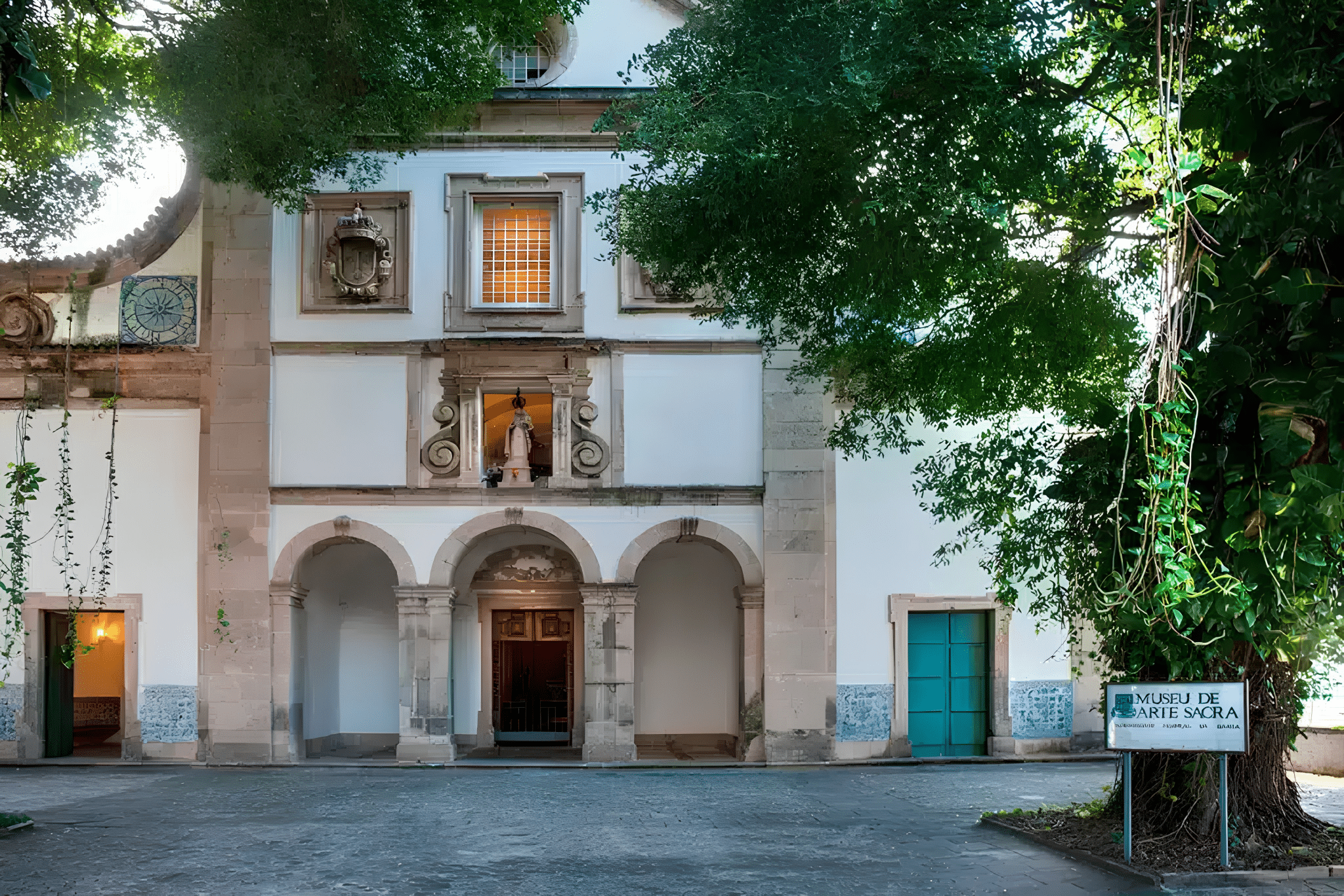
Convent and Church of Santa Teresa: a heritage site and Museum of Sacred Art in Salvador (BA)
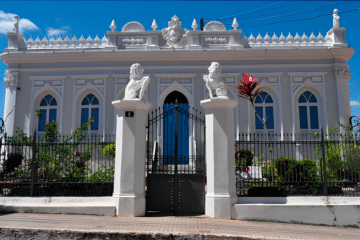
The UFBa Museum of Sacred Art is housed within the complex of the Convent and Church of Santa Teresa, occupying part of the former convent’s premises.


Historical overview (17th–20th centuries)

História do Convento e Igreja de Santa Teresa - Salvador BA
The Convent and Church of Santa Teresa, in Pelourinho, were built by Discalced Carmelite friars from 1665 onwards; the convent was inaugurated in 1686 and the church was completed on 15 October 1697. The work was overseen by religious figures such as Friar José do Espírito Santo and, according to historical sources, Friar Macário de São João was involved in the design of the church.Over the centuries, the complex has served various purposes: as a seminary (from 1837 onwards), for civil and educational uses, and has undergone renovations and periods of partial neglect. In 1959, the Federal University of Bahia established the Museum of Sacred Art on the site, which houses one of the largest collections of its kind in the country.
Architecture and artistic features
UFBA Museum of Sacred Art — collection


Significant events and restorations
Practical information for visitors
- Address: Rua do Sodré, No. 25, Pelourinho — Salvador (BA).
- Visiting hours: check opening times and ticket office information on the UFBA / Museum of Sacred Art website.
- Tip: make the most of the historic surroundings of Pelourinho to put your visit into context.
Sources and further reading

Publicações Relacionadas
The 3 most paradisiacal beaches in Bahia
Things to Do in Nova Viçosa (Bahia): Beaches, Islands and Abrolhos
Lagoa Encantada in Ilhéus: A Preserved Natural Paradise
Trail to Buracão Waterfall in Chapada Diamantina
Mangue Seco: The Last Beach on the North Coast of Bahia
Church of Nossa Senhora dos Mares (Salvador) — History and Architecture
Blue Fountain in Chapada Diamantina: a complete guide
History of the settlement of Chapada Diamantina
Mata de São João and Praia do Forte: A Complete Guide
Bom Jesus da Lapa Sanctuary: A Complete Visitor’s Guide
Barreiras: An Ecological Paradise in Bahia
Serra Grande: Your Guide to Bahia's Paradise
History and Historical Attractions of Itacaré Reveale
Iraquara is also known as the "city of caves"
Orchids of the Chapada Diamantina in Bahia
Paulo Afonso's Beautiful Waterfalls and Canyons
Alameda do Sol — Vila da Praia do Forte (BA) | Things to do
Correntina: Discovering the Heart of Bahia
Island of Fear: Mysteries and Hauntings
Salvador’s Historic Centre, Pelourinho, Baroque churches and museum
Things to do in Lençóis in the Chapada Diamantina — 15 attractions
Madre de Deus Island (BA) — Beaches, Islands and Tourism in the Recôncavo
Todos os Santos Bay — Nature, History and Water-based Tourism
History and sights of Avenida Contorno in Salvador BA
The most visited churches in Salvador — itinerary and tips
Tourist Guide to the Pantanal in Bahia — Jaguaripe (BA) | Mangroves, Fishing and Excursions
Ponta de Humaitá — Lighthouse, church and the best sunset in Salvador
39 Museums in Salvador: Discover the history and culture of Bahia
Tourist attractions for children in Salvador: Fun and learning
Torrinha Cave: A Speleological Marvel in Brazil
History of the Church of Nosso Senhor do Bonfim in Salvador
Discovery Route in Bahia: History, Culture and Tourism
Jandaíra: Discover the charm of Mangue Seco
Imbassaí Beach: Discover the Best of Bahia
10 Interesting Facts About Rio de Contas That You Didn’t Know
Beaches and Waterfalls of Itacaré: A Hidden Gem
This post is also on:
 Português
  English
  Deutsch
  Español
  Français