When we hear about the Chapada Diamantina, the city that immediately comes to mind is Lençóis – BA, which is why it becomes the first choice for travelling to the Chapada, making all tourists choose it because it has a structure that is adapted to them.
But when we travel, we want peace and quiet, not crowded attractions and trails.
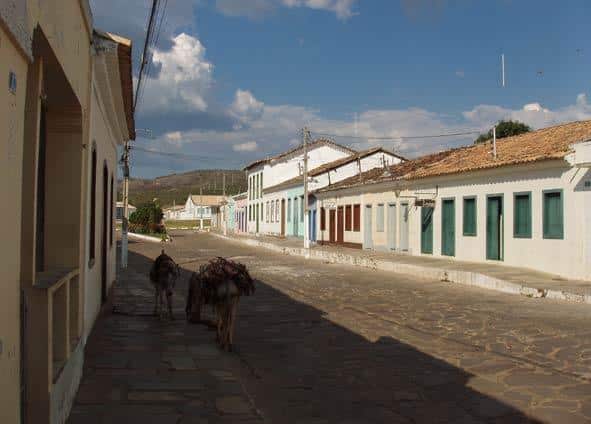
That’s why Rio de Contas is a city with great attractions, second to none in the Chapada Diamantina(Lençóis, Andaraí, Igatu and Mucugê).
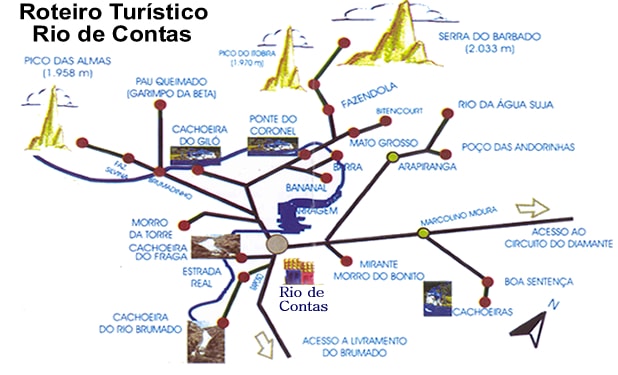
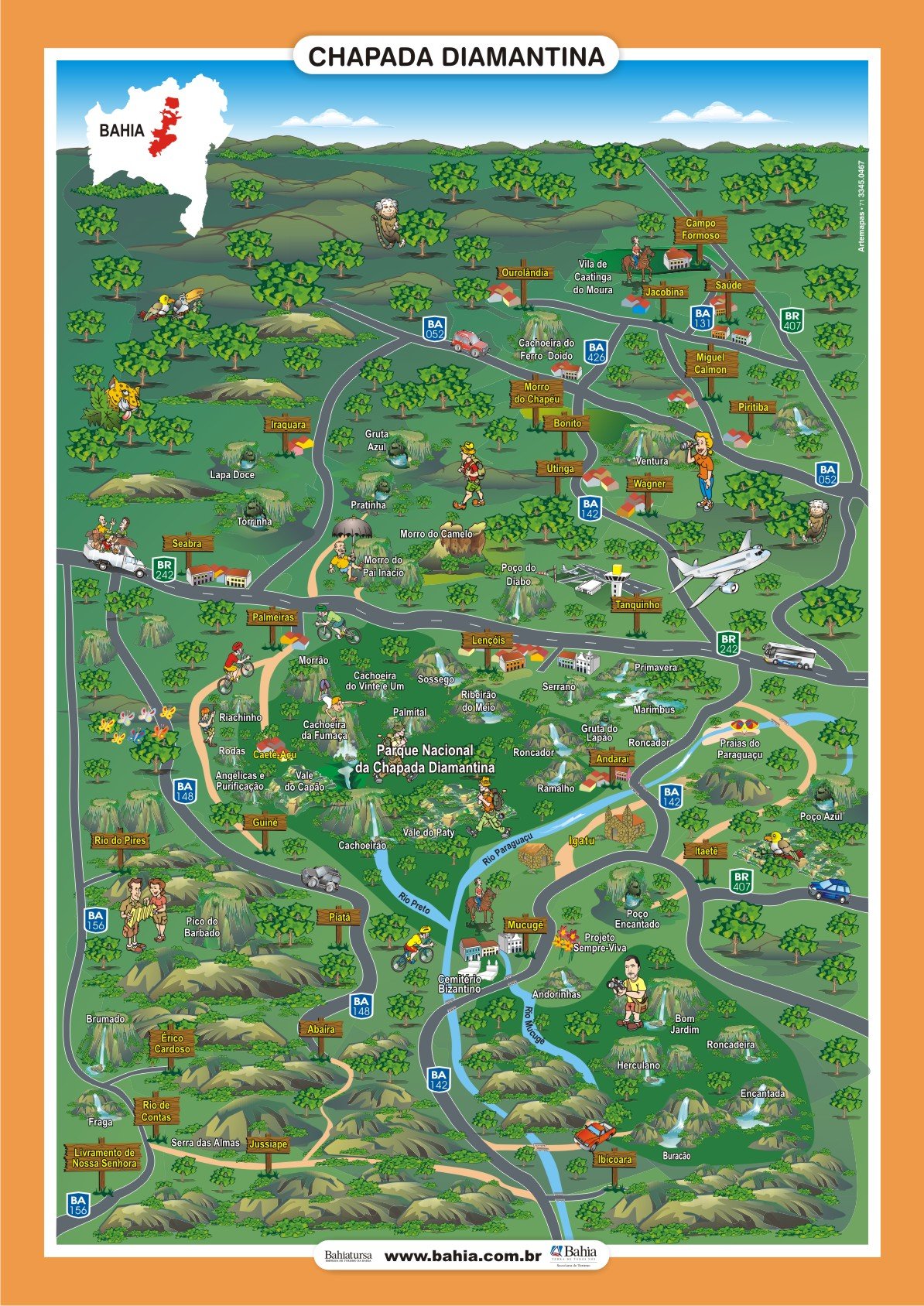
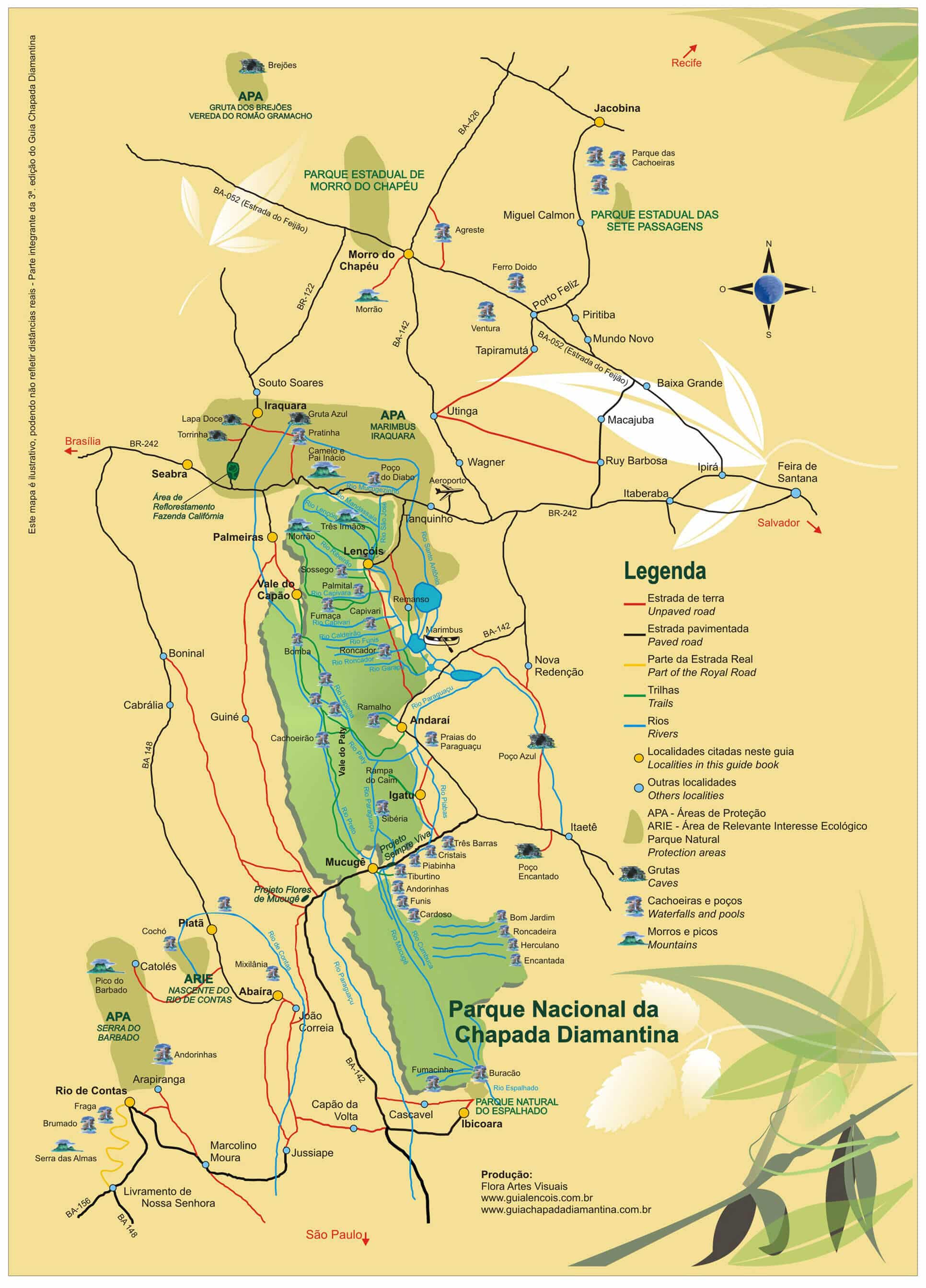
See the map of Chapada Diamantina
Map of Chapada Diamantina trails and attractions
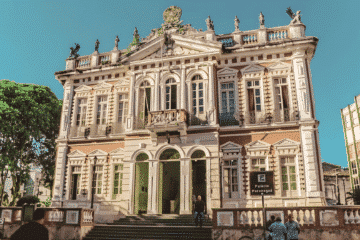
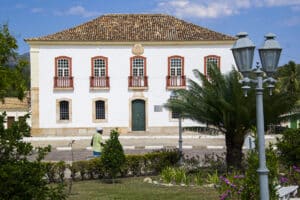
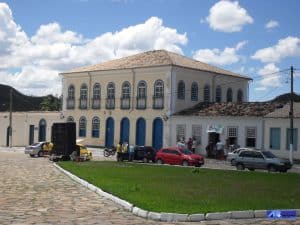
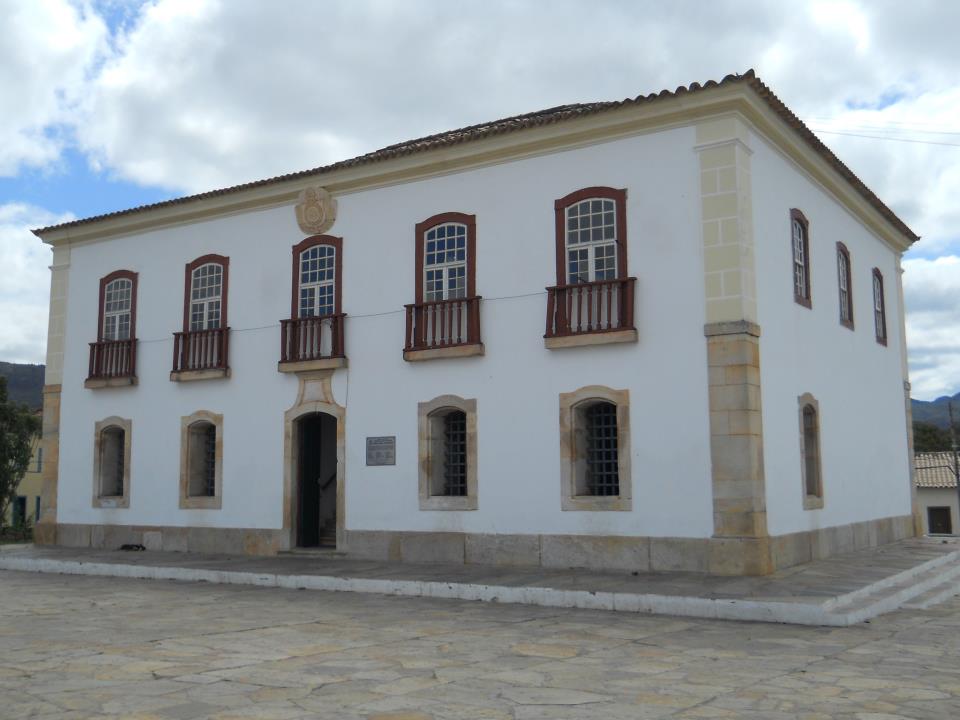
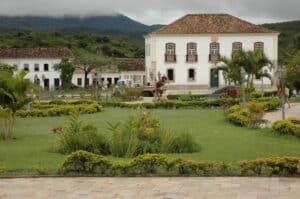
Rio de Contas is a city where adventure and history go hand in hand. It boasts incredible baroque architecture, hospitable people and exuberant beauty.
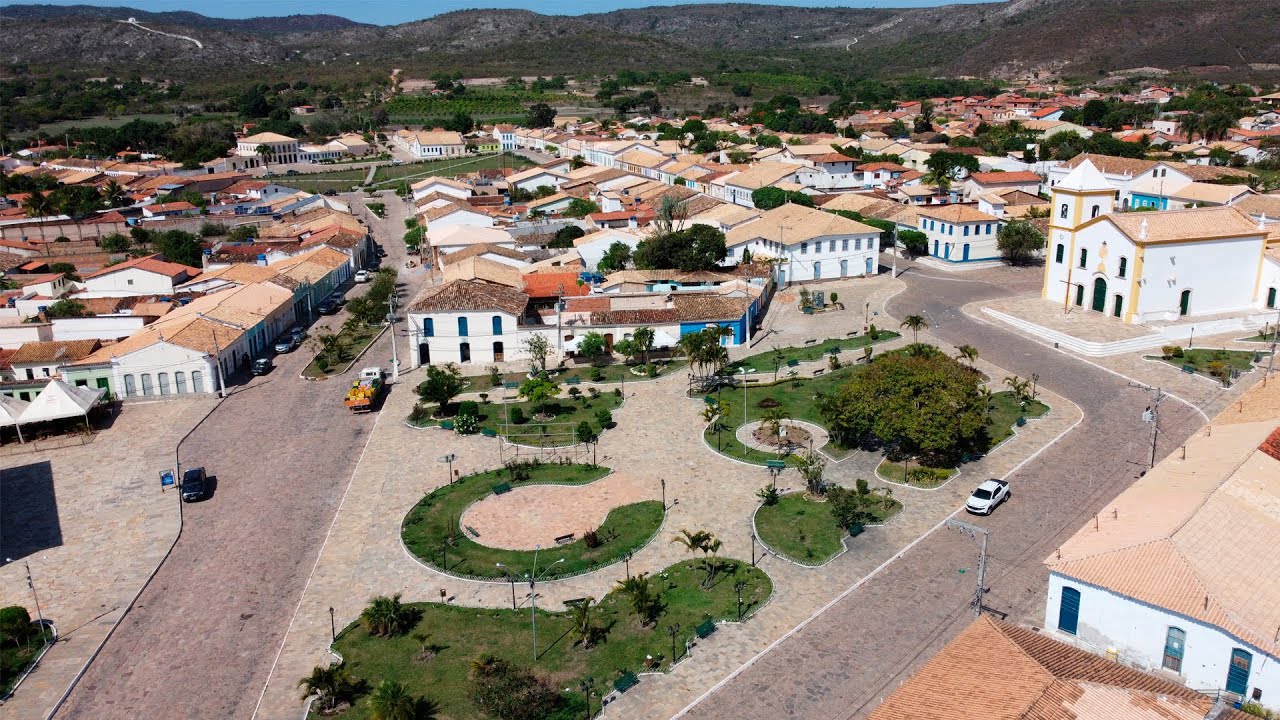
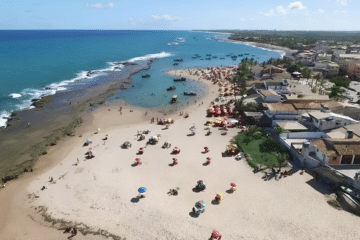
Imagens Aéreas de Rio de Contas
RIO DE CONTAS - SUA HISTÓRIA08:57
História de Rio de Contas08:39

Rio de Contas Guia de Turismo06:03

Rio de Contas Patrimonio Nacional06:59
Rio de Contas na Chapada Diamantina12:51

Rio de Contas Dicas de Viagem02:17

Rio de Contas Guia de Viagem07:48
Rio de Contas - Drone12:01
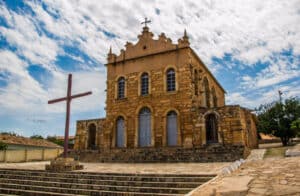
Igreja de Santana em Rio de Contas10:06
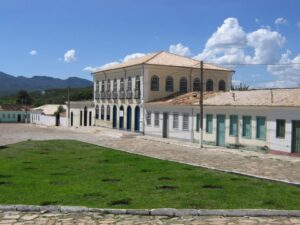
AS BELEZAS E A HISTÓRIA DE RIO DE CONTAS08:39
História de Rio de Contas na Chapada Diamantina05:05
Waterfalls, trails, peaks up to 2000 metres high and a great variety of flora are all part of this municipality in Bahia.
During Carnival, Rio de Contas turns into one big party – don’t forget that Rio de Contas is in Bahia!
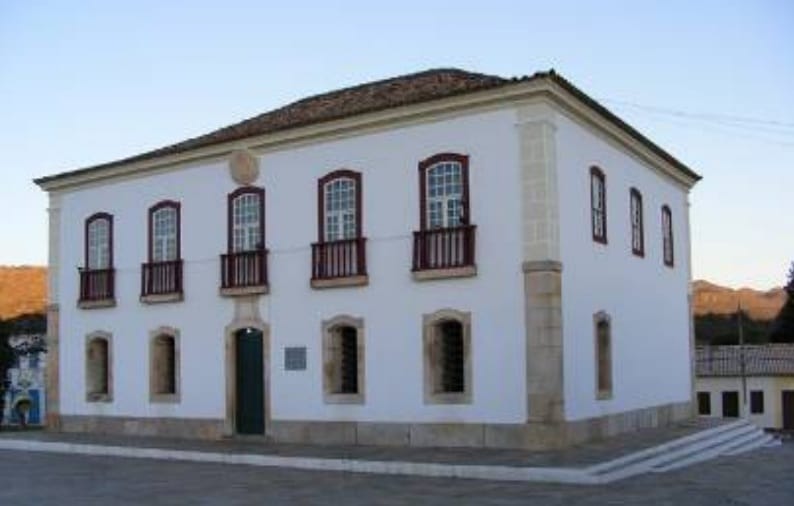
Curiosities of Rio de Contas
- Foundation and History: Rio de Contas is one of the oldest cities in Bahia and the Chapada Diamantina, founded in the 17th century, with well-preserved colonial architecture from that period. It became Brazil’s first planned city in 1745, at the height of the gold cycle, which seemed inexhaustible at the time.
- Communities and culture: At an altitude of 1,500 metres, the city is home to communities of Portuguese descent that still maintain the tradition of intermarriage among their members. Two black communities of African descent live at an altitude of 1,050 metres, preserving their own cultural heritage.
- Historical Archive: The Municipal Historical Archive holds valuable documents such as letters of release, ecclesiastical decrees and slave certificates, providing an overview of local history and the colonial period.
- Riqueza da Flora: In 1974, more than 100 English and Brazilian researchers carried out a study of the region’s botanical diversity, cataloguing more than 1,100 species and discovering more than 100 previously unknown ones.
- Santana Church: Built in 1725, it is one of the oldest churches in Brazil and an important landmark of colonial architecture.
- Carnival of the Masks: The Carnival of Rio de Contas is famous for its masks and folklore traditions, attracting visitors for its unique cultural and musical atmosphere.
- Climate and Natural Resources: Situated at an altitude of around 1,200 metres, the city enjoys a mild climate and beautiful mountainous landscapes, as well as natural attractions such as the Fraga Waterfall and the Poço das Andorinhas.
- Trails and mountains: Rio de Contas is the starting point for challenging hikes, such as trekking to Pico das Almas and Pico do Itobira, both of which are among the highest peaks in northeastern Brazil.
Bahia.ws is the largest tourist guide for Bahia and Salvador.
Tourist guide to Rio de Contas in Chapada Diamantina
Publicações Relacionadas
Relief, Fauna and Flora of Chapada Diamantina
Trekking - Route through the Chapada Diamantina in 7 days
Main caves in the municipality of Iraquara in Chapada Diamantina
Trail to Buracão Waterfall in Chapada Diamantina
Main Towns and Villages in the Chapada Diamantina Region
Enchanted fountain in Chapada Diamantina: How to get there
Lapão Cave: The Ultimate Adventure Experience
Blue Fountain in Chapada Diamantina: a complete guide
Igatu: Explore the 19th-Century Stone Houses
Picos das Almas, Itobira and Barbado Trekking Guide
Torrinha Cave: A Speleological Marvel in Brazil
Waterfalls and trails in the Capão Valley: Complete Guide
Campo Formoso: Explore Caves and Emerald Trade
Iraquara is also known as the "city of caves"
Mucugê: Discover the local history and culture
Tourist Attractions and Documentaries about Chapada Diamantina
The highest and most beautiful waterfalls in Chapada Diamantina
Trekking in the Pati Valley in Chapada Diamantina
Marimbus Pantanal: Adventure in Chapada Diamantina
Ventura Village: A Rich History of Diamonds
Rio de Contas: An Unmissable Tourist Destination
Andaraí is the second largest town in the Chapada Diamantina
Mining in the Chapada Diamantina History Explained
Ecological tourism in Morro do Chapéu
Sempre-Viva: Symbol of Preservation in the Chapada Diamantina
Things to do in Lençóis in the Chapada Diamantina — 15 attractions
Tourist Information about Chapada Diamantina
Tourist Attractions in Rio de Contas You Must Visit
Piatã: The Highest Municipality in Bahia
Orchids of the Chapada Diamantina in Bahia
The History of Lençóis in the Chapada Diamantina — Origins, the Diamond Cycle and Heritage
Birds Found in Chapada Diamantina: A Guide
Chapada Diamantina - Tourist Attractions, Itineraries and Tips
Chapada Diamantina's architectural style and influences
History of the settlement of Chapada Diamantina
How to get to Fumaça Waterfall in Chapada Diamantina
This post is also on:
 Português
  English
  Deutsch
  Español
  Français