Discover the Chapada Diamantina: a paradise of biodiversity and adventure in Bahia
The landscape of the Chapada Diamantina, world famous for its rich biodiversity, is made up of mountainous landscapes, free falls, underground lakes, as well as a large number of springs, waterfalls, rapids, canyons and caves.
These characteristics make the region an excellent place for adventure tourism and ecological tourism.

Main attractions
The Chapada Diamantina is one of Brazil’s five main chapadas. Its main attraction is the Chapada Diamantina National Park, located in central Bahia.
The municipalities of Lençóis, Palmeiras, Iraquara, Andaraí, Mucugê, Rio de Contas and Morro do Chapéus are included in these circuits and their history is linked to important moments in national life, such as the exploitation of mining in the 17th, 18th and 19th centuries.
History and development
The Chapada Diamantina National Park region, in the heart of Bahia, was developed by gold mining and diamond panning in the 18th and 19th centuries. Once the deposits were exhausted, farming and ranching became the main means of survival for the population.
Many stories are told about the time when powerful colonels, who owned a lot of land and commanded “armies” of jagunços, made their own laws and had the power of life and death over the people.
Conservation and tourism
The park, which covers 152,000 hectares of protected area managed by IBAMA, includes towns such as Lençóis, Palmeiras, Andaraí, Mucugê, Itaeté, Iraquara, Seabra and Ibicoara. These towns retain their old mansions and churches from the mining era.
The conservation of the Serra do Sincorá in 1973 and the creation of the Park in 1985, together with the protection of the ecosystems of the Serra do Sincorá and the prevention of the deterioration of the sites of historical and cultural interest, have encouraged tourism in the region.
Development of tourism
Until two decades ago, only backpackers visited the Chapada. Recent improvements in tourism infrastructure, the opening of good-quality hotels and the construction of a airport have made it easier for inbound tourism companies to operate.
Today, Brazilians and foreigners visit the caves, waterfalls, rivers, valleys and mountains.
Many come to the region for sports such as trekking, mountain biking, canoeing and abseiling.
The former quilombo sites attract tourists interested in typical dishes and popular festivals.
Alternative attractions
Visual artists, esotericists and people seeking direct contact with extraterrestrials also visit the site. As the deposits have long since been exhausted, you won’t find any gold nuggets or diamonds. The treasure waiting for you is the Chapada itself.
See the map of Chapada Diamantina
Map of trails and tourist sites in Chapada Diamantina

Video about Chapada Diamantina – travel and tourism tips

Pontos Turísticos da Chapada Diamantina
Tourist information about Chapada Diamantina
- Country Overview
- Where to stay
- How to get there
- When to go
- Tourist Attractions
1 Overview
The numbers in Chapada Diamantina are huge: more than 200 waterfalls, 200 caves, 1,500 kilometres of trails and a National Park covering 152,000 hectares.
The destination is in the heart of Bahia, 420 kilometres from Salvador and far from the beaches that have made this most seductive of Brazilian states famous. But it offers a tangle of unprecedented beauty.
Ways to explore
There are many ways to explore: by car, bike or foot, by setting up base in one of its 24 small towns or by sleeping in a different place every night, camping or staying in comfortable hotels with a good king-size bed.
It all depends on what kind of tourist you are – or want to be.
Tips for your first visit
For first-time visitors, it’s best to book at least a week – with less time, you run the risk of returning home frustrated by the number of attractions you’ve missed.
The truth is that there are enough activities and natural wonders for much longer stays. Once you’re there, it’s best to hire a car to get around at your leisure and discover the region’s main tourist attractions.
Tour packages
Another option is to hire a back to the park package, which includes transport and the most popular attractions in the Chapada.
3. How to get there
- By air
Azul flies to Lençóis from Salvador on Thursdays and Sundays.
- By bus
By bus, from the capital of Bahia, it takes about 7 hours on the Rápido Federal (R$88.16 each way). Consider renting a car for greater mobility between attractions.
4. Best time of year
You can visit Chapada all year round.
Winter has very cold nights – think carefully about what you pack, especially if you’re camping on one of the trails. From February to October there is light at Poço Azul.
5. Where to stay
1. Lençóis
The most obvious base is Lençóis, which has a good range of hotels and restaurants and an airport with flights to and from Salvador.

With its colonial feel, the town is charming and lively at night, especially during the holiday months. But there are other interesting options.
2. Capão Valley
The Capão Valley is a scenic valley located in the Chapada Diamantina region of Bahia, Brazil. It is known for its stunning natural beauty, hiking trails and waterfalls.

The place offers a tranquil atmosphere, making it a popular destination for eco-tourists and adventurers.
3. Mucugê
Mucugê is quiet and has beautiful houses and an unusual Byzantine cemetery. Guiné is ideal for those who want to face the arduous trekking in the Pati Valley.
4. Igatu
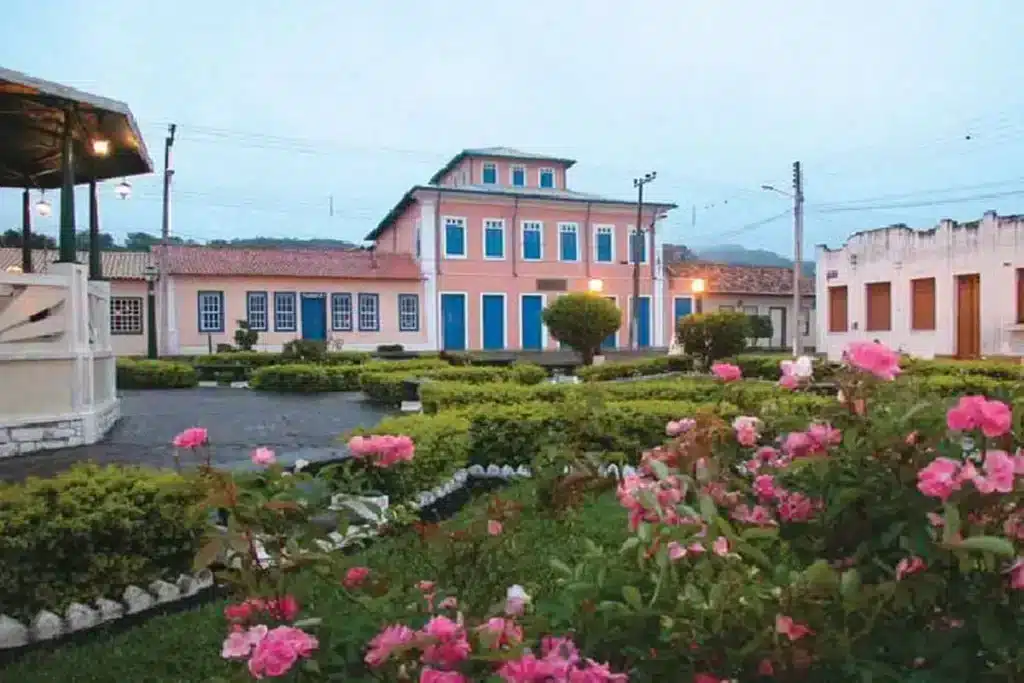
Igatu is an attraction in its own right. The most picturesque of the Chapada villages, it is a legacy of the region’s golden age of diamond mining, which peaked between 1844 and 1871.
The town once had 9,000 inhabitants, a cinema and a shop selling imported goods. Today it has 500 inhabitants and a bucolic atmosphere, but history is still present in the architecture and lifestyle of its inhabitants.
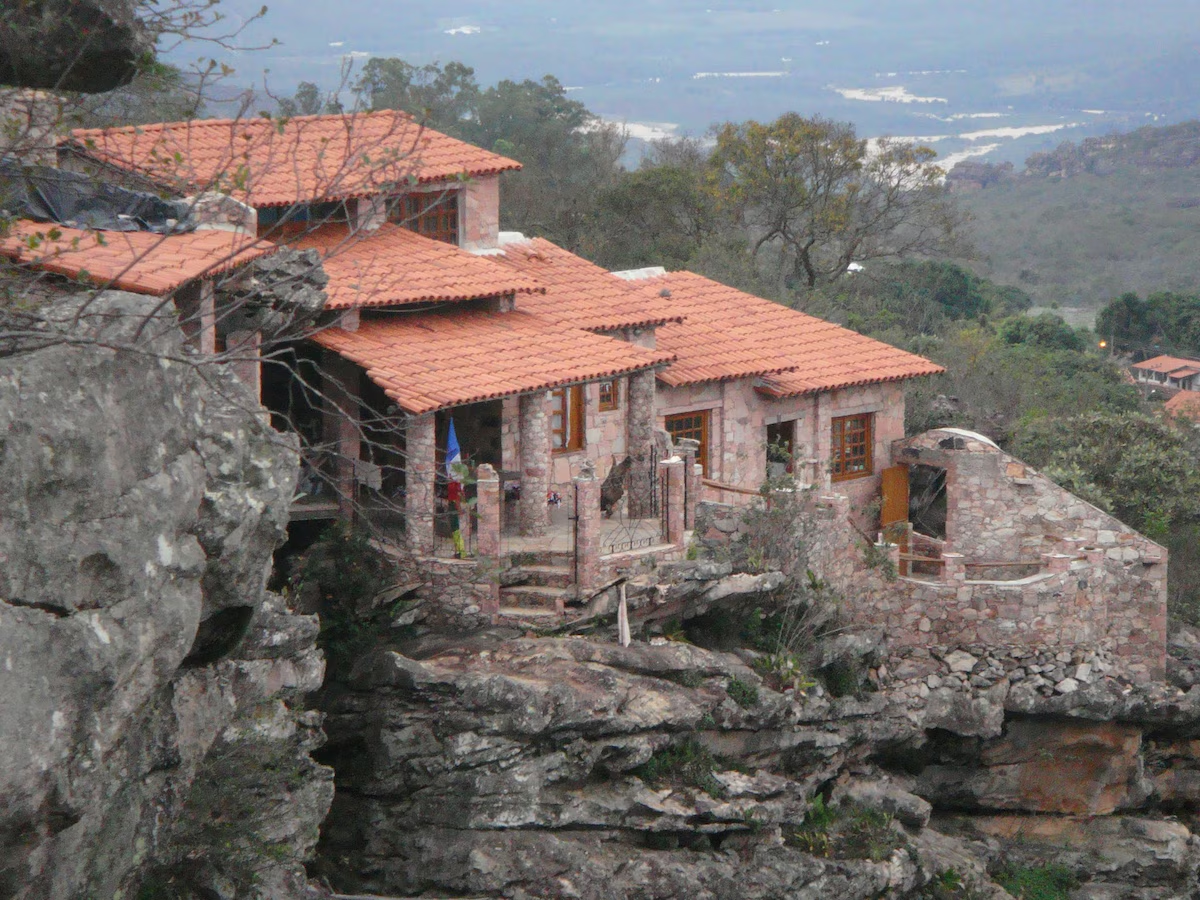
Listed by IPHAN, the ruins of the prospectors’ stone houses are located at one end of the district and, mixed with the vegetation, create a scene reminiscent of European stone towns.
The Chapada Diamantina’s many trails and natural attractions guarantee the presence of ecotourists, hippies and even city dwellers looking to reconnect with nature. However, words like trekking, trails and adventure may put off those who like comfort, don’t like long hikes and want to avoid any kind of hardship while on holiday.
The good news is that some of the region’s best attractions require little or no physical effort – and are accessible to even the most sedentary. We’ve categorised the destination’s top attractions by level of physical exertion.
Choose yours and be prepared to come back differently.
5. Tourist Attractions
- Map of Chapada Diamantina National Park
- Map of ChapadaDiamantina
- Map of Trails and Attractions
- The highest and most beautiful waterfalls
- History of Garimpo
- Vila do Ventura and hiking trail in Morro do Chapéu
- Igatu, Poço Azul and Poço Encantado
- Marimbus is the mini Pantanal
- Trekking to Pico das Almas, Pico do Barbado and Pico do Itobira
- The evergreen flower typical of Chapada Diamantina becomes a symbol of conservation
- Emerald hunters
- Discover the dive sites
- Caves in the municipality of Campo Formoso, Bahia
- Rio de Contas is considered the first planned city in Brazil
- Curiosities of Rio de Contas
- Rio de Contas travel guide
- Rio de Contas is one of the oldest cities in the region.
- Piatã is the highest mountain town in the Northeast at 1180 metres above sea level.
- Palmeiras had its glory days with diamond mining.
- Mucugê is situated at an altitude of 900 metres in a privileged landscape.
- Morro do Chapéu is 1012 metres above sea level and enjoys a pleasant climate.
- Lençóis is the gateway
- Ibicoara is also known as the “City of Caves”.
- History and tourist guide of Ibicoara, Bahia
- Andaraí, the second main town
- Chapada Diamantina is world famous
- Pati Valley – Trekking in the heart of Chapada Diamantina
- Trekking – Route through the Chapada Diamantina
- Blue fountain
- Enchanted fountain
- Torrinha Cave in Iraquara
- Lapão Cave
- Lapa Doce Cave and Pratinha Cave
- Trekking in Pati Valley
- Fumaça Waterfall in Vale do Capão
- Trekking – Most popular trails
- Orchids of Chapada Diamantina
- The charm of the Fumaça waterfall
- Buracão Waterfall
- Chapada Diamantina Relief, Fauna and Flora
- Documentaries
- Chapada Diamantina Tourist Guide
- History of the Settlement of Chapada Diamantina BA
Bahia.ws is the largest tourist guide for Bahia, Salvador and the Northeast of Brazil.
Chapada Diamantina Tourist Guide in Bahia

Publicações Relacionadas
Cathedral Basilica of Salvador — History, Sacred Art and Collection
Ecotourism in Bahia: discover village of Santo André
Mucugê: Discover the local history and culture
Alcobaça, Bahia: A Comprehensive Guide to Beaches and History
History of the Convent and Church of Nossa Senhora da Piedade in Ilhéus
Discover the 23 beaches of Salvador — A complete guide and tips
Barreiras: Where Carnival Meets Adventure Tourism
Mata de São João and Praia do Forte: A Complete Guide
Camamu Bay — A Hidden Paradise in Bahia
Whale Coast (BA) — Complete guide: Abrolhos, beaches and whale-watching
The best beaches near Salvador (distance, facilities and tips)
Torrinha Cave: A Speleological Marvel in Brazil
Tourist attractions for children in Salvador: Fun and learning
Convent and Church of Santa Teresa and the UFBA Museum of Sacred Art in Salvador
Paranaguá Palace — History, architecture and visiting information | Ilhéus (BA)
Municipality of Una: A Beach Paradise Awaits
History of São Marcelo Fort — Salvador, Bahia
Lacerda Elevator — history, construction and visits
Origin and History of Capoeira in Brazil Explained
Campo Formoso: Explore Caves and Emerald Trade
Things to do in Lençóis in the Chapada Diamantina — 15 attractions
Iguaí: A Guide to Waterfalls and Relaxation
Subaúma Beach: The Perfect Escape in Bahia
What to do on Boipeba Island - Tourist Guide - videos
Tourist Attractions in Bahia: main attractions, beaches and cities
The highest and most beautiful waterfalls in Chapada Diamantina
Guide to Trancoso (BA) — what to do, beaches and inns
Bom Jesus da Lapa Sanctuary: A Complete Visitor’s Guide
Ventura Village: A Rich History of Diamonds
Pelourinho: what to do in Salvador’s Historic Centre
Discover the reasons for a holiday in Salvador, Bahia
Tourist Regions of Bahia: Discover the diversity of the state
Tinharé Archipelago: Discover Hidden Island Gems
História da Arte - Caracteristicas, Aspectos e Periodos
Discovery Route in Bahia: History, Culture and Tourism
Discover the Magnificence Fort of Nossa Senhora de Monte Serrat
This post is also on:
 Português
  English
  Deutsch
  Español
  Français