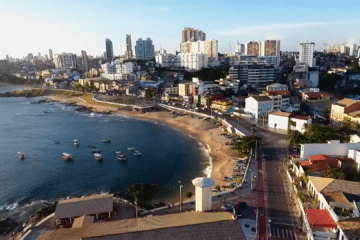
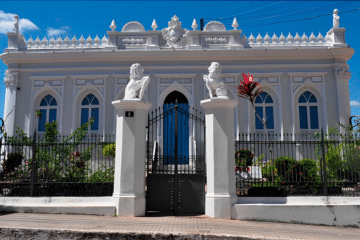
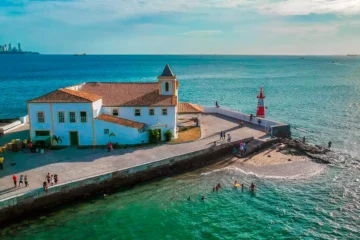
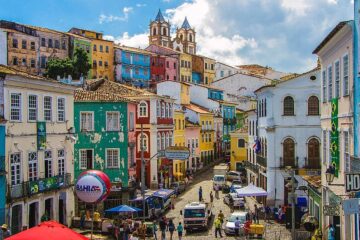
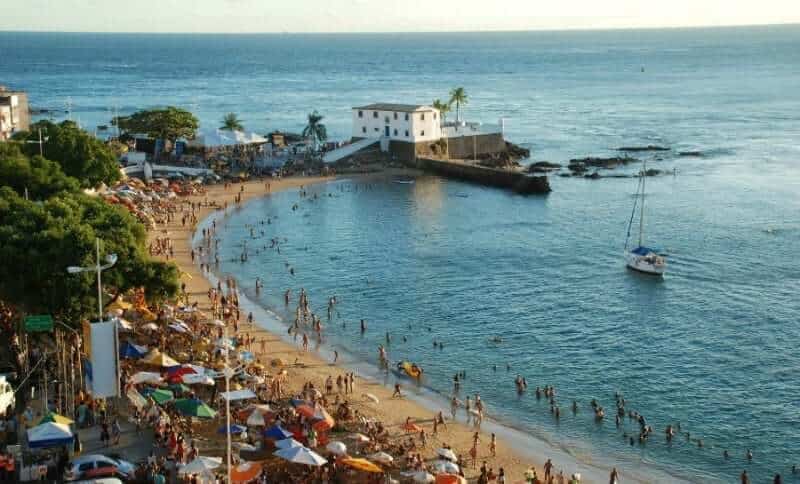
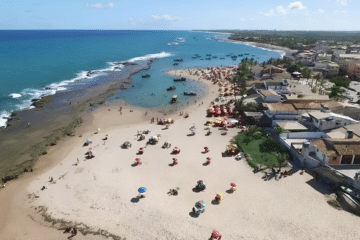
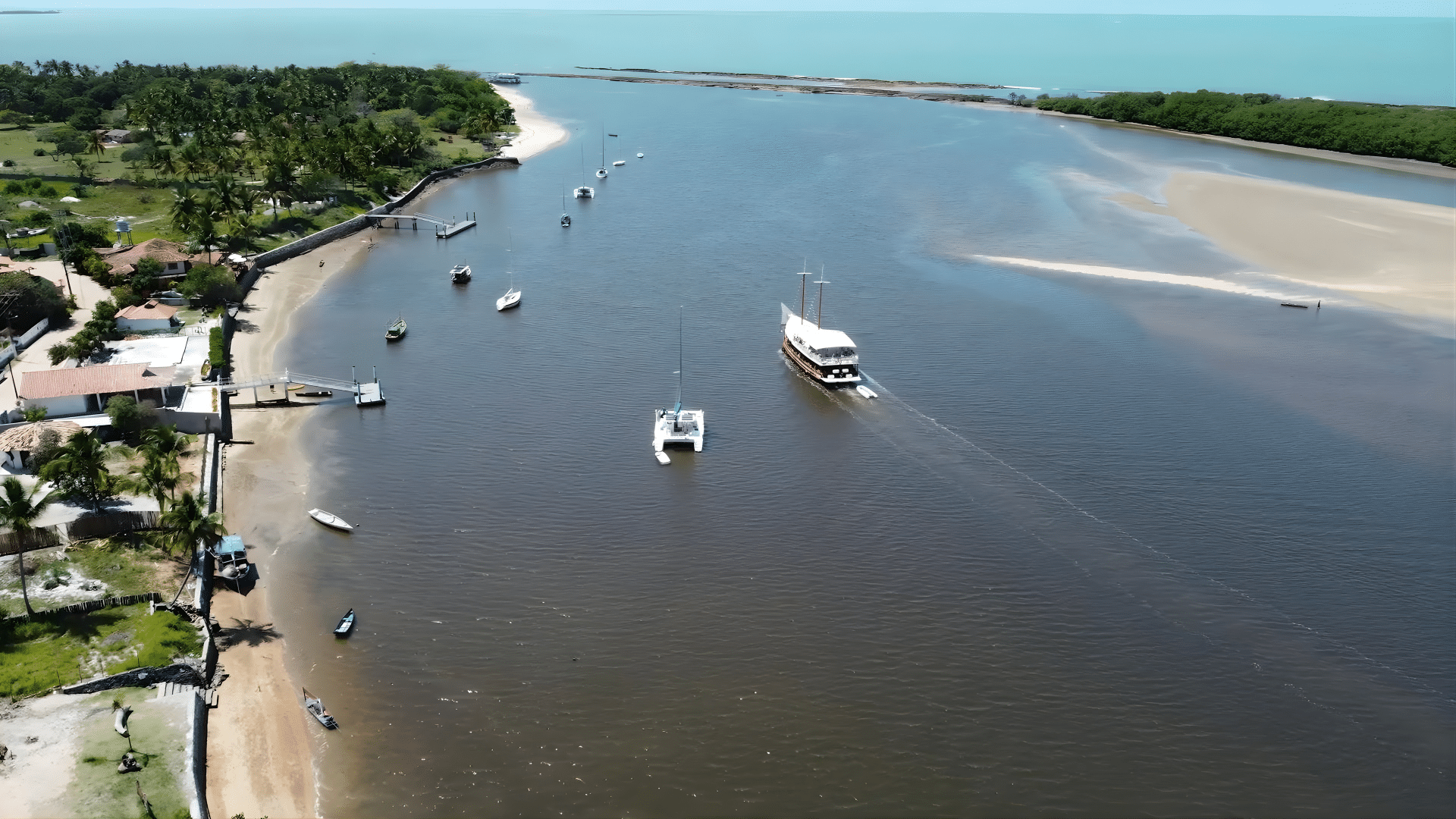
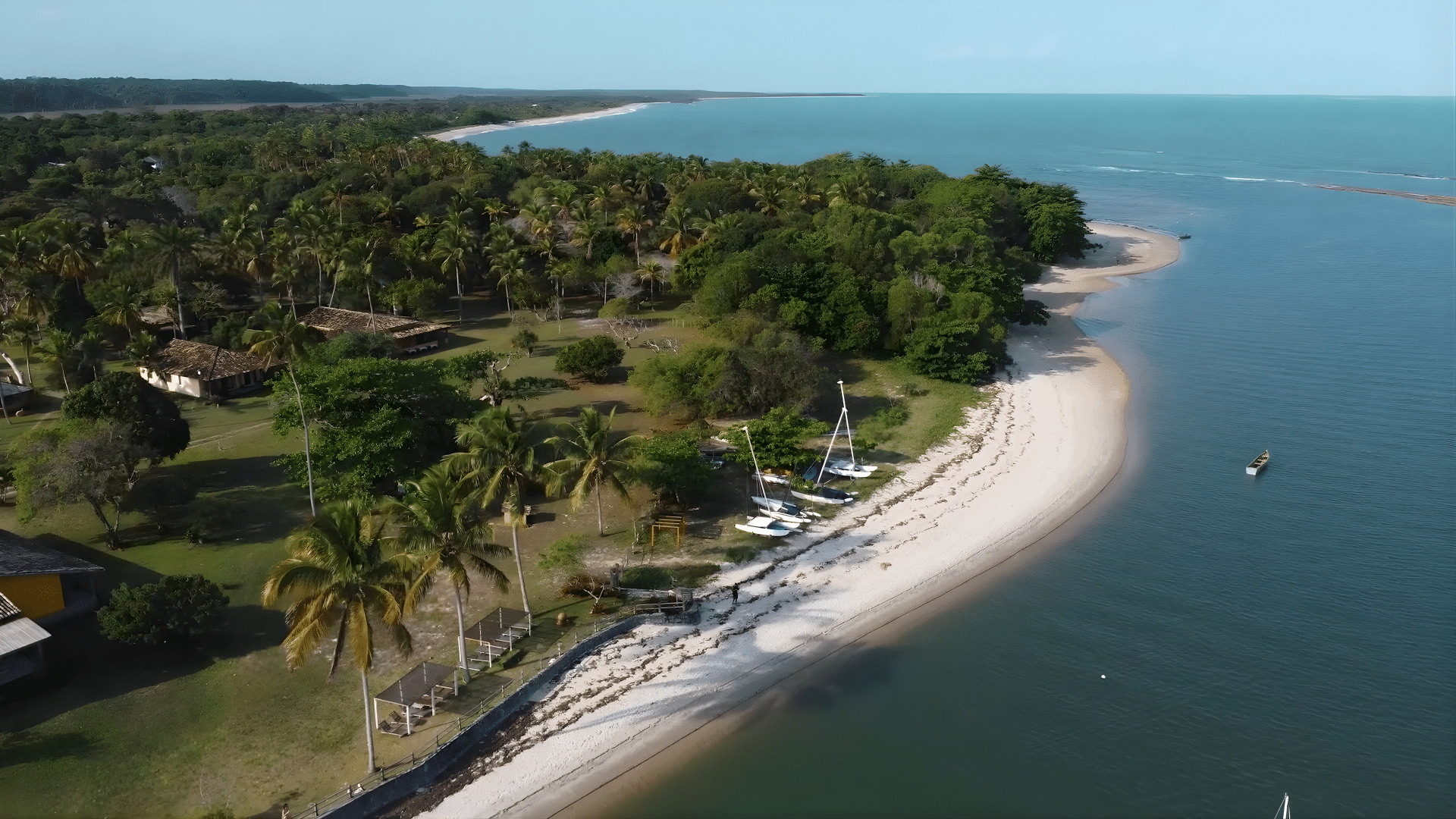
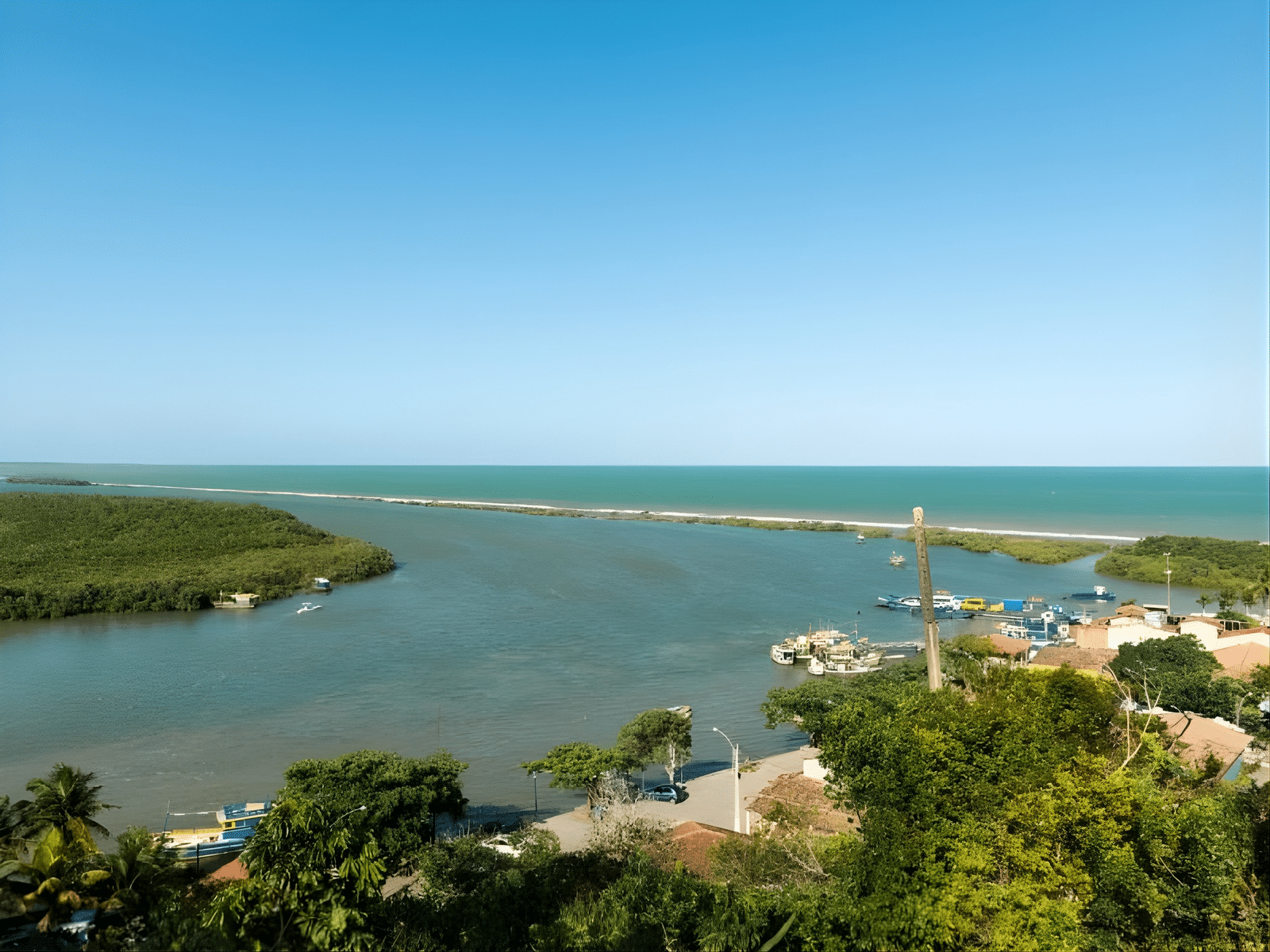
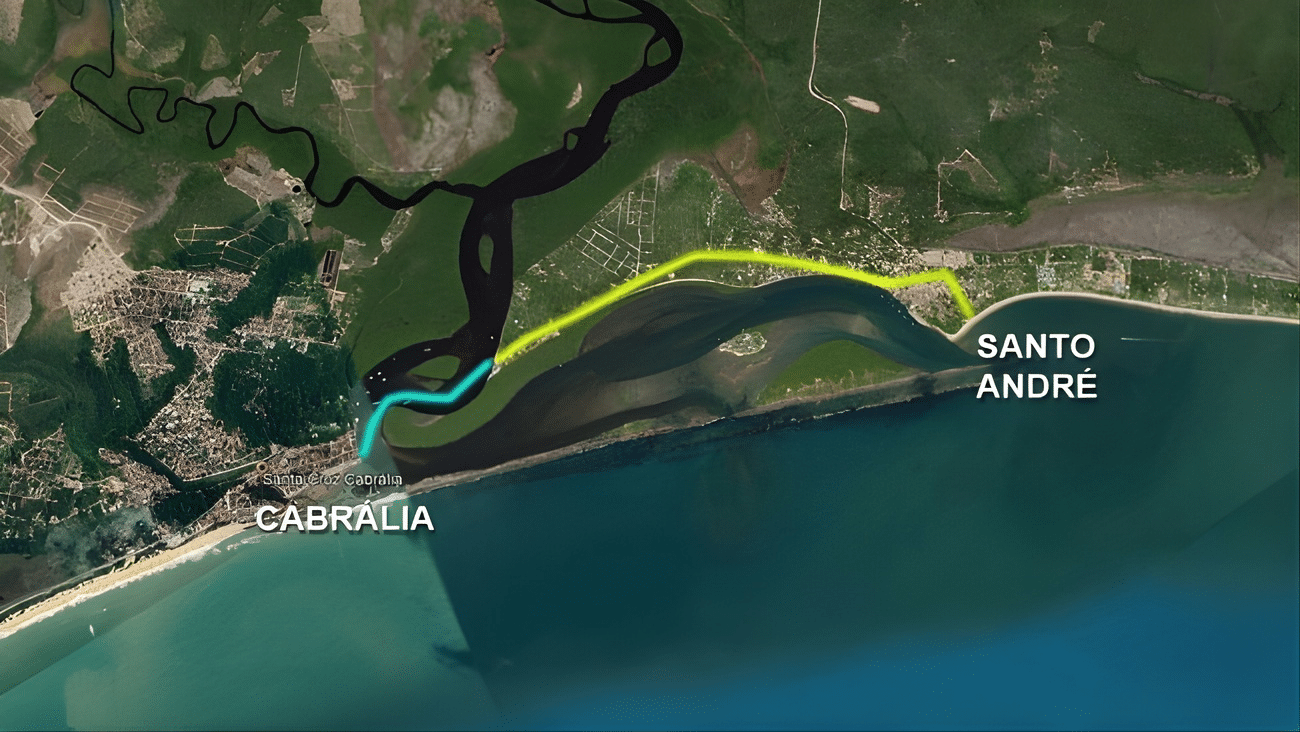
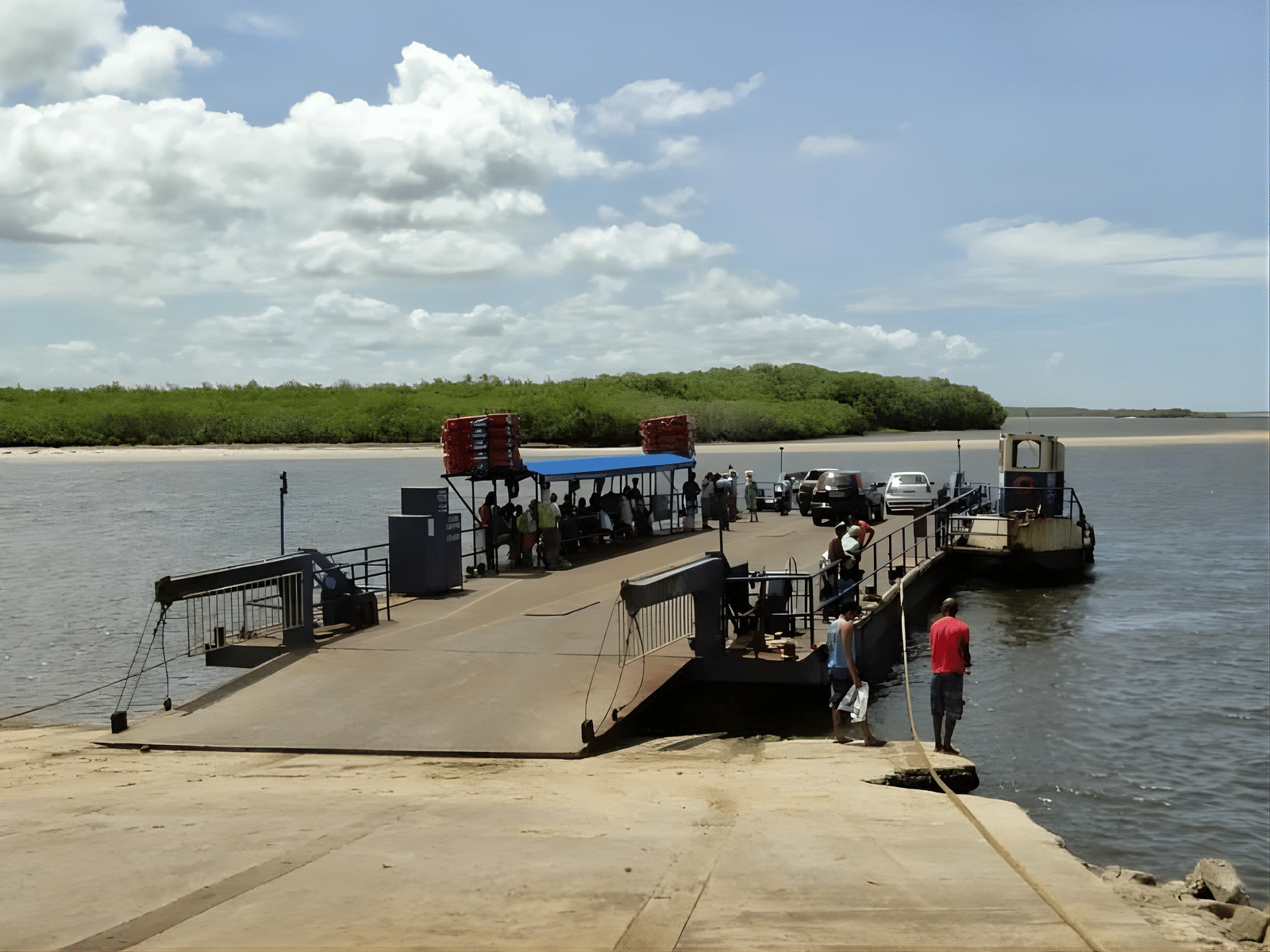
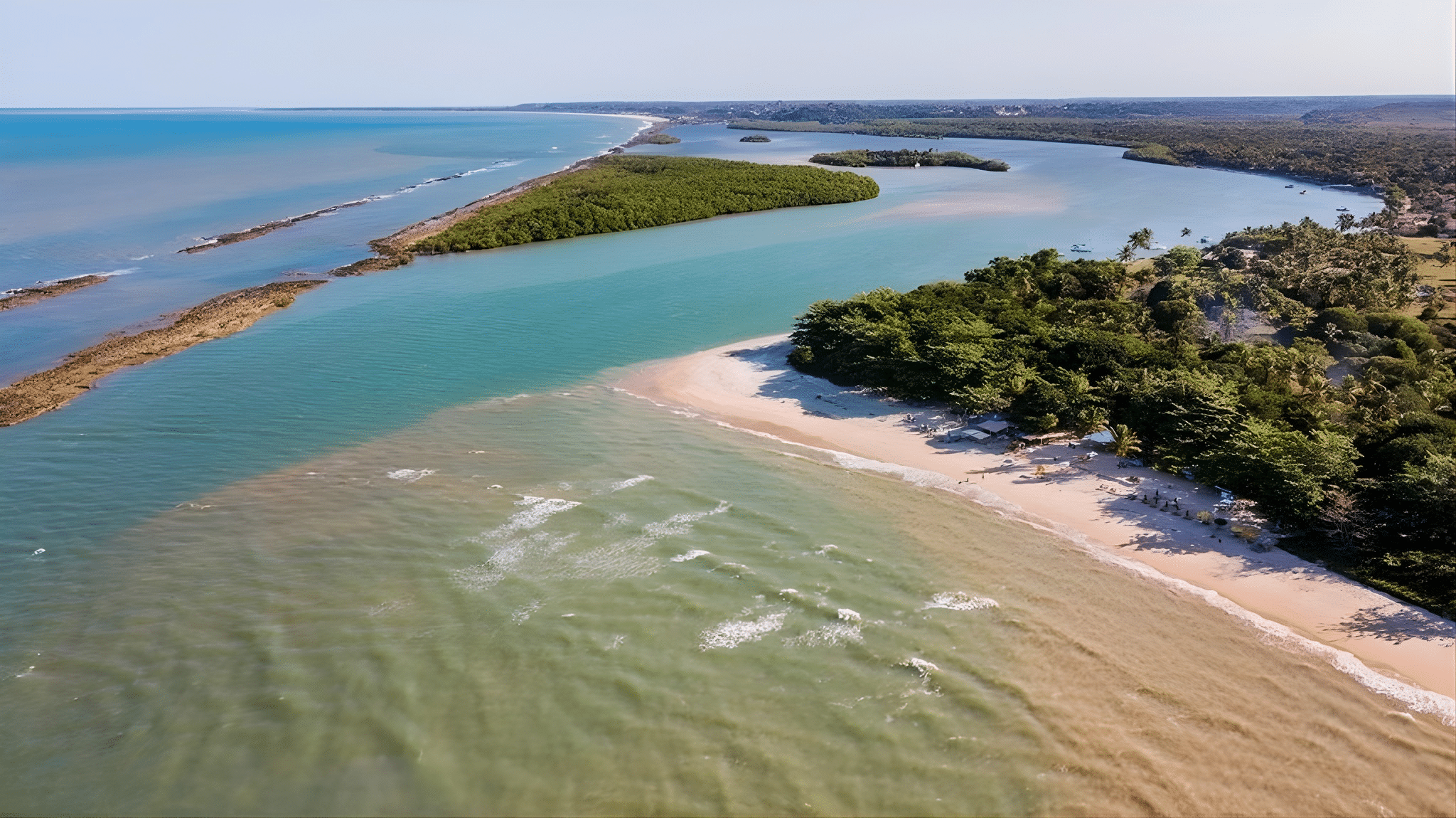
The village of Santo André, located about 26–30 km from Porto Seguro, is a haven of unspoilt beaches, mangroves and local culture. It is accessible by ferry across the João de Tiba River.
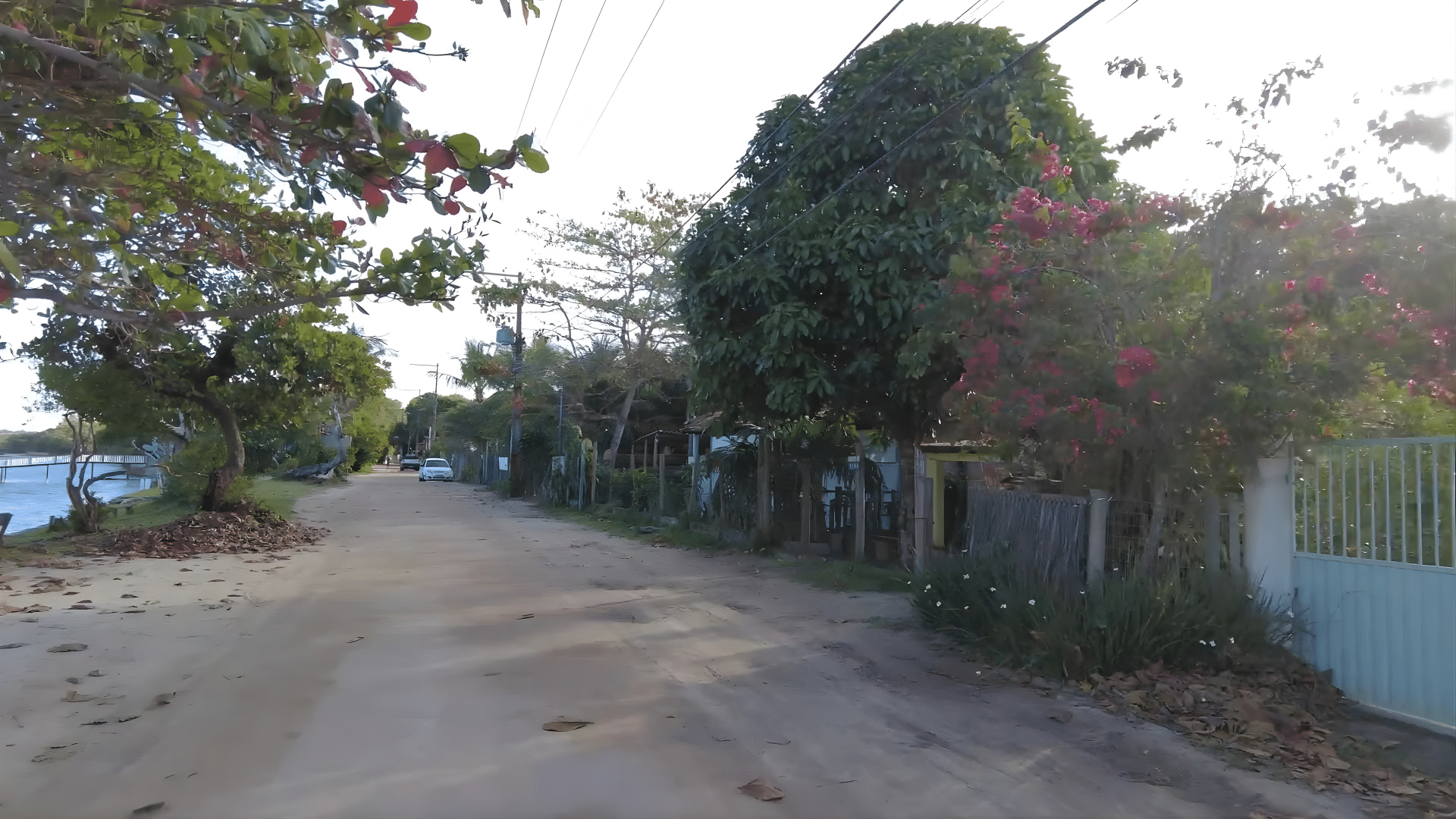
Videos about the village of Santo André

Vila de Santo André em Santa Cruz Cabrália - Drone01:57

Vila de Santo André em Santa Cruz Cabrália03:45

Praia de Santo André01:19

PRAIA DE SANTO ANDRÉ E BANHO DE LAMA11:28
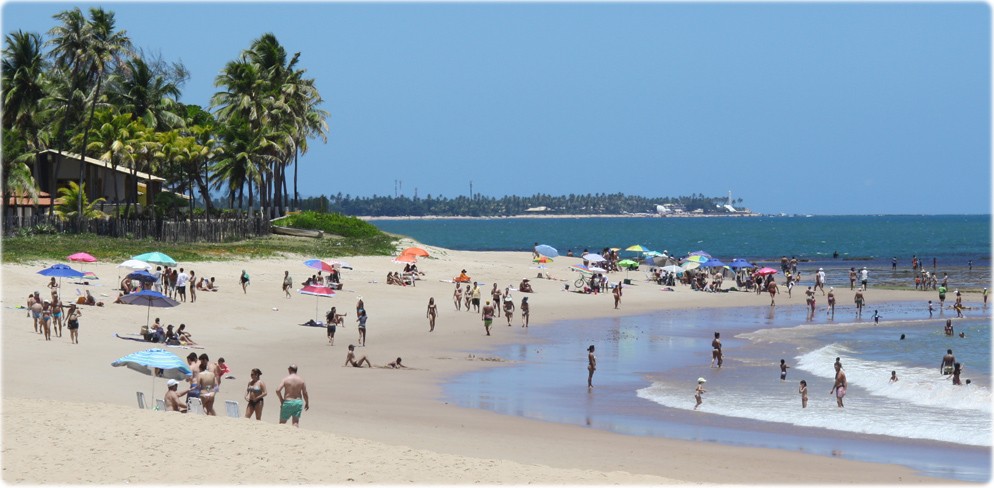
Praia de Itacimirim em Santa Cruz de Cabralia05:24

Praia de Guaiú em Santa Cruz de Cabrália01:40
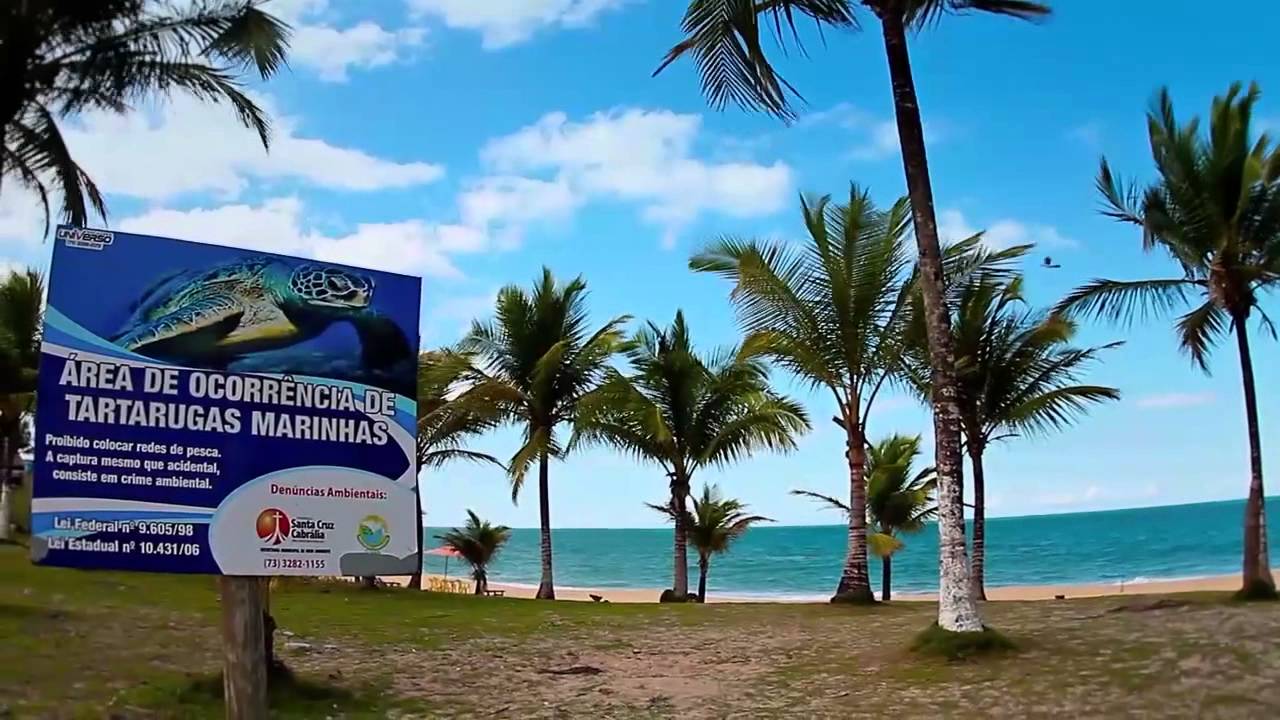
Praia de Arakakai em Santa Cruz de Cabrália03:42
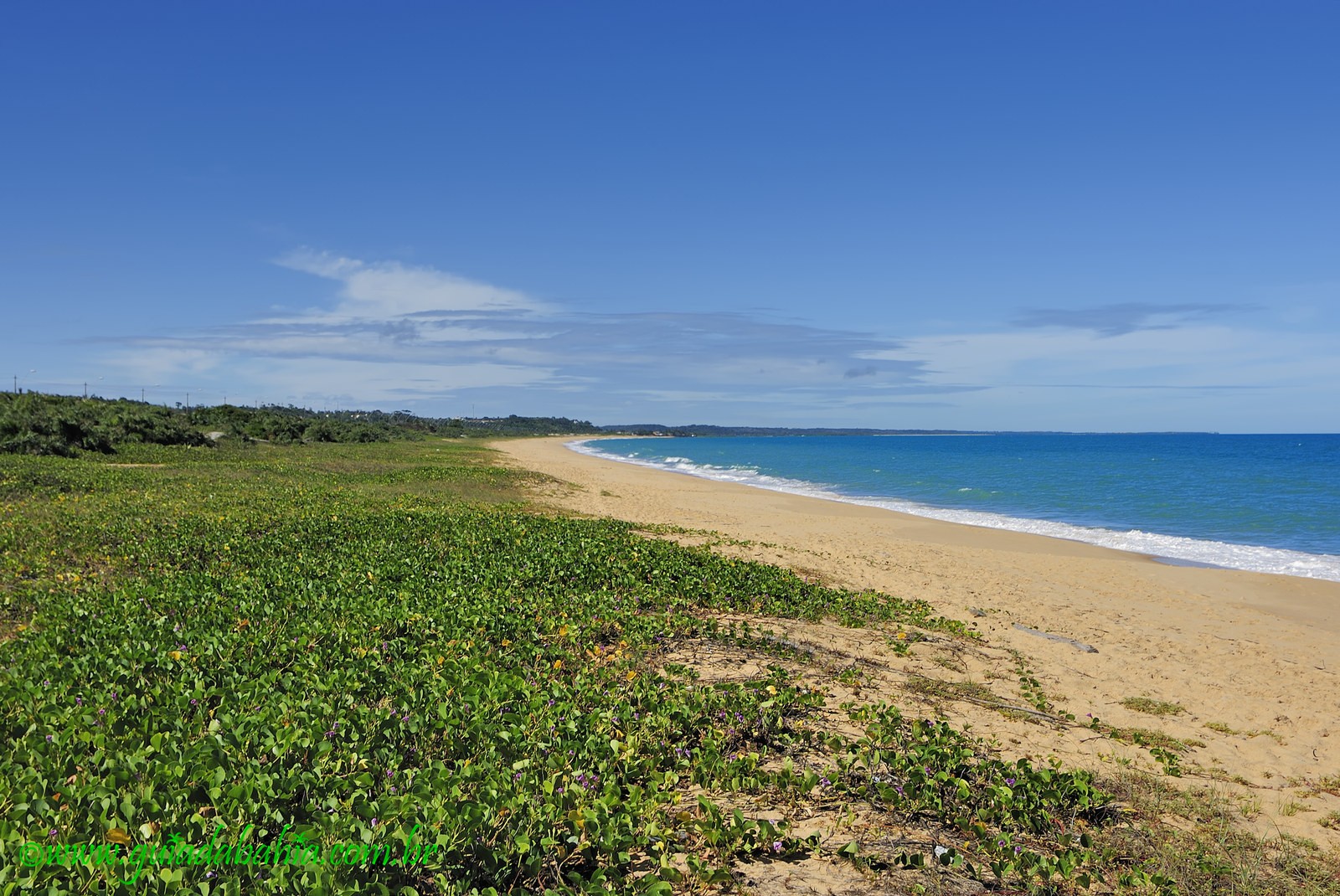
Praia dos Lençóis em Santa Cruz de Cabrália01:38

Praia de Mutari em Santa Cruz de Cabrália00:26

Praia Coroa Vermelha em Santa Cruz de Cabrália05:50
SANTO ANDRÉ, Bahia: O que fazer na vila paradisíaca13:11
History and Heritage
Santa Cruz Cabrália was one of the destinations of the first Portuguese expeditions to Brazil. According to local records, the First Mass was celebrated there in 1500 at the mouth of the Mutari River.
The local community has preserved the cultural and religious traditions inherited from the colonial period.
Things to do in Vila Santo André
- The beaches are great for swimming, walking and watching nature.
- Ecotourism: walkways over the mangroves, as well as trails and boat trips along the canals of the João de Tiba River.
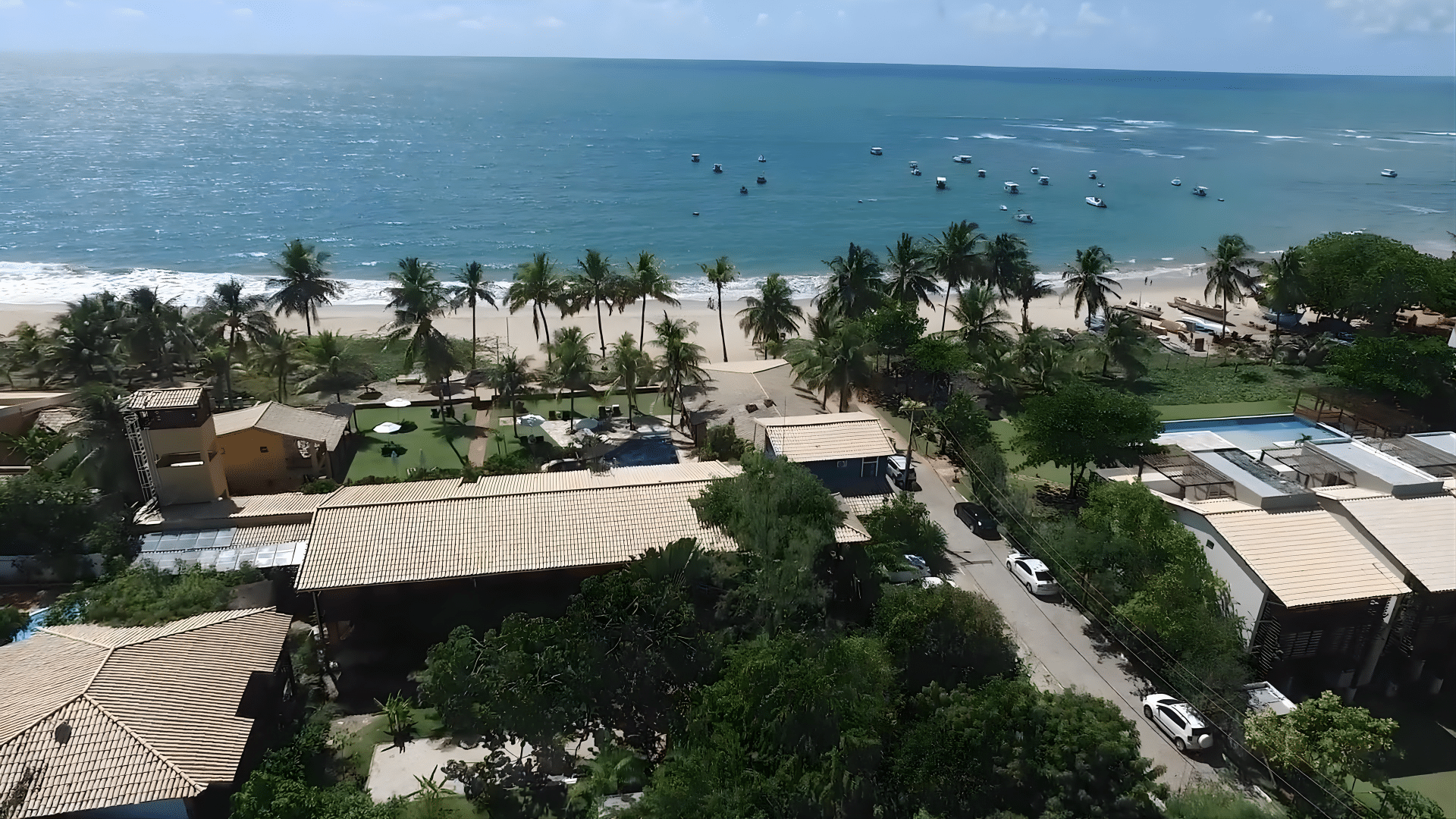
- When it comes to gastronomy and accommodation, you can enjoy bars, beachfront restaurants and charming guesthouses.
- Local life consists of low-key events such as film nights and live music performances at local venues.
Main Beaches
1. Santo André Beach
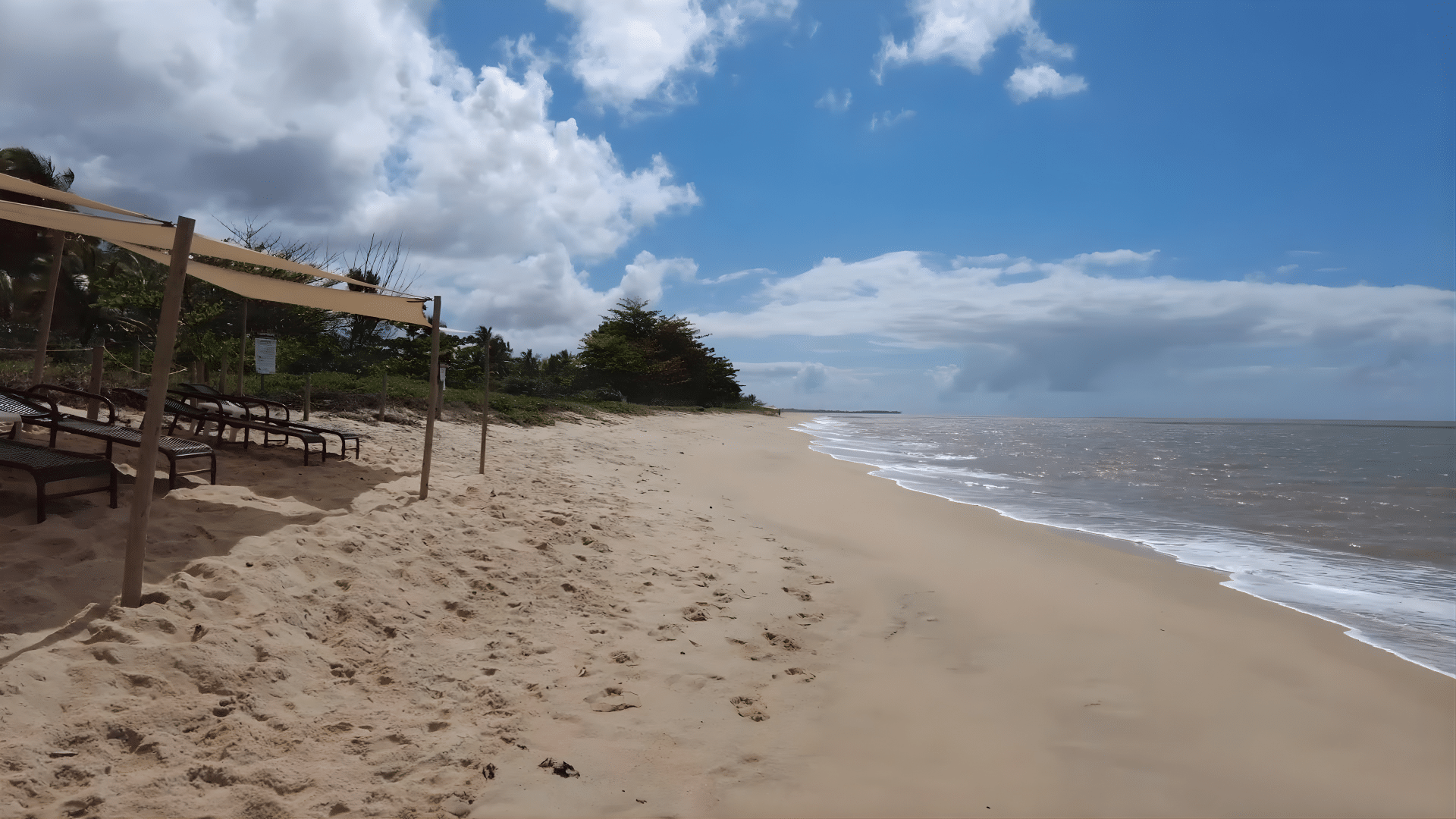
The village is located in a protected area surrounded by reefs, and the calm waters are ideal for water sports. Walkways over the mangrove swamp provide an opportunity to observe the ecosystem.
2. Jacumã Beach
It is good for swimming and hiking, and there are stalls offering typical snacks such as acarajé and shrimp cakes.

3. Itacimirim Beach (Turtle Beach)
Natural pools form at low tide, making it an ideal place for swimming, fishing and observing marine life.
walks and surroundings
- Guaiú Beach: a wild setting among coconut trees and a traditional local restaurant.
- Belmonte is a historic town located around 40 minutes away. It is home to colonial mansions and mangroves.
- Boat trips on the Rio João de Tiba: navigation through narrow channels and mangrove areas.
Where should you stay and eat?
- Pousada Victor Hugo — welcoming architecture and a rustic atmosphere.
- Casapraia Restaurant — beachfront location and varied menu.
- Santana’s: homemade pasta inspired by Italian cuisine.
- The Floridita specialises in seafood.
practical tips
- How to get there: Take the ferry across the João de Tiba River. Check the local timetables before travelling.
- Best time to visit: Low tide is best for exploring the natural pools, and there is warm weather all year round with rainfall in summer.
- Facilities: Guesthouses and restaurants are available, but if you are seeking greater isolation, bring basic items.
Why visit?
Santo André has retained its charm, natural beauty and authenticity. Those seeking peaceful beaches, mangrove exploration and cultural experiences on the south coast of Bahia will find it ideal.
Publicações Relacionadas
Cultura dos Índios Pataxós na Costa do Descobrimento
Discovery Route in Bahia: History, Culture and Tourism
Belmonte's Rich History and Cultural Heritage
Monte Pascoal National Park: Pataxó culture and Brazilian history
Complete Guide to Visiting Arraial d'Ajuda in Bahia
Paragliding at Pitinga Beach in Arraial d'Ajuda
Porto Seguro's nightlife: Where to have fun
Descobrimento National Park in Bahia: A Natural Heritage Site
Santa Cruz Cabrália in Bahia — beaches, history and things to do
Discovering Brazil - Porto Seguro is the beginning of Brazil
Guide to Trancoso (BA) — what to do, beaches and inns
Tourist Attractions on the Discovery Coast in Bahia
Caraíva: A rustic and unspoilt paradise in the south of Bahia
Coast of Discovery: Bahia's Historical Treasures
Barra do Cahy: Brazil's first beach - history and nature
Porto Seguro (BA) — History, Beaches, Tours and Practical Tips
This post is also on:
 Português
  English
  Deutsch
  Español
  Français