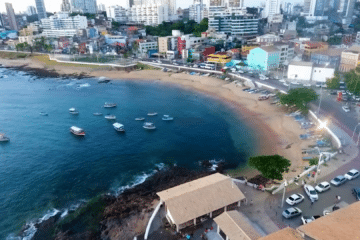
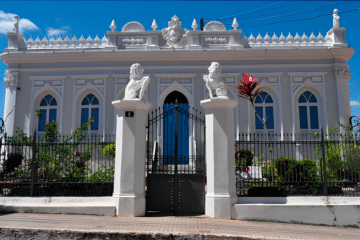
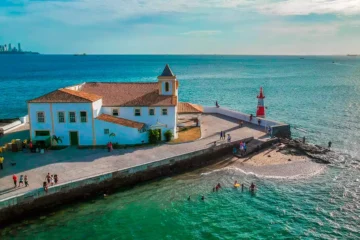
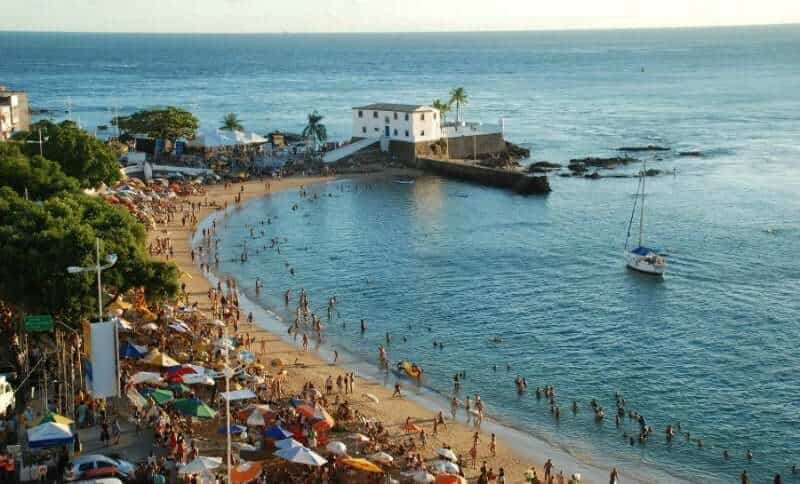
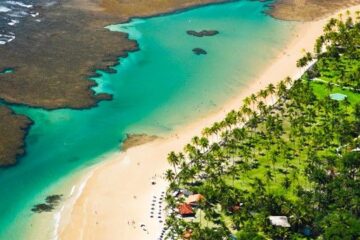
Its history is directly linked to the Discovery of Brazil, being one of the first points of the territory sighted and explored by the Portuguese in 1500.

The region inhabited by the Tupiniquins was the scene of the first contact between Europeans and indigenous peoples, marking the beginning of Portuguese colonisation.
With the creation of the Captaincy of Porto Seguro, the area played a key role in the territorial and economic expansion of colonial Brazil.
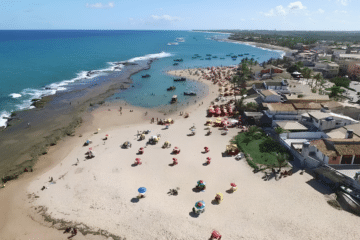
Today, Porto Seguro is an important tourist and historical destination, preserving monuments and memories of this crucial period in the country’s history.
See the map of the Costa do Descobrimento and See the map of Porto Seguro’s beaches.
Map of the city of Porto Seguro
The first inhabitants
Before the arrival of the Portuguese, the region where Porto Seguro is now located was inhabited by the Tupiniquins, an indigenous people of the Tupi language group.
The first inhabitants of the Americas migrated from Asia, crossing the Bering Strait, and over the centuries developed different cultures throughout the continent.
Video about the discovery of Brazil and Porto Seguro

Pedro Alvares Cabral - A descoberta do Brasil05:44

Porto Seguro é o início do Brasil04:39

Rota do Descobrimento08:43

Caminhos do Descobrimento12:02
VISITA GUIADA pelo CENTRO HISTÓRICO de PORTO SEGURO21:52
The arrival of the Portuguese in Brazil (1500)
On 22 April 1500, the fleet commanded by Pedro Álvares Cabral sighted Mount Pascoal on the south coast of Bahia. The next day the Portuguese landed on the coast and named the place Porto Seguro.
The scribe Pero Vaz de Caminha reported the arrival to King Manuel I, describing the land as fertile and rich.
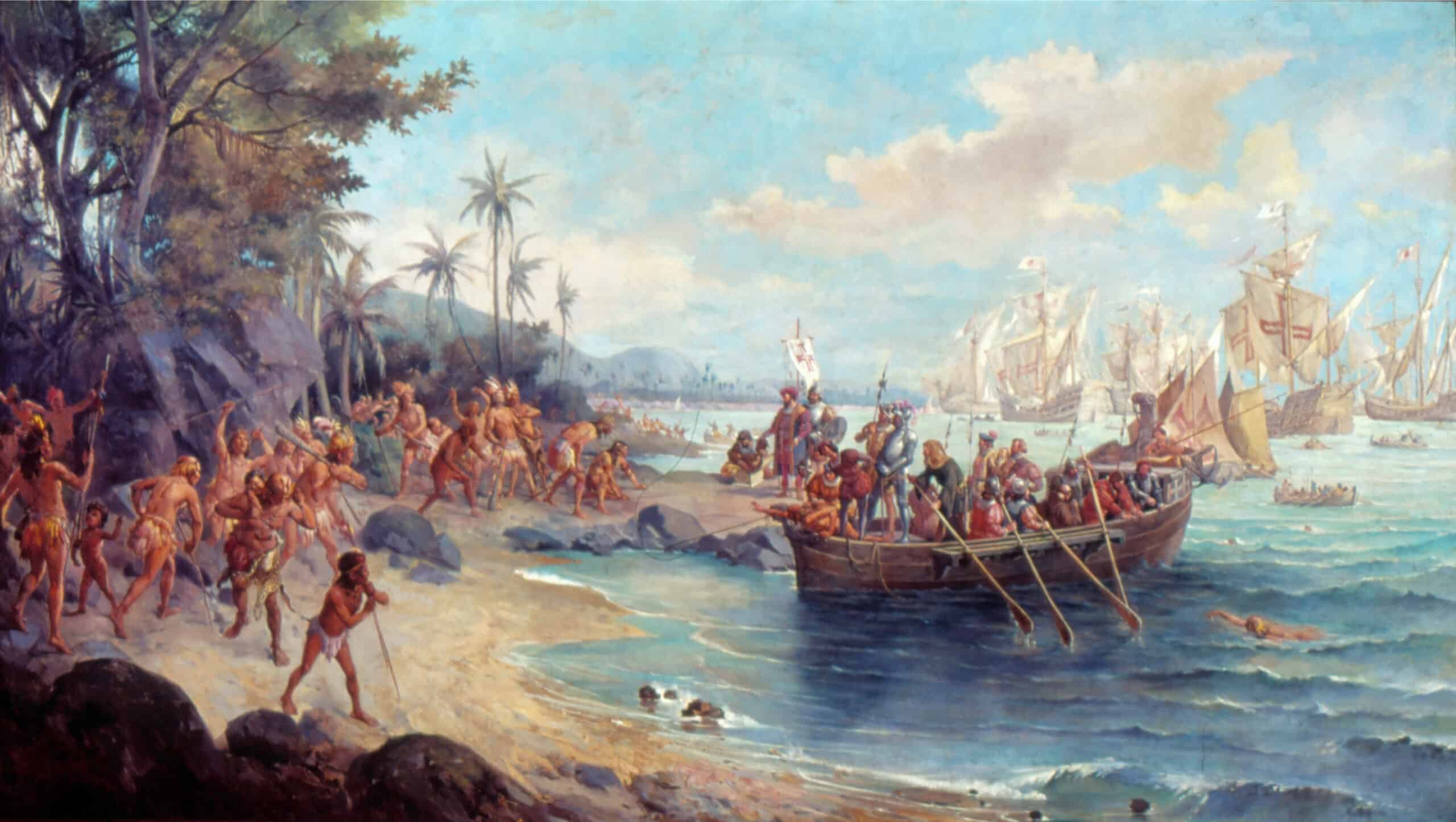
Brazilian painter (1865-1959)
On Sunday 26 April 1500, the first mass in Brazil was held on Coroa Vermelha beach (now Santa Cruz Cabrália), celebrated by Friar Henrique de Coimbra. This event marked the first official contact between Europeans and indigenous peoples.
The first expeditions and attempts at colonisation
After the arrival of Pedro Álvares Cabral, exploratory expeditions were sent to Brazil to map the territory and assess its resources. These included
- 1501-1502 – Expedition of Gaspar de Lemos and Gonçalo Coelho, with the cartographer Américo Vespúcio.
- 1516 – Expedition of Cristóvão Jacques, sent to patrol the coast and combat brazilwood smugglers.
- 1530 – Expedition of Martim Afonso de Sousa, beginning the real colonisation.
The Captaincy of Porto Seguro and the foundation of the town (1535)
In 1534, the Portuguese Crown divided Brazil into hereditary captaincies and granted Pero do Campo Tourinho the Captaincy of Porto Seguro.
In 1535 Tourinho founded the town of Nossa Senhora da Pena, which corresponds to the present day Porto Seguro. He organised the distribution of land and began to build sugar mills.

However, the colonisation faced conflicts with the indigenous population and administrative difficulties. Accused of mismanagement, Tourinho was arrested and sent back to Portugal, leaving the captaincy in crisis.
Conflicts and expulsion of the Jesuits (18th century)
During the 16th and 17th centuries, Porto Seguro was attacked by French and Dutch privateers and faced local resistance. To support the colonisation, the Jesuits established missions to catechise the natives.
However, in 1759 the Marquis of Pombal expelled the Jesuits from Brazil and annexed the captaincy to the Portuguese Crown. This affected local organisation, but increased the integration of the region into the colonial economy.
The landmark of discovery
One of the most important monuments of Porto Seguro is the Marco do Descobrimento, brought from Portugal between 1503 and 1526.
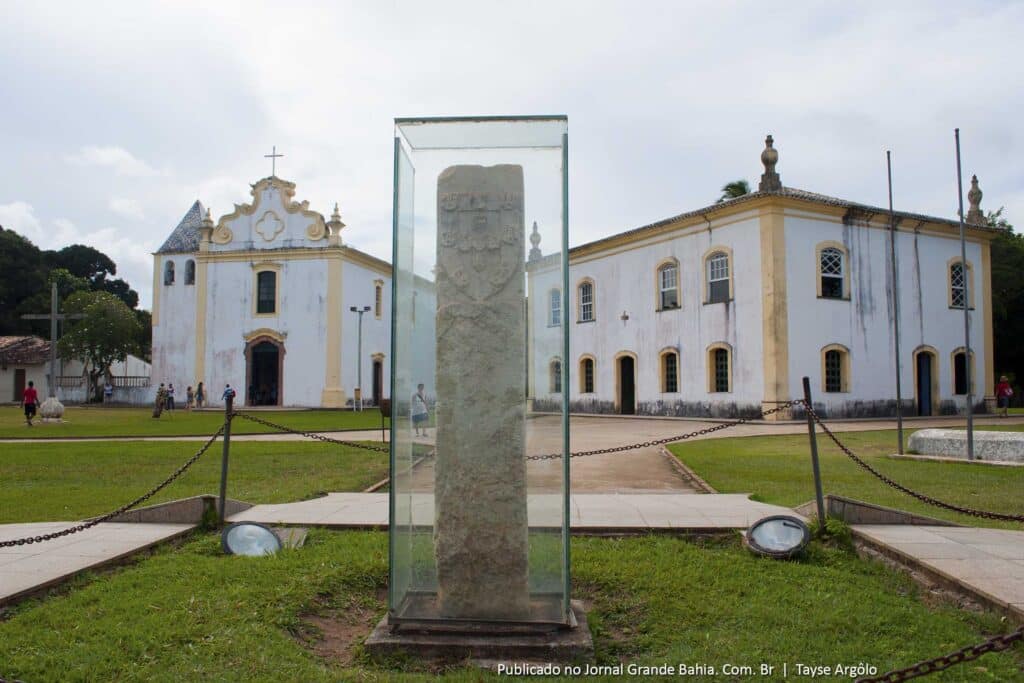
Made of Lizz stone, it symbolises the Portuguese Crown’s possession of the new land and remains one of Brazil’s oldest historical records.
Decline and recovery
With the decline of the sugar economy and the rise of the southeast as an economic centre, Porto Seguro lost importance throughout the 18th and 19th centuries. During this period, the town remained isolated, surviving on fishing and subsistence farming.
The city began to prosper in the 20th century, especially after the construction of the BR-101 motorway in 1972, which facilitated access to the region. The recognition of Porto Seguro as the cradle of the discovery of Brazil boosted tourism.
Porto Seguro today
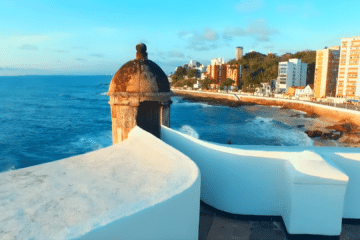
Today, Porto Seguro is one of the most important tourist destinations in Brazil, combining history, culture and nature.
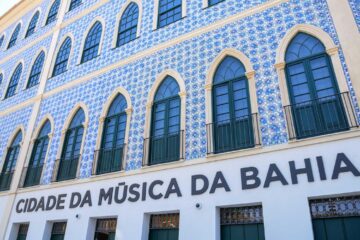
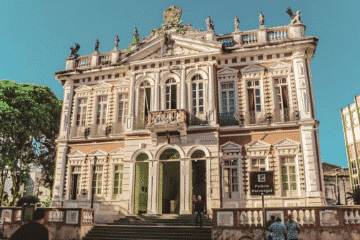
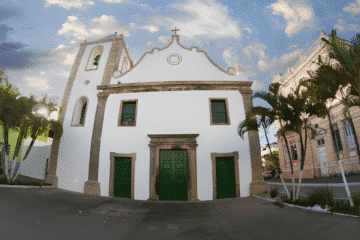
Its historic centre, listed by the IPHAN (National Institute of Historical and Artistic Heritage), preserves important colonial buildings. The city also offers paradisiacal beaches, popular festivals and cultural attractions that attract visitors from all over the world.
Bahia.ws is the largest tourist guide to Bahia and Salvador.

Publicações Relacionadas
Tourist attractions in the Gamboa neighbourhood in Salvador BA
Rio Vermelho is Salvador’s trendiest and most bohemian neighbourhood
Iraquara is also known as the "city of caves"
Ilhéus: A Journey Through Bahia's Rich History
Garcez Beach: Discover Paradise in Jaguaripe
Basílica Santuário Nossa Senhora da Conceição da Praia — history and architecture
Dive Sites of Chapada Diamantina: A Guide
Coast of Discovery: Bahia's Historical Treasures
The Tamar Project and turtle conservation
The best places to visit on the Cocoa Coast in Bahia
Ponta de Humaitá — Lighthouse, church and the best sunset in Salvador
Whale Coast (BA) — Complete guide: Abrolhos, beaches and whale-watching
Costa do Dendê: A Tropical Paradise in Bahia
Ecological tourism in Morro do Chapéu
Itaparica Island — Complete Guide: History, Beaches and Tips
Orchids of the Chapada Diamantina in Bahia
História da Arte - Caracteristicas, Aspectos e Periodos
Santa Cruz Cabrália in Bahia — beaches, history and things to do
Waterfalls and trails in the Capão Valley: Complete Guide
Tourist Attractions and Documentaries about Chapada Diamantina
Alcobaça, Bahia: A Comprehensive Guide to Beaches and History
Maré Island (Bay of Todos os Santos) — beaches, culture and how to get there
Picos das Almas, Itobira and Barbado Trekking Guide
Chapada Diamantina's architectural style and influences
Belmonte's Rich History and Cultural Heritage
Vila de Barra Grande na Bahia: Guia Completo para Turistas
Camaçari: Industry, History and Natural Beauty
Skydiving, Paragliding and Ballooning in Bahia
Paragliding at Pitinga Beach in Arraial d'Ajuda
History of the Cathedral Basilica of Salvador
Mata de São João and Praia do Forte: A Complete Guide
Jandaíra: Discover the charm of Mangue Seco
Find out how to celebrate Carnival in Salvador, Bahia
Bahia Maritime Museum: History of Navigation at the Barra Lighthouse
Igatu: Explore the 19th-Century Stone Houses
Ecotourism in Bahia: discover village of Santo André
This post is also on:
 Português
  English
  Deutsch
  Español
  Français