Porto Seguro (BA) is a destination that combines history, idyllic beaches and lively nightlife — perfect for those seeking everything from cultural tours to relaxing days by the sea.
In this comprehensive guide, you will find everything you need to plan your trip: the best beaches, unmissable tours, where to stay, how to get there, and practical tips on costs and logistics.
Whether for a long weekend or a longer holiday, follow suggested itineraries, up-to-date information and local recommendations that make your choices easier and help you enjoy Porto Seguro to the fullest.
As you continue reading, also check out maps, timetables, and booking suggestions to save time and avoid unforeseen circumstances.

Why visit
- Historical significance: it is traditionally considered to be the place where Pedro Álvares Cabral landed in 1500. The Historic Centre (Cidade Alta) is home to churches and colonial mansions.
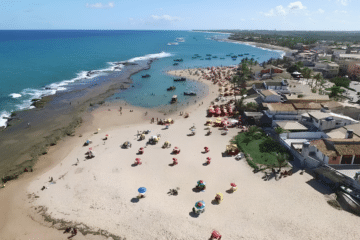
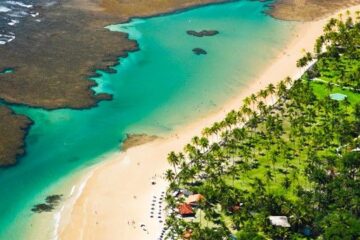
- Beaches and nature: options ranging from stretches with good infrastructure (Taperapuã) to quieter coves (Mundaí, Mutá). Nearby reefs offer opportunities for snorkelling and diving.
- Local culture: strong Pataxó indigenous presence and Afro-Bahian traditions in cuisine and music.
- Access: the airport (BPS), motorways and regular ferry service to Arraial d’Ajuda make the city a practical base for exploring the region.
Videos about Porto Seguro


O que fazer e onde ficar em PORTO SEGURO!14:16

Porto Seguro na Bahia - Dicas de Passeios06:48

Porto Seguro - Vida Noturna04:06

Porto Seguro - Praias04:23
Porto Seguro - Guia20:26
Porto Seguro - Guia Turístico
PORTO SEGURO - TUDO O QUE VOCÊ PRECISA SABER11:57

Tudo o que você precisa saber pra planejar sua viagem09:28
Main Attractions in Porto Seguro, Bahia
1. Historic City
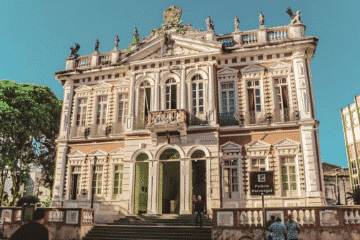
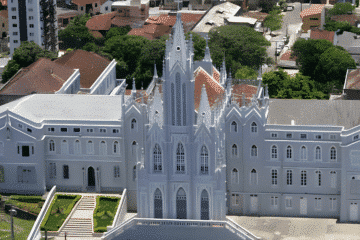
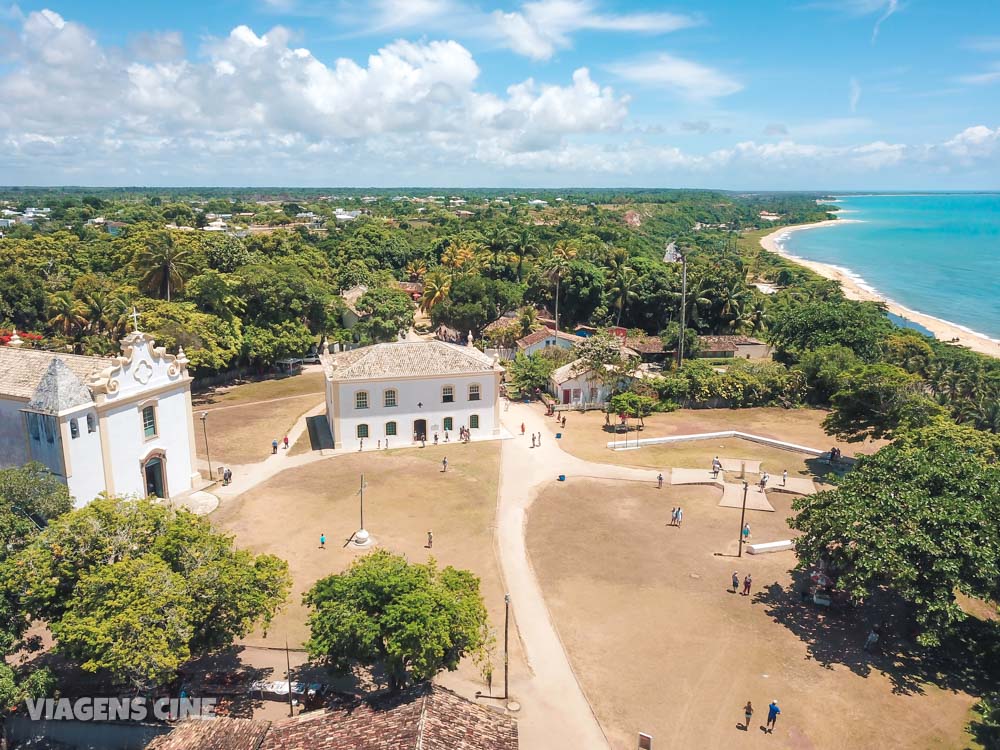
The Historic Centre, known as Cidade Alta, is one of the highlights of Porto Seguro, bringing together colonial buildings, churches and museums that tell the history of Brazil.
Located on a hill overlooking the sea, this area preserves landmarks from Portuguese colonisation and offers a true journey back in time.
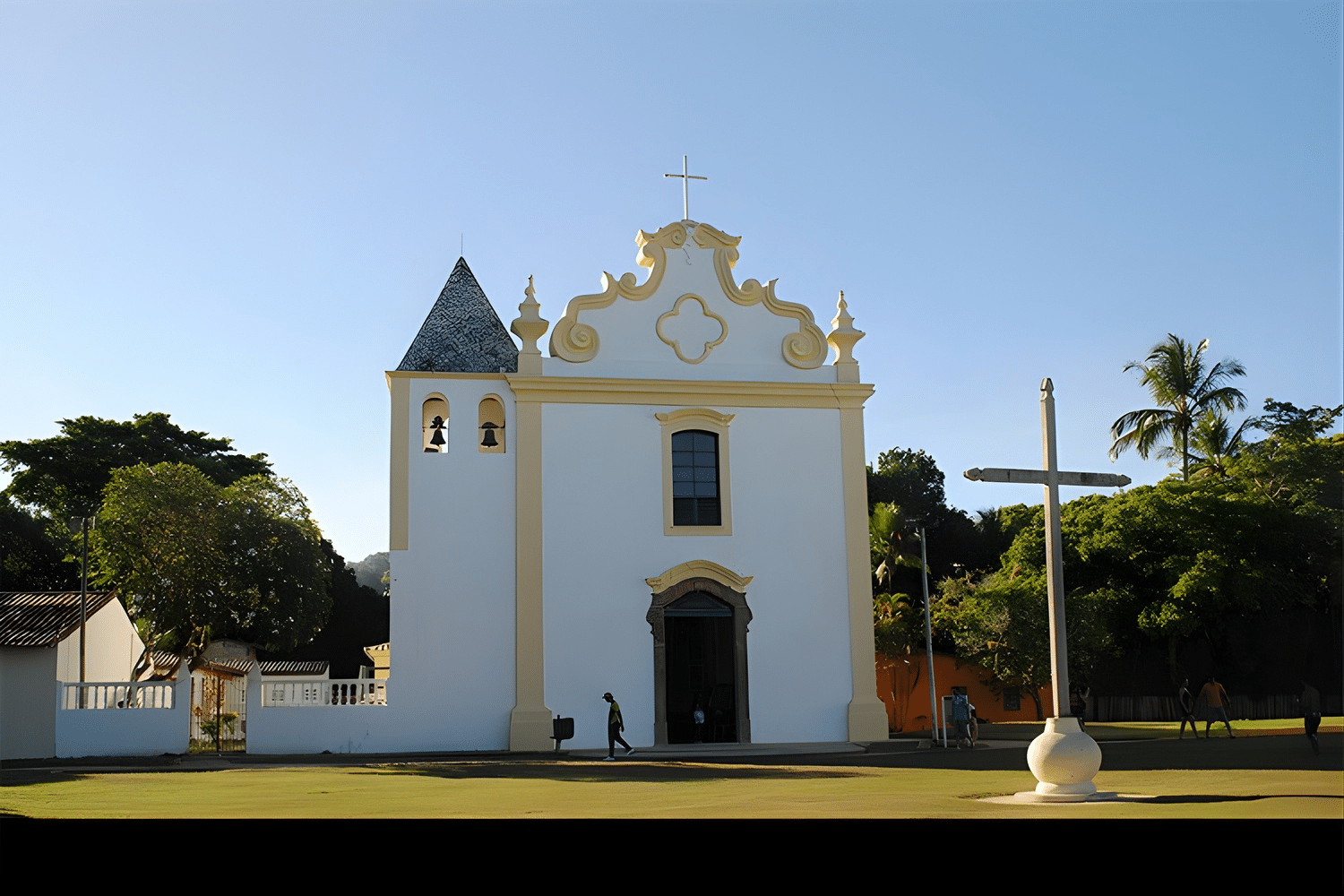
1.1. Church of Our Lady of Pena
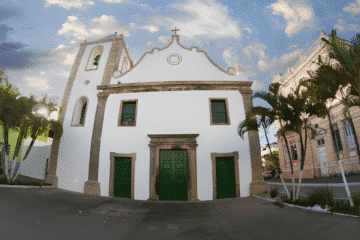
Built in the 16th century (known as 1535 in local sources), the church is one of the oldest in the country, notable for its colonial architecture and historical value.
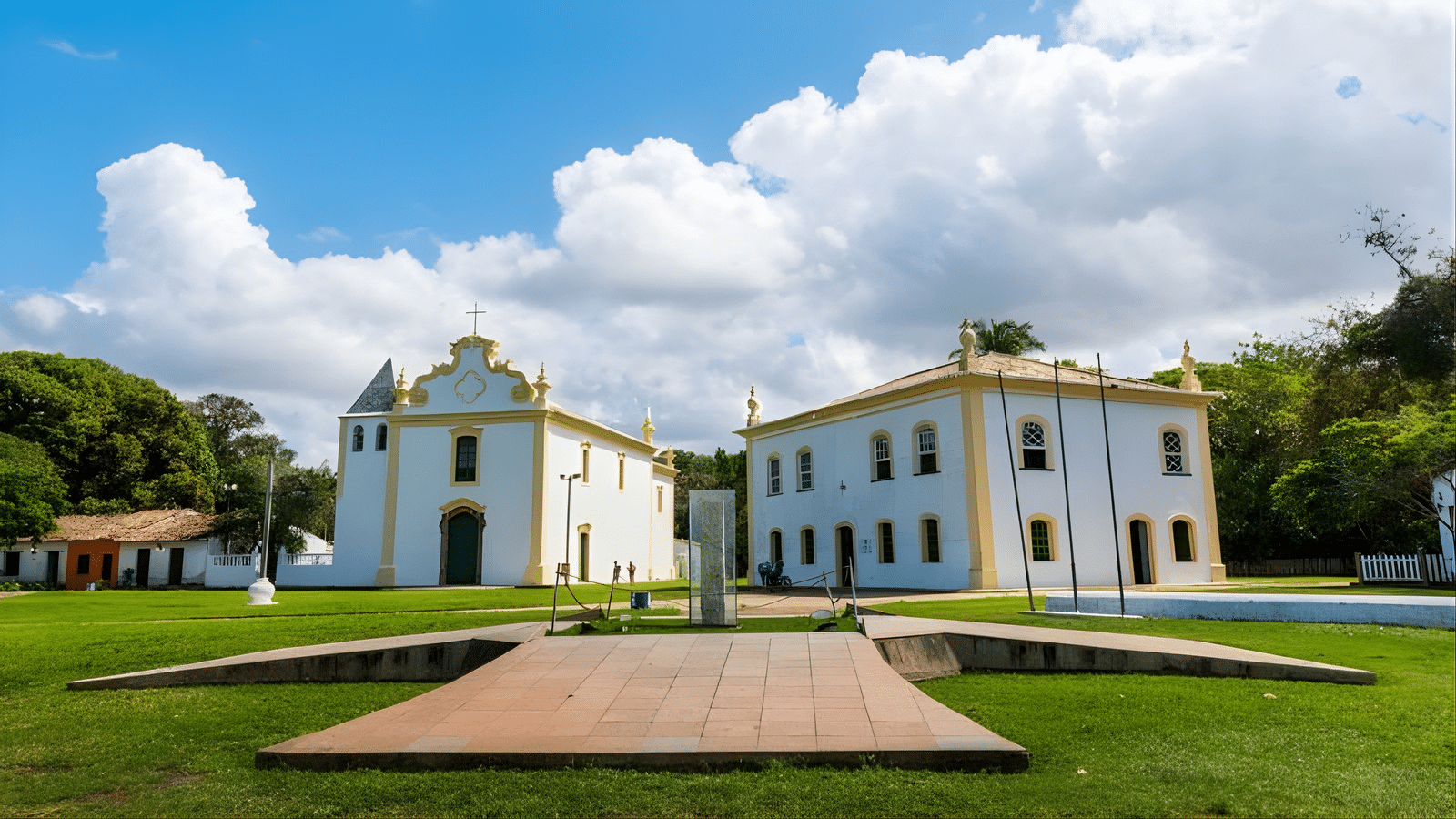
1.2. Porto Seguro Museum
Housed in the former Town Hall and Jail, the museum features exhibitions on the discovery and local history, with historical artefacts and documents.
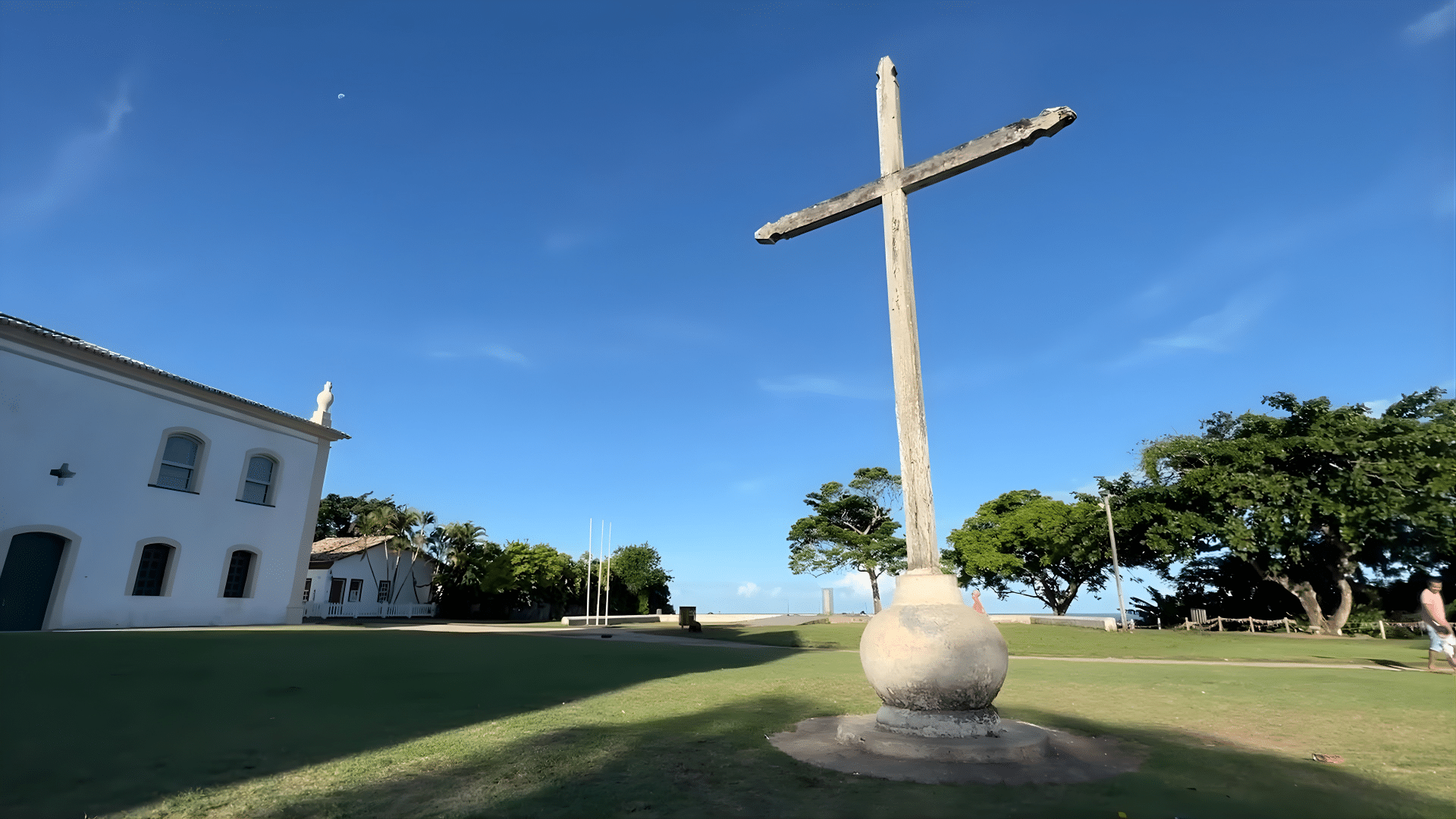
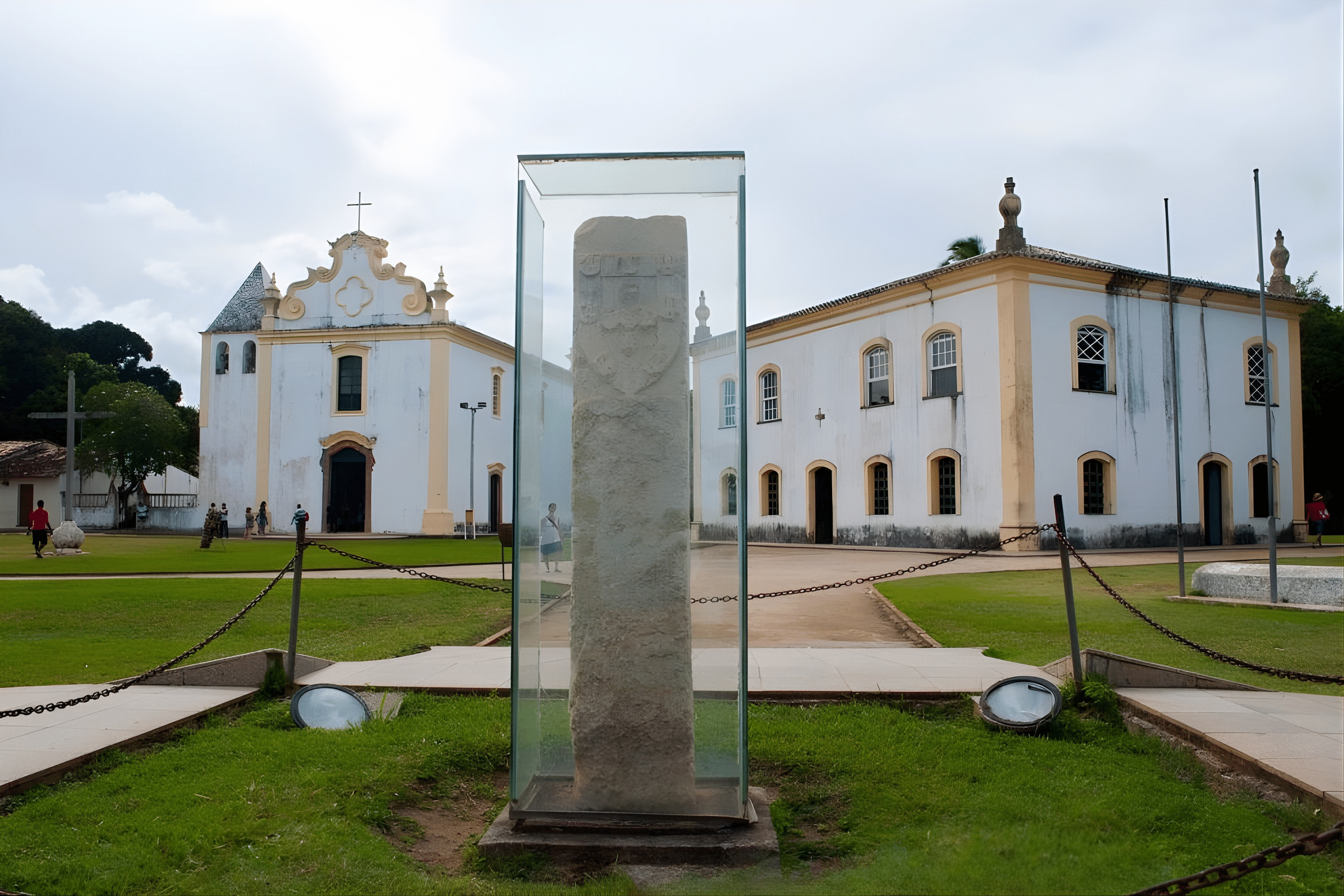
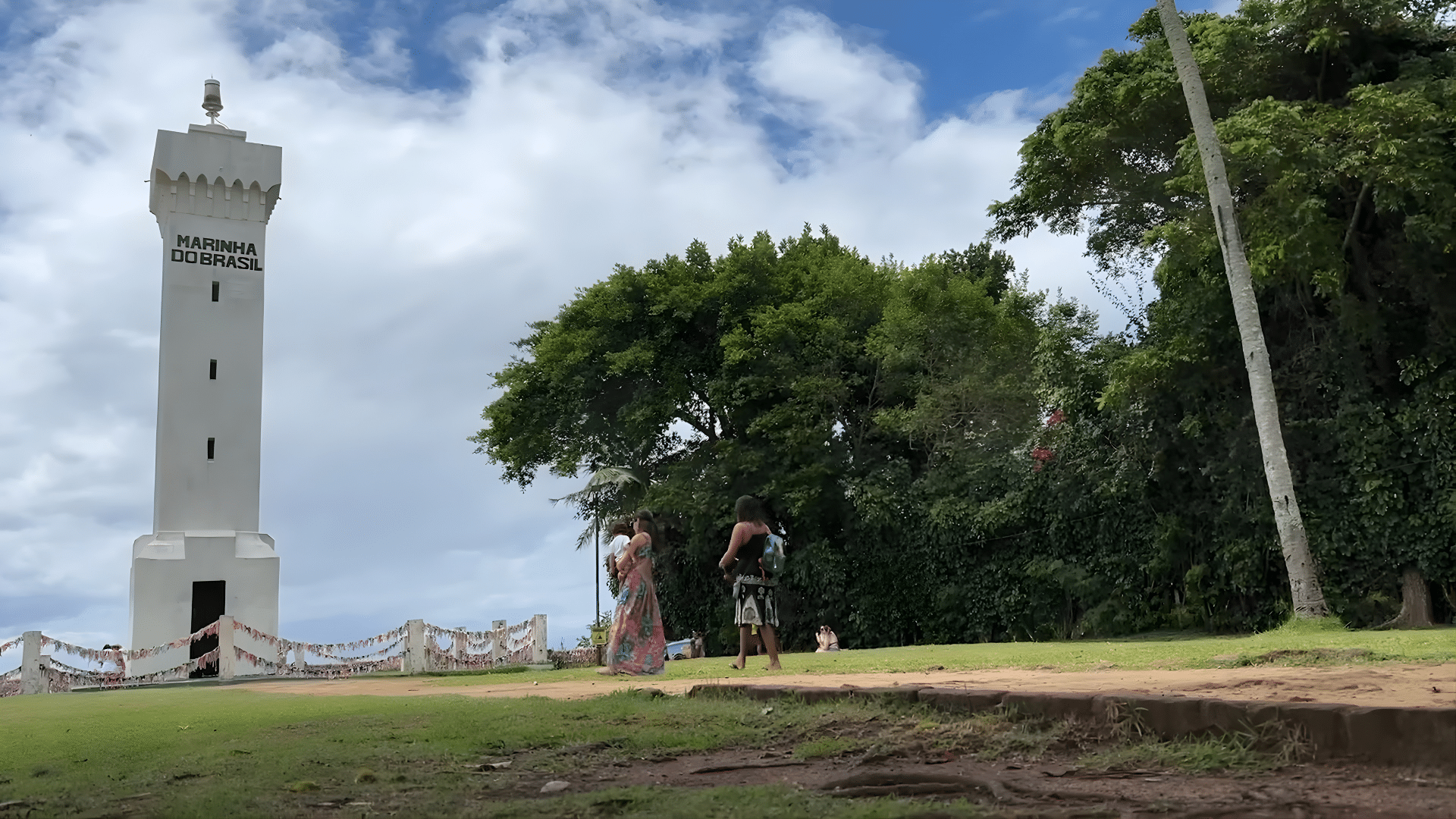
1.3. Discovery Landmark
Monument symbolising the arrival of the Portuguese in Brazilian territory, considered a local icon.
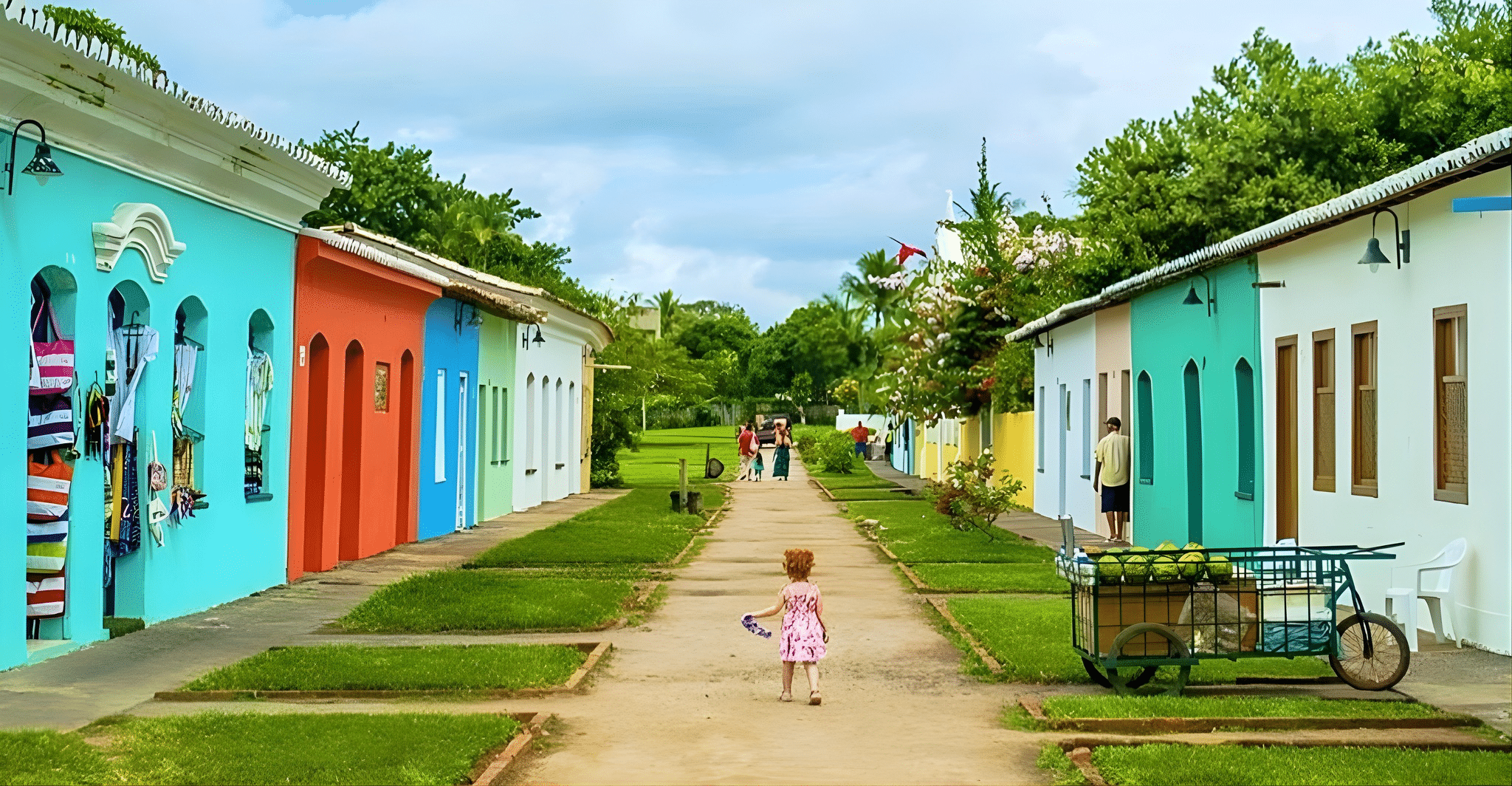
1.4. Strolling through the Upper Town
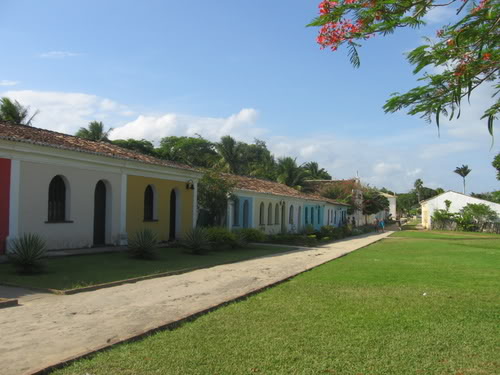
Walking through the cobbled streets allows you to admire the colonial architecture and preserved buildings dating back to the colonial period — a veritable open-air museum.
2. Discovery Walkway (Alcohol Walkway)
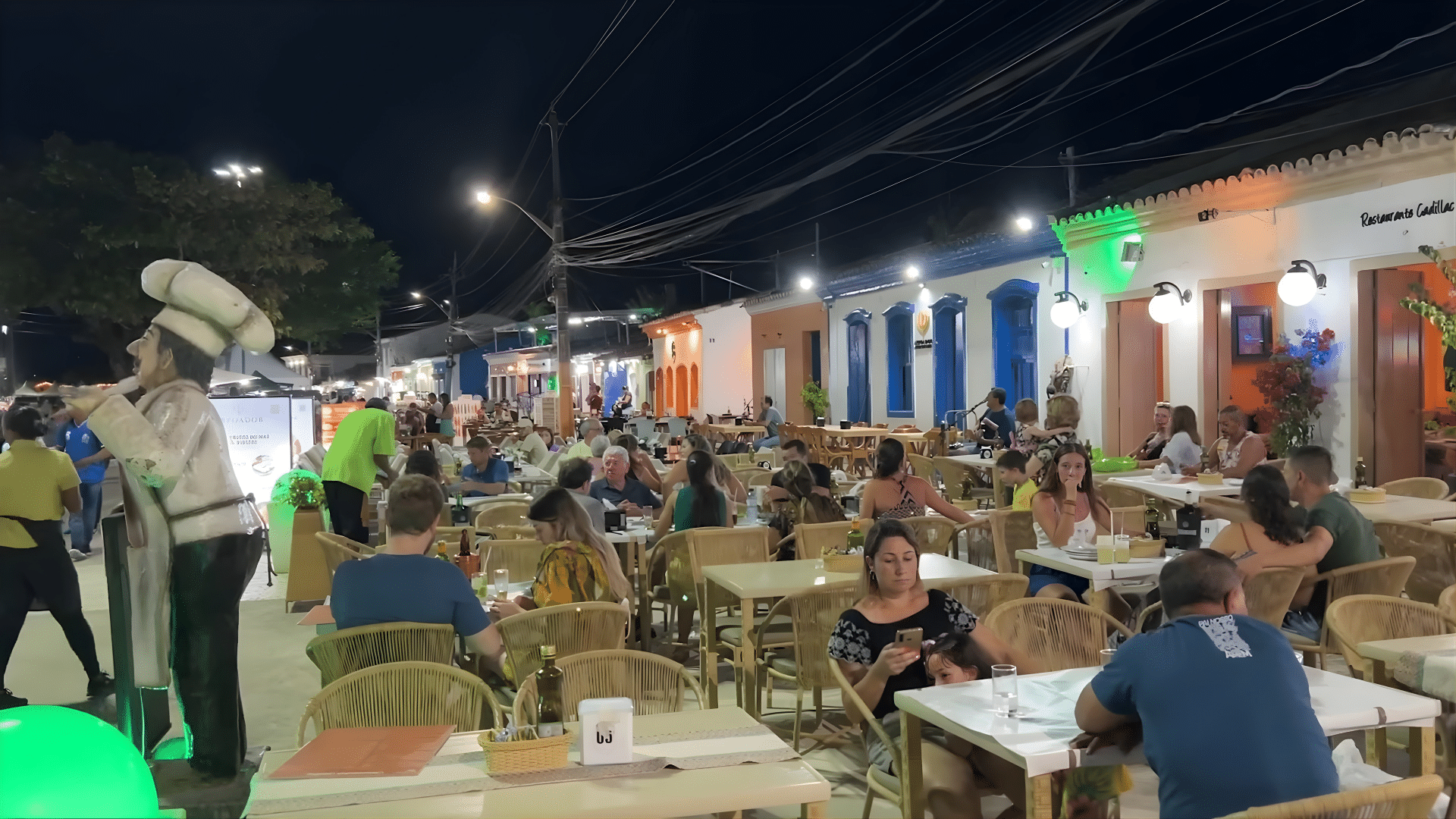
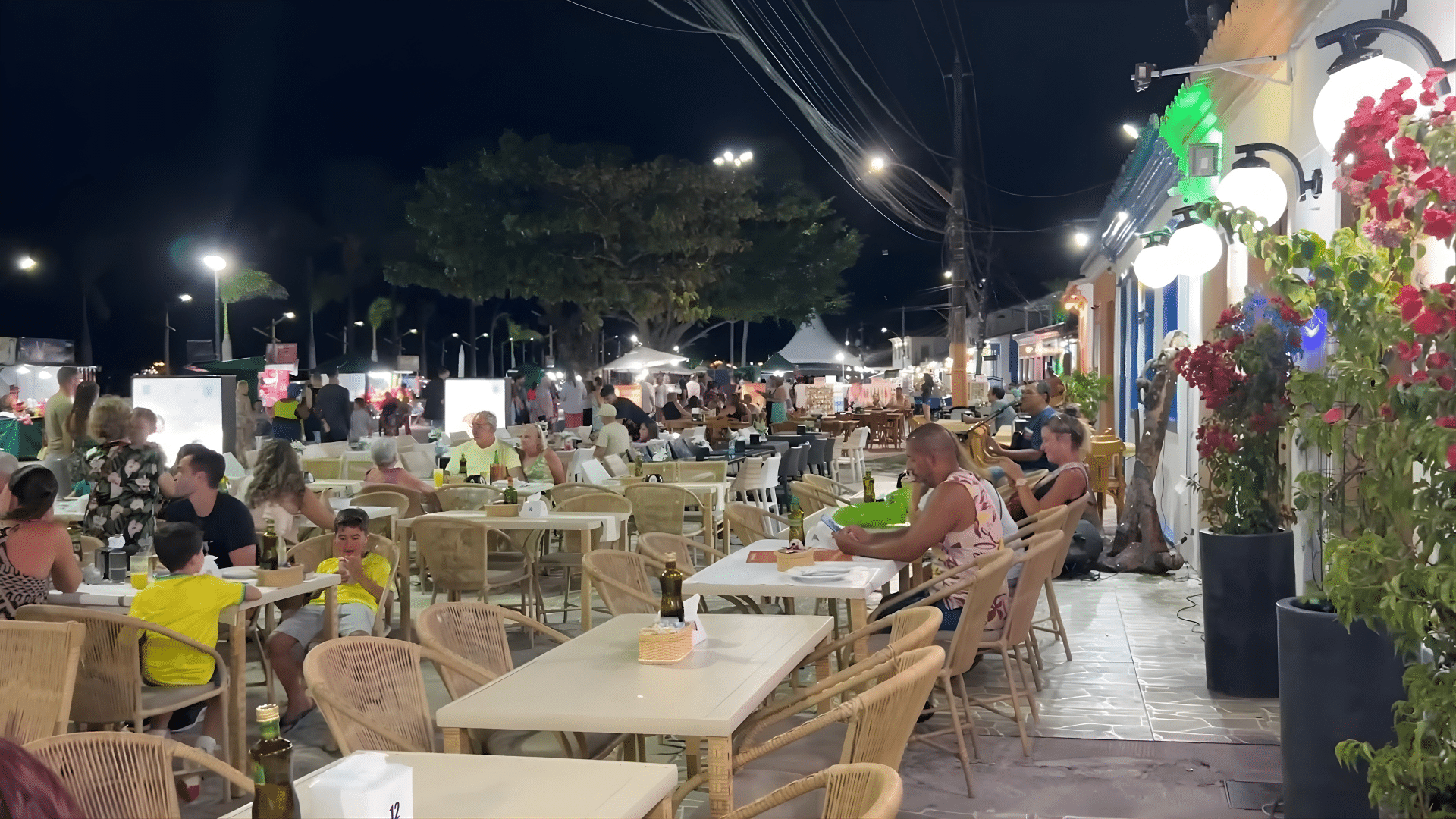
A street lined with bars, restaurants and craft shops, the hub of nightlife and casual dining.
2. Beaches in Porto Seguro and surrounding areas
Discover the main beaches in the municipality and nearby stretches recommended for swimming, facilities and walks.
1. Taperapuã Beach
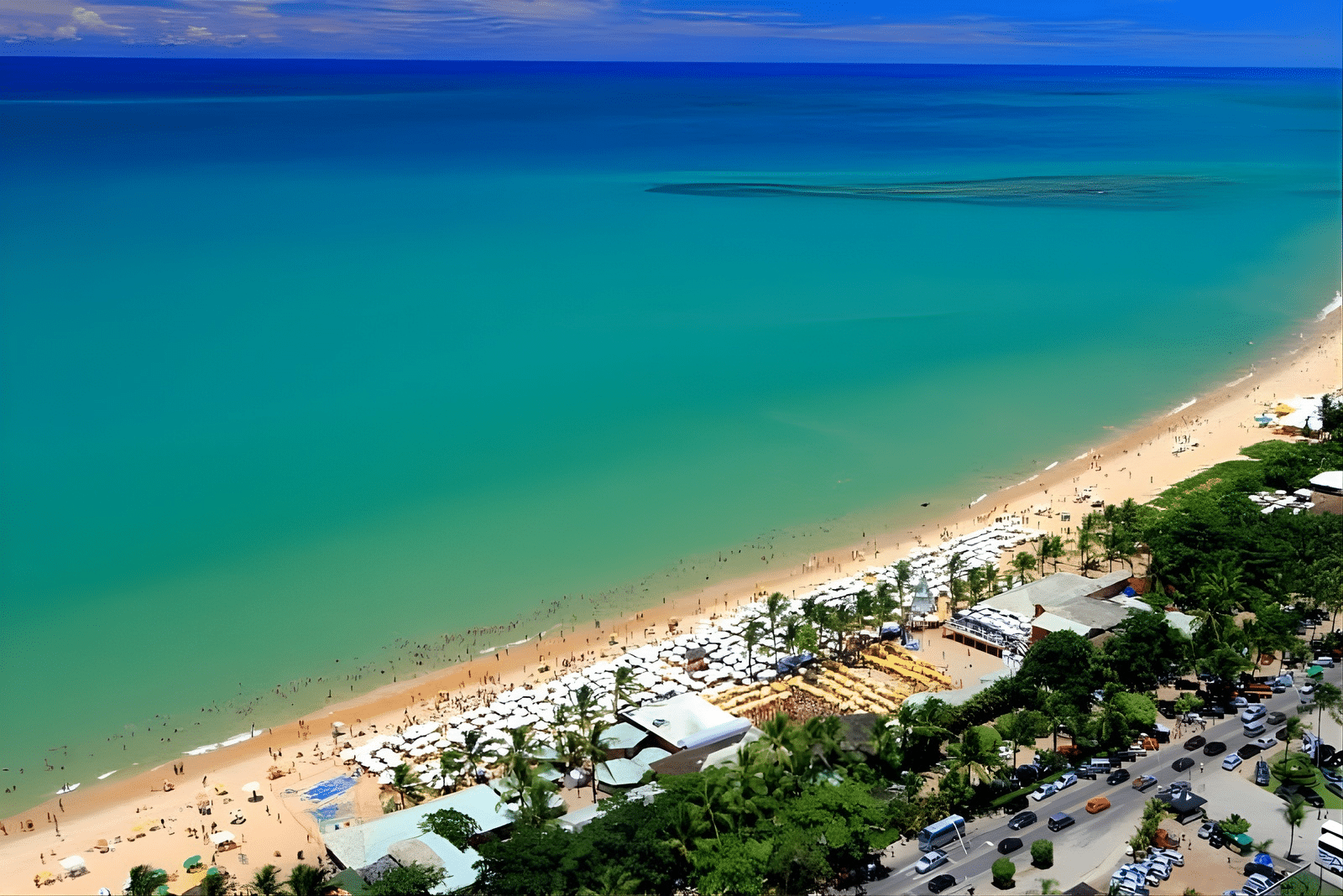
Urban beach with good infrastructure of beach huts (Axé Moi, Tôa Tôa, Barramares), tourist services and water sports options. Ideal for those seeking entertainment and easy access.
Best for: entertainment, sunsets, daytime excursions, and lively evenings.
2. Mundaí and Mutá Beach
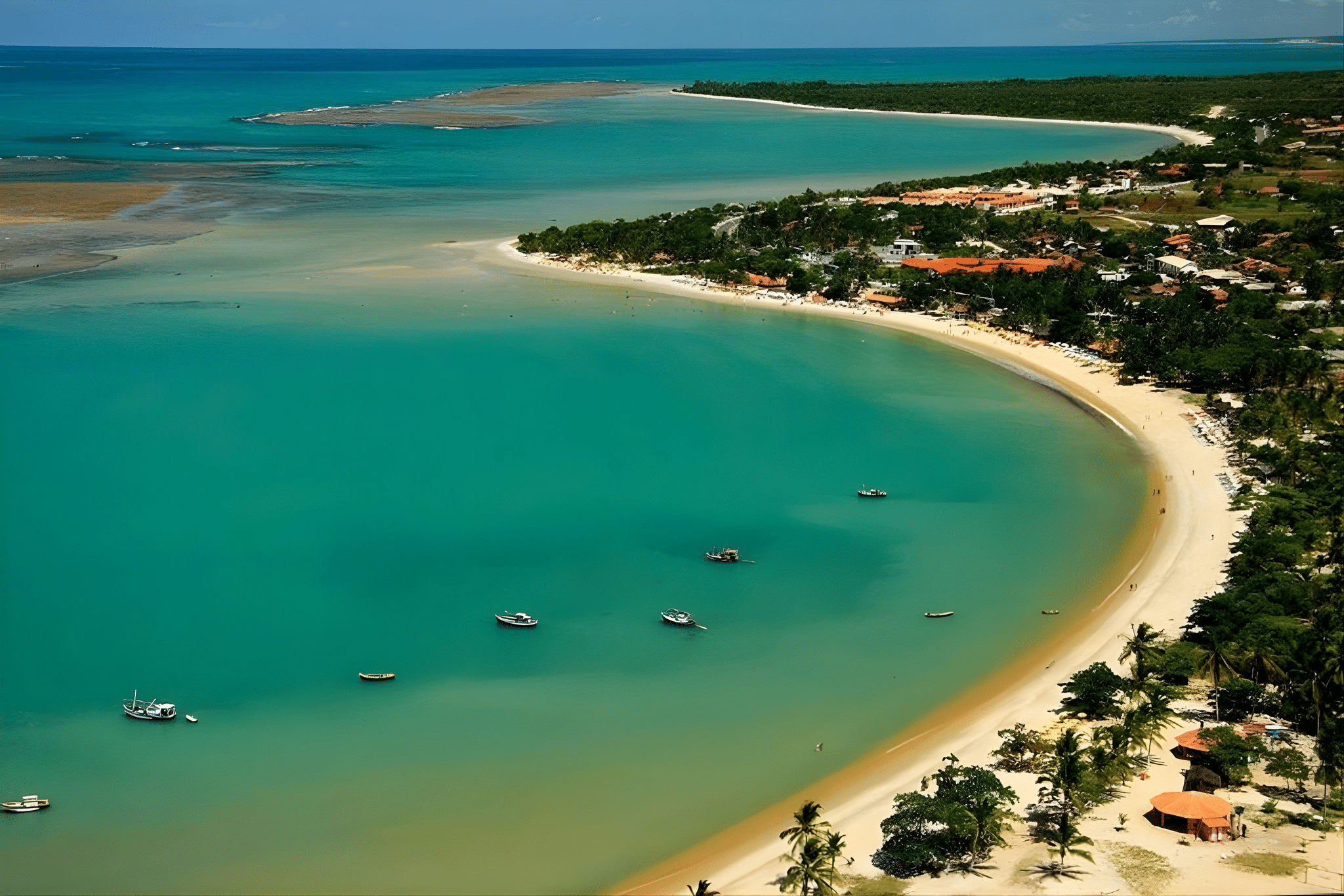
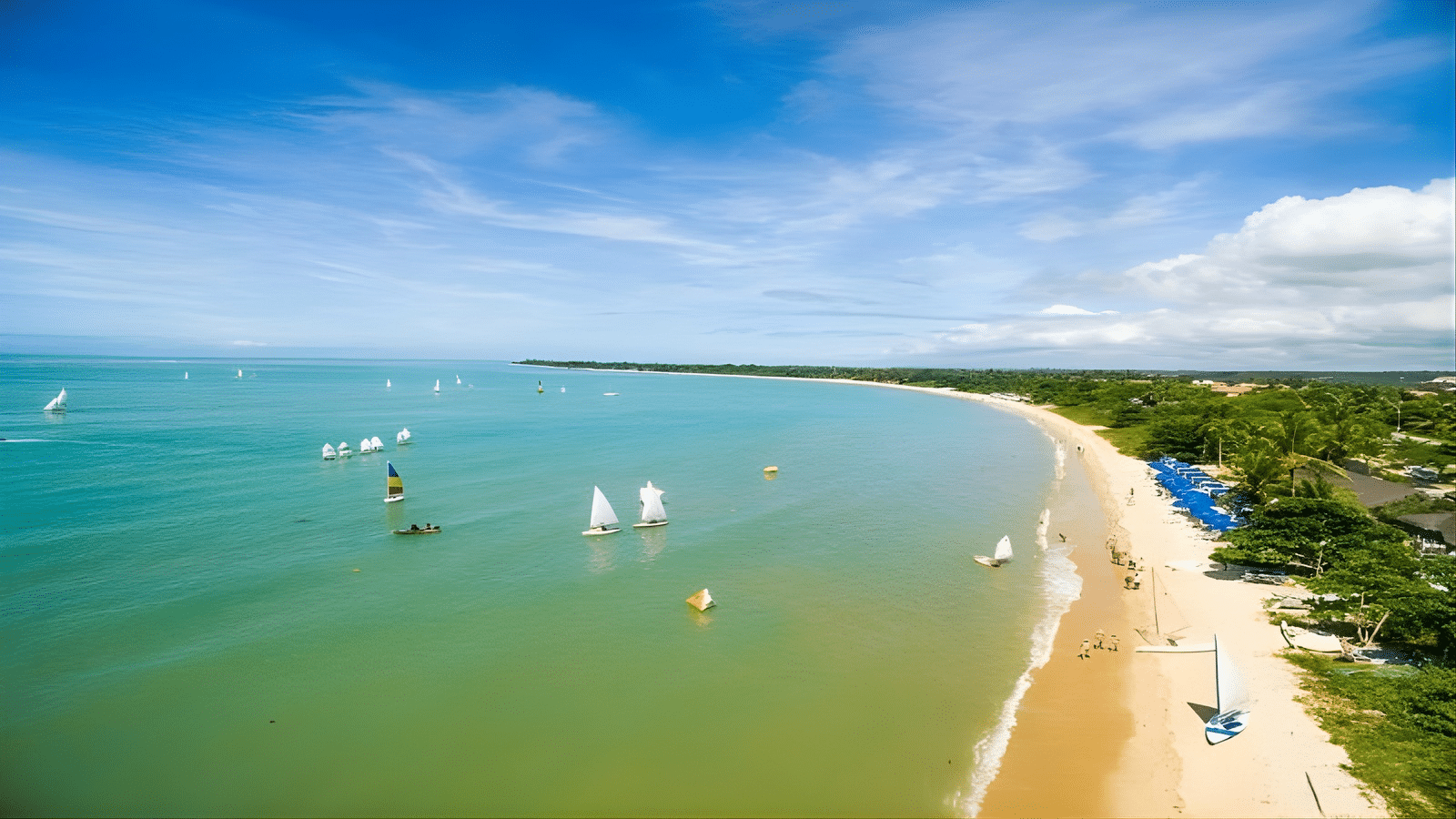
3. Coroa Vermelha Beach
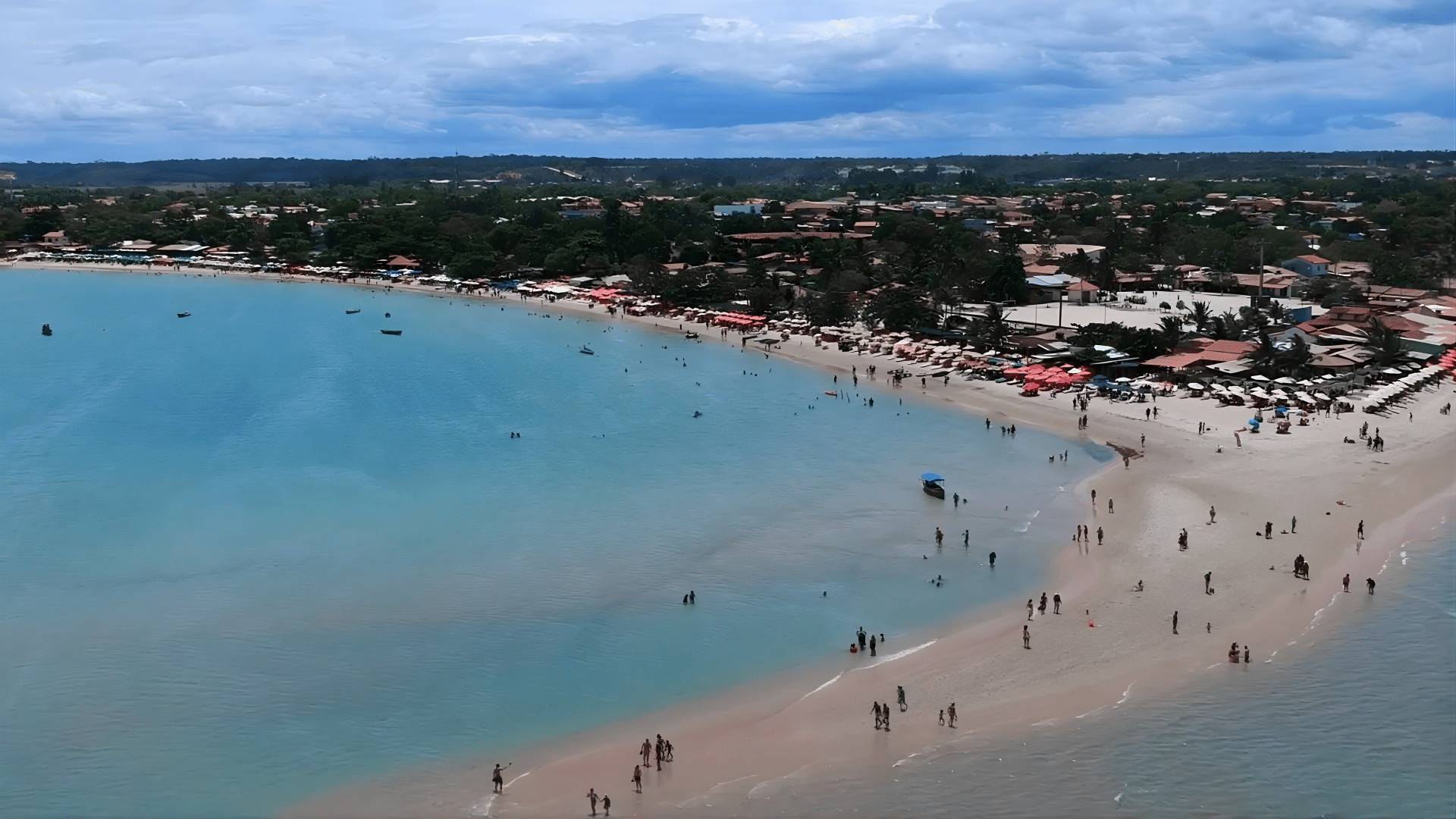
A place with a strong Pataxó presence, with a craft fair and historical memories of the colonial period. Calm sea in some areas, good for shopping and cultural tourism. Best for: local culture, craft shopping, swimming in calm waters.
4. Cruzeiro Beach
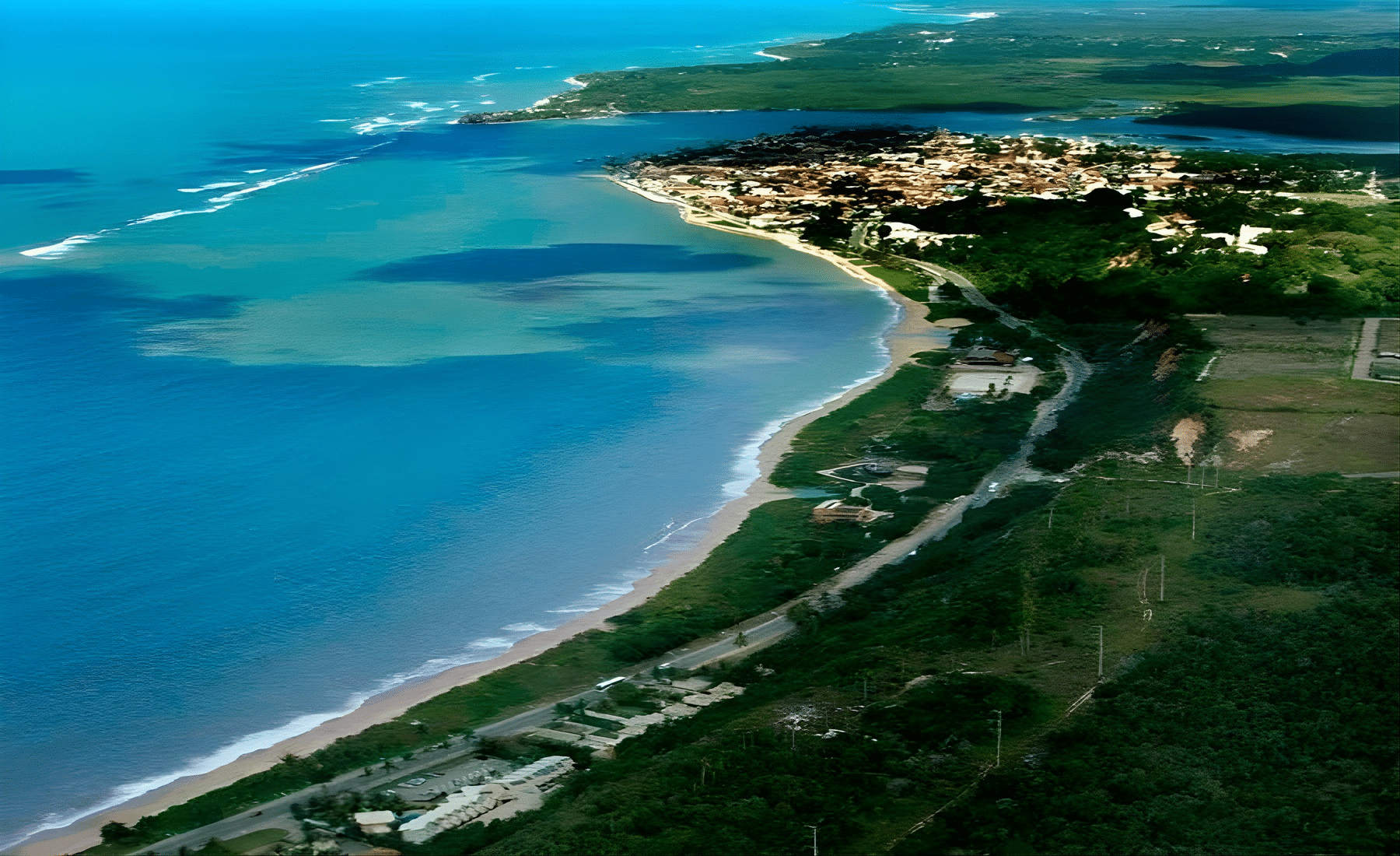
A more rustic area with camping options and basic infrastructure. Recommended for those seeking economy and proximity to nature.
Best for: camping, budget-friendly, contact with nature.
5. Ponta Grande Beach
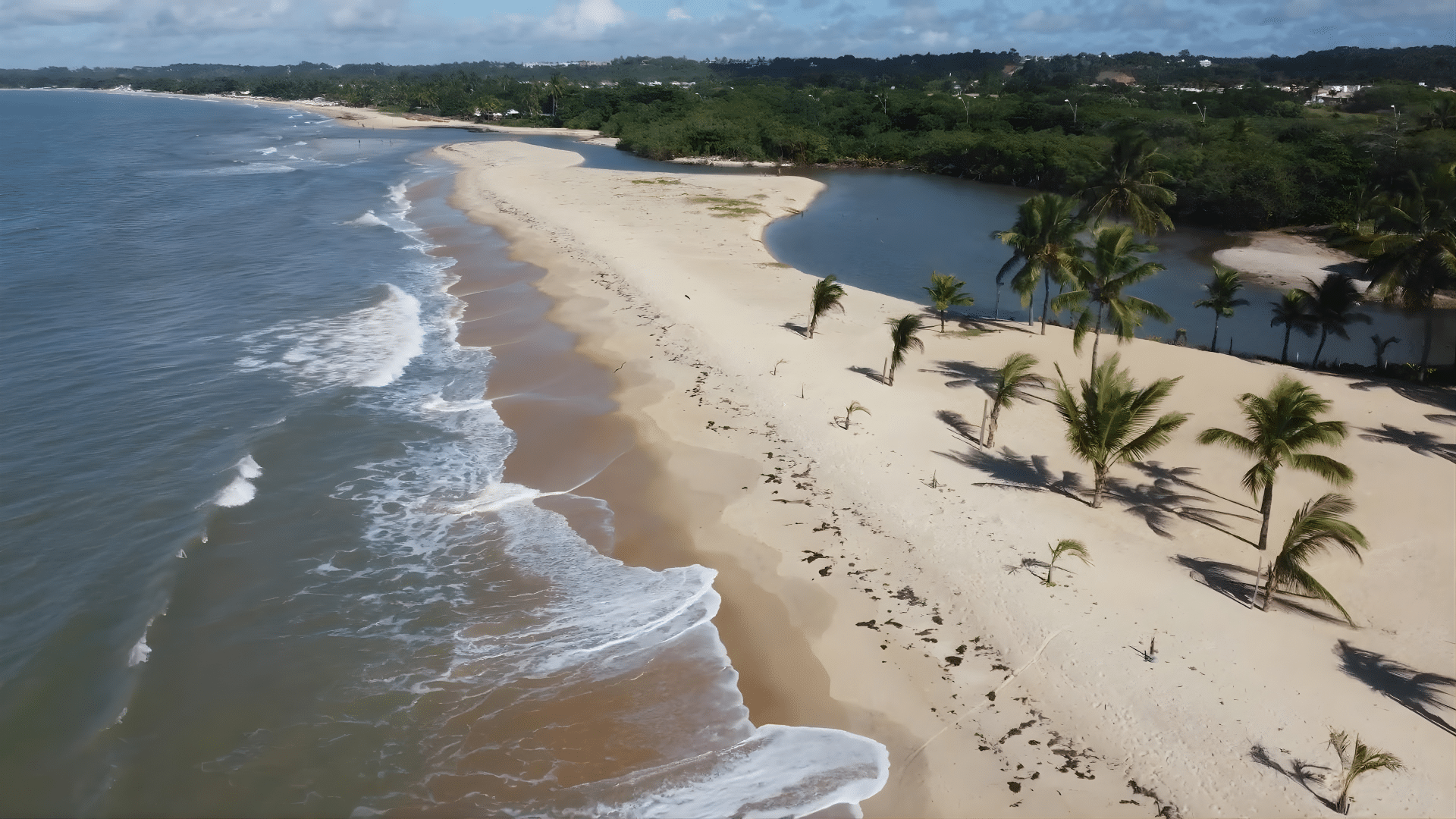
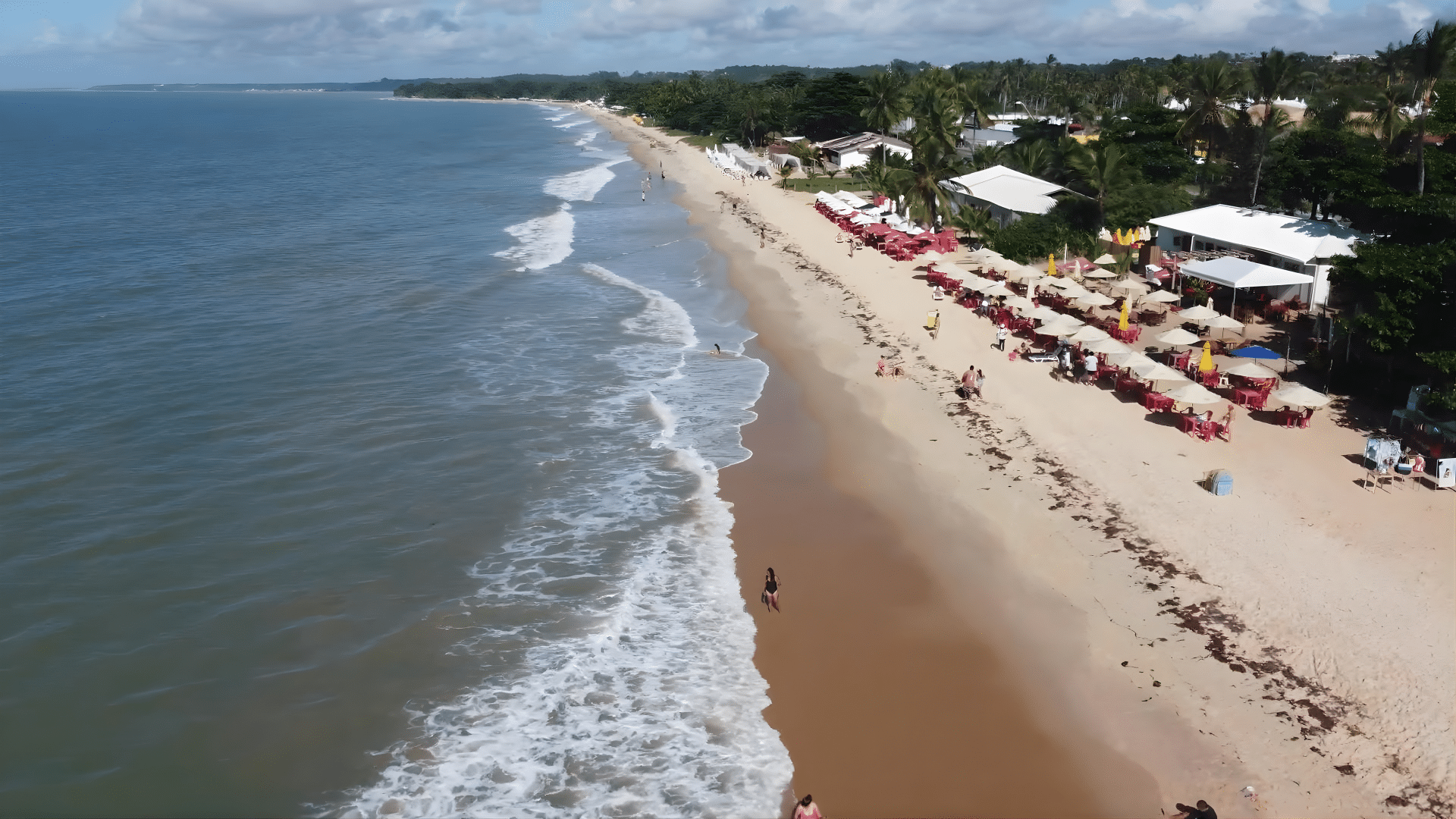
Calm sea, kayak hire, motorboat trips and leisure options on the beach.
Best for: light water sports and swimming.
6. Rio dos Mangues Beach (Barramares)
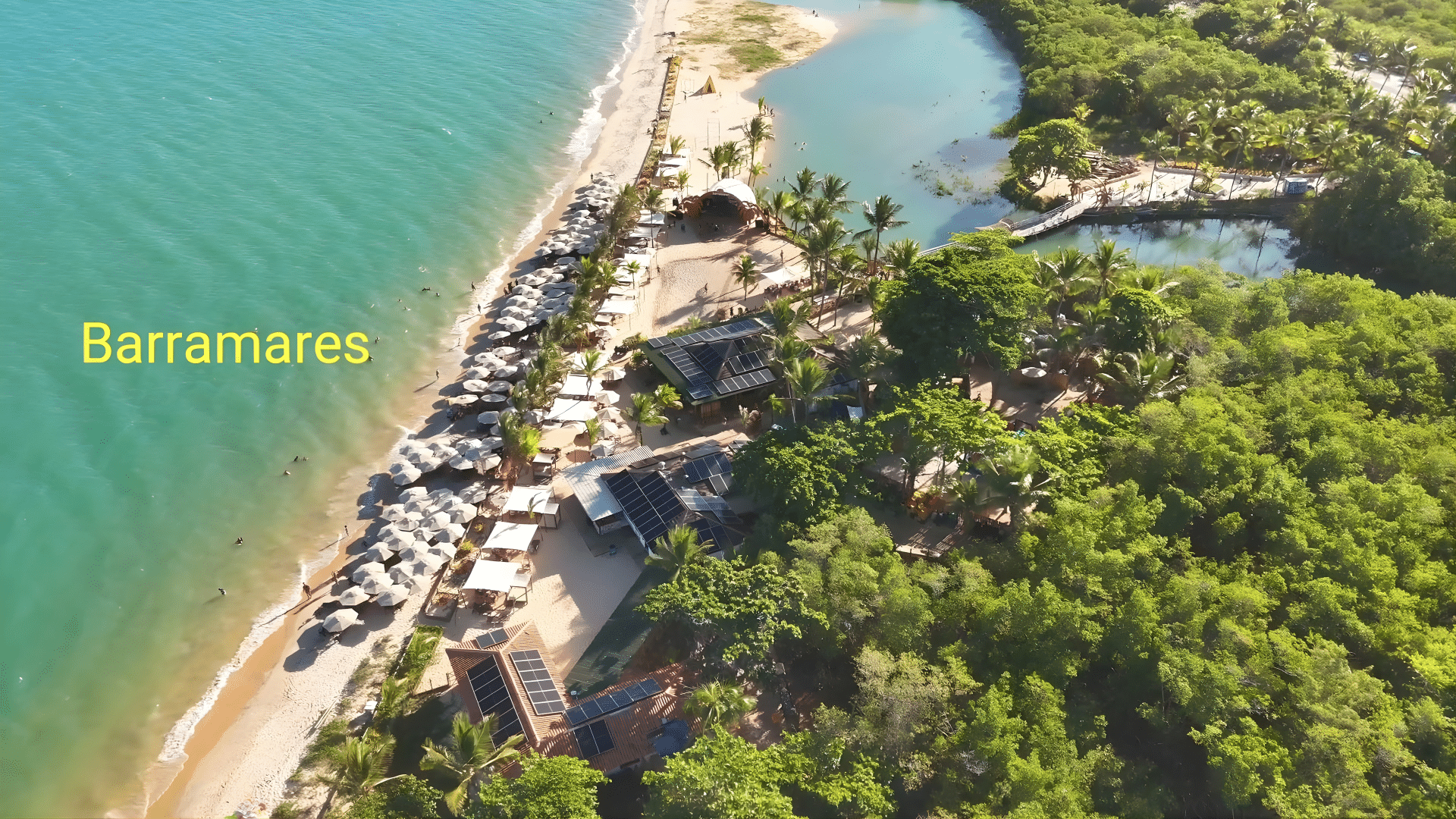
Known for its Barramares beach bar, it offers complete facilities, tours and sports options such as banana boating and microlighting (safety according to operator).
Best for: beach parties, facilities, and sports.
7. Praia do Curuípe
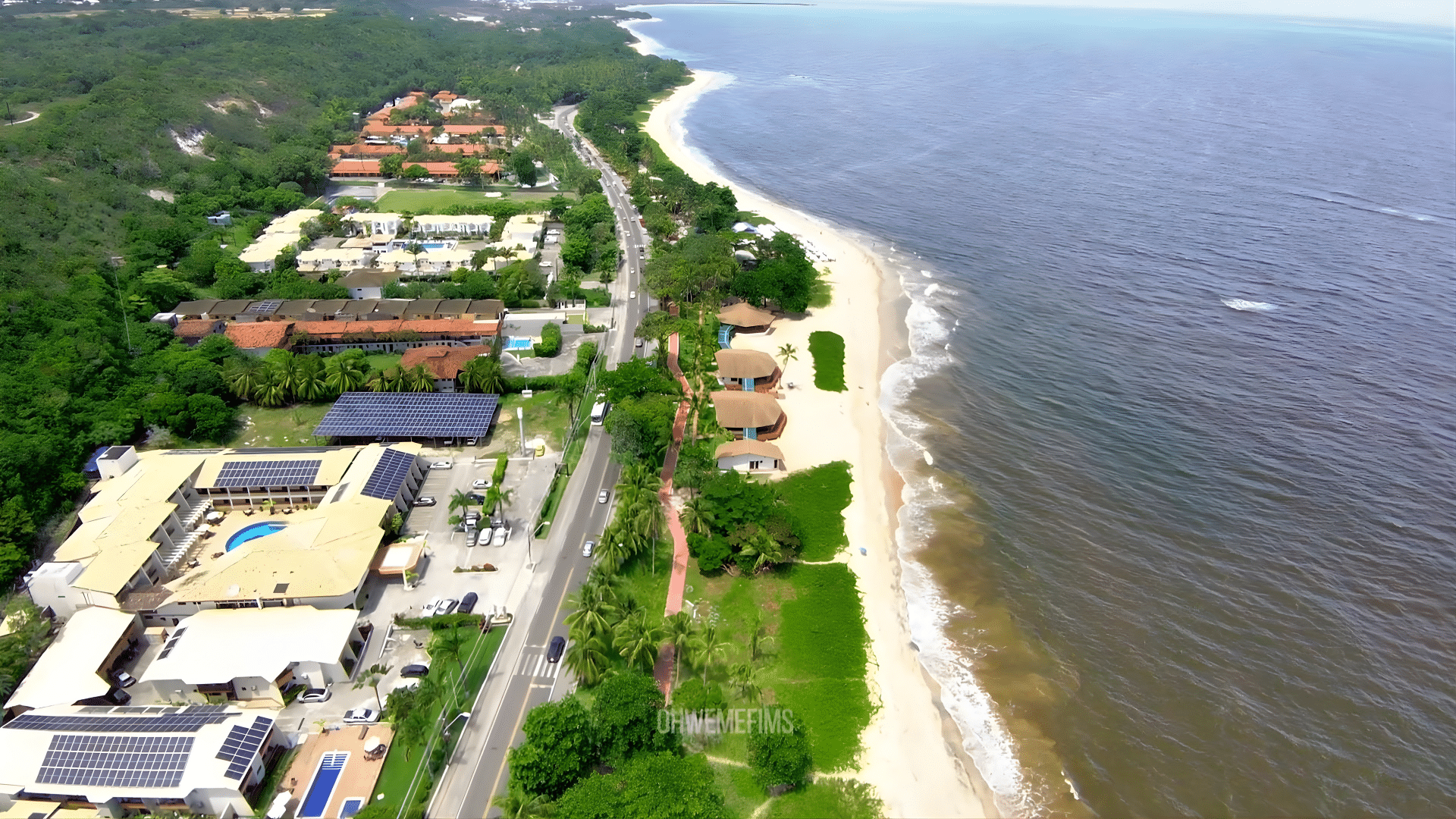
Sections with reefs and formations that create natural pools at low tide — good for swimming and marine observation at low tide times. Best for: natural pools, scenery and photography.
8. Itacimirim Beach
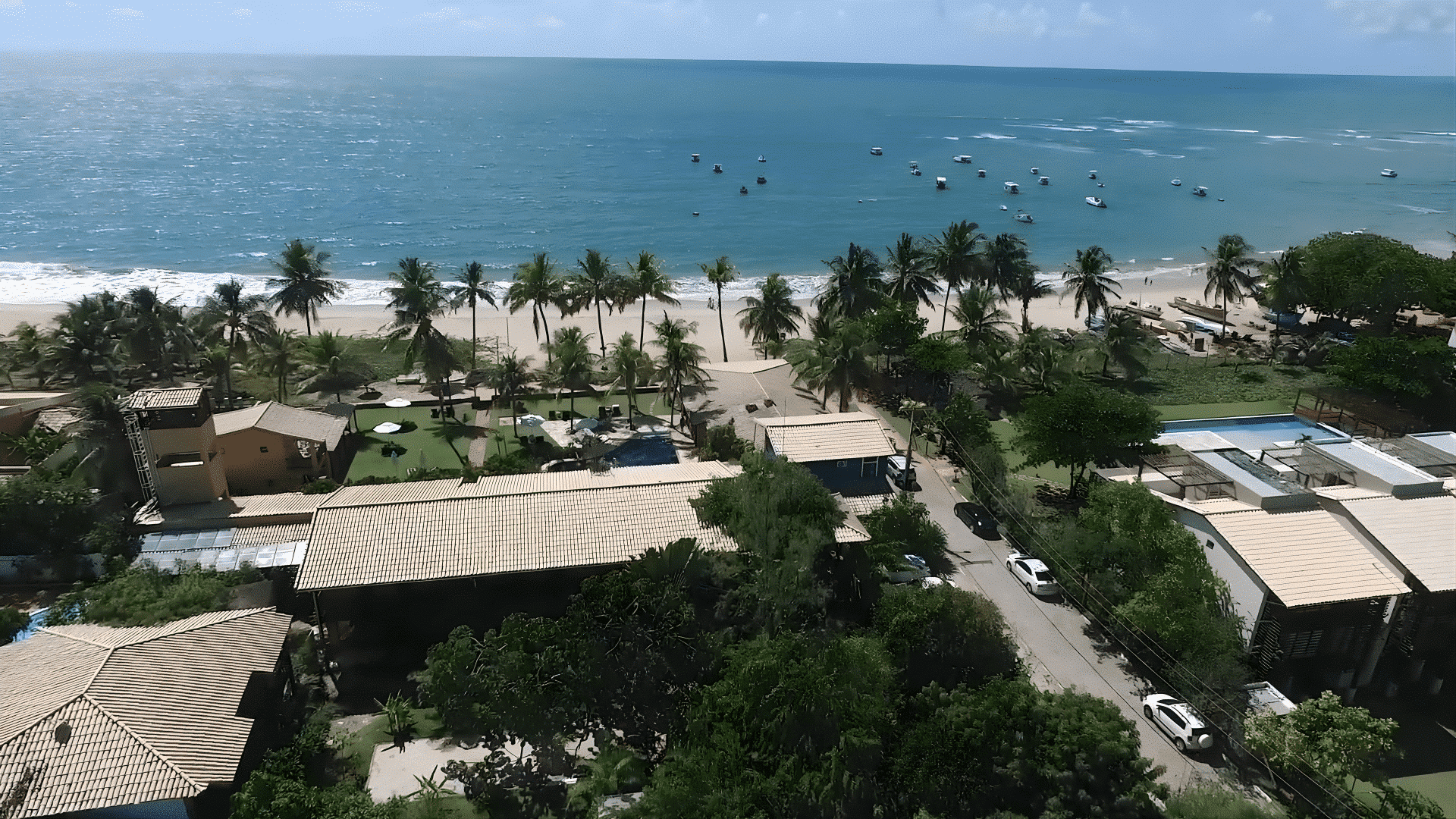
A small, charming beach with a strip of sand for walking and nearby guesthouses; a more peaceful atmosphere.
Best for: hiking, staying in guesthouses and tranquillity.
9. Praia do Espelho (day trip / overnight stay)


Considered one of the most beautiful beaches in the region (located between Trancoso and Caraíva). Accessible on a day trip depending on the itinerary or by staying overnight in Trancoso.
Best for: photography, landscapes, and boutique accommodation.
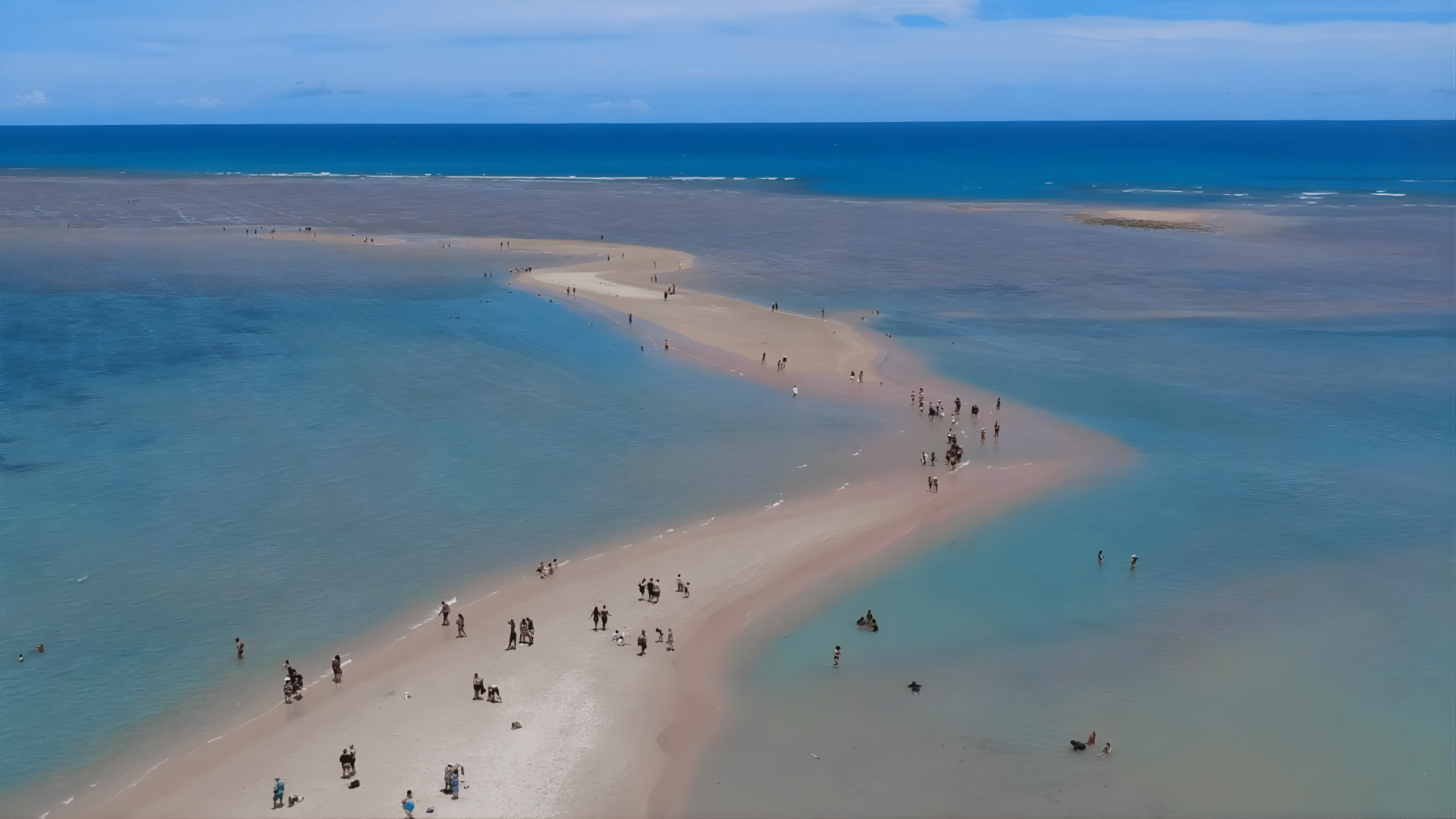
10. Coroa Alta (Santa Cruz Cabrália) — schooner tour
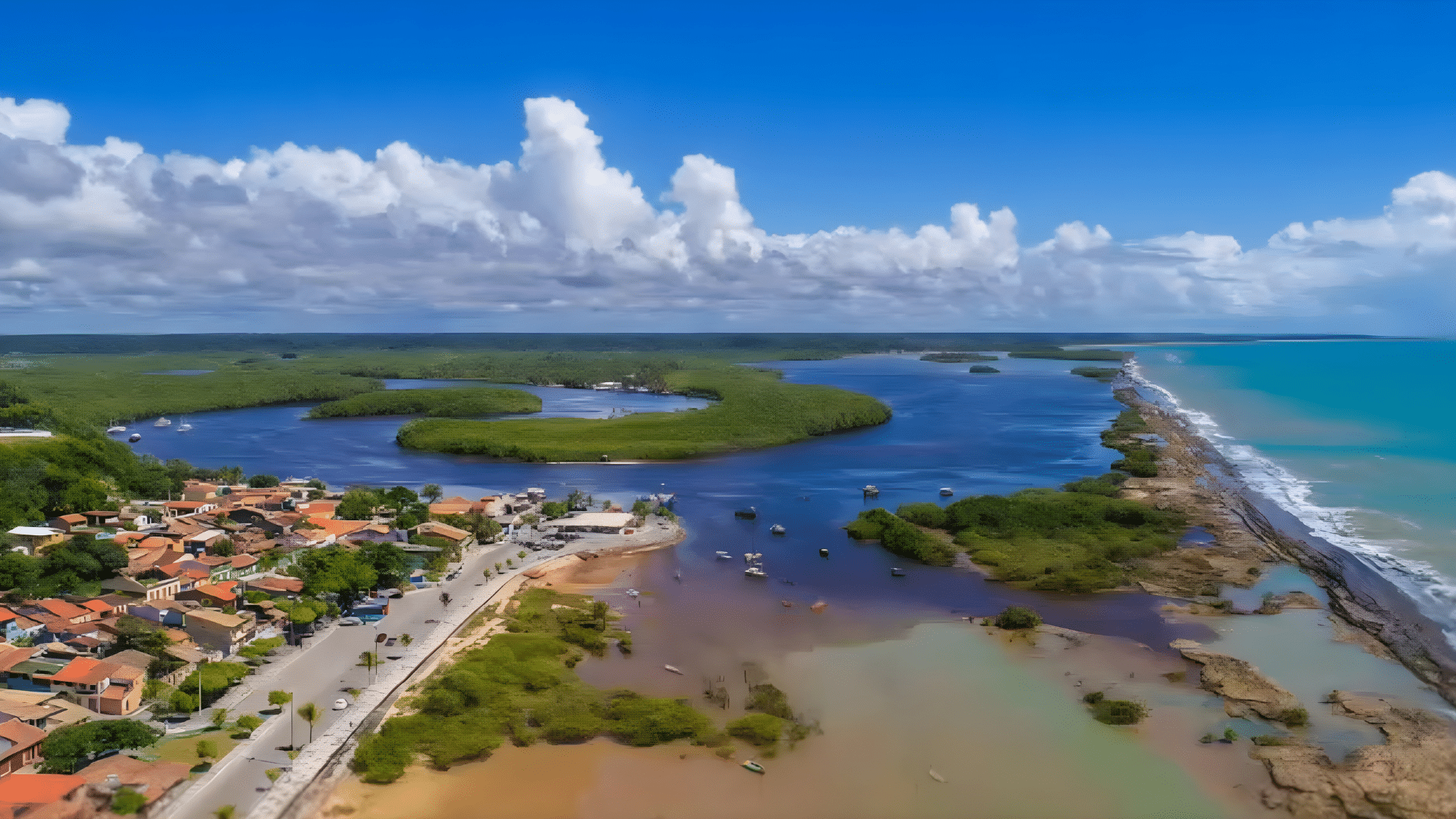
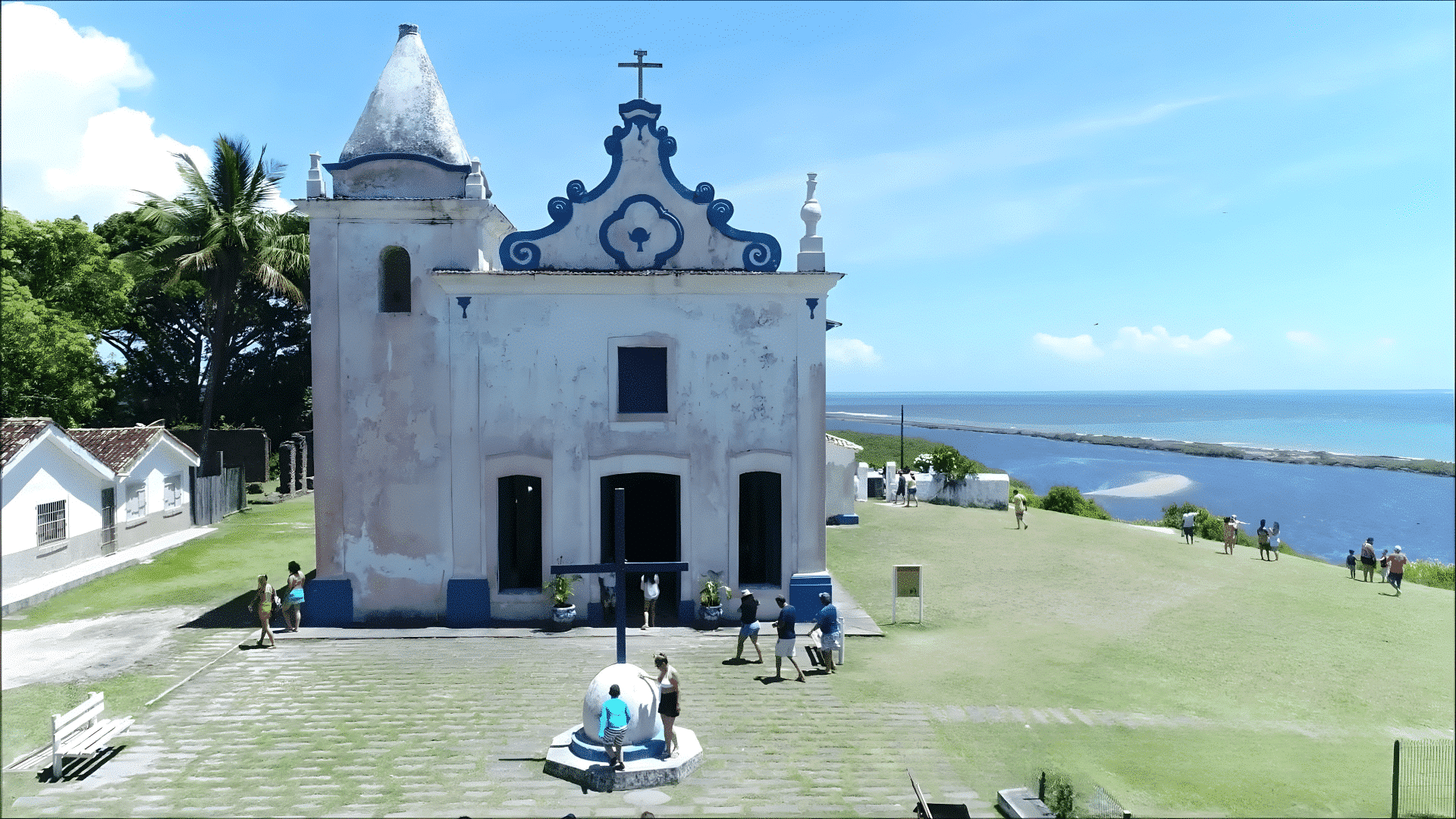
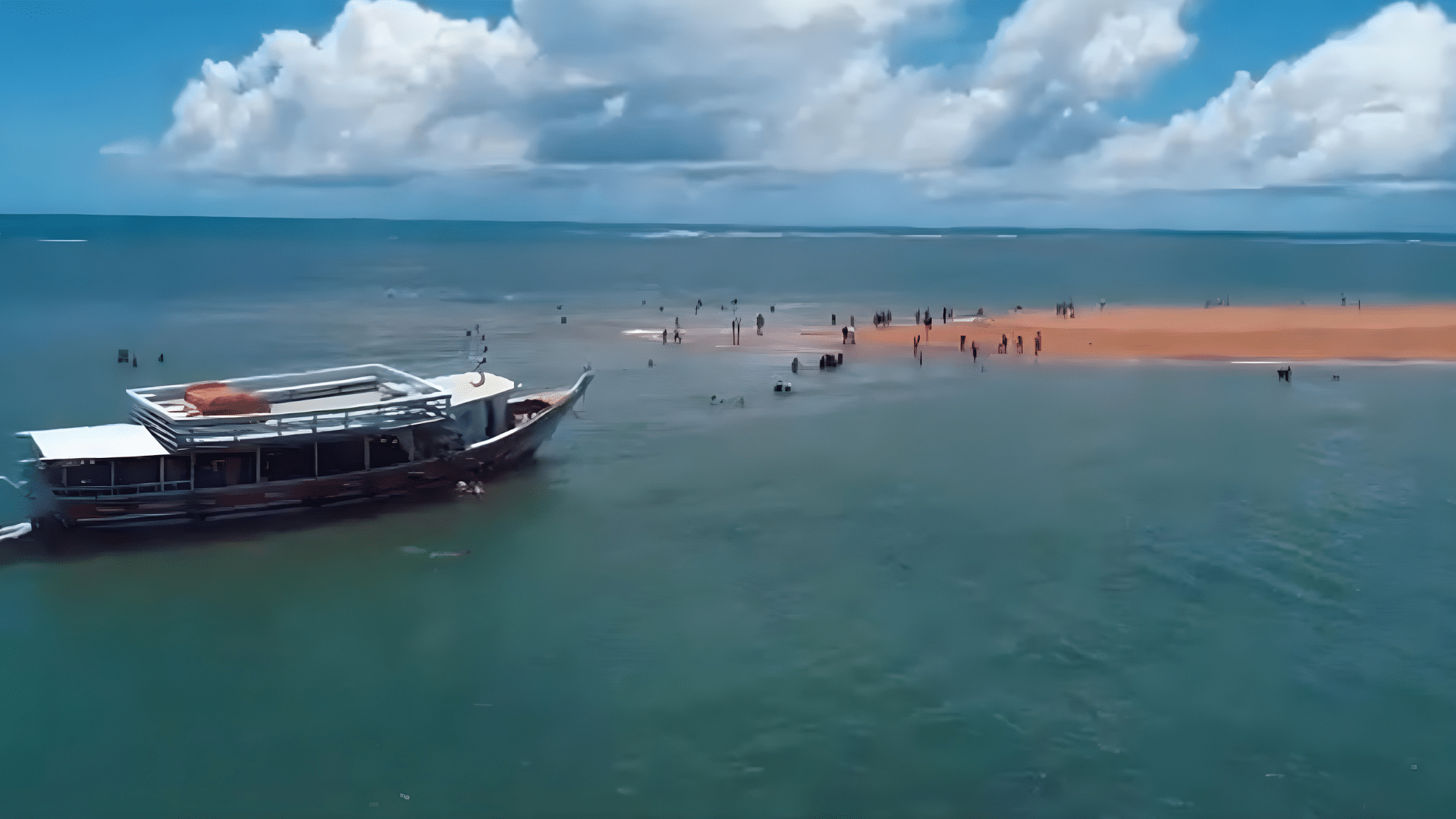
Sandbank visited by schooner tours departing from Porto Seguro and Cabrália — great for photos, shallow swimming and relaxing during the tour.
Best for: schooner tours and sandbanks.
3. Boat trips and diving
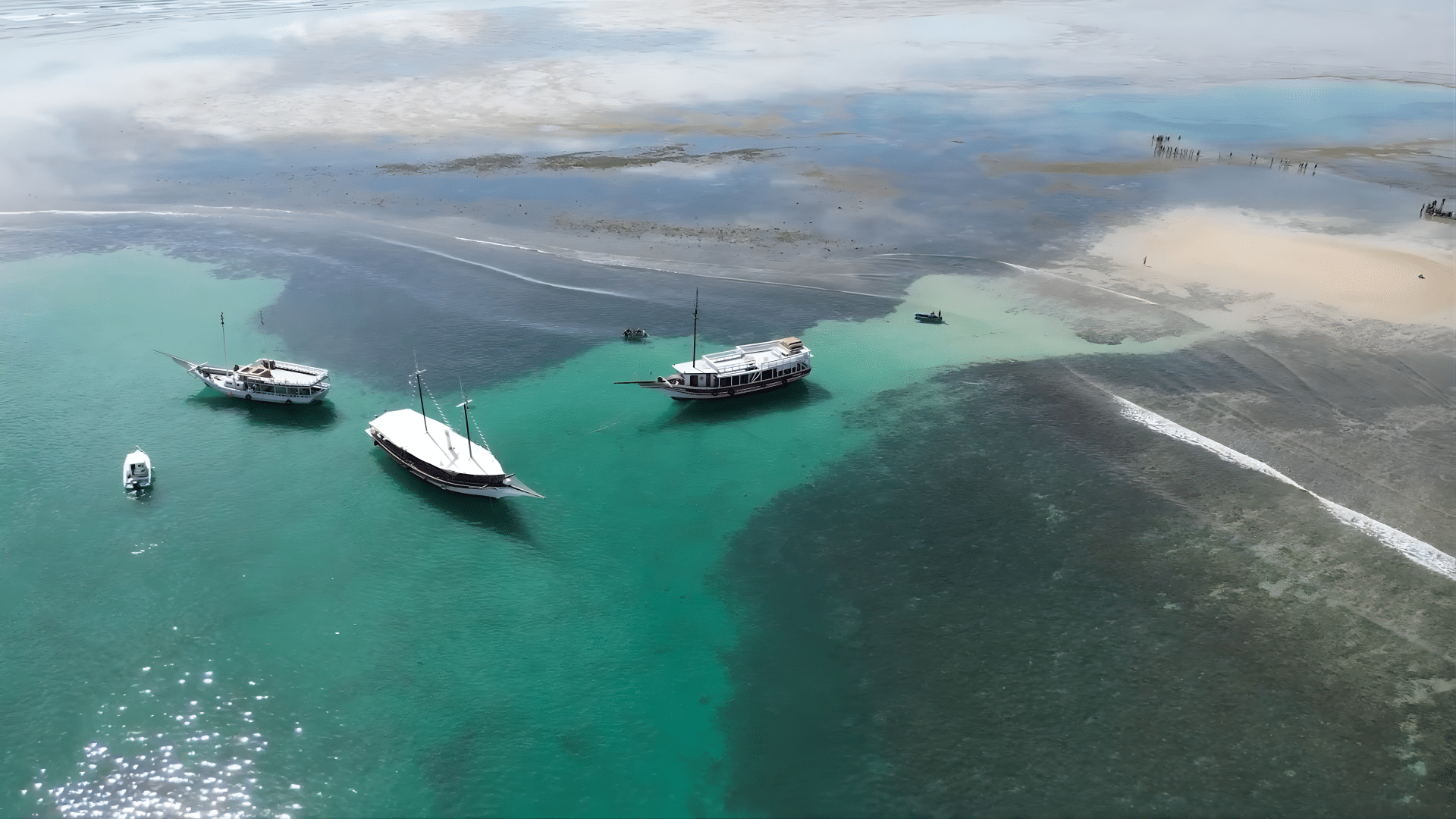
Schooner and motorboat trips take you to sandbanks and natural pools, ideal for snorkelling. There are protected areas with reefs that deserve conservation — choose responsible operators.
4. Visit to Pataxó villages
Cultural experience with crafts and traditional activities; book with local guides and respect community rules.
5. Activities and ecotourism
Stand-up paddleboarding, kayaking, kitesurfing, hiking and tours in local conservation areas. Find out about marine wildlife seasons and visiting rules before you set off.
6. Gastronomy
Seafood dishes, Bahian moqueca, acarajé and flavours with dendê. Try local markets and stalls for regional snacks.
How to get there
Airplane: Porto Seguro Airport (BPS) receives regional and national flights. Car/bus: Access via the BR-101 and BA-001 motorways; regional bus companies operate routes to the city. Ferry: Crossing between Porto Seguro and Arraial d’Ajuda.
Best time to visit
High season: December to February (hot weather and busier). Months with less rain and good beach weather: September to November and March to May.
Practical tips
- Use sunscreen and stay hydrated.
- Bring some cash for markets and crafts; cards are widely accepted in larger establishments.
- Book tours and accommodation during the high season.
- Hire accredited guides for trails and village visits.
- Preserve mangroves, reefs, and natural areas — avoid touching corals and collecting live shells.
Suggested itinerary (3 days)
- Day 1: Historic Centre and Discovery Walkway at night.
- Day 2: Taperapuã Beach and schooner trip with snorkelling.
- Day 3: Day trip to Arraial d’Ajuda or Trancoso / shopping in Coroa Vermelha.

Publicações Relacionadas
History of the Cathedral Basilica of Salvador
Tourist Guide to the Pantanal in Bahia — Jaguaripe (BA) | Mangroves, Fishing and Excursions
The best beaches near Salvador (distance, facilities and tips)
História da Arte - Caracteristicas, Aspectos e Periodos
Discover the Magnificence Fort of Nossa Senhora de Monte Serrat
Bom Jesus dos Passos Island: A Complete Guide (Beaches, Church and How to Get There)
Bay of Todos os Santos: nature, history and cultur
Costa do Dendê: A Tropical Paradise in Bahia
Lauro de Freitas — A comprehensive guide to beaches, culture and leisure
Garcez Beach: Discover Paradise in Jaguaripe
City of Camamu: Rich History by the Bay
Caravelas (BA) — Complete Guide: Beaches, History and Abrolhos
Santa Rita de Cássia: Attractions and Activities
Prostitution, sex, massage parlours and nightclubs in Salvador
Salinas da Margarida (BA) — Beaches, Attractions and a Complete Guide
Places to visit on the south coast of Bahia
Places of interest in Salvador — A comprehensive guide
Camaçari: Industry, History and Natural Beauty
Church of the Third Order of St Francis — History, Art and Baroque Architecture
São Desidório: Explore Caves and Biodiversity
Convent and Church of Santa Teresa and the UFBA Museum of Sacred Art in Salvador
Tourist attractions in the Gamboa neighbourhood in Salvador BA
Cachoeira (BA) — National Monument and Historical Trail
Subaúma Beach: The Perfect Escape in Bahia
Relief, Fauna and Flora of Chapada Diamantina
39 Museums in Salvador: Discover the history and culture of Bahia
Bom Jesus da Lapa Sanctuary: A Complete Visitor’s Guide
Things to Do in Rio de Contas (Bahia): A Complete Guide
Canavieiras: A Hidden Gem in Bahia's Coastline
Campo Formoso: Explore Caves and Emerald Trade
Ibicoara: An Unmissable Tourist Destination
Tourist Attractions on the Rio de Contas in Itacaré, Bahia
7-day itinerary in Salvador and the surrounding area: Pelourinho, the islands and Praia do Forte
Things to Do in Nova Viçosa (Bahia): Beaches, Islands and Abrolhos
Rafting in Taboquinhas: The Ultimate Adventure Guide
Cumuruxatiba (Prado, BA) — Guide to beaches, excursions and whale watching
This post is also on:
 Português
  English
  Deutsch
  Español
  Français