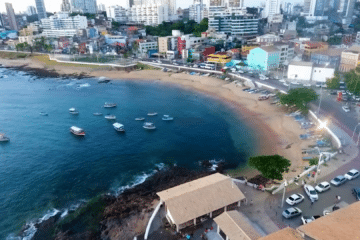
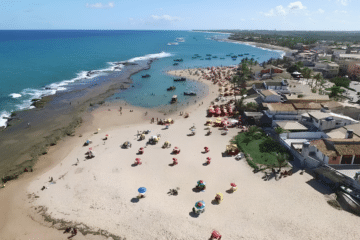
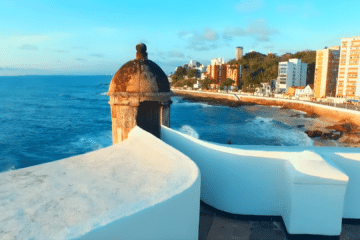
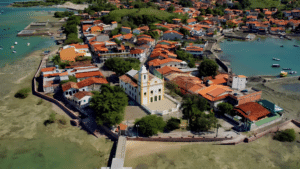
The Island of Bom Jesus dos Passos, situated in Baía de Todos os Santos, is a small, peaceful island, just 10 minutes by boat from Madre de Deus and close to Ilha dos Frades.


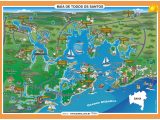
See the map of Todos os Santos Bay
Videos about Bom Jesus dos Passos Island

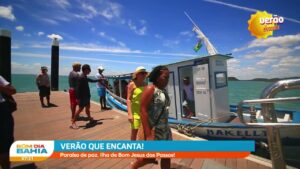
Ilha de Bom Jesus dos Passos - Guia Turístico05:45
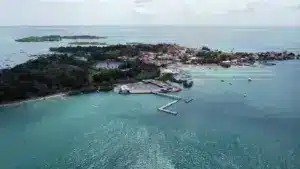
Ilha de Bom Jesus dos Passos - Curiosidades01:00

Ilha de Bom Jesus dos Passos - Drone
Reportagem sobre a Ilha de Bom Jesus dos Passos04:51
Ilha de Bom Jesus dos Passos - Drone03:31
Quick summary
Bom Jesus dos Passos Island is a fishing village in the Bay of Todos os Santos, known for the historic church from which it takes its name, its beaches with calm waters, its mangroves and its traditional religious festivals.
Location and how to get to Bom Jesus dos Passos Island
The island is situated in Todos os Santos Bay and can only be reached by sea. Boats mainly depart from Madre de Deus; the crossing is usually short, though the duration varies depending on the point of departure and sea conditions. Those travelling from Salvador should allow for the overland journey to Madre de Deus, followed by the boat transfer.
Facilities and services
- A village with cobbled, tree-lined streets, bars, a bakery and simple restaurants.
- Guesthouses and campsites; limited accommodation available.
- A shipyard for traditional fishing boats and local businesses specialising in fishing and tourism.
Church of Bom Jesus dos Passos
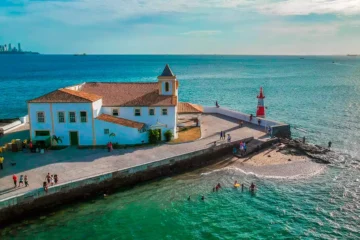
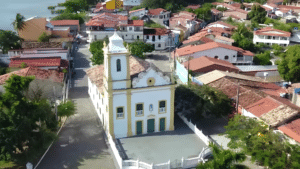
The Church of Bom Jesus dos Passos is the island’s main historical and cultural landmark. Construction began in 1766, following a licence issued in 1726. The interior is decorated in the Neoclassical style, with three altars, and houses the statue of Senhor dos Passos, carved in wood by Félix Pereira; the façade features Rococo elements.
The church is maintained by the Brotherhood of Senhor Bom Jesus dos Passos, founded in 1815. Although the island forms part of the municipality of Salvador, the church is pastorally linked to the Parish of the Holy Family in Madre de Deus, and has been part of the Diocese of Camaçari since 2010.


Natural scenery and activities
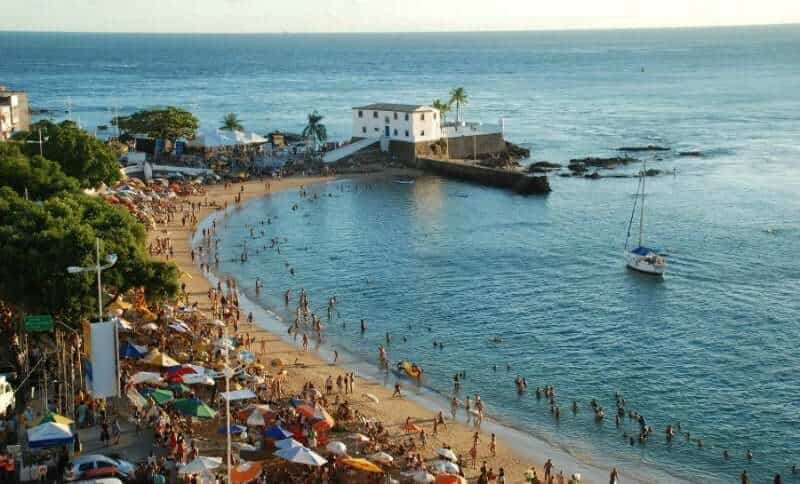
The area combines mangroves, coastal vegetation and calm waters, making it ideal for swimming, small-scale fishing, boat trips, kayaking and light water sports. The most popular beaches are Praia da Pontinha (opposite the church) and Ponta do Padre.
Population and the local economy
The community relies mainly on fishing, shipbuilding, local tourism and small-scale trade. The infrastructure is basic, with essential services and shops catering to both residents and visitors.
Top beaches and places of interest on the island of Bom Jesus dos Passos
- Pontinha Beach — opposite the church, great for swimming and photography.
- Ponta do Padre Beach — peaceful and unspoilt.
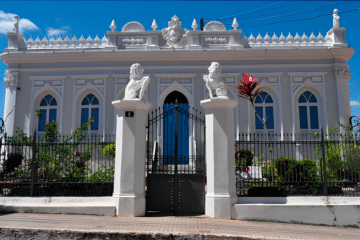
- Solar dos Duarte, local springs (Rua, Porrãozinho and Grande) and the saveiro boat-building yard.
Festivals and culture
The religious festivals of Senhor Bom Jesus dos Passos and the maritime procession of Nossa Senhora dos Navegantes are the most significant cultural events, attracting visitors at the start of the year. The island also preserves traditions from the Recôncavo Baiano region, such as lace-making, the ‘teno de reis’ costume and carnival celebrations (caretas).
A brief history
The island was originally inhabited by indigenous peoples and, throughout the colonial period, was shaped by maritime and commercial activities. The construction of the church and religious devotion were key factors in the development of the local identity over the centuries.
Practical tips for visiting Bom Jesus dos Passos Island
- Book your ferry crossing in advance and check the ferry operators’ timetables.
- Take some cash with you for local shopping and services.
- Book your accommodation well in advance of festive periods or public holidays.
- Please respect mangrove areas and local fishing practices; do not leave rubbish behind and avoid collecting protected corals or shells.
Frequently Asked Questions (FAQ)
How do I get to the island from Salvador?
Travel to Madre de Deus by road and take a boat to the island. The crossing is short, but the total journey time depends on the journey to Madre de Deus and the sea conditions.
Are there any guesthouses and restaurants on the island?
Yes, there are simple guesthouses, restaurants and small shops, but the choice is limited. During the high season or at festive times, it is advisable to book in advance.
When is the best time to visit?
Days when the sea is calm (during the dry seasons) are ideal for swimming and sightseeing. If you’d like to take part in the religious festivals, plan your trip for early January, checking the specific date each year.
Is there a water supply and sanitation infrastructure?
The island has basic services; improvements to water supply and infrastructure have been made, but standards remain lower than in urban areas. Check for updates before travelling.
Please note: check boat timetables, accommodation availability and festival schedules with local contacts before travelling.

Publicações Relacionadas
Arembepe: beaches (Piruí, Praia do Canto), Hippie Village and the Tamar Project

Paranaguá Palace — History, architecture and visiting information | Ilhéus (BA)

São Jorge Parish Church in Ilhéus — history, architecture and religious art

History of the Convent and Church of Nossa Senhora da Piedade in Ilhéus

São Sebastião Cathedral (Ilhéus) — History, architecture and tourism
The 15 Most Visited and Well-Known Beaches in Bahia
The 3 most paradisiacal beaches in Bahia

Skydiving, Paragliding and Ballooning in Bahia

Historic Towns in Bahia: A Journey Through Time
Places to visit on the south coast of Bahia

História da Arte - Caracteristicas, Aspectos e Periodos
Tourist Attractions in Bahia: main attractions, beaches and cities

Subaúma, Bahia: where it is, things to do and where to stay
Massarandupió Naturist Beach, Bahia: Rules and Access
Beaches on the South Coast of Bahia: 10 Best and Tips
Towns and the Abrolhos Archipelago — The southernmost tip of Bahia

Baixio: Between lagoons, dunes and the charm of a village surrounded by nature
Best Beaches in Bahia: Your Guide to Paradise
Salinas da Margarida (BA) — Beaches, Attractions and a Complete Guide

Guarajuba Beach, Bahia: Natural Pools and Tips

Barra do Cahy: Brazil's first beach - history and nature

Garcez Beach: Discover Paradise in Jaguaripe

Barreiras: An Ecological Paradise in Bahia
Catabrigas Waterfall — A natural haven in Ibirajá, Itanhém (BA)

Serra Grande: Your Guide to Bahia's Paradise
Corumbau, Bahia: Ponta de Corumbau, beaches, map, how to go

Taipu de Fora: Discovering Natural Pools

Iguaí: A Guide to Waterfalls and Relaxation
Morro de São Paulo: Map, Beaches & How to Get There (2026)
Tourism in São Francisco do Conde (BA) — Tips and Attractions
Todos-os-Santos Bay (Bahia) — History, geography and conservation
Todos os Santos Bay — Nature, History and Water-based Tourism
Bay of Todos os Santos: nature, history and cultur

Rafting in Taboquinhas: The Ultimate Adventure Guide
Abseiling Sites in Bahia: Top Locations to Explore

Diving Spots in Bahia: Discover Underwater Treasures
This post is also on:
 Português
  English
  Deutsch
  Español
  Français