Piatã is the highest mountain town in the whole of the North-East
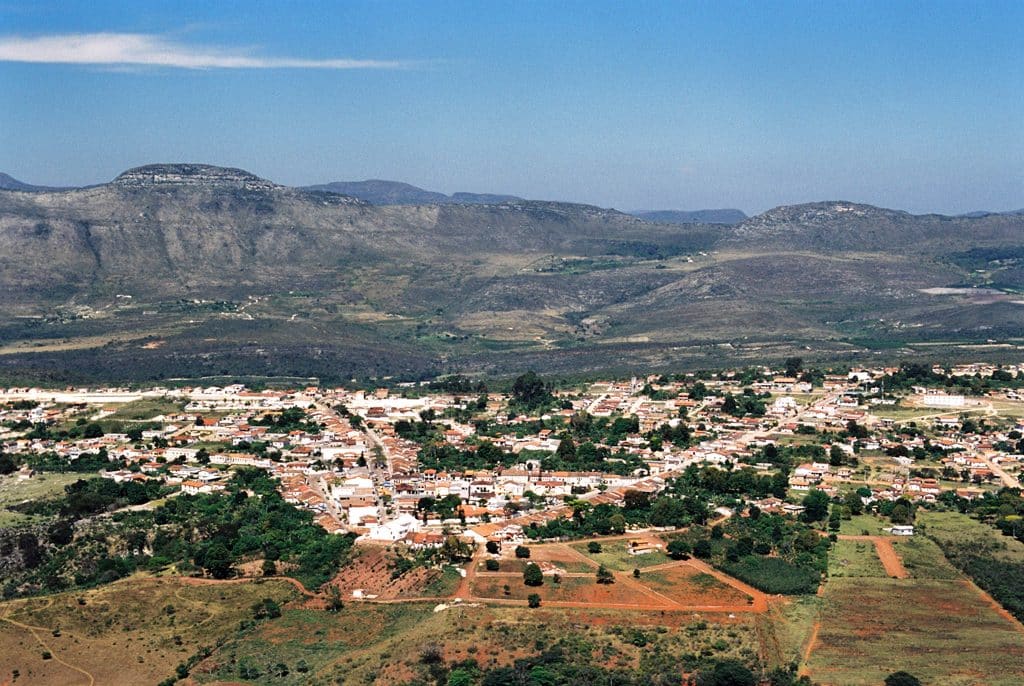
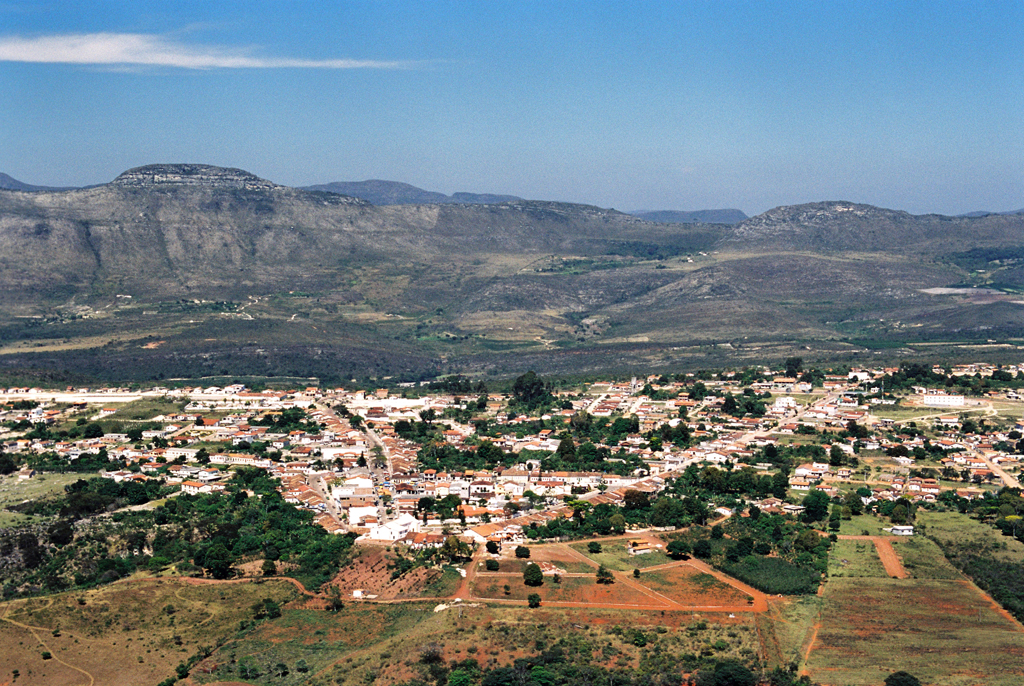
If you’re wondering what to do in Piatã, Bahia, it’s worth first finding out why this town is so special: Piatã, in Chapada Diamantina, is the highest and coldest municipality in the state and in the whole of the North-East Region.
At an altitude of 1,280 metres, Piatã is higher than other mountainous municipalities in Bahia, such as Morro do Chapéu, Rio de Contas and Vitória da Conquista.

Geography and Altitude
Piatã also has higher areas of plateau on the outskirts of its urban centre, which rise to 1,500 metres. It is the highest town in the mountains of the entire North-East, at an altitude of 1,280 m, and the oldest settlement in the Chapada Diamantina.
It is situated on a plateau between the Tromba mountain ranges — an extension of the Mantiqueira mountain range, where the headwaters of the Rio de Contas and the Rio Machado — and the Santana mountain range, with its chapel of Senhor do Bonfim.
History of Settlement
Settlement began in the mid-17th century, when prospectors discovered mines in the mountains of Tromba and Santana mountain ranges, which attracted large numbers of adventurers in search of gold and precious stones.
The village of Bom Jesus dos Limões – now known as Piatã – was founded in the municipality of Minas do Rio de Contas (now Rio de Contas), on the banks of the Estrada Real, a route opened up by the explorer Pedro Barbosa Leal in 1725, linking Rio de Contas to Jacobina.
Historical Heritage
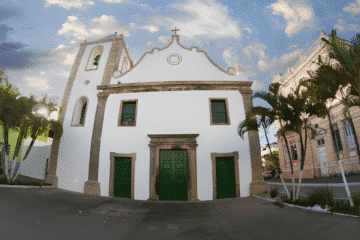
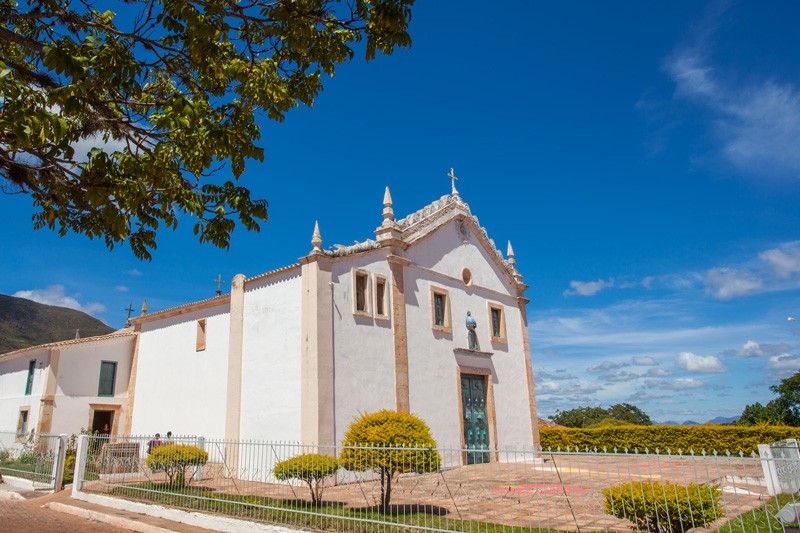
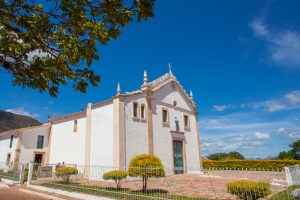
Dating from this period are the Bom Jesus Parish Church, situated in Vigário Souza Square, and the Chapel of Our Lady of the Rosary.
Festivities
The June festivals are the most widely celebrated, both in urban and rural areas, and are characterised by a bountiful spread of traditional seasonal produce and a ‘light chill’ that can reach 3 or 4°C. The average annual temperature never exceeds 20°C.
On June evenings – the coldest of the year – every home always has some artisanal liqueur, a ‘quentão’ (a traditional local drink) or a coffee — grown and harvested in the town’s back gardens. Piatã, incidentally, is now one of Brazil’s leading producers of award-winning speciality coffee, thanks precisely to its high-altitude climate.
Natural Attractions
The waterfalls of Patrício, at Cochó, on the Rio de Contas, at Malhada da Areia, the Encontro das Águas, the Gerais do Rio de Contas, the Bica do Machado, the mountains of Santana, of Navio, the Tromba and the Três Morros are among the main natural attractions of Piatã, which lies 568 km from Salvador.
Meaning of the Name
The name Piatã comes from the Tupi language and means ‘firm footing’ or ‘the fortress’.
See the map of Chapada Diamantina National Park
Video about Piatã in the Chapada Diamantina

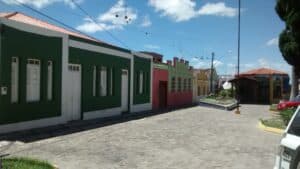
Guia de Turismo de Piatã - Chapada Diamantina
Piatã na Chapada Diamantina05:54
História de Piatã na Chapada Diamantina
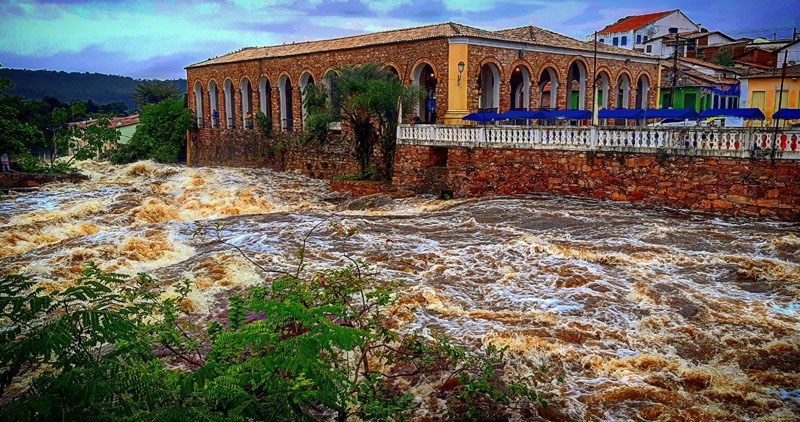
Piatã - Reportagem41:12
PIATÃ VISTA DO CÉU07:28
History of the Town of Piatã
Historians point out that the settlement of Piatã is the oldest in Chapada Diamantina, having emerged in the context of the 17th-century expansionist movement.
This process led to the bandeirantes venturing into the hinterlands of the Rio de Contas in search of precious stones and, in particular, gold.
These expeditions reached the Santana mountain range and the Tromba mountain range, where enslaved Black people had been living since 1680.
At the beginning of the 17th century, following the discovery of large gold deposits in the Santana mountains, a church was built with walls and doorways made of hewn stone.
Subsequently, a small settlement grew up around this temple, situated on a plateau between the valleys of the two mountain ranges (Santana and Tromba).

The bandeirantes, such as Pedro Barbosa Leal, who had been commissioned by the viceroy, the Count of Sabugosa, played a crucial role in the exploration of the region. Leal was responsible for opening a route linking Rio de Contas to Jacobina.
Another important figure was Captain-Major Antônio Veloso da Silva, who, acting on the orders of the Bahian government, fought warrior Indians and runaway slaves in the hinterlands.
In 1732, he was tasked with travelling down the Rio de Contas to transport materials for the construction of a foundry and to clear better routes to the mines.
In 1738, following a violent clash with indigenous people, he founded a cattle ranch on the site where the municipality of Jussiape now stands.
The settlement, originally called Bom Jesus dos Limões, grew with the arrival of men seeking their fortune. It became part of the municipality of Minas do Rio de Contas and, in 1842, the district of Bom Jesus dos Limões was established by Provincial Law No. 169.
The territory has undergone administrative changes over time:
- In 1878, under Act No. 1813, the district was renamed Bom Jesus do Rio de Contas.
- In 1931, State Decree No. 7479 changed the name to Anchieta.
- In 1943, under State Decree No. 141, the administrative centre and the municipality were renamed Piatã.
In 1962, Piatã lost part of its territory following the separation of the municipalities of Abaíra and Boninal.
Frequently asked questions about things to do in Piatã, Bahia
Why is Piatã considered the highest town in the North-East?
Piatã lies at an altitude of 1,280 metres, on a plateau between the Serra da Tromba and the Serra de Santana — no other municipal capital in the North-East region is at a similar altitude, according to the IBGE.
When is the best time to visit Piatã?
June and July, which are cooler (with temperatures sometimes dropping to around 1°C in the early hours of the morning), are the most popular months for those wishing to experience the mountain climate, which is unusual for the North-East. For hiking trails and waterfalls in milder weather, the dry season from April to September is usually the best time to visit.
How do you get to Piatã from Salvador?
The town is about 568 km from Salvador. It can be reached via regional roads heading towards Chapada Diamantina; please check road conditions before travelling.
Is Piatã worth a visit just for the coffee?
Yes. The high-altitude climate has made Piatã one of Brazil’s leading producers of speciality coffee, with beans that have won awards in national competitions — an added attraction alongside the waterfalls and colonial history.
How many days does it take to explore Piatã?
A 2- to 3-day itinerary allows you to explore the historic centre, the Bom Jesus Parish Church and at least one or two of the region’s waterfalls, such as the Patrício or the Cochó.
Piatã Tourist Guide in the Chapada Diamantina

Publicações Relacionadas
Campo Formoso: Explore Caves and Emerald Trade
History of the Cathedral Basilica of Salvador
Origin and History of Capoeira in Brazil Explained
Arembepe: beaches (Piruí, Praia do Canto), Hippie Village and the Tamar Project
The Tamar Project and turtle conservation
Barreiras: An Ecological Paradise in Bahia
Palmeiras: A Gateway to Chapada Diamantina
Praia do Forte, Bahia: The Complete Travel Guide
Alameda do Sol — Vila da Praia do Forte (BA) | Things to do
Alcobaça, Bahia: A Comprehensive Guide to Beaches and History
Picos das Almas, Itobira and Barbado Trekking Guide
Main caves in the municipality of Iraquara in Chapada Diamantina
Trekking - Route through the Chapada Diamantina in 7 days
Tourist Attractions on the Discovery Coast in Bahia
Rio de Contas: Learn about the history of how the city was founded
Valença: The Gateway to Morro de São Paulo
Waterfalls and trails in the Capão Valley: Complete Guide
Maré Island (Bay of Todos os Santos) — beaches, culture and how to get there
Ponta de Humaitá — Lighthouse, church and the best sunset in Salvador
Vila de Barra Grande na Bahia: Guia Completo para Turistas
Cachoeira (BA) — National Monument and Historical Trail
Trail to Buracão Waterfall in Chapada Diamantina
Towns and the Abrolhos Archipelago — The southernmost tip of Bahia
Abseiling Sites in Bahia: Top Locations to Explore
History and sights of Avenida Contorno in Salvador BA
Correntina: Discovering the Heart of Bahia
History and Historical Attractions of Itacaré Reveale
Santa Cruz Cabrália in Bahia — beaches, history and things to do
Tourist Guide to the Pantanal in Bahia — Jaguaripe (BA) | Mangroves, Fishing and Excursions
Paranaguá Palace — History, architecture and visiting information | Ilhéus (BA)
Basílica Santuário Nossa Senhora da Conceição da Praia — history and architecture
Iraquara is also known as the "city of caves"
Tourism in São Francisco do Conde (BA) — Tips and Attractions
Where to Stay in Salvador for Your Best Experience
Descobrimento National Park in Bahia: A Natural Heritage Site
The best beaches near Salvador (distance, facilities and tips)
This post is also on:
 Português
  English
  Deutsch
  Español
  Français