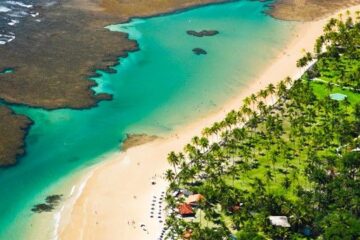
Cairu Archipelago: A cultural and natural treasure of Bahia
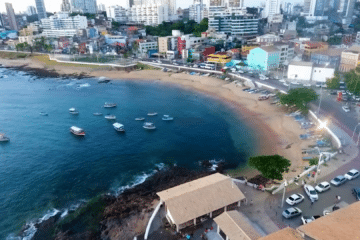
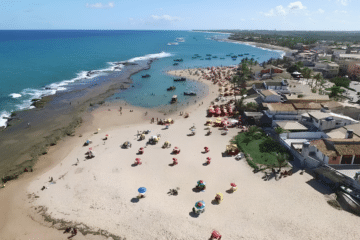
The Cairu Archipelago, with its main islands – Cairu, Boipeba and Tinharé – offers beautiful landscapes, paradisiacal beaches and a rich culture.
Cairu is a Brazilian municipality located in the state of Bahia.

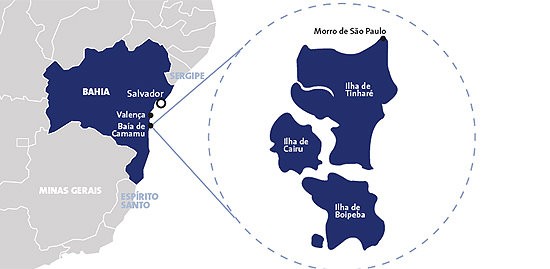
This island municipality corresponds to the Tinharé Archipelago (or Cairu Archipelago) itself, which consists of 26 islands in an estuarine complex. The main islands are Cairu, Boipeba and Tinharé.
In total, the municipality has three towns (Galeão, Gamboa and Velha Gamboa), six villages (Morro de São Paulo, Canavieiras, São Sebastião, Torrinhas, Tapuias and Garapuá) and one city, which is Cairu.
The original name of the Cairu Island was Aracajuru, which means House of the Sun in the indigenous language.
The occupation of Cairu began in the 16th century, during the settlement of the Captaincy of Ilhéus. It was one of the most important cities in the colony.
It was elevated to the village category in 1610 and to the town category in 1938.
In the 18th century, Cairu was considered the best and safest place to live in the region and became the residence of the Ombudsmen and Corregedores of Ilhéus City Council.

Is Cairu an archipelago?
Cairu is an archipelago located in Bahia, consisting of 26 islands, including Tinharé Island and Boipeba Island.
It is one of the few Brazilian municipalities to be located entirely within an archipelago.
The administrative centre of Cairu is accessible by land, while the other islands can only be reached by boat. Therefore, Cairu is actually the archipelago within the context of the Southern Bahia Lowlands.
Videos about Cairu Archipelago, Bahia

Convento e Igreja de Santo Antonio em Cairu

Cairu na Bahia - Drone
Arquipélago de Cairu - Pontos Turísticos02:15

Praia de Moreré na Ilha de Boipeba02:37

Praia de Tassimirim na Ilha de Boipeba02:56

Praia de Cueira na Ilha de Boipeba02:33

Morro de São Paulo na Ilha de Tinharé15:05

Praia de Garapuá na Ilha de Tinharé02:17

Povoado do Galeão em Tinharé04:47

Praia de Bainema em Boipeba02:14

Praia Boca da Barra na Ilha de Boipeba02:29

Gamboa do Morro na Ilha de Tinharé01:10
We have divided the Tourist Attractions into 2 chapters:
- Tourist Attractions and History of Cairu Town
- Tourist Attractions in Cairu Archipelago
1. Tourist Attractions in the City of Cairu
1.1 History of Cairu and the Santo Antônio Monastery
The southern Bahia lowlands are one of the oldest colonised regions in Brazil.
Colonisation and development
Colonisation began in the mid-16th century, with the aim of providing food for the newly founded city of Bahia (Salvador).
The Cairu Monastery, considered a landmark of Franciscan architecture, and the Morro de São Paulo Defence Complex, built to prevent foreign invasions, stand out as testimonies of this period, despite being a poor region.
Settlement and religious influence
Many of the inhabitants of the region were descendants of important families from Ilhéus.
In the process of catechisation, the Jesuits, with the special support of the third governor-general, Mém de Sá, received large donations of land on which they established two large farms with indigenous labour and catechetical villages.
In 1565, with the help of civilians and religious, towns such as Cairu, Boipeba and Camamu were founded, but fighting against the indigenous population prevented these foundations from being realised.
In addition to the Jesuits, other religious orders were instrumental in establishing settlement centres, such as the Franciscans of the Province of Santo Antônio, in Cairu, and the Capuchins, in Maraú.
A remarkable pair in Cairu
In the first century of settlement in Cairu, the couple Domingos da Fonseca Saraiva and Antônia de Pádua Góis stood out.
Arriving in Brazil in 1563, they settled in the captaincy of Ilhéus, where they built a sugar mill and, next to the great house, a chapel dedicated to St. Anthony.
However, resistance from the natives forced them to leave Ilhéus and settle in Cairu.
There they built another mill on a new sesmaria and erected the Church of Our Lady of the Rosary, which was to become the present parish church. They also built a rammed-earth chapel dedicated to St Anthony, which was later donated to the Franciscans and temporarily served as the hospice’s house of prayer.
Access to the Franciscan complex
The Cairu Franciscan Complex can be reached by land or sea. The traditional Franciscan cross can be found in the cobbled border square. Less bulky than those in Paraguaçu and Salvador, it has a stone base and a simple wooden cross with no artistic significance.
Parish and town of Cairu
In 1606, the Parish of Nossa Senhora do Rosário de Cairu was created under the administration of Archbishop Constantino Barradas.
This diocese included the islands of Cairu, Tinharé and the entire archipelago except Boipeba. In 1610, Cairu was elevated to the status of city, separated from Ilhéus, which led to the installation of the city hall and prison.
Conflicts and demography
In the mid-17th century, the region was the scene of violent conflicts between the colonists and the Guerens Indians, which lasted for about 35 years. It was not until 1750 that the Guerens, rising like the phoenix, ravaged the lands of Camamu, Cairu and Jaguaripe.
Until then, the number of enslaved Africans in the region had been small, and the labour force was mainly indigenous from the Jesuit villages.
Foundation of the monastery
The history of the Franciscan complex in Cairu begins in 1650, when Sebastião do Espírito Santo, elected Custos of the Franciscan Congregation, sent a group of friars to the city to found a monastery in response to a request from the local population.
Friar Gaspar da Conceição, Friar Francisco de Lisboa and Friar João da Conceição were responsible for starting the work, which was officially approved by the Chapter of 14 September 1653, presided over by Friar Cosme de São Damião.
The first stone was laid on 25 August 1654 on land donated by Bento Salvador and Isabel Gomes.
Building of the chapel and church
Construction of the chapel probably began two years later. The Franciscans received funding from the Royal Treasury, but the exact date of its completion is unknown.
In 1661 the lintel of the door connecting the sacristy to the choir aisle bears the inscription of that year, indicating that the Private Cemetery of the Order was already in existence. The last sacristy was completed before 1750.
The Franciscan chronicler Jaboatam reports that the church had three altars and a portico with three carved stone arches, characteristic of Franciscan architecture.
The convent was completed in 1739, according to the inscription on the side door of the portico. The façade of the church was finished in 1742.
Construction technique and heritage
The complex was built using a mixed technique: bricks and tiles were donated, while the sandstone was quarried in Boipeba. Cairu and Paraguaçu were the first Franciscan convents of the Province of St Anthony to be built in Brazil after the separation from the Portuguese mother country.
They followed an architectural model that was repeated in São Francisco do Conde and Santo Antônio de João Pessoa (Paraíba), and were distinguished by their galilee, triangular frontispiece, recessed tower and frontal cross, characteristic of the “Franciscan way” of building monastic churches.
1.2 Tourist attractions in the town of Cairu.
1.2.1 Our Lady of the Rosary Church
The seat of the municipality is located on Cairu Island and is divided into Cidade Alta, where the city was born, and Cidade Baixa.

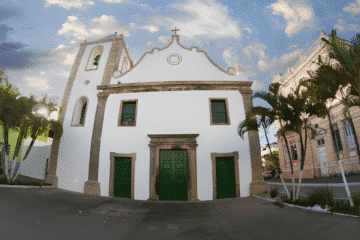
In the Upper Town you’ll find historic buildings such as the Church of Our Lady of the Rosary (1610), which sits on a hill from where you can see the Cairu Monastery.
From the top you have a beautiful view of the region.
The surrounding houses, of colonial architecture and low stature, form a pleasant urban ensemble.

Don’t miss the sacred images of Our Lady of the Rosary, Our Lady of Sorrows, St Joseph and St Michael.
Another highlight are the windows of the sacristy, made of sandstone.
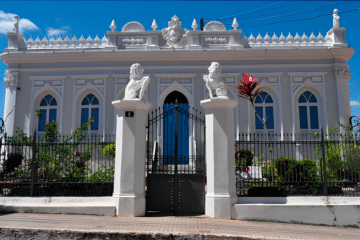
At the entrance to the town is the old town hall, possibly dating from the late 18th century.
1.2.2 Church of St Francis Xavier

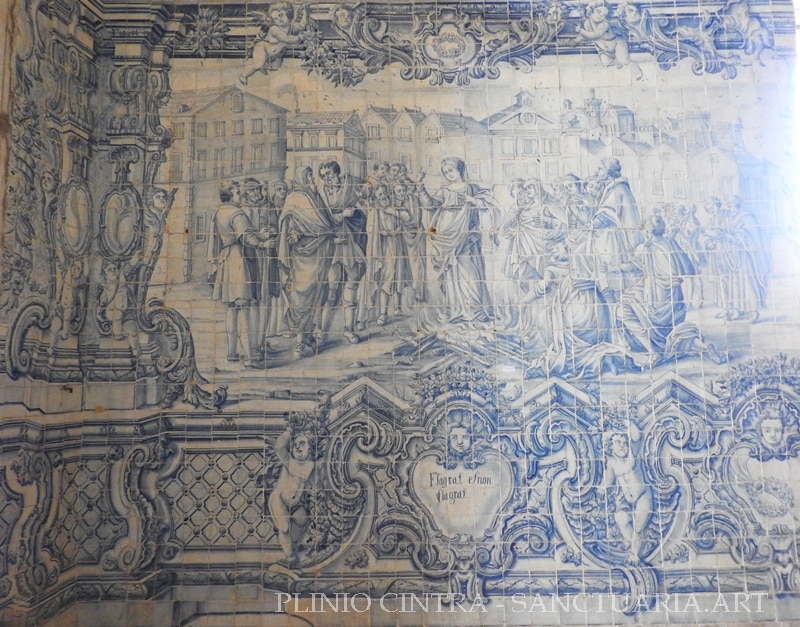
The Church of St. Francis Xavier, dating from the 17th century, is one of the most important historical temples in the parish, with beautiful Baroque elements and Portuguese tiles.
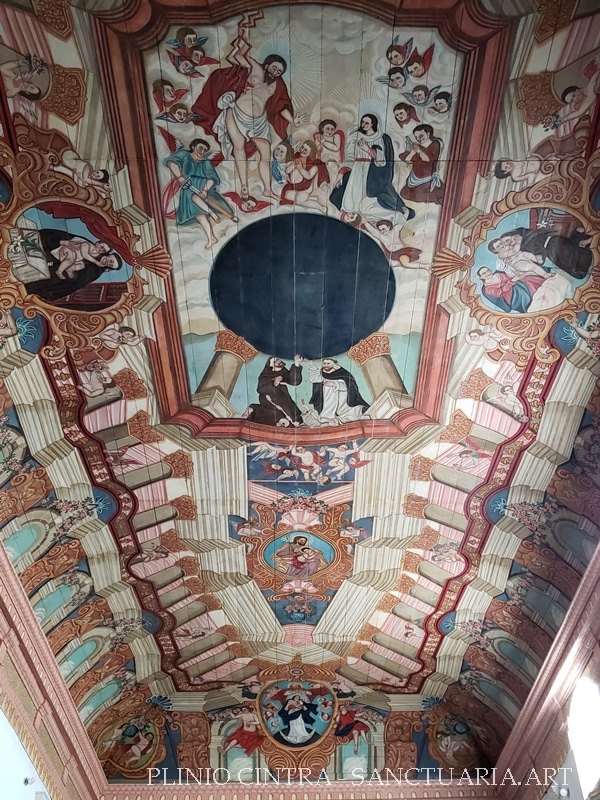
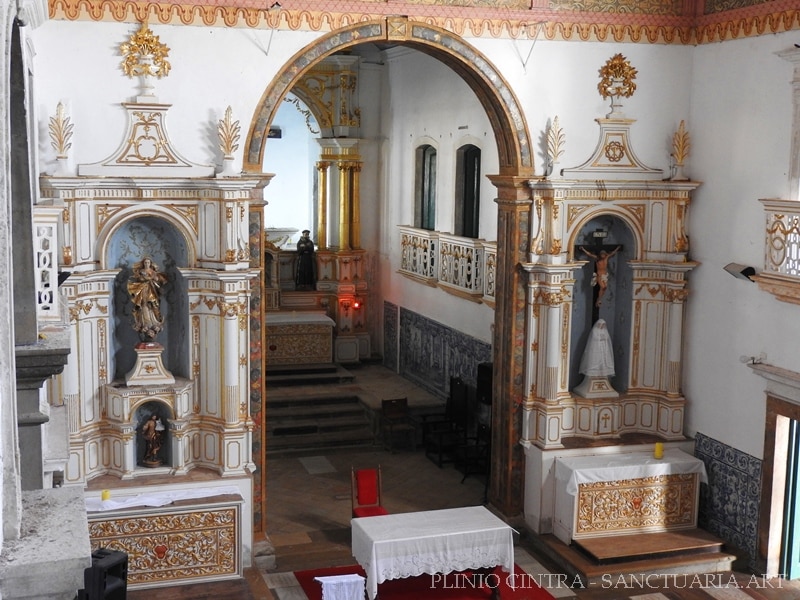
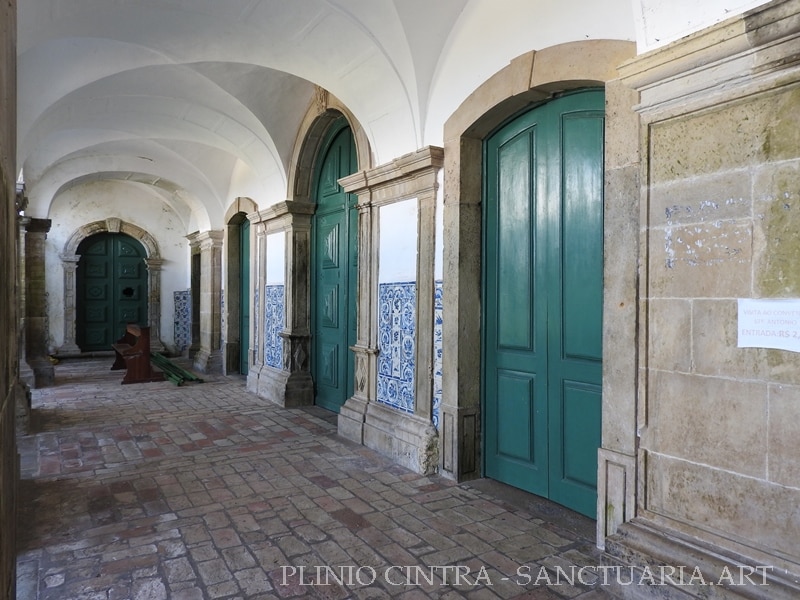
1.2.3 Monastery of St Anthony
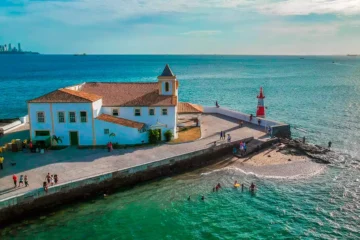
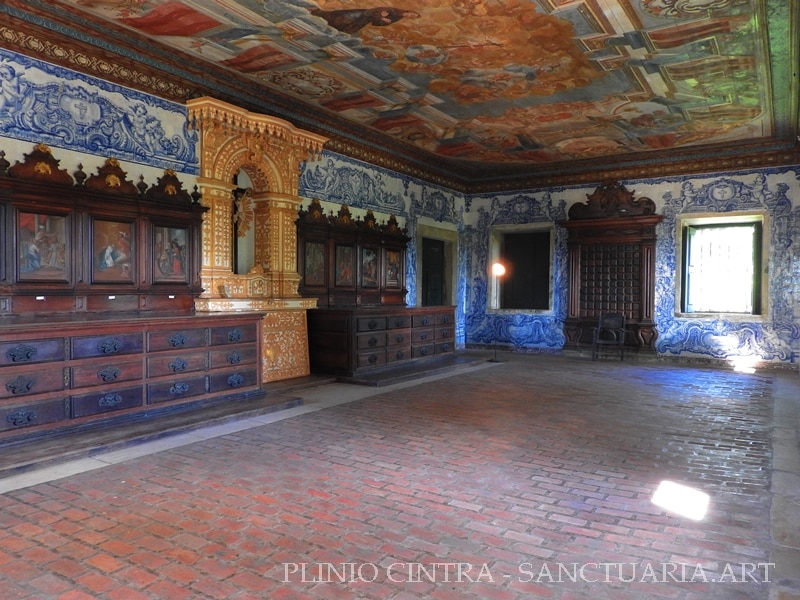
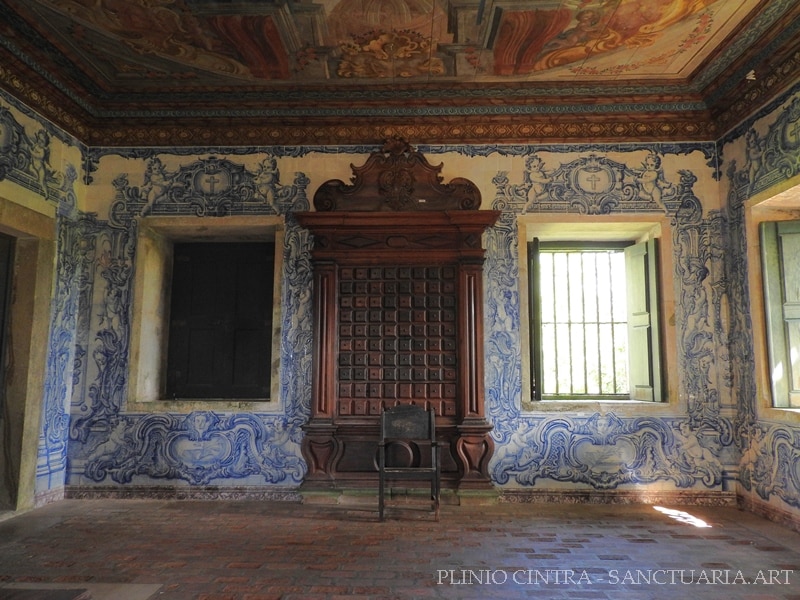
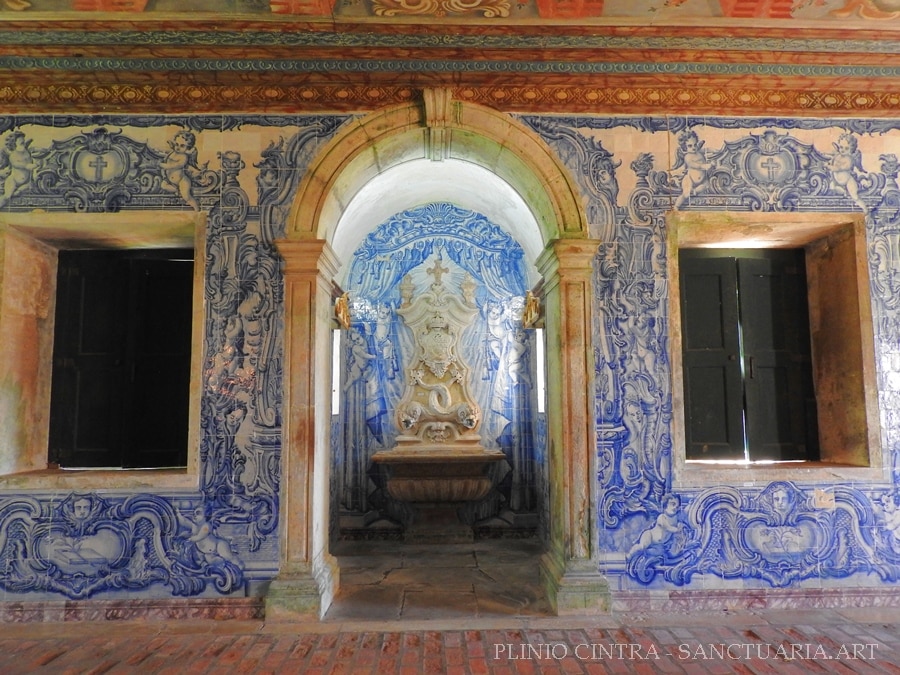
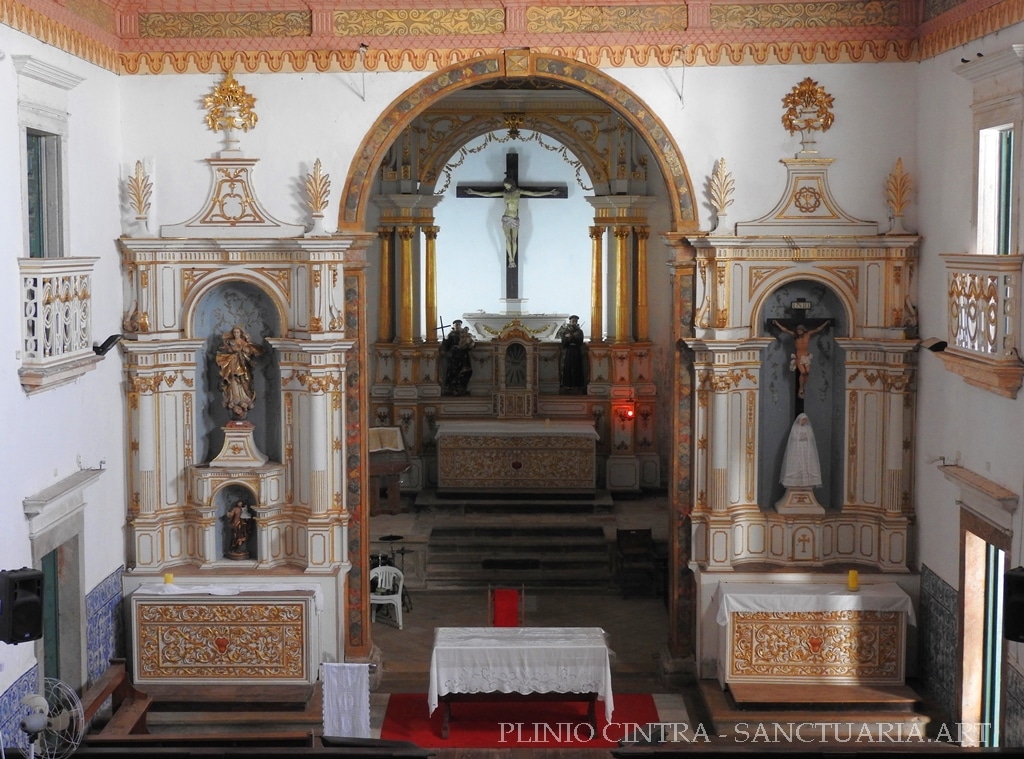
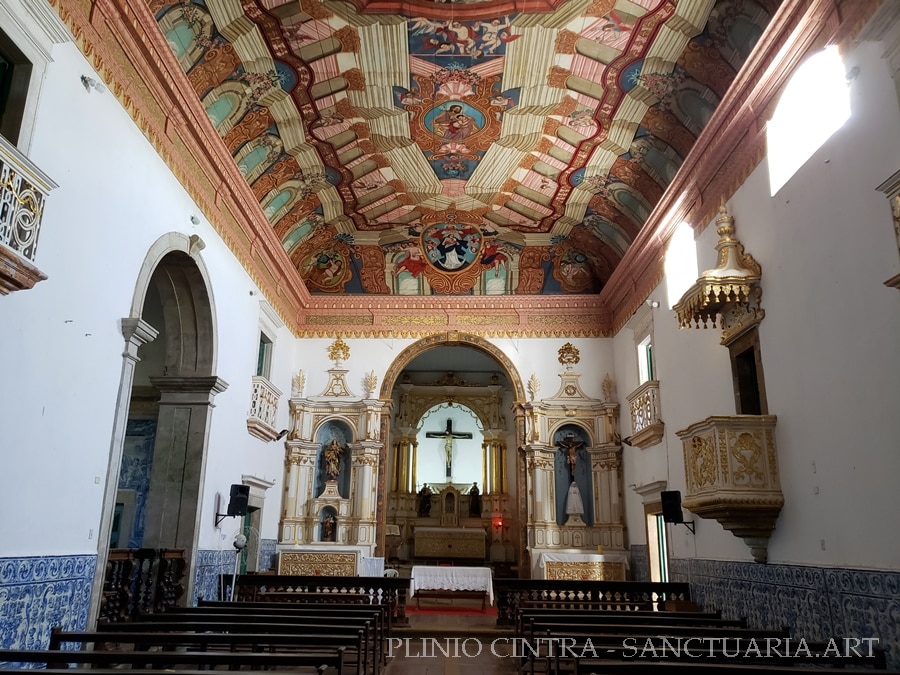
The Church and Convent of St. Anthony was built on the site of a small hermitage dedicated to St. Anthony. Its façade, preceded by a stone cross, faces the arm of the sea that separates the islands of Tinharé and Boipeba.

The construction of the Convent of St Anthony, built by the Capuchins, began in 1654.
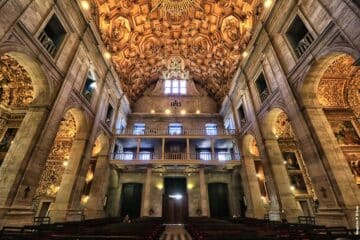
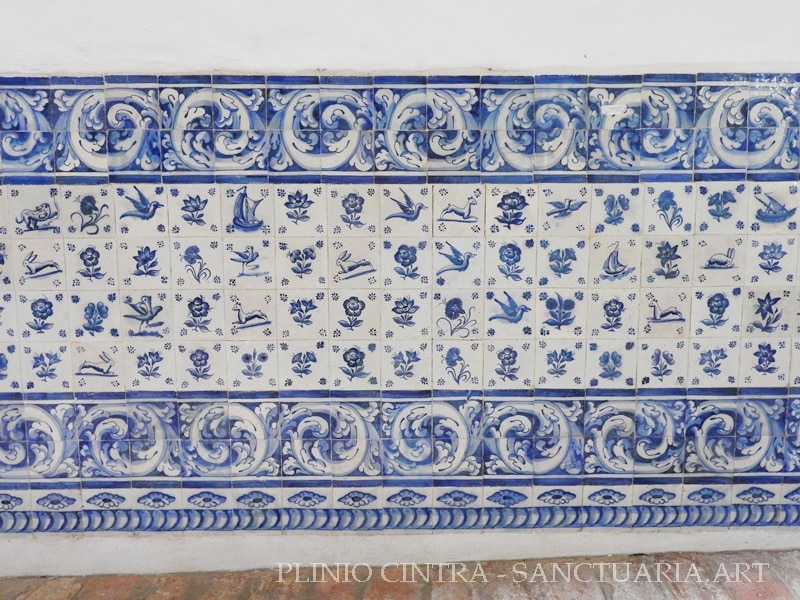
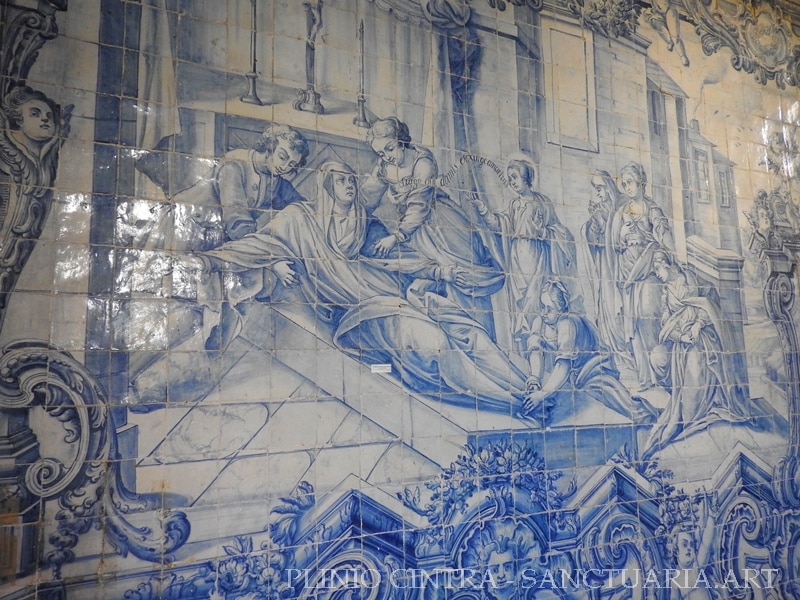
The site still contains a valuable collection of Portuguese tapestries from the 17th and 18th centuries.
To the left of the church are the ruins of the choir of the Third Order, which was never completed. From the belvederes on the first floor you can enjoy beautiful views of the sea and countryside.
Infrastructure and local culture
The town of Cairu has a good tourist infrastructure, with hotels, inns, restaurants and a dock for chartered boats to Valença, Boipeba (40 minutes by speedboat or 2 hours by boat) and other destinations on the Taperoá Canal.
Surrounded by mangroves, Cairu has no beaches suitable for swimming.
The main local handicrafts are coconut and piassava, as well as typical products such as cloves, black pepper and guaraná.
About 30 years ago, a bridge connected the island to the mainland.
Local folklore keeps alive the memory of indigenous ancestry, slavery, military presence and struggles in defence of the nation, reflecting influences from Portugal, Spain, Holland and Angola.
The main folkloric manifestations include
- Congos
- Taeiras
- Dondoca
- Alardo
- Zambiapunga
- Chegança
- Bumba-meu-boi
- Little grey boat
The city is also a snorkelling and diving destination, with highlights including the Pedras da Benedita, Tatiba and Tatimirim.

2. Cairu Archipelago Tourist Attractions
The Cairu Archipelago, located on the Dendê Coast in the State of Bahia, is a paradisiacal destination full of natural beauty, historical culture and unique experiences for visitors.
The Cairu Archipelago is made up of several islands, including the famous Morro de São Paulo, Boipeba and Cairu, attracting tourists in search of stunning beaches, local gastronomy and ecotourism.

2.1 Morro de São Paulo
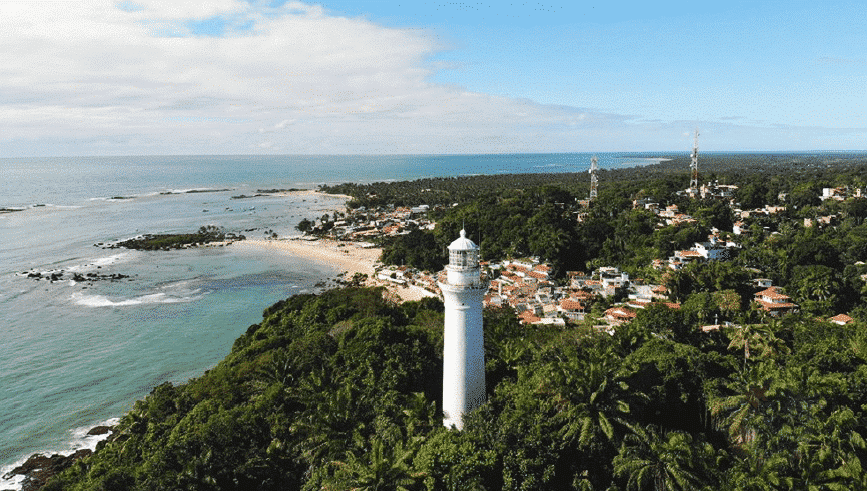
One of Bahia’s most famous islands, Morro de São Paulo has crystal clear beaches and a vibrant atmosphere.
The main attractions are
- First, Second, Third and Fourth Beaches: Each with unique characteristics, ideal for relaxation and water sports.
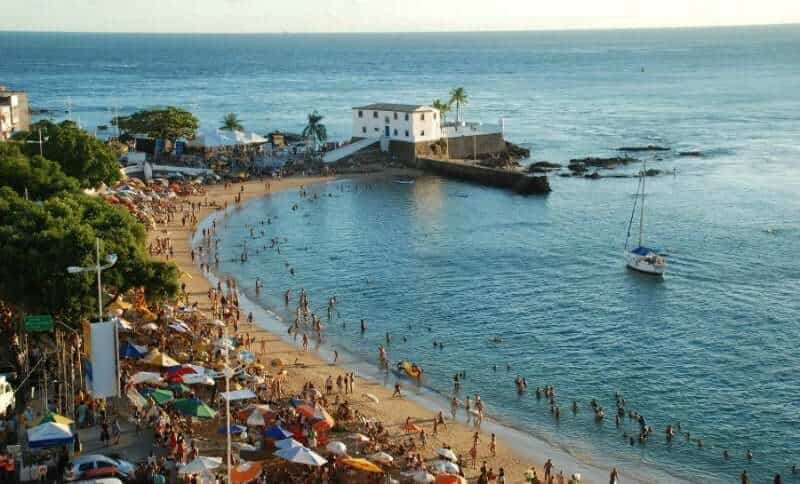
- Tapirandu Fortress: Built in the 17th century, it offers a spectacular view of the sunset.
- Tirolesa do Morro: One of the most exciting activities on the island, with a direct descent into the sea.
- Historic Centre: With historical ruins and the church of Nossa Senhora da Luz.
2.2 Boipeba
Considered a haven for those seeking tranquillity and contact with nature, Boipeba is known for its deserted beaches and coral reefs. Highlights include
- Moreré Beach: With natural pools of crystal clear water.
- Cueira Beach: One of the most beautiful in Brazil, with coconut palms and calm waters.
- Canoe trip on the Rio do Inferno: A unique journey through the mangroves.

2.3 Cairu
The city of Cairu is one of the main historical centres of the archipelago, with well-preserved colonial buildings and an important cultural heritage. Among its highlights are
- Church and Convent of Santo Antônio: Built by the Franciscans in the 17th century, the convent houses a remarkable collection of Portuguese tiles from the 17th and 18th centuries. From its belvederes you can enjoy a privileged view of the sea and the surrounding islands.
- Church of St Francis Xavier: Built at the beginning of the 17th century, this church is part of the history of the Franciscan occupation of the region.
- St. Ignatius Church: One of the oldest in the archipelago, it dates from the time of the religious missions.
2.4 Activities and Tours
- Boat trips: Routes past various islands and natural pools.
- Diving and snorkelling: Especially in Boipeba and Morro de São Paulo.
- Ecological trails: Walks through the Atlantic forest and dunes.
- Food: Typical dishes such as moquecas, fresh seafood and locally grown oysters.
Best time to visit
The region can be visited all year round, but the best time is between September and April, when the rains are less frequent and the sea is calmer.
How to get there
- From Salvador: Boat or speedboat to Morro de São Paulo or Valença, from where boats leave for other islands.
- From Valença: Speedboats to Cairu, Morro de São Paulo and Boipeba.
The Cairu Archipelago is a must for those who want to explore the natural beauty and experience the history and culture of Bahia.
Bahia.ws is the largest tourist guide in Bahia and Salvador.
Tourist guide to Cairu in Bahia

Publicações Relacionadas
Prado (BA) — Beaches, Cliffs and Whale Watching | Whale Coast
What to do on Boipeba Island - Tourist Guide - videos
Trail to Buracão Waterfall in Chapada Diamantina
Towns and the Abrolhos Archipelago — The southernmost tip of Bahia
Pelourinho: what to do in Salvador’s Historic Centre
Paranaguá Palace — History, architecture and visiting information | Ilhéus (BA)
Orchids of the Chapada Diamantina in Bahia
Igatu: Explore the 19th-Century Stone Houses
Chocolate Road and trails of the Cocoa Coast - video
Monte Pascoal National Park: Pataxó culture and Brazilian history
Barreiras: Where Carnival Meets Adventure Tourism
Cathedral Basilica of Salvador — History, Sacred Art and Collection
Caravelas (BA) — Complete Guide: Beaches, History and Abrolhos
Municipality of Una: A Beach Paradise Awaits
Todos-os-Santos Bay (Bahia) — History, geography and conservation
Lapão Cave: The Ultimate Adventure Experience
Trekking in the Pati Valley in Chapada Diamantina
Diving Spots in Bahia: Discover Underwater Treasures
Salvador’s Historic Centre, Pelourinho, Baroque churches and museum
Trekking in the Pati Valley in Chapada Diamantina
Picos das Almas, Itobira and Barbado Trekking Guide
Torrinha Cave: A Speleological Marvel in Brazil
História da Arte - Caracteristicas, Aspectos e Periodos
Subaúma Beach: The Perfect Escape in Bahia
Andaraí is the second largest town in the Chapada Diamantina
Discovery Route in Bahia: History, Culture and Tourism
History and sights of Avenida Contorno in Salvador BA
Ilhéus (BA) — Beaches, Cocoa Plantations and Cultural Itinerary
Complete Guide to Visiting Arraial d'Ajuda in Bahia
History, the Festival of Nossa Senhora das Candeias and Tourist Attractions
Church and Convent of Santa Clara do Desterro and its History in Salvador
Waterfalls of Chapada Diamantina: A Guide for Adventurers
Skydiving, Paragliding and Ballooning in Bahia
Costa do Dendê: A Tropical Paradise in Bahia
Main Towns and Villages in the Chapada Diamantina Region
Parks and Squares in Salvador for Leisure Activities
This post is also on:
 Português
  English
  Deutsch
  Español
  Français