Valença: Discover the history, culture and natural beauty of Bahia’s largest city on the Dendê Coast
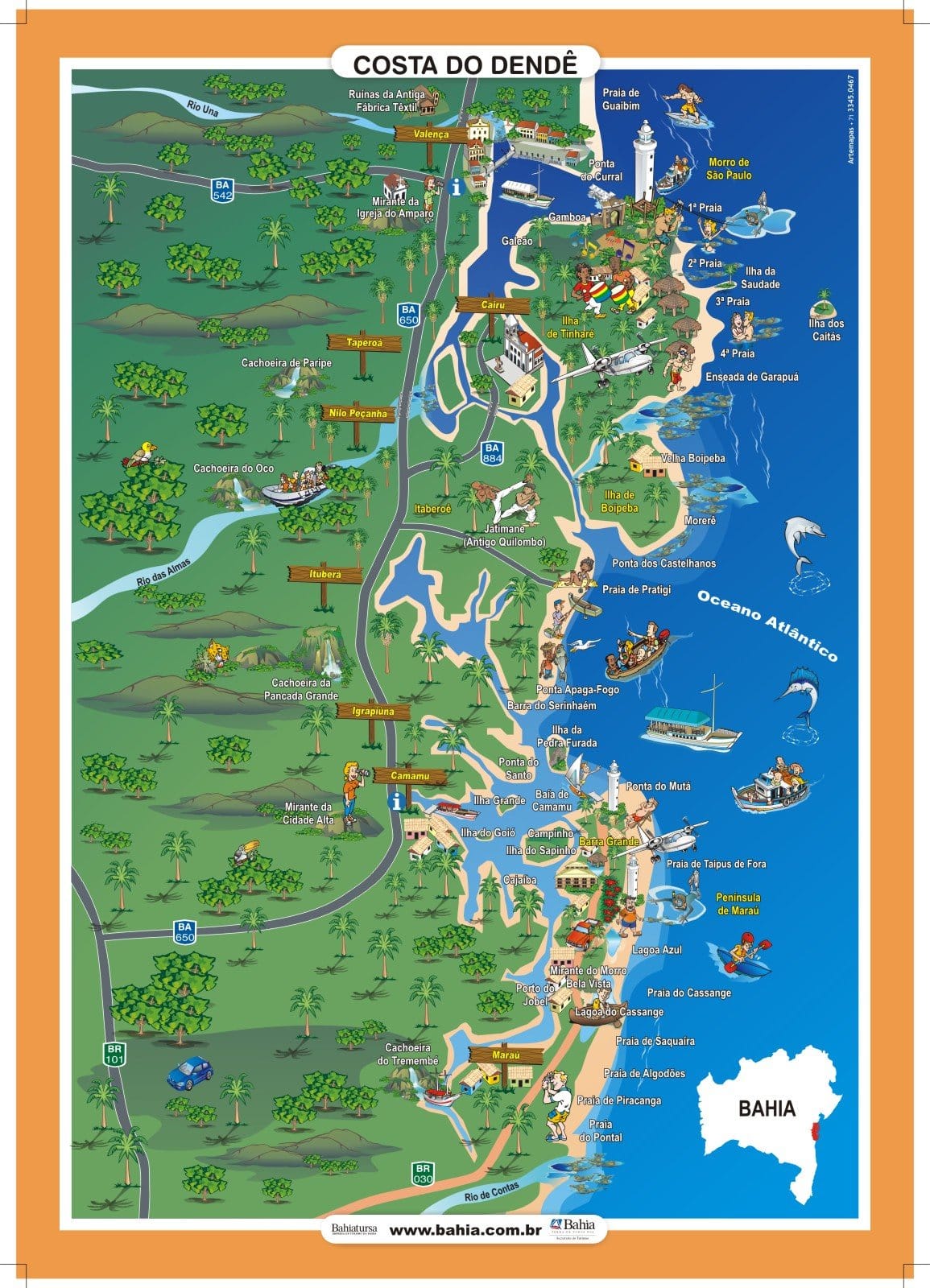
Valença is the largest city in the so-called “Costa do Dendê“ region, which stretches from Cairu to Valença itself.
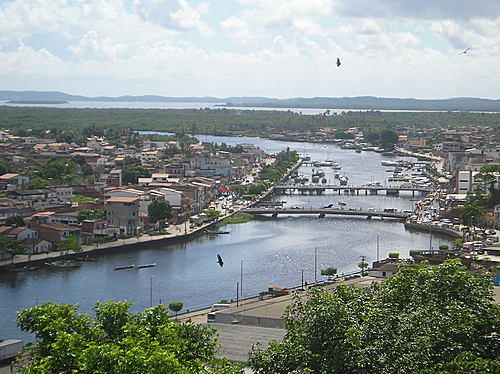
Location and history
Valença is a city in the state of Bahia. It is the seat of the municipality of Valença and has a rich history linked to the textile industry, fishing and tourism, as well as being the main access to the island of Tinharé, where Morro de São Paulo is located.
Commercial importance
Valença, the natural route to the popular Morro de São Paulo, is a river port and an important commercial centre, supplying Cairu, Camamu and other towns in the region.
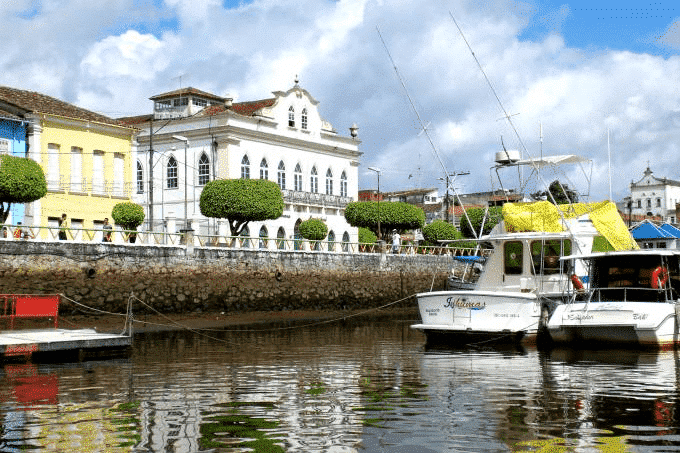
Access to Morro de São Paulo
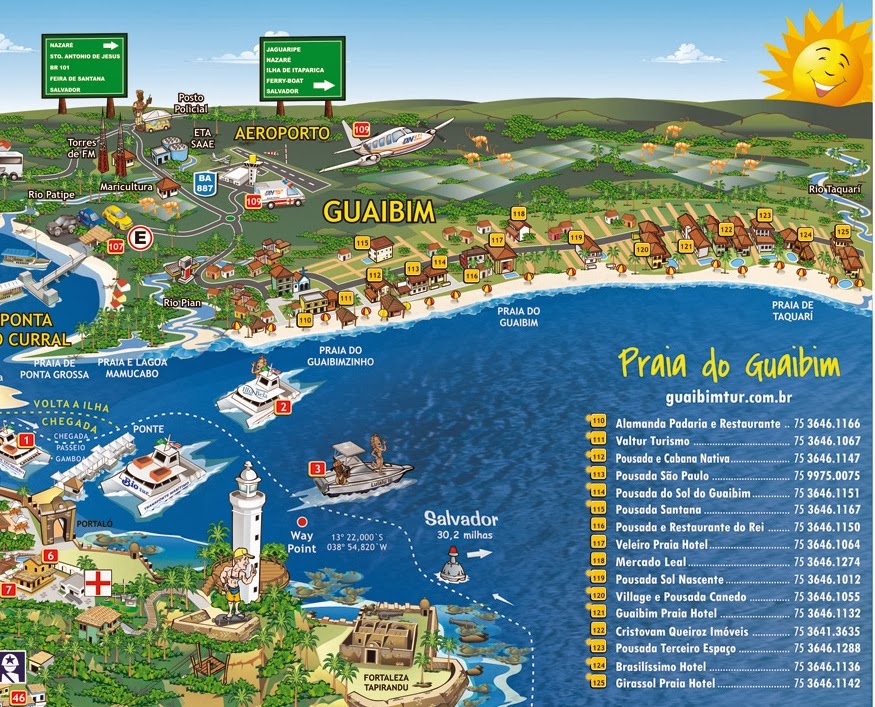
The city is the main starting point for visiting Morro de São Paulo. Many visitors leave their cars near the pier and take a boat to Tinharé Island. Another option is to take the road to the Guaibim Wholesale Market, 14 km from the centre, where boats leave for Morro de São Paulo.
Pousadas and beaches
The best pousadas in Valença are on Guaibim beach. However, the best beaches are Barra do Jiquiriçá and Ponta do Garcez.
Architecture and History
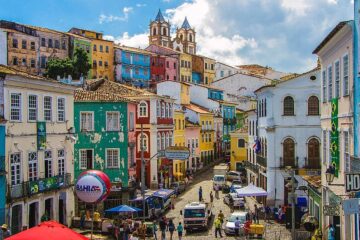
Its streets and squares are lined with buildings from the 18th and 19th centuries.
Walking through the town and looking at the old townhouses is like stepping back in time. The town began to develop late and was not promoted to village status until 1789, when it was renamed Nova Valença.
Textile Industry
It was the first city in Bahia to have an industry: the Todos os Santos Textile Factory, inaugurated in 1844.
Its inhabitants, together with those of Cachoeira and Santo Amaro, took part in the War of Independence in 1823, which earned the city the title of “The Decider”.
Role in military history
It was in Valença that Lord Cochrane, hired by the Brazilian government to fight the Portuguese fleet, docked his ships. The city also gained notoriety during World War II, when German submarines sank two Brazilian ships in its vicinity.
Caring for the survivors
The rescued survivors were taken to Valença, where they received medical care, which once again earned the city a special name, this time “The Hospitable”, which still prevails today, as the locals usually welcome their visitors.
Current economy
Valença’s economy is currently based on the production of cloves, pepper, coconut and palm oil, fishing and the profitable breeding of shrimps in captivity. Its shipyards, still handmade, retain the techniques of the 17th century.
See the map of the Costa do Dendê
Video of Valença in Bahia

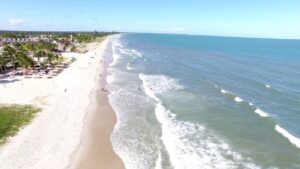
Tourist attractions in Valença, Bahia
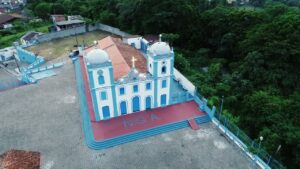
1. Church of Our Lady of Amparo
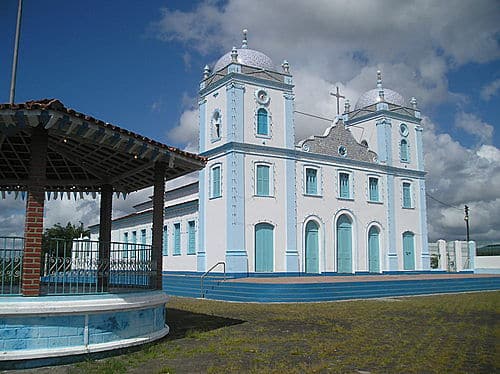
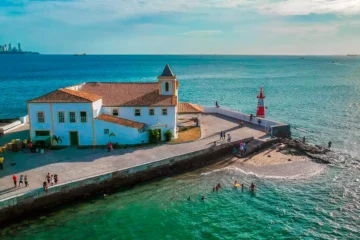
If you arrive by boat on the Una River, you can see the church at the top of the hill. Its interior, lined with Portuguese tiles, has images and paintings from the 18th century and neoclassical altars with white and gold carvings.
Our Lady of Amparo is the patron saint of workers. The church in her honour was built soon after the Fabric Factory was founded.
2. Sacred Heart of Jesus Parish Church
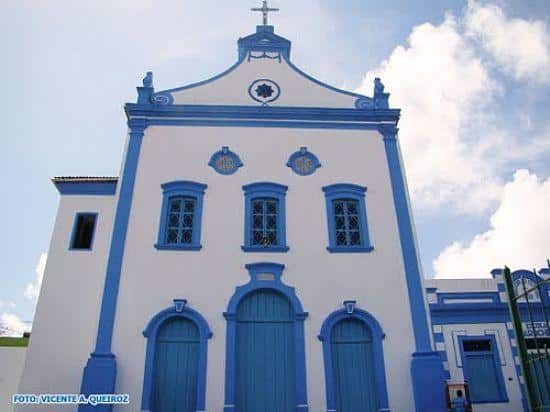
The neoclassical church, which contains valuable paintings from the 18th and 19th centuries, was completed in 1801.
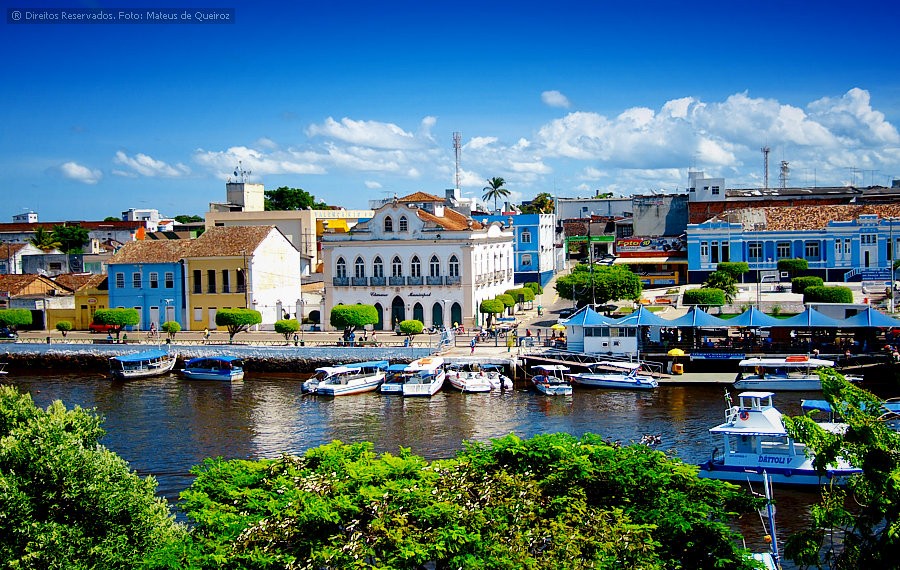
3. City Council
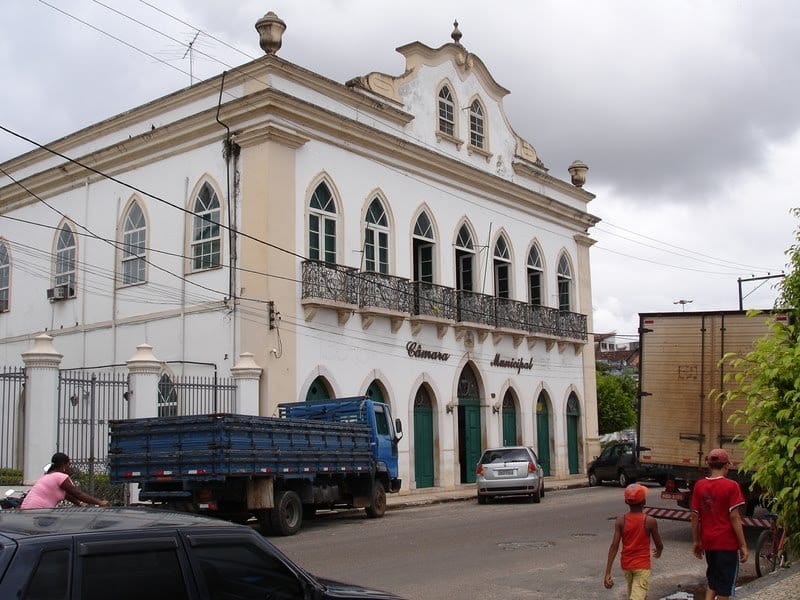
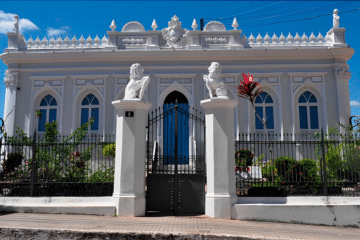
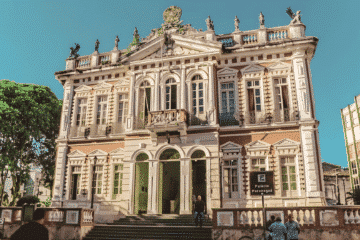
The 1849 mansion was the residence of Comendador Sena Madureira, one of the owners of the Nossa Senhora do Amparo textile factory. After his death, it was sold to the council.
Successive renovations and restorations have sought to preserve the lines of the building, which retains its original floors, a garden with a fountain and an old bench with a tiled back. The building contains portraits and furniture donated by the Sena Madureira family.
4. The Forum
The 16th century building, which was the residence of the Councillor of the Republic Zacarias de Góes e Vasconcelos, is now the seat of the Valença Forum.
5. The Municipal Theatre
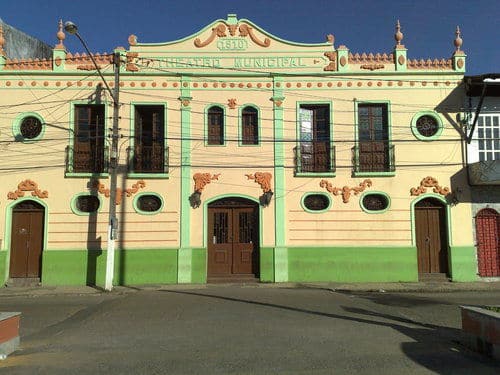
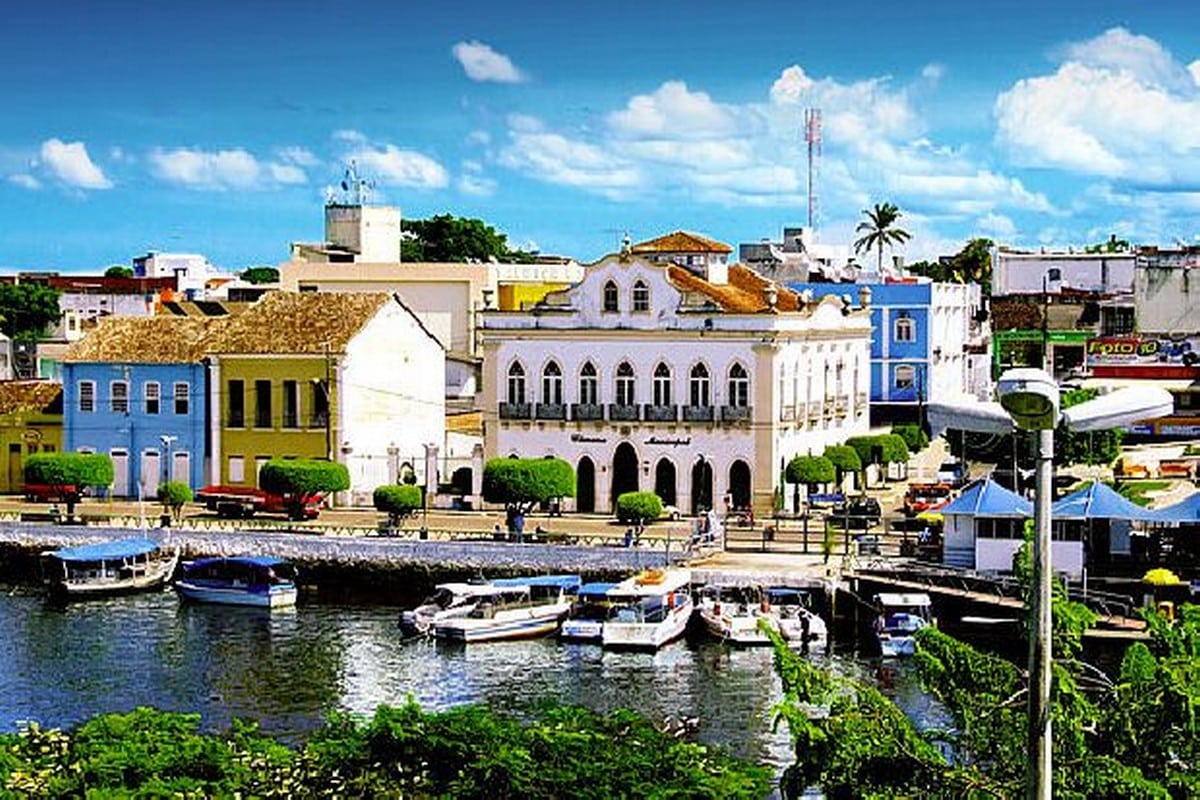
The wealth generated by the textile and fishing industries at the beginning of the 20th century required a cultural space to match this prosperity. Thus, in 1910, the Municipal Theatre was built, part of the group of historic buildings in the Praça da República, which is still in use today.
6. Ruins of the Textile Factory
In imperial times, the Todos os Santos Textile Factory, on the banks of the Una River, was the most important weaving mill in the country.
It was the first in Brazil to use hydraulic power: the old water wheels that moved the machines were later replaced by hydroelectric turbines.
The factory employed 300 workers, a large number for the time, but due to the market crisis at the end of the 19th century, it was on the verge of bankruptcy. It was taken over by the Fábrica de Tecidos Nossa Senhora do Amparo and now operates under the name of Valença Têxtil, at a different address.
7. Sarapuí Rapids
There are seven rapids in all, a challenge for rafting enthusiasts. The largest of these is the Andorinha Waterfall.
8. Guaibim beach
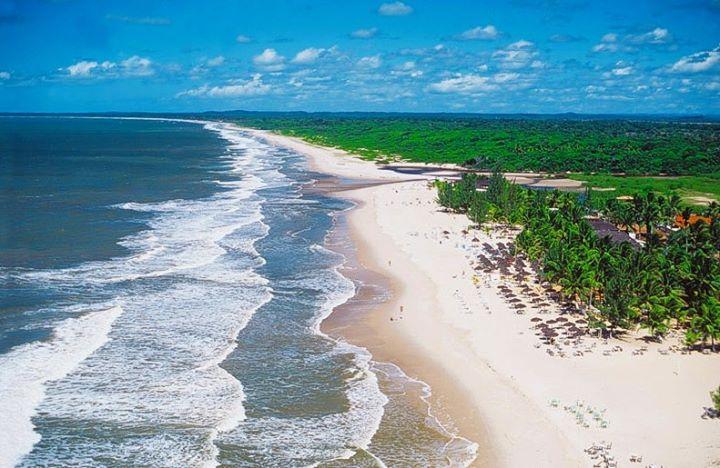
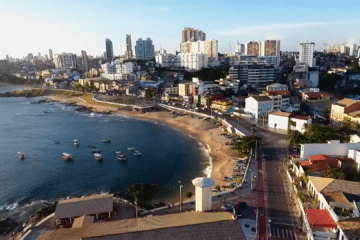
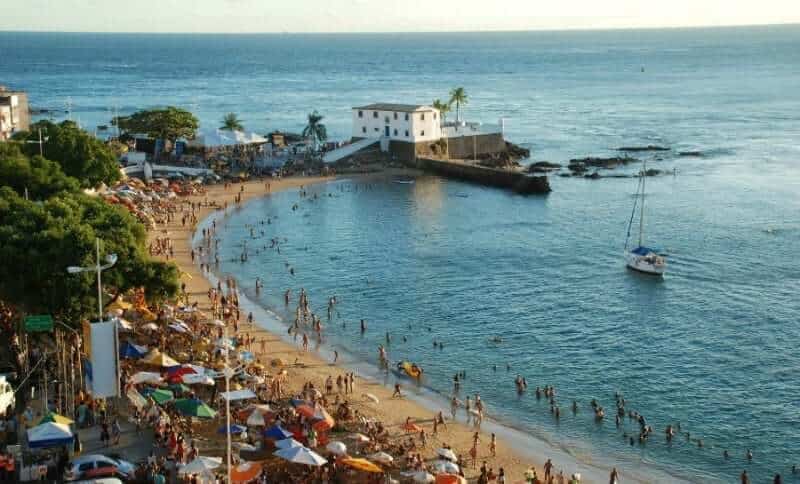
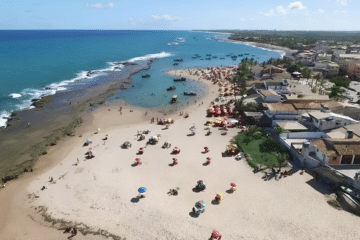
Guaibim Beach – Valença – BahiaThe district of Guaibim, which belongs to the municipality of Valença in Bahia, has around 20 kilometres of beaches along its coastline.
In addition to its cultural and historical riches, Valença also has Guaibim Beach, a tourist area known for its sea, which is ideal for surfing due to its strong waves. Surrounded by coconut trees and remnants of native forests, the beach is 17 km from the city centre.
It can be reached by car via the BA-001 motorway. If you prefer, you can also take a bus along the town’s waterfront.
9. Ponta do Curral
On this beautiful deserted beach, where sea turtles lay their eggs, located in an APA (Environmental Protection Area), the first cattle in the country landed in 1557.
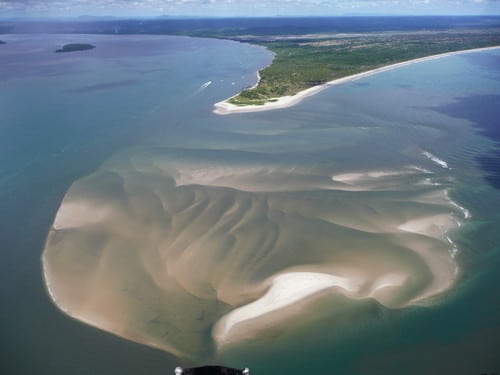
The existing corral gave the place its name. In the village of Guaibim, local guides offer ecological transport (a cart pulled by a tractor) to Ponta do Curral.
Bahia.ws is the largest guide to Bahia and Salvador.
Publicações Relacionadas
Vila de Barra Grande na Bahia: Guia Completo para Turistas
What to do on Boipeba Island - Tourist Guide - videos
Morro de São Paulo: Experience the Unique Attractions
Morro de São Paulo: Explore the Beaches and Nightlife
Costa do Dendê: A Tropical Paradise in Bahia
Cairu Archipelago: A Guide to Its Enchantment
Camamu Bay — A Hidden Paradise in Bahia
Maraú Peninsula: Explore Its Stunning Beaches
Garcez Beach: Discover Paradise in Jaguaripe
Maraú Peninsula: A Coastal Paradise in Bahia
Tinharé Archipelago: Discover Hidden Island Gems
City of Camamu: Rich History by the Bay
Taipu de Fora: Discovering Natural Pools
This post is also on:
 Português
  English
  Deutsch
  Español
  Français