Torrinha Cave: a jewel of the Chapada Diamantina
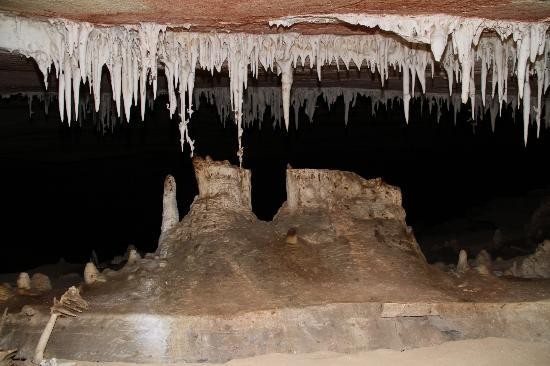
The Torrinha Cave is one of the most complete in Brazil, considering the richness and diversity of its speleothems.
When visiting the Chapada Diamantina, be sure to visit the Torrinha Cave.

Located in the Iraquara region, the second largest concentration of caves in the country, Torrinha Cave has an immense variety of very rare formations, such as speleothems and aragonite flowers.
Speleothems are mineral formations that develop inside caves over thousands or even millions of years as a result of chemical and physical processes related to the dissolution and precipitation of minerals, mainly calcium carbonate. These formations are created by the dripping, seeping or flowing of mineral-rich water within the caves.
Aragonite flowers are rare and extremely delicate mineral formations found in some caves, such as Torrinha Cave in Chapada Diamantina. They are a specific type of speleothem formed by crystals of aragonite, a mineral composed of calcium carbonate(CaCO₃), similar to calcite but with a different crystal structure.
A highlight is the formation of the small electite with an aragonite flower at the top in Torrinha Cave, which is unique in the world. Then, to relax, a good swim in the Devil’s Well and a home-made lunch on the banks of the Mucugezinho River. Don’t miss it!

Map of trails and tourist sites in Chapada Diamantina
Videos of Torrinha Cave and Iraquara Caves

Caverna da Torrinha na Chapada Diamantina09:53
Caverna da Torrinha

Caverna da Torrinha07:11

Iraquara na Chapada Diamantina22:05

Grutas de Iraquara26:01
Torrinha Cave: One of the most complete in Brazil
The Torrinha Cave is not the largest cave in Brazil, but it is one of the most complete, considering the richness and diversity of its speleothems.
In the last survey by the Brazilian Speleological Society in 1994, Torrinha appeared as the 13th largest cave in the country, at 8,210 metres. However, there are now 13,300 metres mapped, which would put it in seventh place.
Discovered in 1850, Torrinha Cave is located on private property in Iraquara. The current owner and caretaker of the cave, Eduardo Figueiredo da Silva, 45, says that his great-grandfather walked only 600 metres, the distance corresponding to the first of the three routes.
Before entering the Torrinha Cave, visitors are given a helmet and instructions on how to behave in the cave. Don’t talk loudly, don’t run and don’t touch the formations.
As well as trails through the primeval forest, refreshing waterfalls and hills, the Chapada Diamantina is also famous for its many caves. Among the many caves, the best known are the Lapa Doce, Gruta da Pratinha, Gruta Azul and Torrinha caves.
The Torrinha cave is considered the richest in Brazil, with a great variety of formations formed after hundreds of years of transformations in the rock.
Torrinha Cave, in the Chapada da Diamantina, was discovered around 1850 and is made up of ornaments resembling gypsum needles about 60 centimetres long and aragonite flowers that look like glass.
Features of Torrinha Cave
1. length and depth
2. Geological formations
3. Unique beauties
Bahia.ws is the largest tourist guide in Bahia and Salvador.
Chapada Diamantina Tourist Guide

Publicações Relacionadas
Origin and History of Capoeira in Brazil Explained
Ilhéus (BA) — Beaches, Cocoa Plantations and Cultural Itinerary
Prado (BA) — Beaches, Cliffs and Whale Watching | Whale Coast
Tourist Areas in Bahia - Tourist Guide
Salvador’s Historic Centre, Pelourinho, Baroque churches and museum
Costa do Dendê: A Tropical Paradise in Bahia
Santo Amaro da Purificação — History, Culture and Tourism in the Recôncavo Baiano
Parks and Squares in Salvador for Leisure Activities
Ibicoara: An Unmissable Tourist Destination
Jandaíra: Discover the charm of Mangue Seco
Tourist Guide to the Pantanal in Bahia — Jaguaripe (BA) | Mangroves, Fishing and Excursions
Complete Guide to Visiting Arraial d'Ajuda in Bahia
Barreiras: An Ecological Paradise in Bahia
Paulo Afonso's Beautiful Waterfalls and Canyons
Church of São Pedro dos Clérigos — History, architecture and religious art
Paranaguá Palace — History, architecture and visiting information | Ilhéus (BA)
Bahia Maritime Museum: History of Navigation at the Barra Lighthouse
Monte Pascoal National Park: Pataxó culture and Brazilian history
Palmeiras: A Gateway to Chapada Diamantina
Ilhéus: A Journey Through Bahia's Rich History
City of Camamu: Rich History by the Bay
Things to Do in Nova Viçosa (Bahia): Beaches, Islands and Abrolhos
Ponta de Corumbau — an unspoilt paradise on the southern coast of Bahia
Descobrimento National Park in Bahia: A Natural Heritage Site
Churches in Salvador (BA) — a guide: history, architecture and itinerary
Main islands of Todos os Santos Bay | Visitor’s Guide
Abseiling Sites in Bahia: Top Locations to Explore
Discover the Magnificence Fort of Nossa Senhora de Monte Serrat
Garcez Beach: Discover Paradise in Jaguaripe
Skydiving, Paragliding and Ballooning in Bahia
Things to Do in Rio de Contas (Bahia): A Complete Guide
Where to Stay in Salvador for Your Best Experience
São Desidório: Explore Caves and Biodiversity
Dive Sites of Chapada Diamantina: A Guide
Alameda do Sol — Vila da Praia do Forte (BA) | Things to do
Valença: The Gateway to Morro de São Paulo
This post is also on:
 Português
  English
  Deutsch
  Español
  Français