Discover Palmeiras: History, Culture and Attractions at the Gateway to the Capão Valley
Palmeiras was founded in 1890 and experienced its glory days of diamond mining.
Historical heritage
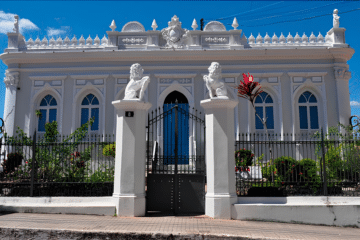
The old buildings of the Praça da Igreja Matriz do Bom Jesus and the Palacete dos Alcântara are legacies of the mining era.

Tourist Attractions
The city of Palmeiras is known as the gateway to the Capão Valley, one of the main destinations in the Chapada Diamantina.
However, it also has its charms and is beginning to attract tourists. Among its main attractions are the Matão Archaeological Sites, Serra Negra and Poço dos Impossíveis, as well as being close to important natural attractions such as Morro do Pai Inácio and Morro do Camelo.
Culture and festivities
Its historical and cultural heritage is made up of colonial houses, such as the City Museum, which preserves memories from the early 20th century, and one of the largest carnival festivals in the region.
Conservation and Nature
Palmeiras is part of the Chapada Diamantina, Conservation Unit and National Park (PARNA), but it’s not all about hiking Trails through Pristine Forest and Radical Adventures.
The Diamond Age
The discovery of diamond deposits on the banks of the Lajedinho stream attracted a large contingent of prospectors in the race for the precious stones, and behind them, traders, colonists, Jesuits, smugglers and foreigners consolidated the local occupation of what had been Vila Bela das Palmeiras.
Current economy
The city of Palmeiras still concentrates its economic activity on the exploitation of diamonds, carbonates, rock crystal and limestone.
It has also preserved its important historic houses, which can be easily seen in the Palacete dos Alcântaras, the City Hall, the Igreja Matriz do Bom Jesus and the many chapels and houses with beautiful features.
Local culture
At the Saturday Markets in Palmeiras, a real microcosm, regional culture is preserved, like the caravans that arrive on donkeys. Together with the Regional Shopping Centre, it brings together all kinds of artisans and stimulates local trade.
See the map of Chapada Diamantina
Map of trails and tourist sites in the Chapada Diamantina
Video about the tourist attractions of Palmeiras in Chapada Diamantina

Palmeiras na Chapada Diamantina05:12

Morro do Pai Inácio na Chapada Diamantina

Morrão na Chapada Diamantina02:59

Águas Claras na Chapada Diamantina08:35

Cachoeira da Fumaça na Chapada Diamantina03:23

Vale do Capão na Chapada Diamantina05:11

Cachoeira do Riachinho na Chapada Diamantina

Cachoeira da Purificação na Chapada Diamantina01:27
Tourist Attractions in the City of Palmeiras
Located in the heart of the Chapada Diamantina, Palmeiras is the perfect destination for those seeking direct contact with nature. Between rock walls, rivers, caves and waterfalls, there are breathtaking attractions. Take a look at the main tourist attractions:
1. Fumaça Waterfall

The region’s biggest attraction, 370 metres high, is a unique natural spectacle. The water falls with such force that it is dispersed in the air, creating the smoky mist that gave it its name. It’s an ideal place for lovers of abseiling and nature watching.
2. Vale do Capão
Known for the special energy of its visitors and residents, Vale do Capão brings together people from all over the world who share a love of nature.
- Location: 460 km from Salvador, belonging to the municipality of Palmeiras.
- Attractions: Bars, restaurants with vegetarian options, hostels, music pavilion for cultural performances and handicraft exhibitions.
- Concept: Alternative living, environmental education, recycling and sustainable tourism are the pillars of the community.
The valley is also the starting point for trails such as Gerais do Vieira and Vale do Pati.
3. Pai Inácio Hill

At a altitude of 1,120 metres, the hill offers breathtaking views, especially at sunset.
- Legend: Pai Inácio is said to have fled to the top of the hill and mysteriously disappeared.
- Access: Moderate walk; ideal for those seeking panoramic views of the Chapada.
4. Morrão (Mount Tabor)

At a height of 1,418 metres, Morrão is a natural icon of the Chapada.
- Challenge: The climb is demanding and should be undertaken with experienced guides.
- Attraction: The Mucugezinho river rises at the base, surrounded by incredible scenery.
5. Águas Claras

Crystal clear waterfalls form natural pools of rare beauty.
- Access: 10km trail (with the possibility of hiring porters).
- Camping: Ideal place for adventurers, with space for tents.
6. Village of Caetê-Açu

Recognised for its alternative communities:
- Activities: Meditation, yoga, indigenous sauna, massages such as shiatsu and ayurvedic.
It is the cultural heart of Vale do Capão, with a cosy atmosphere and a variety of services.
7. Riachinho Waterfall

Easily accessible and excellent for swimming, this is one of the most popular waterfalls in the region.
8. Corredeira das Rodas
A place with calm waters, perfect for a refreshing swim, with easy access.
9. Purificação Waterfall and Angélica Fountain

With crystal-clear waters, these attractions appeal to visitors travelling along the Rio das Rodas.
- Adventure: A challenging walk along the riverbed and over slippery rocks.
Conclusion
Palmeiras is undoubtedly a destination that combines adventure, history and sustainability, surrounded by landscapes of rare beauty. Whether for exciting treks or moments of relaxation, the city offers unforgettable experiences in the Chapada Diamantina.
Bahia.ws is the largest tourist guide in Bahia and Salvador.
Tourist guide to Palmeiras in Chapada Diamantina

Publicações Relacionadas
7-day itinerary in Salvador and the surrounding area: Pelourinho, the islands and Praia do Forte
Camamu Bay — A Hidden Paradise in Bahia
Birds Found in Chapada Diamantina: A Guide
Paranaguá Palace — History, architecture and visiting information | Ilhéus (BA)
São Jorge Parish Church in Ilhéus — history, architecture and religious art
Bom Jesus dos Passos Island: A Complete Guide (Beaches, Church and How to Get There)
Salinas da Margarida (BA) — Beaches, Attractions and a Complete Guide
Pelourinho (Salvador) — Historical Guide, Architecture, and UNESCO World Heritage Site
Barreiras: An Ecological Paradise in Bahia
Cachoeira (BA) — National Monument and Historical Trail
Humpback whales in Brazil — characteristics, migration and sanctuaries (Abrolhos)
Trekking in the Pati Valley in Chapada Diamantina
Cathedral Basilica of Salvador — History, Sacred Art and Collection
History of the Senhor do Bonfim Ribbons — Origin, Meaning and Traditions
Main islands of Todos os Santos Bay | Visitor’s Guide
Wine Tourism in the São Francisco Valley Guide
Mucuri and Costa Dourada — Beaches, cliffs and ecotourism in Bahia
Morro de São Paulo: Beach Guide and How to Get There
Basílica Santuário Nossa Senhora da Conceição da Praia — history and architecture
Church of Nossa Senhora dos Mares (Salvador) — History and Architecture
Itaparica Island — Complete Guide: History, Beaches and Tips
Monte Pascoal National Park: Pataxó culture and Brazilian history
Mining in the Chapada Diamantina History Explained
Parks and Squares in Salvador for Leisure Activities
Todos-os-Santos Bay (Bahia) — History, geography and conservation
Ecotourism at Timeantube Lagoon, Praia do Forte
Discover the 23 beaches of Salvador — A complete guide and tips
Tourist attractions in the Gamboa neighbourhood in Salvador BA
Church and Convent of Nossa Senhora da Palma in Salvador, Bahia
Maraú Peninsula: Explore Its Stunning Beaches
Salvador’s Historic Centre, Pelourinho, Baroque churches and museum
Ilhéus (BA) — Beaches, Cocoa Plantations and Cultural Itinerary
Barreiras: Where Carnival Meets Adventure Tourism
Trekking - Popular trails in Chapada Diamantina
Madre de Deus Island (BA) — Beaches, Islands and Tourism in the Recôncavo
History and Heritage of Itaparica Island — Bay of Todos os Santos
This post is also on:
 Português
 English
 Deutsch
 Español
 Français