Sempre-Viva is typical of the Chapada Diamantina and has become a symbol of conservation.
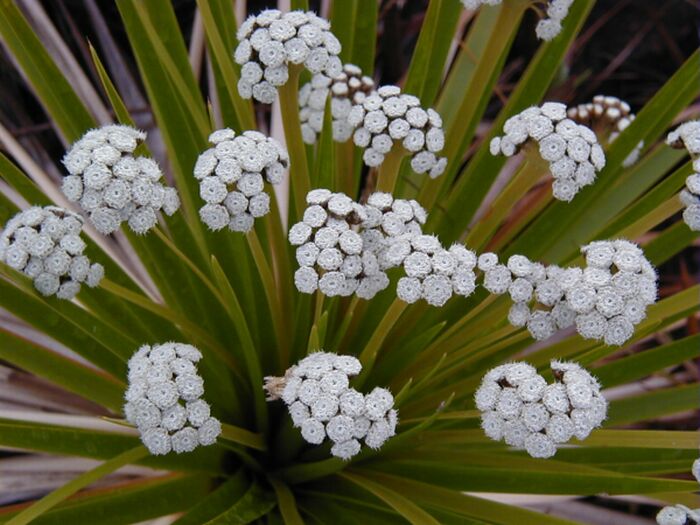
The Sempre-Viva (Helichrysum bracteatum) is widely used as a cut flower in floral arrangements, both fresh and dried, and is a typical species of the Chapada Diamantina.
This annual herbaceous plant, which can grow between 0.7 and 1.2 metres tall, has delicate leaves and small, but very striking flowers that can vary in colour, such as yellow, pink and white.
Its flowers, which bloom in spring, are extremely durable and retain their beauty and shape when dried, making them a popular choice for decoration.

The Projeto Sempre-Viva Municipal Park
The mission of the Projeto Sempre-Viva Municipal Park, located in Mucugê, is to protect different species of local flora and fauna.
Its main objective is the restoration and implementation of technologies for the cultivation, management and marketing of the Sempre-Viva (ornamental plant).
The park is managed by the Municipality of Mucugê, in partnership with the State of Bahia and the Department of Forestry Development of the Catholic University of Salvador.

Conservation and access
Located at kilometre 92 of the BA-142, the Sempre-Viva project was created to preserve the flower that is an icon of the Chapada Diamantina and is threatened with extinction. Visits to the park include access to a research laboratory and a trail that leads to the Piabinha and Tiburtino Waterfalls.
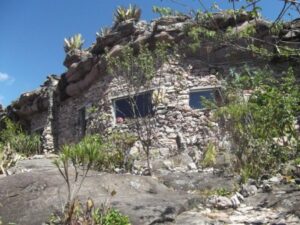
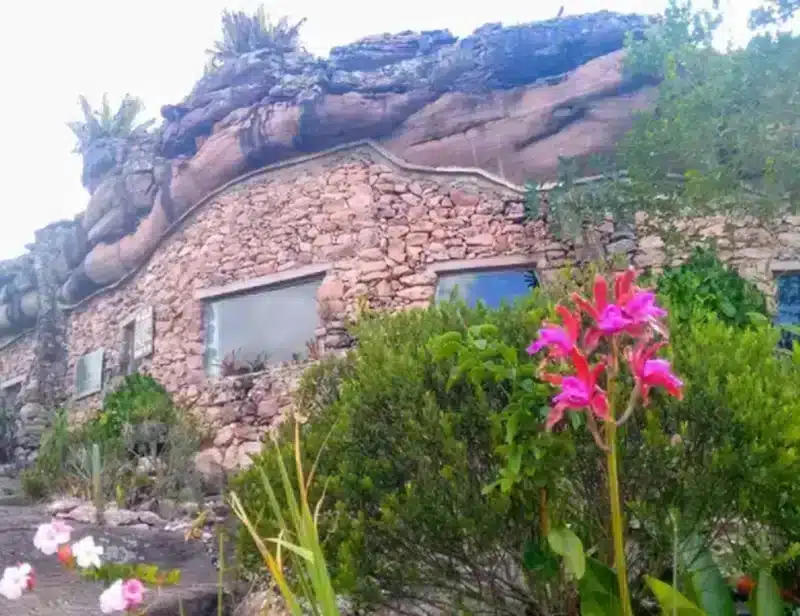
With its headquarters set into the rock, the park is easily accessible by tarmac road and visitors pay a small fee to explore the research facilities, waterfalls and trails.
Experience the Sempre Viva Project
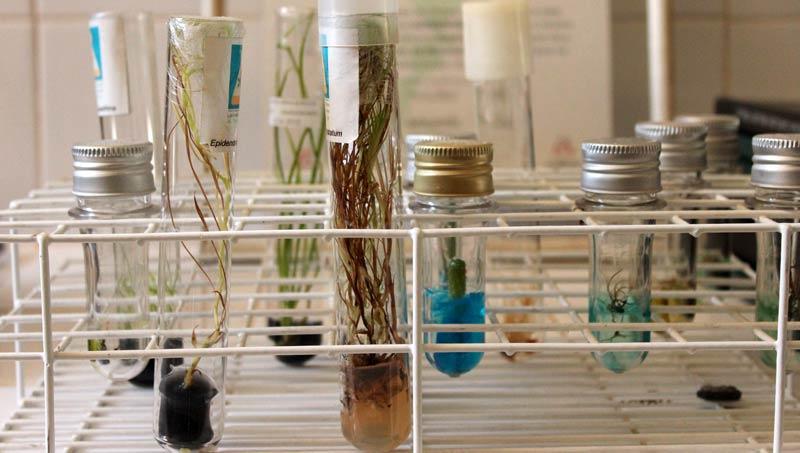
The Sempre-Viva Project offers an immersive experience in the Mucugê Municipal Park, with a laboratory dedicated to the study of local flora, especially the flower endemic to the region.
Visitors can also explore historical sites that reveal the culture of diamond mining and enjoy natural attractions such as trails and waterfalls.
The Sempre-Viva Park offers a peaceful walk, with easy and accessible paths that allow visitors to visit the Piabinha and Tiburtino Waterfalls, as well as exhibitions on the flower and mining.
Videos about the Sempre Viva project
Projeto Flor Sempre-Viva - Cultivo04:52
Flor Sempre-Viva - Cultivo e Origem08:00
Projeto Sempre-Viva25:49
Museu do Garimpo em Mucugê04:16
Garimpo Museum
The Garimpo Museum, part of the Sempre-Viva project, tells the story of diamond mining, the methods used, the importance of the mineral and the decline of the activity.
The museum also covers the formation of various towns in the Chapada Diamantina, including Mucugê.
The headquarters of the Sempre-Viva project, located at km 92 of the BA-142 motorway, houses part of the Garimpo Living Museum, while the other part is an old miners’ dwelling, with exhibitions of objects and a replica of the largest diamond ever found.
Map of Chapada Diamantina trails and tourist sites
Visiting hours
The museum is open to tourists from 8.00 to 17.00. Visitors can enjoy the Piabinha and Tiburtino waterfalls, located on the Cumbuca River, where the first diamonds were found in the 19th century.
Trail to the waterfalls
After learning about the history of the project and the Garimpo, you can take a self-guided walk that is easy and quick, taking about 20 minutes.
The route includes the Piabinha Waterfall and finally the Tiburtino Waterfall.


Publicações Relacionadas
Guide to Trancoso (BA) — what to do, beaches and inns
Descobrimento National Park in Bahia: A Natural Heritage Site
Santo Antônio da Barra Fort — history, Barra Lighthouse and the Nautical Museu
Things to do in Lençóis in the Chapada Diamantina — 15 attractions
Ventura Village: A Rich History of Diamonds
Pelourinho (Salvador) — Historical Guide, Architecture, and UNESCO World Heritage Site
History of the Convent and Church of Nossa Senhora da Piedade in Ilhéus
Caravelas (BA) — Complete Guide: Beaches, History and Abrolhos
Prostitution, sex, massage parlours and nightclubs in Salvador
Caraíva: A rustic and unspoilt paradise in the south of Bahia
History and Historical Attractions of Itacaré Reveale
Discover the Magnificence Fort of Nossa Senhora de Monte Serrat
Tourist Attractions in Bahia: main attractions, beaches and cities
Places of interest in Salvador — A comprehensive guide
Wine Tourism in the São Francisco Valley Guide
Bahia Maritime Museum: History of Navigation at the Barra Lighthouse
Tourist Information about Chapada Diamantina
Belmonte's Rich History and Cultural Heritage
Mucugê: Discover the local history and culture
Learn more about the sloth and its unique characteristics
Cachoeira (BA) — National Monument and Historical Trail
Rio de Contas: Learn about the history of how the city was founded
Discovering Brazil - Porto Seguro is the beginning of Brazil
History of the Cathedral Basilica of Salvador
Chapada Diamantina's architectural style and influences
Tourist Attractions on the Rio de Contas in Itacaré, Bahia
Church and Convent of Santa Clara do Desterro and its History in Salvador
The Secret History of Salvador, Bahia: Caramuru and the City’s Early Day
Massarandupió Naturist Beach in Bahia
The most visited churches in Salvador — itinerary and tips
Tourism in São Francisco do Conde (BA) — Tips and Attractions
São Jorge Parish Church in Ilhéus — history, architecture and religious art
Ponta de Corumbau — an unspoilt paradise on the southern coast of Bahia
The best places to visit on the Cocoa Coast in Bahia
Barra do Cahy: Brazil's first beach - history and nature
Church of the Third Order of St Francis — History, Art and Baroque Architecture
This post is also on:
 Português
  English
  Deutsch
  Español
  Français