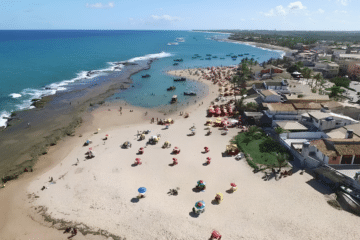
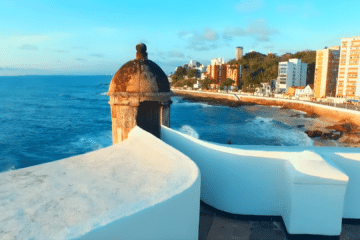
Tourism in Bahia is one of the main reasons why the state is one of Brazil’s main tourist hubs. With its countless attractions, ranging from a vast coastline of idyllic beaches to colonial historical sites, it enchant visitors from all over the world.
Thanks to its vibrant culture, natural beauty and cities steeped in history and tradition, Bahia is the ideal year-round destination for those seeking leisure, culture and nature.

The state has the longest coastline in the country, stretching approximately 932 kilometres, which represents around 12.4% of the Brazilian coastline. This extensive coastline is home to countless idyllic beaches and charming villages.
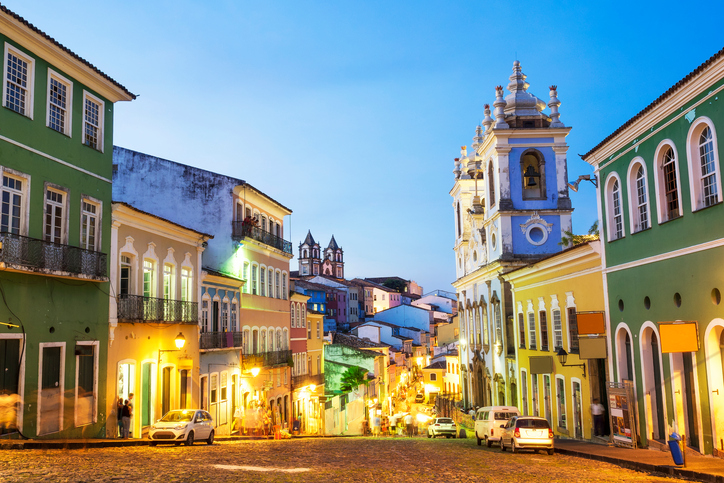
Salvador, the capital, is one of the main tourist destinations, famous for its six-day Carnival, which attracts around 2.7 million revellers. The city’s main tourist attractions include the Bay of All Saints, the Barra Lighthouse, the Lacerda Elevator and the Pelourinho, with its colonial houses and cultural entertainment.
Costa do Sauípe, the largest tourist complex in Brazil, is located on the northern coast of the state and was planned from the outset for tourism. The region is almost entirely occupied by hotels and resorts offering high-quality facilities in a lush natural setting.
Videos about tourist attractions in Bahia.
Pontos Turísticos de Salvador da Bahia07:23

Centro Histórico de Salvador da Bahia04:13

10 lugares para conhecer no sul da Bahia09:11

6 LUGARES PARA VISITAR NA PRAIA DO FORTE BA06:51

As belezas da Chapada Diamantina - Guia Turístico03:41
Tourist attractions in Bahia
1. Salvador, Bahia
Salvador, the capital of Bahia, is one of Brazil’s most vibrant and culturally rich cities. It is characterised by a strong African heritage, religious syncretism and preserved colonial architecture.
Founded in 1549 as the country’s first capital, Salvador captivates visitors with its historic centre, recognised as a UNESCO World Heritage Site, its baroque churches adorned with gold and its vibrant festivals, such as Carnival and the Festival of the Holy Spirit.
The city’s gold-covered churches, popular festivals, such as Carnival and the Lavagem do Bonfim, and its paradisiacal beaches bathed by the Bay of All Saints are all highlights. Blending tradition and modernity, the city offers a unique experience of colours, flavours, rhythms and faith.

1. Historic Centre (Pelourinho)
- UNESCO World Heritage Site.
- There are Baroque churches, colonial mansions, museums and studios, and music in the streets.
- Highlights: – São Francisco Church – Jorge Amado House Foundation – Pelourinho Square

2. Lacerda Lift e Tomé de Souza Square
- It connects the Upper Town and the Lower Town.
- Spectacular view of Todos os Santos Bay.
- Nearby are: the Rio Branco Palace, the City Council and the famous Mercado Modelo market.

3. Historic Churches
- The Church of St. Francis is famous for its gold-covered interior.
- Salvador Cathedral Basilica: a former Jesuit church filled with sacred art.
- Bonfim Church: a symbol of Bahian faith and the setting for the traditional ‘Lavagem do Bonfim’ (Washing of Bonfim).

4. Beaches and Shores
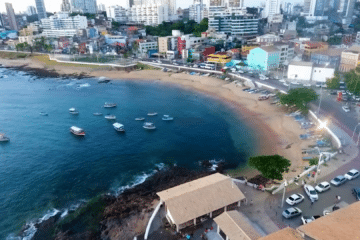
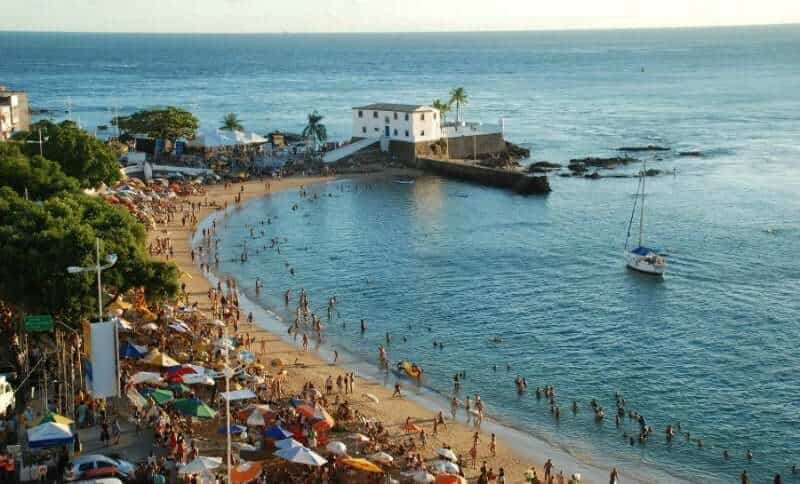
- Porto da Barra is one of the most beautiful urban beaches in Brazil.
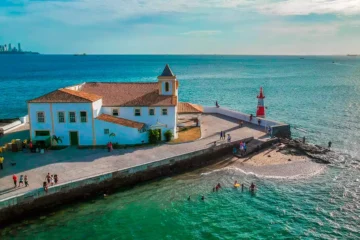
- Barra Lighthouse: home to the Santo Antônio da Barra Fort and the Nautical Museum.
- Flamengo and Stella Maris beaches: quieter beaches with clear waters and coconut trees.

5. Museums
- Bahia Art Museum (MAB).
- The Bahia Museum of Modern Art (MAM), located at Solar do Unhão, boasts beautiful sunset views.
- The Afro-Brazilian Museum, located in Pelourinho, showcases the African influence in Bahia.
- The Tempostal Museum and the Casa do Benin: both focused on visual memory and African culture.

6. Culture and festivals
- Rio Vermelho: a bohemian neighbourhood with bars, parties and Dinha’s acarajé.
- Salvador Carnival: one of the world’s biggest parties, featuring electric trios.
- Religious Festivals: Iemanjá (2 de fevereiro), Bonfim, São João.

2. Tourist route along the Bahia coast
With around 1,100 kilometres of beaches, idyllic landscapes, charming villages, conservation areas and a wealth of culture, the coastline of Bahia is one of the most stunning in Brazil.
To make planning your trip easier, the coastline has been divided into official tourist zones.
1. Costa dos Coqueiros (North Coast)
- Praia do Forte: a trendy destination featuring the Tamar Project, natural pools and the Garcia D’Ávila Castle.
- Imbassaí: where the river meets the sea amid dunes and coconut groves.
- Arembepe: famous for its hippie community and rustic beauty.
- Costa do Sauípe is a tourist complex comprising luxury resorts and lush natural surroundings.
- Subaúma, Baixio and Mangue Seco: quiet beaches, dunes and coconut trees surrounded by nature.

2. All Saints Bay
- Salvador is renowned for its urban beaches, such as Farol da Barra, Porto da Barra and Itapuã, as well as the vibrant Afro-Brazilian culture of Pelourinho and its delicious cuisine.
- Itaparica Island: accessible by ferry, this island boasts peaceful beaches and a colonial history.
- Ilha dos Frades: crystal-clear waters and areas dedicated to environmental preservation.

3. The southern coast of Bahia.
Dendê Coast
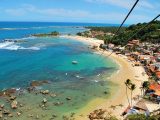
- Morro de São Paulo: a vibrant destination with numbered beaches, lively nightlife and stunning natural beauty.
- Boipeba is ideal for those seeking tranquillity and unspoilt landscapes.
- Tinharé Island and Cairu: hiking trails, ecotourism, diving and an insight into the local culture.

cocoa coast
- Itacaré: a place for surfing, surrounded by waterfalls and beaches in the Atlantic Forest.
- Ilhéus: the home of Jorge Amado, with a historic centre and beautiful beaches.
- Serra Grande and Uruçuca boast preserved landscapes, cliffs and unspoilt nature.

discovery coast
- Porto Seguro is a landmark of the discovery of Brazil, offering beautiful beaches and festivals.
- Arraial d’Ajuda: a charming village with ancient churches and stunning viewpoints.
- Trancoso: a place of sophistication and beauty in the famous Quadrado.
- Caraíva: a rustic village with sandy streets, a river and an alternative energy supply.

Whale Coast
- Caravelas, Prado, Alcobaça and Nova Viçosa are ideal destinations for anyone wishing to observe the humpback whales that visit the region between July and November. As well as tranquil beaches, the area is home to the Abrolhos National Marine Park, one of the best diving spots in Brazil.

4. Chapada Diamantina: o paraíso do ecoturismo na Bahia
Located in the heart of Bahia, the Chapada Diamantina is one of Brazil’s most spectacular destinations for nature lovers, adventure tourists and those interested in local culture. The region is home to the Chapada Diamantina National Park, with landscapes combining gigantic waterfalls, crystalline caves, canyons, valleys, hills and rivers with pure waters, as well as the exuberant vegetation of the Caatinga and Cerrado.

The most famous tourist attractions include:
- Fumaça Waterfall: one of the highest in Brazil, with a drop of almost 400 metres.
- Poço Azul and Poço Encantado: caves with crystal-clear waters and stunning blue hues.
- Morro do Pai Inácio: an iconic viewpoint offering panoramic views of the region and the perfect place to watch the sunset.
- Vale do Pati: considered one of the most beautiful treks in the Americas, it is ideal for adventure-seekers looking for isolation.
- The Lapa Doce Cave, the Pratinha and the Gruta Azul: rock formations and crystal-clear waters of surreal beauty.
- The main bases for exploring Chapada Diamantina are the charming towns of Lençóis, Vale do Capão, Igatu, Mucugê, Andaraí and Palmeiras, each with their own tourist infrastructure. Lençóis, for example, is a town listed by IPHAN (the National Institute of Historic and Artistic Heritage), which preserves colonial houses. It is also the best-known gateway to the park.

6. Bahian cuisine
Bahian cuisine is one of the richest and most distinctive in Brazil. It is famous for its intense flavours, vibrant colours, and strong African, indigenous, and Portuguese influences. Although it originates from the Recôncavo Baiano region and the state’s coastline, its dishes have become popular throughout the country, even though they are not commonly consumed outside of Bahia.
Bahian cuisine is based on distinctive ingredients such as palm oil, coconut milk, ginger, cashew nuts and a wide variety of peppers, which are used either sparingly or intensely, depending on personal preference. This results in an explosion of flavours in every dish.
The most traditional dishes include:
- Acarajé: a fried black-eyed pea cake filled with vatapá, dried shrimp and salad.
- Abará: similar to acarajé, but steamed and wrapped in banana leaves.
- Vatapá: a creamy dish made with bread, prawns, peanuts, chestnuts and palm oil.
- Caruru: an okra dish containing dried prawns and strong seasonings.
- Moqueca baiana: fish cooked in a mixture of palm oil, coconut milk, peppers and coriander.
- Shrimp bobó, fish stew and sarapatel are also very popular.
If you’re looking for something sweet, the highlights are the traditional cocadas, quindins, cassava cakes, mungunzá doce and plantain jam with cloves and cinnamon.
Bahian cuisine is more than just food; it is a cultural heritage, a celebration, a religious tradition and a source of fond memories, particularly when it comes to the acarajé vendors’ trays, which have been declared an intangible heritage of Brazil.
7. Religious tourism in Bahia
For those seeking faith, history and culture, Bahia is one of Brazil’s most fascinating destinations. With its strong Catholic tradition and the influence of African-based religions, the state offers unique spiritual experiences and religious syncretism. Read on for the main highlights to help you plan your itinerary:
1. Salvador: the capital of faith and religious diversity.
Visitors to Brazil’s first capital will find a rich religious heritage.
- The Basílica do Senhor do Bonfim (Basilica of the Lord of Bonfim) is an icon of Bahian faith and the setting for the traditional ‘Lavagem do Bonfim’ (Washing of Bonfim).
- The Church and Convent of São Francisco is known for its gold-covered interior and Baroque art.
- Santuário de Irmã Dulce – dedicated to the saint from Bahia, it contains a museum and a prayer space.
- Salvador Cathedral Basilica – an impressive historic temple located in Terreiro de Jesus.
- Casa de Iemanjá – a temple in Rio Vermelho which celebrates the Queen of the Sea, a symbol of Candomblé.

2. Bom Jesus da Lapa: the pilgrimage capital of Bahia.
Bom Jesus da Lapa, located on the banks of the São Francisco River, is one of Brazil’s largest pilgrimage centres.
- The Pilgrimage of Bom Jesus takes place every year in August, bringing together thousands of the faithful in an atmosphere of devotion and belief.
- The highlight is the sanctuary carved into the rock, known as the Gruta do Bom Jesus (Cave of the Good Lord), which has strong spiritual symbolism.

3. Candeias: Devotion in the Recôncavo Baiano
- Visit the Shrine of Our Lady of Candeias, a place of faith and tradition in the Recôncavo Baiano region.
- The city attracts pilgrims and tourists who are seeking moments of peace and prayer, and who want to experience the sacred.

Bahia.ws is the biggest tourist guide to Bahia and north-east Brazil.

Publicações Relacionadas
Arembepe: beaches (Piruí, Praia do Canto), Hippie Village and the Tamar Project

Paranaguá Palace — History, architecture and visiting information | Ilhéus (BA)

São Jorge Parish Church in Ilhéus — history, architecture and religious art

History of the Convent and Church of Nossa Senhora da Piedade in Ilhéus

São Sebastião Cathedral (Ilhéus) — History, architecture and tourism
The 15 Most Visited and Well-Known Beaches in Bahia
The 3 most paradisiacal beaches in Bahia

Skydiving, Paragliding and Ballooning in Bahia

Historic Towns in Bahia: A Journey Through Time
Places to visit on the south coast of Bahia

História da Arte - Caracteristicas, Aspectos e Periodos
The culture of Northeastern Brazil: how it originated, influenced and flourished

Musical styles, rhythms, singers and composers of northeastern Brazil

Extreme sports in the Northeast of Brazil: Destinations not to be missed

Influences and main dishes of northeastern cuisine

Northeast Tourism Guide: Destinations and Tips
History of Baroque Architecture in the Northeast and Minas Gerais

Subaúma, Bahia: where it is, things to do and where to stay
Massarandupió Naturist Beach, Bahia: Rules and Access
Beaches on the South Coast of Bahia: 10 Best and Tips
Towns and the Abrolhos Archipelago — The southernmost tip of Bahia

Baixio: Between lagoons, dunes and the charm of a village surrounded by nature
Best Beaches in Bahia: Your Guide to Paradise
Salinas da Margarida (BA) — Beaches, Attractions and a Complete Guide

Guarajuba Beach, Bahia: Natural Pools and Tips

Nudist Beaches in Brazil and the Northeast: 2026 Guide

Barra do Cahy: Brazil's first beach - history and nature

Garcez Beach: Discover Paradise in Jaguaripe

Barreiras: An Ecological Paradise in Bahia
Catabrigas Waterfall — A natural haven in Ibirajá, Itanhém (BA)

Serra Grande: Your Guide to Bahia's Paradise
Corumbau, Bahia: Ponta de Corumbau, beaches, map, how to go

Taipu de Fora: Discovering Natural Pools

Iguaí: A Guide to Waterfalls and Relaxation
Morro de São Paulo: Map, Beaches & How to Get There (2026)
Tourism in São Francisco do Conde (BA) — Tips and Attractions
This post is also on:
 Português
  English
  Deutsch
  Español
  Français