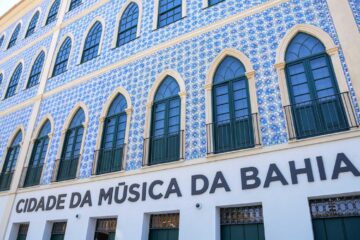
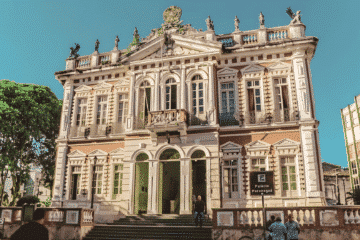
To understand frevo is to reconstruct the history of Recife’s working classes and the city’s urban development between the late 19th and early 20th centuries. Frevo was born among the people and quickly became a defining feature of the city.

1. The Role of Urban Space and Public Authority

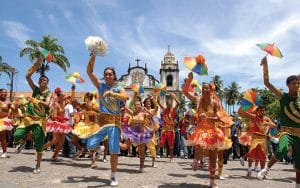
História do Frevo: Memória, Espaço Urbano e Identidade
Você conhece as modalidades do frevo?02:32:42
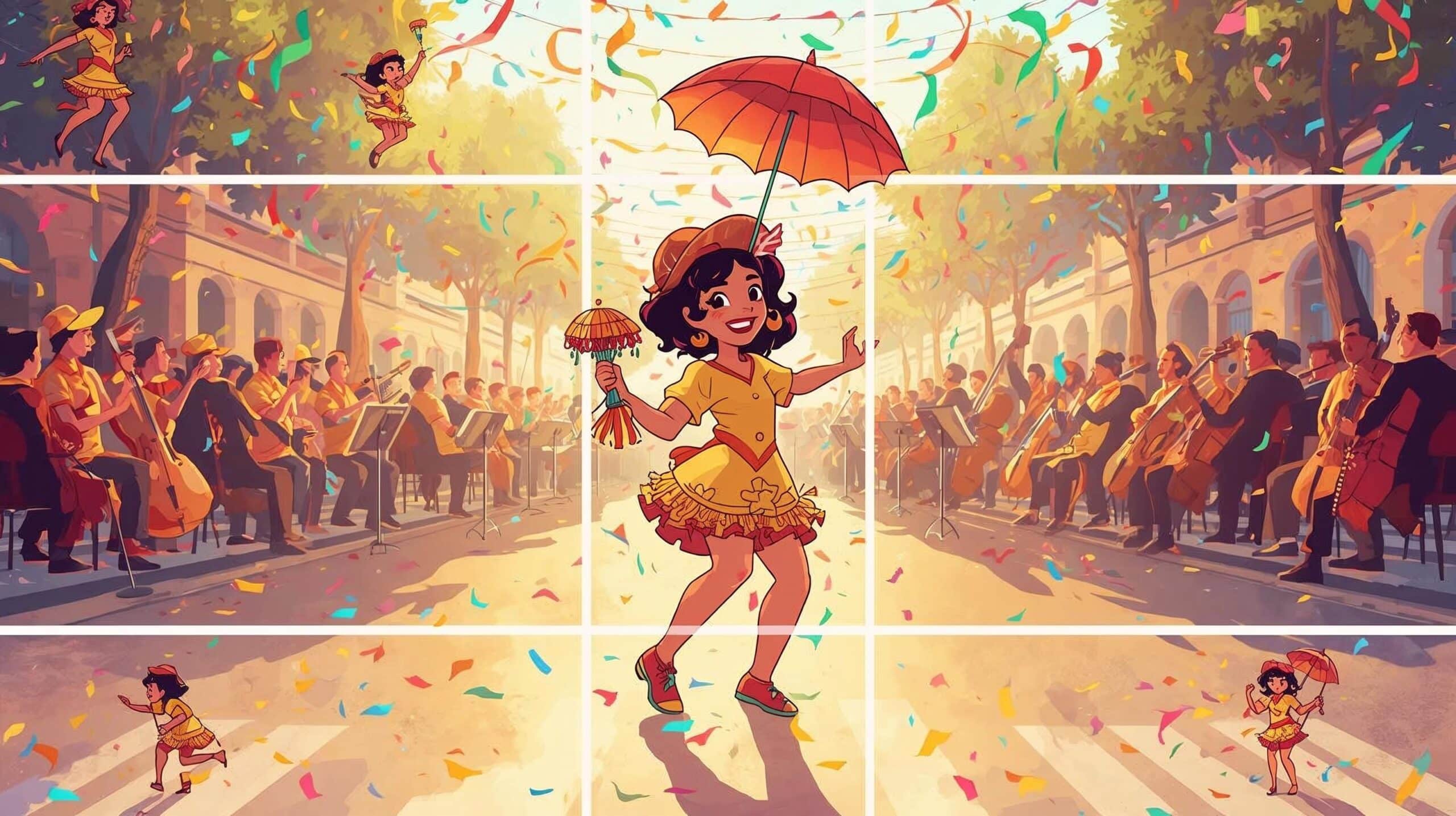
Aprenda a dançar frevo em apenas 12 passos
Since the mid-19th century, and particularly since 1870, carnival celebrations have tended to take place primarily in public spaces and outdoors.
These spaces were not just stages; they played a key role in a process in which public authorities acted as mediators, controlling and regulating their use.
The role played by the authorities in this process helps us to understand the trajectory of frevo in the construction of territorial identity and the reorganisation of urban space.
2. The São José neighbourhood: the main stage
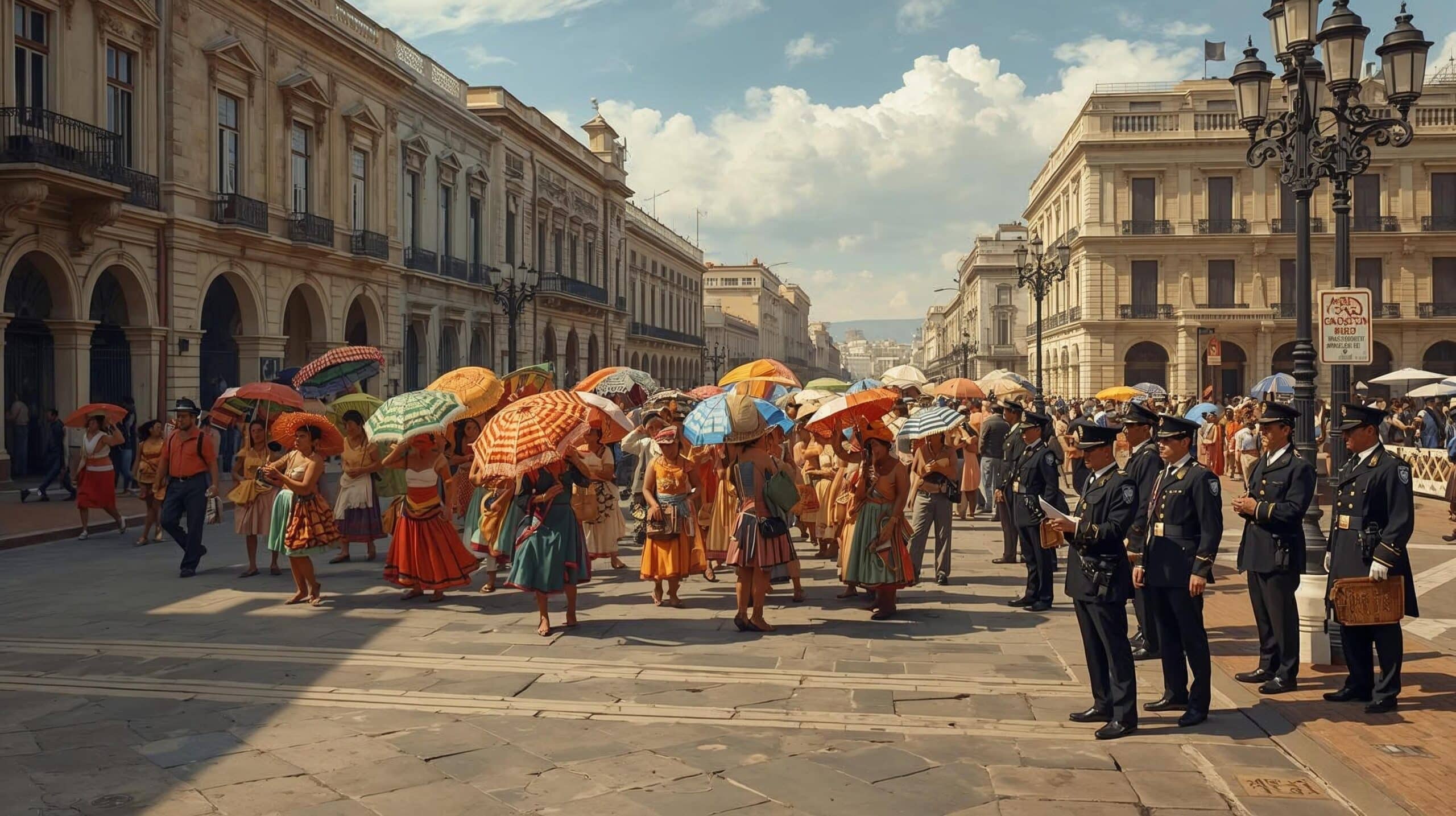
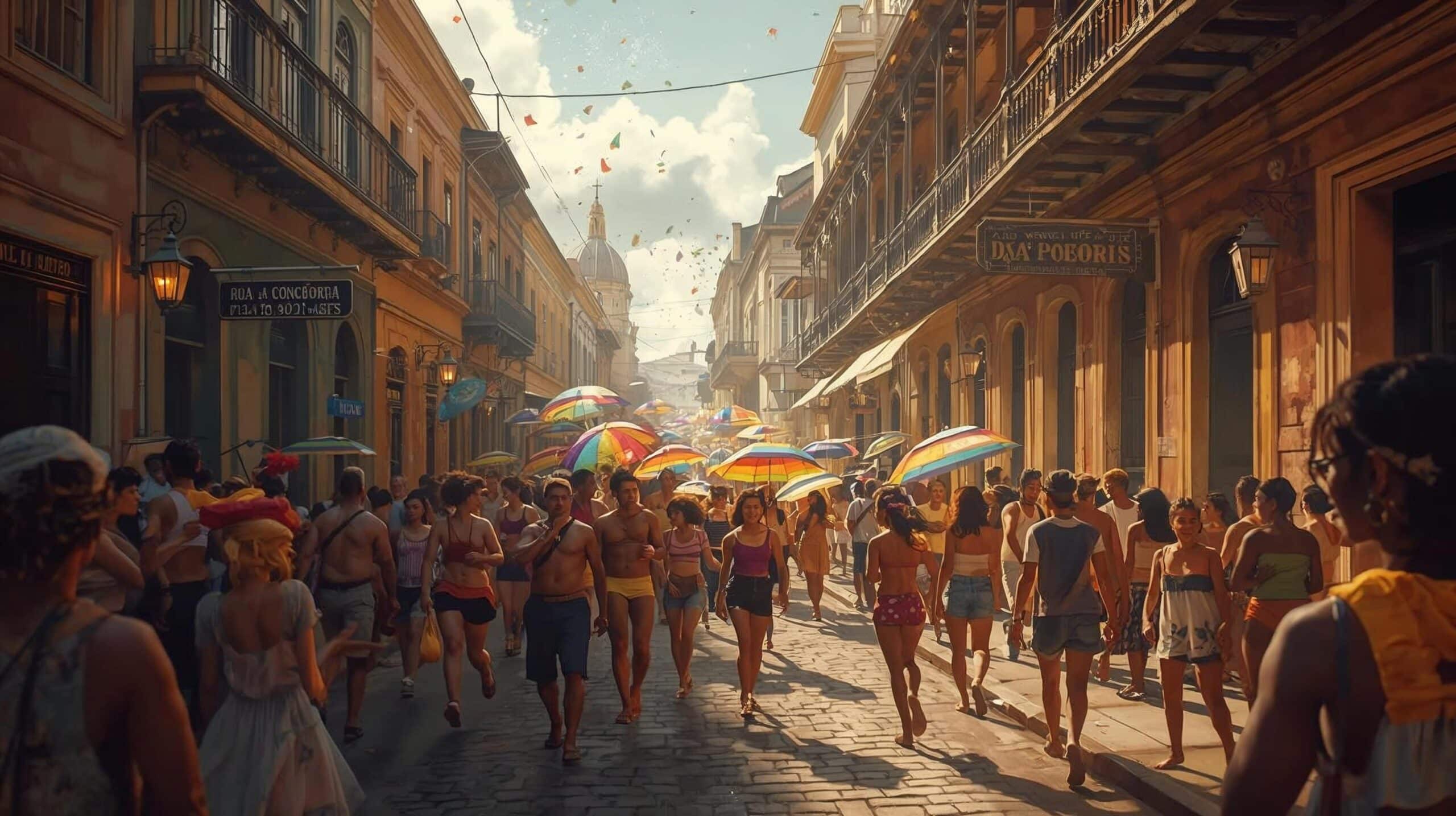
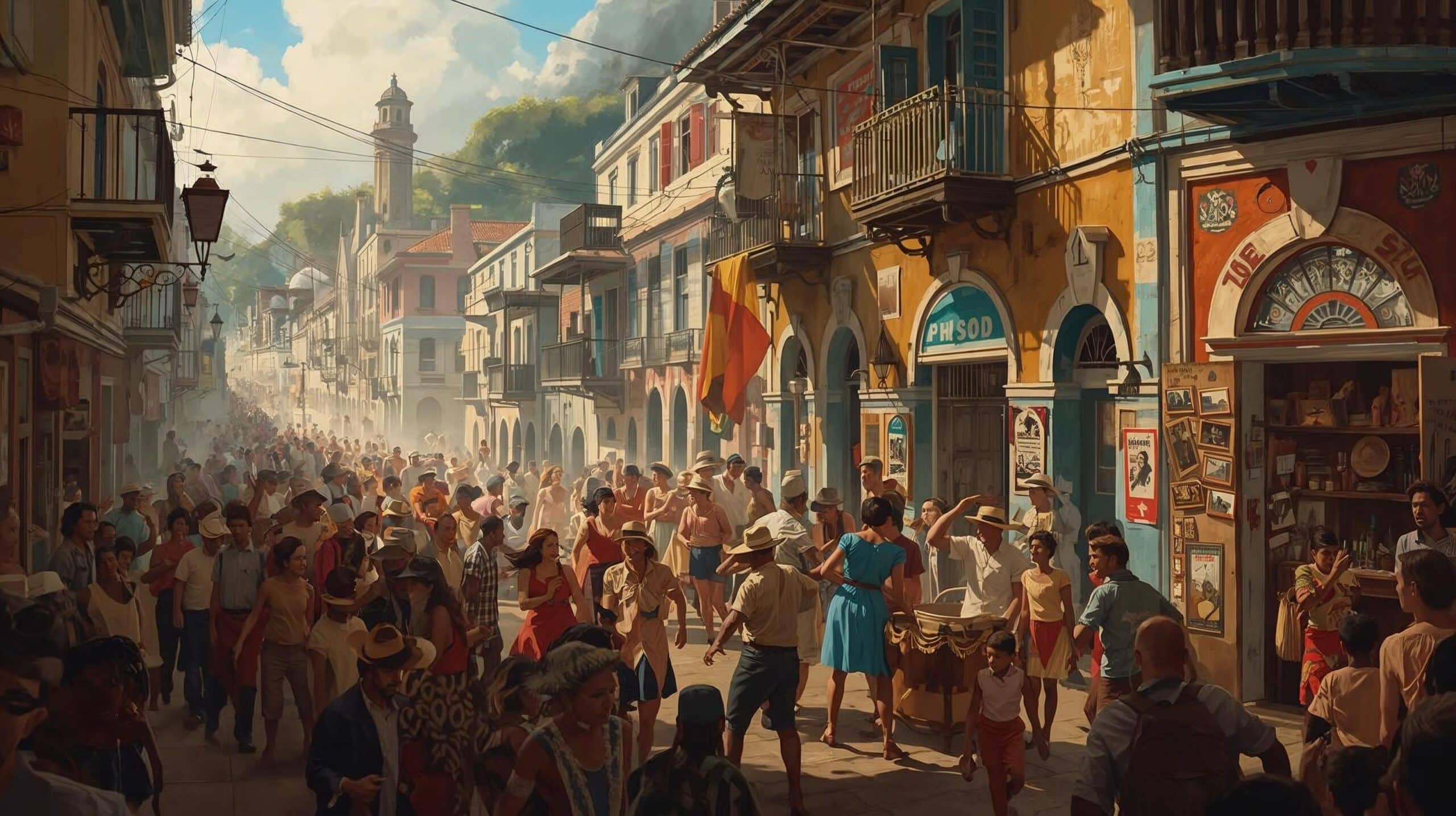
The São José neighbourhood is one of the historic venues for frevo. Rua da Concórdia, Pátio do Terço, Rua Direita, Rua da Horta and Pátio de São Pedro all hark back to the days when the whole neighbourhood would dress up for carnival.
Blocos como as Batutas de São José, os Donzelos, os Traquinas de São José, o Prato Misterioso e o Pão Duro, clubes de carnaval (Clube das Pás Douradas, Clube dos Vasculhadores, Clube Vassourinhas — alcunhado de “Camelo de São José”), o Samba Saberé e a Estudantes de São José Samba School compunham um vasto universo festivo local cujas ensaios atraíam multidões às ruas.
3. Carnival of Different Classes
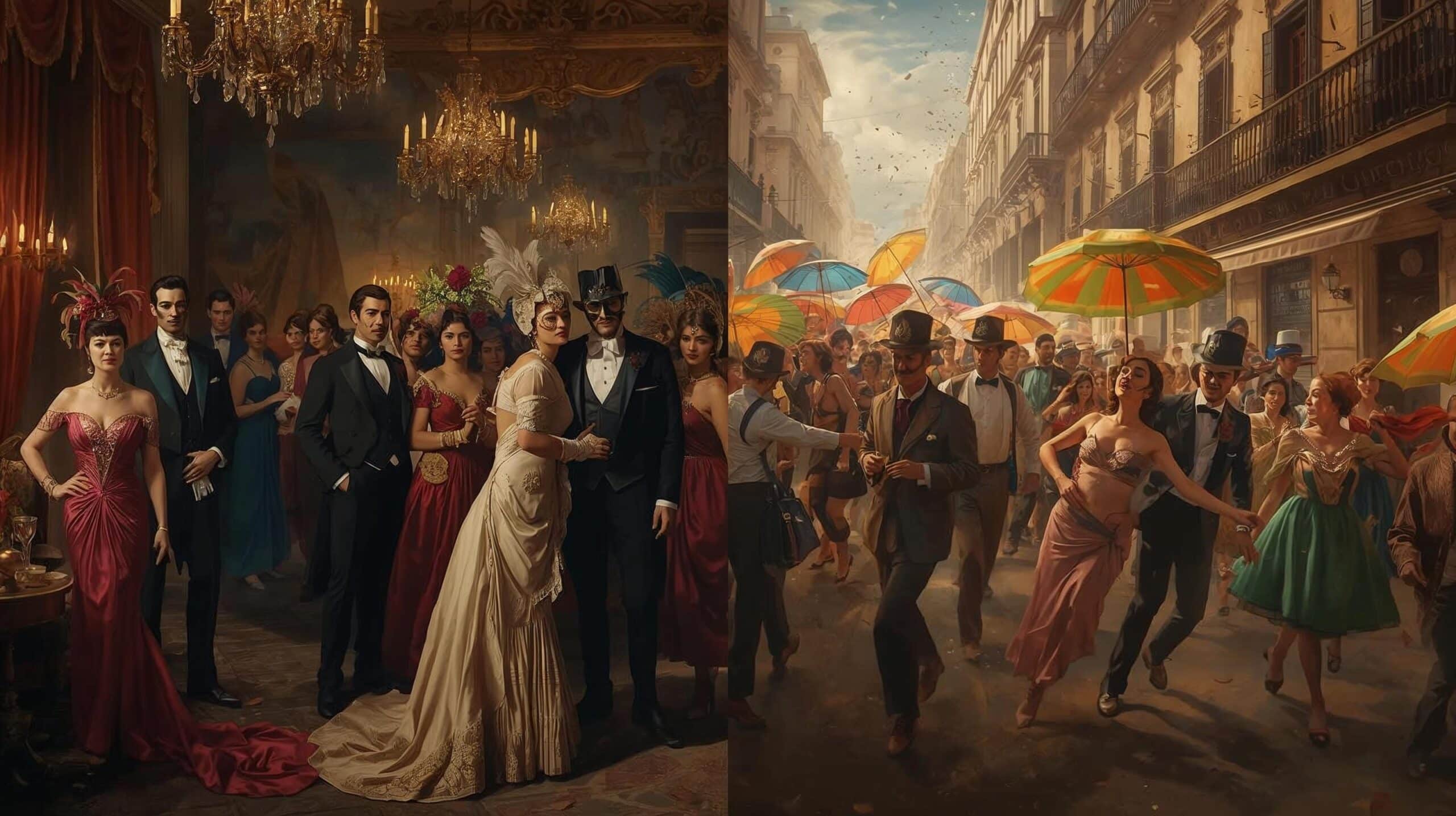
Originally, the wealthy celebrated Carnival with grand balls, known as Masquerades, in ballrooms and theatres. Later, they celebrated in the streets through Allegory and Criticism clubs and the Corso parade.
Gradually, the ‘povaréu’ also began occupying public spaces in order to play, unwind from work, or cause trouble, despite prohibitions and police interventions.
4. Spaces of Experience, Memory and Conflict
The streets, squares and neighbourhoods of Recife and Olinda were popular routes for frevo.
People and groups gathered on historic slopes and narrow streets. Public spaces were places of work and leisure, where begging, fights and arrests took place, and where people came to socialise and enjoy themselves. These urban spaces were full of life, memory, symbols and meaning for those who frequented them.
5. Centrality, Marginality and Cultural Circulation
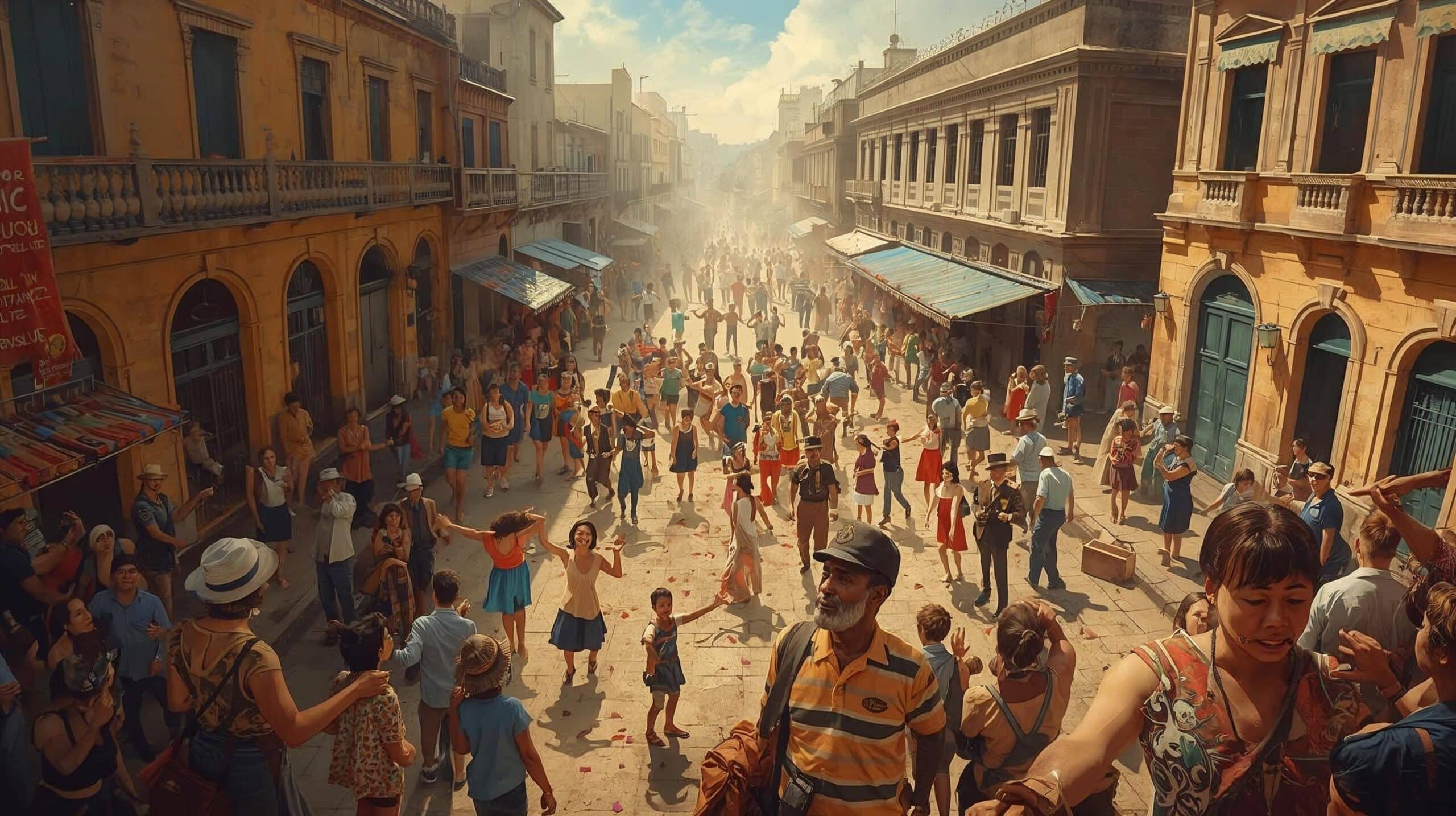
When analysing frevo, it is important to consider its close relationship with Recife’s urban environment, in terms of both its scope of action and how the territory is perceived and experienced, including less visible areas.
This territory is simultaneously a place of memory and a stage for everyday life. It is here that divergences and transgressions unfold alongside sociocultural relationships and practices that enable performers and frevo groups to navigate, position themselves and interact within the urban landscape.
Publicações Relacionadas
Música, Ritmos e Danças do Nordeste do Brasil
History of Carnival in Salvador, Bahia
Biography of Raul Seixas: Life and Musical Career
Musical Style and History of Samba de Roda
Luiz Gonzaga's Impact on Brazilian Music Culture
History of Bossa Nova - When Bossa Nova conquered the world
Maria Bethânia: A Legend in Brazilian Music History
Jackson do Pandeiro: The King of Rhythm and his Music
Gal Costa: Biography of a Musical Icon
Ivete Sangalo: The Biography of a Music Legend
Simone Bittencourt: The Journey of a Brazilian Music Star
Biography of Dominguinhos, the accomplished accordionist
Olodum pays tribute to Michael Jackson in Pelourinho, Salvador
Alceu Valença: A Journey Through His Music
Elba Ramalho: A Journey Through Music History
The History of Forró: Origins and Development
Gilberto Gil: The Icon of World Music Today
Dorival Caymmi and His Musical Legacy
Carmen Miranda: Icon of Brazilian Music History
Morais Moreira's Evolution from os Novos Baianos
The History of Frevo: Origins, Evolution, Rhythms and Style
Daniela Mercury: Queen of Axé Music in Brazil
Caetano Veloso and His Impact on Brazilian Culture
Carlinhos Brown: Biography of a Percussion Legend
The Evolution of Forró: A Musical Journey
Forró Pé-de-Serrra: The Heart of Brazilian Music
Novos Baianos: A Journey Through Brazilian Music
The evolution of carnival: traditions and stories
Alcione: The Journey of a Music Icon
João Gilberto: The Father of Bossa Nova
This post is also on:
 Português
  English
  Deutsch
  Español
  Français