The brilliant career of Gilberto Gil: the genius of Brazilian music and his global influence
Gilberto Gil is one of the greatest figures in Brazilian music, recognised the world over. His international career has earned him a Grammy Award for Best World Music Album in 1998 and a Latin Grammy Award in 2003.

Video about the biography of Gilberto Gil

Early years
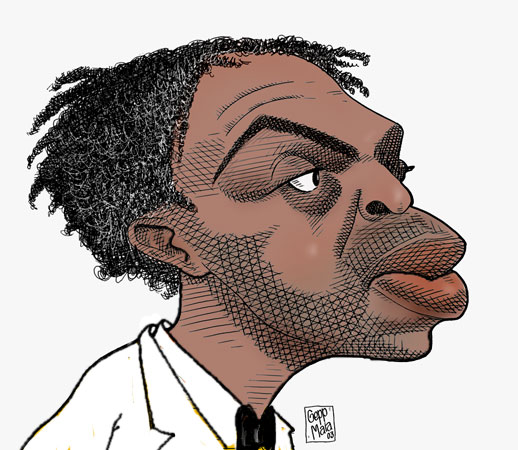
Gilberto Gil (Gilberto Passos Gil Moreira) was born in Salvador and spent his childhood in Ituaçu, in the interior of Bahia, where he became interested in music listening to Orlando Silva and Luiz Gonzaga. At the age of 9, he moved to Salvador and began to study the accordion. At 18, he founded the band Os Desafinados. In the late 1950s, influenced by João Gilberto, he began to play the guitar.
Beginning of his musical career
While studying economics, he discovered contemporary classical music. In 1962 he recorded his first solo EP and met Caetano Veloso, Maria Bethânia and Gal Costa. The following year, Tom Zé joined the group and they performed the show “Nós, Por Exemplo” at the Teatro Vila Velha in Salvador.
Soon after, Gilberto Gil moved to São Paulo, where he worked for the Gessy-Lever company. It was during this time that he met Chico Buarque, Torquato Neto and Capinam.
Recognition and success
In 1965, he sang the song “Iemanjá” at the 5th Festival da Balança, sponsored by the Academic Directory of the Law School of Mackenzie University, which was recorded by RCA. Gilberto Gil became known on the television programme “O Fino da Bossa”, hosted by Elis Regina, where he performed his compositions “Eu Vim da Bahia” and “Louvação”, among others. With his success, he quit his job and signed a contract with Philips, who released his first LP, “Louvação”, in 1967.
In Rio de Janeiro, Gilberto Gil took part in festivals organised by Record and TV Rio and even had his own show on TV Excelsior called Ensaio Geral. At the 3rd Record Festival in 1967, he presented “Domingo no Parque” accompanied by Mutantes and won second place.
“Alegria, Alegria” by Caetano Veloso came fourth and, together with “Domingo no Parque”, formed the embryo of the Tropicalismo movement, which mixed elements of the cultural industry with materials from Brazilian tradition. Unlike Bossa Nova, Tropicalismo had a critical agenda, showing concern for the country’s social problems.
The 70s and 80s
In 1968, the LPs “Gilberto Gil” and “Tropicália ou Panis et Circensis” were released, an album that featured Caetano and Gil as well as Os Mutantes, Torquato Neto, Capinam, Gal Costa, Tom Zé and Nara Leão.
In 1969, Gilberto Gil and Caetano Veloso were labelled “subversive” by the military regime and went into exile in England. They returned to Brazil in 1972 to release Expresso 2222 and Refazenda.
The 1979 album Realce showed his interest in reggae and pop. The LPs ‘Luar’, ‘Um Banda Um’, ‘Extra’, ‘Raça Humana’, ‘Dia Dorim, Noite Néon’ and ‘O Eterno Deus Mu Dança’ date from this period. Gilberto Gil worked with Jimmy Cliff and in 1980 released a Portuguese version of Bob Marley’s reggae hit “No Woman, No Cry” (“Não chores mais”).
Major albums of the 70s and 80s
- Expresso 2222 (1972) – One of the most iconic albums of his career, with a mix of rhythms and styles.
- Refazenda (1975) – A concept album about rural life and agriculture, reflecting his Bahian roots.
- Refavela (1977) – With rhythms from Jamaica, Nigeria, Rio de Janeiro and Bahia, this album shows his search for new sounds.
- Realce (1979) – On this album Gil explores influences from reggae and pop, consolidating his presence on the international music scene.
- Gil and Jorge (1980) – A collaboration with Jorge Ben Jor that resulted in an innovative and highly successful album.
- Os Doces Bárbaros (1980) – A live album documenting Gil’s tour with Caetano Veloso, Gal Costa and Maria Bethânia, celebrating the strength of the tropicalist movement.
- Parabolicamará (1990) – An album that combined different musical styles and reaffirmed their importance in MPB at the time.
The 1990s and 2000s
In 1993, together with Caetano Veloso, he released Tropicália 2, which included a rap on the track “Haiti”. Between the albums “Quanta” and its live version “Quanta Gente Veio Ver”, he released “O Sol de Oslo” on the Pau Brasil label. In 2000, his partnership with Milton Nascimento resulted in the album “Gil e Milton”.
Among his many hits, the biggest were “Preciso Aprender a Só Ser” (I Have to Learn to Be Alone), “Eu Só Quero um Xodó” (I Just Want a Sweetheart) (Dominguinhos/Anastácia), “Punk da Periferia,”Parabolicamará”, “Sítio do Pica-pau Amarelo”, “Soy Loco por Ti América” (with Capinam), “Realce”, “Toda Menina Baiana”, “Drão”, “Se Eu Quiser Falar com Deus”, and many others.
From 1989 to 1992, Gilberto Gil was a member of the Salvador City Council for the Green Party. On 2 January 2003, he took office as Minister of Culture in the government of Luiz Inácio Lula da Silva, resigning in July 2008 to devote himself to his artistic career.
Musical influences
Gilberto Gil has been influenced by a wide variety of rhythms throughout his musical career. Among the most important are
- Baião – A genre typical of northeastern Brazil, combining elements of forró and folk music.
- Samba – One of Brazil’s most iconic rhythms, playing a central role in the country’s musical culture.
- Bossa Nova – A blend of samba and jazz, known for its sophisticated harmonies and poetic lyrics.
- Rock – Gil incorporated elements of rock into his music, especially during the Tropicalismo era.
- Reggae – Reggae influences, especially on albums like Realce, where he explored this Caribbean rhythm.
- Funk – Funk was also part of his musical mix, bringing a contemporary sound.
- Rhythms of Bahia – Elements of local rhythms, such as afoxé, reflecting his cultural heritage and Bahian roots.
These influences, combined with his creativity, resulted in a unique and innovative style that helped shape Brazilian popular music.
Cultural importance
Gilberto Gil has played a fundamental role in the modernisation of Brazilian popular music. On the scene for 46 years, he has developed one of the most important and recognised careers as a singer, composer and guitarist.
His albums have been released worldwide since 1978, the year of his successful live performance at the Montreux Jazz Festival in Switzerland. Every year he tours Europe, the Americas and the East with his infectious music, with its strong rhythmic tendencies and melodic richness in a mixture that reflects the diversity of the Brazilian people.
Rhythms from the northeast of Brazil, such as baião, samba and bossa nova, were fundamental to his development. Using these influences as a starting point, Gil formulated his own music, incorporating rock, reggae, funk and rhythms from Bahia, such as afoxé.
The musical work of Gilberto Gil includes a wide range and variety of rhythms and themes in his compositions, relevant to reality and modernity; from social inequality to racial issues, from African culture to Eastern culture, from science to religion, among many others.
The breadth and depth of the different themes in his musical work are qualities specific to this artist and make Gilberto Gil one of the best and most important Brazilian musical composers.
Gilberto Gil’s importance in the culture of his country dates back to the 1960s, when he and Caetano Veloso created Tropicalismo. Radically innovative on the music scene, the movement assimilated pop culture into national genres and was deeply critical on political and moral levels. Tropicalismo was suppressed by the authoritarian military regime, and Gil and Caetano Veloso were exiled from their country and moved to London.
In London, Gilberto Gil recorded an album in English for the local record label PHILIPS. On his return to Brazil, he began a series of anthology albums in the 1970s: “Expresso 2222”, “Gil e Jorge” (with Jorge Ben Jor), “Os Doces Bárbaros” (with Caetano Veloso, Gal Costa and Maria Bethânia) and the conceptual trilogy: “Refazenda” (about rural extraction), “Refavela” (with rhythms from Jamaica, Nigeria, Rio de Janeiro and Bahia) and “Realce”, the latter recorded in Los Angeles, confirming his choice of pop music, which would guide the development of his career in the 1980s.
The 1990s saw the release of “Parabolicamará, Tropicalia 2 (with Caetano Veloso, celebrating the 25th anniversary of the Tropicalista movement) and Unplugged (a compilation of hits recorded live on MTV).
In 1997 he released the double album “Quanta” and in 1998 “Quanta gente veio ver”, a live double album celebrating the great success of a world tour that won the Grammy Award for Best World Music Album. In 2000, he released the CD “Eu, Tu, Eles” and the CD “Gil & Milton” (with Milton Nascimento). In 2001 he released the CD “São João Vivo”.
In 2002, he released the CD and DVD “Kaya n’Gan Daya”, which became a live CD after a world tour. In 2004 he released the live CD and DVD “Eletracústico”. “Eletracústico” was the result of his concert at the United Nations in New York. The project came about in response to public demand after a three-year hiatus from recording since he took office as Brazil’s Minister of Culture.
In some of his hits, the dialogue between acoustic percussion and electronic music is more intense, and he sings a historical repertoire of hits from the 1960s to the present day with the remarkable joy and enthusiasm of his voice.
Recognition and legacy
In 2006, the Biscoito Fino record label re-released Gil Luminoso – voz e violão (Gil Luminoso – Voice and Guitar), a CD recorded in 1999 to be included in the book Giluminoso – A Po.Ética do Ser (Giluminoso – The Poetics of Being), by Bené Fonteles. The book was a tribute to Gil and included more than 50 of his texts, photographs and a long testimonial by Gilberto Gil. The Gil Luminoso tour, one of the best of his career, toured Europe and the United States.
In 2008, Gilberto Gil released Banda Larga Cordel, reaffirming his unwavering commitment to the new rules and rhythms of the world of bits and bytes – a subject that has fascinated him for over thirty years – where Gil makes his work fully available for webcasts, podcasts, cellcasts and more. The shows were a warm invitation to photograph and film whatever you want, as much as you want. The behind-the-scenes of the tour was published on the internet on various platforms from the specially created hotsite.
In November 2009, Gil toured Europe with the project Concerto de Cordas with his son Bem, who has shown himself to be a promising new talent in MPB, and Jaques Morelembaum, one of the country’s greatest musicians and arrangers.
Also in 2009, in December, the CD/DVD Banda Dois was released, a recording of the show recorded live in September at the Teatro Bradesco in São Paulo, directed by Andrucha Waddington. The show, with Gil on vocals and guitar, featured Maria Rita and her children Bem (who has been accompanying him on his shows for some time) and his youngest son José, who surprised the audience with his bass playing.
With 52 albums released, Gilberto Gil has 12 gold records, 5 platinum records, 7 Grammy Awards and more than 4 million records sold.
For his ever-creative commitment to bringing the heart and soul of Brazilian music to the world, Gilberto Gil has been honoured by various organisations and personalities, and has received many awards in Brazil and abroad. His talent, curiosity and strong cultural convictions as a musician and ambassador make him unique.
Biography of Gilberto Gil
Bahia.ws – Bahia tourism and travel guide, travel and northeast

Publicações Relacionadas
History of Frevo: Memory, Urban Space and Identit
The History of Frevo: Origins, Evolution, Rhythms and Style

Jackson do Pandeiro: The King of Rhythm and his Music
The History of Forró: Origins and Development
History of Bossa Nova - When Bossa Nova conquered the world

João Gilberto: The Father of Bossa Nova

Alcione: The Journey of a Music Icon

Alceu Valença: A Journey Through His Music

Elba Ramalho: A Journey Through Music History

Carlinhos Brown: Biography of a Percussion Legend

Gal Costa: Biography of a Musical Icon
Biography of Dominguinhos, the accomplished accordionist
Forró Pé-de-Serrra: The Heart of Brazilian Music
The Evolution of Forró: A Musical Journey
Luiz Gonzaga's Impact on Brazilian Music Culture

Musical Style and History of Samba de Roda

Ivete Sangalo: The Biography of a Music Legend

History of Carnival in Salvador, Bahia
Olodum pays tribute to Michael Jackson in Pelourinho, Salvador
Dorival Caymmi and His Musical Legacy

Caetano Veloso and His Impact on Brazilian Culture

Daniela Mercury: Queen of Axé Music in Brazil

Maria Bethânia: A Legend in Brazilian Music History

Simone Bittencourt: The Journey of a Brazilian Music Star
Novos Baianos: A Journey Through Brazilian Music

The evolution of carnival: traditions and stories

Morais Moreira's Evolution from os Novos Baianos
Carmen Miranda: Icon of Brazilian Music History

Biography of Raul Seixas: Life and Musical Career
This post is also on:
 Português
  English
  Deutsch
  Español
  Français