Maria Bethânia: The queen bee of Brazilian popular music and her enduring legacy
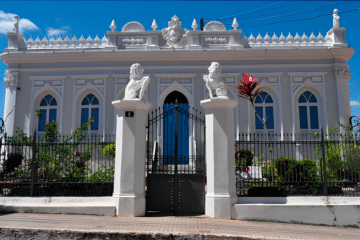
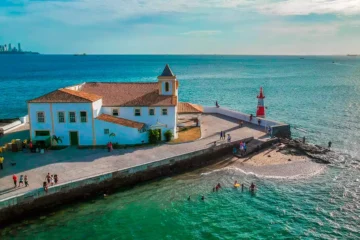
Maria Bethânia Viana Teles Veloso, better known as Maria Bethânia, was born on 18 June 1946 in Santo Amaro da Purificação, Bahia.
She is one of the most important Brazilian singers, the second best-selling female artist in Brazil, with 26 million copies sold, and the biggest name in Brazilian popular music (MPB).
Her nickname, Abelha-rainha (Queen Bee), comes from the first verse of the famous song that gives its name to her LP, Mel, released in 1979.
The song, written by Caetano Veloso, uses the figure of the queen bee to evoke the idea of strength, sweetness and a central role in the hive, reflecting Bethânia’s importance and uniqueness in Brazilian music.
The nickname also symbolises her intense and charismatic nature as an artist, consolidating her image as one of the great voices of Brazilian popular music.

Biography of Maria Bethania
Maria Bethânia is the sixth child of José Teles Veloso (Seu Zezinho), a civil servant, and Claudionor Viana Teles Veloso (Dona Canô). She is the sister of the writer Mabel Velloso and the composer Caetano Veloso, and the aunt of the singers Belô Velloso and Jota Velloso.

Biografia de Maria Bethania
The name Maria Bethânia was chosen by her brother Caetano Veloso, inspired by the famous song Maria Betânia by the composer Capiba.
Maria Bethânia stood out as one of the leading interpreters of Brazilian music, facing criticism for her ability to compose, but remaining alongside great names such as Caetano Veloso and Gilberto Gil.
She grew up in the city of Santo Amaro da Purificação and, influenced by Catholicism and Candomblé, is devoted to several saints and a follower of the African religious segment Ketu.
Throughout her career, she has sung several songs in tribute to her mother, Iansã.
Relationship with Caetano Veloso
Maria Bethânia and Caetano Veloso have a deep and meaningful relationship, both in their family life and in the musical context.
- Siblings: Maria Bethânia is the younger sister of Caetano Veloso. They grew up together in Santo Amaro da Purificação, Bahia, and their influence on each other was fundamental to the development of their artistic careers.
- Musical Collaboration: Both are central figures in Brazilian Popular Music (MPB) and have often collaborated on musical projects. Caetano wrote several songs that became classics in Bethânia’s voice, including the famous song that inspired her nickname “Abelha-rainha” (Queen Bee).
- Tropicalismo movement: Together they were pillars of the Tropicália movement, which revolutionised Brazilian music and culture in the 1960s. The movement sought to blend influences from Brazilian popular music with elements of international pop culture.
- Mutual Inspiration: The relationship between the two goes beyond family; they inspire each other in their compositions and performances. Caetano often mentions the respect and admiration he has for Bethânia, recognising her importance as an artist and performer.
- Shared histories: Both share a rich cultural and personal history, with experiences that have shaped them as artists. Their music often explores themes of identity, culture and politics, reflecting their experiences and worldviews.
- Support and Recognition: Throughout their careers, Bethânia and Caetano have always supported each other, appearing on each other’s shows and recordings. The respect and admiration between them is evident in their public statements and interactions on stage.
Artistic career
Born in 1972, Maria Bethânia dreamed of becoming an actress as a child, but her musical talent prevailed. In her youth she took part in semi-amateur shows alongside Tom Zé, Gal Costa, Caetano Veloso and Gilberto Gil. In 1963 she made her debut as a singer in the play Boca de Ouro by Nelson Rodrigues.
The following year he presented shows such as Nós por Exemplo, Mora na Filosofia and Nova Bossa Velha alongside Caetano and Gil, promoting new national composers and singers. His professional debut was on 13 February 1965, when he replaced Nara Leão in the show Opinião.
In 1966 he released his first album and had his first success with the protest song Carcará. The album also included songs such as Mora na Filosofia and Sol Negro, the latter a duet with Gal Costa.
Barbaric sweets
Maria Bethânia formed the group Doces Bárbaros, in which she was one of the lead singers, and released a live album of the same name with Gal Costa, Caetano Veloso and Gilberto Gil. Although considered a masterpiece, the album was panned at the time of its release in 1976.
The group was a typical 1970s hippie band, and over the years their story has been the subject of a film, a DVD and even samba school costumes. Caetano Veloso wrote of Maria Bethânia: “There is always an aristocratic respect that the rhythm of her behaviour demands”.
The 1980s
During the 1980s, Maria Bethânia took part in special programmes on Brazilian television, such as Mulher 80 on Rede Globo, which discussed the role of women in society. She also took part in the Brazilian version of We Are the World and the Nordeste Já project.
With the album Álibi (1978), she became the first Brazilian singer to sell more than a million copies, a success she repeated with the albums Mel (1979) and Talismã (1980). With the album Ciclo (1983), she contrasted with the sound of the time and presented an innovative repertoire.
1990s
In 1990, Maria Bethânia celebrated the 25th anniversary of her career with the LP 25 Anos, which featured both well-known and previously unreleased songs. The album featured several well-known artists and included hits such as Tocando em Frente and Flor de Ir Embora.
Commercial success returned in 1993 with As Canções que Você Fez Pra Mim (The Songs You Wrote for Me), which sold over a million copies and was released in Spanish. The album also spawned a VHS and a live show, marking his departure from the Universal Music label.
The 2000s and beyond
In the 2000s, Maria Bethânia continued to release albums and perform at major concerts, maintaining her relevance in the Brazilian music scene. She explored new sounds and themes in her work, always seeking to innovate and connect with her audience.
In 2006, she released Maricotinha, an album that paid tribute to Brazilian culture and influences. In 2015, she celebrated the 50th anniversary of her career with a grand show, revisiting some of her most iconic songs.
Legacy and importance in MPB
Maria Bethânia’s importance in Brazilian Popular Music (MPB) is immense and multifaceted, and stands out in several ways:
- Emotional Interpretation: Bethânia is known for her emotional intensity and ability to convey deep feelings in her performances. Her unique interpretation of complex and poetic lyrics has made her one of the greatest performers in Brazilian music.
- Distinctive voice: With a powerful voice and remarkable presence, she managed to stand out in a rich and diverse musical scene, helping to popularise MPB and shape its sound.
- Cultural wealth: Maria Bethânia incorporates elements of Brazilian culture, such as Candomblé and religiosity, into her songs, highlighting Brazil’s cultural richness and diversity. Their songs often pay tribute to their roots and traditions.
- Pioneering spirit and commercial success: She was the first Brazilian singer to sell more than a million copies of a single album, Álibi (1978). This commercial success helped open doors for other female artists in the music industry.
- Collaborations and projects: Bethânia worked with great names in music such as Caetano Veloso, Gilberto Gil and Gal Costa, and joined important movements such as Tropicália. Her participation in projects such as the group Doces Bárbaros was also fundamental to the music scene of the time.
- Resistance and Social Commitment: Throughout her career, Maria Bethânia remained committed to social and political issues, addressing themes of resistance and women’s empowerment in her songs, especially during periods of dictatorship and repression in Brazil.
- Enduring legacy: Her career spans more than five decades, and she continues to influence new generations of artists. Bethânia is considered a reference and symbol of art, culture and resistance in Brazilian music.
In short, Maria Bethânia not only helped define MPB, but also became an emblematic figure of Brazilian artistic expression and cultural identity.
Biography of the composer and singer Maria Bethania

Publicações Relacionadas

History of Frevo: Memory, Urban Space and Identit

The History of Frevo: Origins, Evolution, Rhythms and Style

Jackson do Pandeiro: The King of Rhythm and his Music

The History of Forró: Origins and Development
History of Bossa Nova - When Bossa Nova conquered the world

João Gilberto: The Father of Bossa Nova

Alcione: The Journey of a Music Icon

Alceu Valença: A Journey Through His Music

Elba Ramalho: A Journey Through Music History

Carlinhos Brown: Biography of a Percussion Legend

Gal Costa: Biography of a Musical Icon

Biography of Dominguinhos, the accomplished accordionist
Forró Pé-de-Serrra: The Heart of Brazilian Music
The Evolution of Forró: A Musical Journey
Luiz Gonzaga's Impact on Brazilian Music Culture

Gilberto Gil: The Icon of World Music Today

Musical Style and History of Samba de Roda

Ivete Sangalo: The Biography of a Music Legend

History of Carnival in Salvador, Bahia

Olodum pays tribute to Michael Jackson in Pelourinho, Salvador

Dorival Caymmi and His Musical Legacy

Caetano Veloso and His Impact on Brazilian Culture

Daniela Mercury: Queen of Axé Music in Brazil

Simone Bittencourt: The Journey of a Brazilian Music Star
Novos Baianos: A Journey Through Brazilian Music

The evolution of carnival: traditions and stories

Morais Moreira's Evolution from os Novos Baianos
Carmen Miranda: Icon of Brazilian Music History

Biography of Raul Seixas: Life and Musical Career
This post is also on:
 Português
  English
  Deutsch
  Español
  Français