Discover the Chapada Diamantina: A Natural and Cultural Paradise in Bahia
The Chapada Diamantina is one of the most popular destinations for nature lovers. There, you and your family will find a place full of caves, caverns, rivers, waterfalls, trails, hills, amongst other things.

Geographical Formation and Biodiversity
The Chapada Diamantina is made up of imposing canyons, hidden caves, waterfalls and plant species found nowhere else in the world.
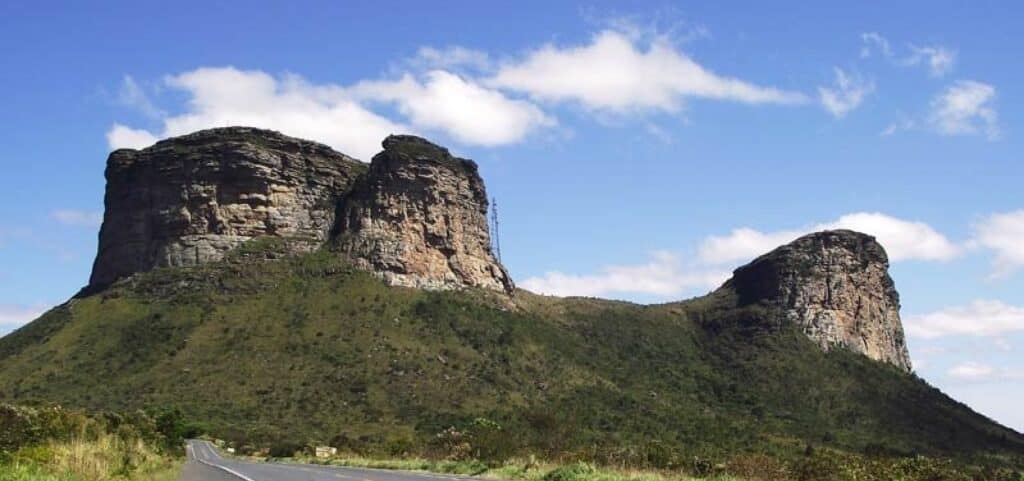
The plateau stretches across 24 municipalities in central Bahia and is symbolised by Morro do Pai Inácio, which stands at an altitude of 1,120 metres.
Geographically speaking, the heart of Bahia lies in the Chapada Diamantina.
It is in this mountainous region, with its diverse topography, that 90 per cent of the rivers have their source, including the three largest – all of which are found exclusively in Bahia – which form the state’s main river basins: those of the Paraguaçu, the Jacuípe and the Rio de Contas.
Natural Beauty and Vegetation
There are thousands of kilometres of crystal-clear waters that spring from the mountain peaks, flow down the mountain ranges as waterfalls, and empty onto plateaus and plains, forming beautiful pools and natural swimming holes.
The beauty of the waters is complemented by lush vegetation that combines cactus species from the caatinga with rare examples of mountain flora, particularly bromeliads, orchids and the everlasting flower.

Altitudes and Attractions
The Chapada Diamantina is home to the three highest points in the whole state: Pico das Almas, at an altitude of 1,958 metres, Itobira, at 1,970 metres, and Barbado, at 2,033 metres, which is the highest point in the North-East.
This is due to the region’s geography, which forms an extension of the Espinhaço mountain range in Minas Gerais, which acts as a vertical watershed between the coastal waters and the São Francisco River.

It is also in this region that you’ll find the Cachoeira da Fumaça, with its 340-metre free fall – one of the highest in Brazil – and the fascinating Poço Encantado, which thrills everyone who visits it.
There are so many natural attractions that you can choose between underground tours of the caves and waterfalls, walking along old gold prospectors’ trails, or horse-riding through valleys such as the Pati Valley, amongst esoteric and alternative communities.
Legends and Historical Heritage
With a bit of luck, it’s even possible, from the Capa Bode mountain range in Mucugê, to spot alien spacecraft in the sky, as many of the town’s residents have already seen.
The historical heritage of the Chapada Diamantina tells the story of gold mining in every alleyway and in the centuries-old mansions of the towns of Lençóis, Rio de Contas, Andaraí, Mucugê and in the tiny mountain district of Xique-Xique do Igatu, ‘the city of stones’.
These towns were founded and flourished thanks to the Ore Cycle, from the 17th century onwards, when the gold rush, the diamond rush and the dream of getting rich quick took hold. The districts and villages that make up the municipalities of Chapada Diamantina have a certain fantastic quality about them that captivates visitors.
Housing Estates and Fantastic Legends
The region’s earliest settlements – these hamlets – seem, when they are not completely deserted, to be frozen in time and space.
The residents, mostly elderly people and children, tell stories of wicked colonels, hidden treasures, and sacrificed slaves who eventually became ghosts, apparitions or the like. Among the most fantastical is the “legend of Father Inácio”, which has been adapted into a film script.

Chapada Diamantina National Park
The Chapada Diamantina National Park was established in 1985 by federal decree, covering an area of 152,000 hectares of the Sincorá mountain range and its surroundings, between the municipalities of Lençóis, Palmeiras, Andaraí – including the district of Igatu – and Mucugê.
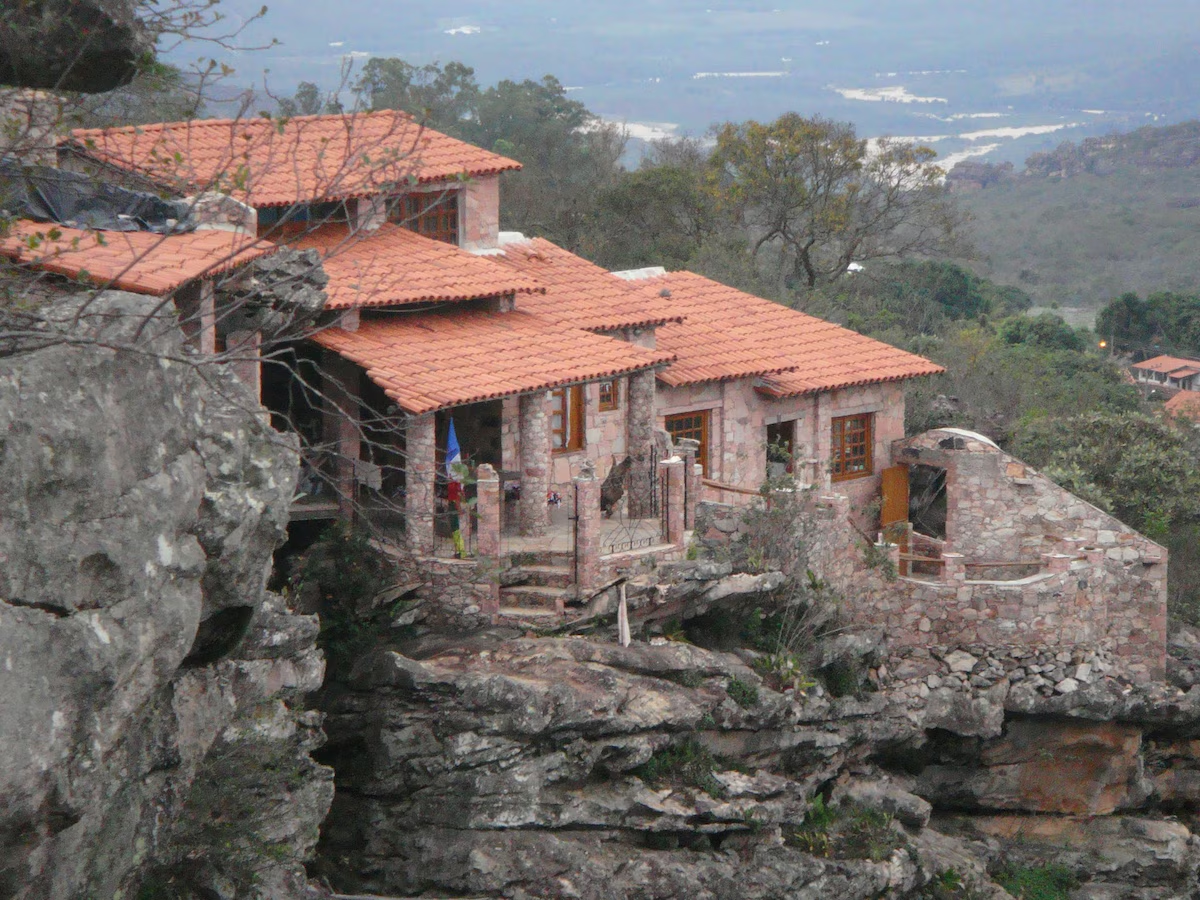
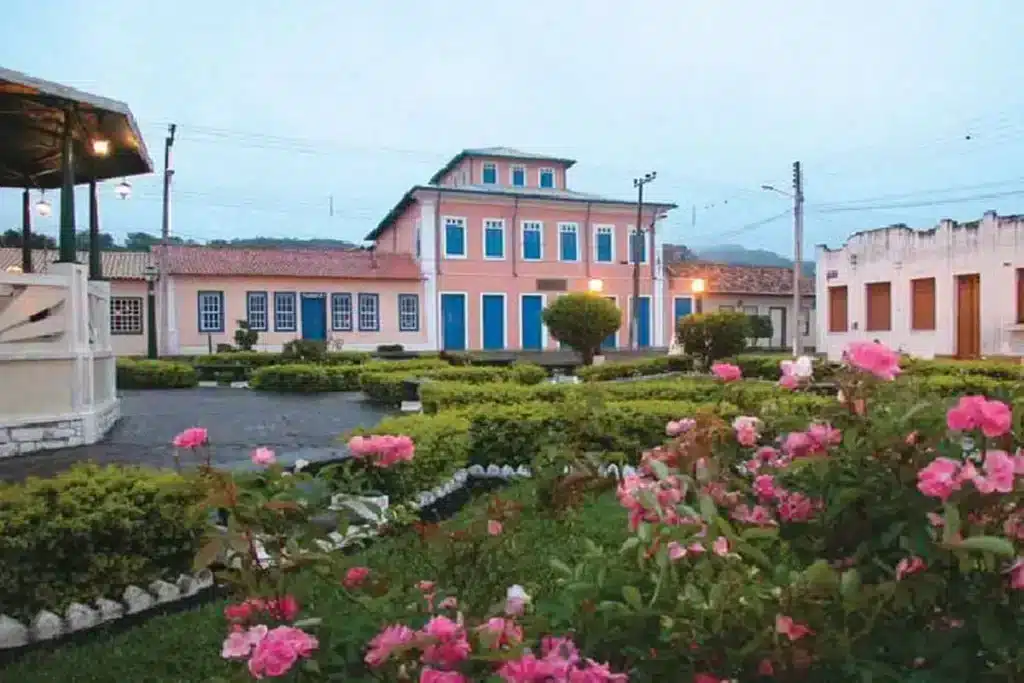
Many environmentalists, government officials and representatives of the Chapada communities are calling for a new demarcation, as several stunning areas in need of protection lie outside the Park, such as Morro do Pai Inácio, Gruta da Pratinha, Gruta Azul, Poço Encantado and Gruta da Lapa Doce, amongst others.


Video about the tourist attractions in the Chapada Diamantina

As belezas da Chapada Diamantina - Guia Turístico
Tourist Attractions, Itineraries and Tips on the Chapada Diamantina
- Map of Chapada Diamantina National Park
- Map of Chapada Diamantina
- Map of Walking Trails and Tourist Attractions
- The tallest and most beautiful waterfalls
- History of Gold Mining
- Vila do Ventura and the Morro do Chapéu Rock Trail
- Igatu, Poço Azul and Poço Encantado
- Marimbus is the ‘mini Pantanal’
- Trekking to Pico das Almas, Barbado and Itobira
- The Everlasting Flower, native to the Chapada Diamantina, has become a symbol of conservation
- Emerald hunters
- Discover the diving spots
- Caves in the municipality of Campo Formoso, Bahia
- Rio de Contas is considered to be Brazil’s first planned city
- Interesting facts about Rio de Contas
- Rio de Contas Tourist Guide in Bahia
- Rio de Contas is one of the oldest in the region
- Piatã is the highest mountain town in the whole of the North-East, at an altitude of 1,180 metres
- Palmeiras enjoyed its heyday thanks to diamond mining
- Mucugê lies at an altitude of 900 metres, set amidst stunning scenery
- Morro do Chapéu is 1,012 metres above sea level and has a pleasant climate
- Lençóis is the gateway
- Iraquara is also known as the ‘City of Caves’
- History and Tourist Guide to Ibicoara in Bahia
- Andaraí, which is the second-largest town
- Chapada Diamantina is world-famous
- Vale do Pati – Trekking in the heart of the Chapada Diamantina
- Trekking – Route through the Chapada Diamantina
- Blue Well
- The Enchanted Well
- Torrinha Cave in Iraquara
- Lapão Cave
- Lapa Doce Cave and Pratinha Cave
- Trekking in the Pati Valley
- Fumaça Waterfall in the Capão Valley
- Trekking – Most popular trails
- Orchids of the Chapada Diamantina
- The charm of the Fumaça Waterfall
- Buracão Waterfall
- Chapada Diamantina: Topography, Fauna and Flora
- Documentaries
- 5 waterfalls you must visit in Chapada Diamantina
- The main towns and villages in the Chapada Diamantina region
- Birds found in the Chapada Diamantina, Bahia
Frequently Asked Questions about the Chapada Diamantina
How many days does it take to explore the Chapada Diamantina?
To visit the main attractions (Morro do Pai Inácio, Cachoeira da Fumaça, Poço Azul, Poço Encantado and one of the historic towns), a minimum of 5 to 7 days is recommended. Anyone wishing to include longer treks, such as the Vale do Pati, should allow between 10 days and 2 weeks.
Which is the best town to stay in within the Chapada Diamantina?
Lençóis is the most traditional gateway to the region, with the best tourist infrastructure. Mucugê and Igatu are good options for those seeking a more peaceful atmosphere and proximity to the Buracão Waterfall and the Poço Encantado.
When is the best time to visit the Chapada Diamantina?
The dry season, between April and October, is the best time for hiking and visiting waterfalls, as there is less risk of heavy rain and slippery paths. The rainy season (November to March), on the other hand, means the waterfalls are fuller and more powerful.
Do you need a guide to visit the Chapada Diamantina?
For trails within the National Park (such as the Pati Valley or the Fumaça Waterfall) and for the caves featuring light phenomena (Poço Azul and Poço Encantado), accredited guides are usually required for safety and environmental regulation reasons.
What is the highest point in the Chapada Diamantina?
Pico do Barbado, at an altitude of 2,033 metres, is the highest point in the entire north-eastern region of Brazil, followed by Pico do Itobira (1,970 m) and Pico das Almas (1,958 m).
Bahia.ws is the largest tourist guide for the Chapada Diamantina

Publicações Relacionadas
Churches in Salvador (BA) — a guide: history, architecture and itinerary
History of Cocoa: From Aztecs to Modern Use
Mangue Seco: The Last Beach on the North Coast of Bahia
Sempre-Viva: Symbol of Preservation in the Chapada Diamantina
Serra Grande: Your Guide to Bahia's Paradise
Ecotourism at Timeantube Lagoon, Praia do Forte
Things to Do in Nova Viçosa (Bahia): Beaches, Islands and Abrolhos
Main Towns and Villages in the Chapada Diamantina Region
Tourist attractions for children in Salvador: Fun and learning
Mucuri and Costa Dourada — Beaches, cliffs and ecotourism in Bahia
History and sights of Avenida Contorno in Salvador BA
The highest and most beautiful waterfalls in Chapada Diamantina
The Secret History of Salvador, Bahia: Caramuru and the City’s Early Day
Torrinha Cave: A Speleological Marvel in Brazil
Monte Pascoal National Park: Pataxó culture and Brazilian history
Fort of Nossa Senhora de Monte Serrat History
Morro de São Paulo: Beach Guide and How to Get There
Costa do Sauípe: Discover Paradise in Bahia
Church of São Pedro dos Clérigos — History, architecture and religious art
Island of Fear: Mysteries and Hauntings
The most visited churches in Salvador — itinerary and tips
Porto Seguro (BA) — History, Beaches, Tours and Practical Tips
39 Museums in Salvador: Discover the history and culture of Bahia
Complete Guide to Visiting Arraial d'Ajuda in Bahia
Barreiras: An Ecological Paradise in Bahia
Comandatuba Island: Resort and Family Adventure
Discover the reasons for a holiday in Salvador, Bahia
Guarajuba Beach: A Paradise on the North Coast of Bahia
Massarandupió Naturist Beach in Bahia
Imbassaí Beach: Discover the Best of Bahia
São Desidório: Explore Caves and Biodiversity
History of São Marcelo Fort — Salvador, Bahia
Kitesurfing in Trancoso: A Guide for Adventurers
Salvador’s Historic Centre, Pelourinho, Baroque churches and museum
Trekking - Route through the Chapada Diamantina in 7 days
Palaces in Salvador to visit and learn about Brazil's history
This post is also on:
 Português
  English
  Deutsch
  Español
  Français