The Fumaça Waterfall: An ecological paradise
The Fumaça Waterfall is one of the most famous attractions in the Chapada Diamantina in Bahia, located in the Vale do Capão, a region between the municipalities of Lençóis and Palmeira.
Features of the waterfall:
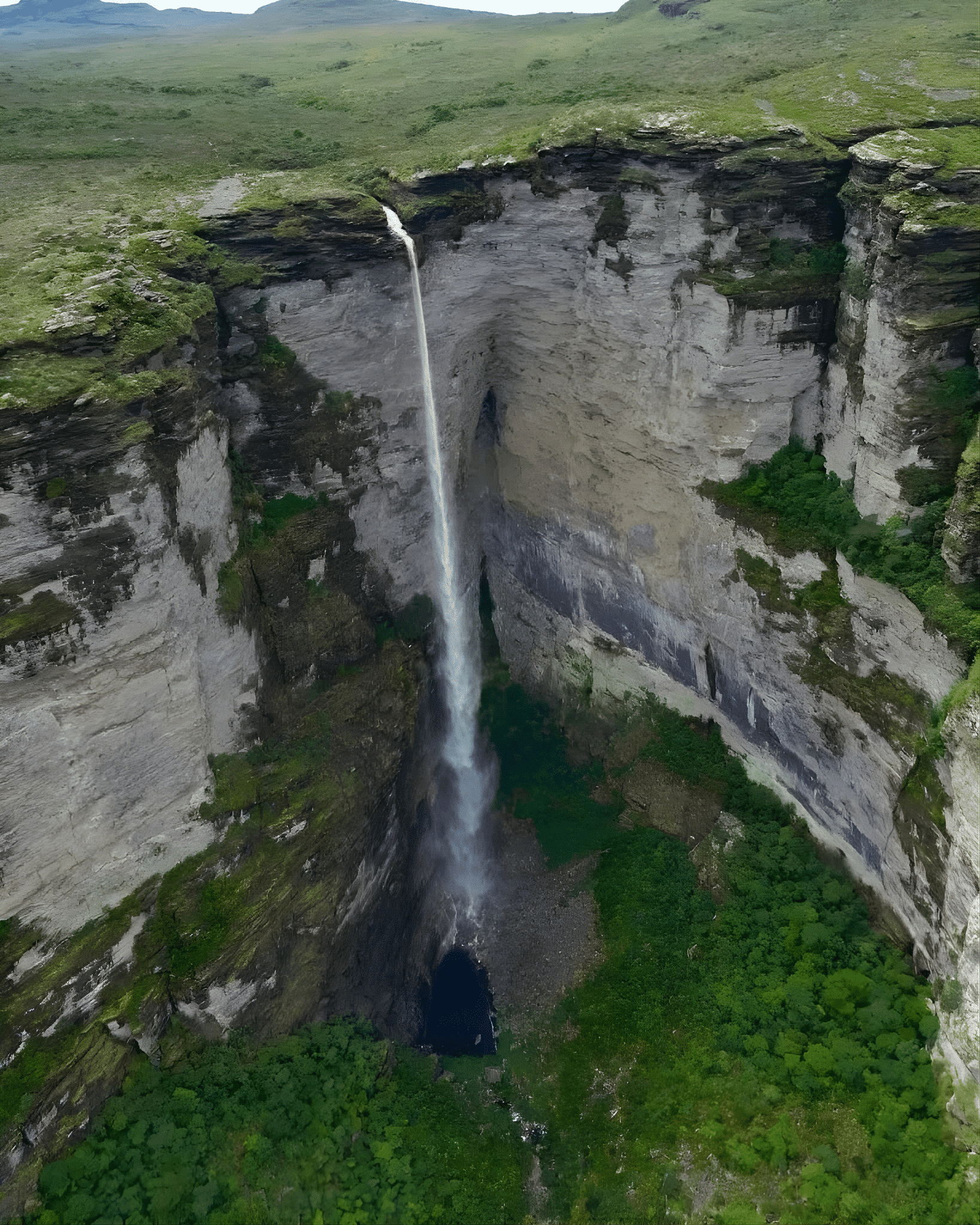
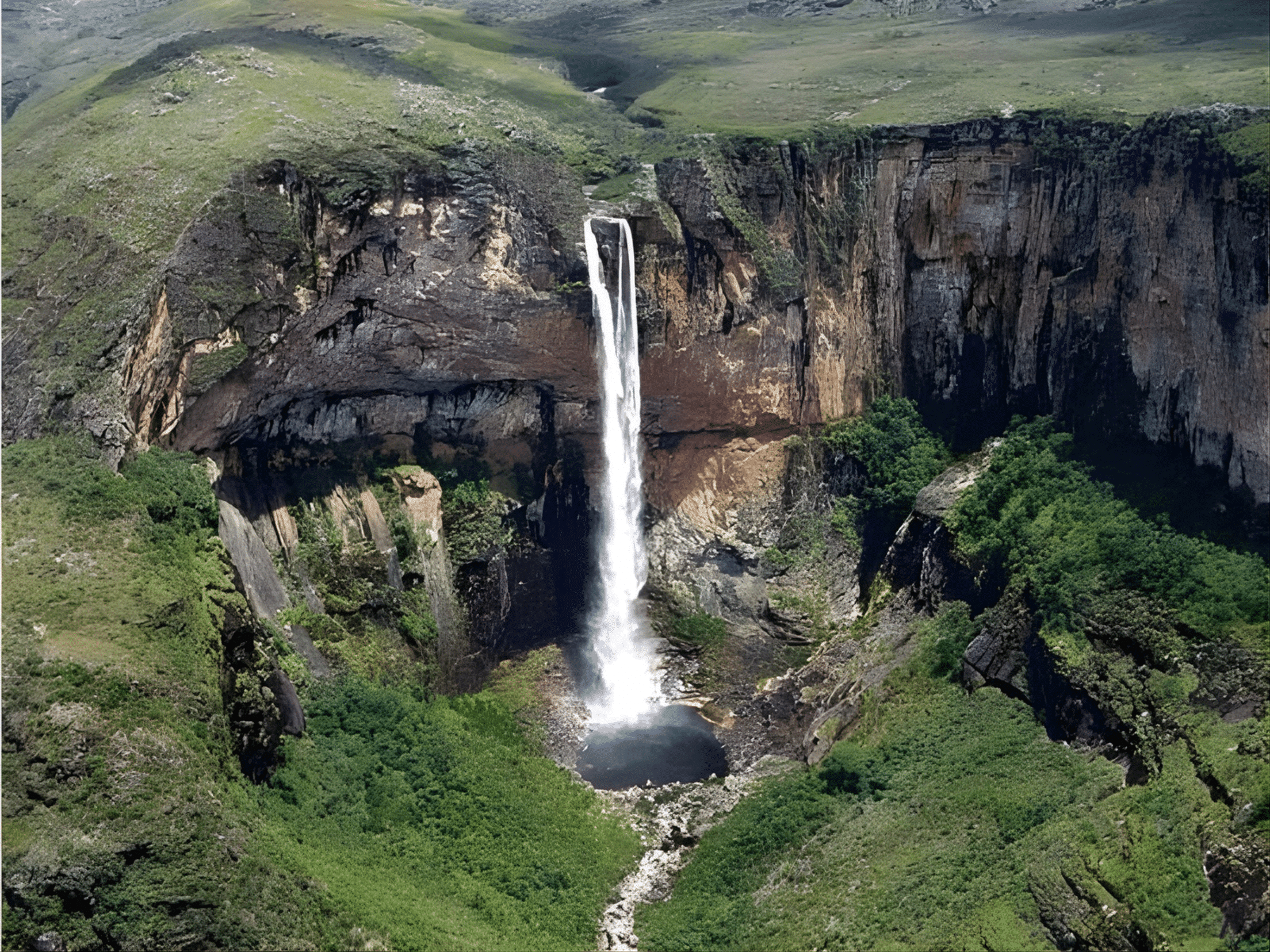
The Fumaça Waterfall is considered the second largest in the country, with a free fall of over 340 metres.
Its impressive height causes the water to turn into a spray, forming a mist that can be seen from far away, particularly on sunny days.

Preserved nature
Almost all forms of nature are present in the Chapada Diamantina. Much of its beauty is protected in the vast National Park, which encompasses canyons, waterfalls and plateaus.
Postcards from the region
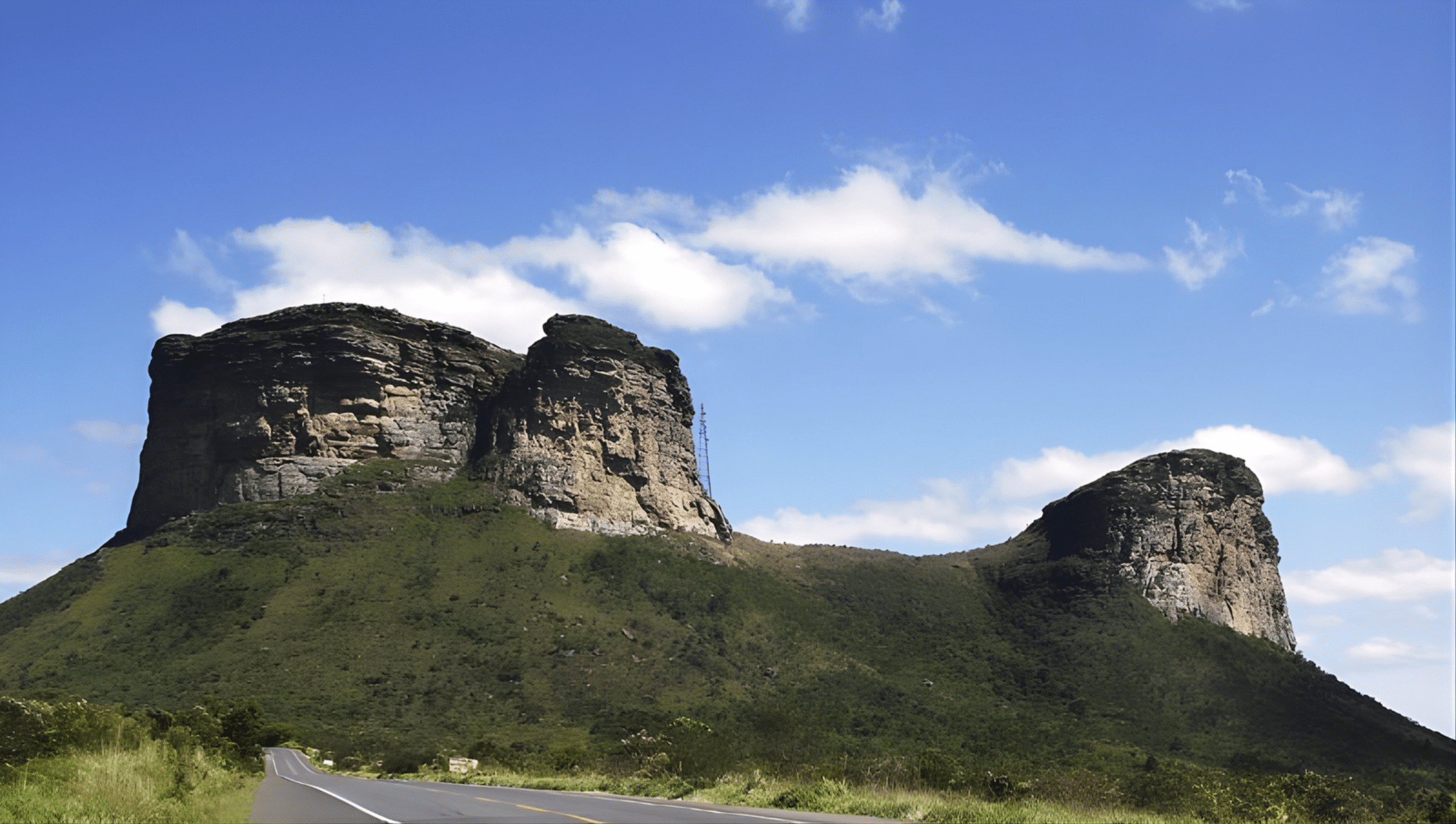
The region’s landmarks are gigantic, too: These include Morro do Pai Inácio, which stands at over 1,000 metres above sea level, and Cachoeira da Fumaça, the second highest waterfall in Brazil with a drop of almost 340 metres.
Videos of Fumaça Waterfall

Trekking até a Cachoeira da Fumaça06:32
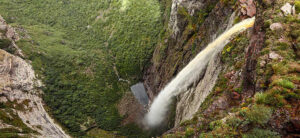
Como chegar até a Cachoeira da Fumaça05:16

Cachoeira da Fumaça - Trekking14:41
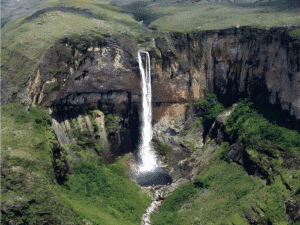
TRILHA CACHOEIRA DA FUMAÇA - CHAPADA DIAMANTINA18:45
How to get to the Fumaça Waterfall
The Fumaça Waterfall is located between two towns. It is closer to Palmeiras, just 23 km away, and 80 km from Lençóis.
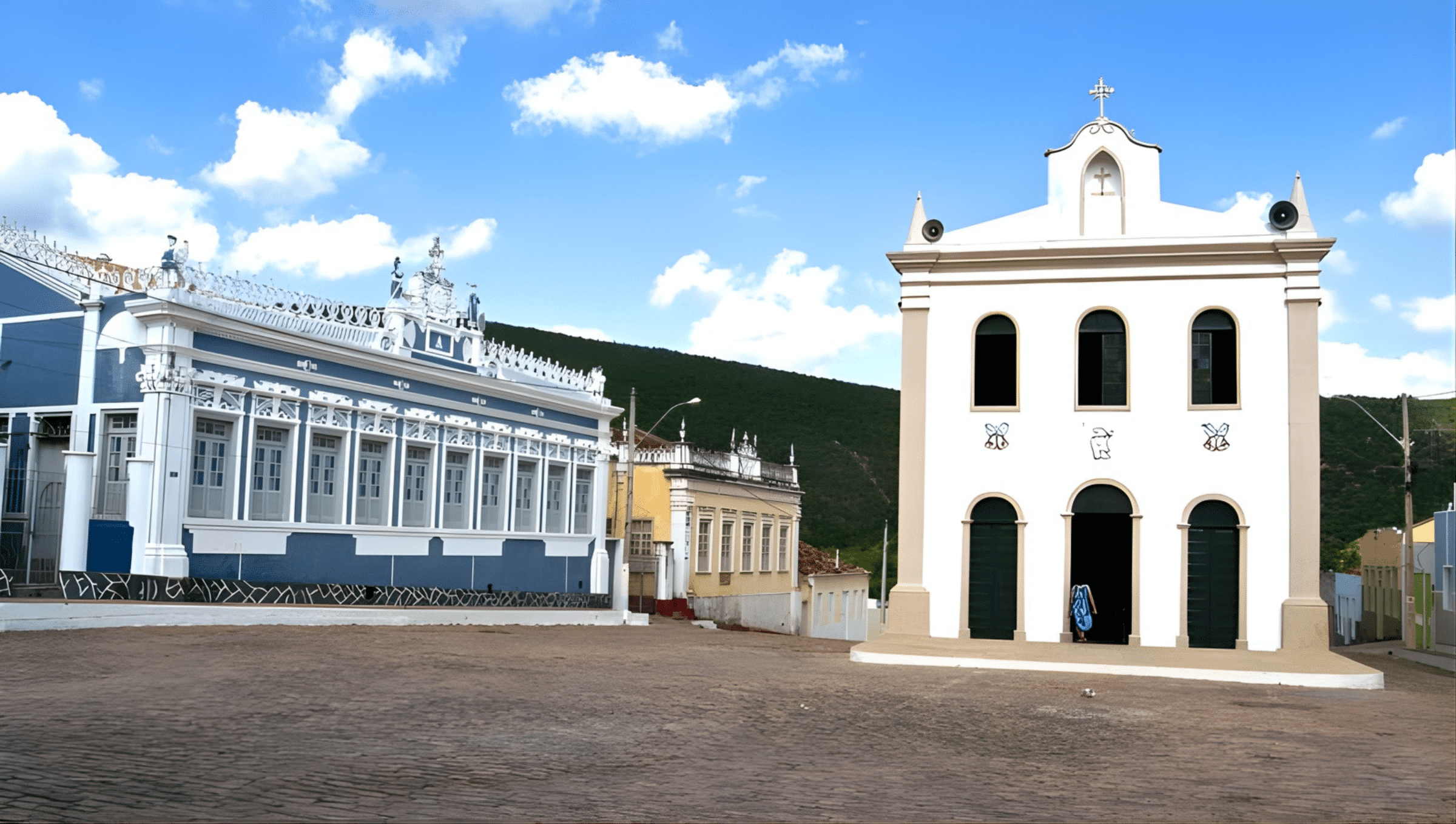
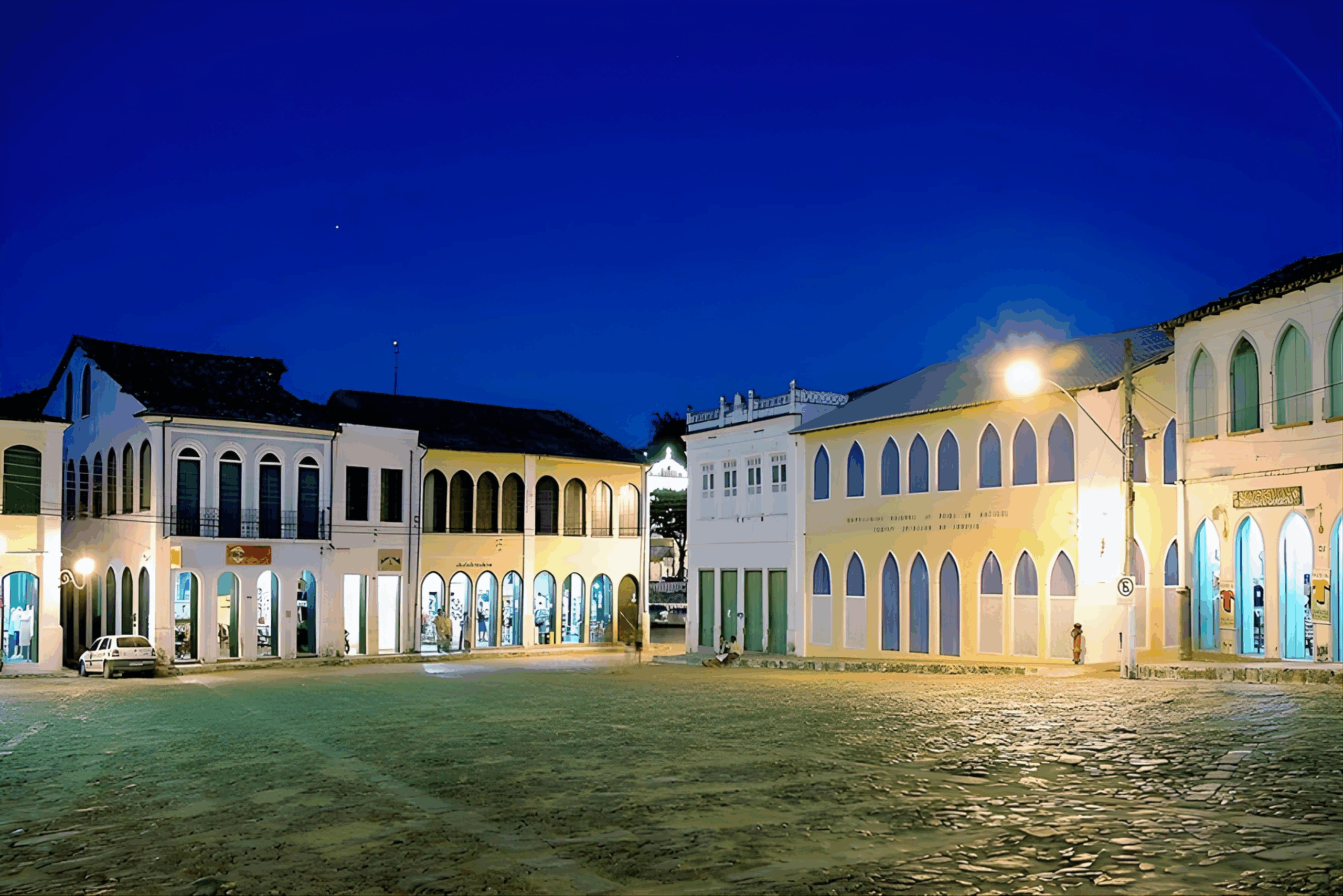
The roads on both routes are in good condition for travelling.
You can explore Cachoeira da Fumaça safely and freely on an excursion, or choose the route that suits you best.
The best option is to travel from Vale do Capão to Cachoeira da Fumaça, which is only 3 km. This is because it is a less tiring route.
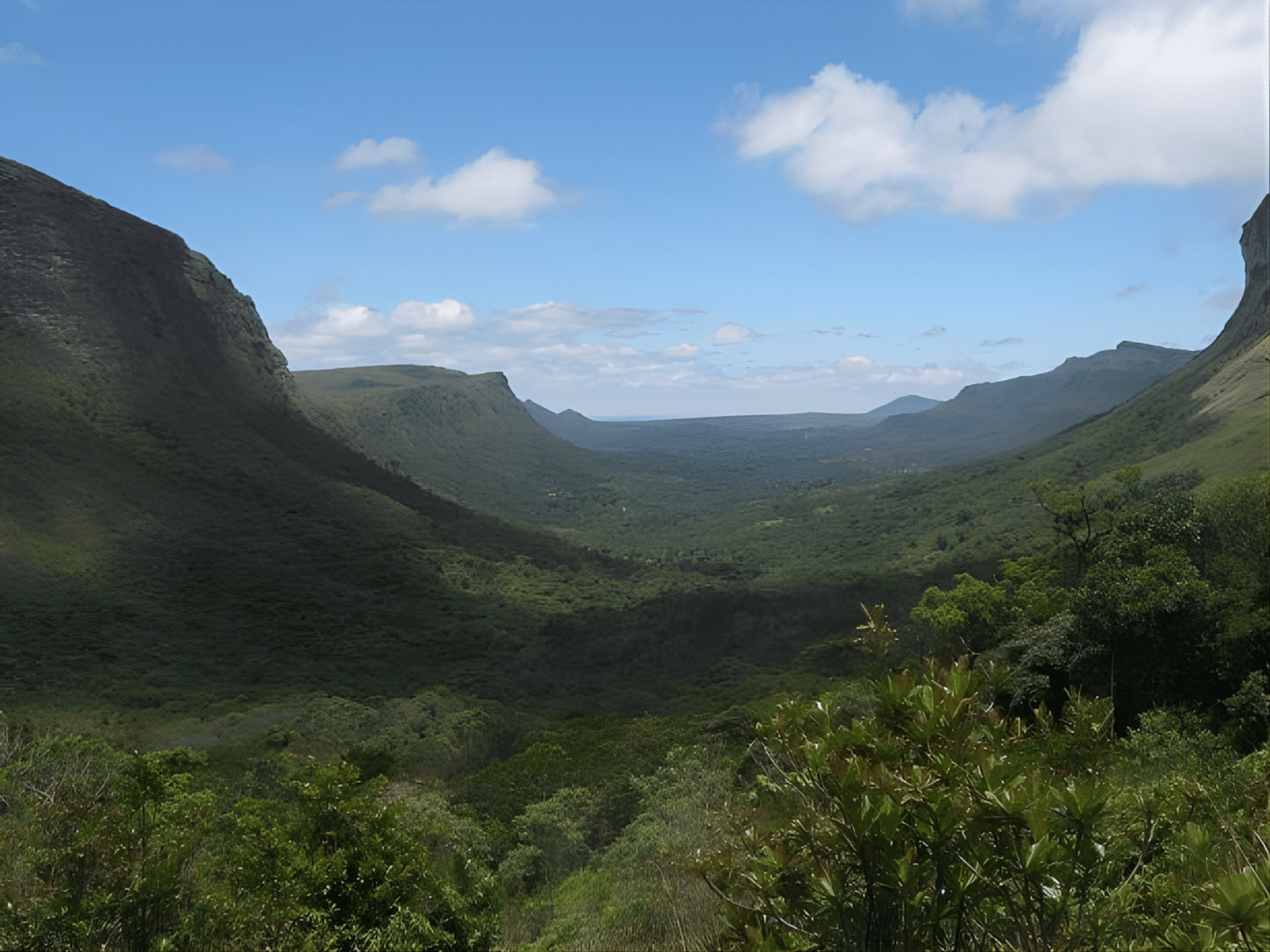
I mention this because to reach the top of the waterfall, you will have to tackle a 6 km trail there and back. As you might expect, there are many climbs along the way.
You do not need a guide to hike the trail. However, if you would prefer to book a guided tour, the cost may vary depending on the itinerary and what you would like to include. The price depends on the itinerary and what you want to include.
Additionally, you have the option of hiring a private guide, which can be shared by up to four people.
Distances by car
- Vale do Capão: 3 km
- Palmeiras: 21 km
- Lençóis: 80 km
- Andaraí: 152 km.
- Distance: 200 km
This is the starting point of the trails to Cachoeira da Fumaça, also known as Smoke Waterfall.
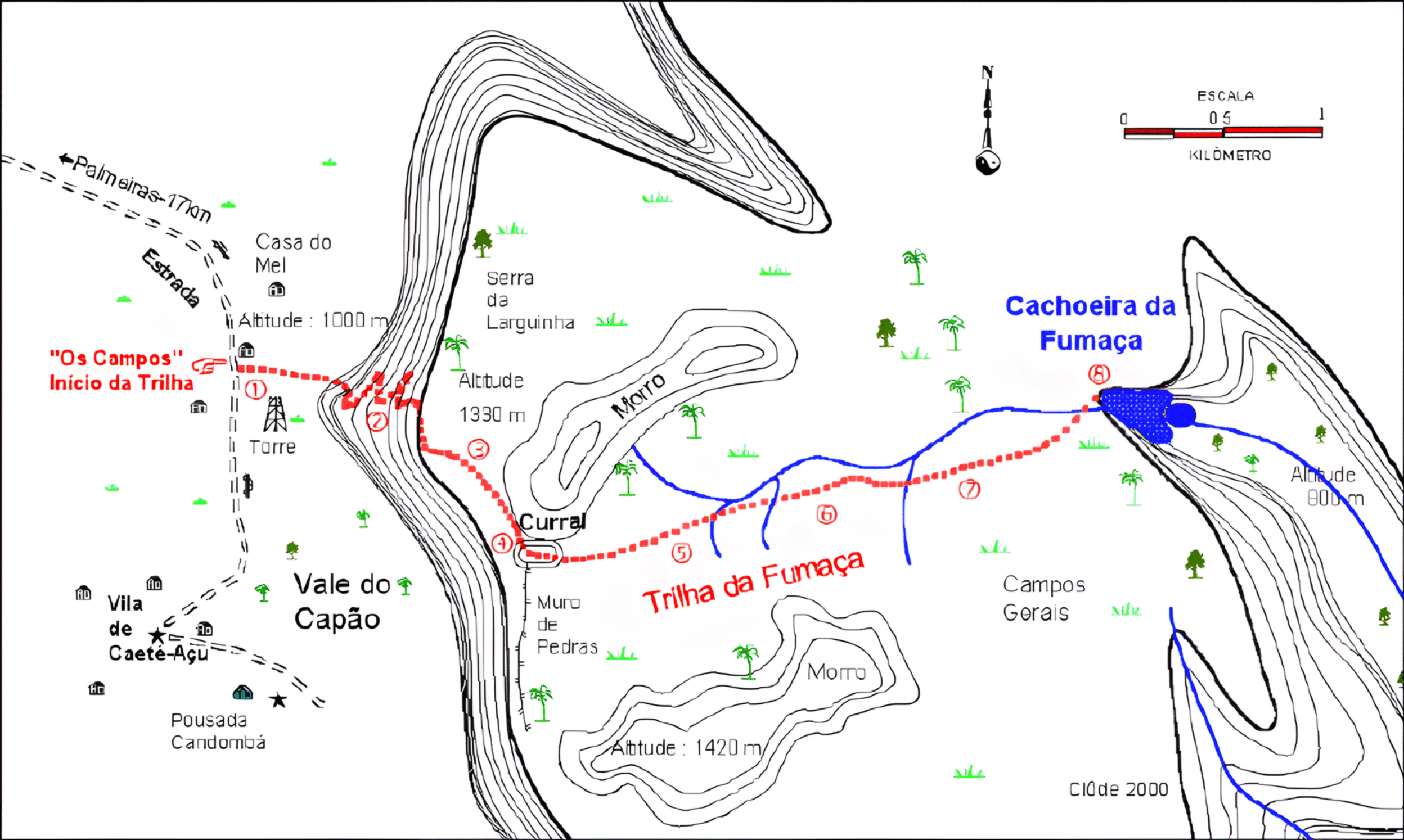
1. Access from above.
- Start: village of Caetê-Açu (municipality of Palmeiras), Vale do Capão.
- Length: ~6 km (one way), with ~2 km uphill.
- Average time: 2–2.5 hours.
- Physical effort: moderate to advanced.
- Recommended time: between 8 a.m. and 1 p.m.
The trail runs along the edge of Vale do Capão, taking you to a plateau from which you can see the entire waterfall.
The most challenging aspect is the initial ascent, which involves climbing approximately 350 metres. This climb offers stunning views of Morrão and Vale do Capão.
The path is clearly marked and the only natural obstacles are small streams. The surrounding area is a mixture of savannah and rocky terrain.
2. Accessible from below (via Lençóis).
- Start/end: Lençóis → Vale do Capão.
- Total distance: ~36 km (depending on the route chosen).
- Duration: ~3 days (2 nights of rustic camping).
- Physical effort: advanced.
The typical route covers an average of ~12 km per day. Overnight stays are in natural shelters, which may be given different names depending on the itinerary.
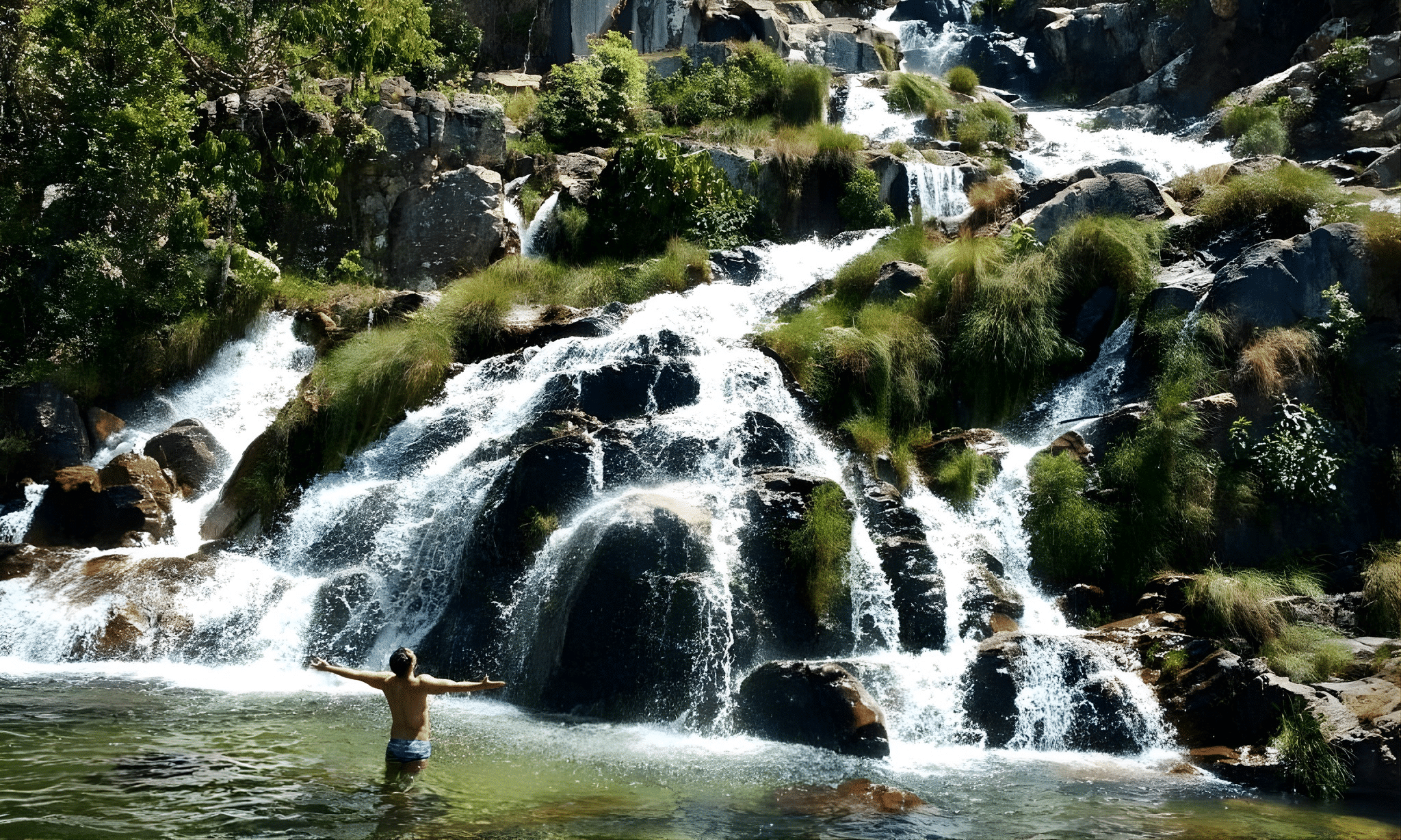
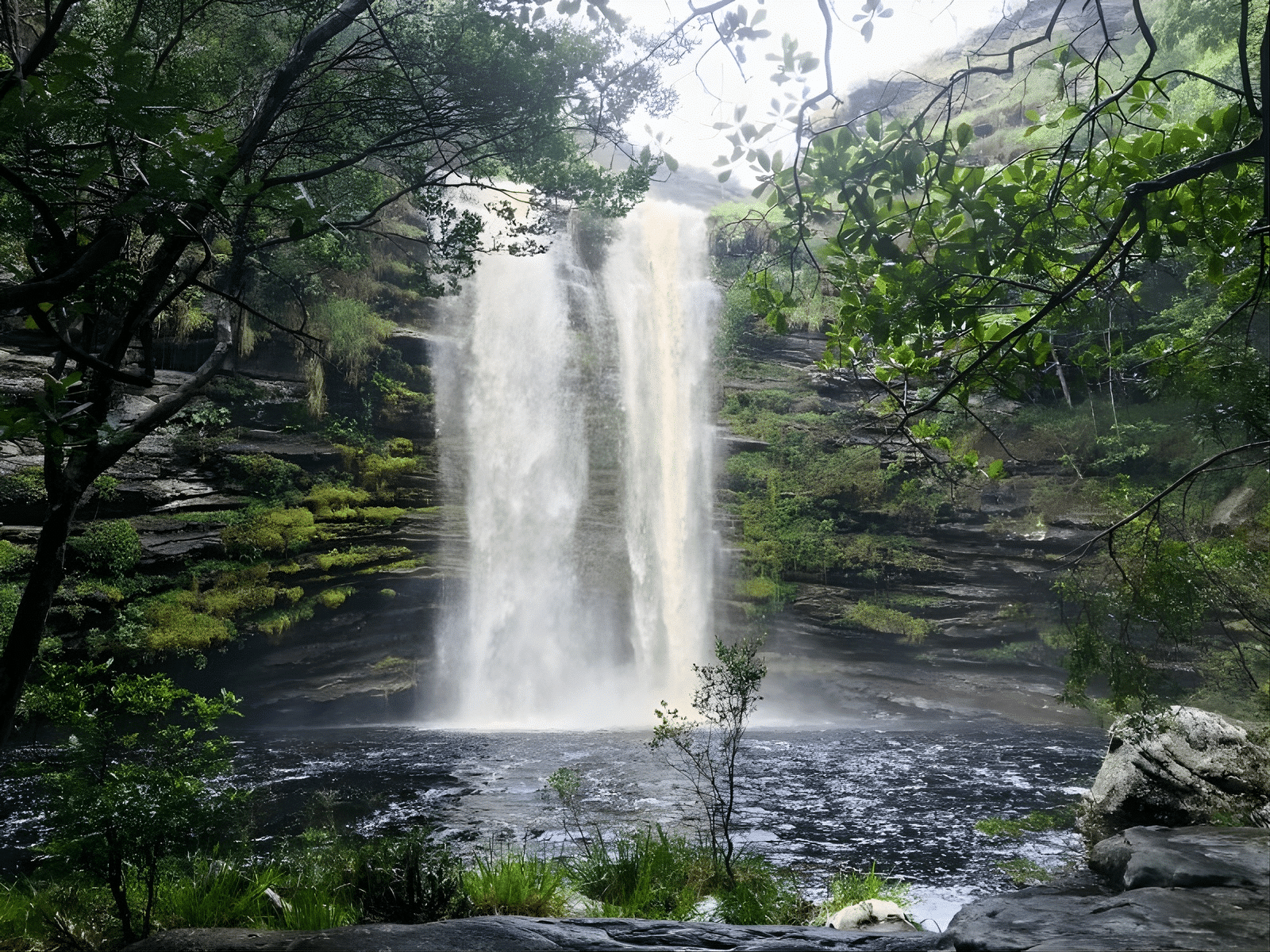
During the trip, you will have the opportunity to visit the Palmital, Capivara and Fumaça waterfalls.
Suggested plan
- Day 1: Swim at Palmital Waterfall, then spend the night at Toca da Capivara.
- Day 2: Continue to Toca da Fumaça and visit the well at the base of Cachoeira da Fumaça. Overnight stay at Toca da Fumaça.
- Day 3: Climb up Serra do Macaco to see the waterfall from above, then walk to Vale do Capão. Return to Lençóis by car (approx. 75 km).
Recommended equipment includes a sleeping bag, insulation and camping gear. Crossings require camping experience.
The importance of guide supervision
The presence of a guide is strongly recommended, and in many cases required, by local associations and the administration of the Chapada Diamantina National Park. The trail involves sections with no infrastructure and overnight stays.
The height and behaviour of the fall.
The height of the Fumaça Waterfall is usually given as around 340 metres, though some sources quote a figure closer to 360 metres.
The drop is almost vertical and, on windy days, the water evaporates before it reaches the ground.
Note on verification:
Before travelling, it is recommended that you confirm with the Vale do Capão Drivers’ Association, local agencies or ICMBio.
- Whether a guide is mandatory.
- Current trail conditions:
- Schedules and logistics (transportation and return).
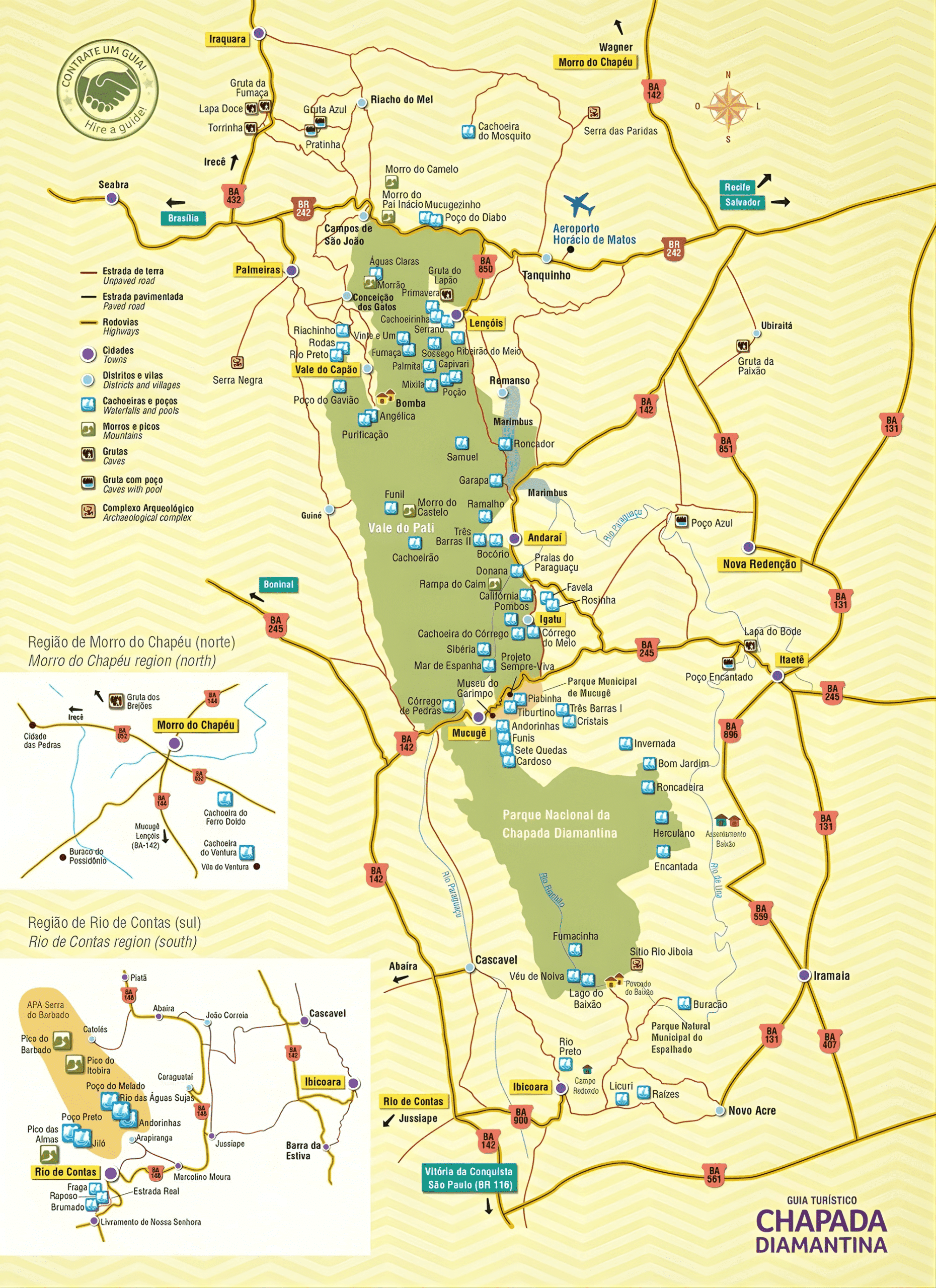
See the map of Chapada Diamantina National Park
See the map of Chapada Diamantina
Map of Trails and Tourist Attractions in Chapada Diamantina
Bahia.ws is the largest tourist guide for Bahia and Salvador.

Publicações Relacionadas
Rio de Contas: Learn about the history of how the city was founded
Find out how to celebrate Carnival in Salvador, Bahia
Lacerda Elevator — history, construction and visits
Things to Do in Rio de Contas (Bahia): A Complete Guide
Tourist Attractions on the Discovery Coast in Bahia
Monte Pascoal National Park: Pataxó culture and Brazilian history
Salinas da Margarida (BA) — Beaches, Attractions and a Complete Guide
Sempre-Viva: Symbol of Preservation in the Chapada Diamantina
Prostitution, sex, massage parlours and nightclubs in Salvador
Morro de São Paulo: Beach Guide and How to Get There
Serra Grande: Your Guide to Bahia's Paradise
4 Must-See Museums in Salvador: Art, History and Culture
Tourist Information about Chapada Diamantina
South Coast of Bahia: Discover Stunning Beaches
Prado (BA) — Beaches, Cliffs and Whale Watching | Whale Coast
Tourist Attractions on the Rio de Contas in Itacaré, Bahia
Cairu Archipelago: A Guide to Its Enchantment
Trekking in the Pati Valley in Chapada Diamantina
The Secret History of Salvador, Bahia: Caramuru and the City’s Early Day
Chapada Diamantina: A Complete Guide to Attractions and Itineraries
Tourist Guide to the Pantanal in Bahia — Jaguaripe (BA) | Mangroves, Fishing and Excursions
Fort of Nossa Senhora de Monte Serrat History
Tourist attractions for children in Salvador: Fun and learning
Coast of Discovery: Bahia's Historical Treasures
History of São Marcelo Fort — Salvador, Bahia
Ibicoara: An Unmissable Tourist Destination
History and Heritage of Itaparica Island — Bay of Todos os Santos
Cocoa farms attract tourists to Bahia - Chocolate Road
Igatu: Explore the 19th-Century Stone Houses
Churches in Salvador (BA) — a guide: history, architecture and itinerary
Guide to Trancoso (BA) — what to do, beaches and inns
Alcobaça, Bahia: A Comprehensive Guide to Beaches and History
Blue Fountain in Chapada Diamantina: a complete guide
Trail to Buracão Waterfall in Chapada Diamantina
Madre de Deus Island (BA) — Beaches, Islands and Tourism in the Recôncavo
39 Museums in Salvador: Discover the history and culture of Bahia
This post is also on:
 Português
  English
  Deutsch
  Español
  Français