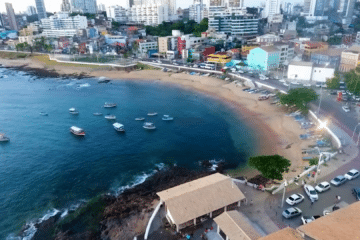
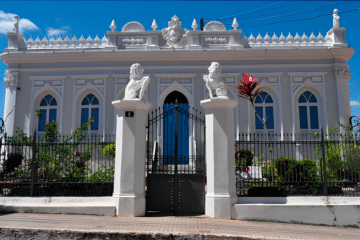
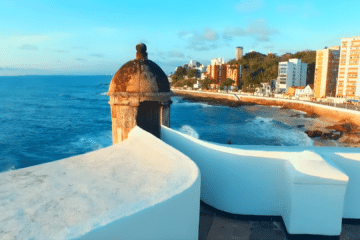
Alcobaça, in Bahia, is a charming town in the far south of the state, known for its peaceful beaches, traditional festivals and boat trips to the Abrolhos Archipelago and the Timbebas Reefs. In this guide, you’ll find information on its history, heritage, festival calendar and the main activities to enjoy in Alcobaça.


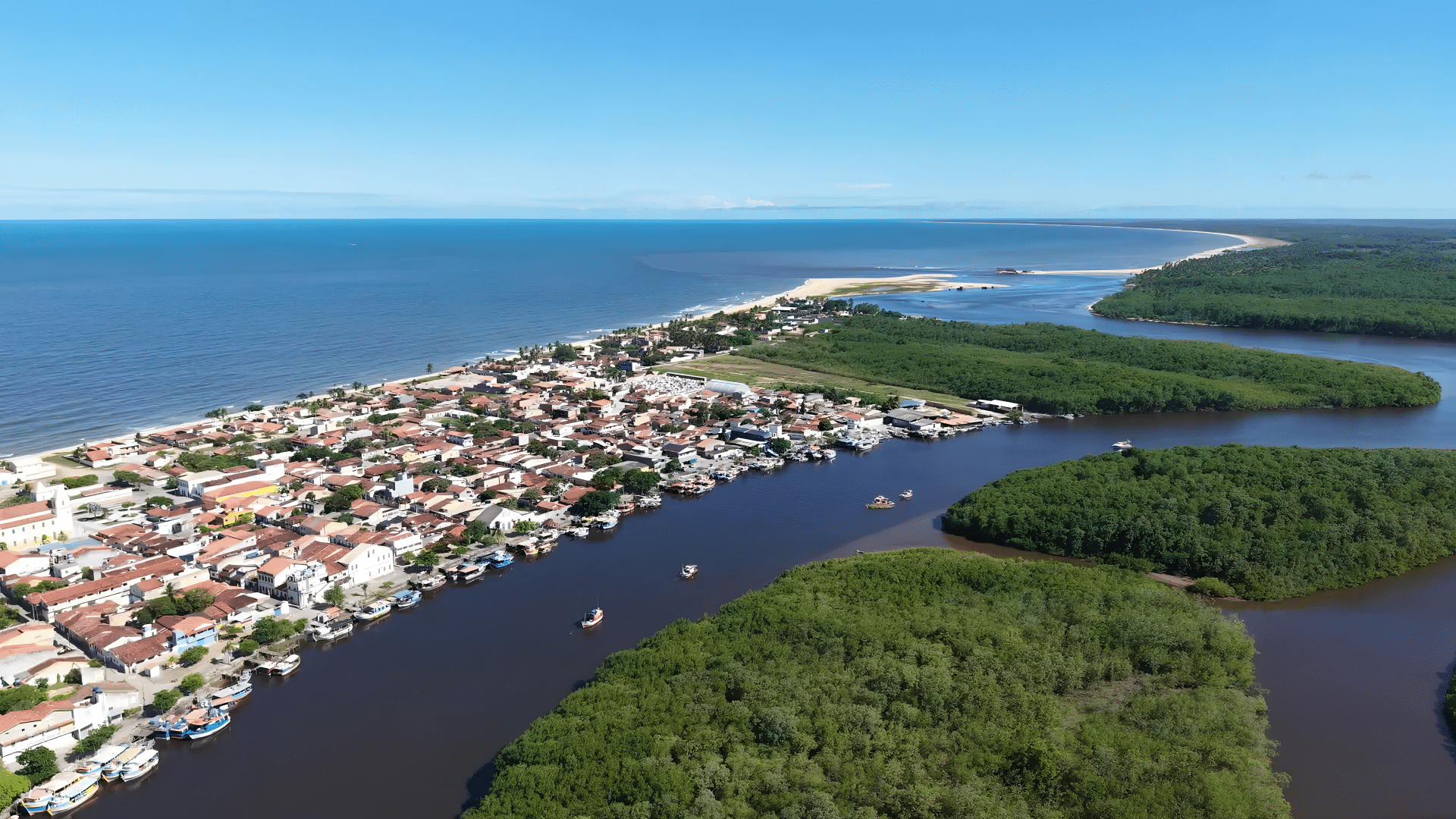
Videos about Alcobaça’s Tourist Attractions and History
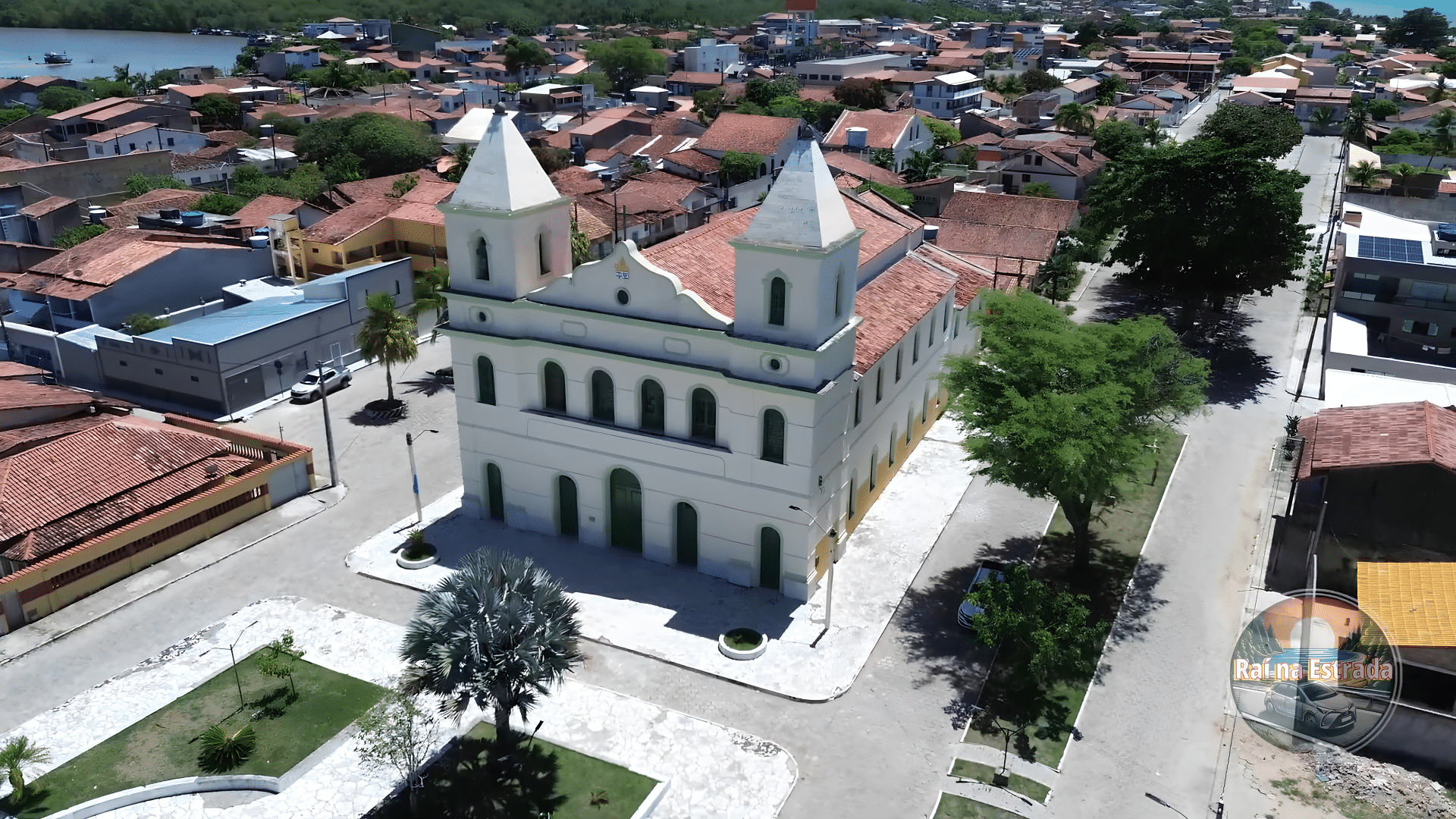
Vista Aérea de Alcobaça05:05
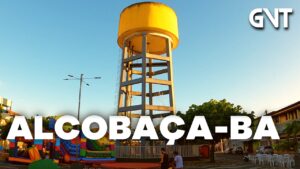
ALCOBAÇA - Conhecendo a Cidade do Sul da Bahia

Alcobaça - História07:39
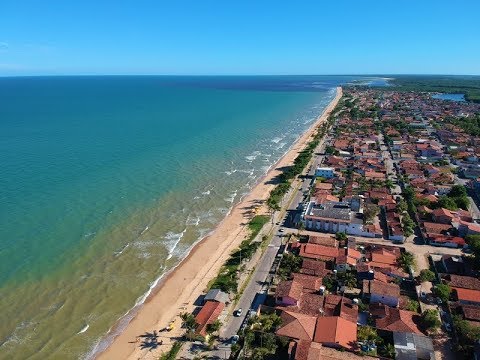
Alcobaça - Guia de Turismo04:15
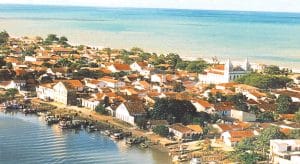
Alcobaça - Drone02:49
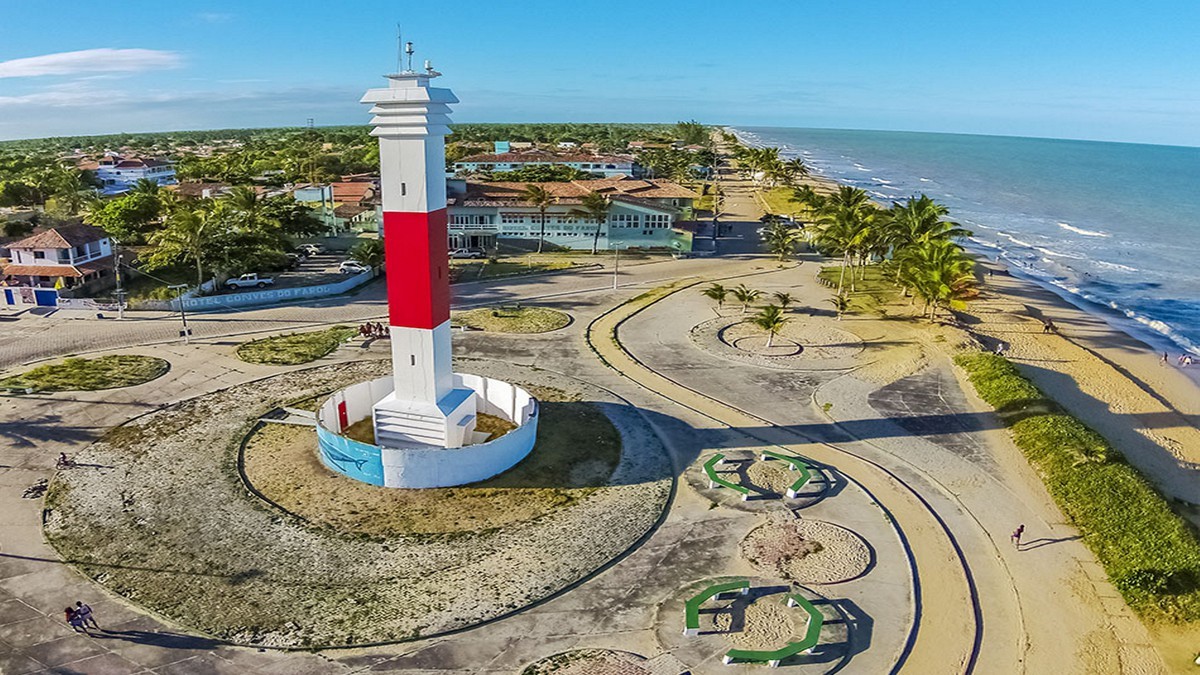
Alcobaça na Bahia - Vista Aérea03:03
History and origins of Alcobaça, Bahia
The local settlement began as the Arraial de Itanhém. The town was officially founded on 12 November 1772 and, over the centuries, developed with strong links to fishing and religious traditions. The name of the municipality refers to the city of Alcobaça in Portugal, and devotion to Saint Bernard has shaped the town’s religious identity. On 20 July 1896, Alcobaça was granted town status.

Why visit Alcobaça?
- Beaches with stretches of sand, natural pools and beach hut facilities.
- Boat trips to diving spots and marine wildlife viewing sites (Abrolhos and the Timbebas Reefs).
- A rich folk tradition and religious festivals throughout the year.
- The historic centre, with its grand houses, parish church and squares, preserves the local heritage.
Festivals and cultural events
The festivals in Alcobaça combine devotion and folklore, attracting locals and visitors alike:
- The Battle of the Moors and Christians — a traditional re-enactment in January (19th and 20th).
- Feast of Saint Sebastian — celebrated on 20 January, it usually coincides with the re-enactment of the Moors and Christians.
- Feast of the Divine — during the period of Pentecost (a movable feast, in May or June).
- Feast of St Peter — 29 June, with a boat procession and a celebration linked to fishing.
- Feast of St Bernard — a major local festival in August, featuring religious and cultural events.
- The festive season — traditional celebrations such as the Reisado, Pastorinhas and Bumba Meu Boi.
Architecture and historical heritage
Alcobaça’s architecture preserves the town’s history, particularly in the mansions and townhouses dating from the 19th century. Its streets are paved with hexagonal concrete blocks, and many old centuries-old estates can still be found in the surrounding area.
The preservation of these heritage sites has been recommended by experts from the Bahia Cultural Heritage Institute (IPAC-BA), who are conducting studies into the historical and architectural significance of the region. Alcobaça is also renowned for its natural charm, which includes beautiful beaches and landscapes that complement its historical legacy.
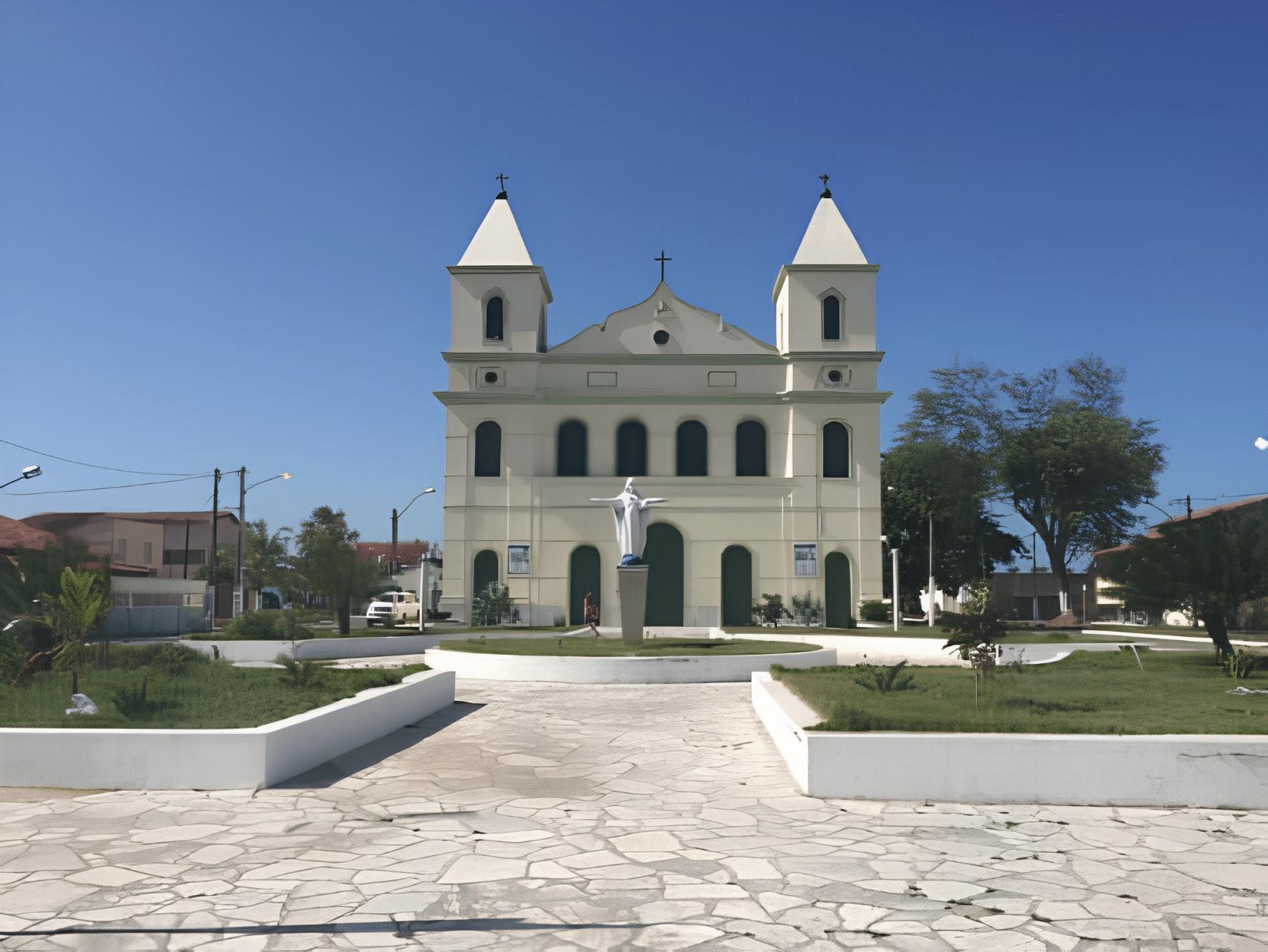
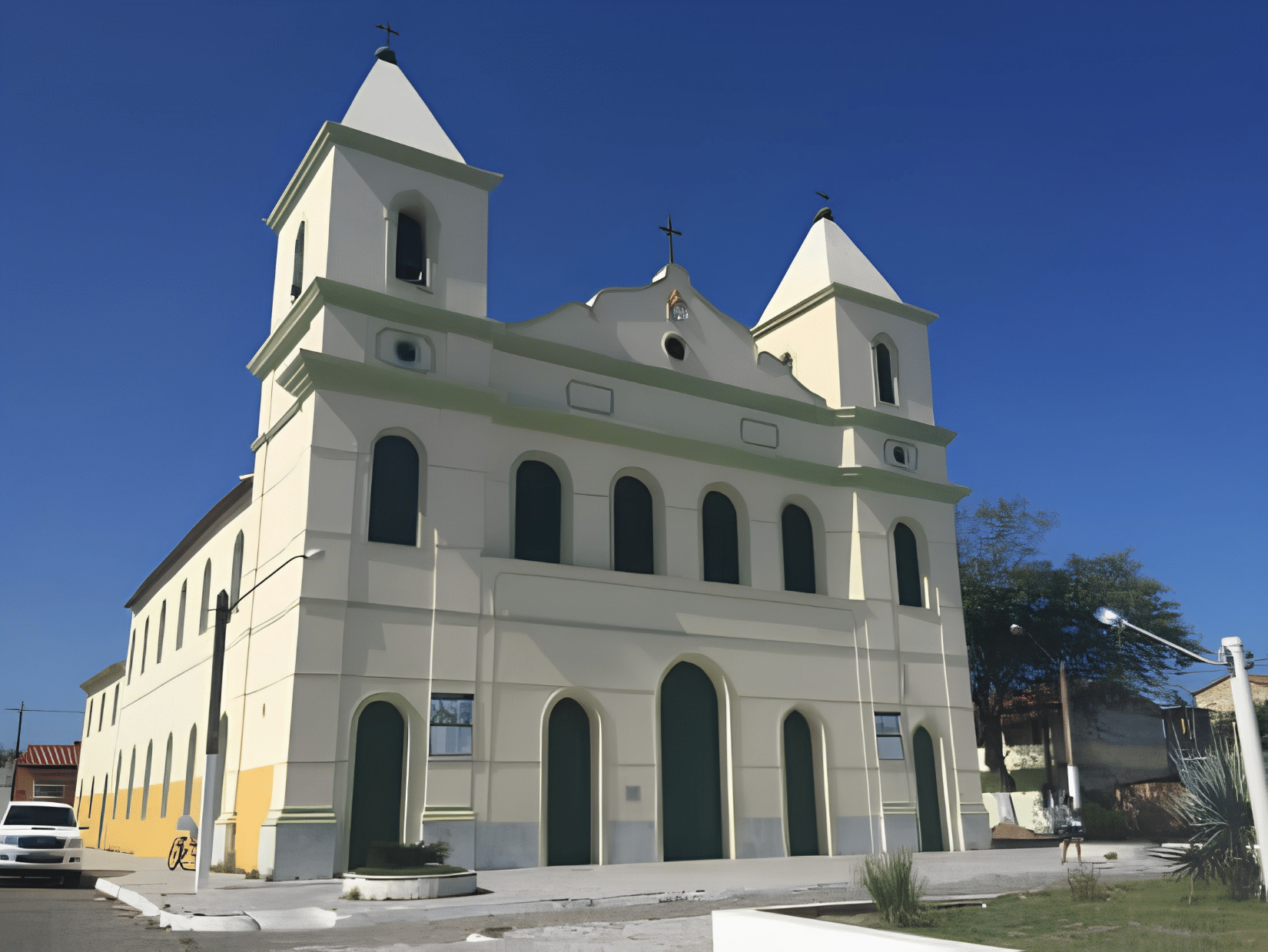
1. São Bernardo Parish Church
Situated in Praça Padre José Porphirio, the imposing Parish Church of São Bernardo is one of Alcobaça’s main landmarks. Construction began in the 1860s, under the leadership of Father José Porphirio da Silva, and was only completed in 1887, after his death.
The church has undergone several renovations, including the replacement of the tiled roof with asbestos in 1958 and the modernisation of the high altar in the 1970s.
2. Izidro Nascimento’s house
Built in 1892 by Major Izidro Pedro do Nascimento, this historic townhouse, situated at 206 Rua Pedro Muniz, currently serves as the parish vicarage. Its façade retains its original features, whilst the interior has been adapted over time.

3. The Medeiros Family Townhouse
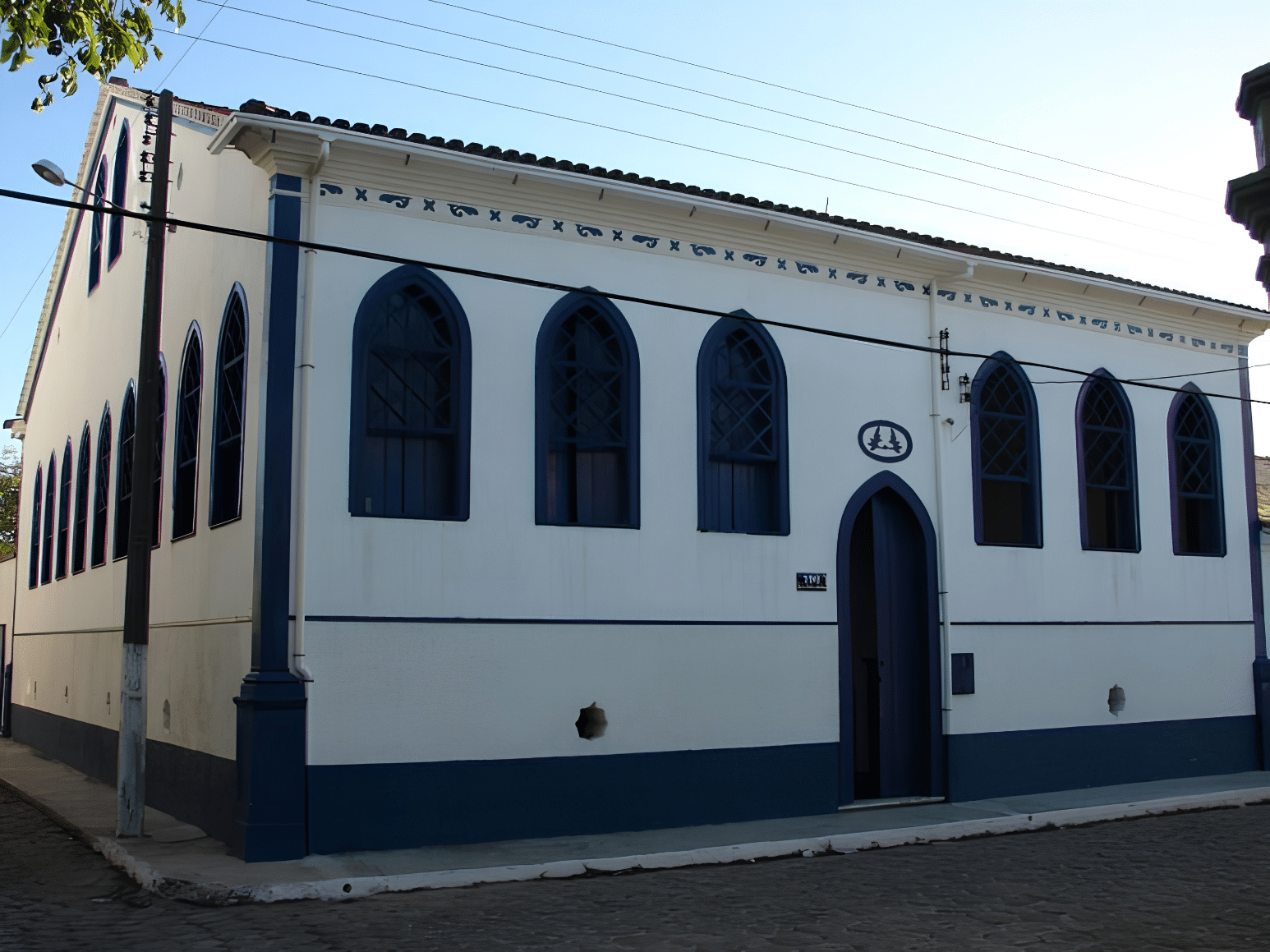
Also known as the Casa de Ismael Medeiros, this townhouse, situated at Rua Pedro Muniz, 190, was built by João José de Medeiros. With features typical of a 19th-century bourgeois townhouse, it had a high cellar used to house slaves and servants, according to accounts from the time.
4. Cacimba do Concelho

Situated between Joaquim Muniz and Pedro Muniz streets, the Cacimba do Concelho is a historic water fountain in the city, probably dating from the 18th century. Its current structure, with an octagonal plan and clad in geometric tiles, was built in the late 19th century.
The fountain was closed in the 1970s, when the water supply system was modernised, but it remains an architectural and cultural landmark of Alcobaça.
5. Municipal Prison
Situated on the banks of the Itanhém River, the former Municipal Prison is another important historical landmark. It was built in the 19th century and served both as a prison and as the local administrative headquarters.
6. Alcobaça Cultural Centre (or Casa de Garcia Júnior)
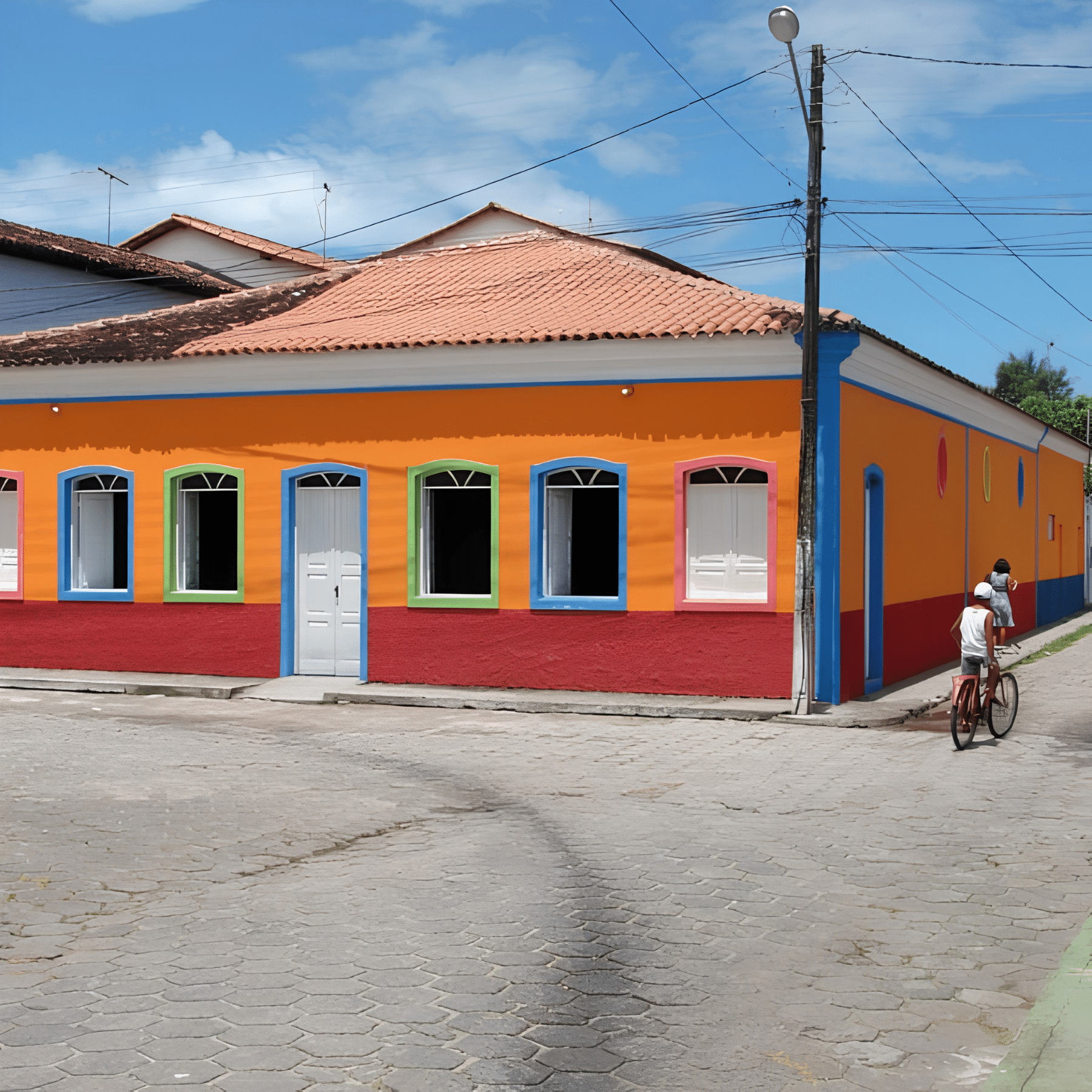
Located in Praça Padre José Porphirio, opposite the Igreja Matriz de São Bernardo, this spacious single-storey house originally belonged to Antonio Garcia de Medeiros Júnior (1861–1945), a former mayor of the town. After being taken over by his heirs, the property was donated to the local council to serve as a school.
The building was subsequently converted into a leisure centre in the late 1960s. It currently houses the Casa da Cultura, which hosts musical events, theatre performances and cultural events, as well as a museum that preserves local history.
7. Central Promenade
The Calçadão Central, a pedestrian-only street, runs through the heart of the city. It connects Praça da Caixa d’Água to Praça Padre José Porphirio, a block away, where the Igreja Matriz de São Bernardo is located.
The promenade is bustling and features bars, cafés and a lively shopping scene. There are other promenades in the city, particularly near the beaches or along the river, but this is the main commercial and social hub.
8. Praça da Caixa d’Água
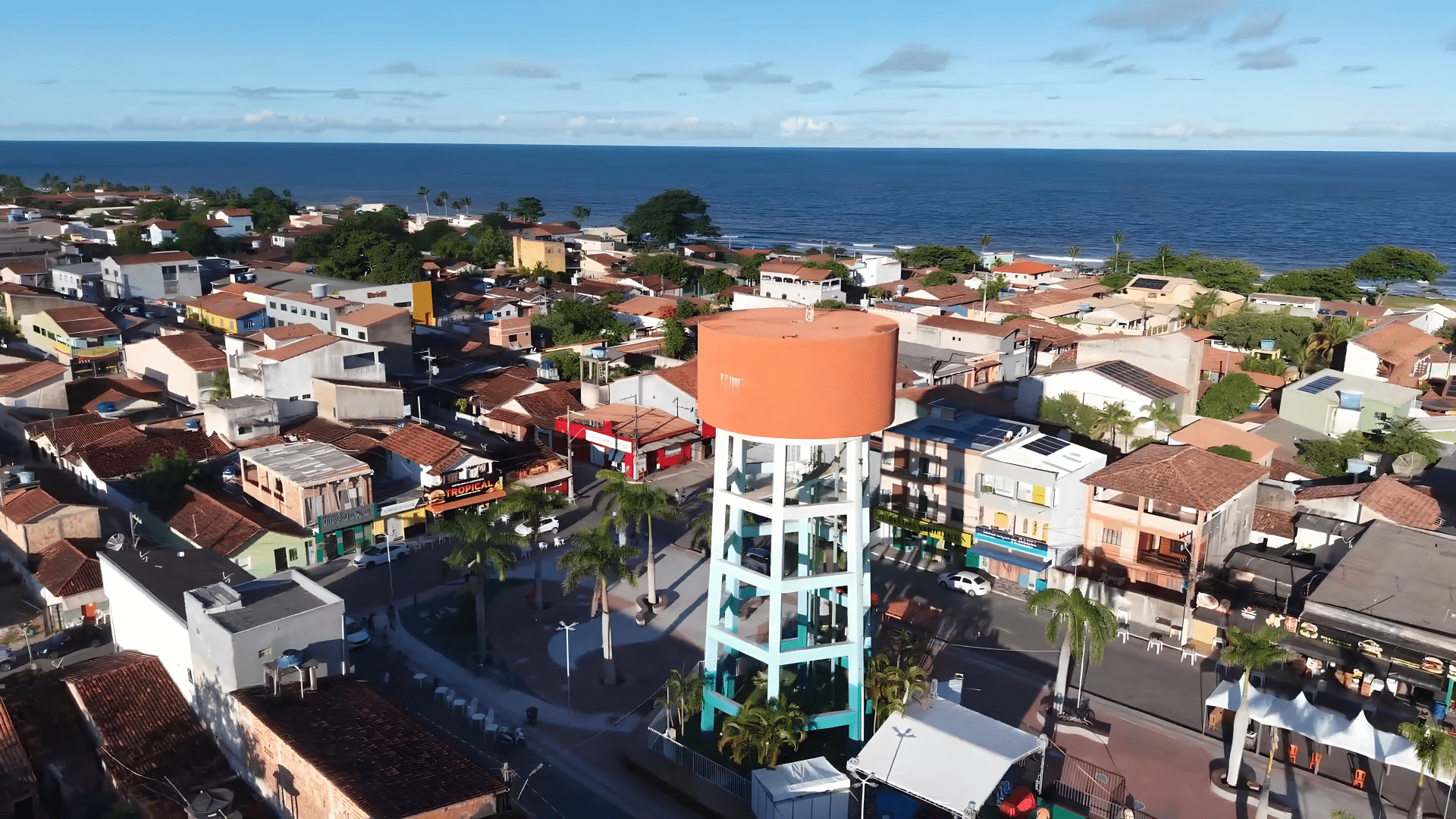
This is one of the city’s main squares, characterised by the enormous water tower that stands in its centre, built to ensure the supply of drinking water.
The square is the venue for the city’s main evening events, such as parties and musical performances. During the summer and Carnival, a temporary stage is set up where bands and groups perform.
In addition, the square is home to arcades, internet cafés, supermarkets and the city’s only bank branches: Banco do Brasil and Caixa Econômica Federal.
9. Town Hall
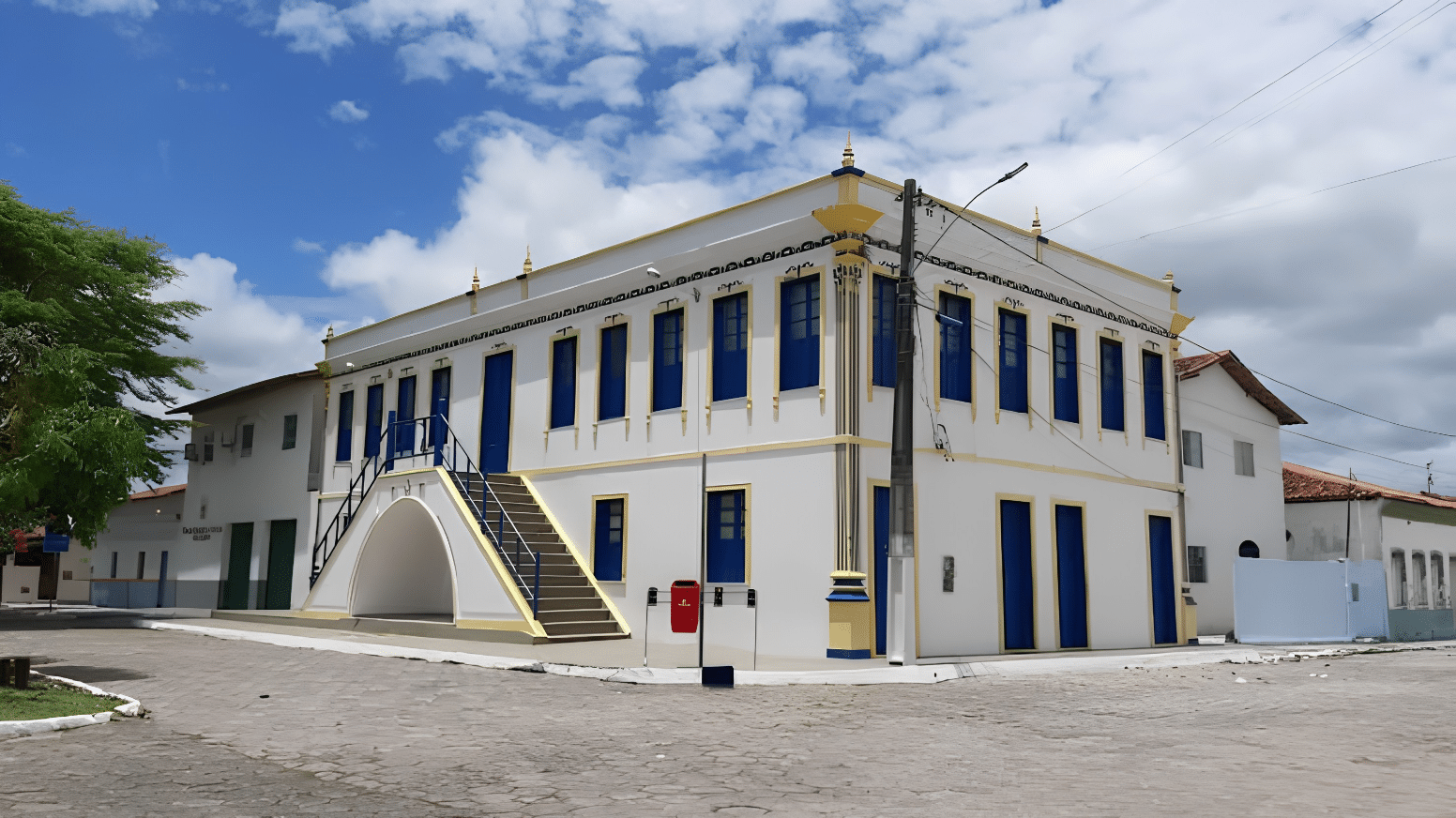
The town hall building, situated at one end of Praça Padre José Porphirio, has a long history marked by incidents such as fires, relocations and renovations. The original building, attributed to the then mayor Antonio Garcia de Medeiros Júnior, housed both the town hall and the municipal prison, the cells of which were located beneath the front staircase.
In the 1980s, the building housed a branch of the Caixa Econômica Federal and other municipal departments. After years of neglect, it was restored and has recently resumed its role as the headquarters of the city council.
Beaches and natural areas
The beaches of Alcobaça are ideal for all sorts of people: families, surfers and those seeking peace and quiet.
Barra Beach
Situated at the mouth of the River Itanhém, it features mangroves and good facilities for recreational fishing and water sports. There are beach huts and places to eat.
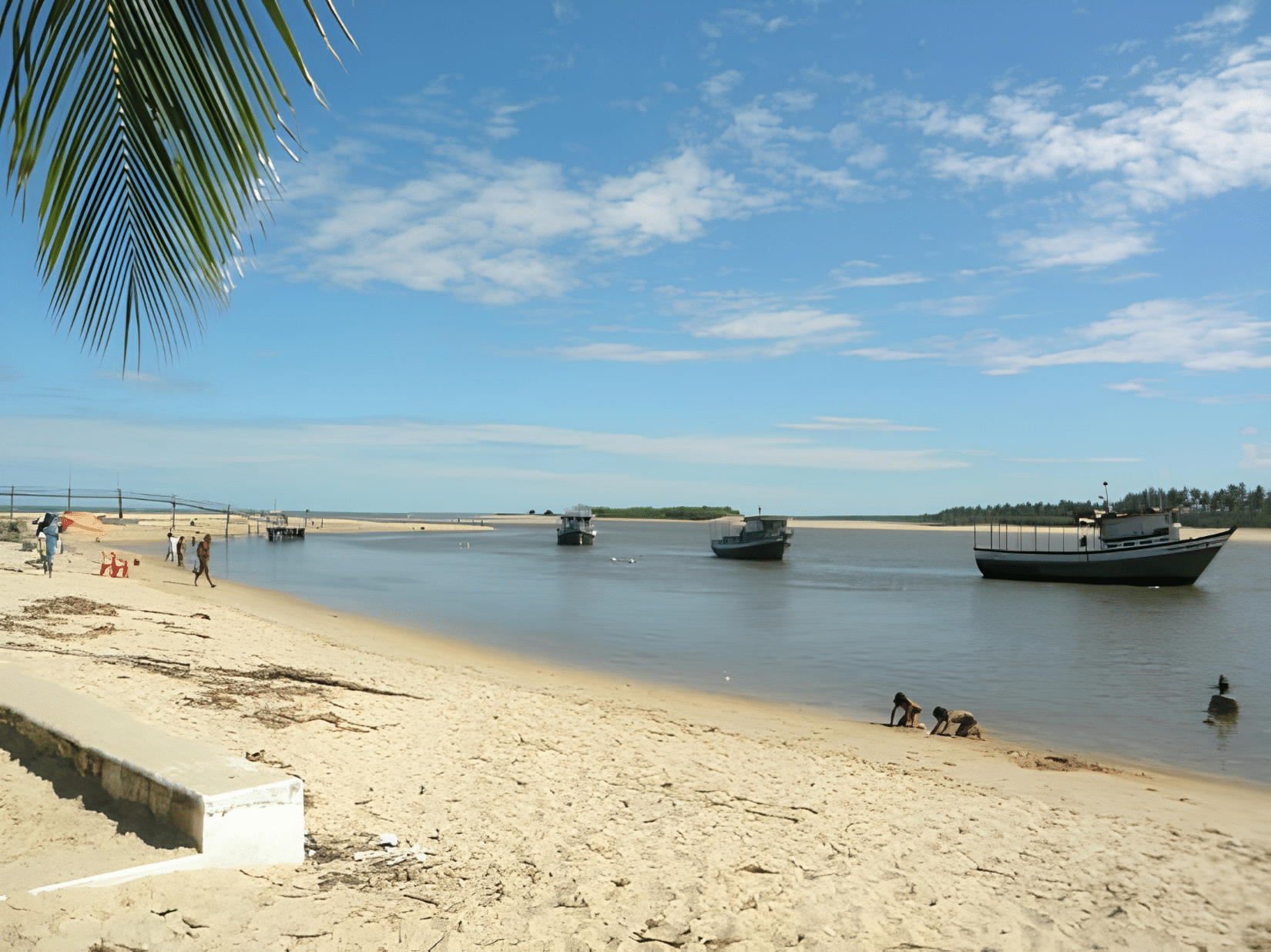
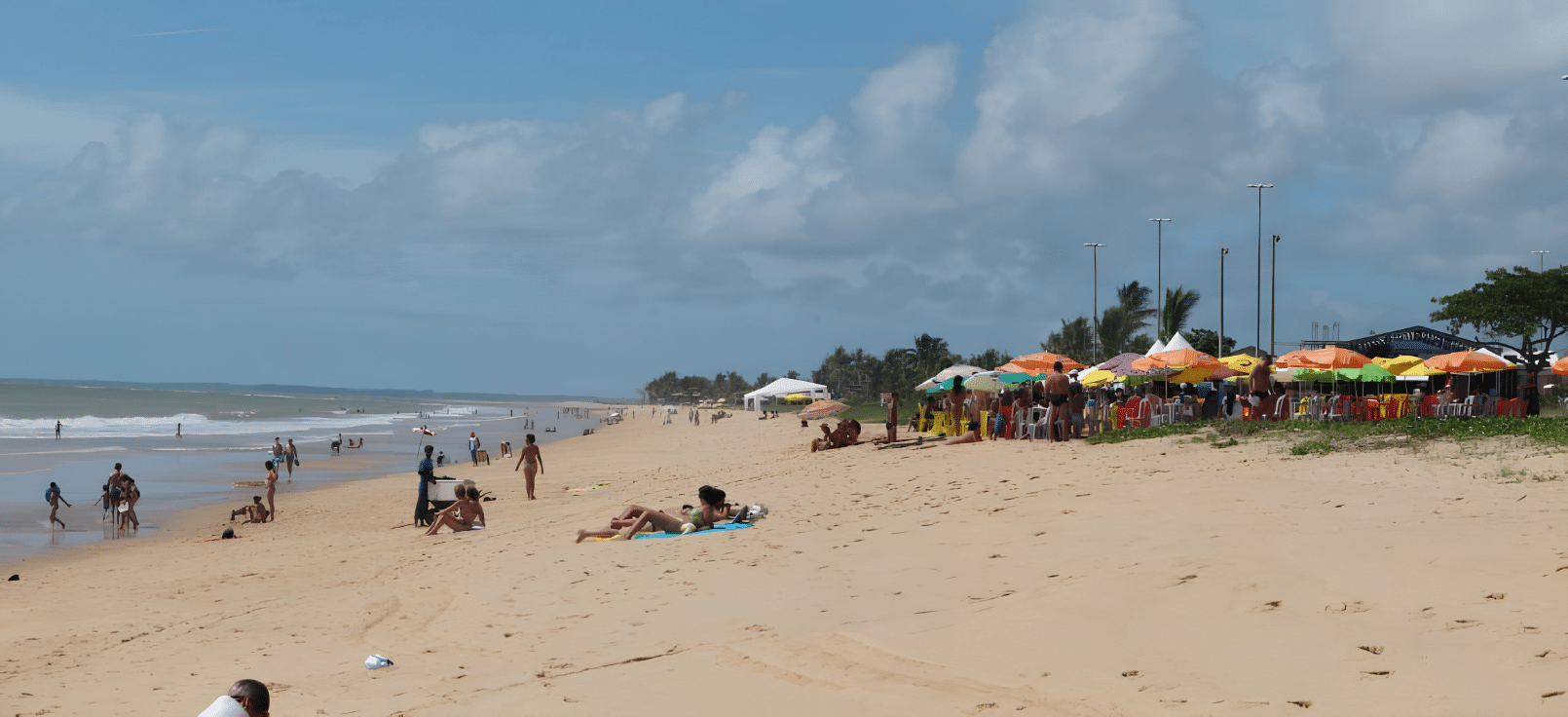
Centro Beach
A long stretch of golden sand, with beach huts, restaurants, guesthouses and easy access — ideal for tourists of all ages.
Farol Beach
More secluded and peaceful; a spot well known for moonlit evenings and bonfires. It is also a nesting ground for sea turtles at certain times of the year.

The Itanhém River and the mangroves
The river and the estuary provide excellent settings for boat trips, kayaking and fishing; the region offers boat hire services and local guides.
The Timbebas Cliffs and Reefs
For diving and marine wildlife spotting, the reefs near Alcobaça (including Parcel das Paredes and Recifes das Timbebas) offer a wealth of marine life and are popular spots amongst divers.
Underwater attractions and diving
The Paredão das Paredes and the region’s reefs are top spots for free diving and scuba diving; local operators offer trips to Abrolhos and nearby dive sites. Please observe environmental regulations and use licensed operators.
Frequently asked questions about Alcobaça, Bahia
How many days does it take to explore Alcobaça?
To explore the historic centre and the main beaches at a leisurely pace, 2 to 3 days is ideal. Anyone wishing to include a boat trip to Abrolhos or the Timbebas Reefs should set aside a whole day just for this attraction.
When is the best time to visit Alcobaça?
From July to October is humpback whale season on the Whale Coast, ideal for anyone wanting to combine a beach holiday with marine wildlife watching. For traditional festivals, January (Moors and Christians, Saint Sebastian) is a good time to visit.
Is it possible to go diving in Alcobaça?
Yes. Parcel das Paredes and the Timbebas Reefs are popular spots for free diving and scuba diving, with licensed local operators who also organise trips to Abrolhos.
When was Alcobaça founded?
The town was officially founded on 12 November 1772, at the site then known as Arraial de Itanhém, and was granted city status on 20 July 1896.
Is Alcobaça a good base from which to visit Abrolhos?
Yes. Alcobaça is one of the gateways to the Abrolhos Archipelago, with boat trips available for whale watching, diving and exploring marine life.

Publicações Relacionadas
Bahia Maritime Museum: History of Navigation at the Barra Lighthouse
Porto Seguro's nightlife: Where to have fun
Ilha dos Frades — History, beaches and tourist attractions
Paranaguá Palace — History, architecture and visiting information | Ilhéus (BA)
Salvador’s Historic Centre, Pelourinho, Baroque churches and museum
The Tamar Project and turtle conservation
Basílica Santuário Nossa Senhora da Conceição da Praia — history and architecture
The best beaches near Salvador (distance, facilities and tips)
Santa Rita de Cássia: Attractions and Activities
Santa Cruz Cabrália in Bahia — beaches, history and things to do
History and sights of Avenida Contorno in Salvador BA
São Jorge Parish Church in Ilhéus — history, architecture and religious art
Rio Vermelho is Salvador’s trendiest and most bohemian neighbourhood
Church of Nossa Senhora dos Mares (Salvador) — History and Architecture
Trekking - Route through the Chapada Diamantina in 7 days
Trekking in the Pati Valley in Chapada Diamantina
History of the Church of Nosso Senhor do Bonfim in Salvador
Main islands of Todos os Santos Bay | Visitor’s Guide
Pelourinho (Salvador) — Historical Guide, Architecture, and UNESCO World Heritage Site
Discover the reasons for a holiday in Salvador, Bahia
Jandaíra: Discover the charm of Mangue Seco
Palaces in Salvador to visit and learn about Brazil's history
The 3 most paradisiacal beaches in Bahia
Ecological tourism in Morro do Chapéu
Parks and Squares in Salvador for Leisure Activities
Ibicoara: An Unmissable Tourist Destination
Tourist Areas in Bahia - Tourist Guide
Tourist attractions for children in Salvador: Fun and learning
Serra Grande: Your Guide to Bahia's Paradise
The Municipality of Conde, Bahia: Beaches and a Comprehensive History
Birds Found in Chapada Diamantina: A Guide
Pelourinho: what to do in Salvador’s Historic Centre
Bom Jesus da Lapa Sanctuary: A Complete Visitor’s Guide
Places to visit on the south coast of Bahia
Church of São Pedro dos Clérigos — History, architecture and religious art
Imbassaí Beach: Discover the Best of Bahia
This post is also on:
 Português
  English
  Deutsch
  Español
  Français