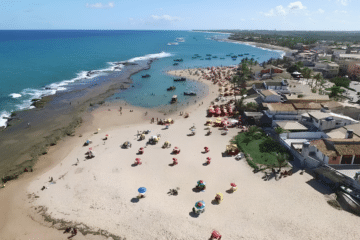
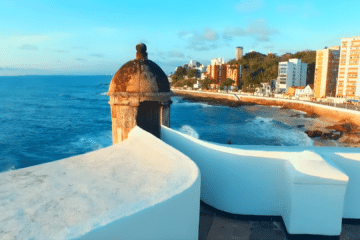
The towns, beaches and the Abrolhos Archipelago, situated in the far south of Bahia on the Whale Coast, form a tourist route stretching from the border with Espírito Santo to the south of Porto Seguro. The route is rich in biodiversity, culture and history, attracting visitors interested in nature and marine wildlife.
The southernmost tip of Bahia — main towns
Highlights: Prado, Alcobaça, Caravelas, Nova Viçosa and Mucuri.

Guia Turístico de Mucuri na Bahia06:06
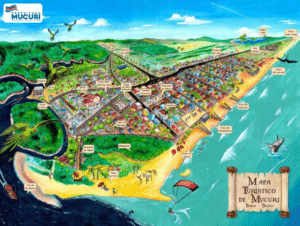
Guia de Turismo de Mucuri na Bahia06:00
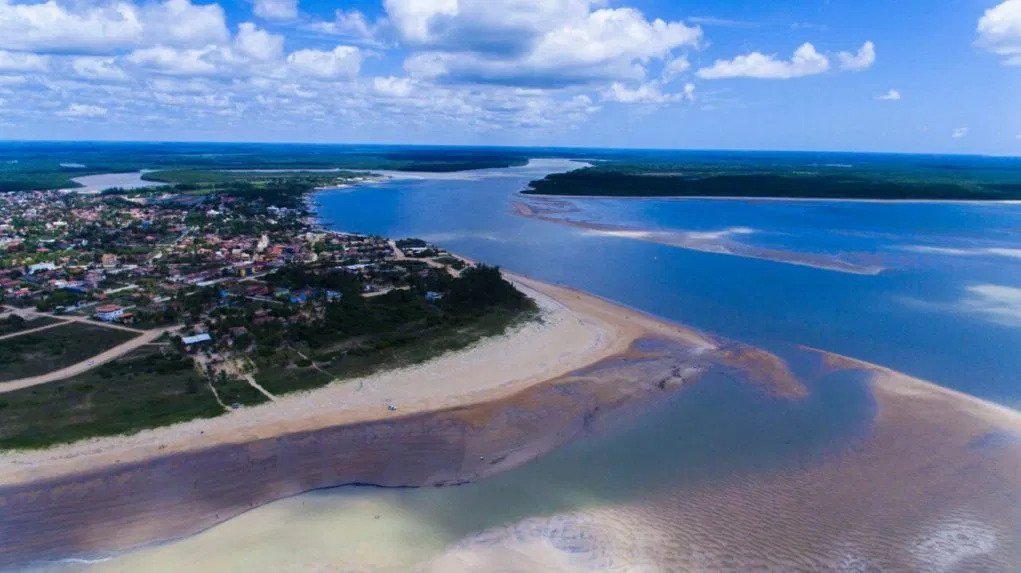
Nova Viçosa na Bahia
Ilha de Coroa Vermelha na Bahia02:04
Ilha de Barra Velha em Nova Viçosa

Guia de Turismo de Nova Viçosa (BA)09:20

Caravelas na Bahia02:52
Guia de Turismo de Alcobaça03:59

Alcobaça na Bahia03:03
Guia Turístico de Prado e Abrolhos14:52
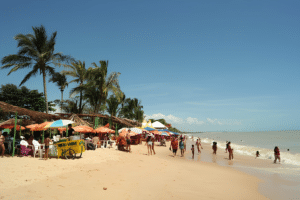
Guia de Turismo de Prado (BA)02:49
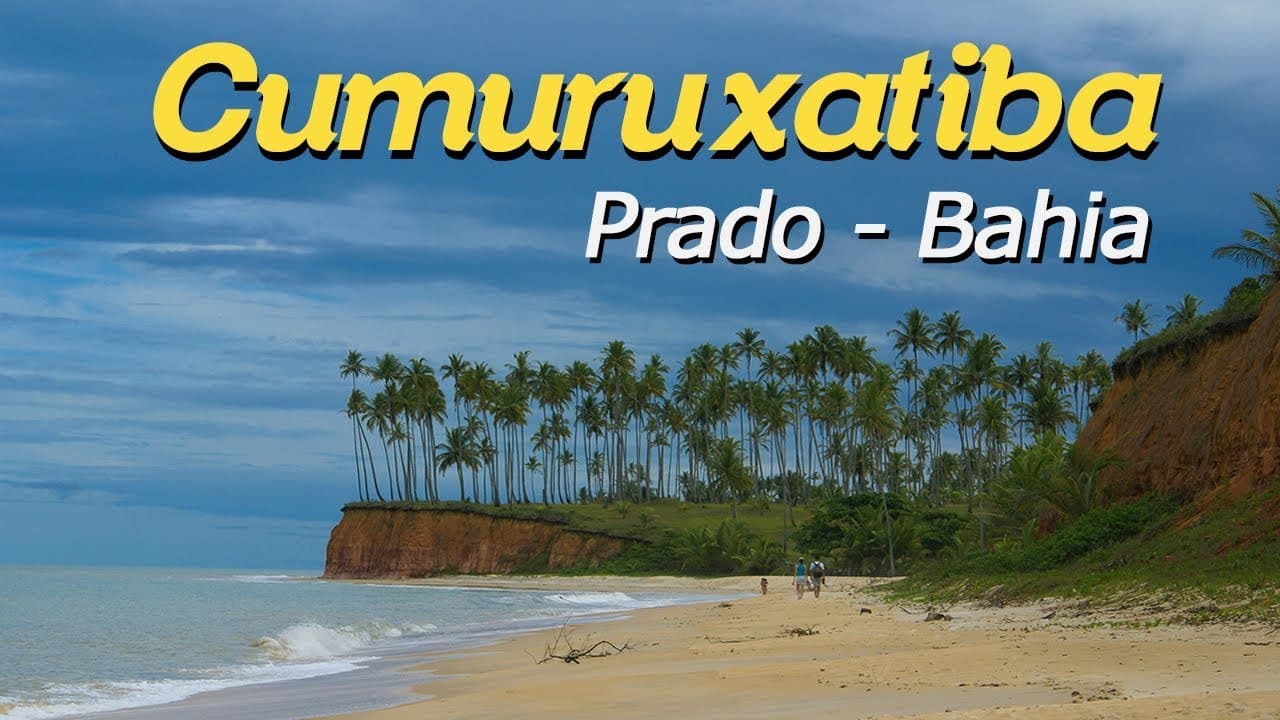
O que fazer, como chegar em Cumuruxatiba15:21

Guia de Cumuruxatiba10:35

Praias de Cumuruxatiba09:35

Baleia Jubarte04:24
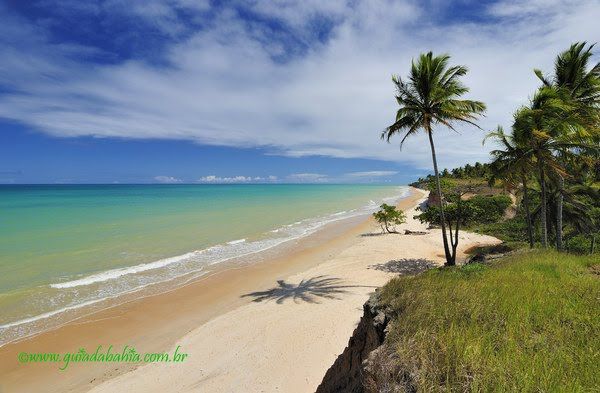
Praia de Guaratiba, Cumuruxatiba, Barra do Cahy e Corumbau17:26

Guia de Tutirsmo de Cumuruxatiba15:43
Suggested itinerary
- Mucuri
- Nova Viçosa
- Caravels
- Alcobaça
- Prado
- Commotion
- Abrolhos Archipelago
Humpback whales
Humpback whales migrate from Antarctica to the warm waters off the southern coast of Bahia between July and November, when they can be observed during the breeding season — one of the region’s biggest attractions.
Natural and cultural attractions
The region is home to colonial villages, churches, townhouses with tiled façades, mangroves, waterfalls, cliffs, coconut groves and long beaches. Offshore, there are coral reefs, islands and diving spots boasting a wealth of biodiversity, including sea turtles.

Exploring the towns and the Abrolhos Archipelago
1. Mucuri (BA) — beaches, Lagoa Azul and ecotourism
Summary: Mucuri, in southern Bahia, is a peaceful coastal town with around 11 km of coastline, beaches lined with coconut palms and cliffs, the Lagoa Azul, the Passarela do Gigica and the River Mucuri — ideal for those seeking relaxation, nature walks and regional sightseeing.


Top attractions
- Gigica Promenade — a seaside meeting place, great for a stroll and watching the sunset.
- Lagoa Azul — a natural lake or pool ideal for swimming and contemplation.
- Mucuri River — the river from which the town takes its name, with riverside scenery and local activities.
Top beaches
Barra Beach, Malvinas Beach, Pôr-do-Sol Beach and Costa Dourada Beach — beaches with stretches of sand, coconut groves and unspoilt areas, ideal for swimming, walking and relaxing.


2. Nova Viçosa — beaches, diving and excursions
The last town on the Whale Coast is Nova Viçosa, known for its seven beaches and Coroa Vermelha Island, an ideal destination for snorkelling and diving. The town combines natural beauty with water sports, making it a must-visit for anyone who enjoys ecotourism and marine life.


Top beaches in Nova Viçosa
The region’s beaches range from lively urban stretches to virtually deserted coves — ideal for leisure, fishing and peace and quiet.
- Praia do Lugar Comum — A city beach very popular with young people; generally calm waters, white sand and coconut groves. Ideal for those looking for facilities and a lively atmosphere.
- Pontal da Barra Beach — Situated on Beira-Mar Avenue, close to the town centre, with a mooring for small boats. The Peruípe River flows into the sea here, making the water murkier and giving it a distinctive appearance.
- Pau Fincado Beach — A long, straight beach situated within the town limits, with gentle waves and compacted sand. It features beach huts and markets selling wooden handicrafts — a great choice for family outings.
- Atlantic Coast — The most isolated and almost deserted stretch, with strong waves and plenty of coconut palms. A haven for sea turtles; very popular with sea bass and prawn fishermen.
- Sabacuí Beach — Approximately 2 km from the municipal centre, this is a wide cove with calm waters, white sand and cowrie shells. Where the River Sabacuí meets the sea, large sand deposits (dunes) have formed. During the high season, there are beach huts catering to visitors.
- Pontal do Norte Beach — A quieter stretch of beach, perfect for walks and taking in the coastal scenery; ideal for those seeking peace and quiet near the urban coastline.
- Praia do Parque (Praia do Rio) — An area characterised by a mix of river and marine influences, ideal for small-scale fishing and interacting with local communities; it offers direct contact with the region’s fishing culture.


Diving and ecotourism
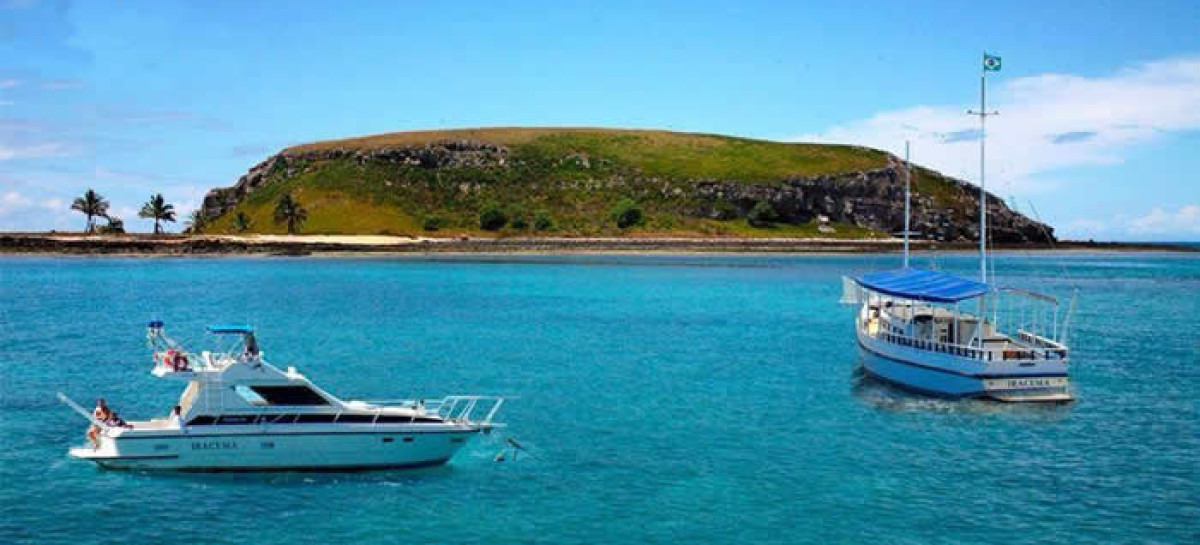
The region is home to coral reefs close to the coast, which offer excellent spots for diving and snorkelling. The small Ilha de Coroa Vermelha features reef formations and natural pools that emerge at low tide — ideal places for observing colourful fish, seaweed, starfish and turtles.
The schooner trip to the island usually takes around 1 hour 30 minutes, depending on the type of boat and sea conditions. Check the tide table to make the most of the natural pools at low tide.
The Abrolhos Archipelago and whale watching
Nova Viçosa is one of the gateways for visitors to the Abrolhos Archipelago, a marine area of great environmental importance and rich biodiversity. From July to November is the humpback whale season, when these animals come to the region to breed — a natural spectacle enjoyed by divers and observers alike.

Recommended walks
- Abrolhos Archipelago — Boat trips with options for diving and marine life spotting; during the season, it is possible to spot humpback whales. Ideal for those who want to explore the reefs and marine biodiversity.
- Red Crown Island — A schooner trip for snorkelling and swimming in natural pools; great for spotting colourful fish, shallow corals and reef formations. Check the tide table before setting off.
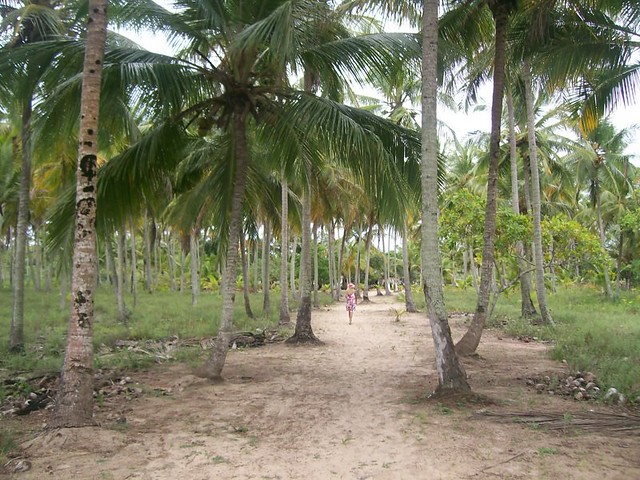
- Barra Velha Island — A walk through mangroves and sandbanks, including a motorboat trip along the Peruípe River; ideal for short walks, birdwatching and exploring the Atlantic Forest.
- Artisanal fishing tour — Trips with local fishermen to catch sea bass and prawns, an experience that combines the activity with an insight into the region’s fishing culture.
- Trails and birdwatching — Guided walks through sandbank and mangrove areas, ideal for those looking to spot birds and wildlife in coastal environments.
3. Caravelas — history, beaches and ecotourism
Caravelas lies on the banks of the River Caravelas, some 870 km from Salvador and 36 km south of Prado, and can be reached via the BA-001. The town boasts a rich historical heritage, religious festivals and nearby beaches that offer a perfect blend of relaxation and outdoor activities.

Beaches and attractions
Barra de Caravelas is home to beaches such as Kitongo, Grauçá and Iemanjá, with calm waters and areas ideal for swimming and leisure. The town’s colonial architecture and its religious festivals attract visitors all year round.


Excursions and ecotourism
A classic option is the boat trip to Coroa da Barra, situated opposite Barra de Caravelas, the starting point for exploring the mangroves and neighbouring islands. Itineraries usually include Ilha da Cassumba, stretches of sandbank and the route towards Nova Viçosa and Ilha de Coroa Vermelha.
Caravelas is also one of the departure points for the Abrolhos Archipelago and the Parcel das Paredes, which are important spots for diving and marine wildlife watching. Between July and November, it is common to spot humpback whales in the region, making boat trips an unmissable attraction.
Historical highlights
With origins dating back to the colonial period (the earliest records date from the early 16th century), Caravelas was an important trading centre in later periods, leaving behind a legacy of grand houses and examples of traditional architecture.
4. Alcobaça — beaches, surfing and access to the Abrolhos Marine National Park
Alcobaça, a coastal town in southern Bahia located approximately 26 km from Prado, is renowned for its five beaches and for being one of the departure points for the Abrolhos National Marine Park. It is ideal for tourists looking for surfing, fishing, ecotourism and an insight into the local fishing culture.


Alcobaça’s main beaches
- Coqueiro — strong, consistent waves; a spot recommended for experienced surfers.
- Barra — a traditional area for small-scale and recreational fishing; good local facilities for anglers.
- Farol — a quiet beach, ideal for swimming and relaxation.
- Alcobaça — an easily accessible town beach, ideal for families and swimming.
- Zeloris — a peaceful spot, ideal for relaxation and enjoying the coastal scenery.
Visitor Centre and departure point for Abrolhos
Alcobaça is home to the Abrolhos Marine National Park Visitor Centre and is one of three departure points for excursions to the archipelago, which is renowned for its reefs, diving and humpback whale watching during the season (July to November).
Accommodation, catering and logistics
The town offers small hotels, guesthouses and restaurants specialising in seafood. Alcobaça is accessible via the BA‑001 road; plan your journey from Prado or other nearby towns.
5. Prado — beaches, cliffs and ecotourism
Prado, in the far south of Bahia, forms part of the Whale Coast and the Discovery Coast. A historic region — with Barra do Cahy having been one of the first anchorages for the Portuguese fleet in 1500 — Prado combines colonial charm, long beaches, colourful cliffs and a rich marine life.

Characteristics of the city
The centre of Prado is flat and tree-lined, with grand houses and cobbled streets that are ideal for walking or cycling. The town preserves Bahian culture through its markets and local cuisine, with acarajé, cocadas and handicrafts being particular highlights.
Natural beauty
With a coastline of around 84 km, Prado boasts beaches with calm waters, stretches of monazite sand, streams flowing into the sea, and cliffs in shades of ochre, beige and red. Monte Pascoal, visible from the region, complements the historic and natural landscape.
Top beaches
The beaches of Prado are characterised by cliffs, coconut palms and streams, offering both quiet stretches and areas with beach huts and kiosks:
- Prado Beach (City Centre) — a bustling city beach in high season, with beach huts, music and good facilities for swimming.
- Novo Prado — 1 km from the centre; coarser sand, a wide range of guesthouses and beach huts; ideal for walks and summer socialising.
- Praia da Paixão — framed by towering cliffs, linked to the Coastal Road; good facilities and access to coastal footpaths (13 km from the centre).
- Barra Beach — where the sea meets the River Jucuruçu; a long cove, coconut groves and stretches of strong waves (3 km from the centre).
- Guaratiba Beach — compacted sand and beach huts; the departure point for boats heading out to the reefs — excellent for snorkelling and diving (approx. 14–16 km from the city centre).
- Viçosa Beach (Amendoeira) — a quiet cove between Paixão and Farol; sheltered by reefs and with no beach huts (10 km from the centre).
- Praia das Ostras — calm sea and a natural pool formed by the Rio das Ostras; good for swimming (20 km from the centre).
- Tororão — notable for its waterfall that flows onto the beach; a peaceful spot with a kiosk (18 km from the town centre).
- Lagoa Pequena and Lagoa Grande — stretches where the lagoons meet the sea; at Lagoa Grande, you can swim in fresh water when the tide allows.
- Areia Preta, Cumuruxatiba and Japara — beaches with monazite sand and therapeutic benefits; Cumuruxatiba is the starting point for boat trips.


Cliffs
The cliffs of Prado are one of the most impressive sights on the Bahia coast, featuring colourful layers and slopes that serve as natural vantage points for photography, walking and viewing the coastline.
Mangroves and the River Jucuruçu
The local mangroves are well-preserved ecosystems and nurseries for a variety of marine species. The River Jucuruçu winds its way through the landscape, offering boat trips, rustic jetties and the chance to watch traditional fishing.
Tours and activities
- Boat and schooner trips: where the river meets the sea (Barra do Jucuruçu, Barra do Cahy) and routes to islands and reefs.
- Diving and snorkelling on the Guaratibas, Timbebas and Ponta do Corumbau reefs.
- Walking trails and trekking along the northern beaches, with cliffs and viewpoints.
- Whale-watching during the season and traditional fishing experiences.
6. Cumuruxatiba (BA) — pier, beaches and ecotourism
Cumuruxatiba is a fishing village in southern Bahia, known for its historic jetty (~600 m), beaches criss-crossed by streams, snorkelling reefs (Pataxó, Itacolomi) and boat trips to Ponta do Corumbau and routes to the Abrolhos archipelago. Ideal for ecotourism, shallow-water diving and nature tourism.
Main attractions
- Cumuruxatiba Pier — a picture-postcard spot and a landmark for boarding ferries and taking photos.
- Ponta do Corumbau — a sandbank visible at low tide; calm waters and picturesque scenery.

Most popular beaches
Praia do Centro (Praia do Píer), Praia do Rio do Peixe (Peixe Grande/Peixe Pequeno), Praia do Moreira, Imbassuaba, Barra do Cahy, Japara Grande/Japara Mirim and Areia Preta — these range from beaches with facilities to remote beaches that are ideal for those seeking peace and quiet.


Reefs and diving
Shallow areas and reefs close to the coast (the Pataxó and Itacolomi reefs) are excellent for snorkelling; for scuba diving, the Abrolhos Archipelago (≈70 km) offers the best dive sites and a wealth of biodiversity.
Recommended walks
- Boat trip to Ponta do Corumbau (stopping at the sandbar at low tide).
- Snorkelling at the reef banks (Pataxó and Itacolomi).
- Coastal itineraries offering views of Monte Pascoal.
- Trips to Abrolhos (arrange transport and confirm departure from authorised ports).
7. Abrolhos Archipelago
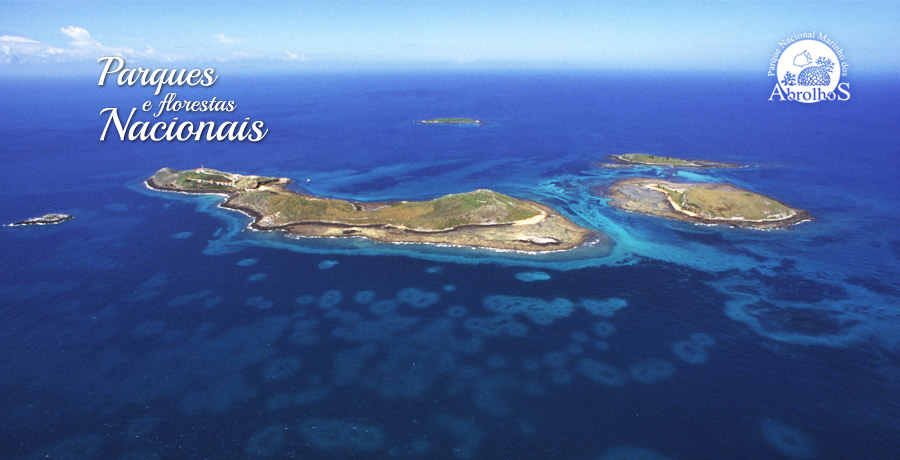
The Abrolhos Marine National Park was established on 6 April 1983 and is situated some 70 km off the southern coast of Bahia. It is renowned for its reefs, underwater caves and the humpback whale season (July–November), as well as being home to seabirds and a rich benthic fauna.

Practical itineraries (summary)
Weekend (3 days)
- Day 1: Arrival at the base destination (Prado or Nova Viçosa) and the town beach.
- Day 2: Boat trip to the reefs / Coroa Vermelha Island or Ponta do Corumbau.
- Day 3: Cultural tour and return journey.
7 days (recommended)
- Days 1–2: Prado (cliffs, northern and central beaches).
- Days 3–4: Nova Viçosa and Coroa Vermelha Island (diving/snorkelling).
- Day 5: Mucuri (relax on the local beaches).
- Day 6: Caravelas — departure for Abrolhos (if scheduled).
- Day 7: Cumuruxatiba/Corumbau and return.

Publicações Relacionadas
Find out how to celebrate Carnival in Salvador, Bahia
Santo Amaro da Purificação — History, Culture and Tourism in the Recôncavo Baiano
Mucugê: Discover the local history and culture
Sempre-Viva: Symbol of Preservation in the Chapada Diamantina
Caravelas (BA) — Complete Guide: Beaches, History and Abrolhos
Juazeiro: Discover the Land of the Carrancas
Costa do Dendê: A Tropical Paradise in Bahia
Tourist attractions for children in Salvador: Fun and learning
History and Historical Attractions of Itacaré Reveale
Comandatuba Island: Resort and Family Adventure
Tourist Attractions in Bahia: main attractions, beaches and cities
Diving Spots in Bahia: Discover Underwater Treasures
Camamu Bay — A Hidden Paradise in Bahia
History of grape and wine production in the São Francisco Valley
The 3 most paradisiacal beaches in Bahia
Pelourinho (Salvador) — Historical Guide, Architecture, and UNESCO World Heritage Site
Picos das Almas, Itobira and Barbado Trekking Guide
What to do on Boipeba Island - Tourist Guide - videos
Ilha dos Frades — History, beaches and tourist attractions
Chapada Diamantina: A Complete Guide to Attractions and Itineraries
History of Cocoa: From Aztecs to Modern Use
Chapada Diamantina's architectural style and influences
Best Beaches in Bahia: Your Guide to Paradise
Catabrigas Waterfall — A natural haven in Ibirajá, Itanhém (BA)
Places of interest in Salvador — A comprehensive guide
Arembepe: beaches (Piruí, Praia do Canto), Hippie Village and the Tamar Project
Campo Formoso: Explore Caves and Emerald Trade
The History of Lençóis in the Chapada Diamantina — Origins, the Diamond Cycle and Heritage
Ibicoara: An Unmissable Tourist Destination
Ponta de Humaitá — Lighthouse, church and the best sunset in Salvador
Santo Antônio da Barra Fort — history, Barra Lighthouse and the Nautical Museu
The Secret History of Salvador, Bahia: Caramuru and the City’s Early Day
10 Interesting Facts About Rio de Contas That You Didn’t Know
The Coconut Coast and its tourism heritage
Bahia Maritime Museum: History of Navigation at the Barra Lighthouse
Santa Rita de Cássia: Attractions and Activities
This post is also on:
 Português
  English
  Deutsch
  Español
  Français