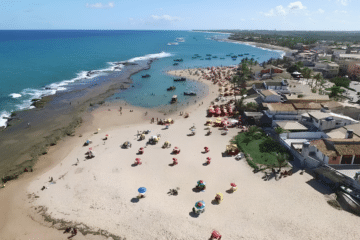
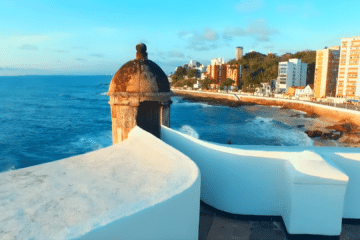
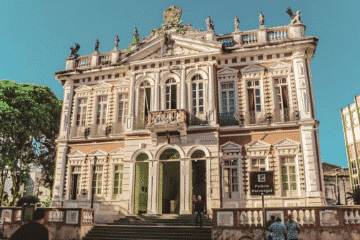
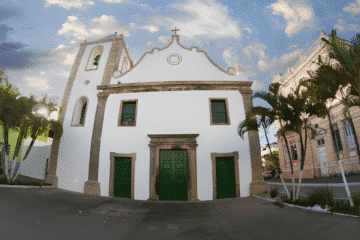
Praia de Guarajuba is located on the north coast of Bahia, in the municipality of Camaçari, approximately 42 kilometres from Salvador..
Guarajuba Beach is a charming destination that combines natural beauty, quality infrastructure and a peaceful atmosphere, ideal for all types of travellers.
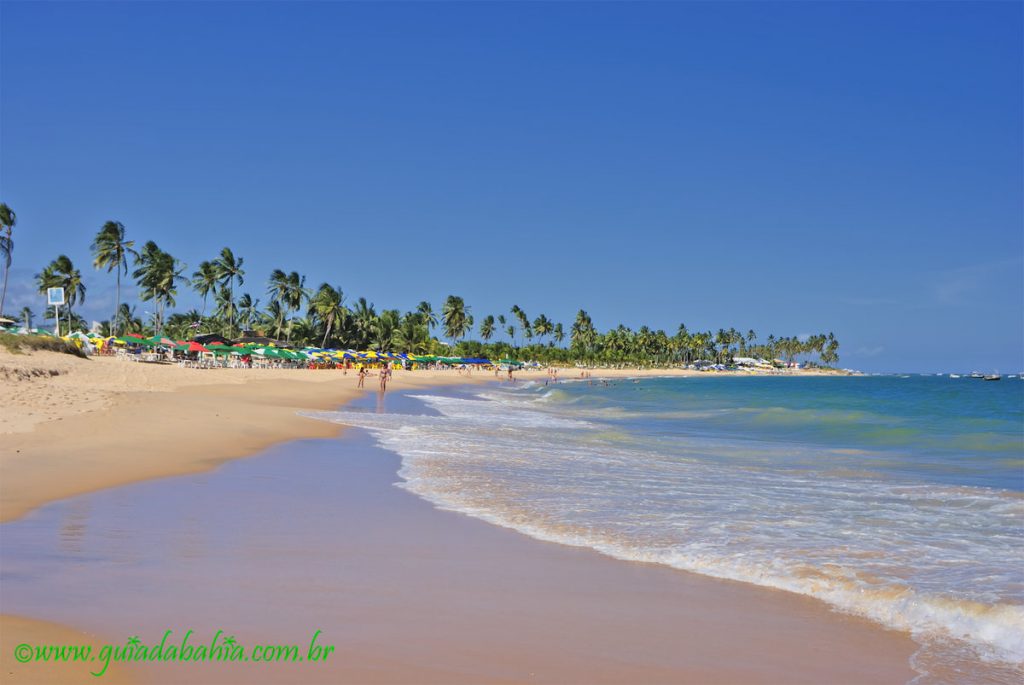
Guarajuba Beach – Natural beauty and outdoor activities
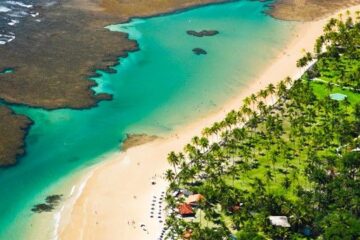
Guarajuba Beach is known for its crystal clear waters, soft white sand and a long line of coconut trees that frame the landscape.
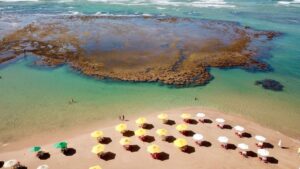
At low tide, natural pools form between the coral reefs, providing the perfect environment for relaxing swims and snorkelling. In these pools you can see a variety of colourful fish, crabs and sea urchins, making the experience even more special.
For water sports enthusiasts, the region offers ideal conditions for surfing, windsurfing and kite surfing, especially in the area known as Surf Beach, a meeting point for surfers and adventurers.
Video of Guarajuba Beach

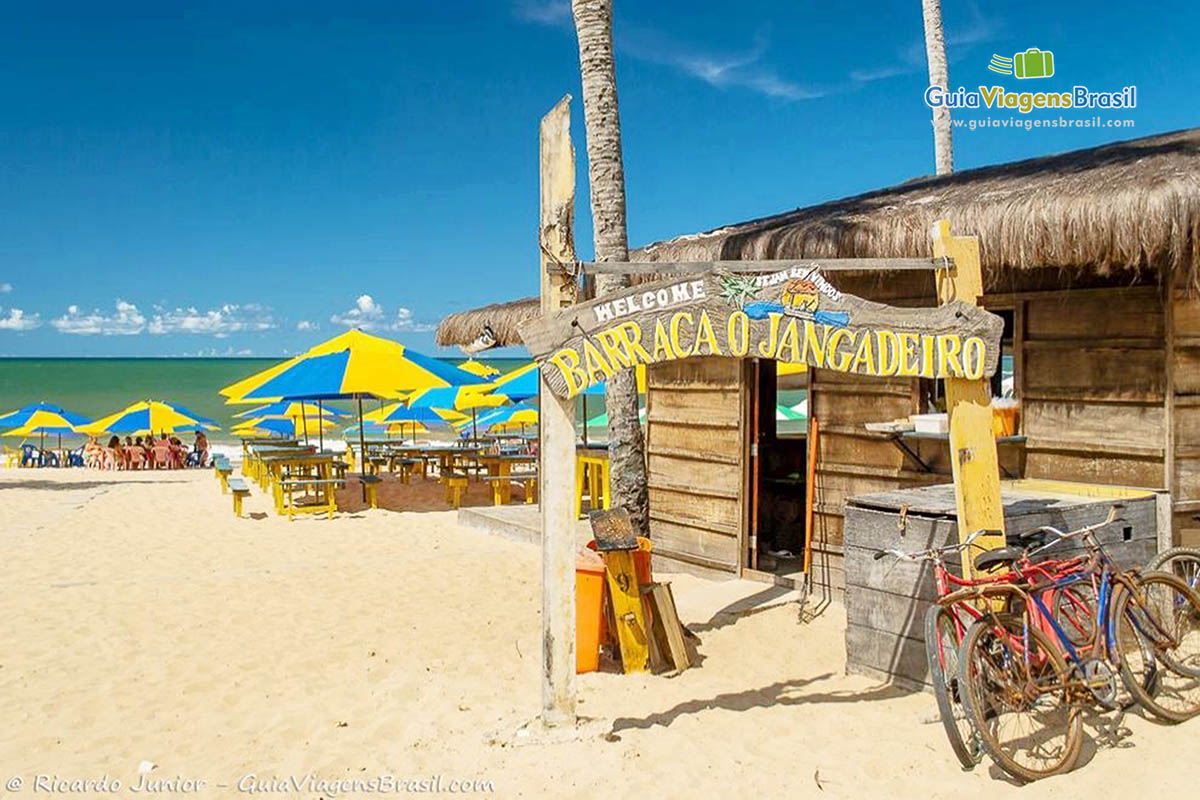
Infrastructure and amenities
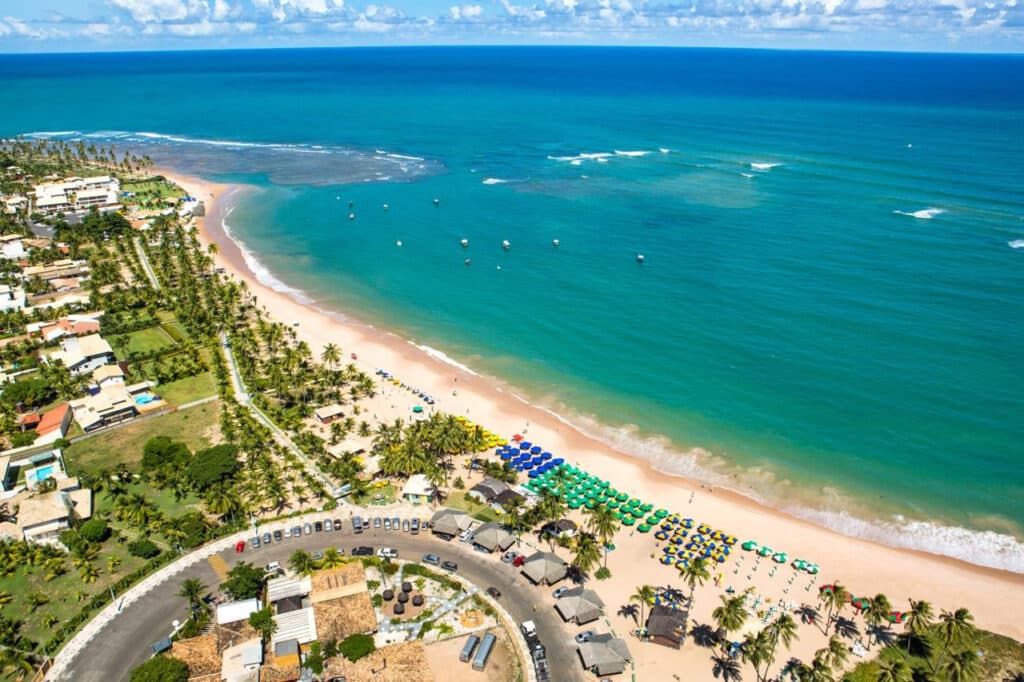
Guarajuba has an excellent tourist infrastructure, with residential and holiday condominiums offering comfort and security to visitors. The seafront promenade is ideal for walking, cycling or jogging with sea views.
The town centre has a variety of restaurants serving the best of Bahian cuisine, as well as local shops where you can buy regional handicrafts and souvenirs from your trip.
Tours and attractions near Guarajuba Beach
As well as enjoying the beauty of Guarajuba, visitors can explore nearby attractions such as
- Castelo Garcia D’Ávila: Located in Praia do Forte, about 16km from Guarajuba, this historic 16th-century building offers a fascinating insight into Portuguese colonisation in Brazil. The ruins offer spectacular views of the sea and are perfect for photographs and moments of contemplation.
- Sapiranga Reserve: With well-marked trails, the reserve is ideal for walking, cycling, quading, biking or horseback riding, allowing direct contact with the local fauna and flora. At the end of the trails, visitors can cool off in the waters of the Pojuca River.
- Dune Riding: Exploring the region’s dunes on horseback is a unique experience, offering breathtaking views and access to less explored areas of the coast.
Ecotourism and Conservation
The name Guarajuba comes from the Tupi-Guarani language and means “golden heron”, a reference to the bird found in the lagoon region.
These areas are protected by the Guarajuba Lagoons Environmental Protection Area (APA), which aims to conserve local biodiversity, especially waterfowl.
Tips to get the most out of your visit
- Best time to visit: Although Guarajuba is charming all year round, the months of September to March offer drier and sunnier weather, ideal for outdoor activities.
- Accommodation: There are several types of accommodation, from charming inns to luxurious resorts, to suit different profiles and budgets.
- Gastronomy: Be sure to try typical Bahian dishes in local restaurants, such as moqueca, acarajé and bobó de camarão.
Guarajuba Beach is undoubtedly a destination that combines natural beauty, adventure, culture and comfort, offering an unforgettable experience to all visitors.

Publicações Relacionadas
Todos-os-Santos Bay (Bahia) — History, geography and conservation
History and Heritage of Itaparica Island — Bay of Todos os Santos
Salinas da Margarida (BA) — Beaches, Attractions and a Complete Guide
Cultura dos Índios Pataxós na Costa do Descobrimento
Valença: The Gateway to Morro de São Paulo
Discover the 23 beaches of Salvador — A complete guide and tips
History, the Festival of Nossa Senhora das Candeias and Tourist Attractions
History of the Cathedral Basilica of Salvador
Arembepe: beaches (Piruí, Praia do Canto), Hippie Village and the Tamar Project
Chapada Diamantina's architectural style and influences
Picos das Almas, Itobira and Barbado Trekking Guide
Comandatuba Island: Resort and Family Adventure
The best beaches near Salvador (distance, facilities and tips)
Costa do Dendê: A Tropical Paradise in Bahia
Diving Spots in Bahia: Discover Underwater Treasures
Garcez Beach: Discover Paradise in Jaguaripe
Paranaguá Palace — History, architecture and visiting information | Ilhéus (BA)
Palmeiras: A Gateway to Chapada Diamantina
Ibicoara: An Unmissable Tourist Destination
Skydiving, Paragliding and Ballooning in Bahia
Bom Jesus dos Passos Island: A Complete Guide (Beaches, Church and How to Get There)
History of the Church and Convent of São Francisco in Salvador
The 15 Most Visited and Well-Known Beaches in Bahia
The best places to visit on the Cocoa Coast in Bahia
Catabrigas Waterfall — A natural haven in Ibirajá, Itanhém (BA)
Kitesurfing in Trancoso: A Guide for Adventurers
Trekking in the Pati Valley in Chapada Diamantina
Bahia Art Museum (MAB): Learn about its history and collection
Best Beaches in Bahia: Your Guide to Paradise
Waterfalls and trails in the Capão Valley: Complete Guide
Juazeiro: Discover the Land of the Carrancas
Ventura Village: A Rich History of Diamonds
Things to Do in Nova Viçosa (Bahia): Beaches, Islands and Abrolhos
Paulo Afonso's Beautiful Waterfalls and Canyons
The War of Canudos: Rescuing historical memory
Andaraí is the second largest town in the Chapada Diamantina
This post is also on:
 Português
  English
  Deutsch
  Español
  Français