Iguaí in Bahia: A paradise for nature lovers
The tourist potential of Iguaí, located in the southwestern region of the state of Bahia, is characterised by its beautiful natural landscapes, which include trails, waterfalls and rivers.
These beauties form a veritable mosaic of landscapes, offering visitors moments of leisure, relaxation and joy.

Main attractions
Just three kilometres from the city, you’ll find one of the gems most appreciated by locals and tourists: the Waterfall at the confluence of the Preto and Gongogi rivers.
This stunning location is home to a spa that has been in operation since 1996, created to meet a need in the community, as there were no bathing facilities in the area, despite the abundance of natural resources.
Privileged by the beauty of its waterfalls, the site attracts many visitors, especially on weekends, who come for fun and relaxation by the river.
Another popular destination is the Véu de Noiva, an enchanting waterfall where bathers can cool off in the waters of the Rio Preto.
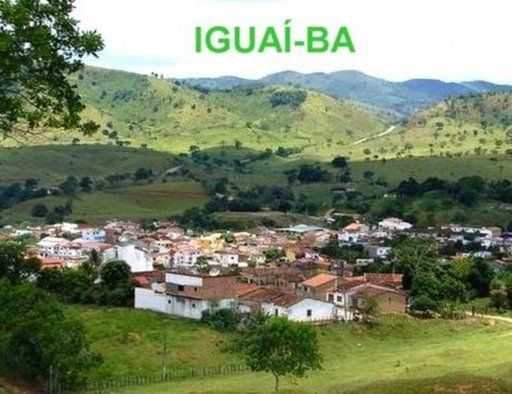
Iguaí na Bahia
History and Culture
The history of Iguaí dates back to the time of the indigenous peoples who inhabited the region before colonisation.
The municipality developed around agriculture, especially the cultivation of sugar cane and cocoa, which are fundamental to the local economy.
Iguaí’s culture is rich and diverse, reflecting a mixture of indigenous, African and European traditions. Local festivals, such as the traditional June festivals, are celebrated with typical dances, music and food, attracting visitors and preserving the region’s cultural identity.
Infrastructure and Rural Life
With a large number of rivers, mountains and rock formations ideal for ecological and adventure tourism, Iguaí has an urban infrastructure that is still developing, with small inns and restaurants.
However, it is in the countryside, full of dairy and cattle farms, as well as cocoa and sugar cane plantations, that tourists can have direct contact with rural life, taking advantage of the trails and hikes that the region offers.
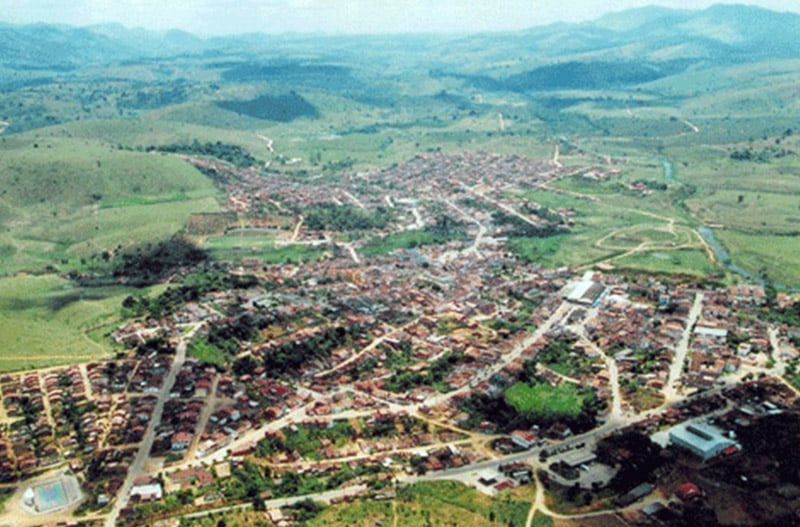
Waterfalls and mountains
Just three kilometres from the town is the waterfall where the Preto and Gongogi rivers meet.
It is essential that visitors are accompanied by guides who know the area’s trails well. As well as the Rio Preto/Gongogi waterfall, another popular spot is Véu de Noiva, a waterfall where bathers can cool off in the waters of the Rio Preto.
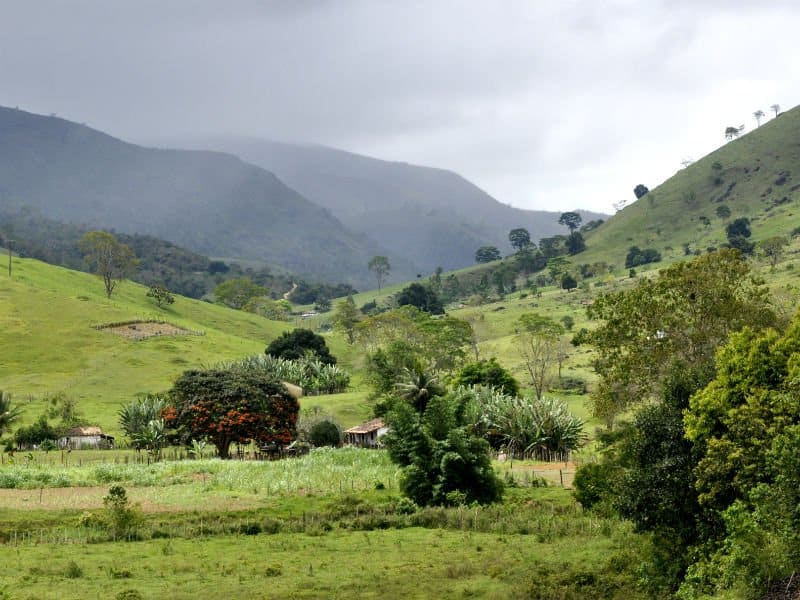
One of the most attractive spots is the Serra do Ouro, 20 kilometres from the city, which rises to a height of 1,226 metres and offers a breathtaking panoramic view.
Another point of interest is the Serra do Jaguar, at 1,220 metres, whose name refers to the historical presence of jaguars in the region, when it was inhabited by indigenous people.
Activities in Iguaí
Iguaí offers a variety of activities for nature and adventure lovers.
Visitors can explore trails leading to various waterfalls, such as Rio Preto, with more than nine waterfalls, and Riachão de Camberiba, famous for the stunning Bequinha and Dino waterfalls.
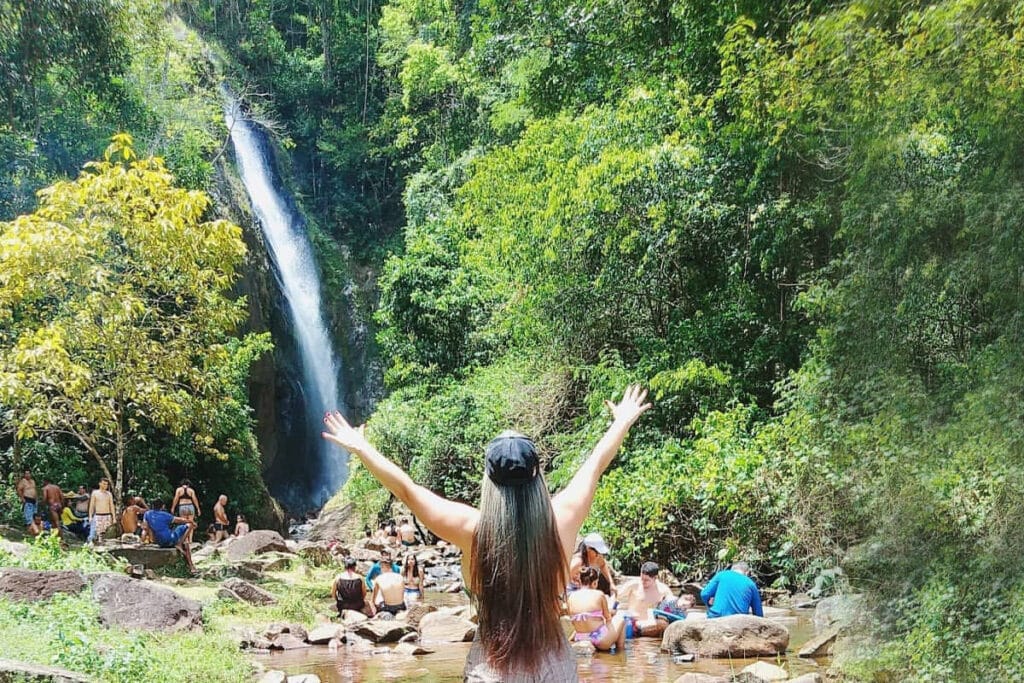
Guided hiking, biking and rafting activities are also available in some areas of the river. For those seeking relaxation, picnics on the river banks and refreshing swims in the waterfalls are popular options.
Other elevations
Other notable elevations include Serra das Sete Voltas, bordering the parishes of Poções and Nova Canaã, Serra da Altamira, bordering the parish of Dário Meira, and Serra da Água Verde, among others.
Best time to visit
The best time to visit Iguaí and enjoy its waterfalls is during the dry season, which lasts from May to September. During this period, rainfall is less frequent, resulting in a milder and more pleasant climate for outdoor activities.
The waterfalls tend to have a lower volume of water, allowing visitors to enjoy the bathing areas and trails more safely.
The months of June and July are particularly popular due to the June festivals, which attract tourists and offer a rich cultural experience.
On the other hand, if you want to see the waterfalls with a more intense volume of water, the rainy season between October and April can be interesting.
However, it’s important to remember that during this time the trails can be slippery and the rain can make some activities difficult. The best time to go depends on the type of experience you are looking for.
Distances
Iguaí is about 497 kilometres from Salvador, the capital of Bahia. The city is also 130 kilometres from Ilhéus and 120 kilometres from Vitória da Conquista, making it easily accessible for tourists wishing to explore the region.
Bahia.ws – Tourist Guide to Bahia and the Northeast

Publicações Relacionadas
History of the Senhor do Bonfim Ribbons — Origin, Meaning and Traditions
Paragliding at Pitinga Beach in Arraial d'Ajuda
Mata de São João and Praia do Forte: A Complete Guide
Discovering Brazil - Porto Seguro is the beginning of Brazil
Church and Convent of Santa Clara do Desterro and its History in Salvador
The most visited churches in Salvador — itinerary and tips
Tourist Areas in Bahia - Tourist Guide
Palaces in Salvador to visit and learn about Brazil's history
Cumuruxatiba (Prado, BA) — Guide to beaches, excursions and whale watching
Tourist attractions in the Gamboa neighbourhood in Salvador BA
History of the Church and Convent of São Francisco in Salvador
Barreiras: An Ecological Paradise in Bahia
Lacerda Elevator — history, construction and visits
Maré Island (Bay of Todos os Santos) — beaches, culture and how to get there
Todos-os-Santos Bay (Bahia) — History, geography and conservation
Things to Do in Rio de Contas (Bahia): A Complete Guide
Mucuri and Costa Dourada — Beaches, cliffs and ecotourism in Bahia
Rafting in Taboquinhas: The Ultimate Adventure Guide
Ecotourism in Bahia: discover village of Santo André
Dive Sites of Chapada Diamantina: A Guide
História da Arte - Caracteristicas, Aspectos e Periodos
Parks and Squares in Salvador for Leisure Activities
South Coast of Bahia: Discover Stunning Beaches
Baixio: Between lagoons, dunes and the charm of a village surrounded by nature
History of the Cathedral Basilica of Salvador
Serra Grande: Your Guide to Bahia's Paradise
Main caves in the municipality of Iraquara in Chapada Diamantina
Santa Cruz Cabrália in Bahia — beaches, history and things to do
History and Heritage of Itaparica Island — Bay of Todos os Santos
The best beaches near Salvador (distance, facilities and tips)
Bahia Art Museum (MAB): Learn about its history and collection
Campo Formoso: Explore Caves and Emerald Trade
Municipality of Entre Rios has first official naturist beach
Ventura Village: A Rich History of Diamonds
The 15 Most Visited and Well-Known Beaches in Bahia
Tourist attractions and architectural heritage of Salvador (BA
This post is also on:
 Português
  English
  Deutsch
  Español
  Français