Ilhéus: travel guide with beaches, cocoa and Jorge Amado
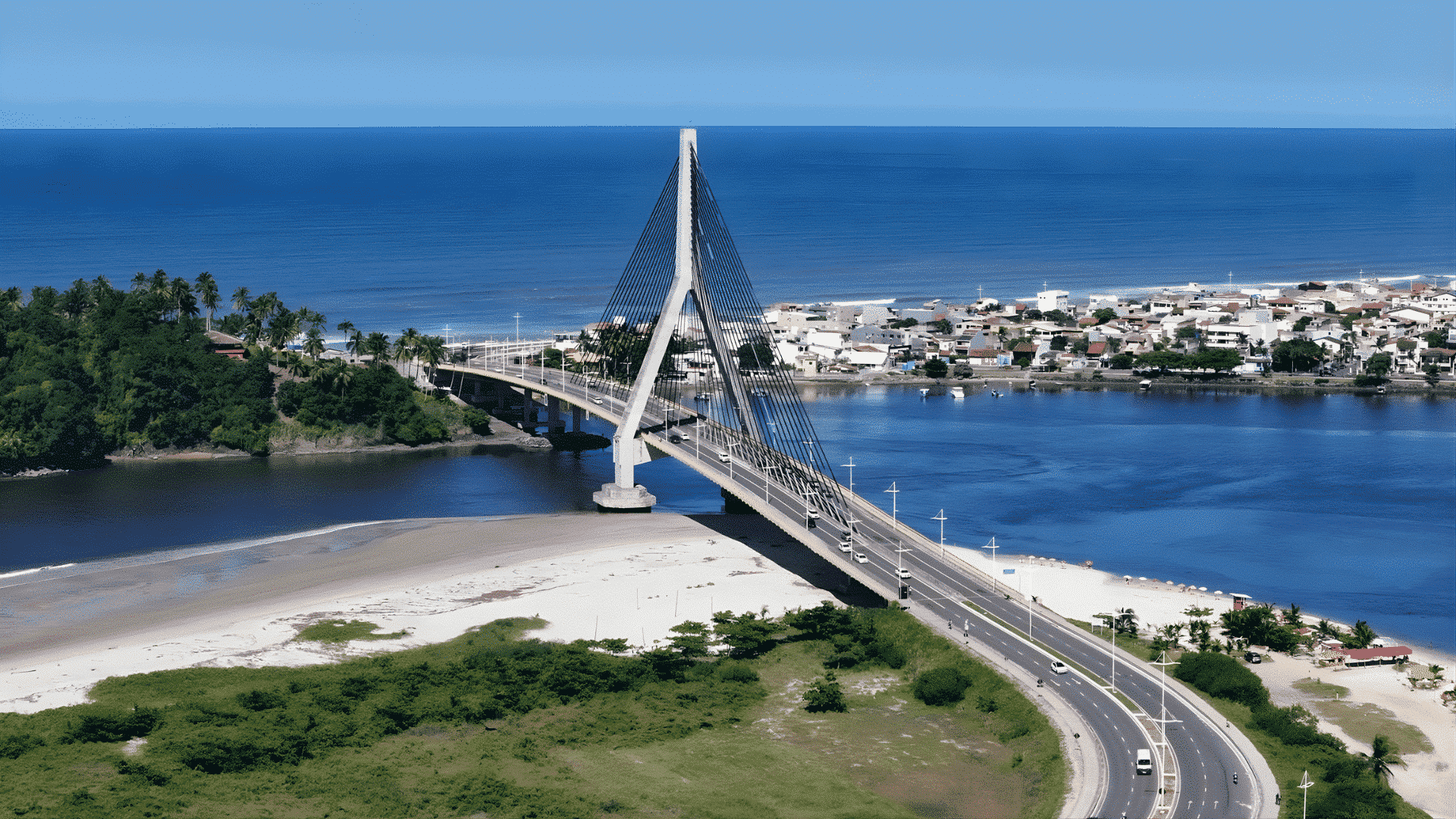
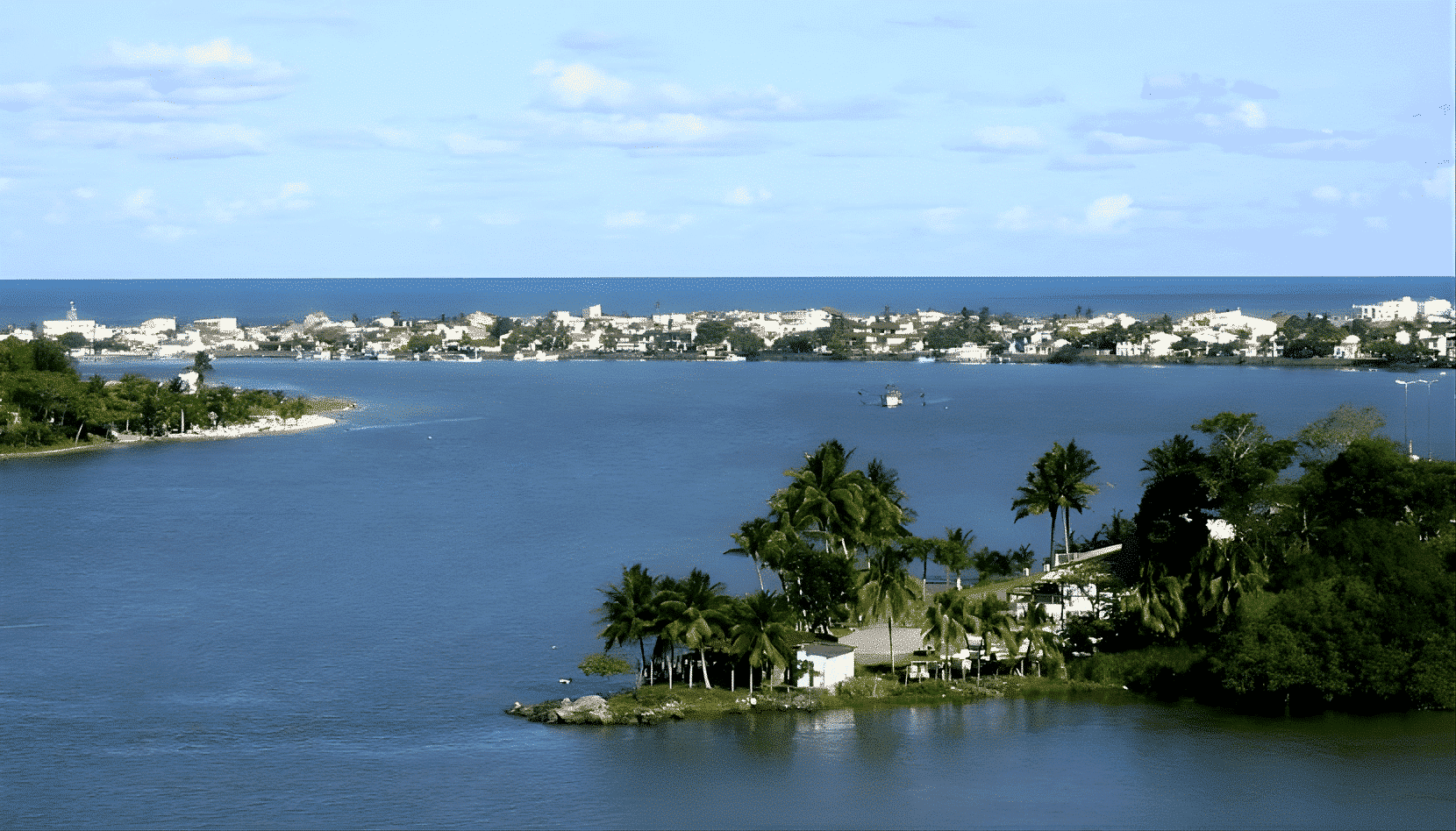
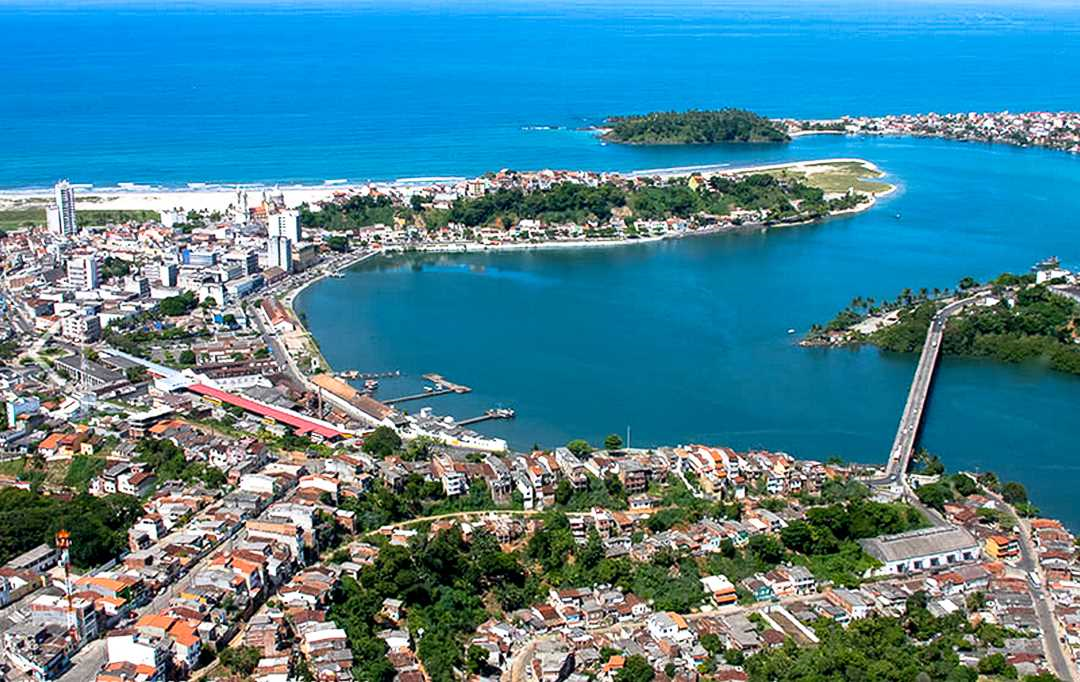
Ilhéus, in southern Bahia, is the city that inspired the novels of Jorge Amado, such as Cacau (Cocoa), Terras do Sem Fim (The Violent Land), São Jorge dos Ilhéus (The Golden Harvest) and Gabriela, Cravo e Canela (Gabriela, Clove and Cinnamon). In addition, it offers about 100 km of coastline, a historic centre from the cocoa era and farms open to visitors. That is why it is one of the most complete destinations on the Costa do Cacau.
- Location: southern Bahia, on the Costa do Cacau, about 210 km from Salvador as the crow flies.
- Population: 178,649 inhabitants (IBGE Census 2022).
- Getting there: via Jorge Amado Airport or along the BA-001 and BR-415 highways.
- Highlights: Catedral de São Sebastião, Bar Vesúvio, Bataclan, Casa de Cultura Jorge Amado and Lagoa Encantada.
- Beaches: Milionários, Cururupe, Concha, Olivença and Back Door, among others.
- Best time to go: from September to March for the beach; from May to November for surfing.
Ilhéus: history, beaches and adventure
A little history
The history of Ilhéus begins in 1534, when the Portuguese Crown created the Capitania de São Jorge dos Ilhéus. Shortly afterwards, in 1536, the town of São Jorge dos Ilhéus was founded. Incidentally, the name comes from the small rocky islets (“ilhéus”) off the coast. Later, on 28 June 1881, the town was granted city status.
Then, during the 20th century, cocoa turned Ilhéus into one of the richest cities in Bahia. As a result, the mansions, the theatre, the cabarets and the characters that Jorge Amado immortalised in his books came into being.
100 kilometres of beaches and adventure
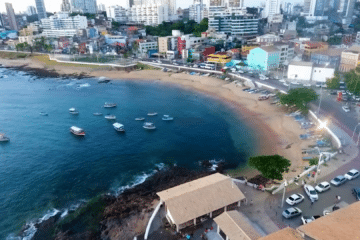
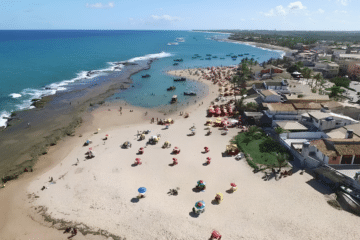
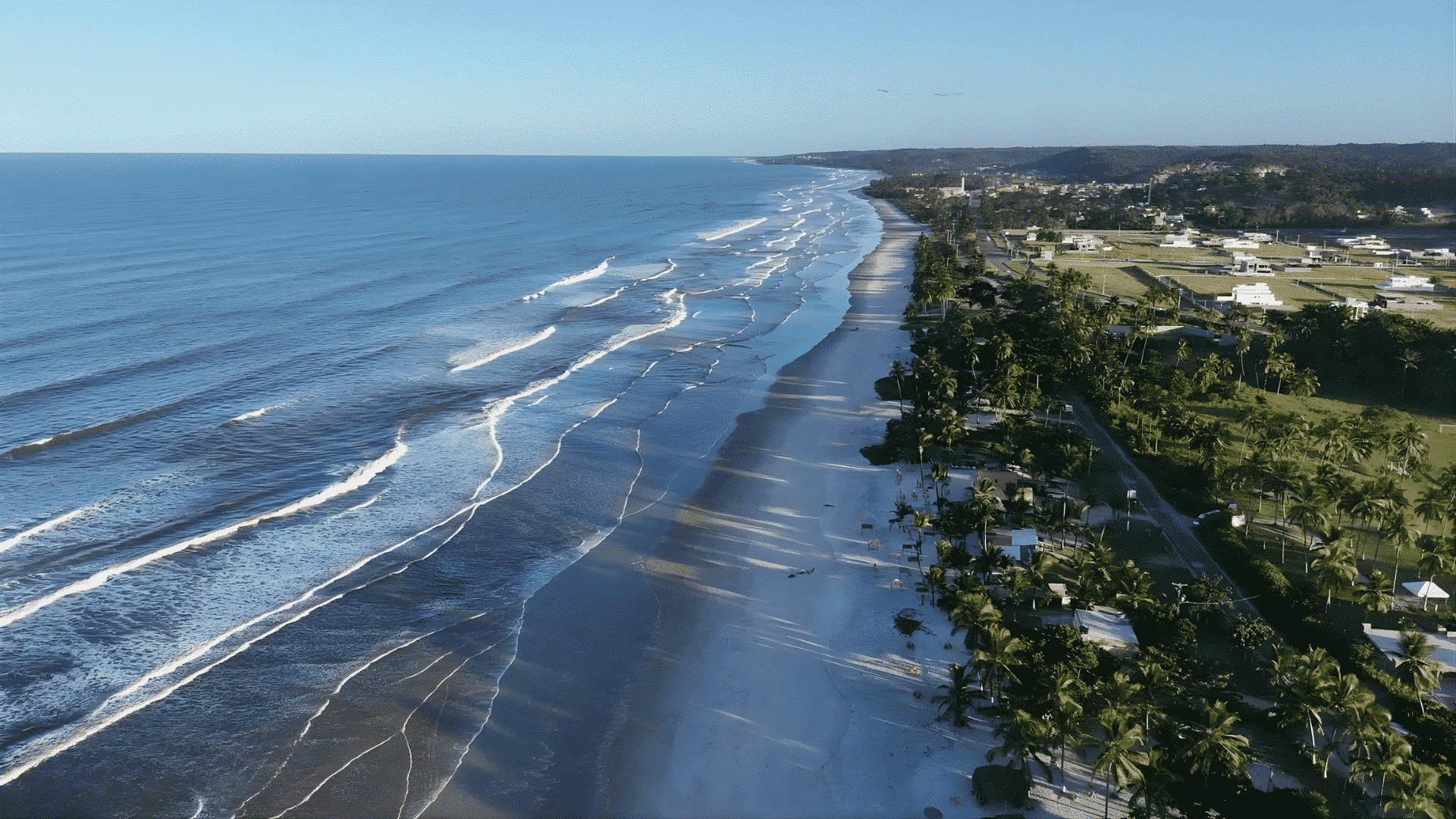
With about 100 km of coastline, one of the longest in Bahia, Ilhéus appeals to families, surfers and anyone looking for deserted beaches. Among the best known are, for example:
- Praia dos Milionários: it has beach huts and kiosks and is therefore ideal for families.
- Praia do Cururupe: it offers the meeting of river and sea and also a beautiful landscape.
- Praia de Olivença: it is popular with surfers, thanks to the good waves and the village atmosphere.
Besides the beaches, the city offers trips along rivers, to waterfalls and on nature trails. For the more adventurous, there is also abseiling, surfing and sport fishing.
The black gold era: boom, crisis and revival of cocoa
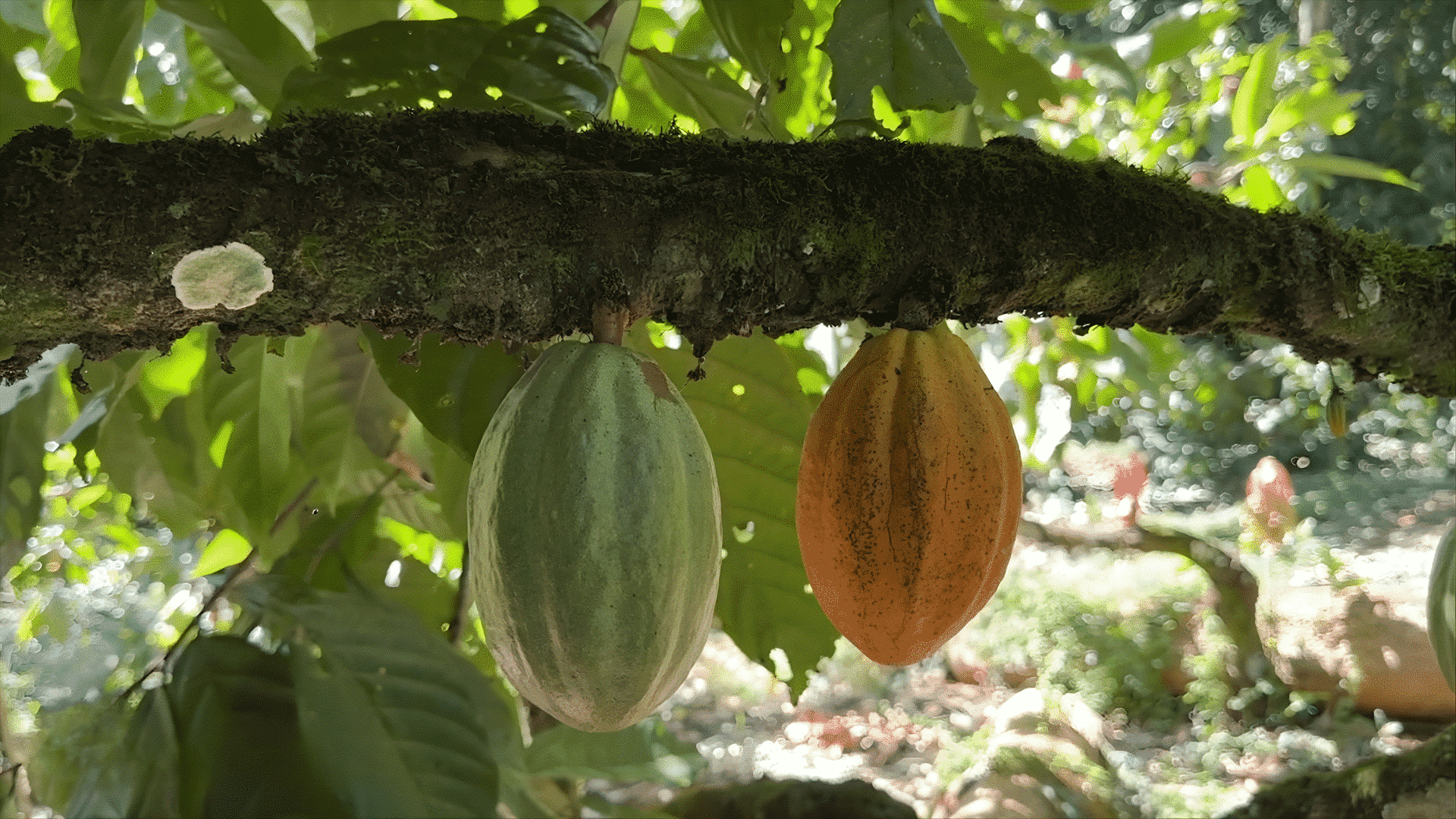
At the beginning of the 20th century, Brazil was among the world’s largest producers of cocoa, and Ilhéus was the main port exporting it. With this wealth, then, the cocoa colonels built mansions and financed works such as the port and electric lighting.
However, the crisis arrived at the end of the 1980s. From 1989 onwards, witches’ broom, a fungus that attacks cocoa trees, devastated the plantations. At the same time, international prices fell, and the region plunged into a long economic crisis.
Since then, Ilhéus has been reinventing itself. On the one hand, growers began using disease-resistant cocoa tree clones and sustainable management techniques. On the other hand, the city diversified its economy with tourism, an IT hub and the production of single-origin chocolate. So, to see this chain up close, it is worth following the Caminhos do Chocolate (Chocolate Trails).
Events throughout the year
In general, Ilhéus is busy all year round. In summer, for example, the arrival of cruise ships increases the flow of tourists. In addition, the city hosts fishing tournaments, fairs and surfing competitions. Meanwhile, the district of Olivença serves as a base for those who want to explore the southern beaches.
Video about the tourist attractions of Ilhéus

Ilhéus Vista de Cima14:14

Ilhéus - Reportagem03:41
O que fazer em Ilhéus10:22
Pontos Turísticos de Ilhéus
Fazenda Yrere em Ilhéus04:51
Pontos Turísticos de Ilhéus BA04:25
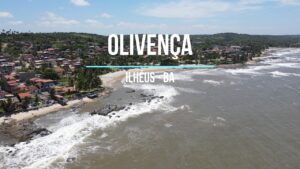
Olivença - distrito de Ilhéus08:56
Tourist attractions in Ilhéus
- Cultural and historical treasures of Ilhéus
- Eco-tours in Ilhéus
- Cocoa farms
- Villages around Ilhéus
- Beaches of Ilhéus
1. Cultural and historical treasures of Ilhéus
First of all, the historic centre is a true open-air museum. After all, the streets around Praça Dom Eduardo bring together the settings of Jorge Amado’s novels. Below, you will find the main sights.
1.1. Catedral de São Sebastião
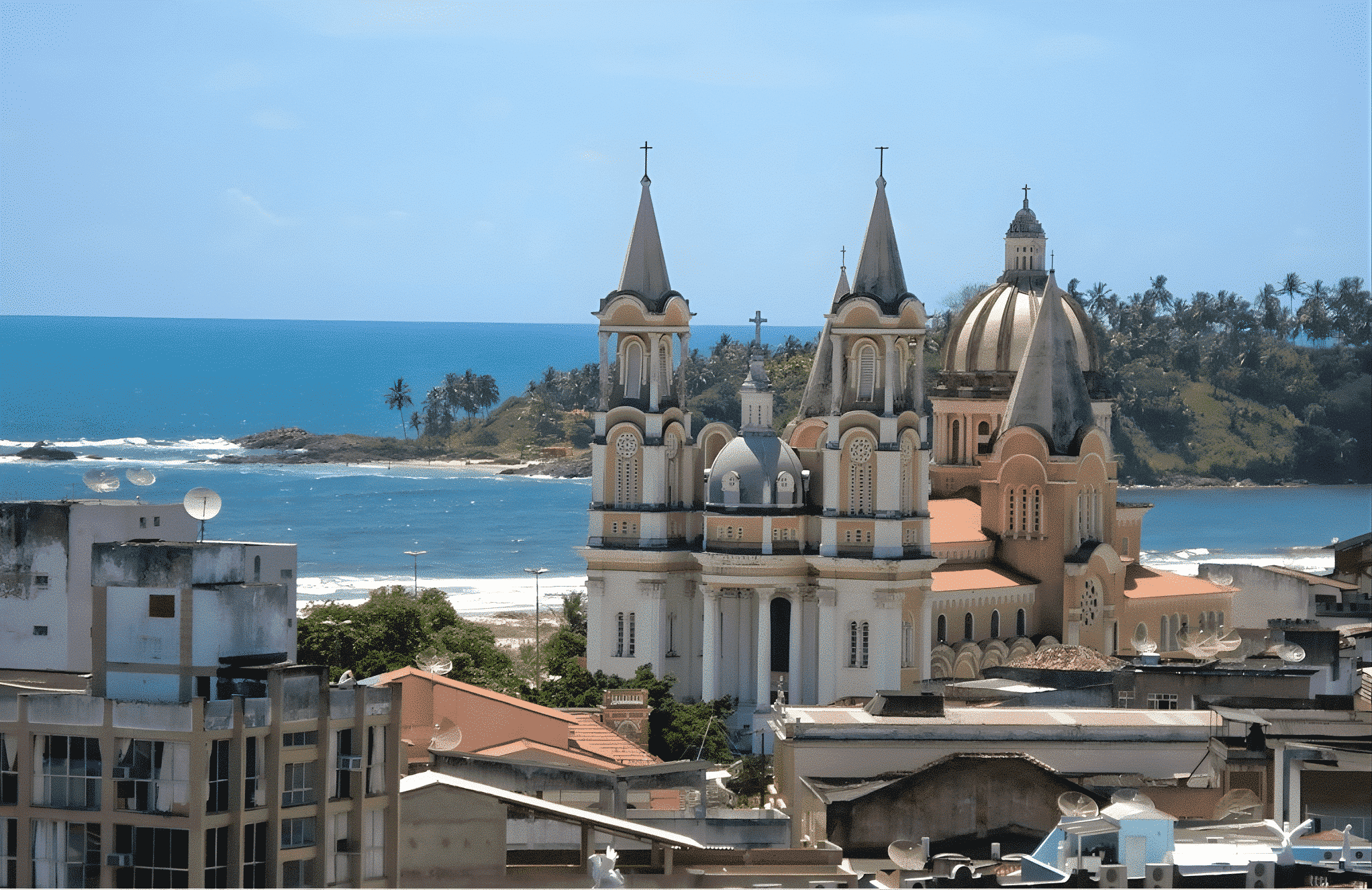
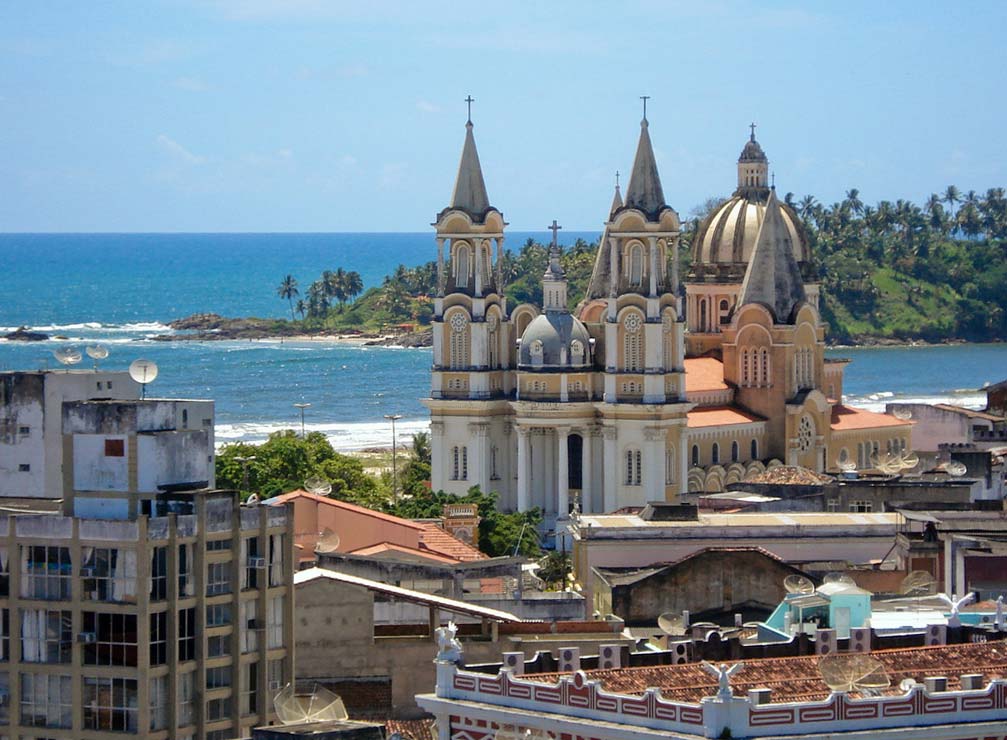
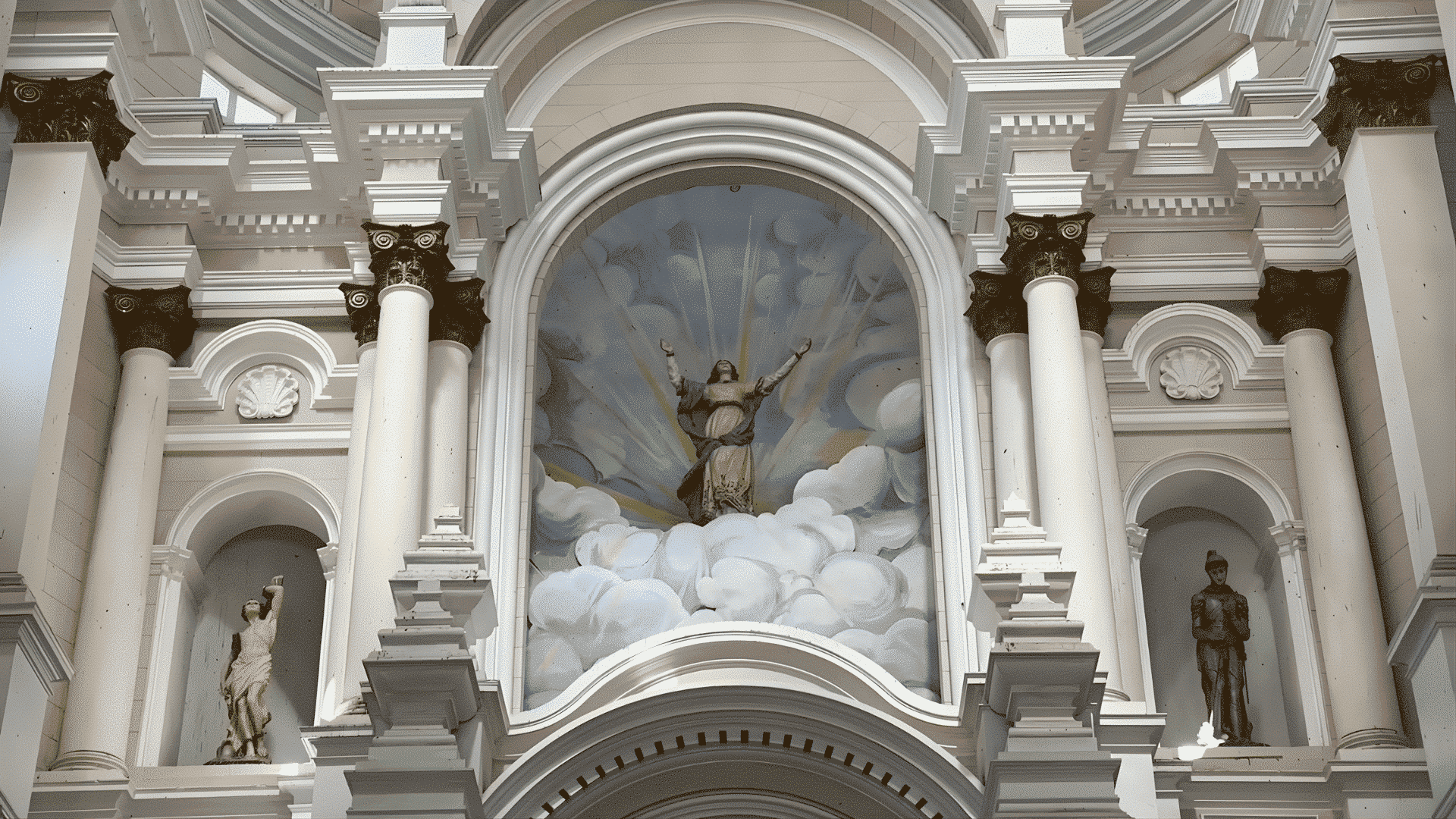
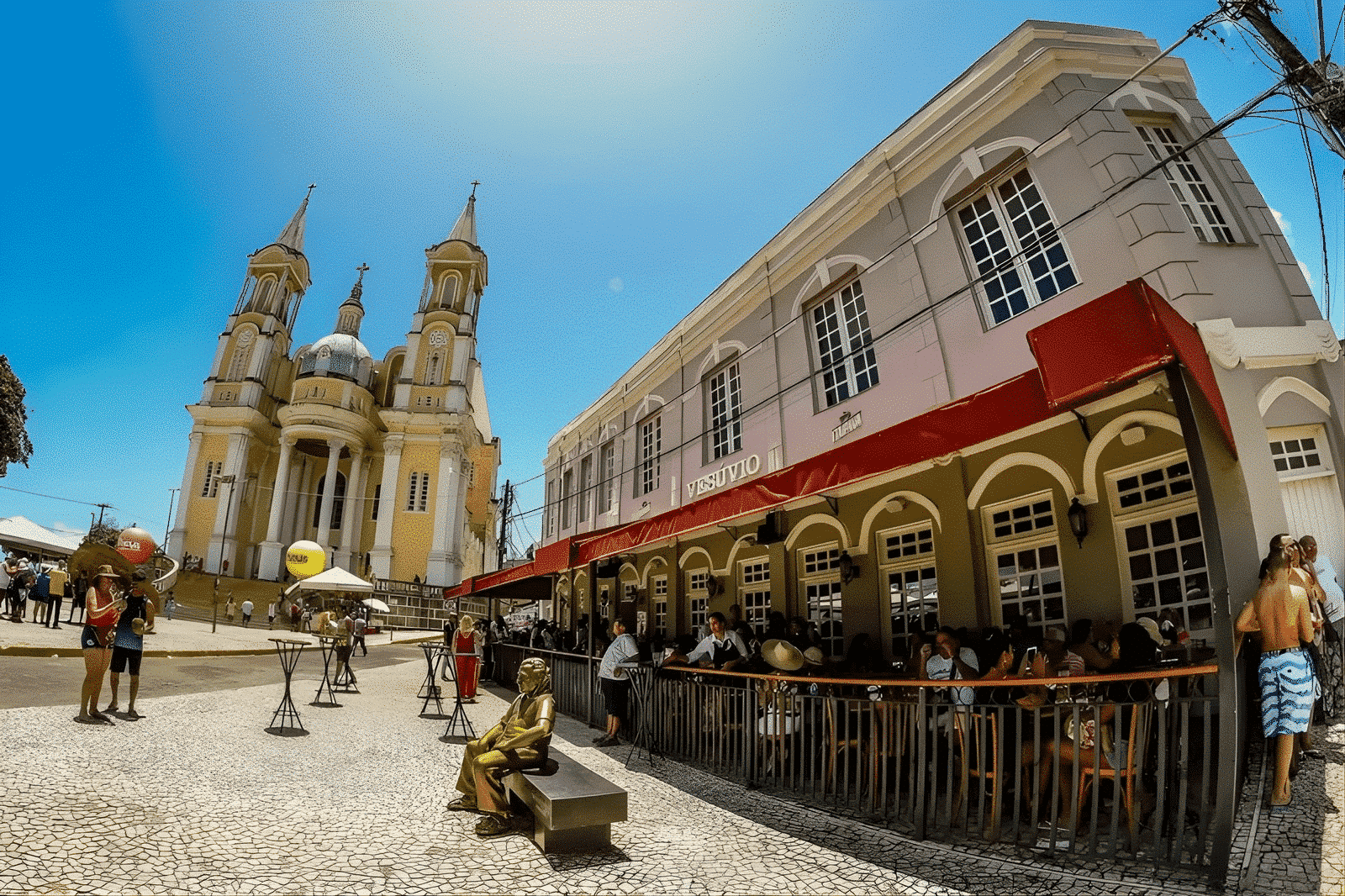
A symbol of the city, the cathedral was designed by the architect Salomão da Silveira in the eclectic style. In 1931, Bishop Dom Eduardo blessed the site, but the work was only completed in 1967, more than 30 years later. Moreover, the main dome reaches a height of 48 metres.
For the inauguration, the city welcomed bishops, cardinals and even the Apostolic Nuncio, the Pope’s representative. For this reason, the church is today a must-see for anyone visiting Ilhéus. Finally, to learn more, read the history of the Catedral de São Sebastião.

1.2. Bar Vesúvio
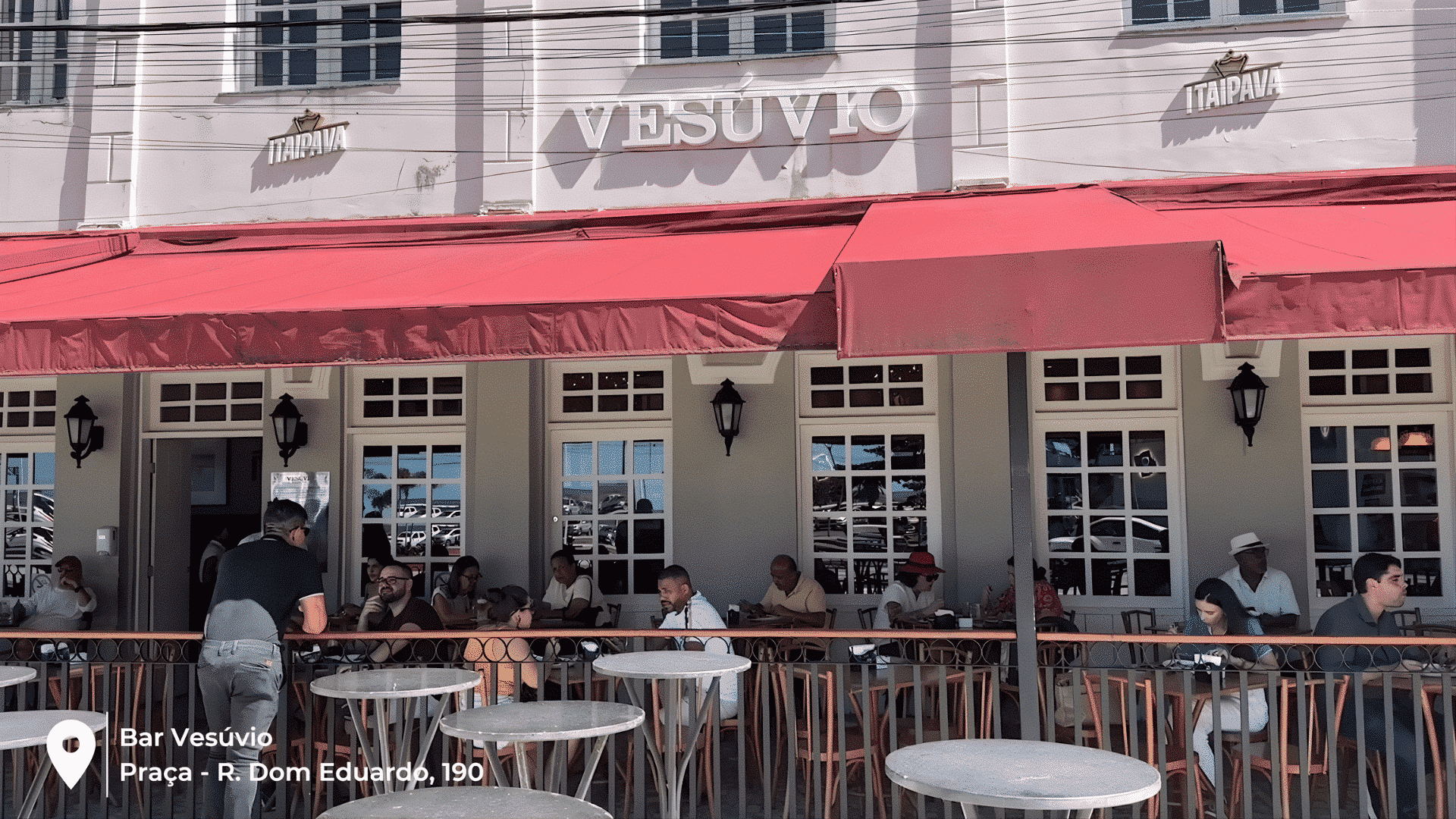
- Origin: opened by Italian immigrants in the early 20th century, the bar stands next to the cathedral.
- Cultural significance: in addition, it is Nacib’s bar in the novel Gabriela, Cravo e Canela.
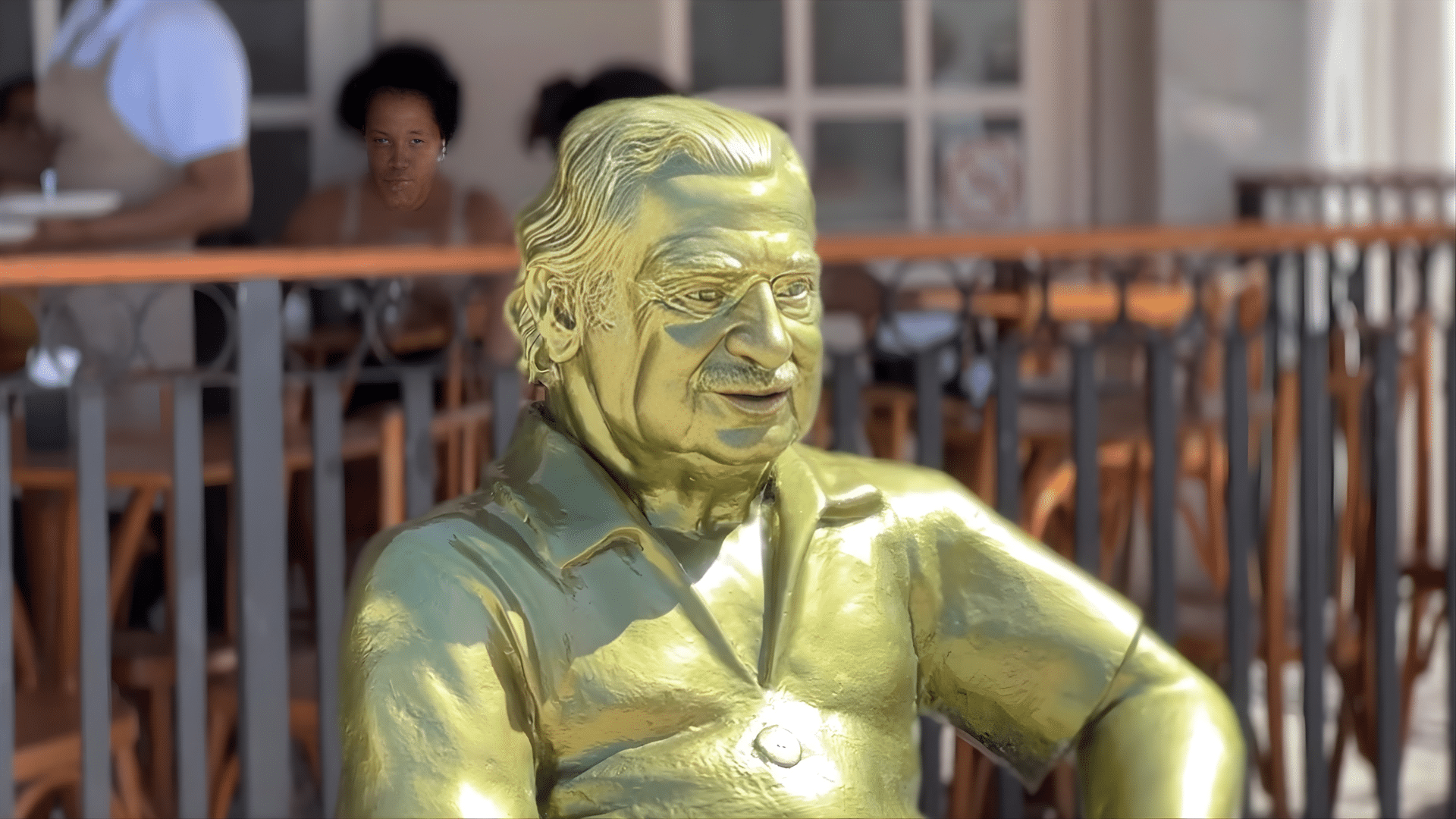
- Attractions: besides Bahian cuisine, it has a statue of Jorge Amado sitting at the door, which is very popular for photos.
1.3. Praça do Cacau
- Location: city centre.
- Attractions: just as in the countryside, the landscaping recreates a small cocoa farm, with several varieties of cocoa trees.
1.4. Museu Regional do Cacau
- Theme: the cocoa cycle and regional history.
- Collection: it includes photographs, documents, objects and works of art about cocoa culture and colonisation.
1.5. Capela de Nossa Senhora da Piedade
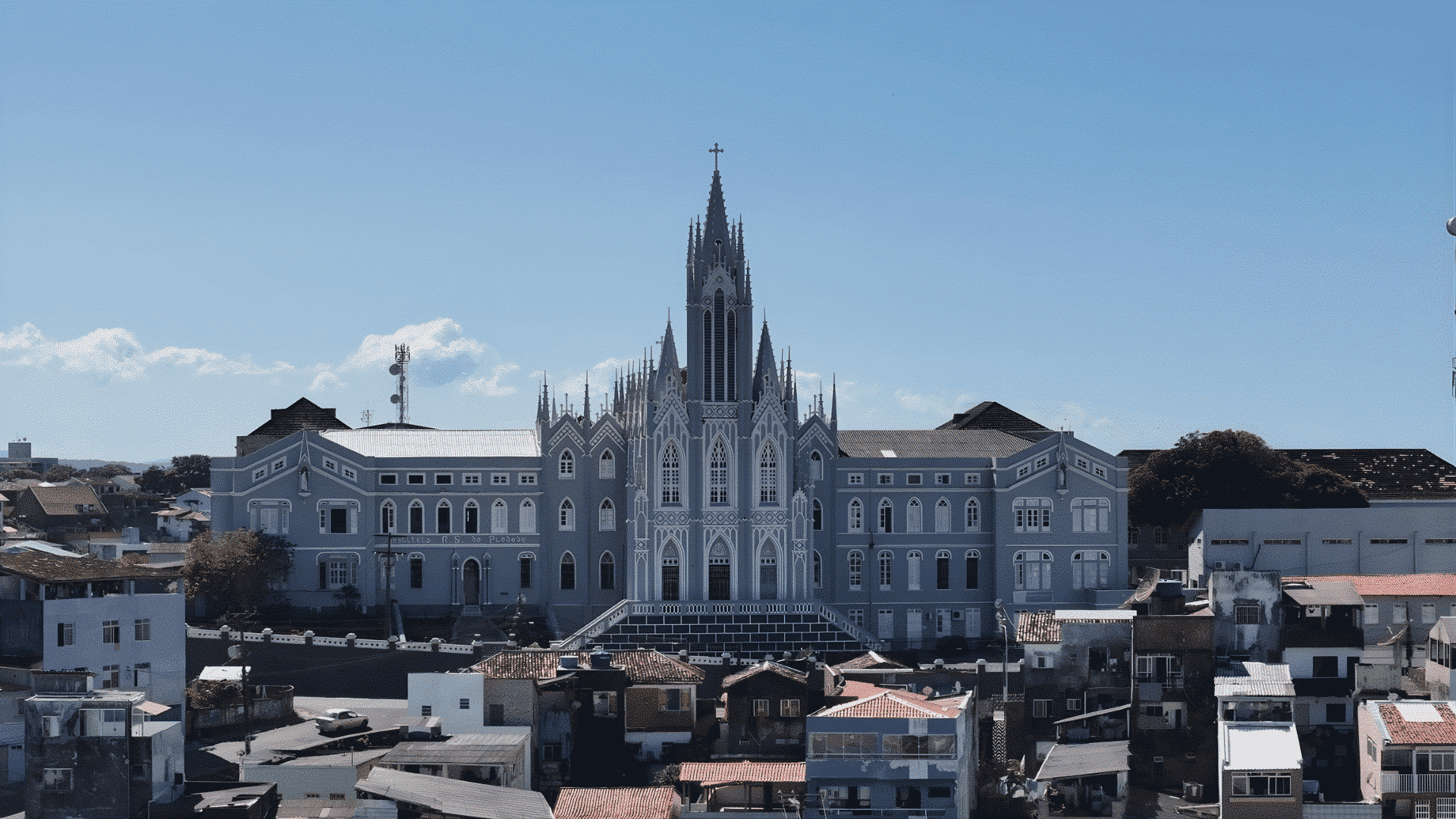
The chapel is part of the Instituto Nossa Senhora da Piedade, a school founded at the invitation of the first bishop of Ilhéus in 1916. Subsequently, construction began in 1927 and ended in 1929, in the neo-Gothic style. To this end, Salomão da Silveira adapted a plan commissioned in France.
Above all, the highlight is the high altar, with the image of Nossa Senhora da Piedade holding the dead Christ in her lap. Furthermore, the stained-glass windows depict the Seven Sorrows of Mary. Finally, check out the history of the Convento e Igreja Nossa Senhora da Piedade.
1.6. Igreja Matriz de São Jorge
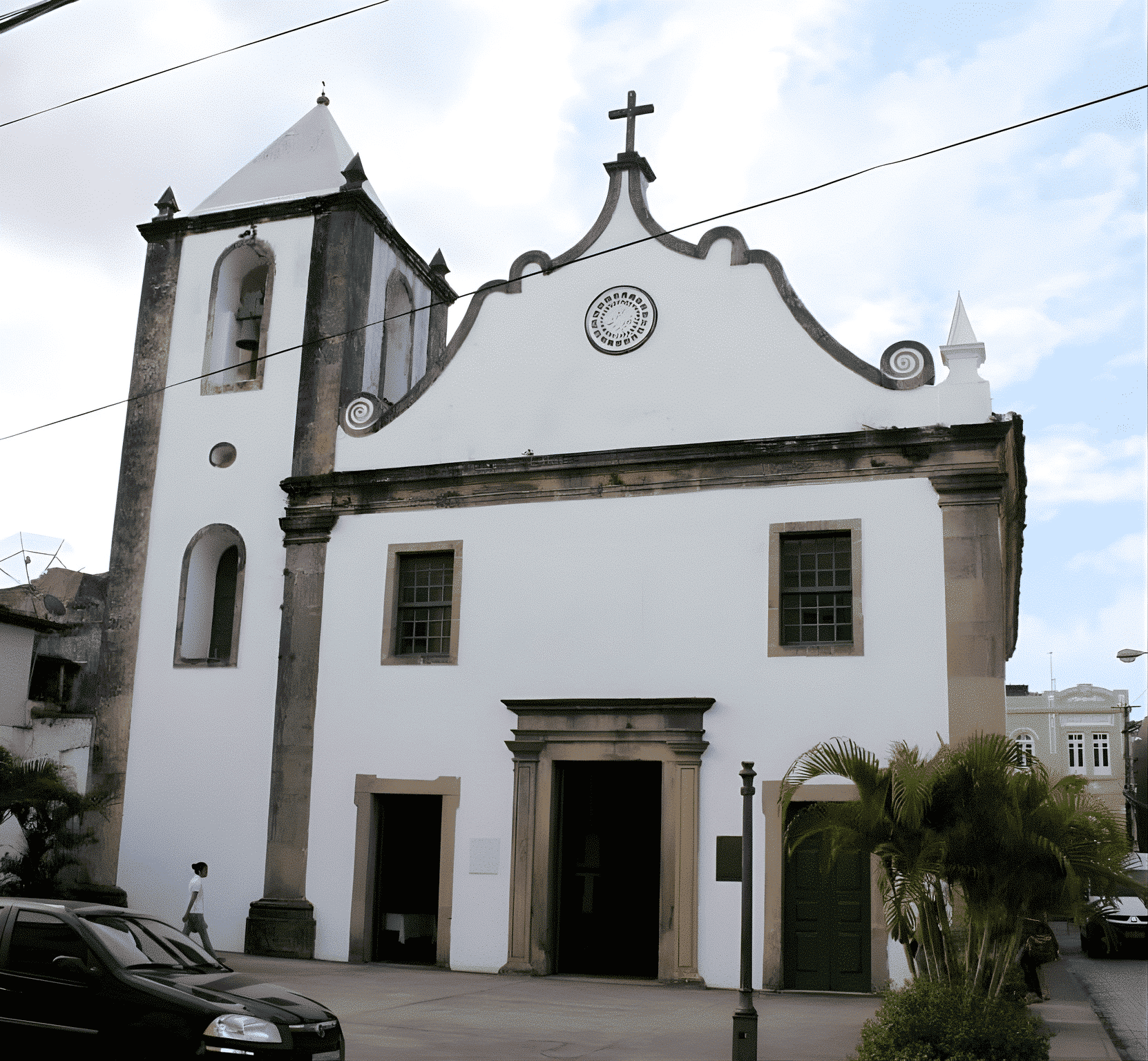
First, the Parish of São Jorge was created in 1556, and the first church was completed in 1572. However, the current building dates from the late 17th century, according to IPAC. In fact, details such as the pyramidal tower and the niches beside the chancel arch suggest the hand of a Jesuit architect.
Next to the church, the Museu de Arte Sacra (Museum of Sacred Art) holds images from the 16th and 17th centuries, such as Nossa Senhora das Neves and São Caetano, as well as silver liturgical items. So, find out more about the Igreja Matriz de São Jorge.
1.7. Outeiro de São Sebastião
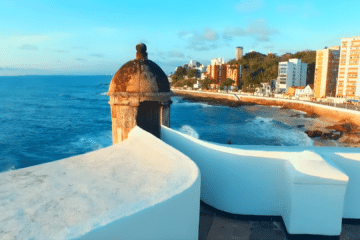
- View: first of all, it is a lookout with views of the sea and of the rocky islets that gave the city its name.
- Attractions: in addition, the Marco da Fundação (Foundation Landmark) and the Capela Nossa Senhora de Lourdes, in a peaceful setting.
1.8. Bataclan
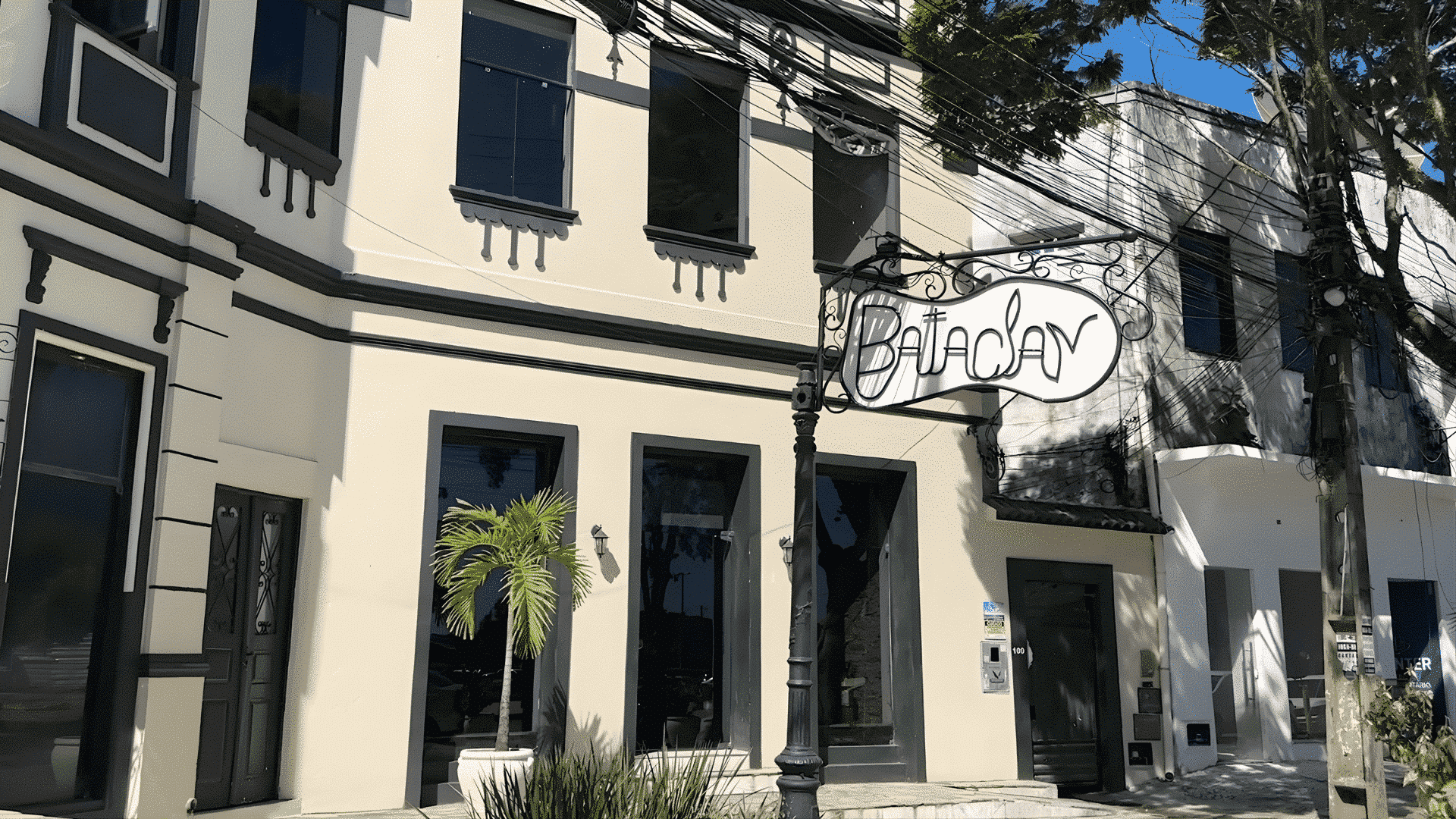
Famous from Gabriela, Cravo e Canela, the Bataclan was the most famous cabaret of the cocoa era. There, incidentally, the colonels gathered in a mix of cabaret, casino and ballroom. When gambling was banned in Brazil in 1946, the venue closed and lay in ruins for decades.
After being restored, the building became a cultural centre with a regional food restaurant and an exhibition room. In addition, it keeps “Maria Machadão’s room”, which recreates the world of the novel’s character.
1.9. Teatro Municipal
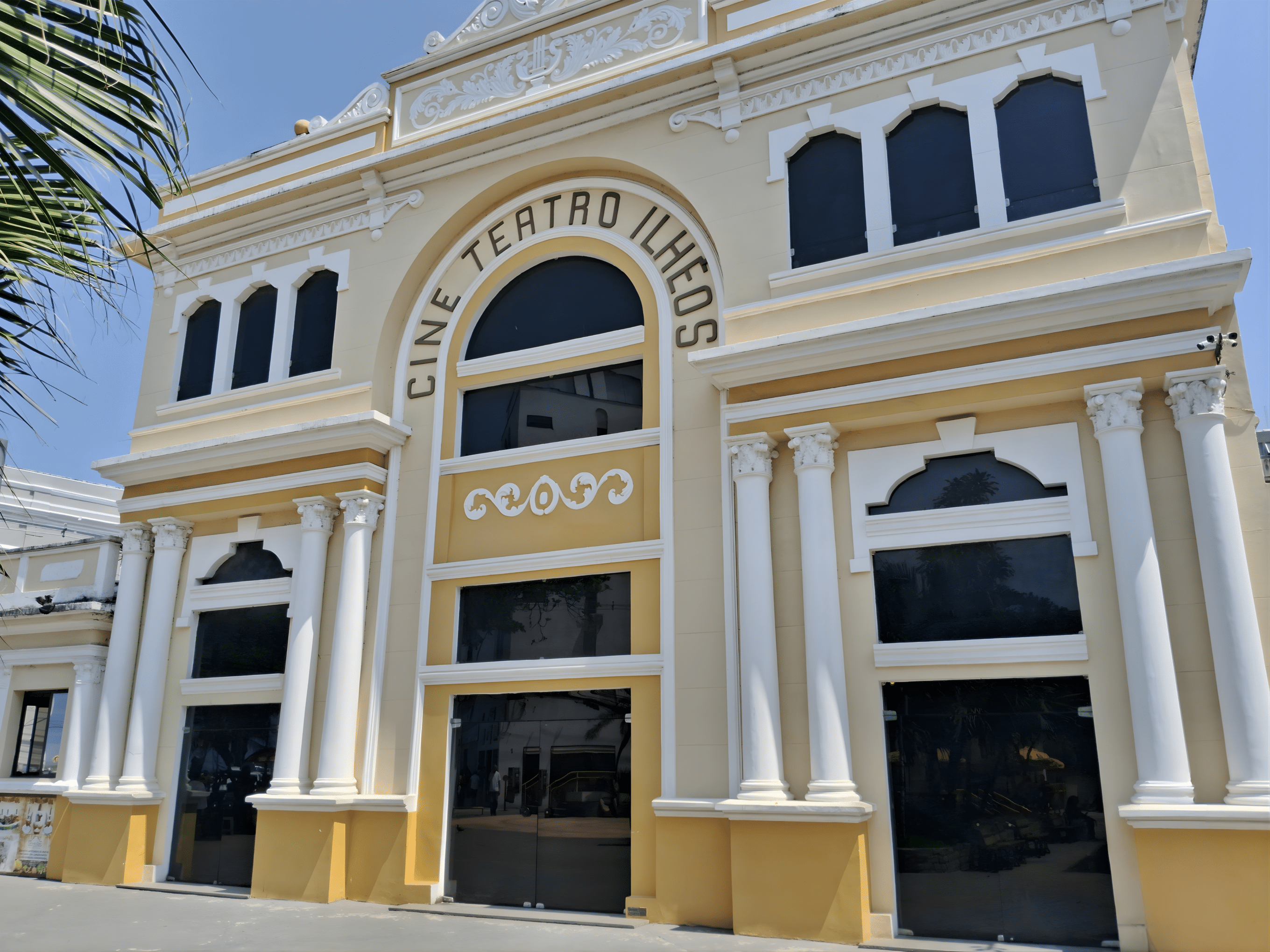
The former Cine-Teatro Ilhéus opened on 22 December 1932, with capacity for about a thousand people. At the time, moreover, it was the largest entertainment venue in the city, which had as many as six cinemas in that decade.
Later, the building, by then in ruins, was donated to the city council and rebuilt. Finally, it reopened on 10 July 1986, with a performance by Grupo Corpo from Belo Horizonte. The original façade was preserved, while the interior gained an art gallery, a foyer and modern sound and lighting equipment.
1.10. Casa de Cultura Jorge Amado
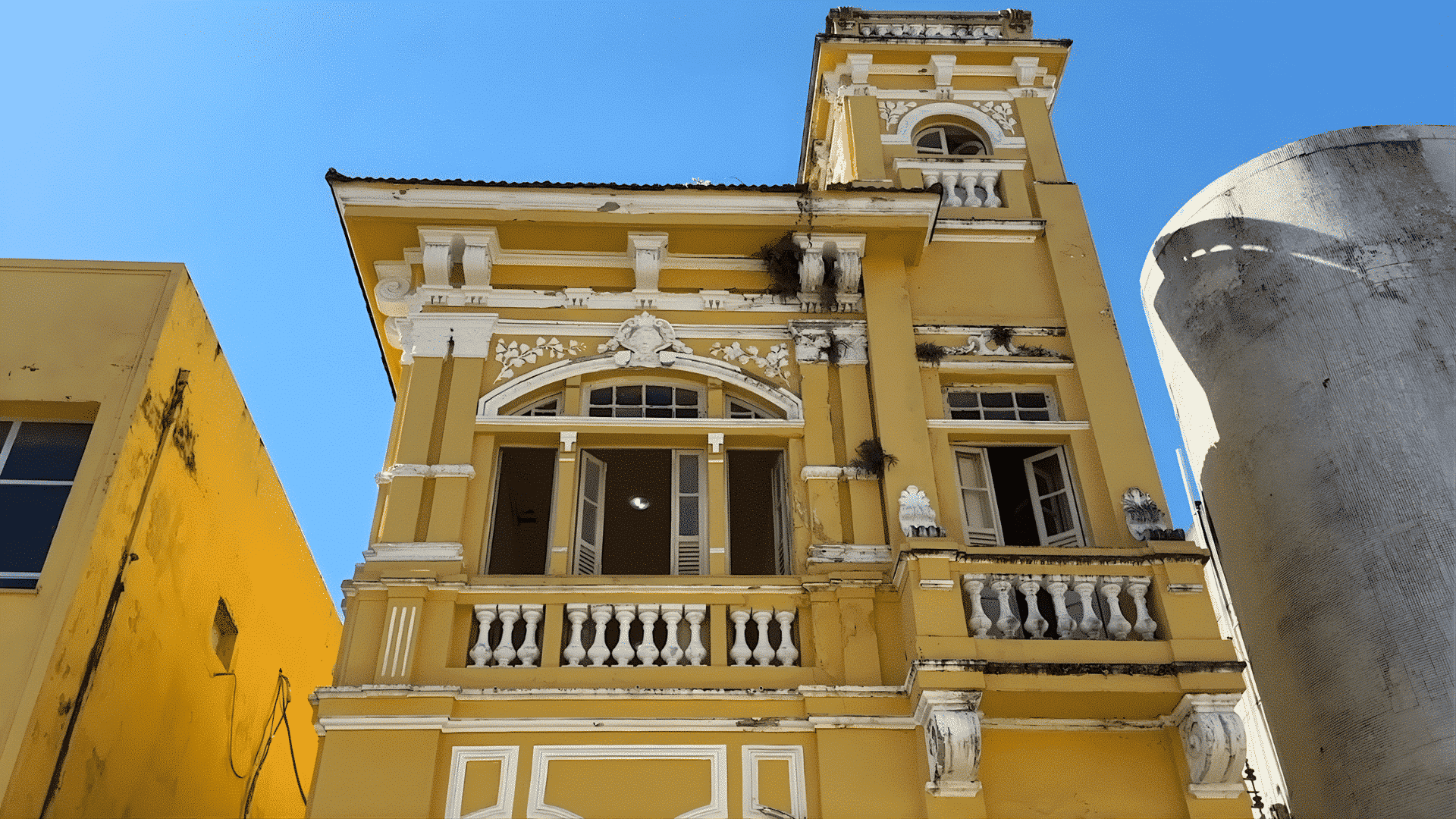
Jorge Amado was born in 1912 on a farm near Ferradas, now a district of Itabuna. After the great flood of 1914, the family lost its plantations and moved to Ilhéus. Later, the writer’s father won the Federal Lottery and built a 582 m² mansion between 1920 and 1926.
It is in this house that the Casa de Cultura Jorge Amado operates, opened on 27 June 1997 in the presence of the writer himself. In addition, the collection brings together documents, photos and objects linked to the author’s life and work. According to local tradition, it was there that he wrote O País do Carnaval (The Country of Carnival), his first novel.
Architectural details
- The original floor combines jacaranda and vinhático wood in two-tone squares.
- Also, the fanlights above the doors are made of cast iron, in the French neoclassical style.
- Meanwhile, the marble came from Carrara, in Italy, brought by the ships that called at the port.
- Finally, the veranda tiles follow English art nouveau, with boats and orchids.
1.11. Palácio Paranaguá

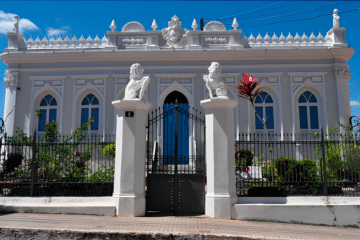
Home to the city hall, the Palácio Paranaguá stands on Praça J. J. Seabra and is listed by IPAC. The foundation stone was laid in 1898, and the building was inaugurated on 22 December 1907, at the height of the cocoa boom. At the time, therefore, it was one of the most luxurious public buildings in Bahia.
The style is neoclassical, with an imperial staircase in the central vestibule and paintings by the Italian Oreste Sarcelli. In addition, a marble statue in front represents the Greek poet Sappho. Incidentally, the name honours the President of the Province who elevated Ilhéus to city status in 1881. Finally, see more about the Palácio Paranaguá.
1.12. Chocolate factories
- Experience: tours show the stages of production, from the cocoa fruit to the chocolate bar.
- Culinary attraction: afterwards, there is tasting and sale of chocolates and other local products.
2. Eco-tours in Ilhéus
2.1. Estrada Parque Ilhéus–Itacaré
- Length: about 65 to 70 km along the BA-001, between the Atlantic Forest and the sea.
- Viewpoints: they offer views of beaches and waterfalls, especially on the Serra Grande stretch.
- Praia do Sargi: it has fine sand and warm, clear water, as well as guesthouses and restaurants.
- Praia Pé de Serra: the viewpoint is perfect for photos.
- Infrastructure: in addition, a cycle path leads to the entrance of the Lagoa Encantada.
2.2. Lagoa Encantada
- Location: an environmental protection area in the Atlantic Forest, north of the city.
- Landscape: it has islands, caves and, above all, local legends about enchanted beings.
- Caldeiras: natural pools perfect for bathing.
- Cachoeira do Apepique: this waterfall is also very popular for abseiling.
Therefore, to plan the trip, see the complete guide to the Lagoa Encantada in Ilhéus.
2.3. Sloth Rehabilitation Centre
- Goal: to return sloths to their natural habitat.
- Who it is for: it is ideal for families and children, who can see the animals up close.
- Learning: in addition, the visit shows the importance of protecting the species and the Atlantic Forest.
3. Cocoa farms
Visits to the cocoa farms combine history, nature and tasting. After all, cocoa is the great symbol of the economy and literature of Ilhéus.
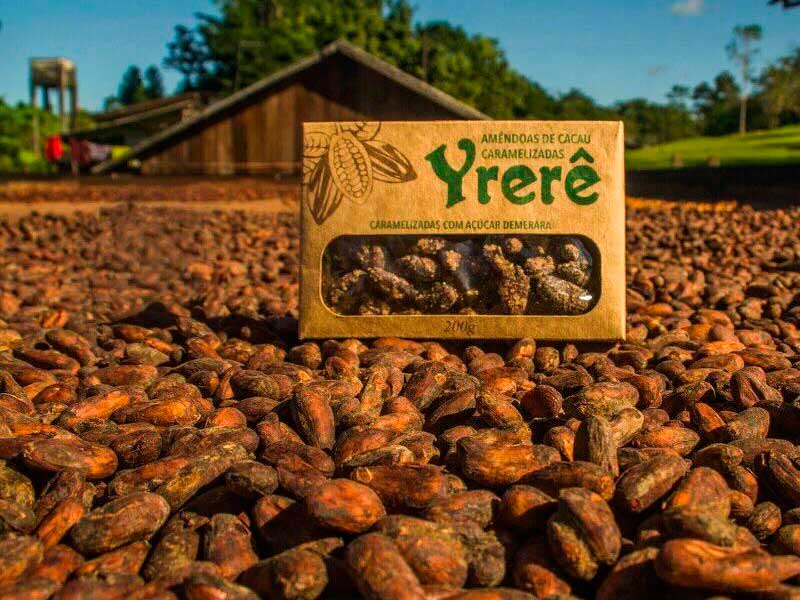
3.1. Fazenda Yrerê
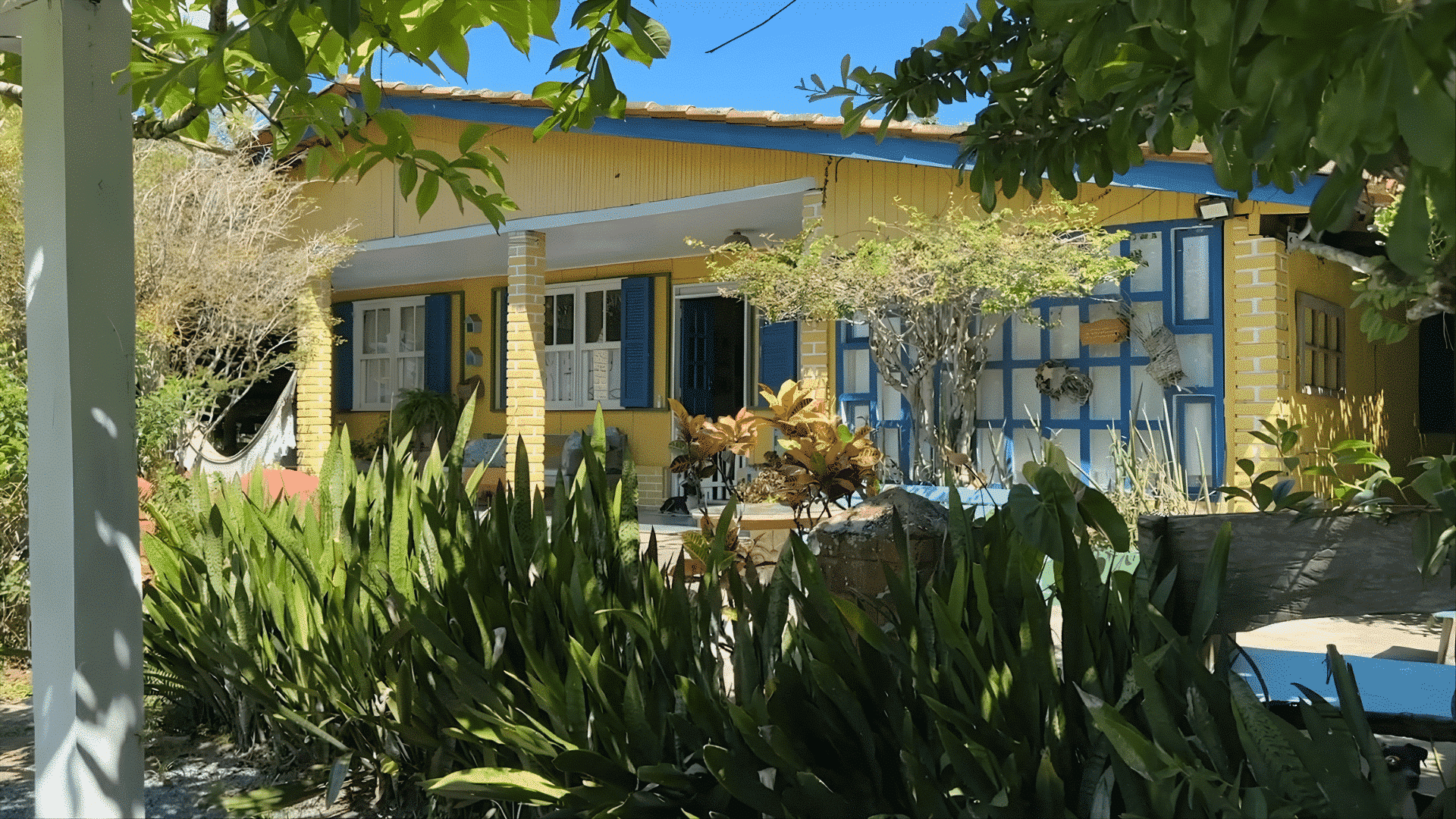
- Activities: trails through the cocoa groves, a visit to the manor house and to the cocoa processing area.
- Tasting: afterwards, there are traditional homemade sweets made with the fruit.
- Tip: in June, the farm usually hosts lively forró dances.
3.2. Fazenda Primavera
- Collection: old documents and objects that tell the farm’s past.
- Experience: there are trails and also contact with the daily life of the cocoa plantation.
- Fun fact: it served as a setting for the telenovela Renascer.
- Infrastructure: finally, a restaurant at the main house and regional shows.
3.3. Fazenda Renascer
- Fun fact: it also served as a setting for the telenovela Renascer.
- Nature: in addition, it has waterfalls and rapids that are great for a refreshing swim.
3.4. Distrito de Rio do Braço
- History: it was a thriving commercial centre in the cocoa era, served by the railway that an English company built in the early 20th century.
- Decline: however, with witches’ broom, the district lost strength and population.
- Attractions: ruins of the old houses, remains of the railway and settings from the telenovela Renascer.
- Revitalisation: finally, the district received the title of Parque Temático Jorge Amado (Jorge Amado Theme Park), in honour of the writer.
4. Villages around Ilhéus
4.1. Olivença
- Balneário de Tororomba: famous for its iron-rich waters, it has natural pools, a cascade, a bar and a restaurant.
- Igreja de Nossa Senhora da Escada: dating from the early 18th century, it holds a beautiful Baroque image of the Virgin.
- Puxada do Mastro de São Sebastião: a popular festival held in January, with strong participation by the Tupinambá people of Olivença.
- Surfing: in addition, the beaches welcome surfers all year round and host championships from May to November.
4.2. Rio do Engenho
- Capela de Nossa Senhora de Santana: dating from the 16th century, it is one of the oldest churches in Brazil.
- Engenho de Santana: in 1789, the enslaved people of the sugar mill rebelled and drew up a famous “peace treaty” with their demands.

- Access: you can get there by boat, through mangroves, along the route of the first settlers.
- Adventure: the river is, moreover, ideal for canoeing and rafting on the rapids.
- Festival: the festival of Nossa Senhora de Santana takes place in the second half of July.
- Food: finally, try the moqueca de pitu (freshwater prawn stew) and the catado de siri (picked crab meat).
5. Beaches of Ilhéus
The beaches of Ilhéus range from deserted, wild stretches to busy urban seafronts. As a result, there are options for every taste.
5.1. Wilder and more natural beaches
- Praia do Norte: long and wild, with green sea and idyllic stretches such as Ponta do Ramo. Therefore, it is ideal for surfing and fishing.

- Praia do Cururupe: it lies 12 km from the centre, past Morro dos Navegantes. In addition, it is straight, with coconut palms, soft sand and strong waves. What is more, it was the scene of the Battle of the Swimmers in 1559.
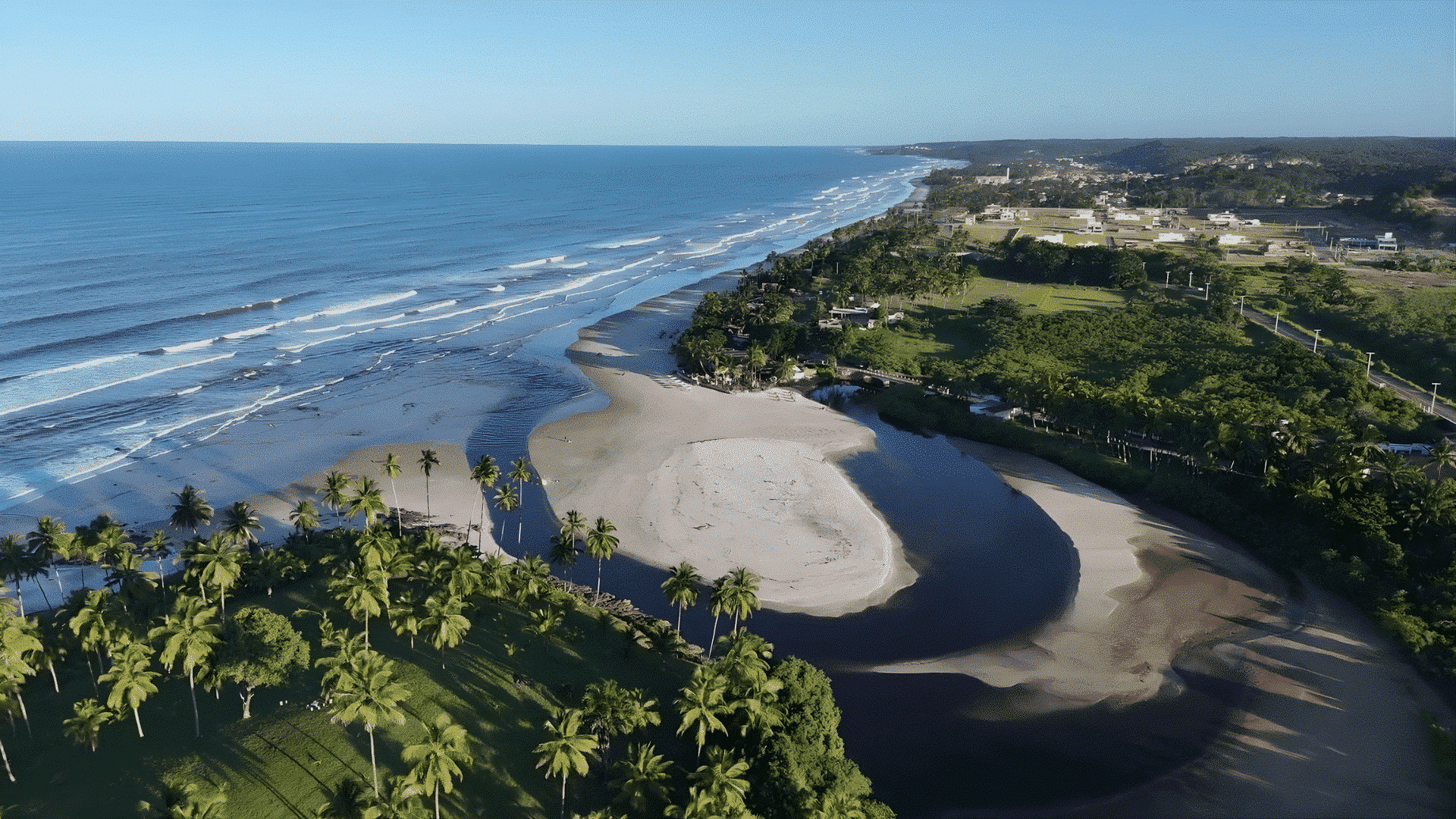
- Praia Back Door: a favourite with surfers, it has high waves. For this reason, it is dangerous for swimming.

- Praia Batuba: similar to Back Door, it has strong waves and beautiful scenery. Although it has some facilities, it is better suited to surfing.

5.2. Urban beaches or beaches with good infrastructure
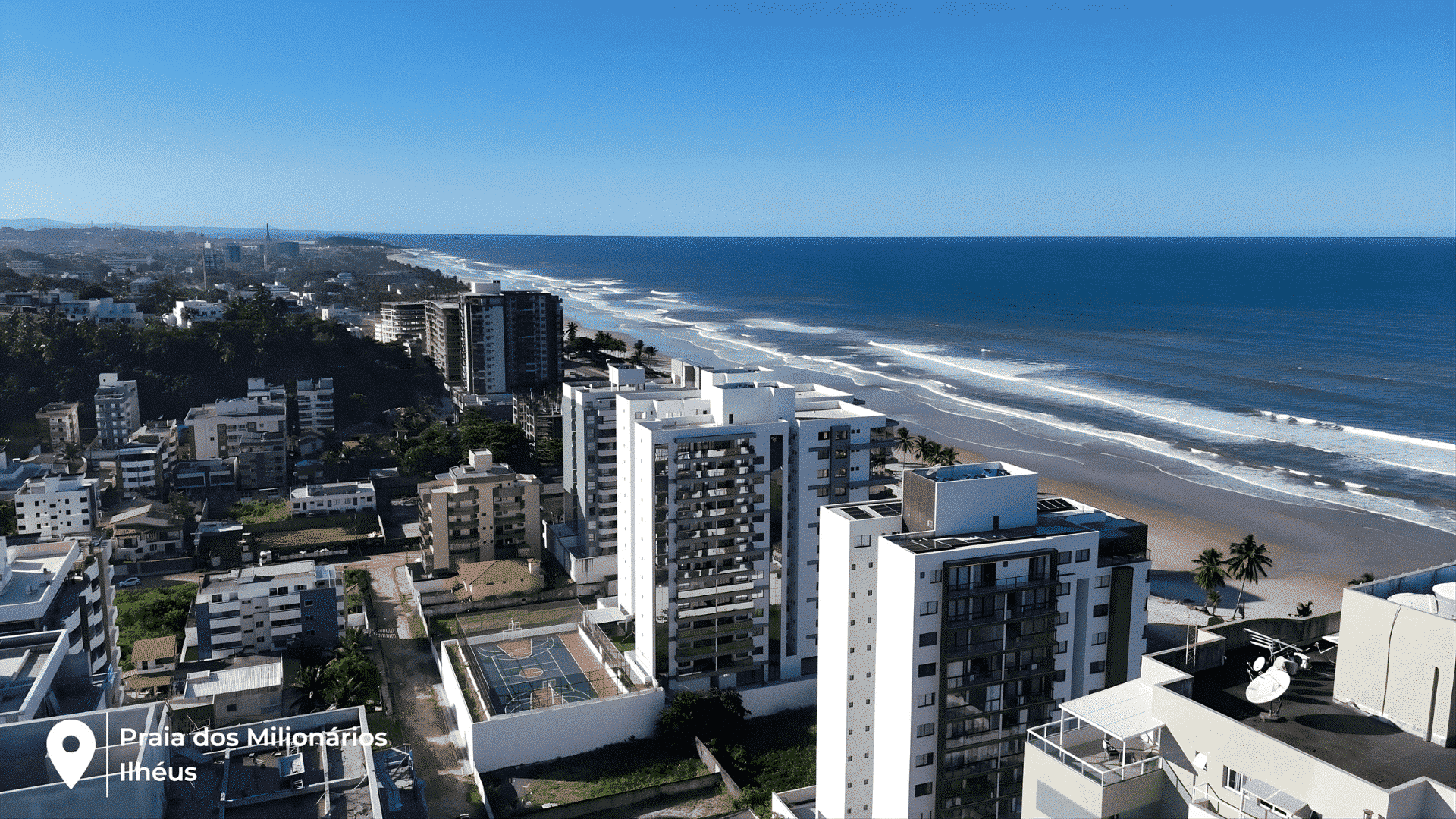
- Praia dos Milionários: the most famous, it lies 8 km from the centre. It also has calm waters, coconut palms and many beach huts, restaurants and places to stay.
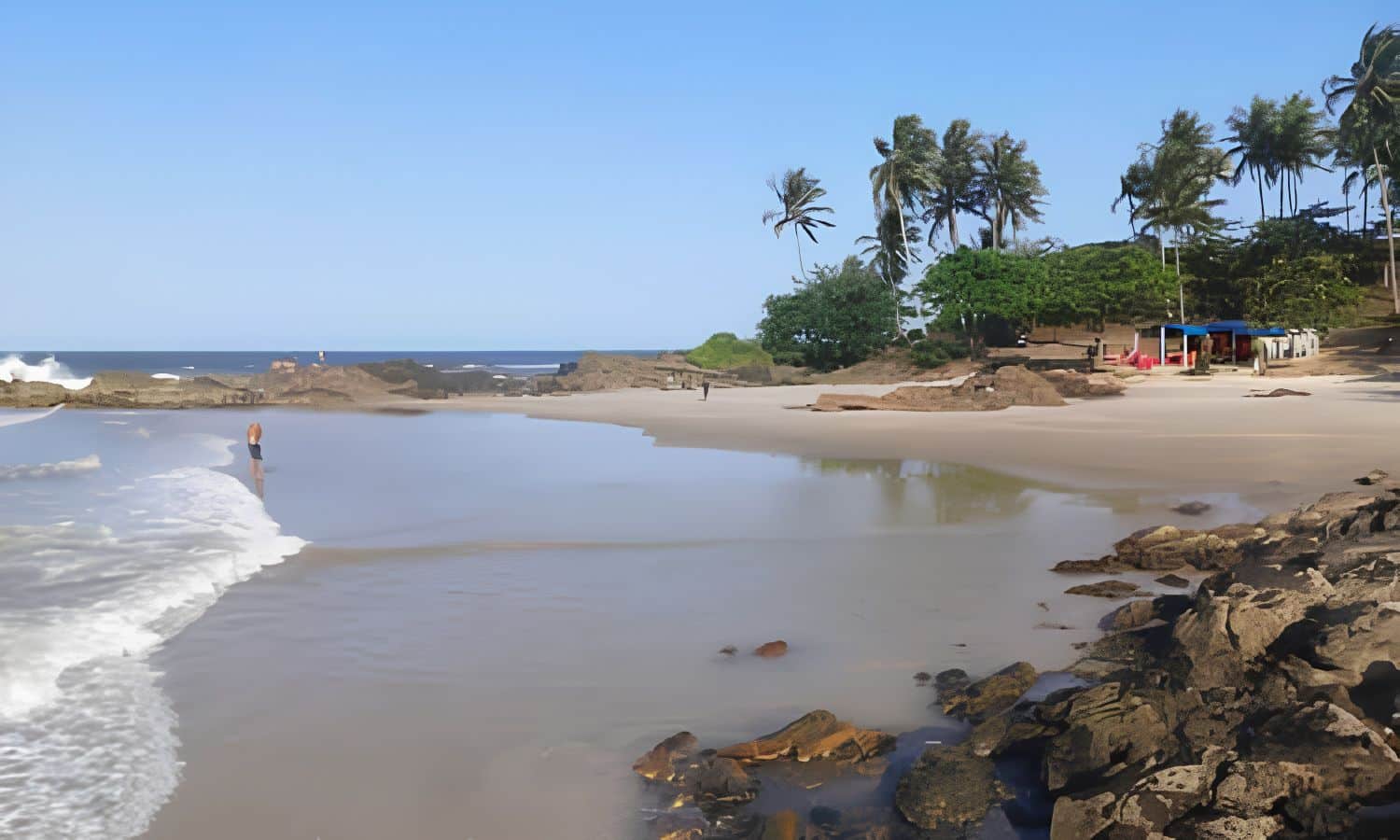
- Praia da Concha: small and quiet, it lies 2 km from the centre. Besides, it has clean water and natural pools among the rocks of Morro de Pernambuco.
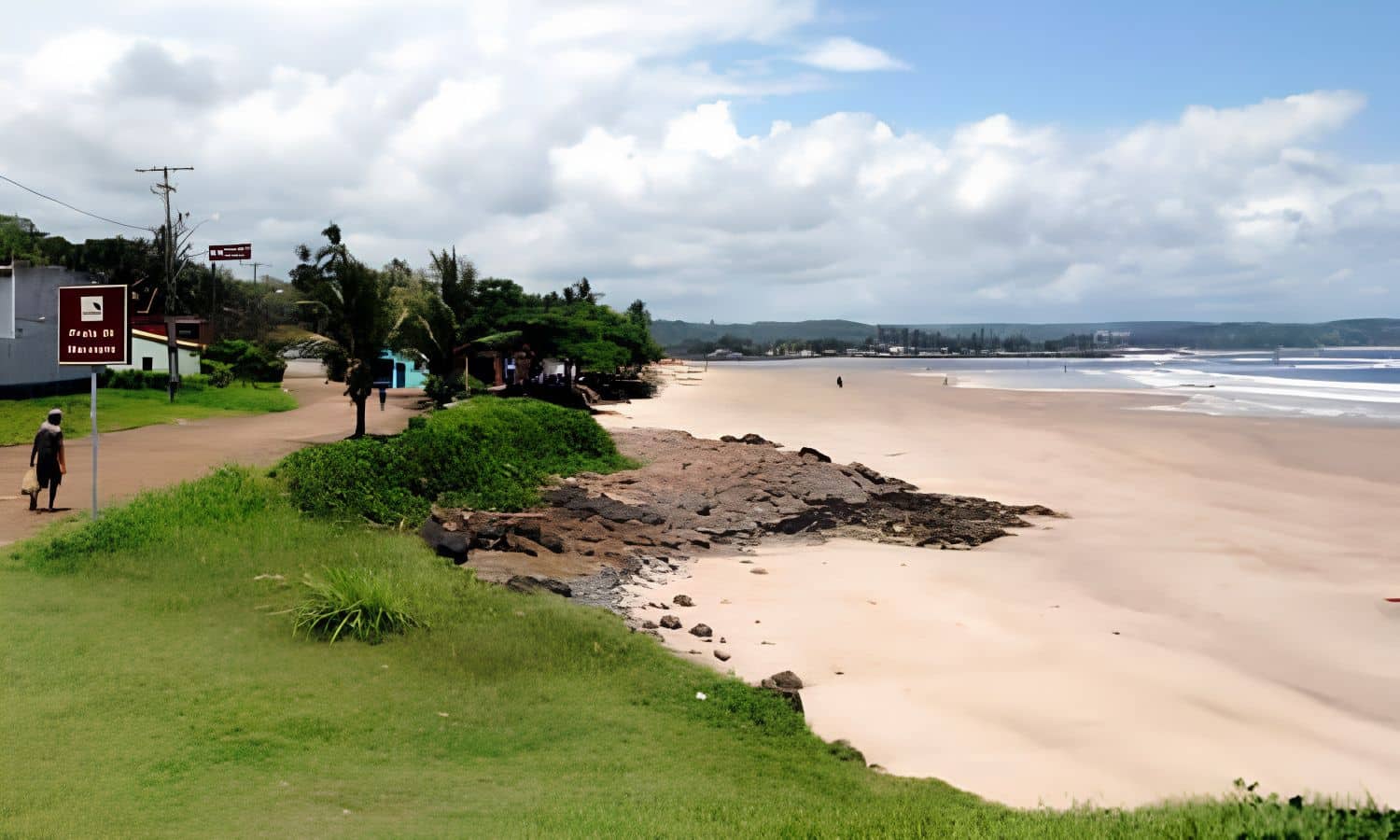
- Praia do Marciano: an urban beach 3.4 km from the centre, it has reefs, beach huts and hotels. It also attracts surfers.
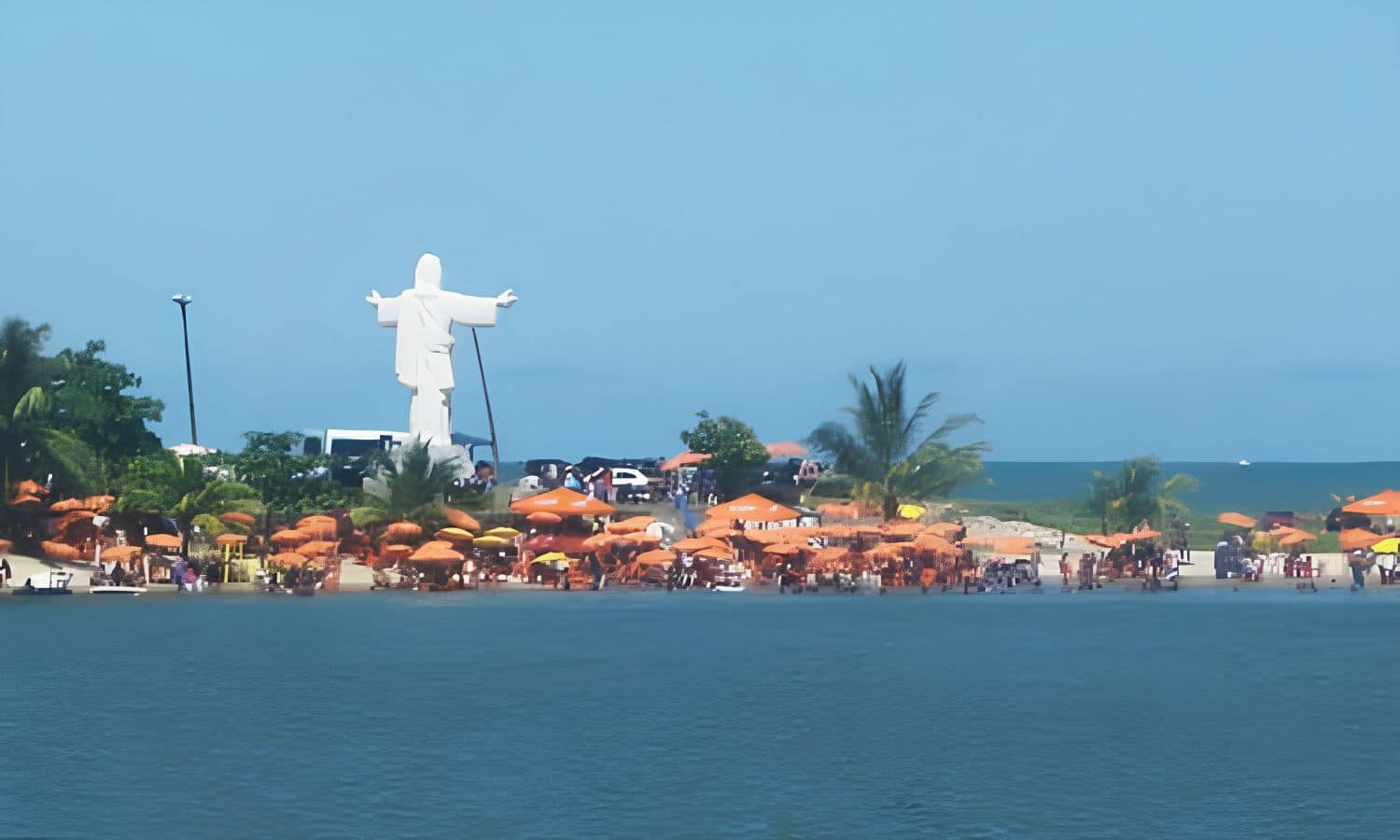
- Praia do Cristo: at the mouth of the Cachoeira River, next to the statue of Christ. As a result, it has calm waters and is very popular for water sports.
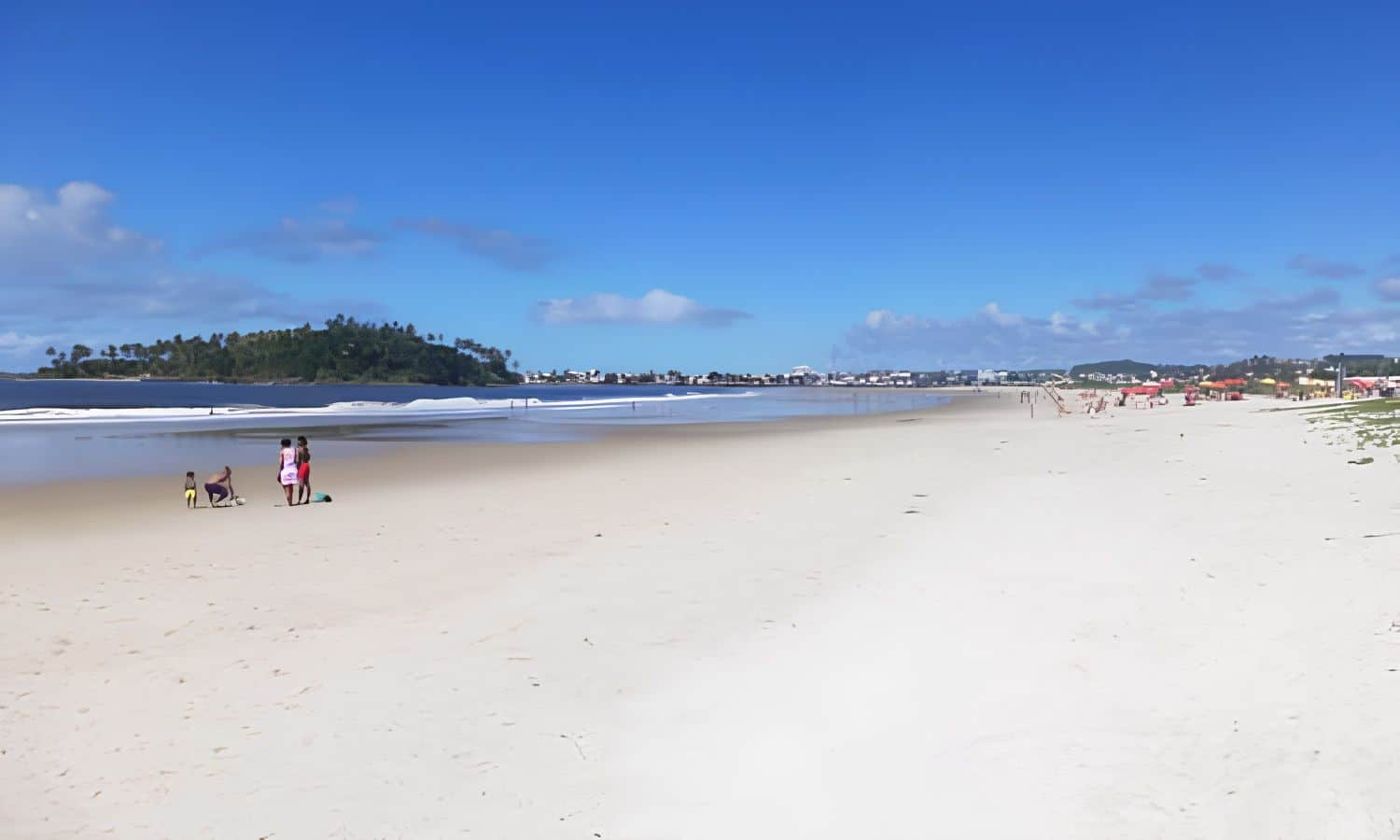
- Praia da Avenida: long, it runs along Avenida Soares Lopes, next to the cathedral. It has bars and sports courts, but some stretches are unsuitable for swimming.
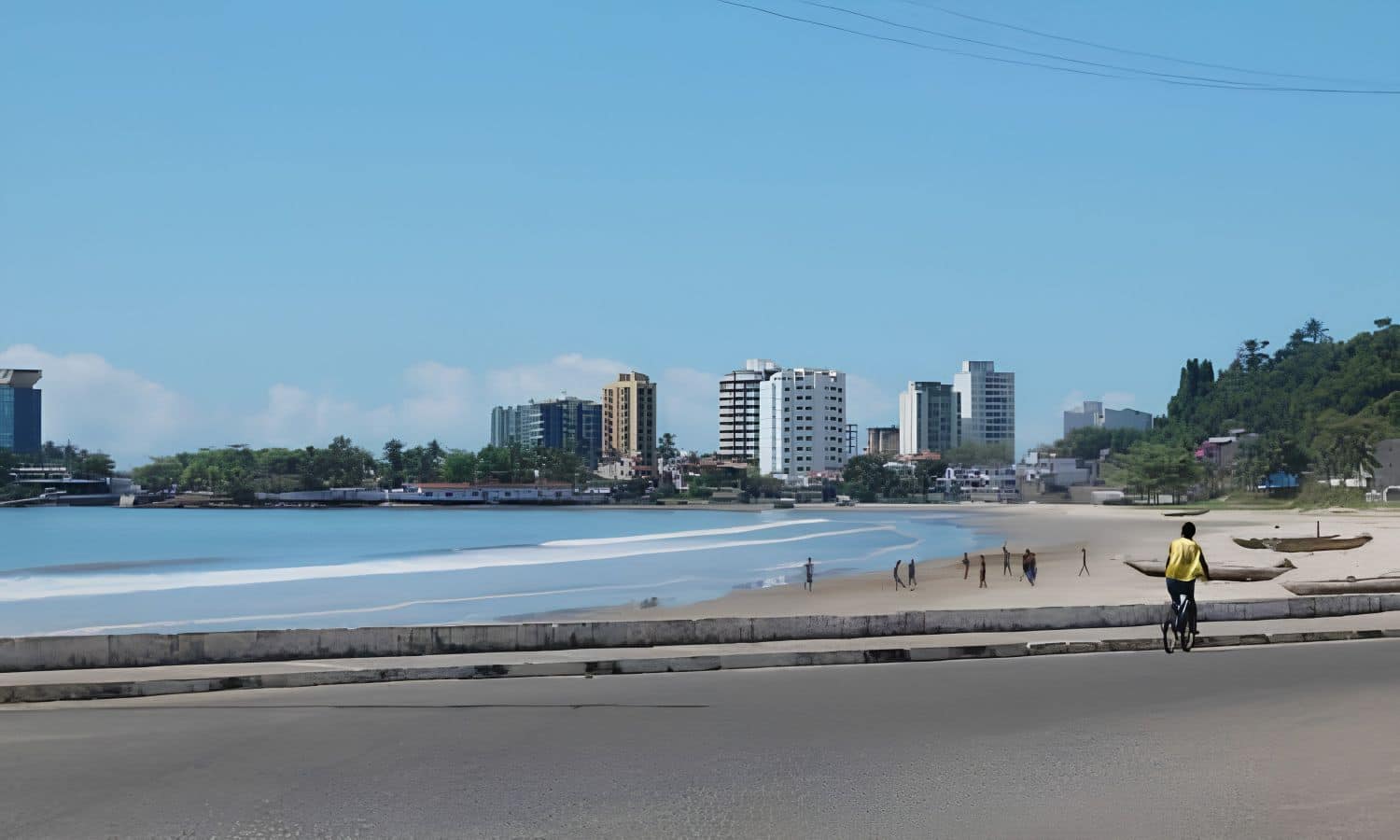
- Praia do Malhado: 2.7 km from the centre, it lies near the Porto do Malhado and is generally unsuitable for swimming.
5.3. Beaches with distinctive features
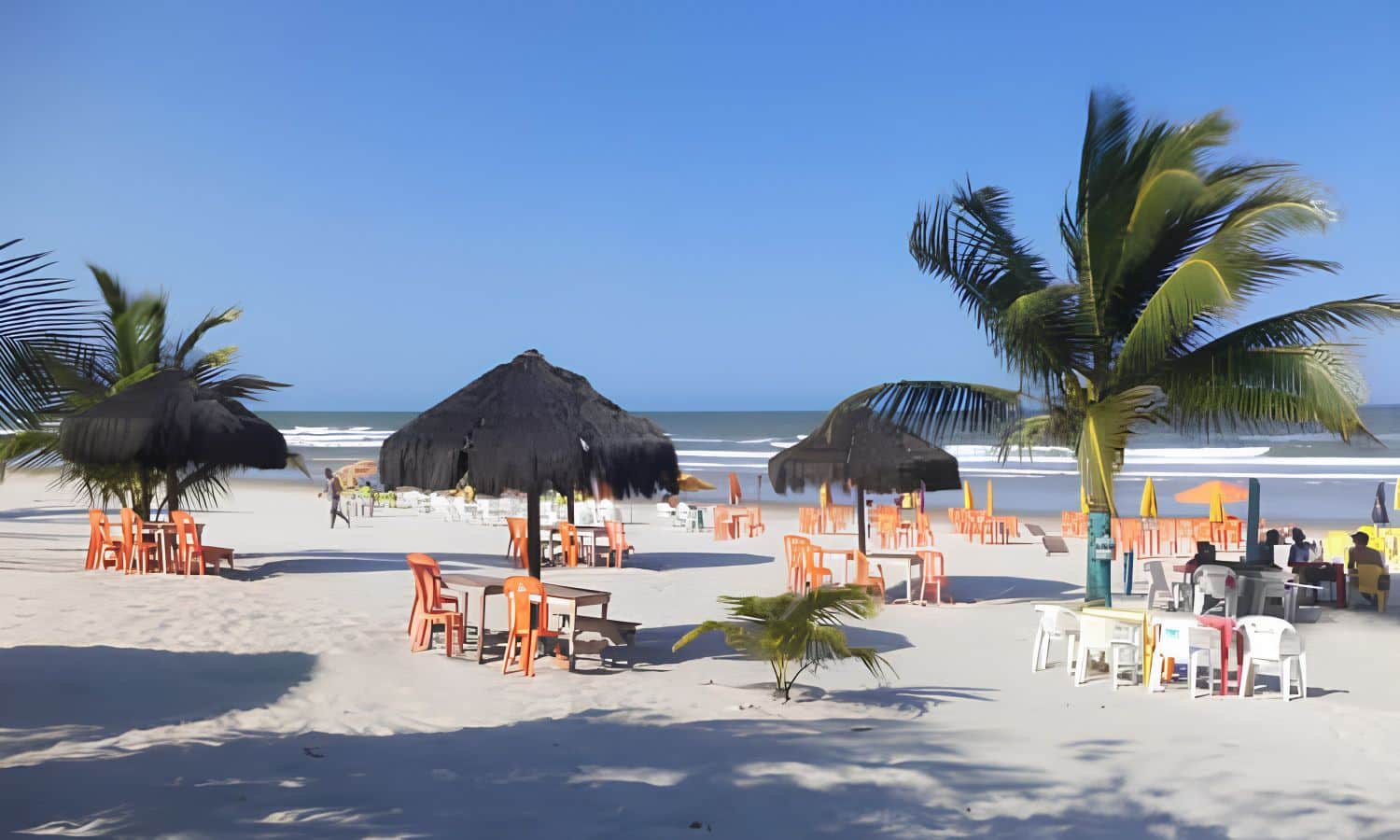
- Praia Boca da Barra: at the mouth of the Almada River, 4.1 km from the centre, it has beach huts and a fishing village. Incidentally, one of its stretches is known as Praia de São Miguel.

- Praia do Sul: 4 km from the centre, it has long straight stretches and reefs. Occasionally, it hosts surfing and fishing tournaments.
Practical tips for visiting Ilhéus
- Best time to go: from September to March for the beach; the surfing championships, on the other hand, run from May to November.
- Transport: rent a car to explore beaches and farms or, if you prefer, book guided tours.
- Safety: above all, respect the signs about stretches unsuitable for swimming and rough seas.
- Food: try the moqueca, the catado de siri and, of course, the chocolates and cocoa sweets.
In short, Ilhéus combines literature, history, ecotourism and sunshine, which makes it a complete destination on the southern coast of Bahia.
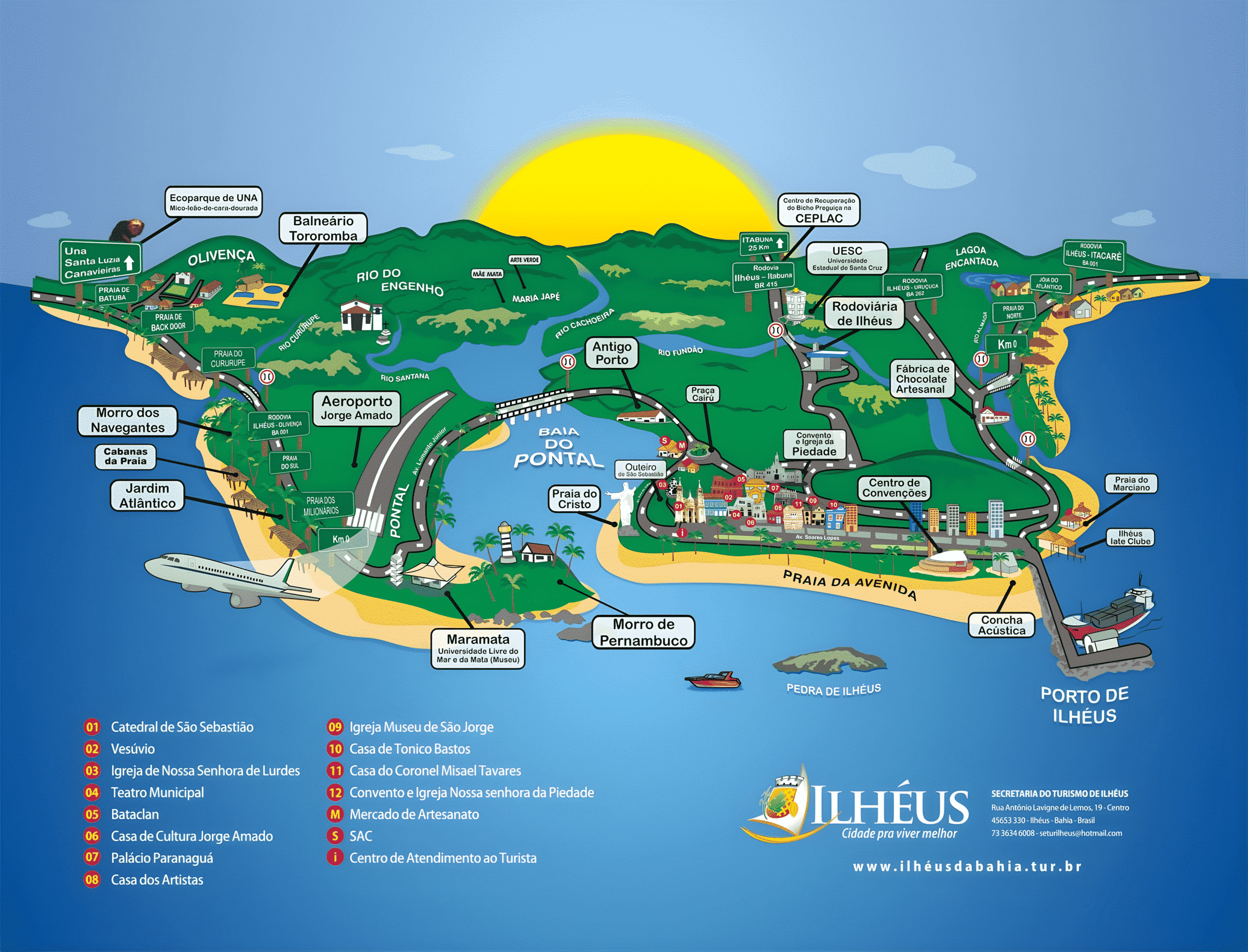
See the map of the Costa do Cacau and the map of Ilhéus.
Frequently asked questions about Ilhéus
Where is Ilhéus?
Ilhéus is in southern Bahia, on the Costa do Cacau, about 210 km from Salvador as the crow flies.
In addition, the city has its own airport, Jorge Amado Airport.
What are the best beaches in Ilhéus?
The most popular are Praia dos Milionários, Praia do Cururupe, Praia da Concha and the beaches of Olivença.
For surfing, on the other hand, the favourites are Back Door and Batuba.
What is there to do in the historic centre of Ilhéus?
First of all, visit the Catedral de São Sebastião, Bar Vesúvio, the Bataclan, the Teatro Municipal and the Casa de Cultura Jorge Amado.
They are all close to one another and can therefore be visited on foot on the same day.
When is the best time to visit Ilhéus?
From September to March, when it rains less and the weather is better for the beach.
For surfing, however, the championships take place from May to November.
Was Jorge Amado born in Ilhéus?
No. In fact, he was born in 1912 on a farm near Ferradas, now a district of Itabuna.
However, he grew up in Ilhéus, the city that became the setting for several of his novels.

Publicações Relacionadas
Arembepe: beaches (Piruí, Praia do Canto), Hippie Village and the Tamar Project

Paranaguá Palace — History, architecture and visiting information | Ilhéus (BA)

São Jorge Parish Church in Ilhéus — history, architecture and religious art

History of the Convent and Church of Nossa Senhora da Piedade in Ilhéus

São Sebastião Cathedral (Ilhéus) — History, architecture and tourism
The 15 Most Visited and Well-Known Beaches in Bahia
The 3 most paradisiacal beaches in Bahia

Skydiving, Paragliding and Ballooning in Bahia

Historic Towns in Bahia: A Journey Through Time
Places to visit on the south coast of Bahia

História da Arte - Caracteristicas, Aspectos e Periodos
Tourist Attractions in Bahia: main attractions, beaches and cities

Subaúma, Bahia: where it is, things to do and where to stay
Massarandupió Naturist Beach, Bahia: Rules and Access
Beaches on the South Coast of Bahia: 10 Best and Tips
Towns and the Abrolhos Archipelago — The southernmost tip of Bahia

Baixio: Between lagoons, dunes and the charm of a village surrounded by nature
Best Beaches in Bahia: Your Guide to Paradise
Salinas da Margarida (BA) — Beaches, Attractions and a Complete Guide

Guarajuba Beach, Bahia: Natural Pools and Tips

Barra do Cahy: Brazil's first beach - history and nature

Garcez Beach: Discover Paradise in Jaguaripe

Barreiras: An Ecological Paradise in Bahia
Catabrigas Waterfall — A natural haven in Ibirajá, Itanhém (BA)

Serra Grande: Your Guide to Bahia's Paradise
Corumbau, Bahia: Ponta de Corumbau, beaches, map, how to go

Taipu de Fora: Discovering Natural Pools

Iguaí: A Guide to Waterfalls and Relaxation
Morro de São Paulo: Map, Beaches & How to Get There (2026)
Tourism in São Francisco do Conde (BA) — Tips and Attractions
Todos-os-Santos Bay (Bahia) — History, geography and conservation
Todos os Santos Bay — Nature, History and Water-based Tourism
Bay of Todos os Santos: nature, history and cultur

Rafting in Taboquinhas: The Ultimate Adventure Guide
Abseiling Sites in Bahia: Top Locations to Explore

Diving Spots in Bahia: Discover Underwater Treasures
This post is also on:
 Português
  English
  Deutsch
  Español
  Français